Private equity involves investing in private companies, improving performance and later selling the investment. Learn how PE funds, buyouts and exits work.
Angel investing provides early-stage startups with capital from individual investors. Learn how deals work, how startups are evaluated and what risks are involved.
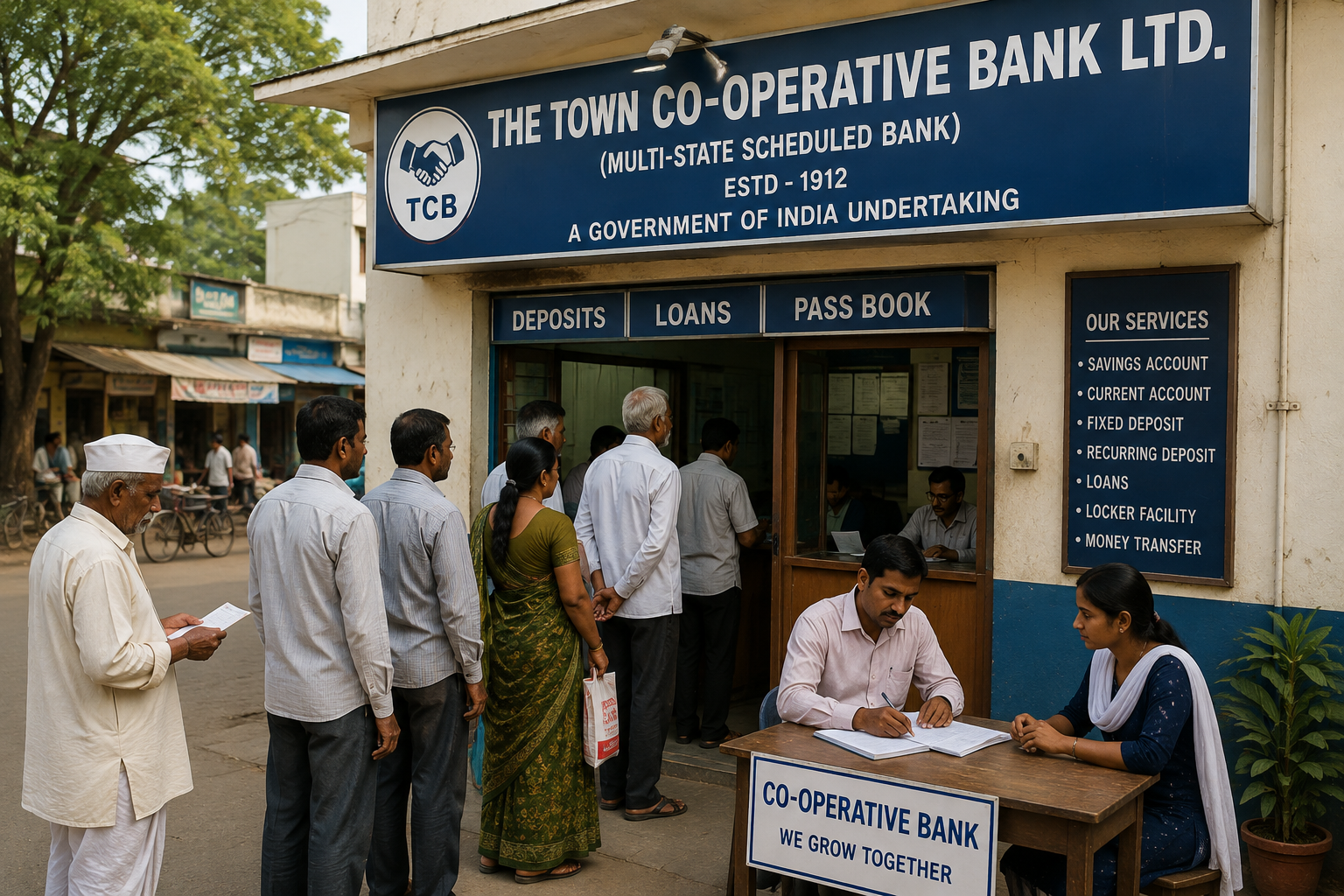
Cooperative banks are member-owned financial institutions that provide deposits, loans and local credit. Learn how they work, whom they serve and the risks involved.
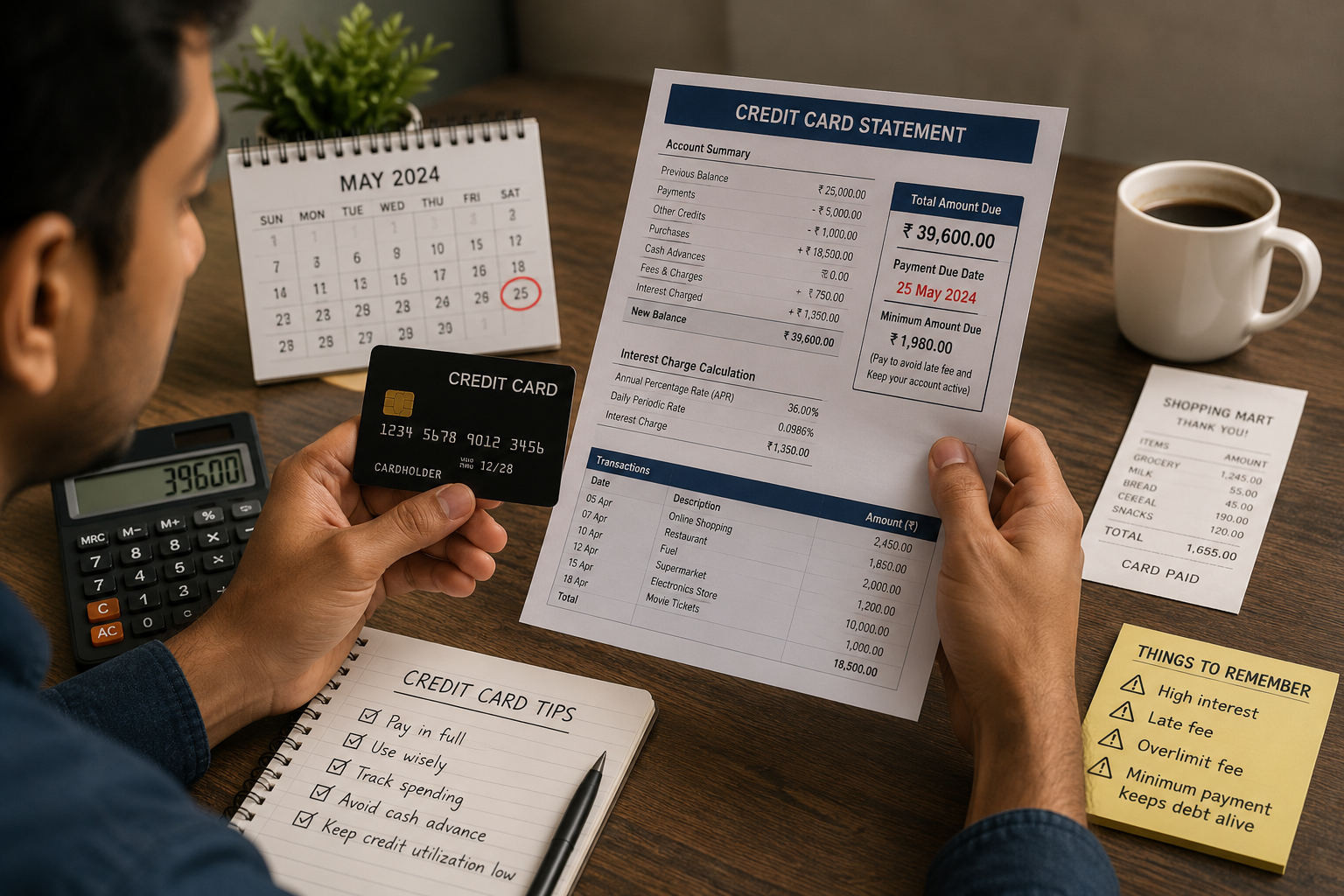
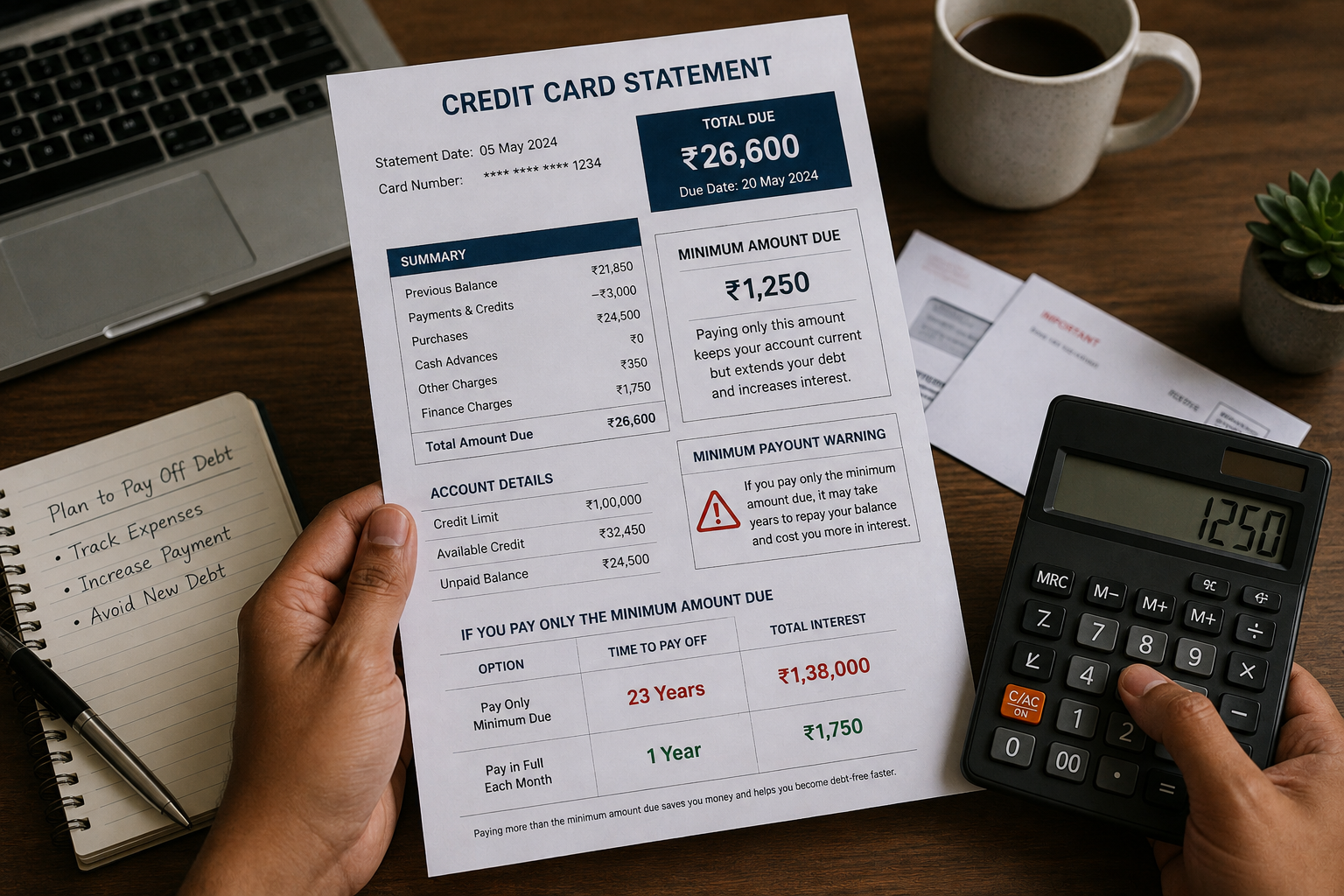
How credit cards work depends on billing cycles, interest-free periods, fees and repayments. Learn how minimum payments can turn short-term credit into costly debt.
An easy loan debt trap can begin with instant credit but grow through high costs, repeated borrowing and unaffordable EMIs. Learn the warning signs and risks.
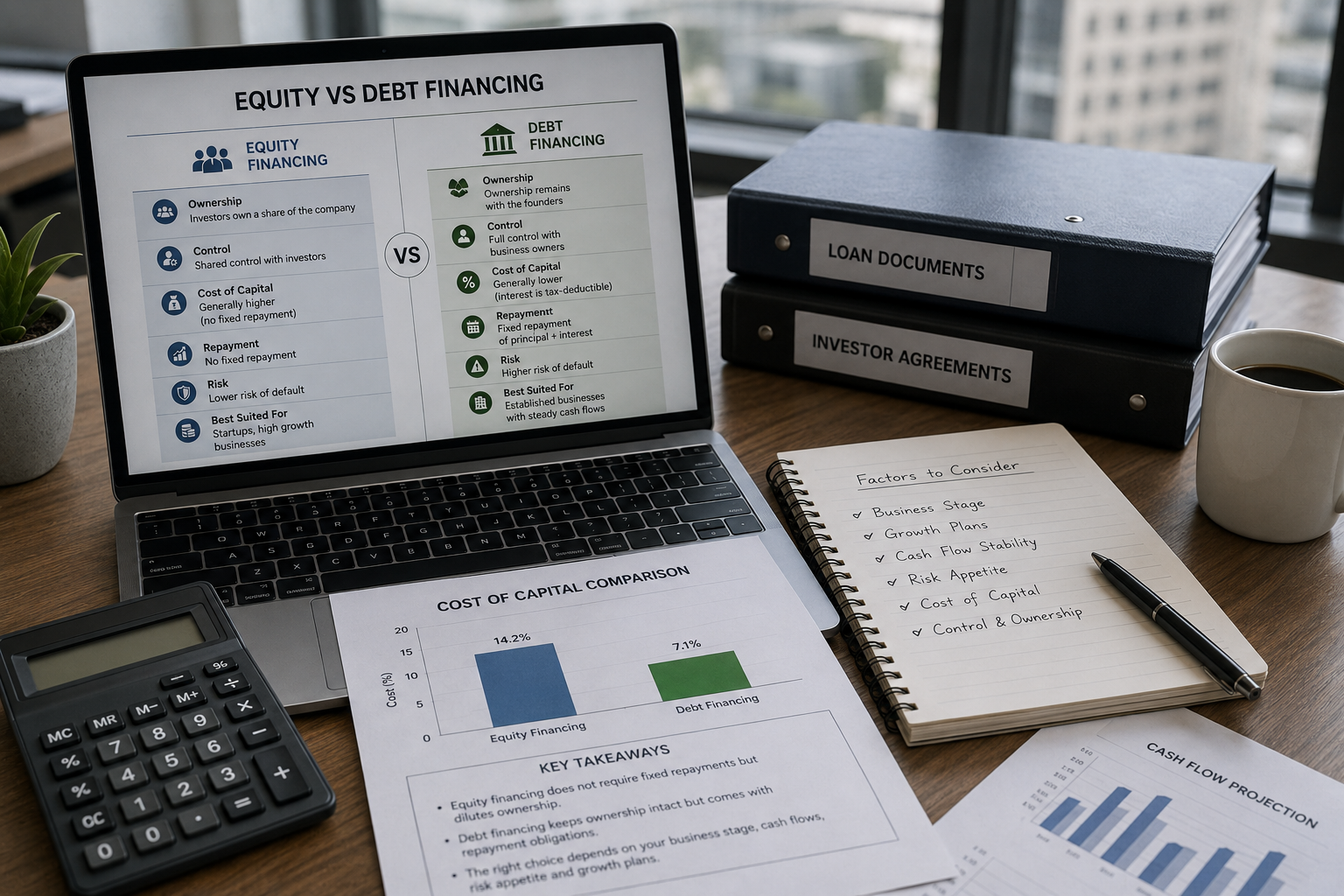
Venture capital and startups are closely linked through funding, ownership and growth. Learn how VC rounds, valuation, dilution and investor risk work.
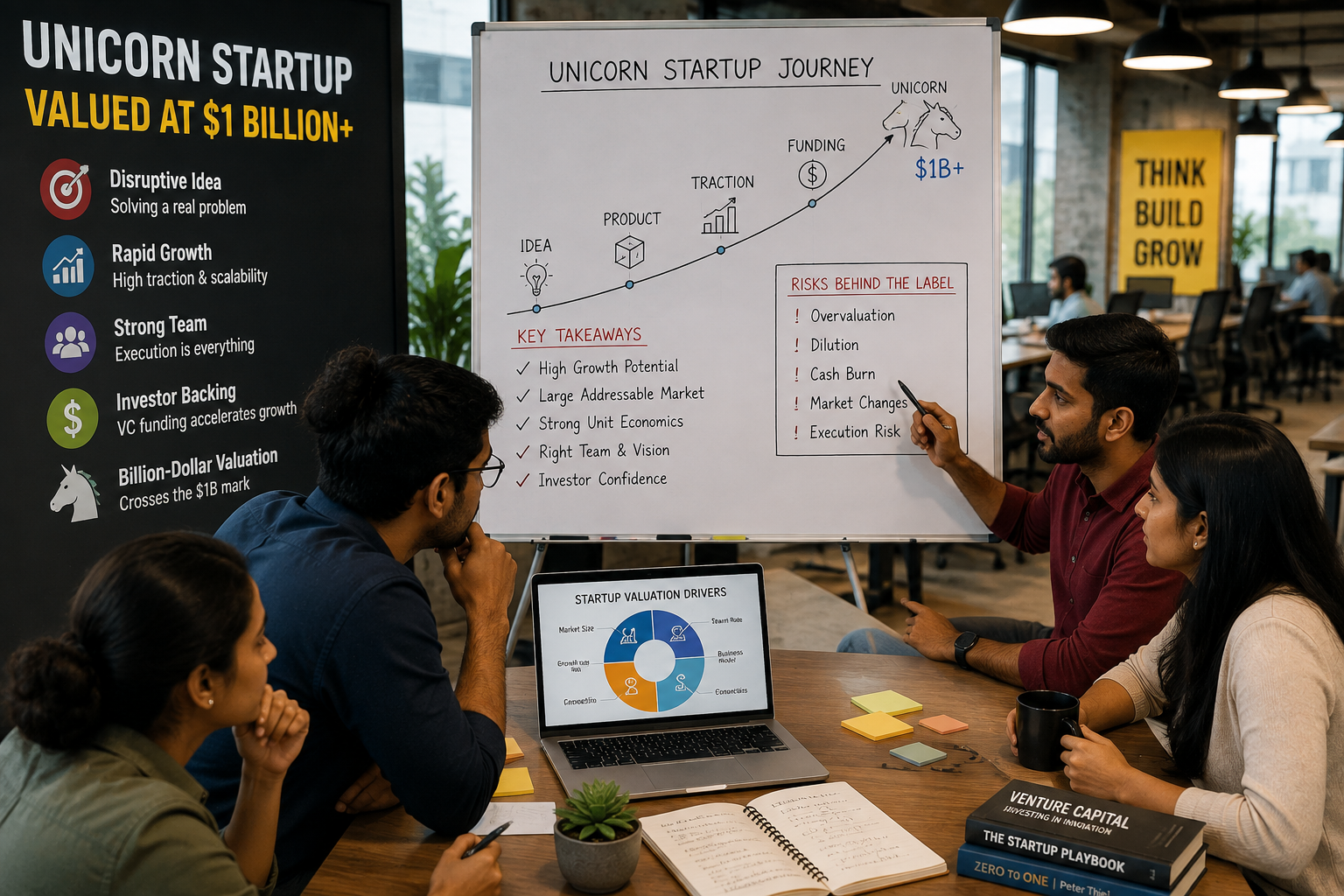
A unicorn startup is a privately held company valued at over $1 billion. Learn how unicorn valuations work and why the label can hide risk, dilution and losses.
Passive income means earning money from assets or systems beyond salary. Learn common passive income ideas, the effort involved and how to build reliable income streams.
Get-rich-quick schemes promise unusually fast returns with little effort or risk. Learn the warning signs, common tactics and how investors can protect themselves.
Market manipulation distorts prices, volumes or investor perception through deceptive trading practices. Learn the common methods, risks and warning signs investors should know.
Microfinance empowers the poor by expanding access to small loans, savings and financial services, but high debt and over-borrowing can create serious risks.
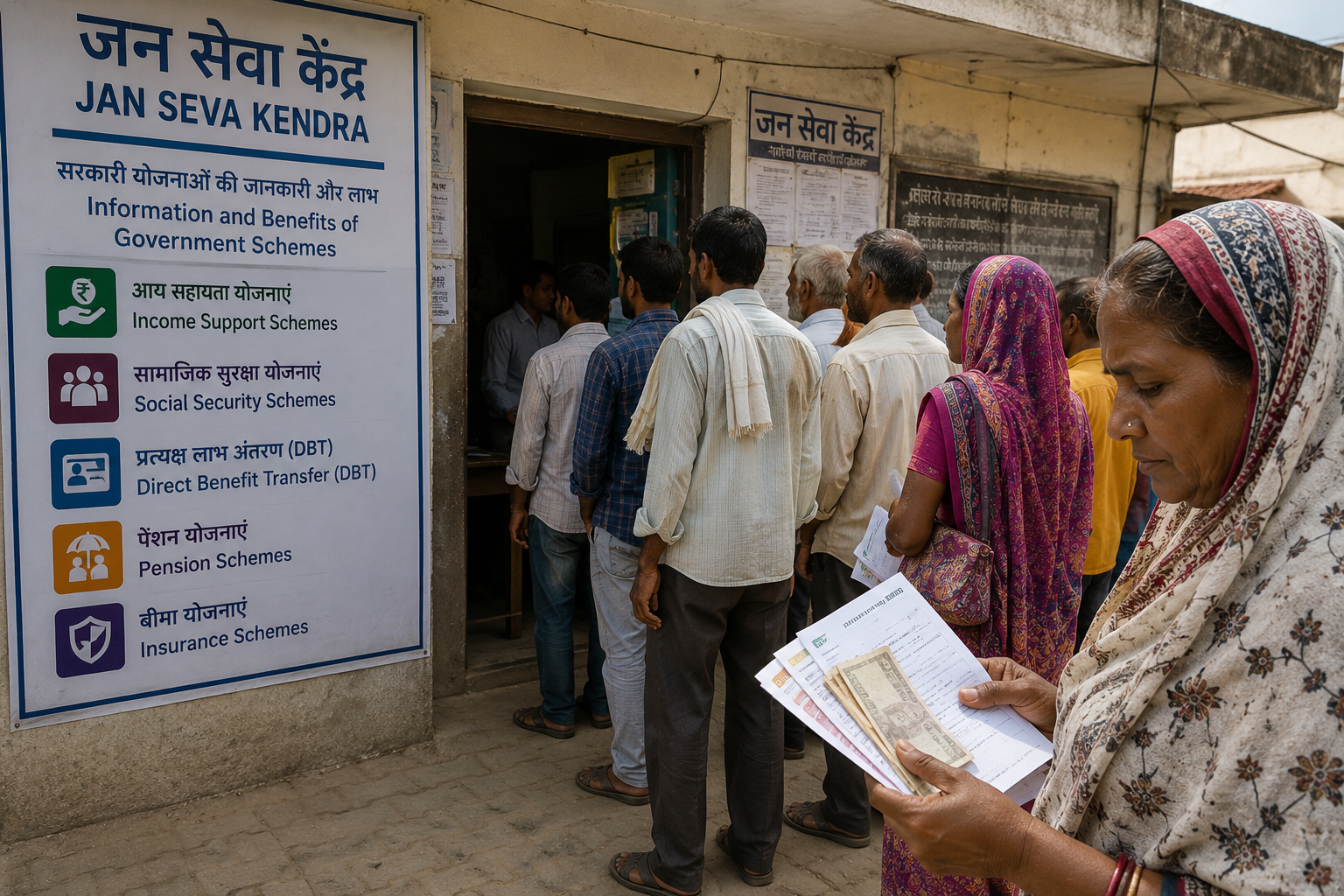
Financial inclusion means access to bank accounts, payments, savings, credit and insurance. Learn why financial inclusion matters for households, resilience and economic growth.
The role of NBFCs includes providing credit, leasing, retail finance and specialised lending beyond traditional banks. Learn how they work, their benefits and their risks.
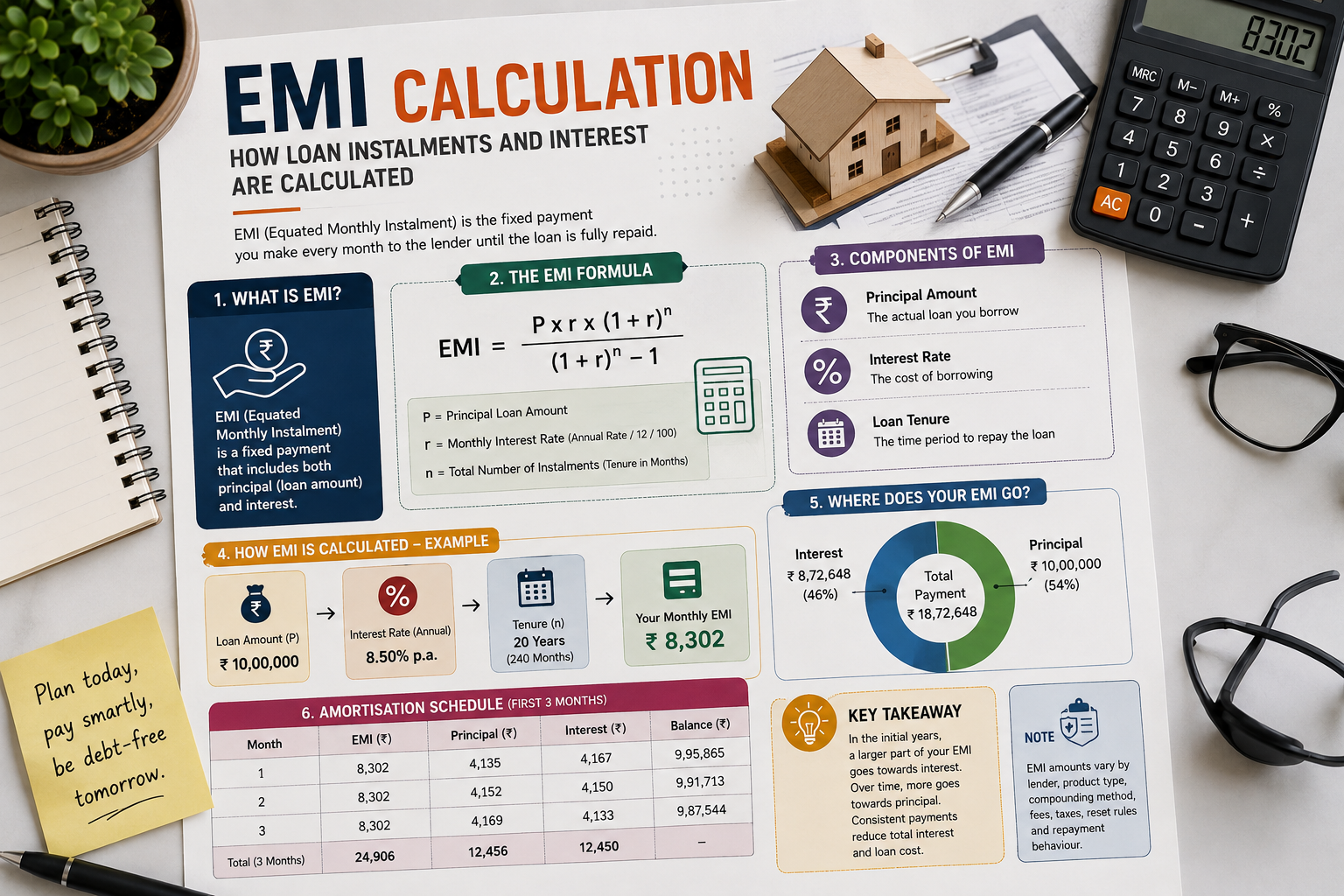
EMI calculation determines your monthly loan payment using the principal, interest rate and tenure. Learn how EMIs work and how loan costs build over time.
Insider trading involves dealing in securities using unpublished price-sensitive information. Learn how insider trading works, why it is restricted and how SEBI regulates it.
A bank run begins when fear drives mass withdrawals. Learn how runs start, why liquidity matters and how deposit insurance protects eligible depositors.
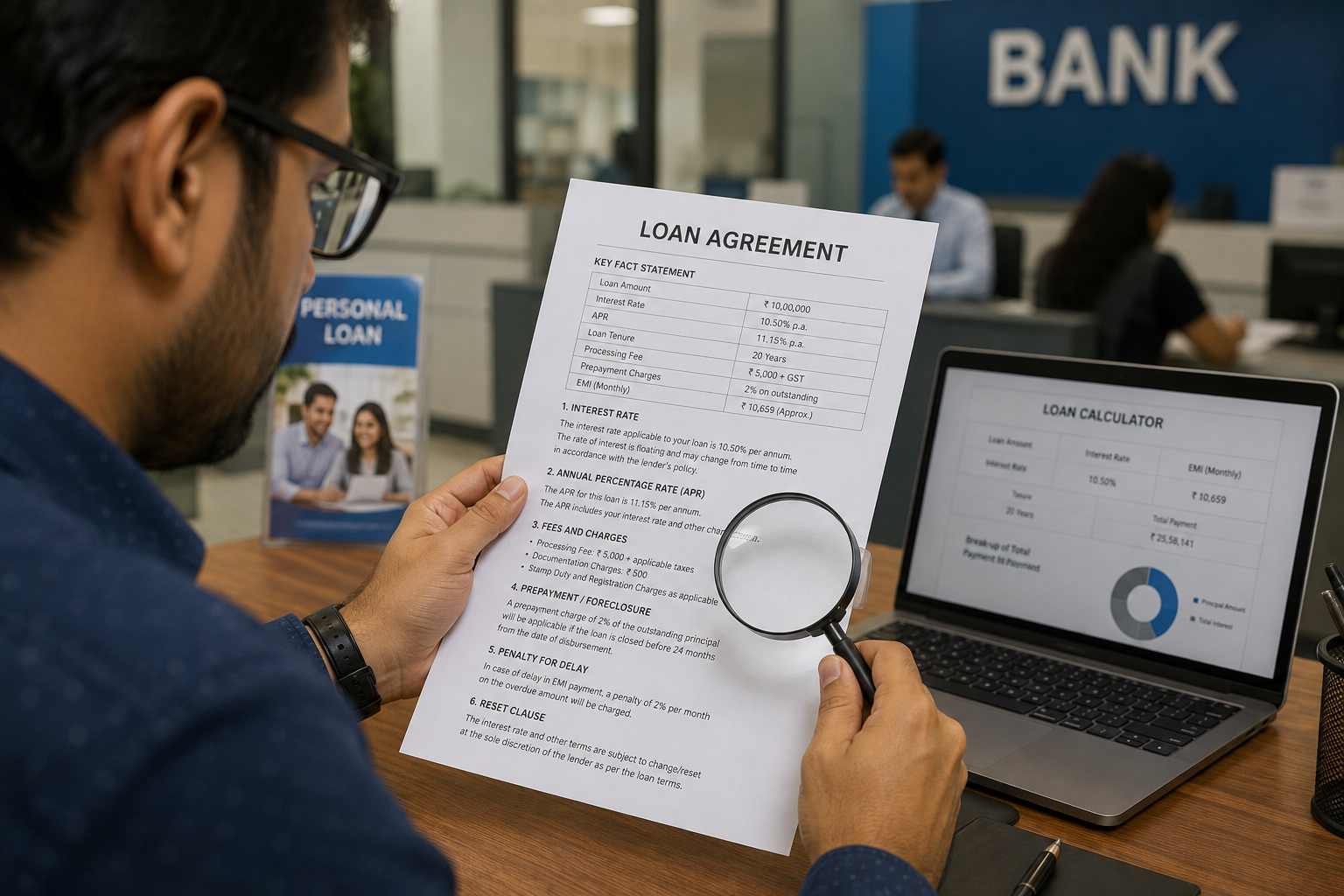
Loan fine print can reveal costs and conditions that are easy to miss. Learn what to check in interest rates, fees, penalties, EMI terms and reset clauses.
A hostile takeover happens when an acquirer seeks control without management approval. Learn how bids work, how boards respond and what shareholders face.
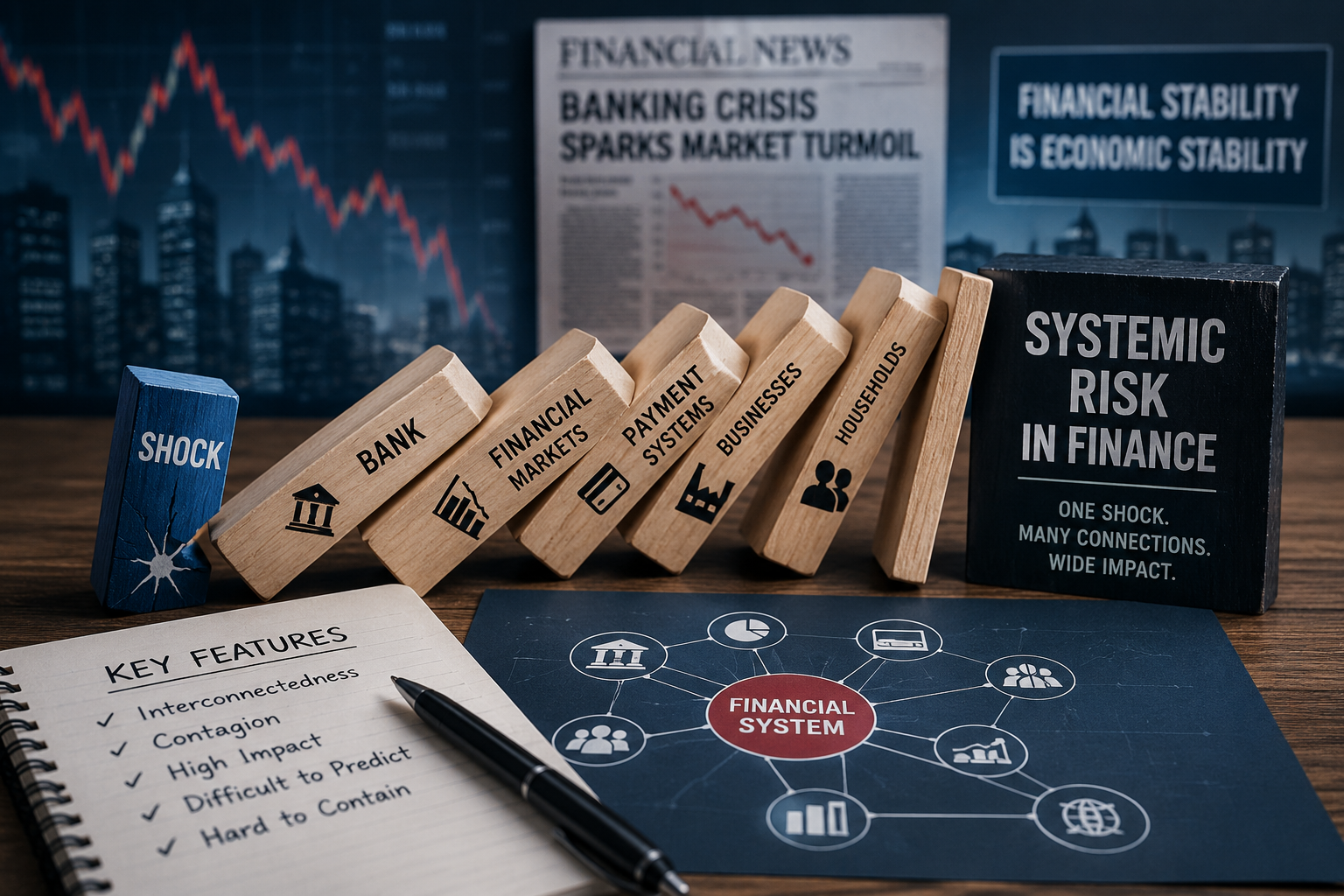
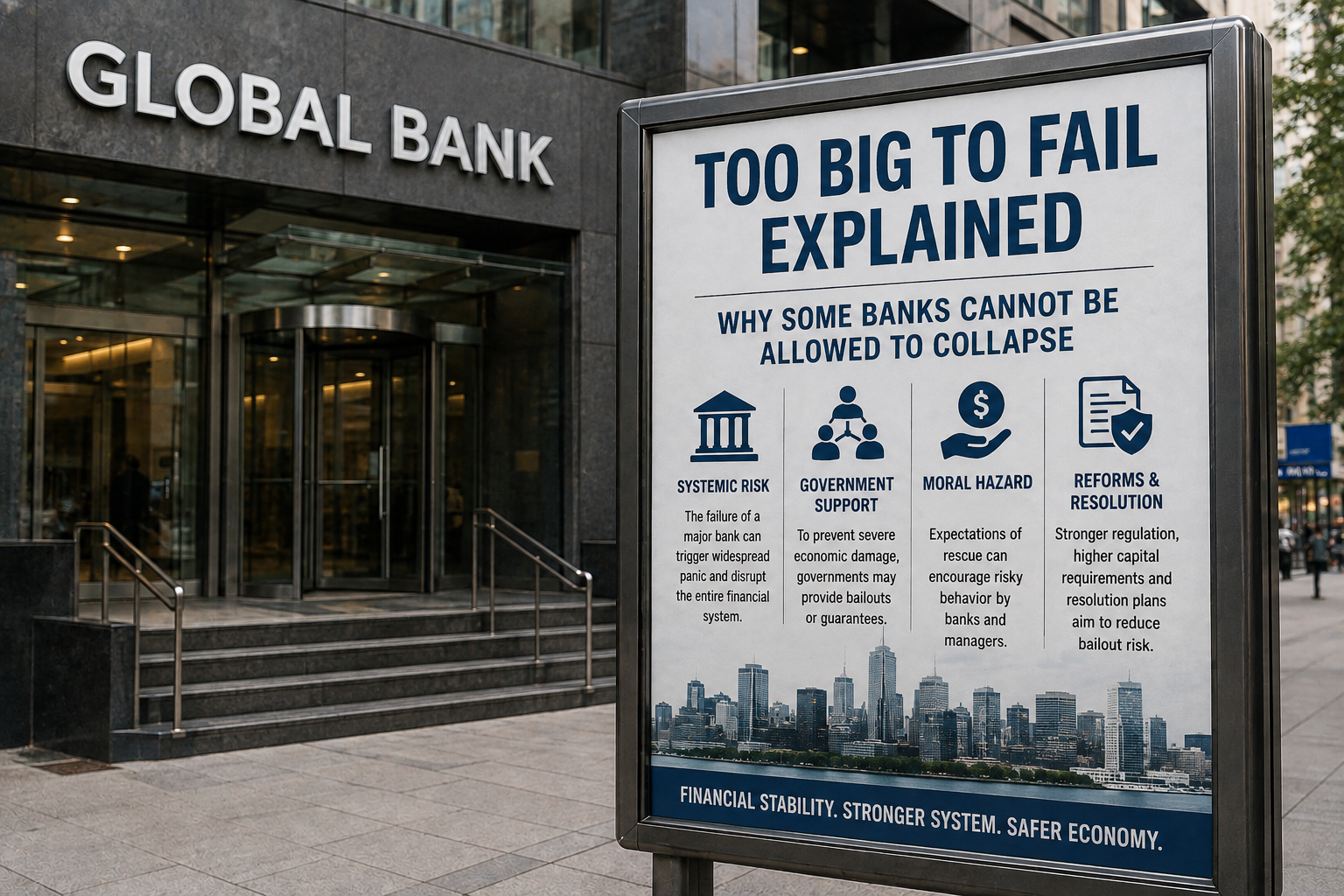
Systemic risk in finance explains how shocks spread across banks and markets, threatening financial stability, credit, businesses and the wider economy.
Delayed gratification in finance shows how resisting immediate spending can strengthen saving habits, improve investment discipline and support long-term wealth.
Purchasing Power Parity compares what currencies can buy across countries. Learn how PPP works, where it is used and why it differs from exchange rates.
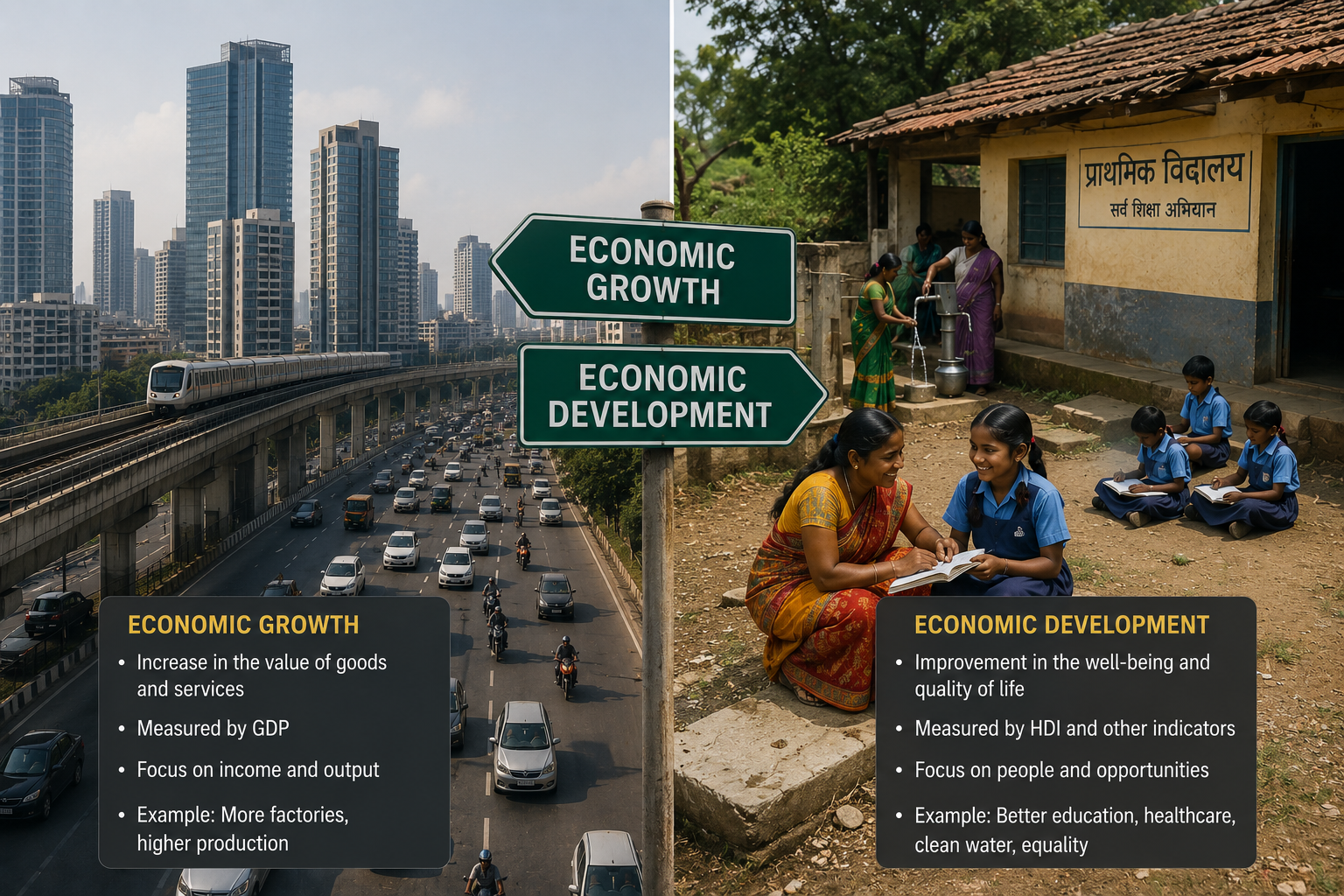
Sustainable economic growth aims to raise incomes and productivity without undermining social inclusion, resources or long-term environmental stability.
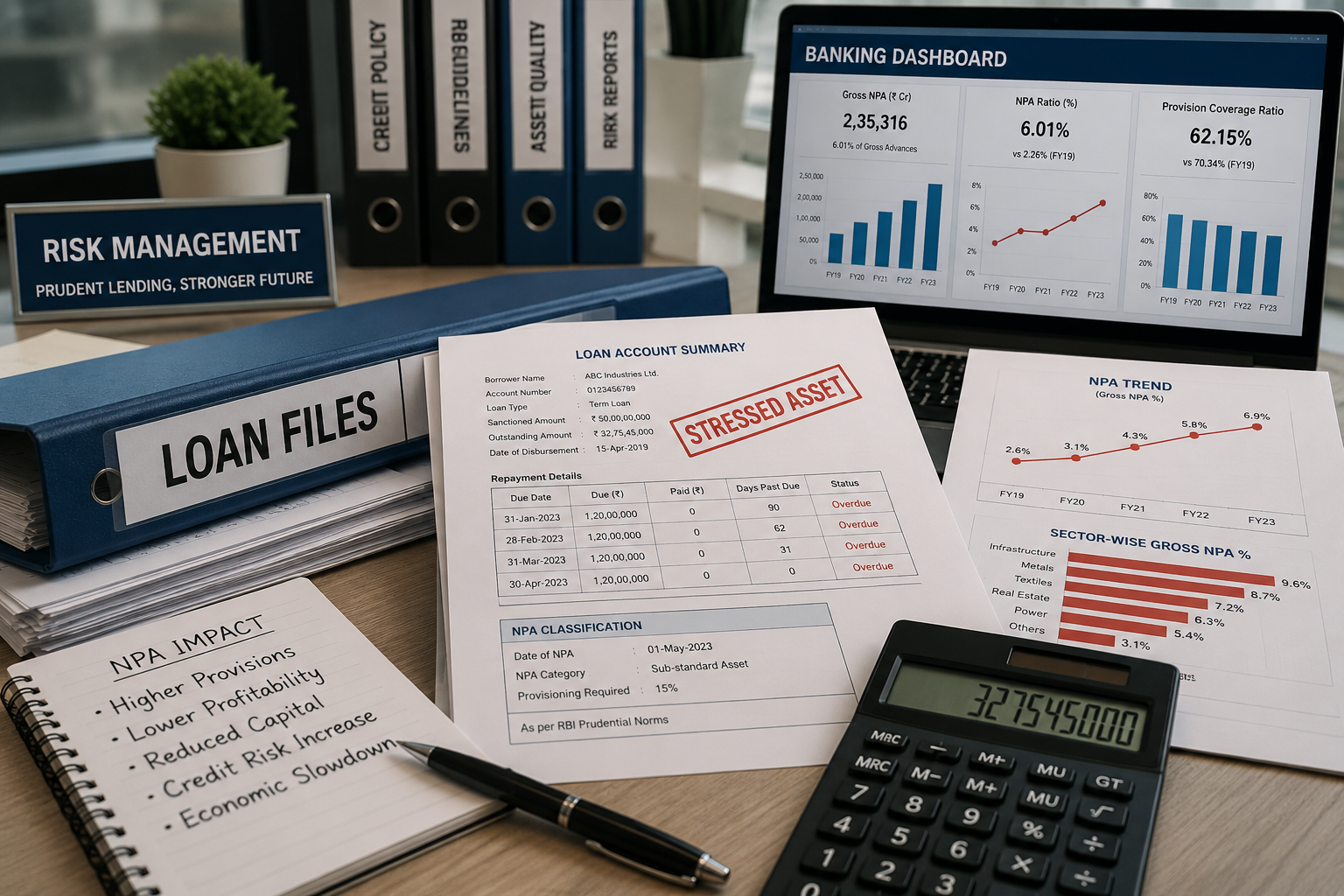
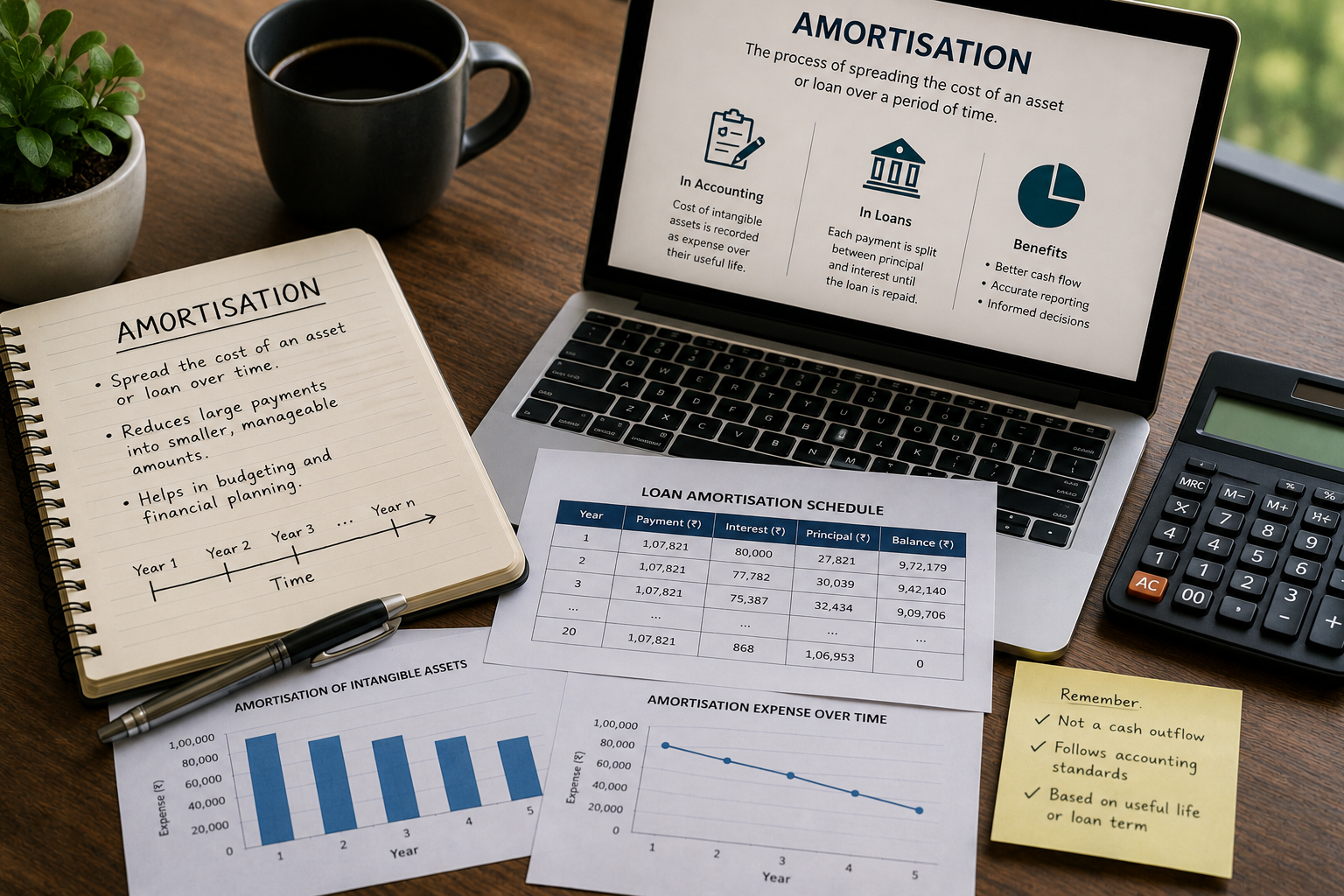
Provisioning in accounting recognises expected losses or obligations before cash is paid. Learn how provisions work and why they support prudent reporting.
Sovereign Wealth Funds invest public wealth for long-term national goals. Learn how SWFs work, where their money comes from and why they influence markets.
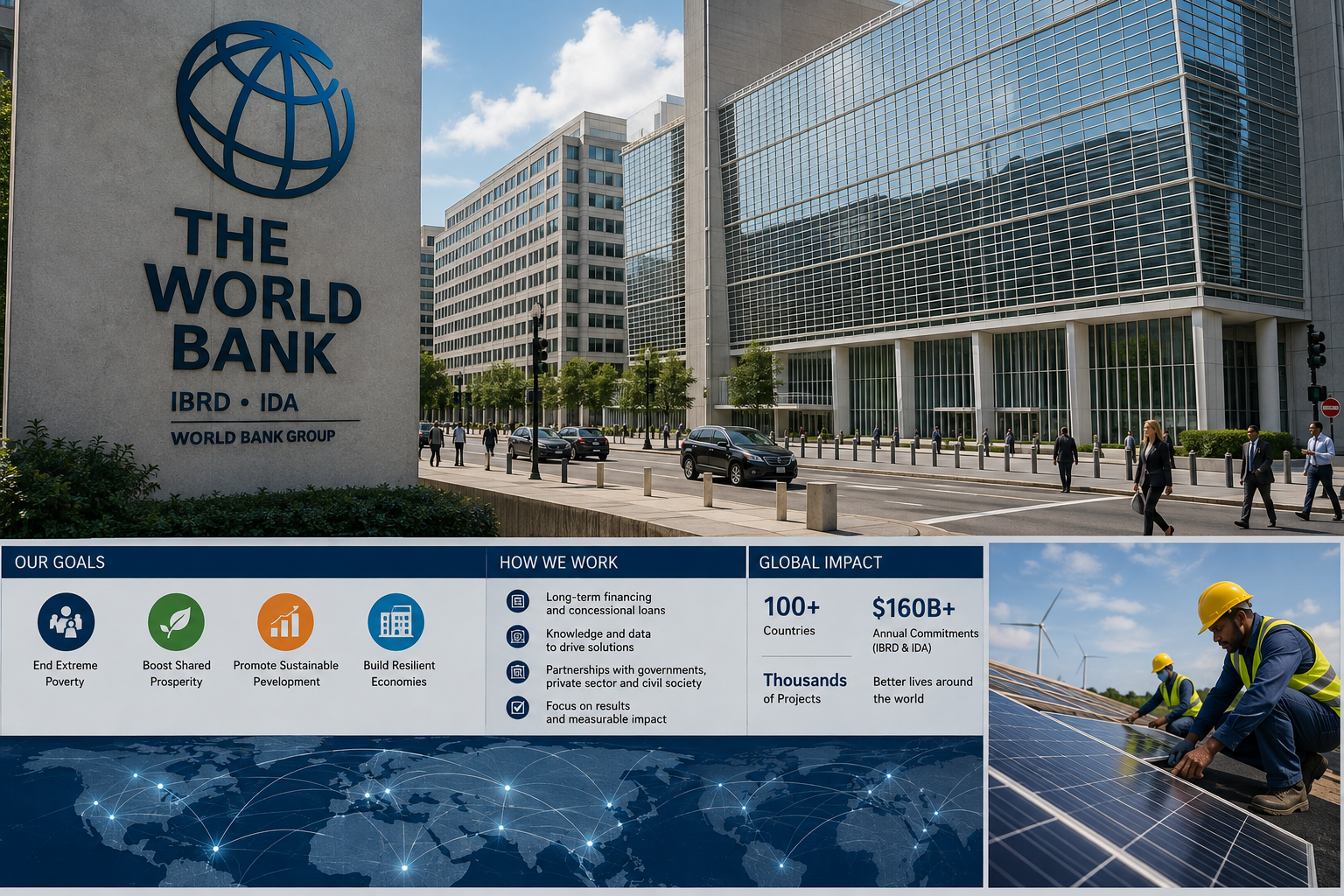
The World Bank finances development through loans, concessional funding and technical support. Learn how IBRD and IDA work and why they matter globally.
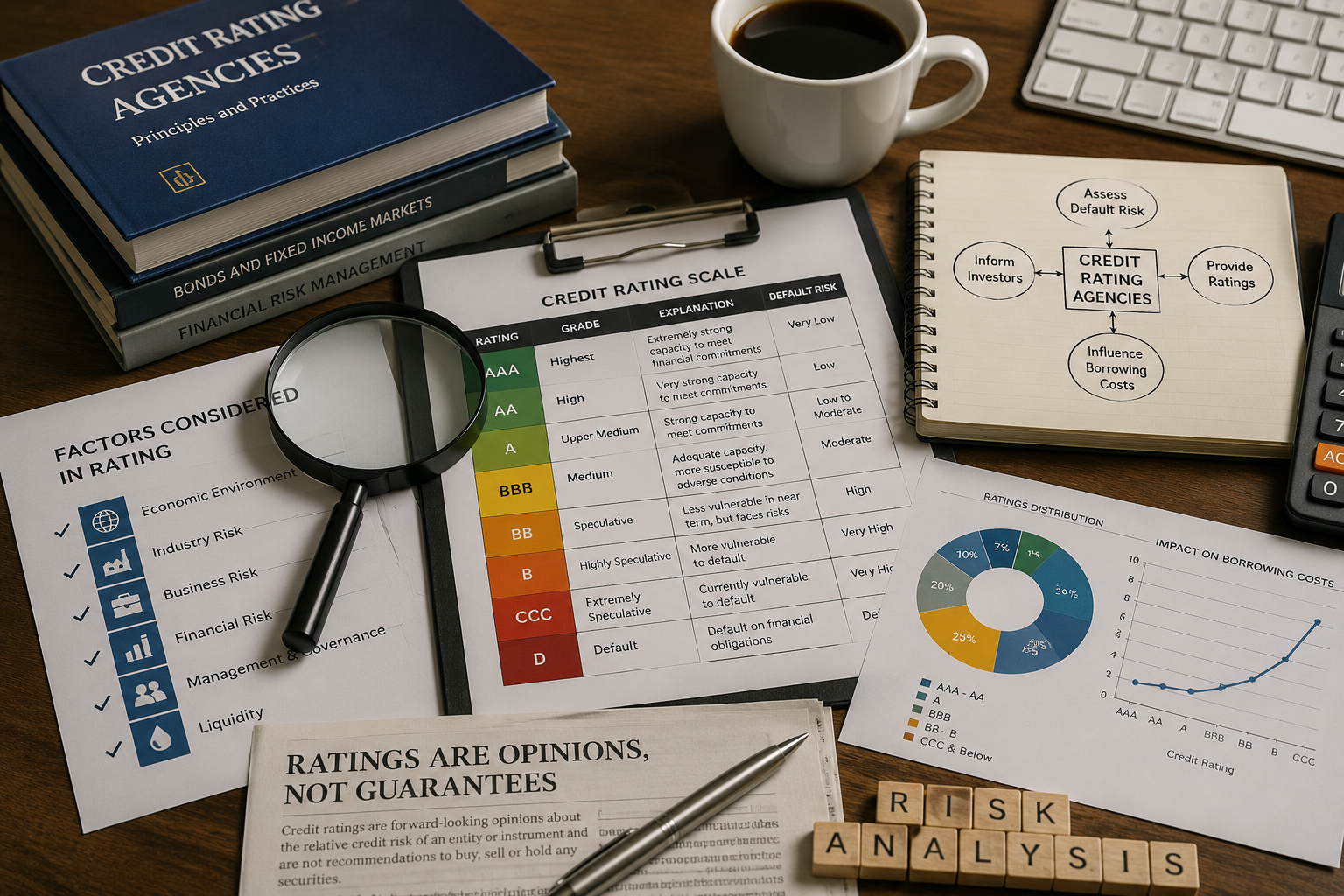
Credit rating agencies evaluate the creditworthiness of borrowers and securities. Learn how ratings affect interest costs, bonds and investor decisions.
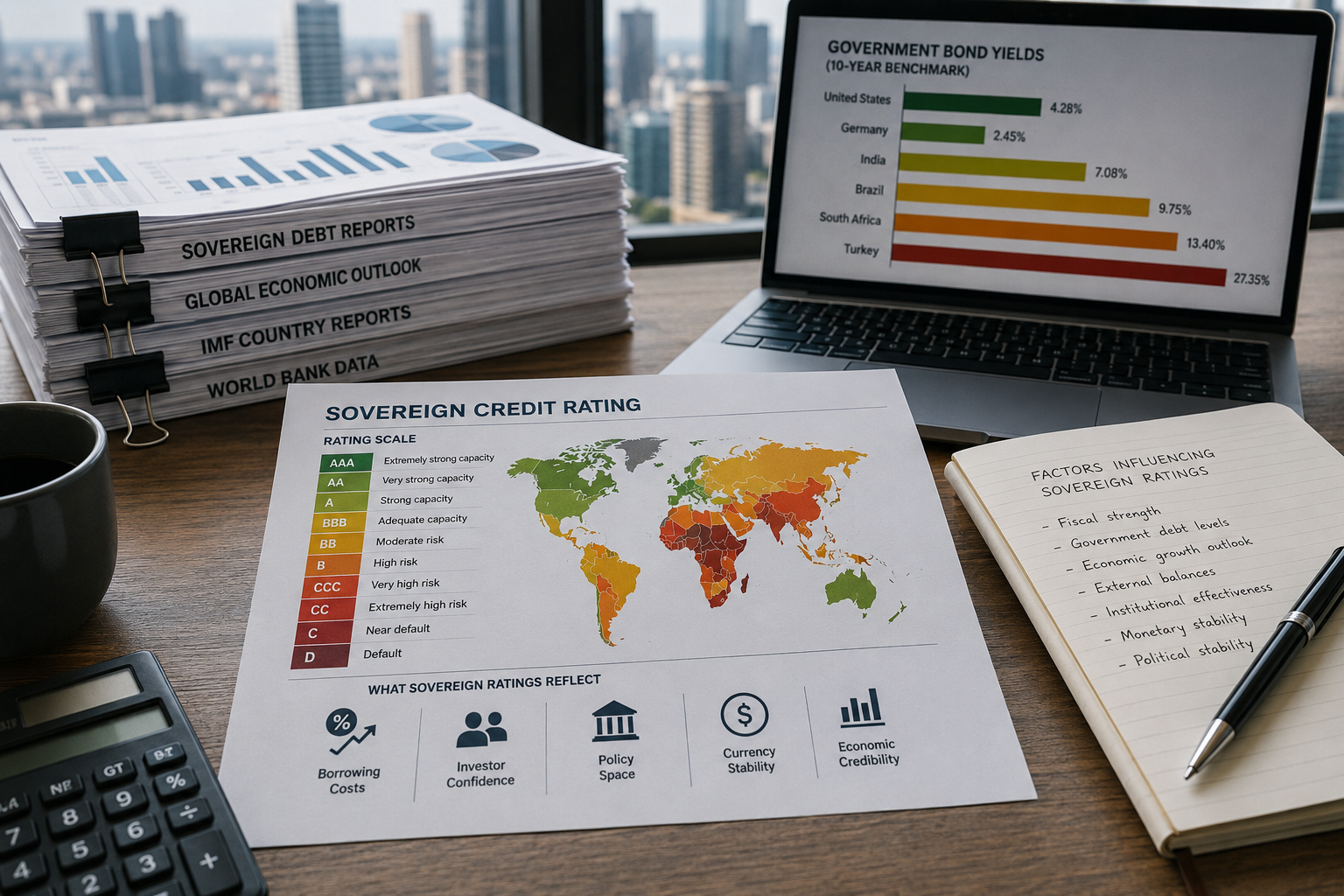
Sovereign ratings assess a government’s ability to meet its debt obligations. Learn how ratings affect borrowing costs, currencies, investors and policy.
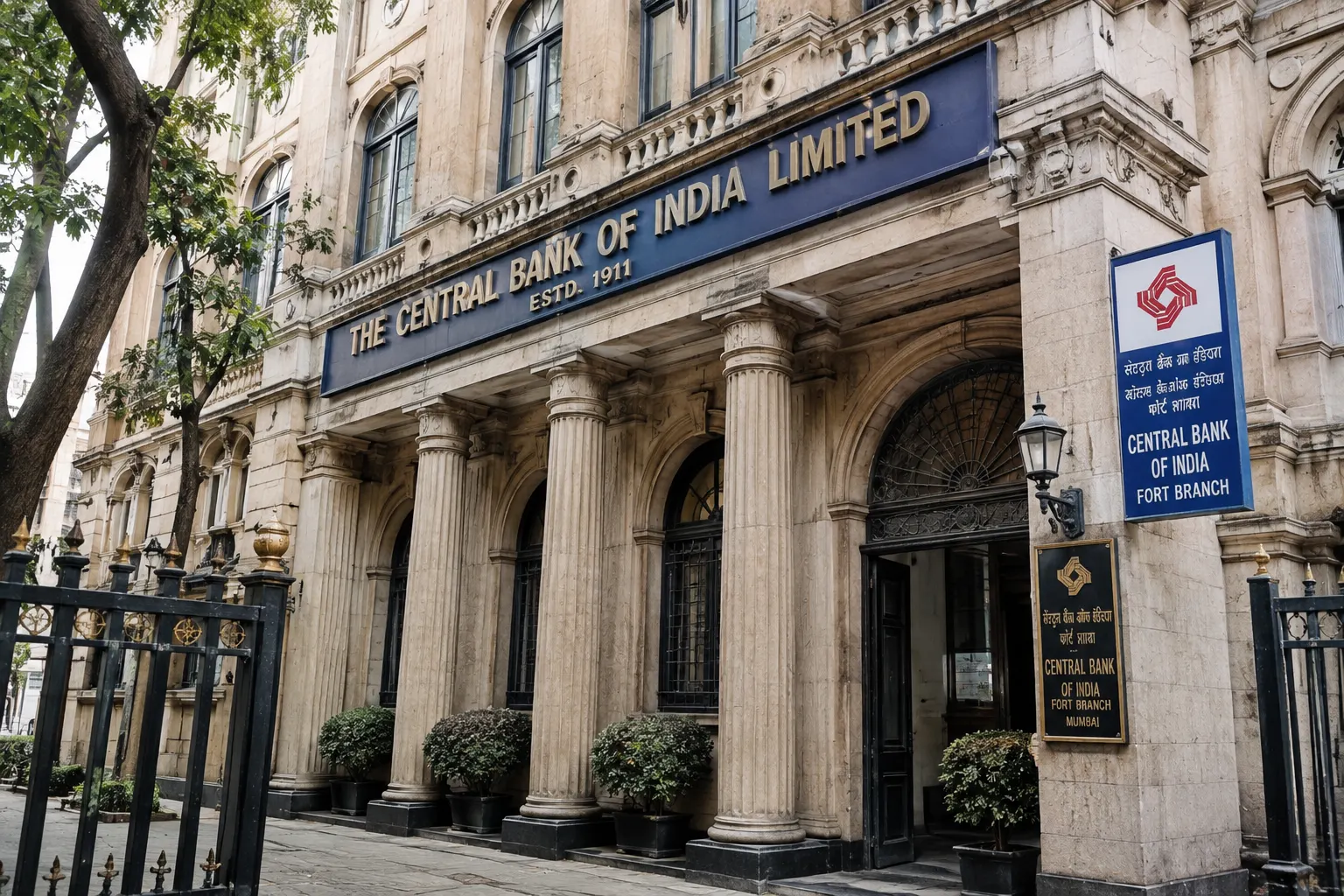
India's banker-builders created Indian-owned financial institutions that mobilised savings, supported commerce and expanded Indian control over modern banking.
The Balance of Payments records a country's economic transactions with the rest of the world, including trade, investment, remittances and financial flows.
Current Account Deficit occurs when a country's current external payments exceed its receipts. Learn what causes CAD, how it affects India and when it becomes risky.
Foreign Direct Investment creates a lasting foreign ownership or influence in a business. Learn how FDI works, its types, India's rules, benefits and risks.
Foreign Portfolio Investment allows overseas investors to invest in shares, bonds and other securities. Learn how FPI works in India, its rules, risks and market impact.
A demographic dividend can boost economic growth when the working-age population expands, but success depends on jobs, skills, health and productivity.
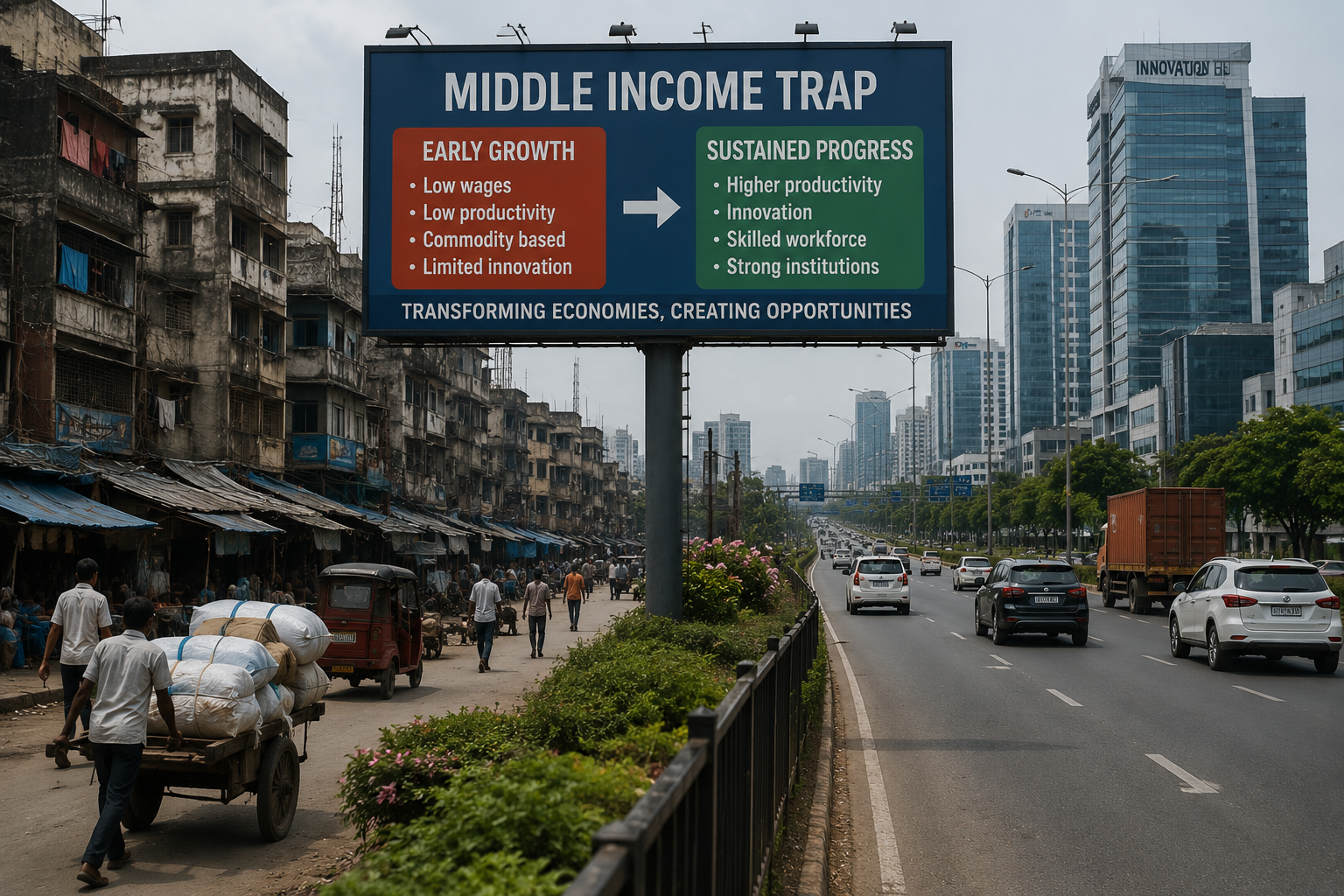
The middle income trap occurs when an economy grows rapidly but then struggles to reach high-income status. Learn why productivity and innovation matter.
Globalisation connects economies through trade, investment, technology, migration and supply chains. Learn its economic benefits, risks and unequal effects.
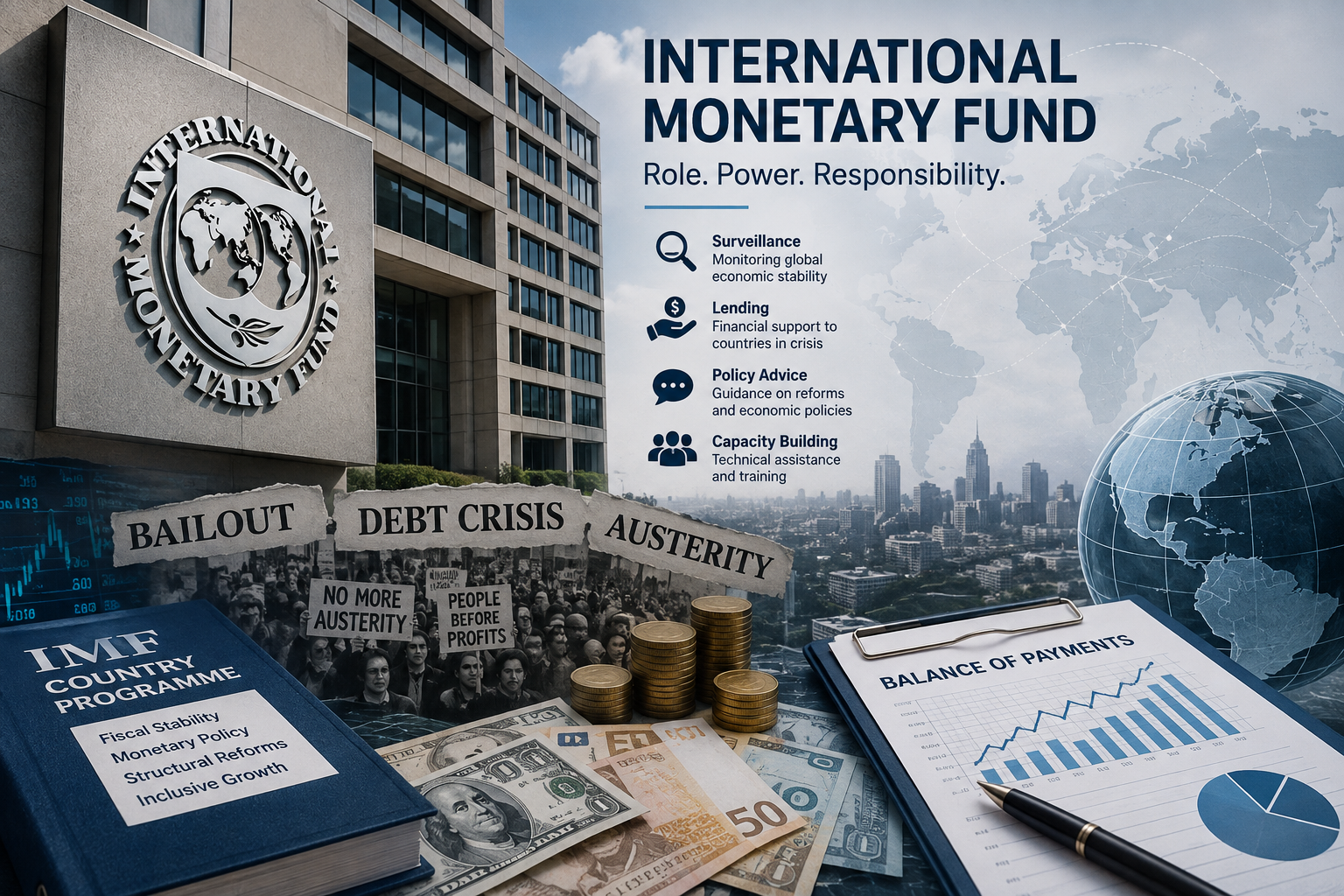
The International Monetary Fund supports countries facing financial instability through surveillance, policy advice and lending, but its programmes remain politically controversia…
Special Drawing Rights are an IMF reserve asset used to supplement countries' official reserves. Learn how SDR allocation, valuation and exchange work.
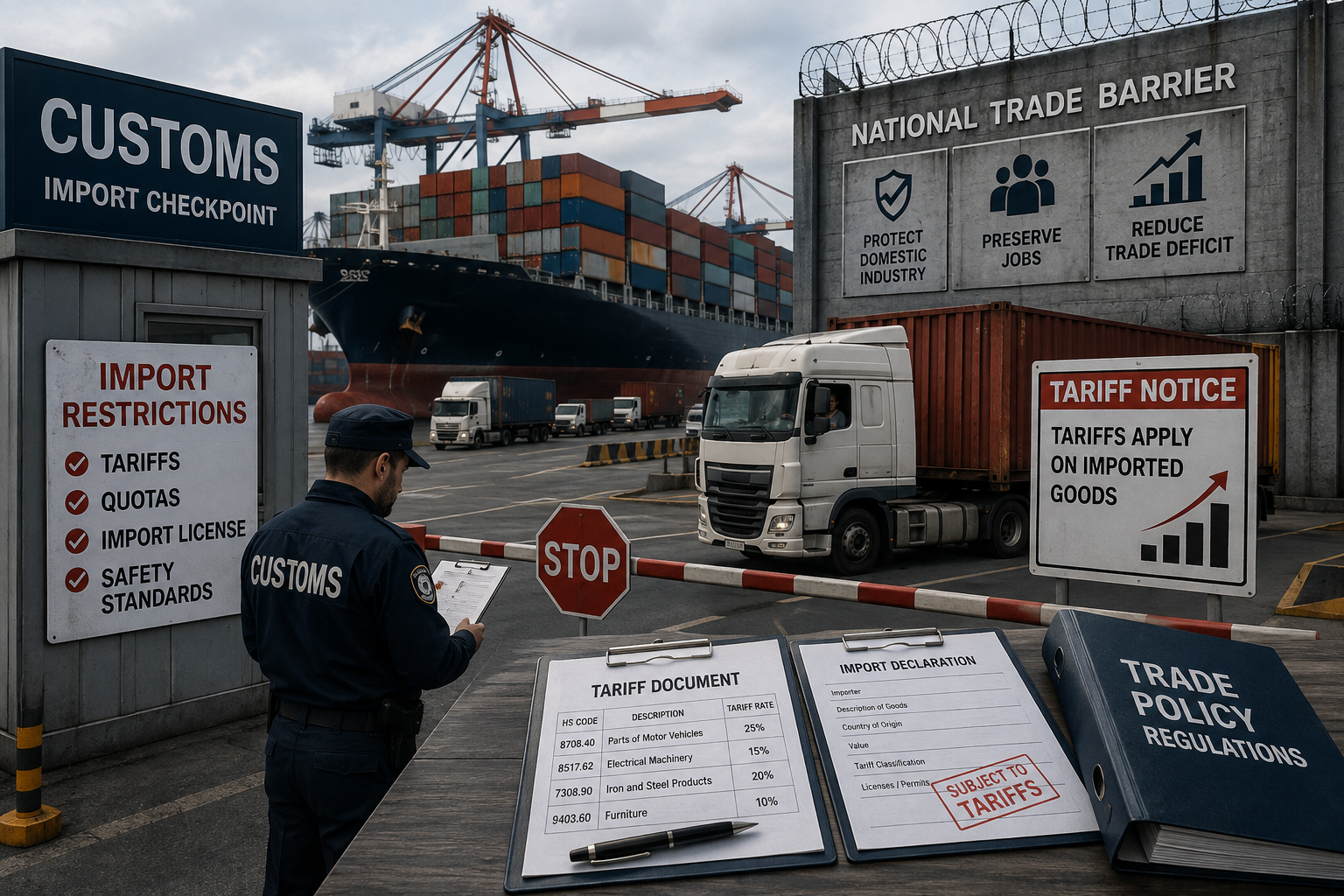
Protectionism in trade uses tariffs, quotas and other barriers to shield domestic industries. Learn why governments use it and its wider economic effects.
Free trade agreements reduce barriers between countries to expand trade and market access. Learn how FTAs work, their benefits, risks and economic impact.
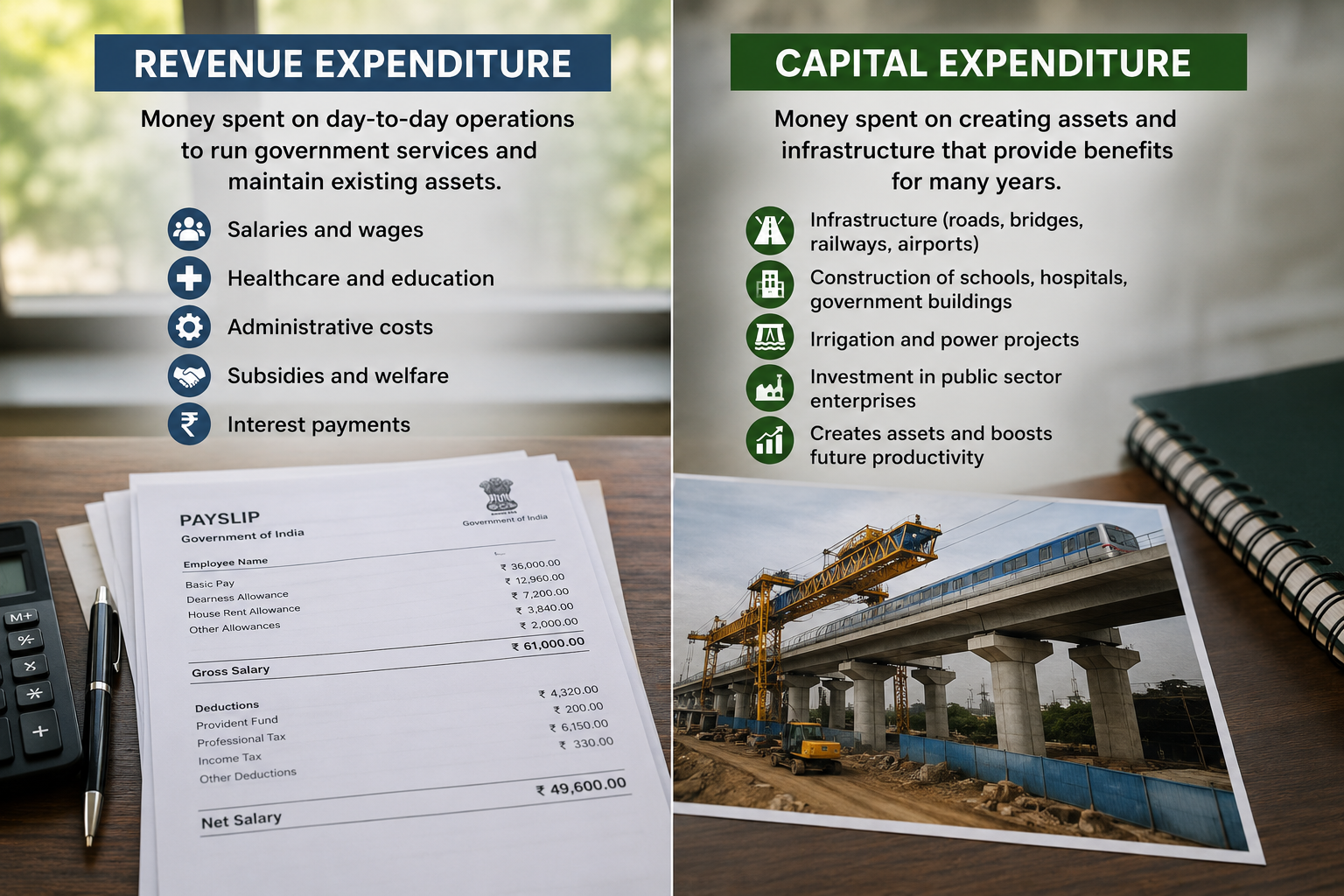
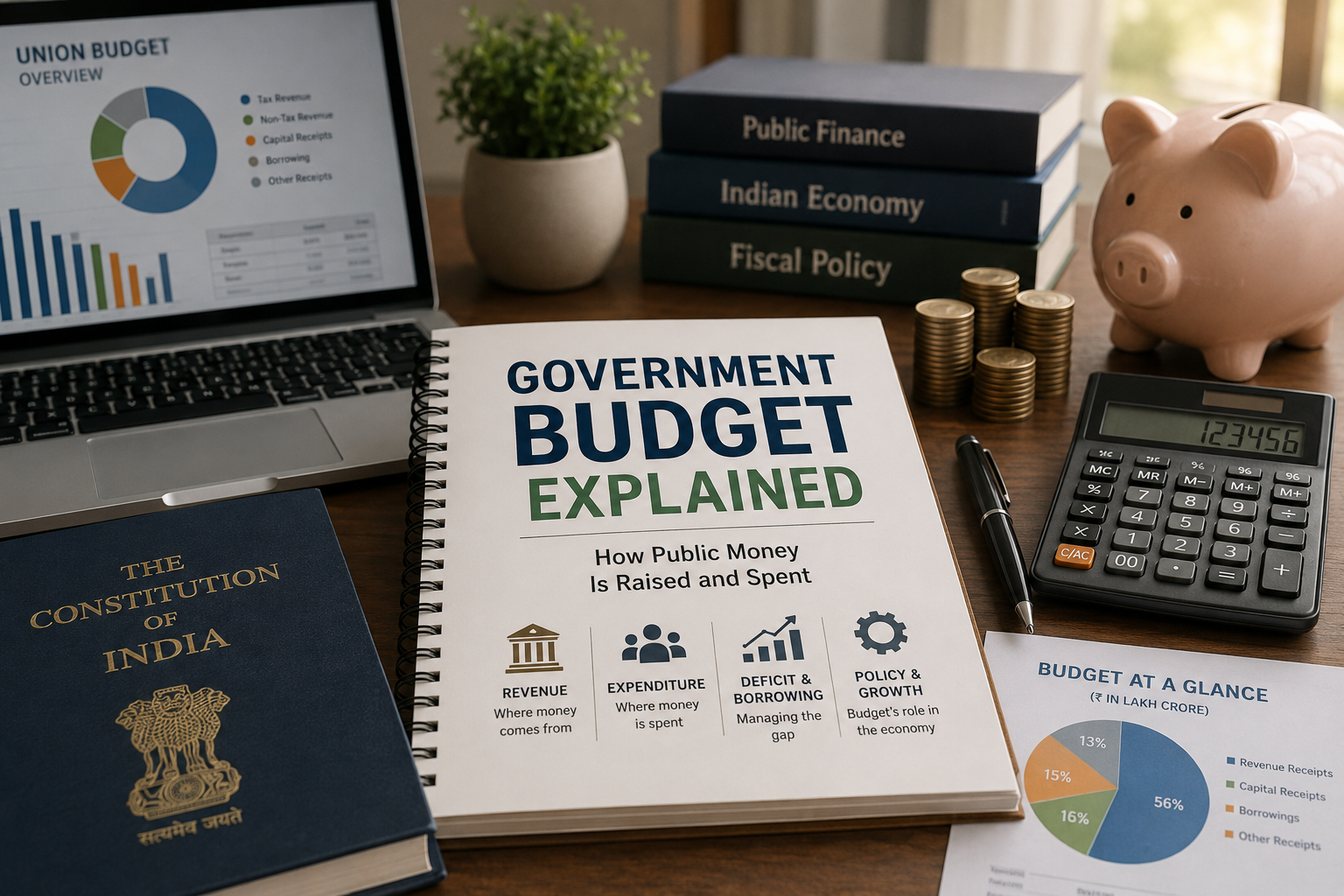
Revenue vs capital expenditure explains how routine government spending differs from investment in infrastructure, assets and long-term economic capacity.
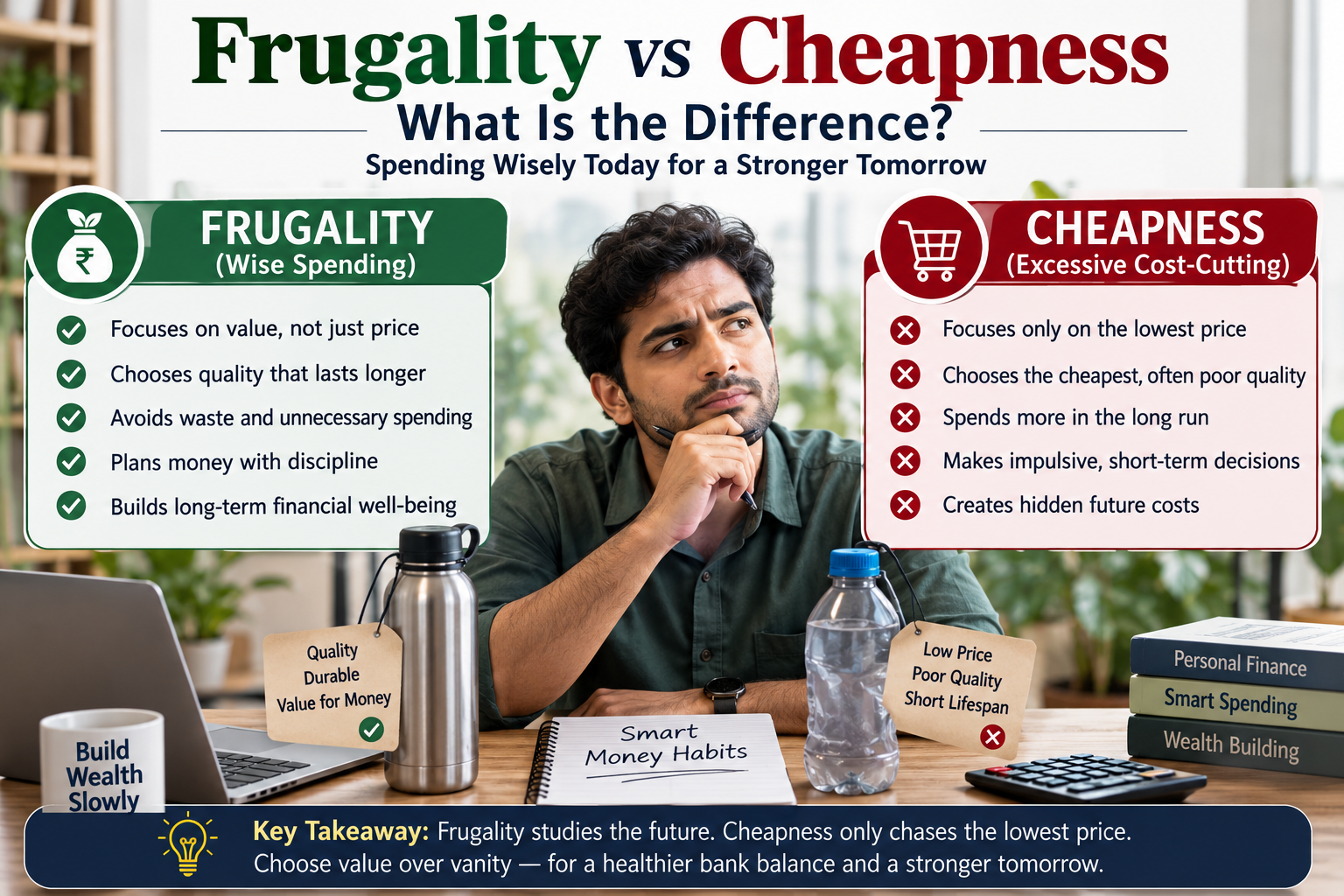
Frugality vs cheapness explains why disciplined, value-based spending can build wealth, while excessive cost-cutting may reduce quality and create future expenses.
A home loan helps finance a house purchase through EMIs. Learn how interest rates, tenure, fees, down payment and prepayment affect your borrowing cost.
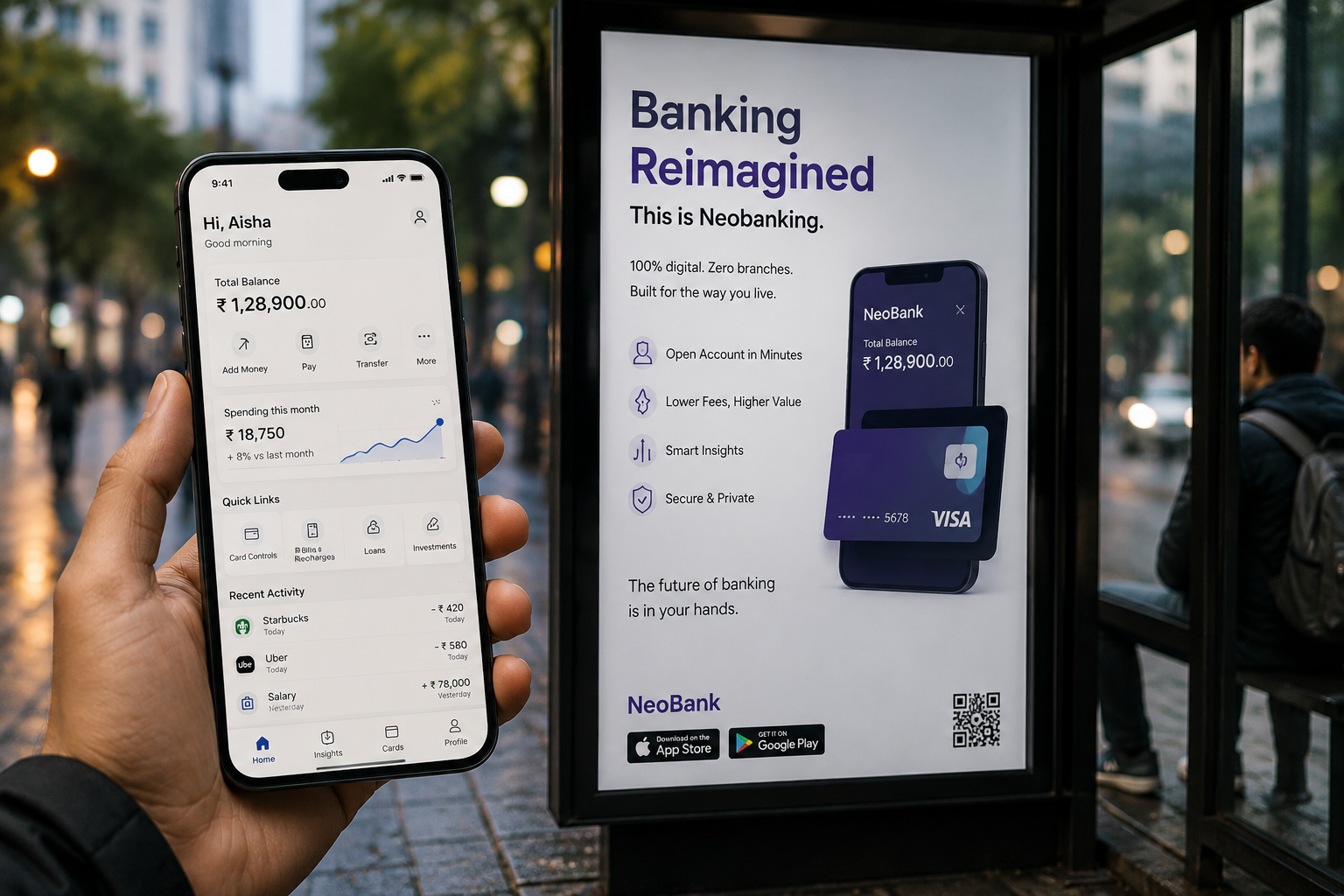
Neobanks offer app-based financial services without traditional branch networks. Learn how they work, their benefits, risks and relationship with regulated banks.
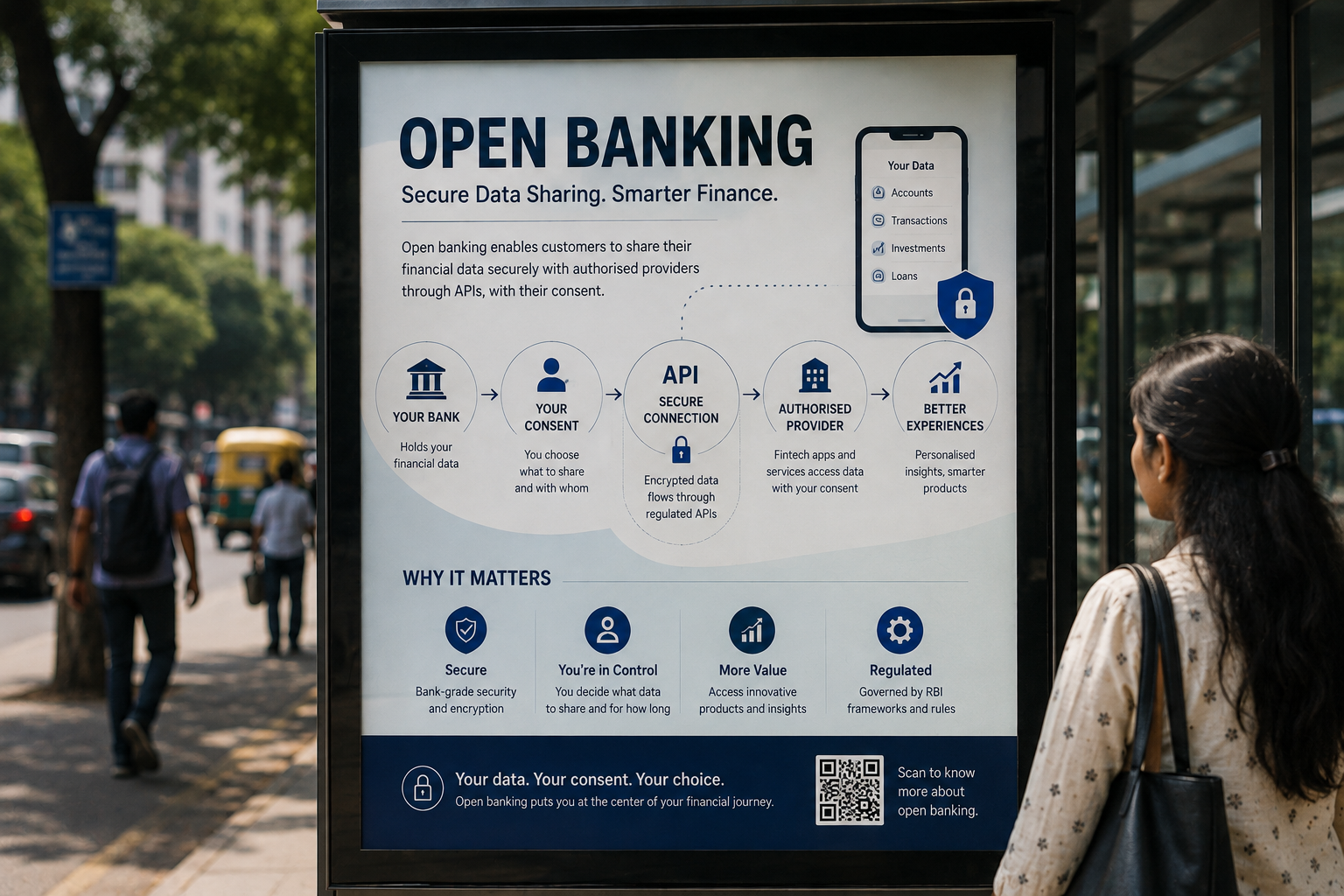
Open banking allows customers to share financial data securely with authorised providers. Learn how APIs, consent and account aggregators make it work.
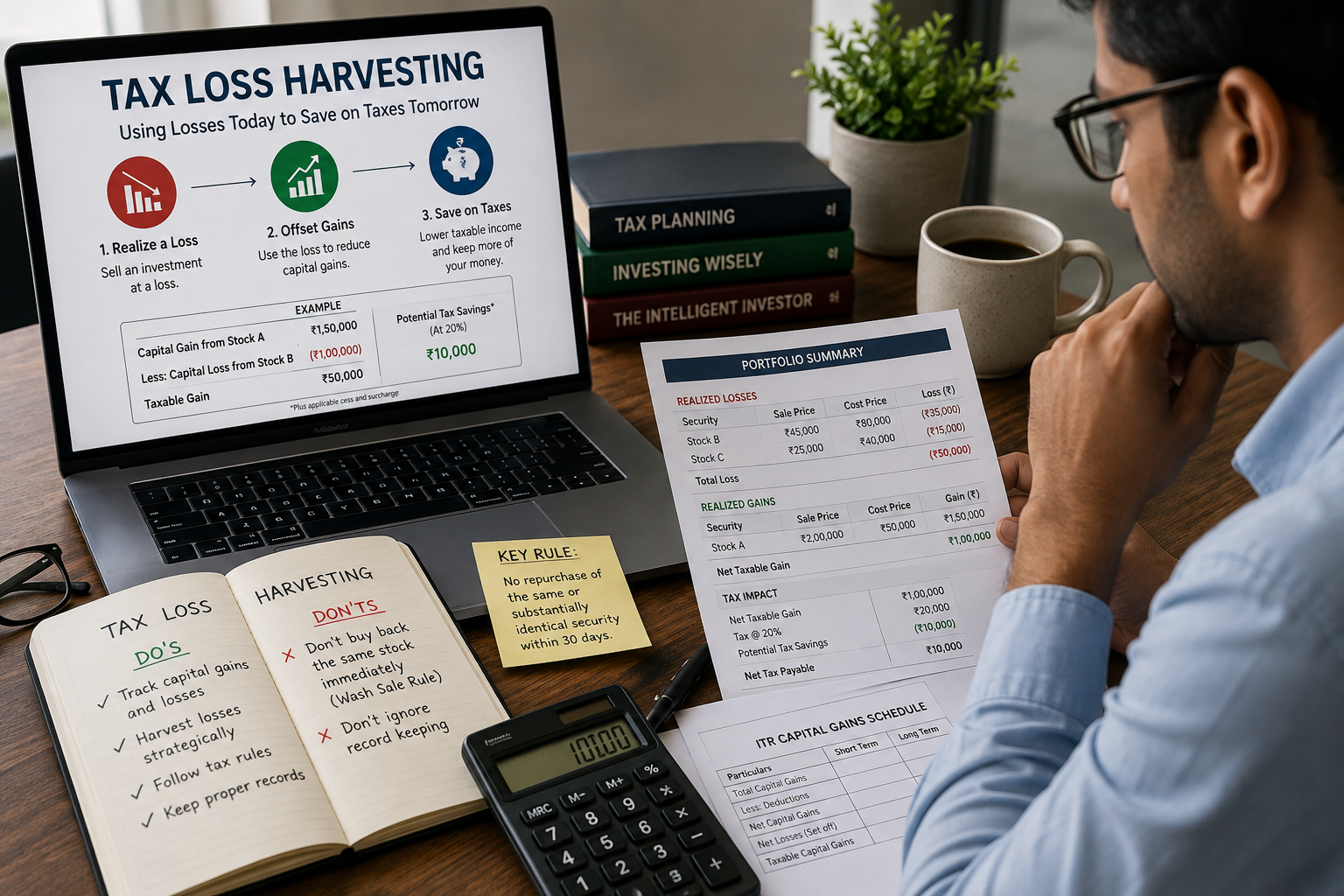
Tax loss harvesting uses investment losses to offset taxable capital gains. Learn how the strategy works, its limits and the records investors should keep.
Estate planning basics cover wills, nominations, trusts, insurance and succession planning to help protect assets and transfer family wealth effectively.
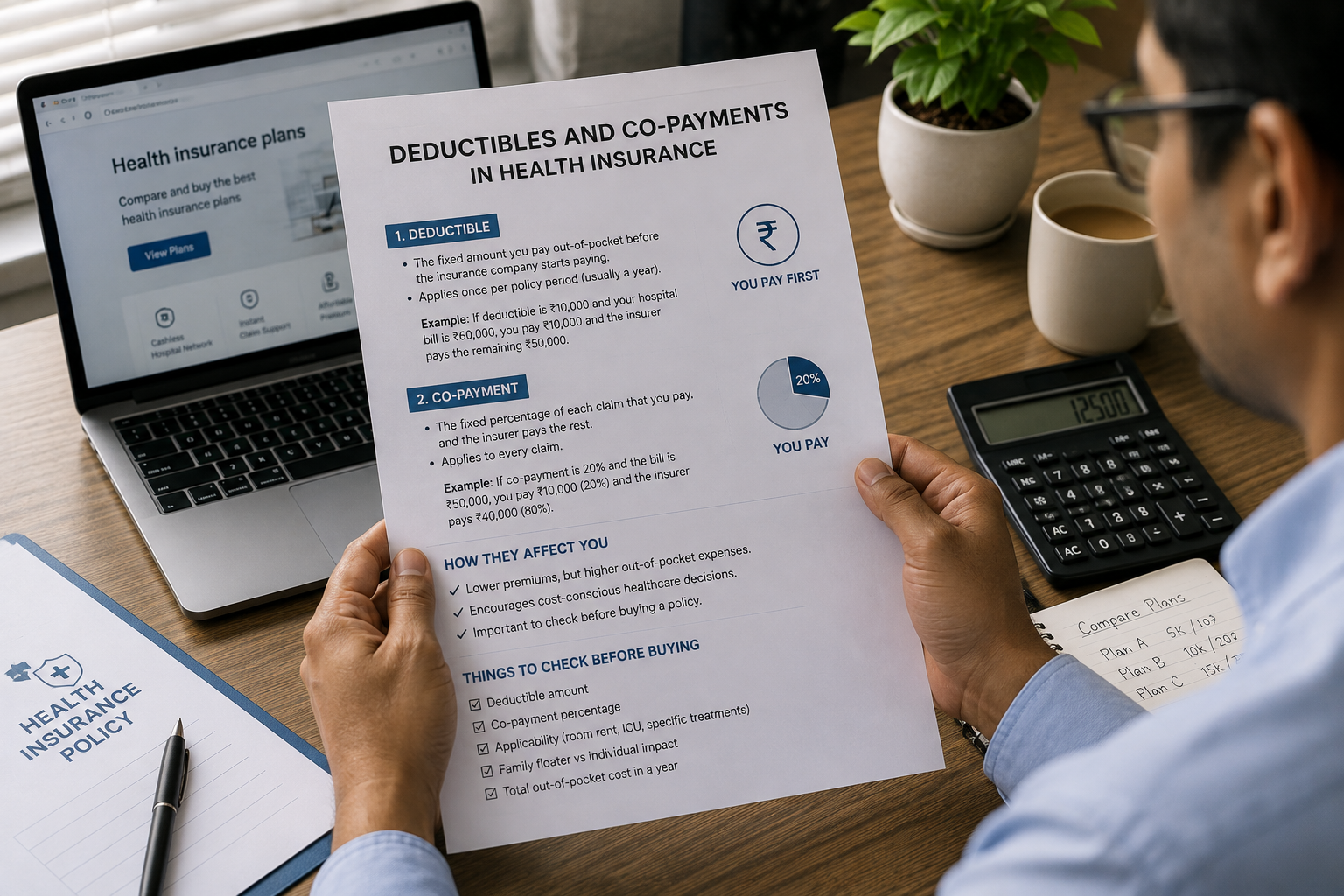
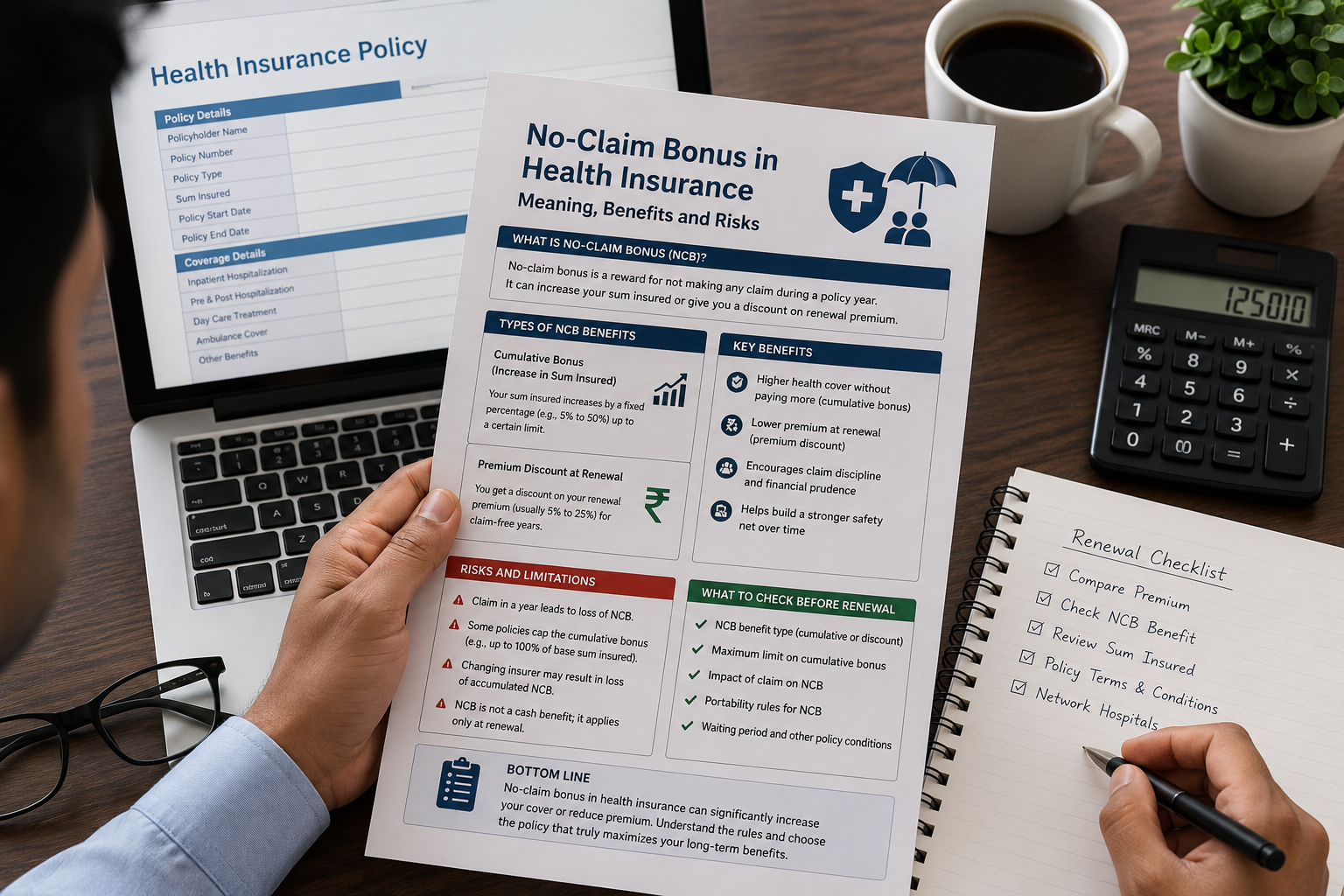
Policy exclusions in insurance define situations and expenses your insurer will not cover. Learn the common exclusions, claim risks and checks before buying.
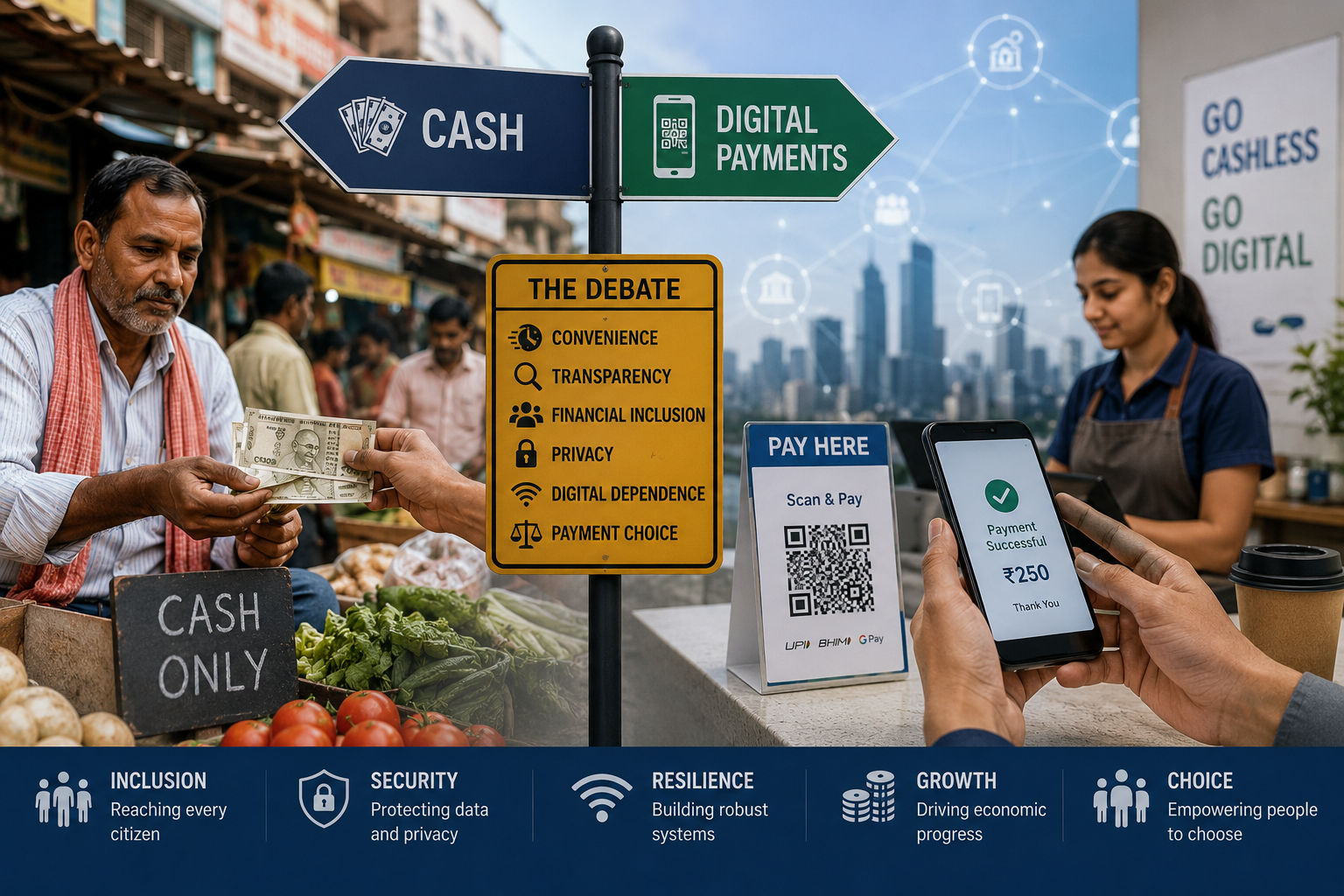
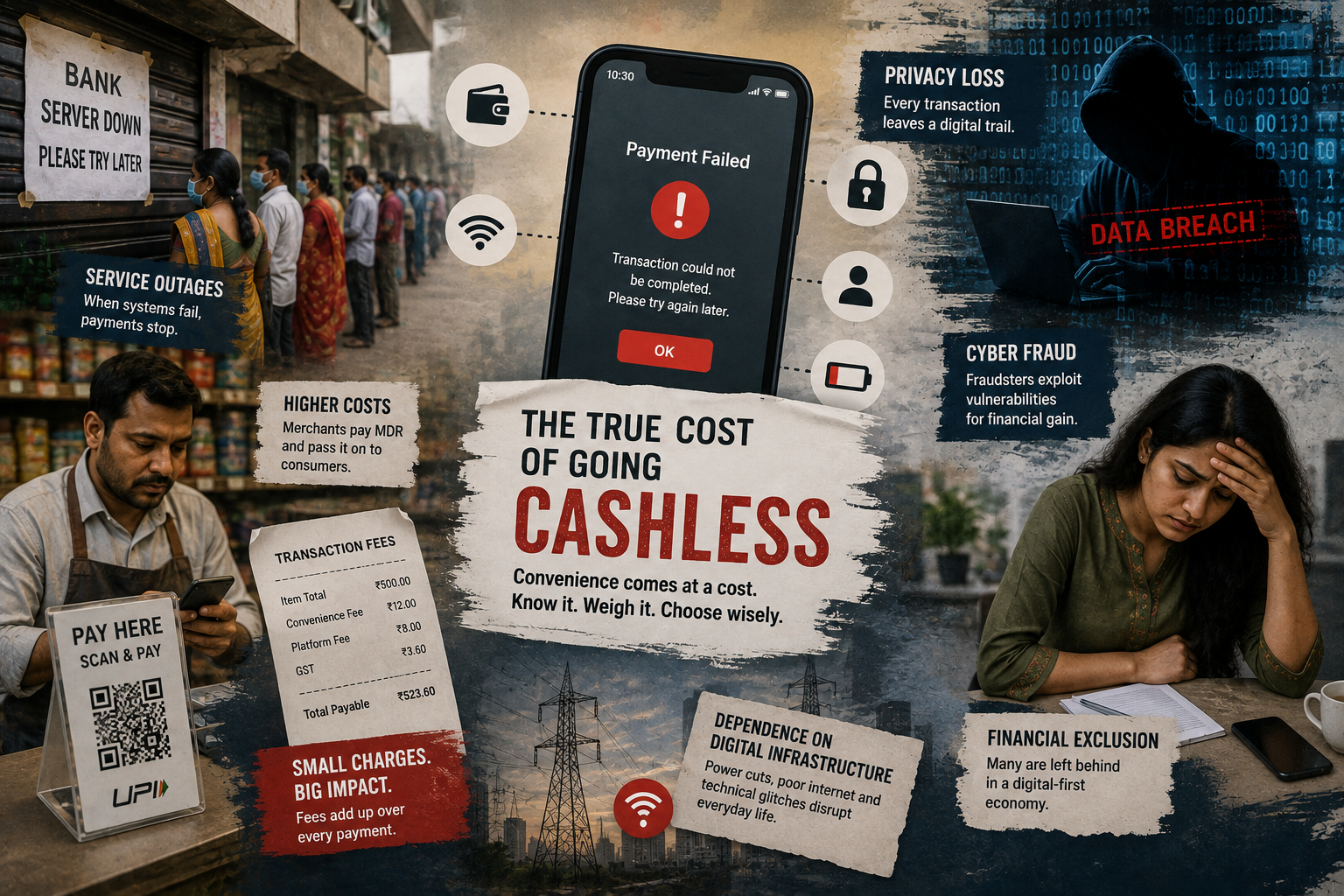
The cashless economy debate weighs faster digital payments and transparency against privacy, exclusion, outages and the need to preserve payment choice.
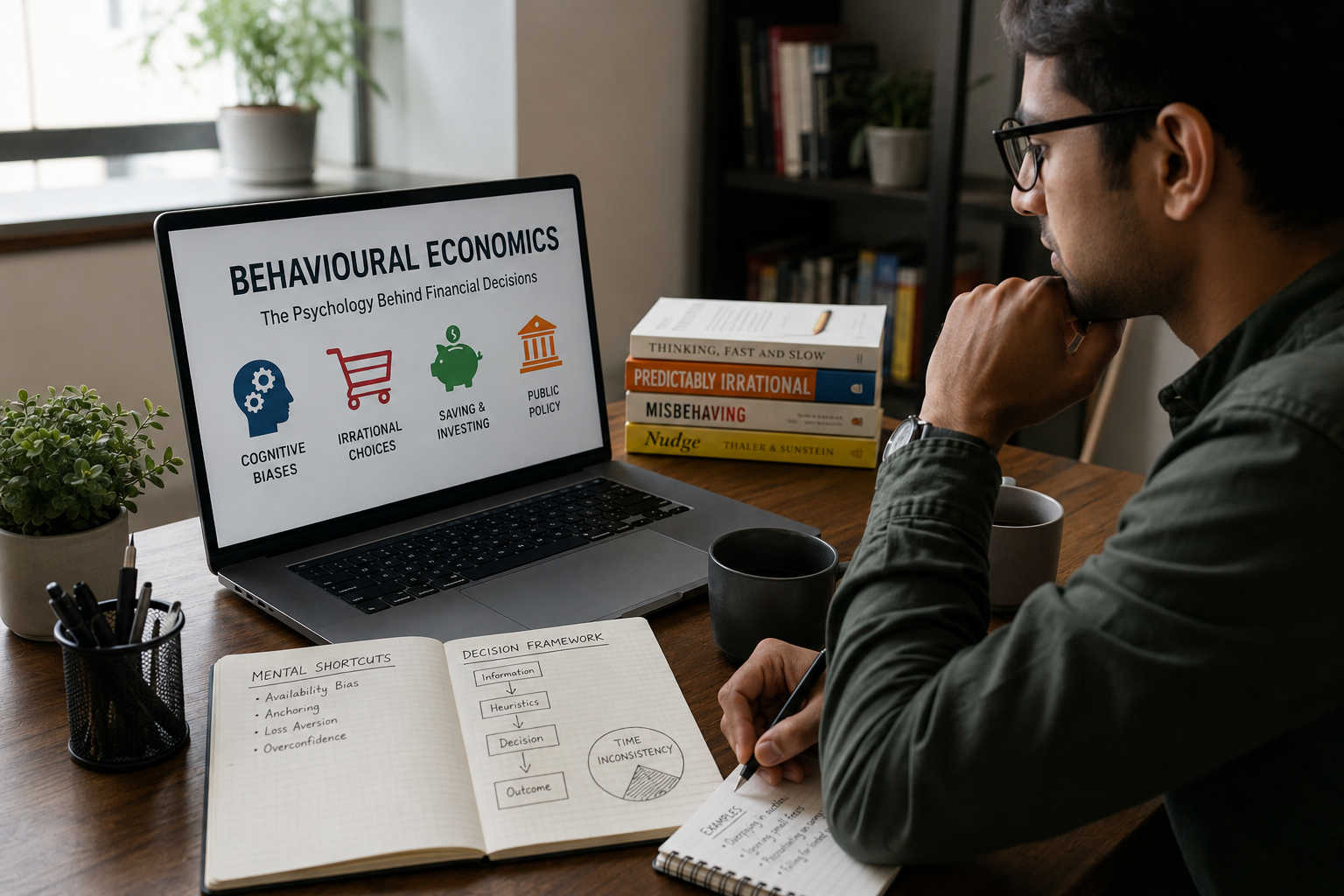
Behavioural economics explains why emotions, biases and mental shortcuts influence decisions about money, saving, investing, shopping and public policy.
Underwriting explained as the process banks, insurers and financial markets use to assess risk, determine pricing and decide whether to provide coverage or finance.
Health insurance claims may be cashless or reimbursement-based. Learn the documents, settlement process, common delays, rejection risks and available remedies.
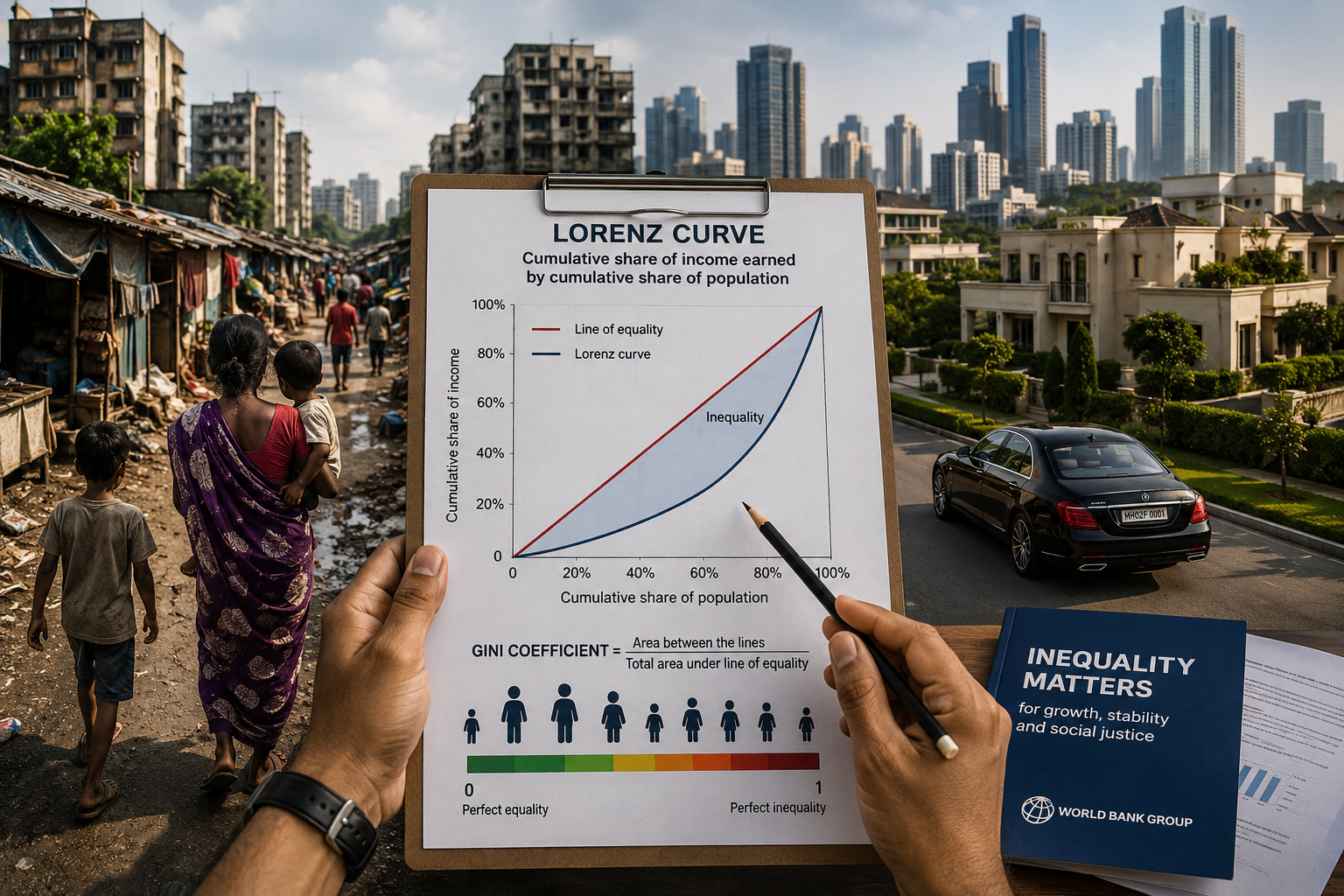
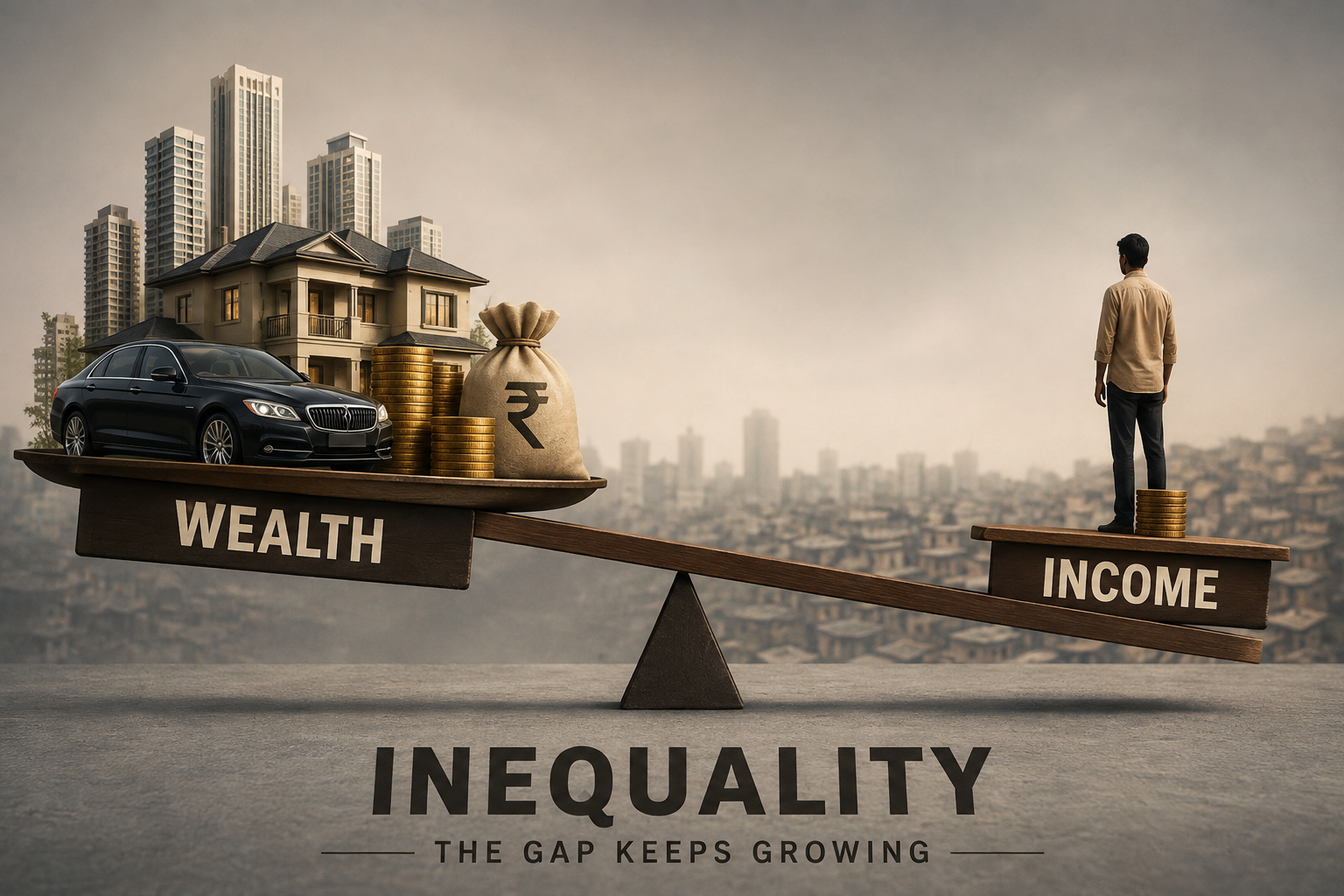
Wealth vs income inequality explains the difference between unequal earnings and the unequal ownership of assets such as property, savings and investments.
Universal basic income explained through its purpose, benefits, costs and policy trade-offs, including how it differs from targeted welfare programmes.
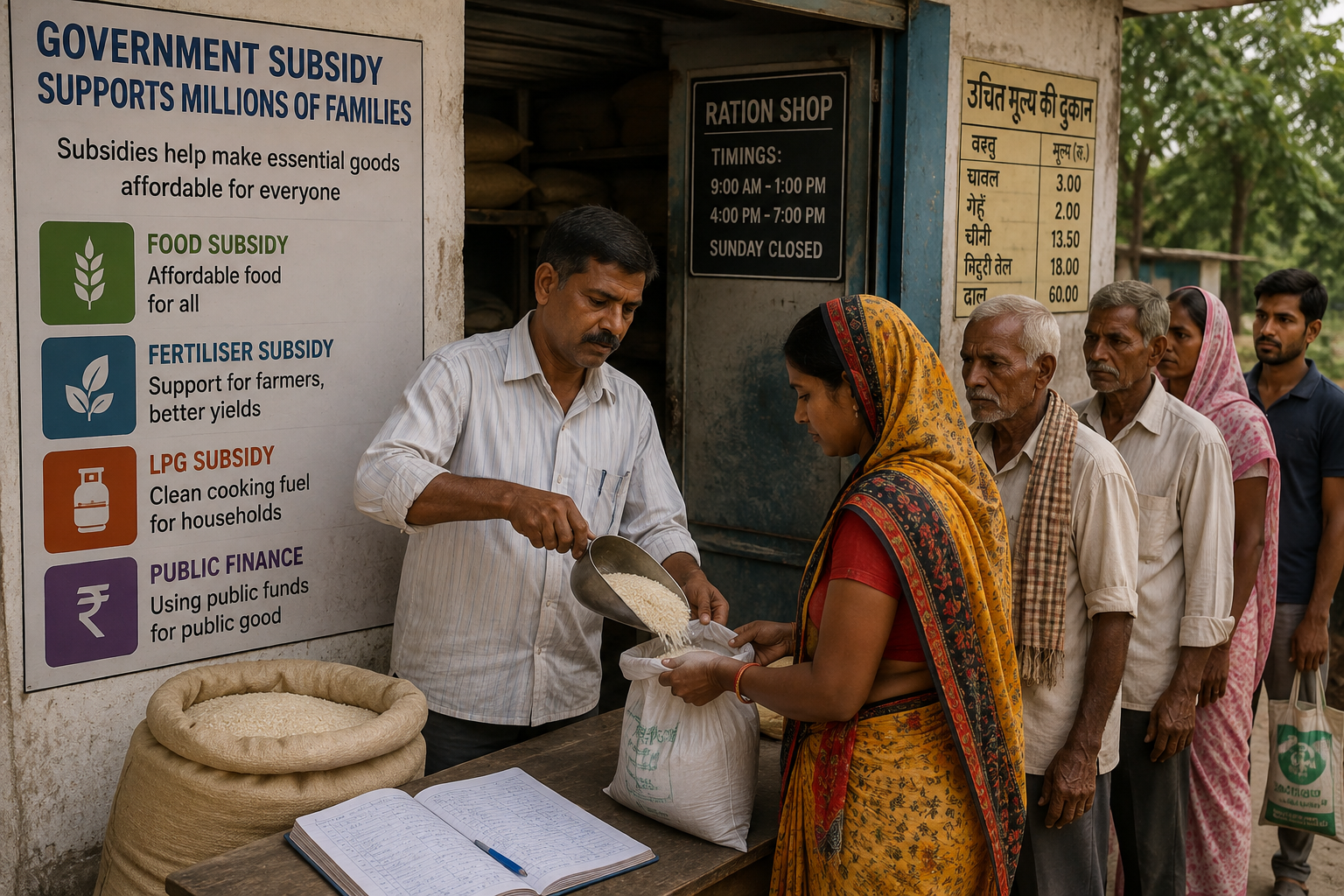
The economics of subsidies explains why governments support selected goods and groups, along with the benefits, fiscal costs and market distortions involved.
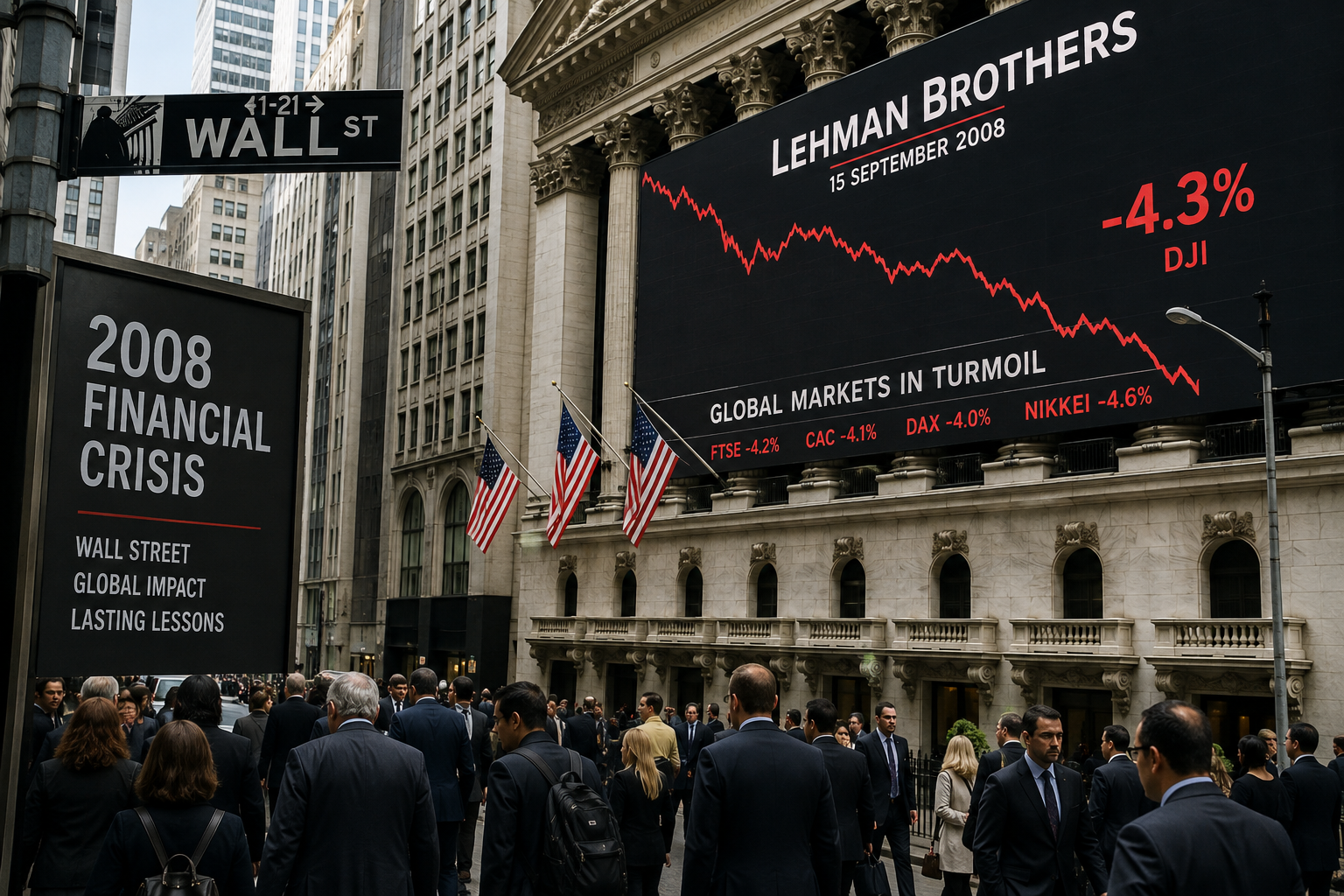
The 2008 financial crisis explained through the housing bubble, risky lending, securitisation, leverage, Lehman Brothers and the resulting global recession.
Real return after tax and inflation shows how taxes and rising prices reduce investment gains and determine the purchasing power investors actually retain.
Generational wealth is built through productive assets, financial education, disciplined investing, insurance and careful planning across multiple family generations.
FIRE movement explained through high savings, long-term investing, the 25x rule and disciplined spending aimed at achieving early financial independence.
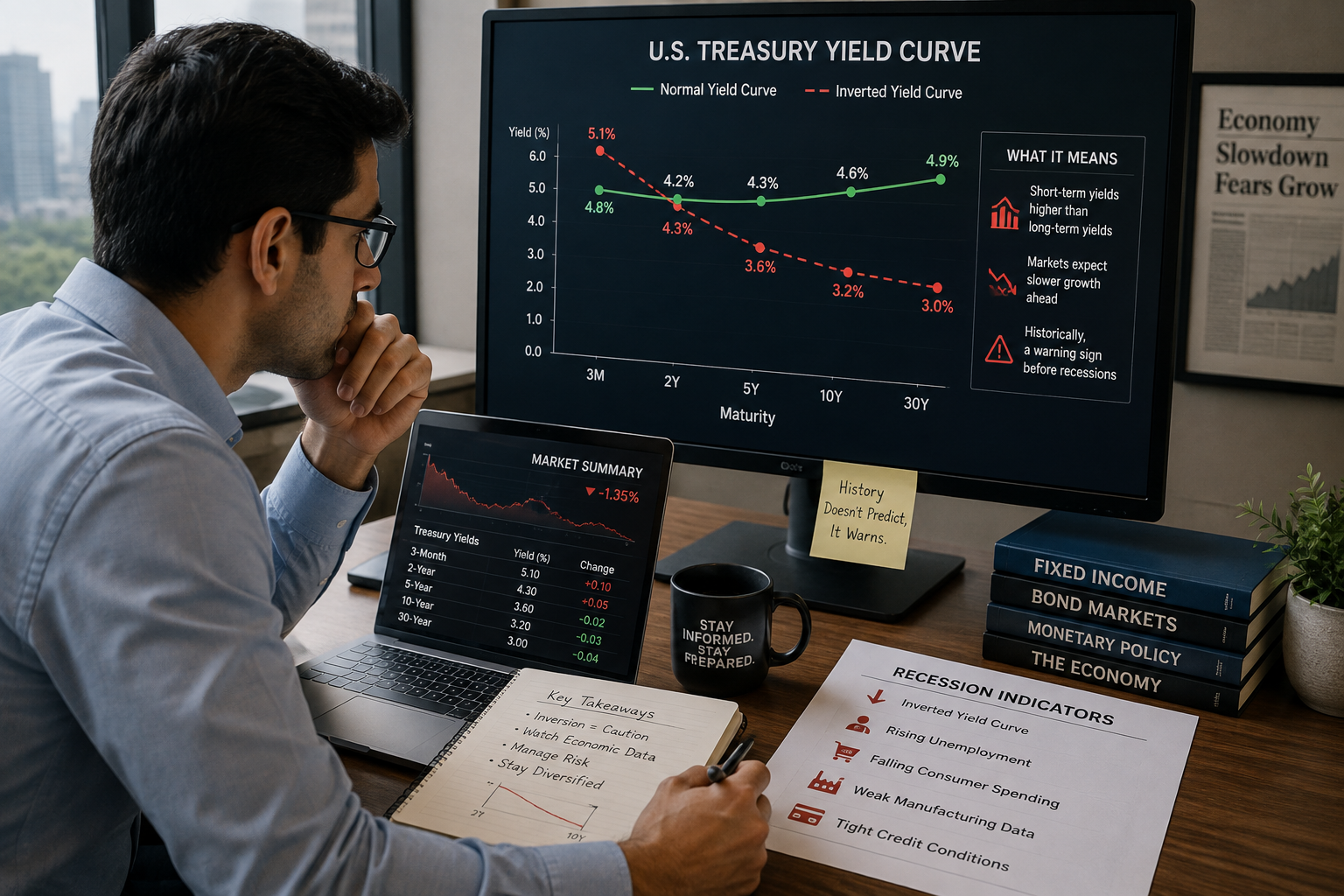
An inverted yield curve occurs when short-term bond yields exceed long-term yields, often signalling weaker growth expectations and rising recession risk.
Sovereign debt default occurs when a country cannot meet its debt obligations, triggering restructuring, market stress and wider economic consequences.
Austerity measures use spending cuts, tax increases or both to reduce public deficits, but they may also weaken growth, services and public confidence.
The bond yield curve compares short-term and long-term bond yields, helping investors understand interest-rate expectations, growth prospects and recession risk.
Long-term vs short-term capital gains are classified by holding period and may receive different tax treatment depending on the asset and current rules.
Nomination vs inheritance explains why a nominee may only receive or manage an asset while final ownership depends on succession law, wills and legal heirs.
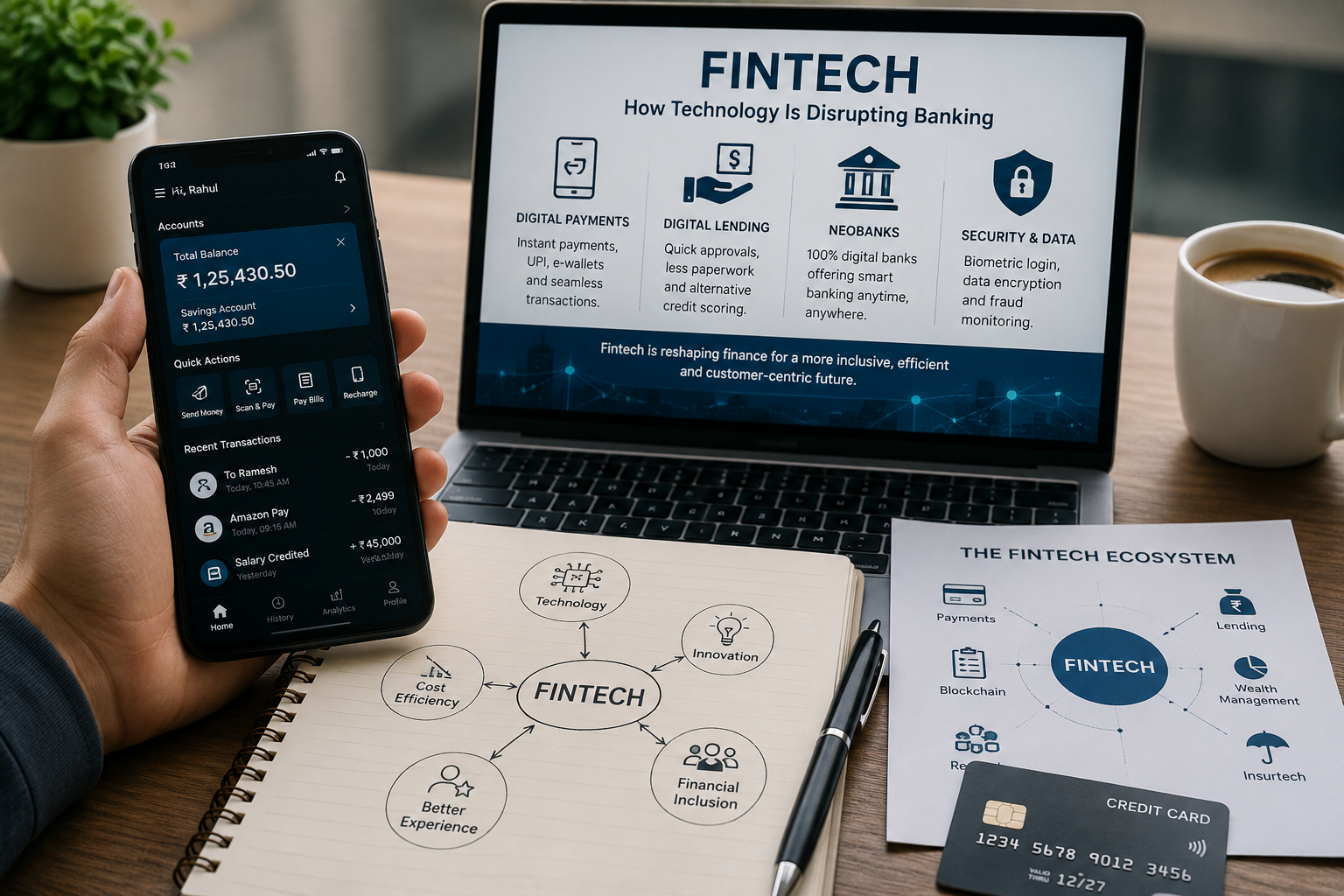
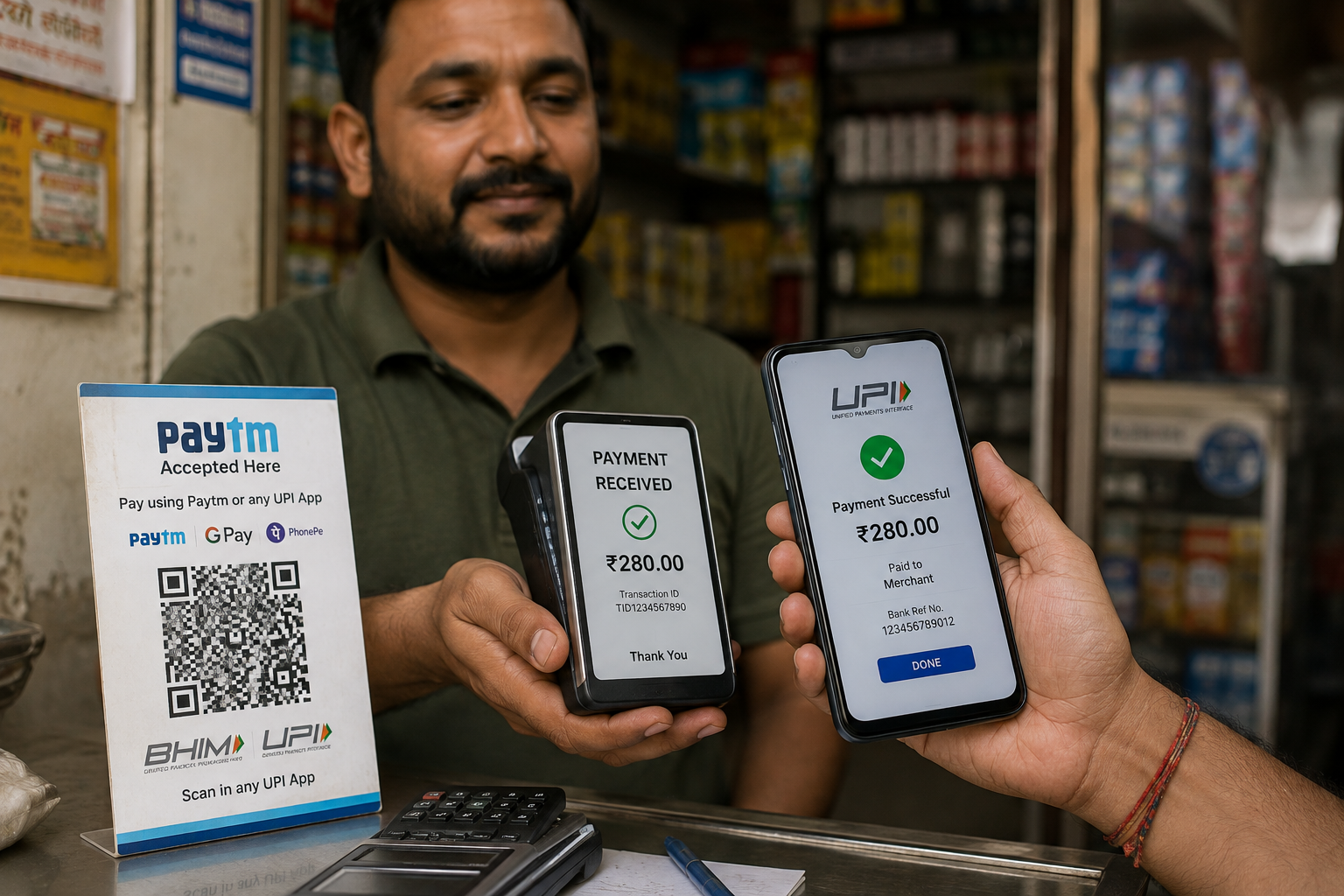
Digital wallets and UPI enable fast mobile payments through apps and QR codes, making everyday transactions easier while requiring careful security practices.
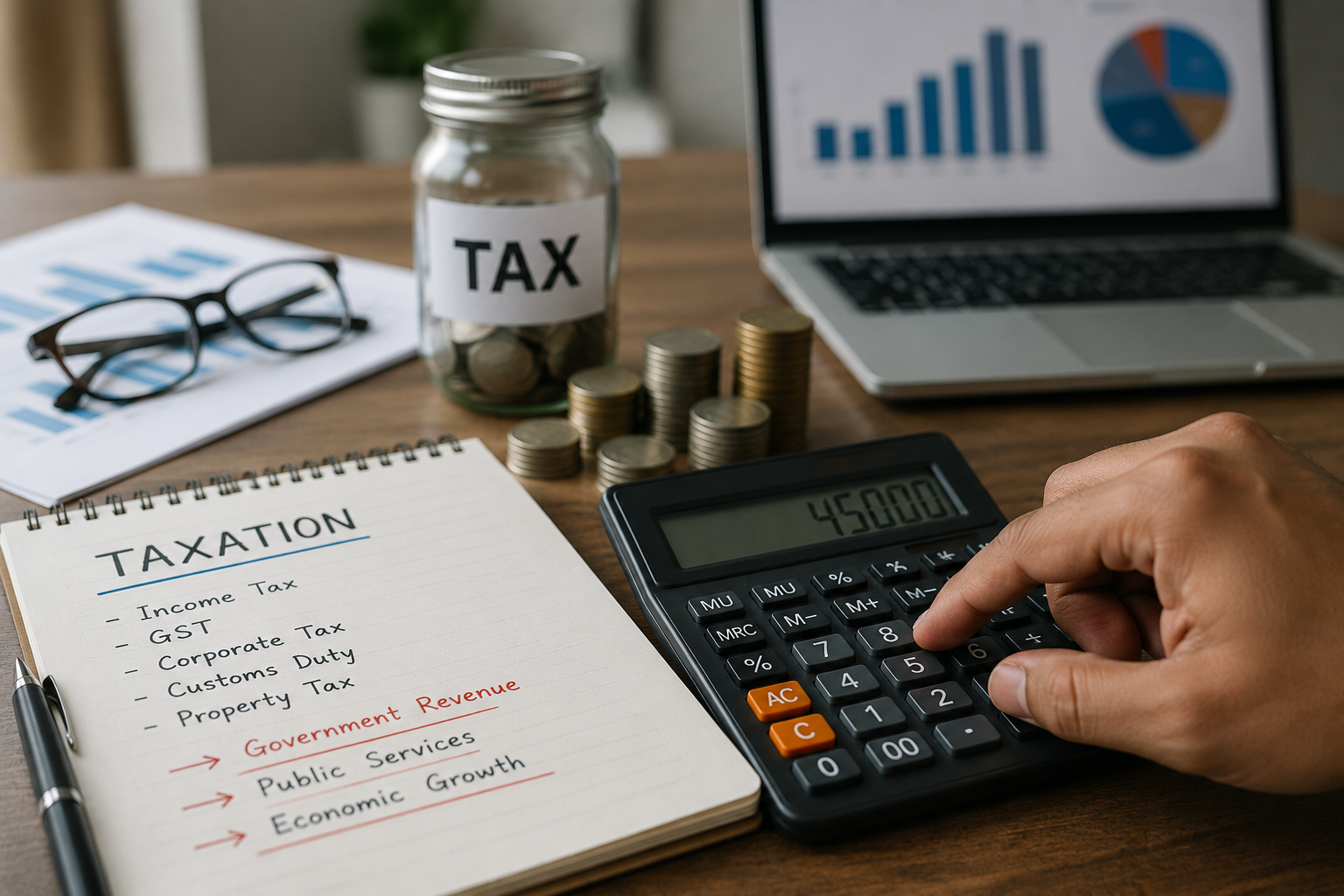
Taxation and the economy are closely linked because taxes fund public services, influence behaviour, redistribute income and shape growth, investment and inflation.
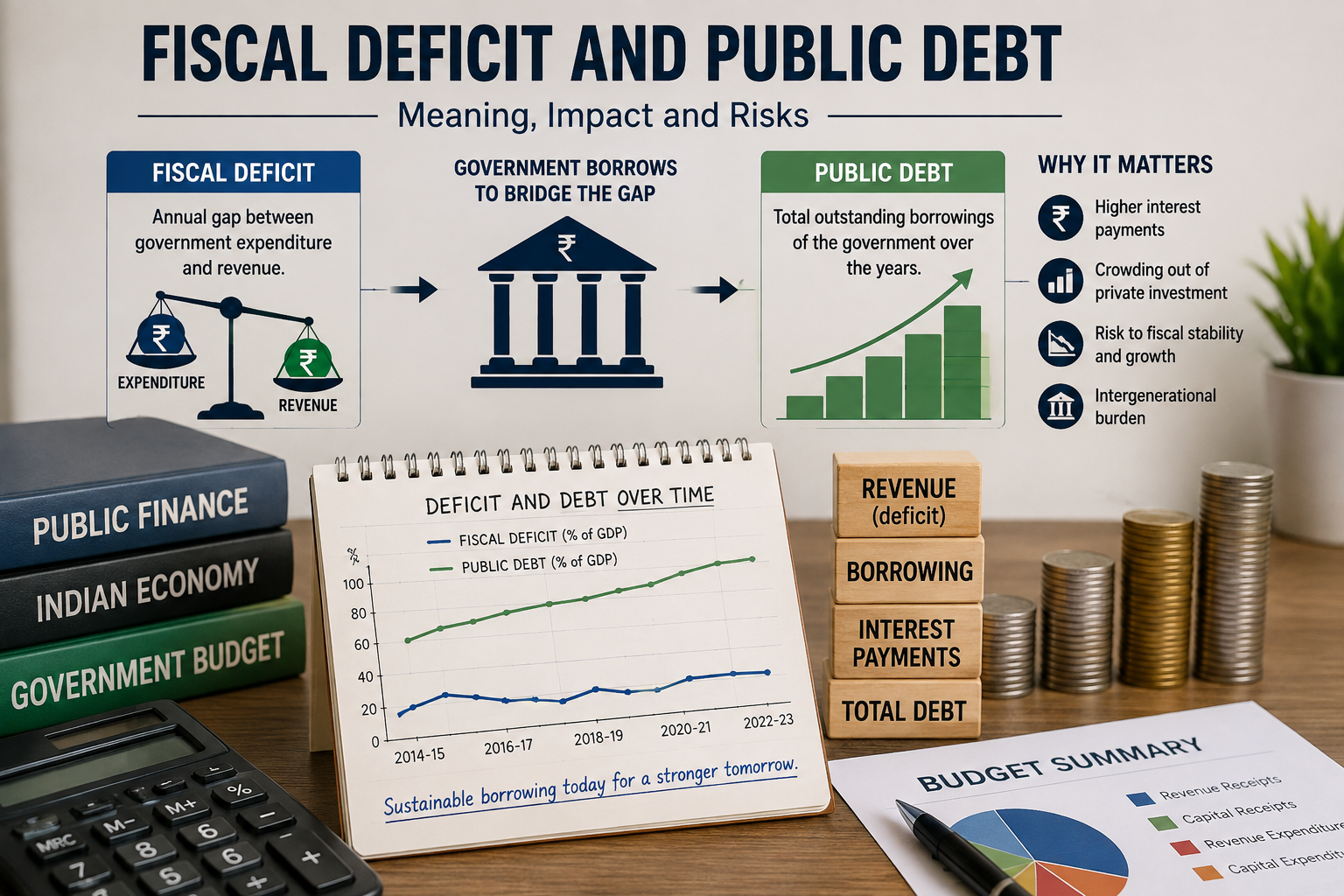
Fiscal deficit and public debt show how annual government borrowing builds accumulated liabilities and affects interest costs, growth and financial stability.
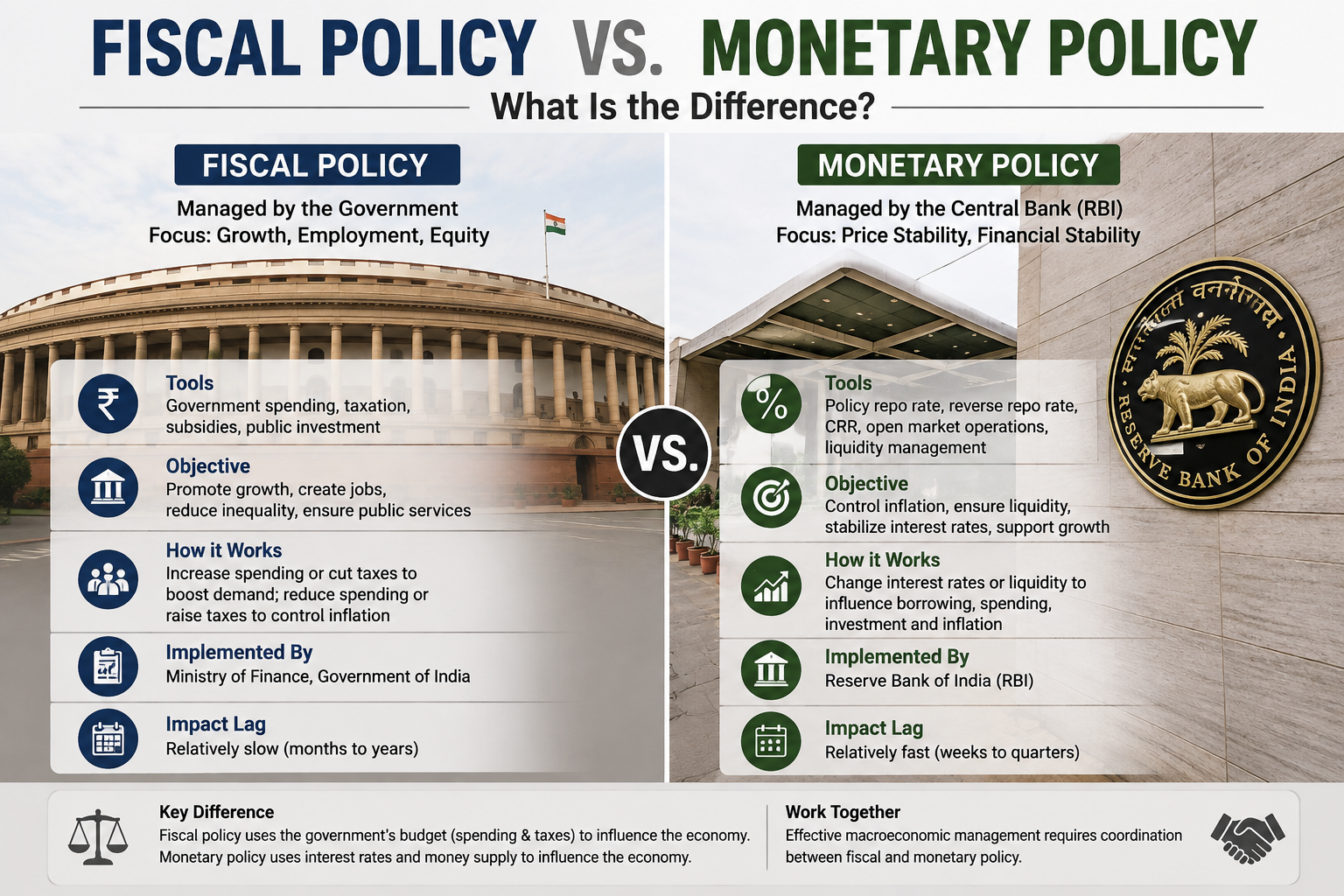
Fiscal policy vs monetary policy explains how governments and central banks use different tools to influence inflation, growth, employment and economic stability.
Great Depression lessons show how banking failures, deflation, weak policy responses and collapsing confidence deepened the economic crisis of the 1930s.
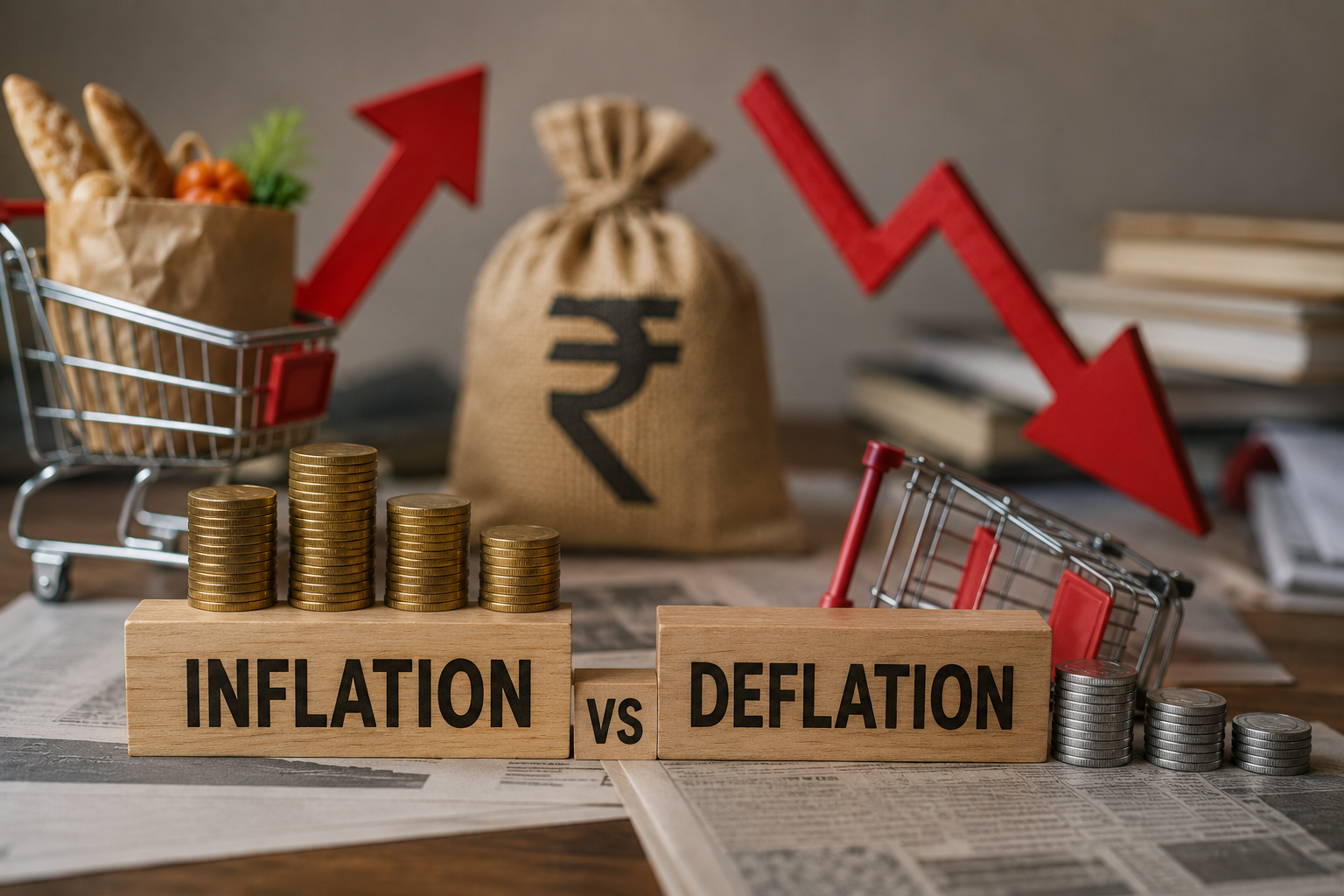
What causes hyperinflation is a collapse of monetary trust driven by fiscal deficits, uncontrolled money creation, currency weakness and failing institutions.
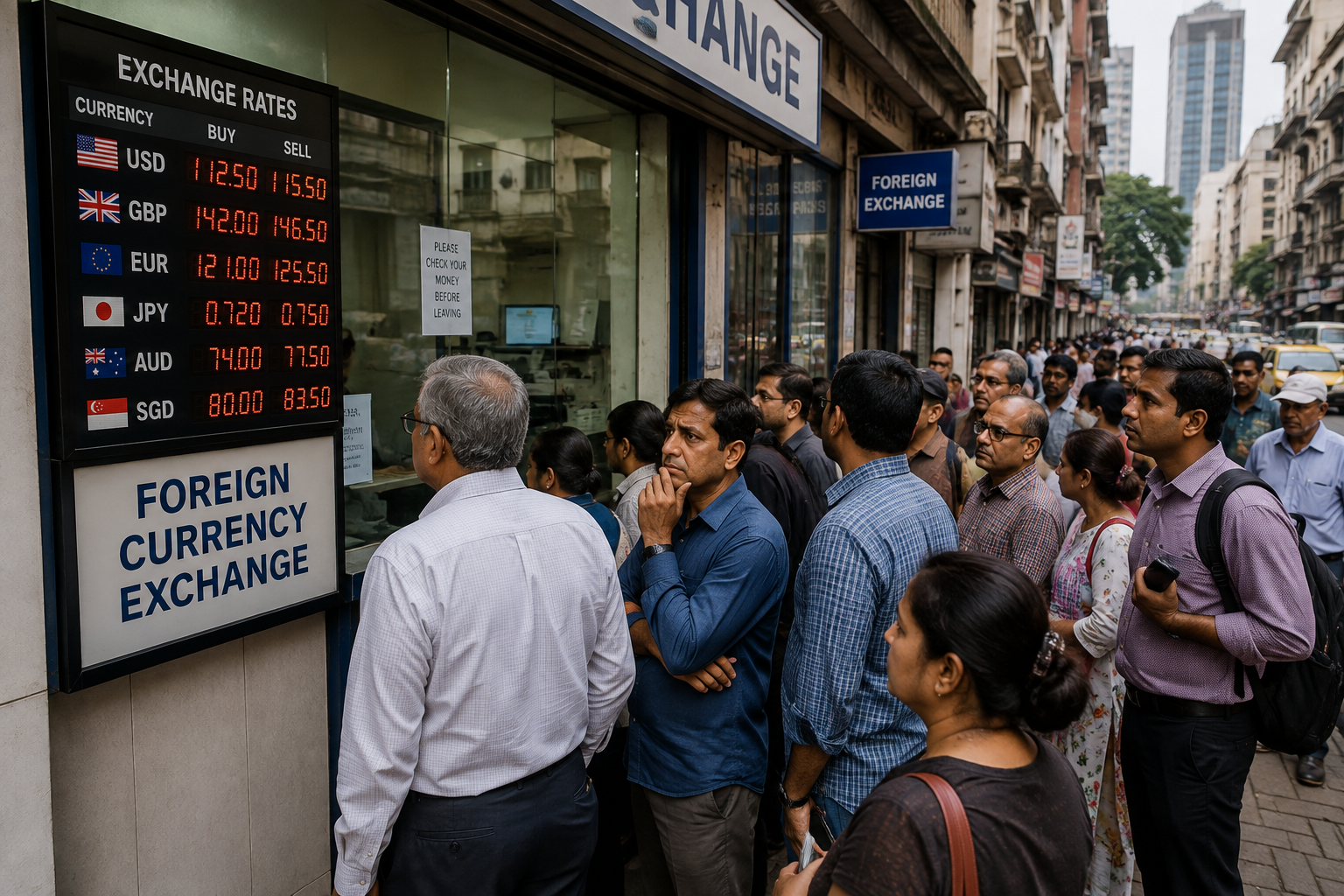
A currency crisis occurs when confidence collapses, capital exits rapidly and foreign-exchange reserves come under pressure, causing sharp depreciation and economic stress.
Crowdfunding allows startups, creators and social projects to raise capital from many contributors through donation, reward, debt or equity-based models.
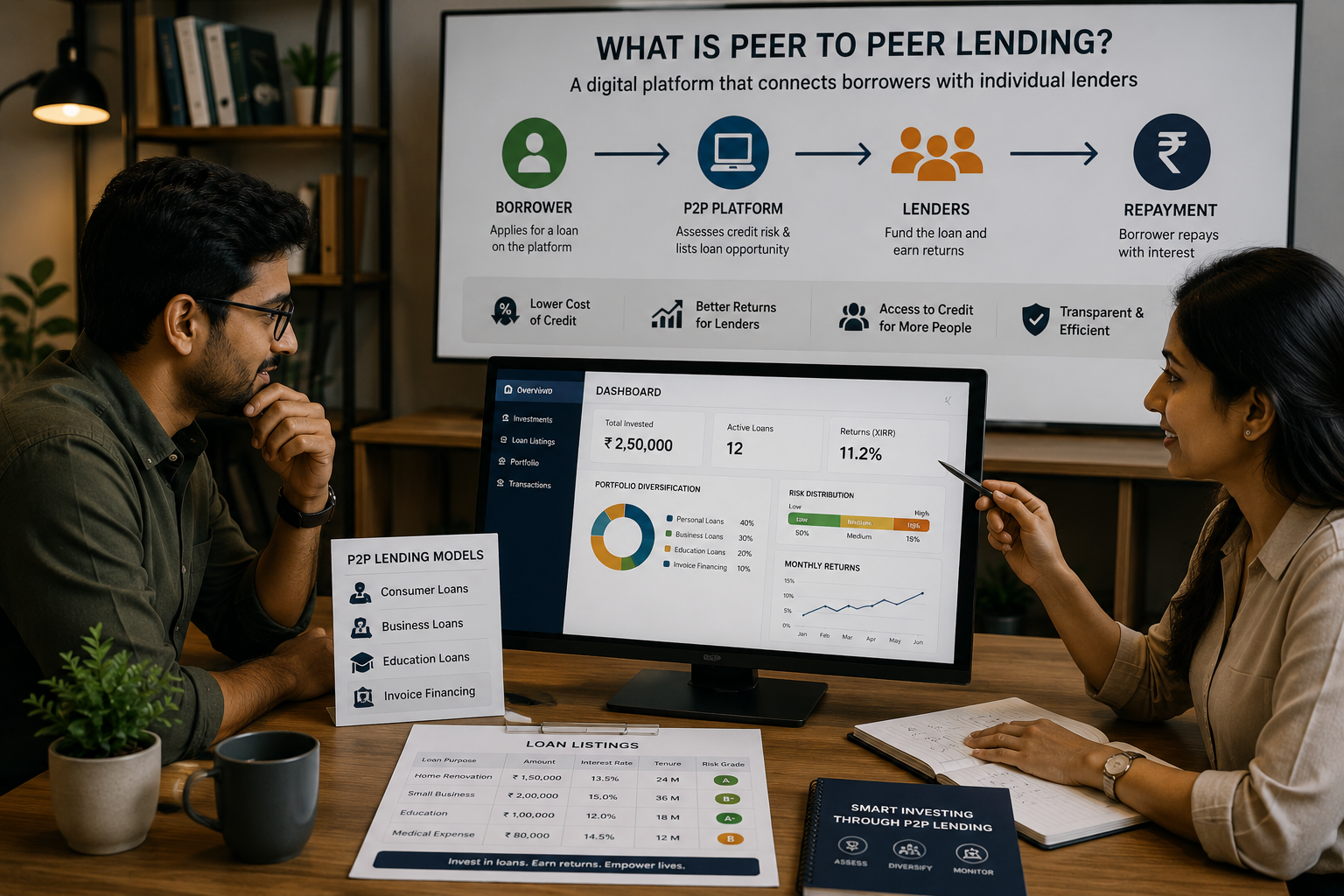
Peer-to-peer lending connects borrowers directly with individual lenders through digital platforms, offering access to credit while carrying default and platform risks.
Learn what underwriting means in finance, how it works in loans, insurance and securities, and why it affects pricing, approval and financial stability.
Understand health insurance claims in India, including cashless treatment, reimbursement, exclusions, documents, claim delays and policyholder rights.
Enjoying the reporting?
We noticed an ad blocker. Ads keep our journalism free — please consider allowing them, or subscribe to our newsletter instead.
We use cookies to keep you signed in and to understand how readers use the site. See our Privacy Policy.