The invisible architecture behind markets
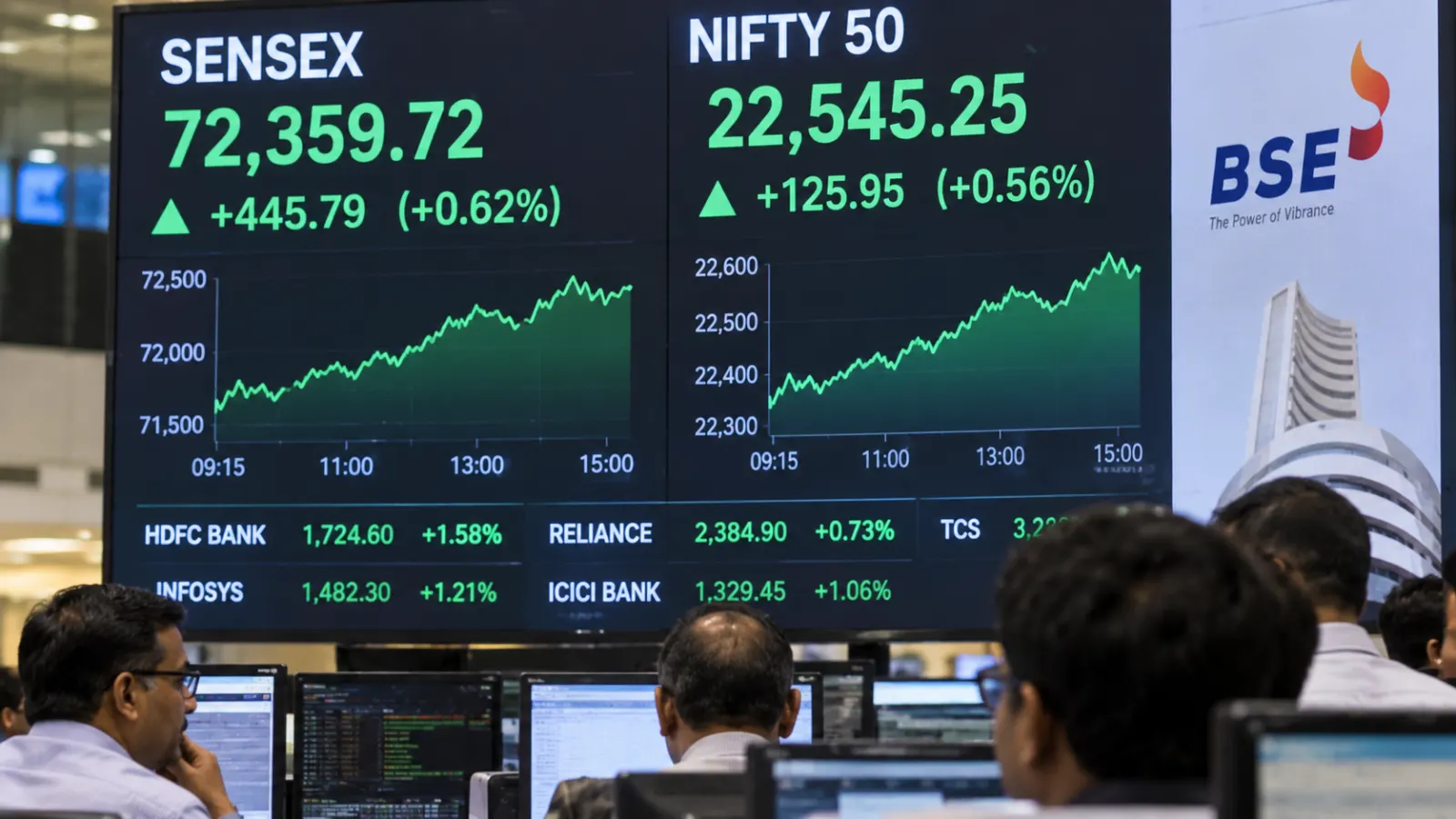
Most investors notice the market only when prices move. They see green screens, red screens, headlines, listings, IPOs, trades, demat statements and brokerage apps. What they do not always see is the institutional architecture that makes these activities possible. Behind every trade is a rulebook. Behind every exchange is supervision. Behind every public issue is disclosure. Behind every intermediary is registration and compliance. That architecture is the work of the stock market regulator.
A regulator does not exist to eliminate risk. If all risk disappeared, there would be no market. Prices must move. Investors must be free to make gains and losses. Companies must be able to raise capital. Innovation must be allowed. The regulator's job is not to guarantee profit but to make the game credible: clear rules, honest disclosure, fair access, accountable intermediaries and punishment for abuse.
This is why the role of a stock market regulator is central to modern capitalism. A capital market without regulation may appear free, but in practice it often becomes a playground for the powerful, the connected and the manipulative.
The basic mandate of a regulator
A securities regulator usually has three broad responsibilities: protect investors, regulate the securities market and promote market development. These responsibilities sometimes support each other and sometimes create tension. Strong investor protection builds confidence. Confidence deepens participation. Participation helps companies raise capital. But if regulation becomes excessive, markets can become slow, costly or uncompetitive.
The art of regulation lies in balance. Too little regulation allows fraud, manipulation and insider dealing. Too much regulation can suffocate innovation and increase compliance costs. A good regulator builds trust without freezing the market.
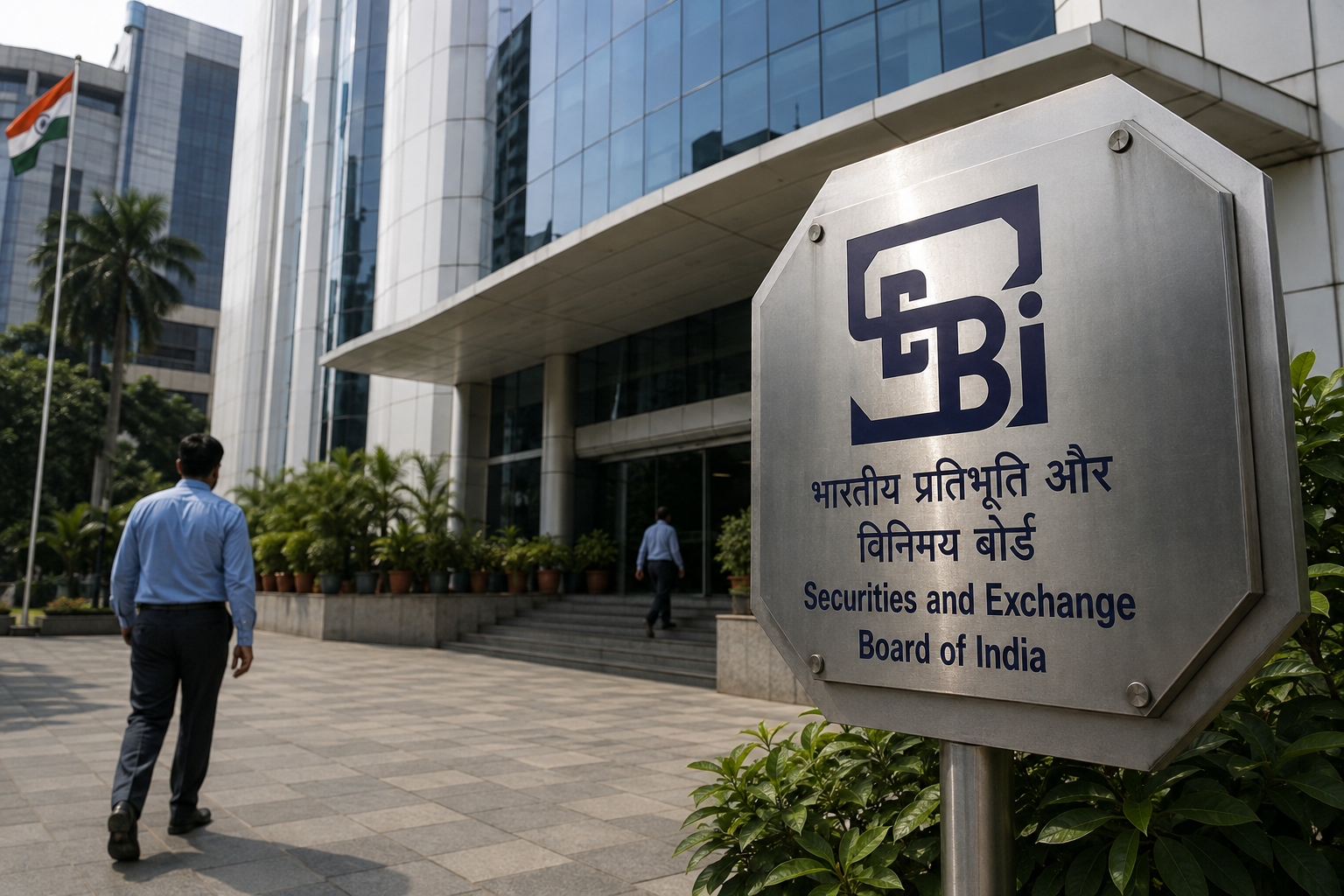
In India, the Securities and Exchange Board of India, or SEBI, is the central securities market regulator. Its mandate is rooted in investor protection, market development and regulation of the securities market. That sentence sounds formal, but it covers a vast range of activities - from IPO disclosures to mutual fund rules, from broker supervision to surveillance of suspicious trades.
Rule-making: writing the market contract
The first role of a regulator is rule-making. Markets cannot run on vague expectations. Companies need to know what they must disclose. Brokers need to know how they must treat clients. Exchanges need operational standards. Mutual funds need investment, valuation and disclosure rules. Investment advisers, research analysts, portfolio managers, depositories and clearing corporations need defined obligations.
These rules create the market contract. They tell participants what is permitted, what is prohibited, what must be reported and what happens when obligations are violated. Without such rules, disputes would be constant and investor confidence would collapse.
Regulators often issue regulations, circulars, guidelines, consultation papers and clarifications. This is not mere bureaucracy. Financial markets change quickly. New products, digital platforms, algorithmic strategies, social-media promotions and cross-border flows create new risks. Rule-making is how the market's legal skeleton adapts.
Disclosure: making companies speak to the market
A stock market depends on disclosure. Investors cannot examine every factory, contract, debt obligation or internal board discussion. They depend on listed companies to disclose material information accurately and on time. A regulator therefore sets disclosure standards for public issues, periodic results, shareholding patterns, related-party transactions, corporate governance, major events and risk factors.
Disclosure does not make every company good. It makes every company more visible. Investors can still make wrong choices, but they should not be forced to invest in darkness. When disclosures are delayed, misleading or incomplete, the market price becomes unreliable.
This is why disclosure regulation is one of the least dramatic but most important parts of securities regulation. The best markets are not the ones where regulators predict winners. They are the ones where investors receive enough truthful information to judge risk.
Registration and supervision of intermediaries
Most investors do not interact directly with the market. They go through brokers, depository participants, mutual funds, advisers, research analysts, registrars, investment bankers, portfolio managers and other intermediaries. These institutions can either protect investors or exploit them. Regulation decides which direction becomes more likely.
A market regulator registers intermediaries, sets eligibility conditions, inspects records, monitors compliance, imposes conduct rules and takes action when standards are breached. This matters because intermediaries handle client money, securities, advice, orders, data and trust.
For ordinary investors, the quality of intermediaries often matters more than the technical structure of the market. A poorly governed broker, a conflicted adviser or a misleading research provider can damage investors even when the exchange itself functions smoothly.
Surveillance and enforcement
Regulation without surveillance is only writing on paper. The regulator must watch markets for unusual trades, manipulation, insider trading, front-running, misleading disclosures and misuse of client assets. Exchanges also perform surveillance, but the regulator has the authority to investigate and act across entities when patterns suggest abuse.
Enforcement can include warnings, directions, monetary penalties, disgorgement, market bans, suspension, cancellation of registration, settlement proceedings or prosecution in appropriate cases. The point is not only punishment. Enforcement creates deterrence. It tells the market that rule violations have consequences.
However, enforcement must also be fair. Regulators exercise significant power. A credible system requires due process, reasoned orders, appeal mechanisms and transparent procedures. Investor protection should not become arbitrary power. Strong regulation and procedural fairness must travel together.
Investor education and grievance redressal
A modern regulator also educates investors. This role is sometimes underestimated, but it is essential in a country where millions of first-time investors enter through apps, mutual funds, small-ticket trading and social-media influence. Rules can punish fraud after damage occurs; education can prevent some damage before it happens.
Investor education explains risk, diversification, product suitability, fraud warning signs, complaint mechanisms and the difference between regulated and unregulated products. Grievance redressal systems give investors a route to complain against intermediaries or market participants.
This matters because a market cannot be healthy if only sophisticated participants understand it. Financial inclusion without financial literacy can become financial vulnerability.
Market development: regulation is not only policing
A regulator is often imagined as a police officer of the market. That is only one part of the role. Regulators also develop markets by improving infrastructure, enabling new products, strengthening settlement systems, encouraging transparency, reducing operational risk and supporting wider participation.
For example, a stronger regulatory framework can help deepen corporate bond markets, improve mutual fund governance, strengthen clearing corporations, support electronic settlement, and increase confidence among domestic and foreign investors. Market development is not the opposite of investor protection. Done properly, it is built on investor protection.
The challenge is to encourage innovation without allowing innovation to become a disguise for evasion. Every new product promises efficiency. Some also carry hidden leverage, opacity or conflicts. A good regulator asks not only whether a product is new, but whether its risks are disclosed and manageable.
The India lens: why SEBI matters more as markets deepen
India's capital markets are no longer peripheral to household finance. SIPs, demat accounts, IPO participation, retirement-linked investments, mutual funds and exchange-traded products have brought ordinary savers closer to securities markets. This makes regulation more important, not less.
When markets were dominated by a smaller group of sophisticated participants, misconduct harmed fewer people directly. Today, market abuse can affect salaried families, young investors, pension savings and the credibility of formal financial channels. SEBI's role therefore sits at the intersection of investor protection, capital formation and national economic development.
The next phase will be harder. Regulators must handle algorithmic trading, data risks, influencer-led investing, complex derivatives, cross-border products, cybersecurity, faster settlements and new forms of market communication. The regulator must become more technological without losing legal discipline.
Final reader takeaway
A stock market regulator is not a guarantee that investors will make money. It is a guarantee that the market will try to operate by rules rather than by private power. It creates the conditions under which risk can be taken honestly.
For investors, the existence of a regulator does not remove the need for caution. For companies, it creates disclosure and governance responsibilities. For intermediaries, it imposes conduct standards. For the economy, it builds confidence that savings can move into productive investment through credible institutions.
The regulator's highest achievement is often invisible. When markets function smoothly, trades settle, disclosures arrive, fraud is punished, complaints have a route and investors trust the system, the regulator has done its work. In finance, trust is not a slogan. It is infrastructure.