Inclusion is not only about having a bank account
A bank account can be opened in a few minutes. Financial inclusion takes much longer. The difference is important. A person may have an account but not use it. A household may receive a subsidy digitally but still borrow from a moneylender during illness. A worker may use UPI daily but have no insurance, pension or emergency savings. True financial inclusion is not the presence of a financial product; it is the ability to use useful, affordable and safe financial services in real life.
Financial inclusion means that individuals and businesses have access to appropriate financial services such as savings, payments, credit, insurance, remittances and pensions. These services should be affordable, transparent and usable. The goal is not to force everyone into debt or digital payments. The goal is to give people the financial tools needed to participate in the economy, manage shocks and plan for the future.
This matters because exclusion is expensive. People outside formal finance often pay more to borrow, save less securely, transfer money less efficiently and remain vulnerable to fraud or emergencies. When finance is inaccessible, poverty becomes harder to escape because every shock pushes the household backward.
What financial inclusion includes
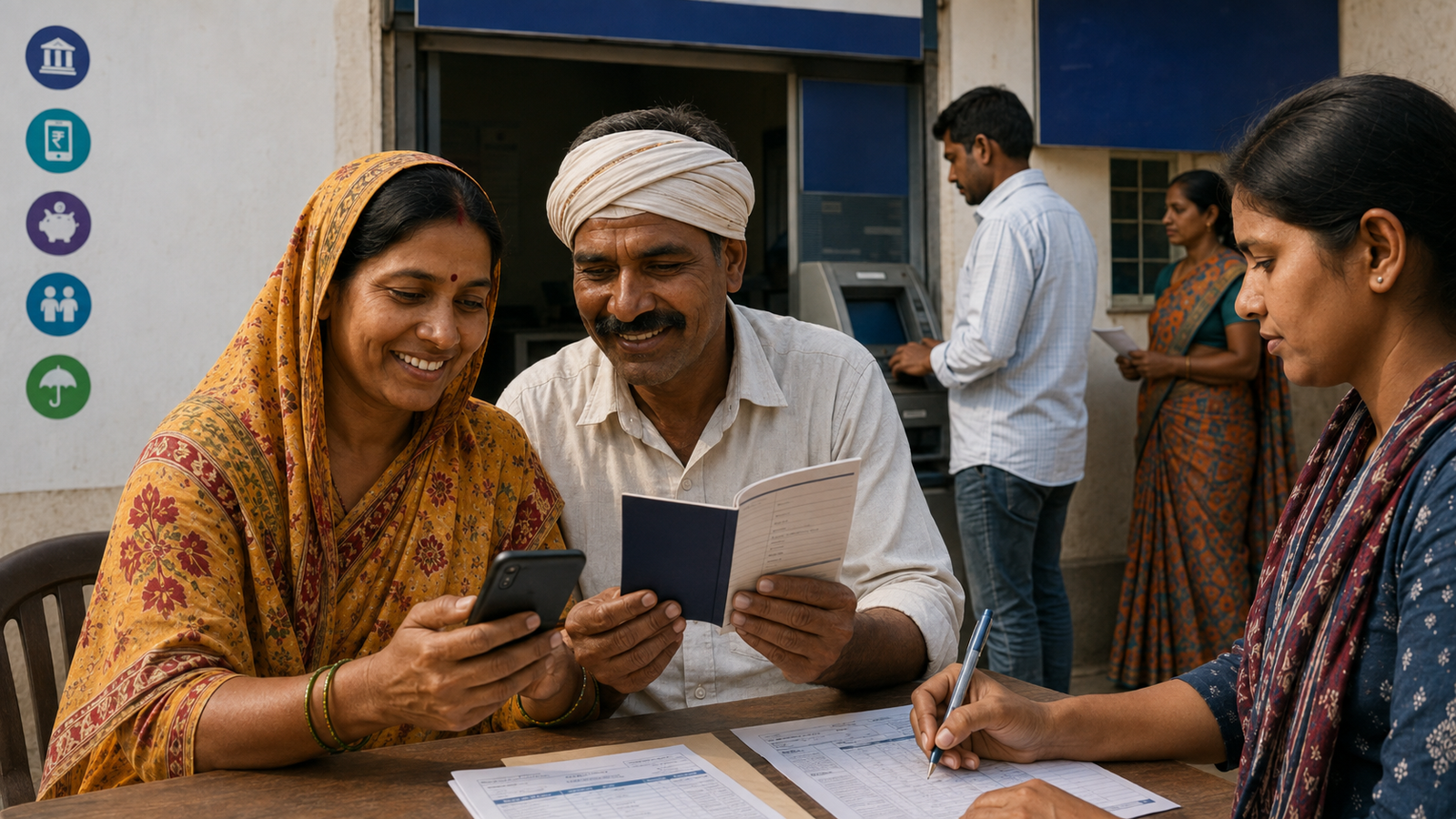
Financial inclusion has several layers. The first is access. People need a bank account, identification, nearby service points, digital connectivity and the ability to transact. Without access, all other financial services remain theoretical.
The second layer is usage. An account that remains dormant does little. Inclusion becomes meaningful when people save, receive wages, make payments, borrow responsibly, insure risks and build transaction histories. Usage shows that financial services fit everyday life.
The third layer is quality. A service may be available but unsuitable. A loan with confusing terms, an insurance product that never pays claims or a digital app that people cannot understand does not create real inclusion. Quality means safety, transparency, grievance redressal, fair pricing and trust.
The fourth layer is capability. People need the knowledge to compare products, avoid fraud, understand interest, use passwords safely, read basic terms and know where to complain. Financial literacy is not a luxury. It is consumer protection.
Why exclusion hurts households
A financially excluded household lives with fewer buffers. When income stops, it may sell jewellery, borrow at high rates, delay treatment or pull children out of school. When a business opportunity appears, it may not have working capital. When money must be sent to a family member, it may rely on costly intermediaries. Exclusion makes every problem more expensive.
Formal savings matter because poor households save too; they simply may not save in banks. They save through cash at home, gold, livestock, rotating groups or informal deposits. These methods can be useful, but they may be unsafe, illiquid or exposed to theft and pressure. A reliable account gives money a safer place to rest.
Formal credit matters because the timing of money often matters as much as the amount. If a farmer needs inputs before harvest, a worker needs migration expenses before wages or a shopkeeper needs stock before festival demand, lack of credit prevents income generation. Responsible credit can convert opportunity into earnings.
Insurance and pensions matter because savings alone cannot handle large shocks. A serious illness, death of an earner, crop failure or old age can destroy years of effort. Inclusion means access not only to money today but protection against tomorrow’s uncertainty.
Why inclusion matters for the economy
Financial inclusion is not only a welfare issue. It is an economic productivity issue. When more people use formal finance, savings can be mobilised more efficiently, payments become faster, credit histories improve and government transfers reach beneficiaries more directly. The economy becomes more legible and less dependent on informal cash arrangements.
For small businesses, formal finance can support growth. A micro-enterprise with a transaction record may become eligible for credit. A merchant using digital payments may reach more customers. A farmer with insurance may take more productive risks. A worker with a pension product may plan beyond immediate survival.
For the state, inclusion improves delivery. Direct benefit transfers, subsidies, scholarships, pensions and welfare payments can move into accounts with lower leakage than cash-based distribution. But this requires strong authentication, grievance systems and protection against exclusion errors. A digital system is efficient only if the rightful beneficiary can actually access the money.
For the financial system, inclusion expands the base. More accounts, payments and credit histories create data that can support better products. But this also raises responsibility: data must not become a tool for exploitation, predatory lending or privacy abuse.
The India story
India’s financial inclusion journey has accelerated through bank-account expansion, Aadhaar-linked identification in permitted contexts, mobile connectivity, UPI, direct benefit transfers, microfinance, self-help groups, insurance schemes and pension initiatives. The scale is unusual because India had to solve inclusion across geography, language, income, gender and digital-literacy gaps.
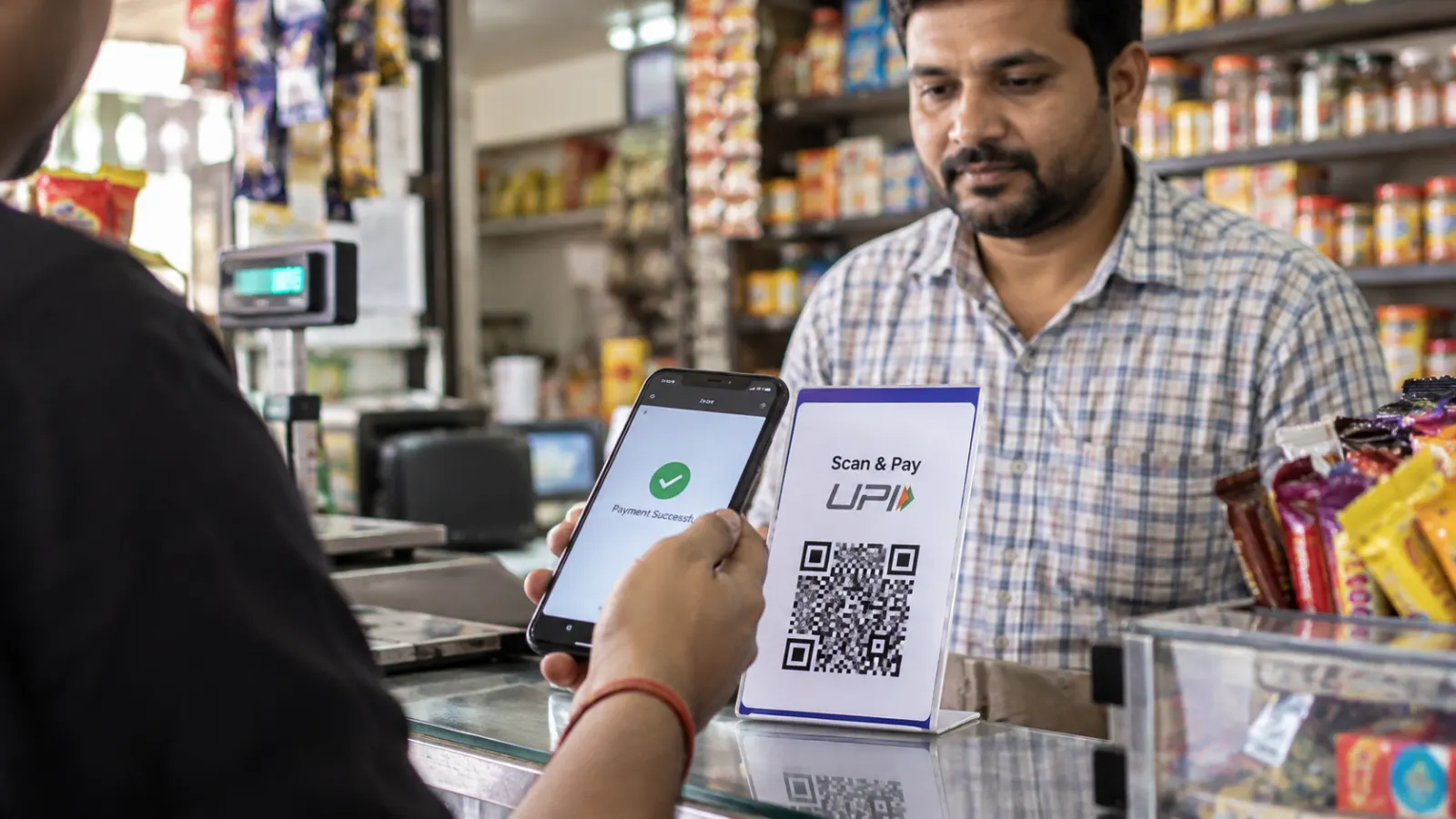
The Jan Dhan programme expanded account ownership. UPI made low-cost digital payments normal for millions. Direct benefit transfers helped move welfare payments into formal channels. Self-help groups and microfinance created community-based credit pathways. Together, these changed the meaning of access.
Yet the unfinished challenge is depth. Opening accounts is easier than ensuring useful financial life. Many households still face irregular income, weak literacy, cyber fraud risk, insurance gaps, limited pension coverage and dependence on informal credit during distress. The next phase of inclusion must focus less on headline access and more on safe usage, quality and resilience.
The risk of shallow inclusion
Financial inclusion can become harmful if it is measured only by numbers. More accounts do not automatically mean more security. More loans do not automatically mean more entrepreneurship. More digital payments do not automatically mean better financial health.
Shallow inclusion happens when people are brought into the system without understanding, protection or suitable products. A first-time borrower may be offered high-cost credit. A digital user may fall for fraud. A person may buy insurance without understanding exclusions. A pension product may remain underfunded. In these cases, inclusion exists formally but not substantively.
This is why consumer protection is central. Financial inclusion must include transparency, simple language, fraud prevention, data protection, dispute resolution and responsible lending. Otherwise, the poor become newly visible to finance but not necessarily better served by it.
A simple example
Consider a migrant worker who earns irregular wages in a city and sends money home. Without formal finance, he may carry cash, pay intermediaries or depend on friends. With a bank account and digital payments, he can send money quickly, receive wages, maintain a transaction record and save small amounts. If linked with insurance and pension options, the same financial identity can gradually support long-term security.
The benefit is not only convenience. It changes risk. Money is less likely to be lost in transit. The family receives funds faster. The worker has proof of income flow. Over time, this record may help access credit. Inclusion turns scattered transactions into a financial footprint.
But the example works only if the worker can use the system safely. If he loses money to fraud, forgets PINs, faces failed transactions or cannot resolve complaints, trust collapses. Financial inclusion therefore depends on last-mile reliability.
Final takeaway
Financial inclusion means access to useful, affordable and safe financial services. It includes accounts, payments, savings, credit, insurance and pensions, but it becomes meaningful only when people actually use these tools with confidence and protection.
It matters because exclusion makes poverty more expensive. Formal finance can help households save securely, borrow responsibly, receive benefits, manage shocks and build future options. It also helps the economy by improving payments, credit records, public delivery and productive investment.
The next challenge is not merely to include more people on paper. It is to make inclusion deeper, safer and more empowering. A country becomes financially inclusive not when everyone has an account, but when ordinary people can use finance without fear, confusion or exploitation.