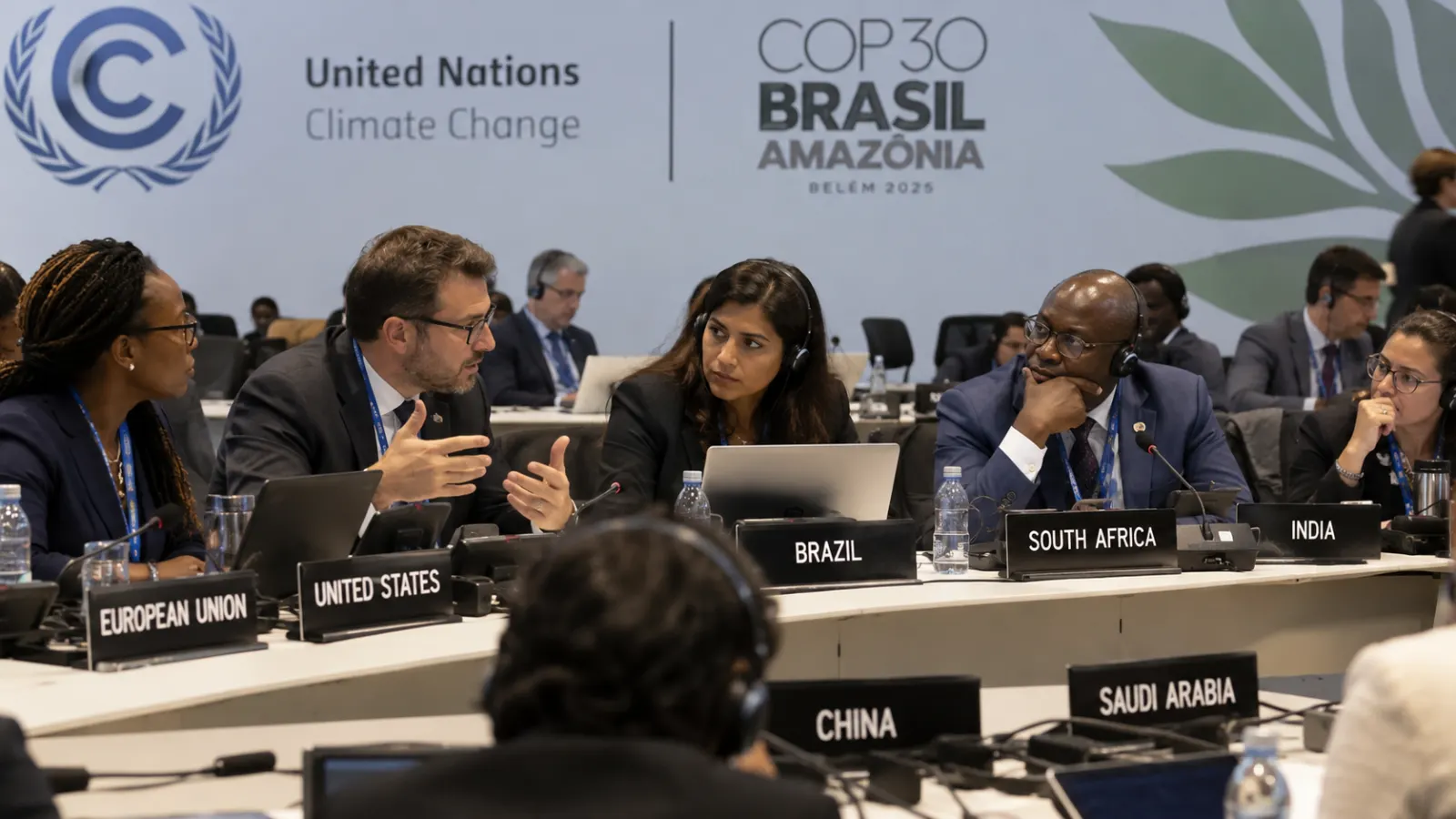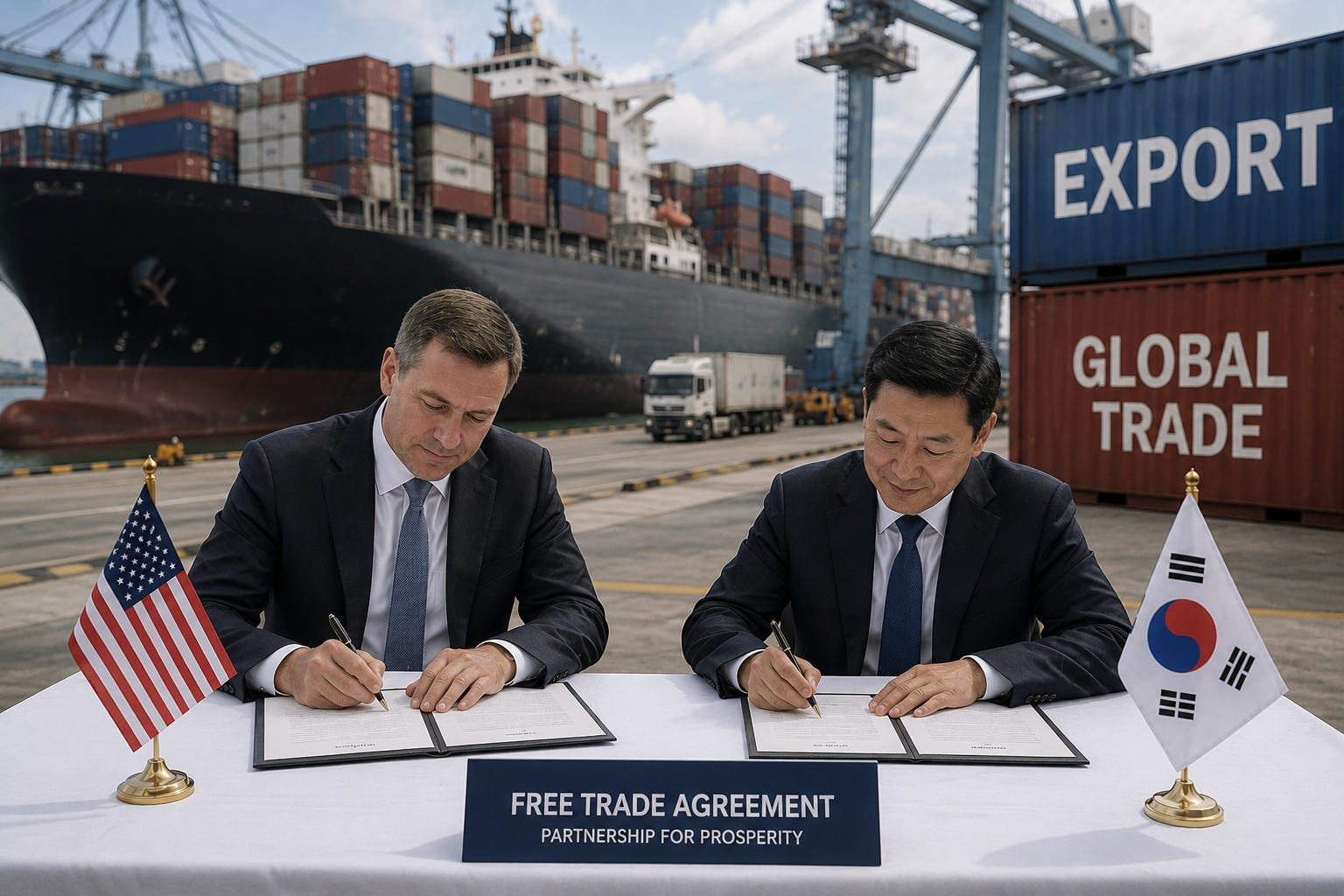
Trade deals are economic maps, not just diplomatic ceremonies
A free trade agreement is often announced like a diplomatic achievement: leaders shake hands, ministers exchange documents, and headlines speak of market access, exports and jobs. But the real meaning of an FTA is not in the ceremony. It is in the schedules, clauses, exclusions, rules of origin, standards, tariff lines and timelines that decide how goods, services and investment will actually move.
For ordinary citizens, FTAs can feel remote. Yet they influence the prices of imported goods, the competitiveness of exporters, the availability of inputs for factories, the prospects of small businesses, and the choices facing farmers, workers and consumers. A trade agreement can make a product cheaper, open a foreign market for a domestic firm, or expose a protected industry to competition before it is ready.
This is why free trade agreements must be understood as economic architecture. They do not automatically create prosperity. They create rules. Whether those rules produce gains depends on the quality of negotiation, the preparedness of domestic industry, the ability of firms to use the agreement, and the state’s capacity to support adjustment.
What a free trade agreement means
A free trade agreement is a pact between two or more countries to reduce or eliminate trade barriers among themselves. The most common barrier reduced is the tariff on goods, but modern FTAs can also cover services, investment, intellectual property, government procurement, digital trade, labour standards, environmental rules, customs procedures and dispute settlement.
An FTA does not mean all trade becomes completely free immediately. Many agreements phase out tariffs over years. Sensitive sectors may be excluded or given slower liberalisation. Some products may retain safeguards. Services commitments may be limited. In practice, an FTA is a negotiated balance between openness and protection.
It is also important to distinguish an FTA from a customs union. In a free trade agreement, members reduce barriers among themselves but usually keep their own external tariffs against non-members. In a customs union, members share a common external tariff. This distinction matters because it affects rules of origin and trade diversion.
Why countries sign FTAs
Countries sign FTAs to gain market access. Exporters want lower tariffs, faster customs clearance and predictable rules in foreign markets. If a rival country already has an FTA with a major market, exporters without similar access may face a disadvantage. Trade agreements therefore become tools of competitiveness.
Countries also sign FTAs to attract investment. A firm choosing where to build a factory may prefer a country that offers preferential access to multiple markets. If production in one country can be exported duty-free to partner countries, that country becomes more attractive as a manufacturing base.
FTAs can also support geopolitical strategy. Trade agreements deepen relationships, create interdependence and signal long-term alignment. In a fragmented world, countries use trade deals not only to sell goods but to secure supply chains, diversify partners and reduce dependence on any single power.
What FTAs usually contain
The goods chapter usually lists tariff commitments. It specifies which products receive duty cuts, how quickly duties fall, and which products remain sensitive. The services chapter may cover sectors such as finance, education, telecom, IT, transport, professional services and movement of people. Investment chapters may include protections for investors and rules for dispute resolution.
Rules of origin are among the most important parts of any FTA. They decide whether a product truly comes from a partner country and qualifies for preferential tariff treatment. Without rules of origin, goods from a third country could simply be routed through an FTA partner to avoid tariffs. These rules can be complex, and many small businesses struggle to use FTAs because documentation is difficult.
Modern agreements may also include customs cooperation, sanitary and phytosanitary standards, technical barriers to trade, e-commerce provisions, competition policy, intellectual property, labour, environment and transparency commitments. The deeper the agreement, the more it affects domestic regulation.
The benefits of FTAs
The first benefit is lower cost. If tariffs fall, imported goods and inputs can become cheaper. Consumers may gain from lower prices and greater choice. Producers may gain when imported machinery, components and raw materials become cheaper, making them more competitive.
The second benefit is export expansion. A domestic firm that previously faced high duties in a foreign market may become more competitive after an FTA. This can support scale, employment and investment. For export-oriented sectors, preferential access can be decisive.
The third benefit is predictability. Trade agreements reduce uncertainty by creating rules. Firms can plan investments when they know tariff schedules, customs rules and dispute mechanisms. Predictability is itself an economic asset because investment dislikes policy surprise.
The fourth benefit is integration into supply chains. Modern manufacturing often requires components from multiple countries. FTAs can make such integration easier, allowing countries to specialise in parts of production rather than trying to produce everything domestically.
The risks and criticisms of FTAs
FTAs can also create losers. Import-competing sectors may face sudden pressure if tariffs fall faster than domestic firms can adapt. Workers in vulnerable industries may experience job insecurity. Small firms may struggle against larger foreign competitors. Farmers may fear competition from highly subsidised producers abroad.
There is also the risk of trade diversion. If an FTA makes imports from a partner country cheaper than imports from a more efficient non-partner country, trade may shift for tariff reasons rather than efficiency reasons. The country may end up importing from the preferential supplier even if the world’s best supplier is elsewhere.
Utilisation is another challenge. An agreement may look impressive on paper, but firms may not use it if documentation is complicated, rules of origin are strict, awareness is low, or logistics remain weak. A signed FTA does not automatically translate into export success.
Finally, FTAs can reduce policy space. Commitments on investment, procurement, intellectual property or standards may constrain domestic choices. This is why negotiation quality matters. A country must know what it is giving up as clearly as what it is gaining.
India and the FTA question
For India, FTAs are linked to a larger economic ambition: becoming a more competitive manufacturing and services power. India wants export growth, supply-chain integration, technology access and stronger trade partnerships. But it also has sensitive domestic sectors, employment concerns and a long-standing fear of import surges.
India’s challenge is not merely to sign FTAs. It is to prepare firms to use them. Exporters need quality standards, logistics, finance, scale, branding, compliance capability and information. Without these, tariff preferences may remain underused.
India must also negotiate services access carefully. Its strengths in IT, professional services, healthcare, education and skilled labour mobility mean that market access cannot be judged only by goods tariffs. A good agreement for India should examine both goods and services, both imports and exports, both consumers and producers.
The political difficulty is that FTA benefits are often spread widely while losses are concentrated. Consumers may gain a little across many products, but a specific industry may feel intense competition. This makes trade politics sensitive. Adjustment support, skilling and competitiveness policy must accompany trade openness.
How to judge whether an FTA is good
A good FTA should be judged by several questions. Does it open meaningful markets for sectors where the country is competitive? Does it reduce input costs for domestic producers? Are rules of origin practical and enforceable? Are sensitive sectors protected only where necessary? Are small firms able to understand and use the agreement?
Another question is whether the agreement supports long-term capability. An FTA that only increases imports without improving exports may create political backlash. An FTA that helps firms join supply chains, upgrade quality and enter new markets can support development.
The final question is institutional capacity. Customs systems, standards bodies, export promotion agencies, logistics networks and trade finance institutions must work well. Trade agreements are not self-executing. They require administrative strength.
Final reader takeaway
A free trade agreement is not a magic key to prosperity. It is a negotiated rulebook that can create opportunities if a country and its firms are prepared to use them. It can lower costs, open markets and attract investment. It can also expose weak sectors, create adjustment pressure and produce uneven gains.
The best way to understand an FTA is to look beyond the headline. Ask what is being liberalised, what is excluded, what the rules of origin require, which sectors gain, which sectors face pressure, and whether the country has a plan to turn market access into real competitiveness. Trade agreements matter because they do not merely move goods; they shape the structure of an economy.
Editorial Disclaimer
This article is for general financial and economic education. It does not constitute investment, tax, customs, legal or policy advice. Readers should verify current rules, rates and notifications from official sources before making business, investment or compliance decisions.