The power of a small loan is not small
For a wealthy household, a small loan may be an inconvenience. For a poor household, it can be the difference between waiting and acting. A vegetable seller may need money to buy inventory before the morning market opens. A tailor may need a sewing machine. A dairy farmer may need feed before payment arrives. A woman running a home-based food business may need working capital long before any bank considers her creditworthy. Microfinance begins from this simple reality: many poor people are not poor because they lack effort; they are poor partly because they lack access to timely, affordable and structured financial tools.
Microfinance refers to small-scale financial services offered to low-income households, micro-entrepreneurs and people who are often outside the formal banking system. It can include small loans, savings products, insurance, remittance channels and financial literacy support. In public conversation, the word is often reduced to microcredit, but microfinance is broader than lending. At its best, it helps people manage uncertainty, build small assets and participate in the economy with greater dignity.
The appeal of microfinance is emotional and economic. It promises that finance does not have to serve only large companies, salaried workers and people with collateral. It can also serve street vendors, artisans, domestic workers, small farmers and women-led self-help groups. But the promise must be handled carefully. Microfinance can empower, but it can also burden. A small loan used well can build resilience; a small loan pushed carelessly can become a debt trap.
What microfinance actually does
Microfinance works by solving a problem that conventional banking often fails to solve: how do you lend to people who have no formal salary slip, limited collateral, irregular income and little credit history? Traditional banks depend on documentation, security and predictable repayment capacity. Poor households often have economic activity, but that activity is fragmented, informal and hard to prove through standard paperwork.
Microfinance institutions, self-help group-bank linkage models, cooperative structures and specialised lenders use alternative methods. They may lend smaller amounts, collect repayments frequently, rely on group discipline, use local knowledge, build credit histories gradually and provide doorstep or digital service. The loan size is usually designed to match micro-enterprises and household cash flows rather than large business expansion.
The deeper function is not merely to transfer money. It is to create a bridge between informal survival and formal finance. Once a borrower repays responsibly, she builds a record. Once a household begins saving, it becomes less dependent on emergency borrowing. Once a small business has working capital, it can buy inputs at better rates, maintain stock and avoid selling assets during distress.
A simple example
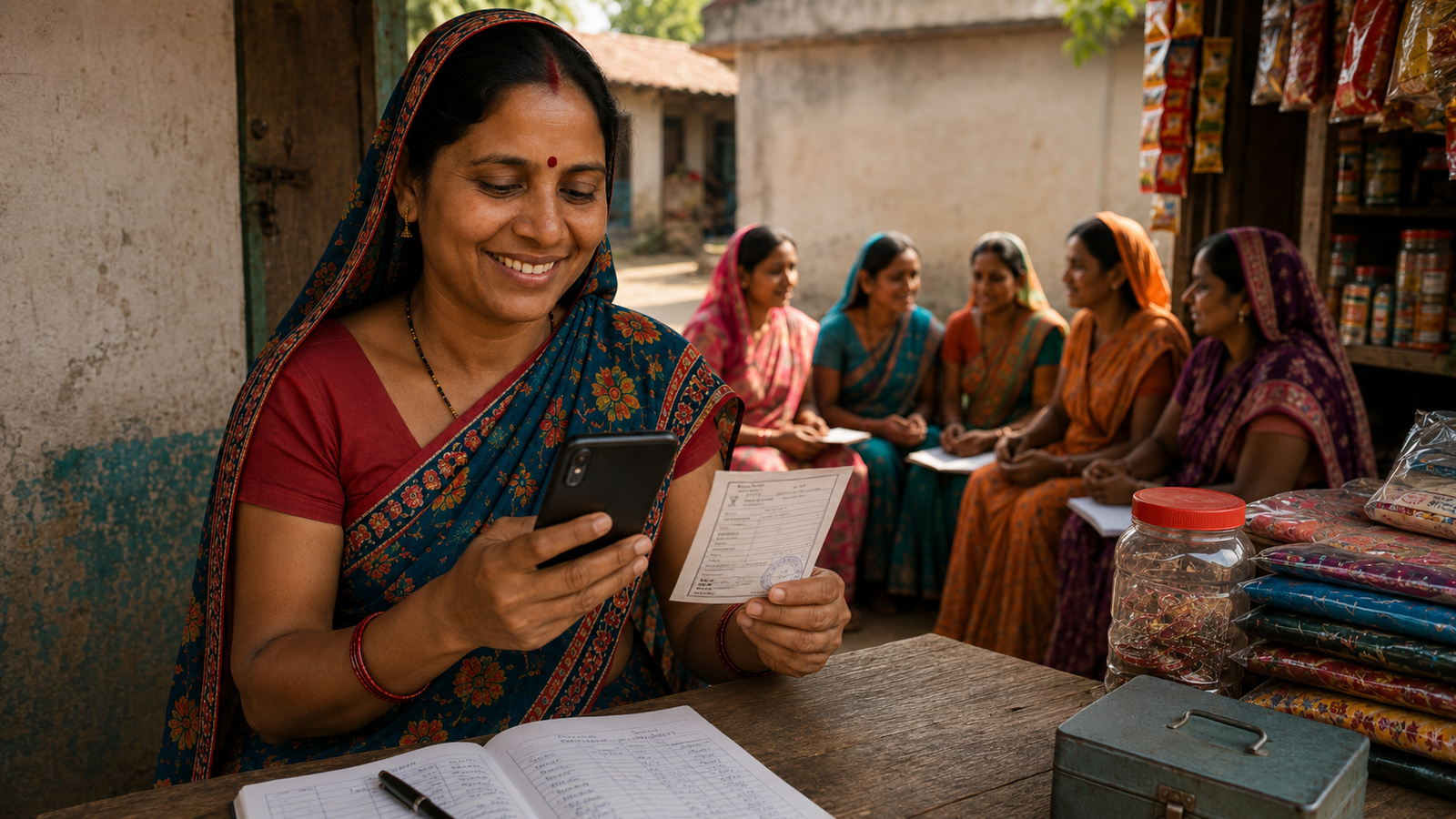
Imagine a woman who sells snacks from home. She earns enough to support the household, but only in a narrow cycle. She has orders, but not enough cash to buy ingredients in bulk. Because she buys daily in small quantities, her input cost is high. A small loan allows her to buy flour, oil and packaging at wholesale rates. Her margins improve, she serves more customers and she repays from weekly cash flow.
In this example, the loan does not create talent. The talent already existed. The loan unlocks scale, timing and bargaining power. This is why microfinance is often powerful: it does not imagine the poor as passive recipients of charity. It recognises them as economic actors who are already working, trading, producing and managing risk.
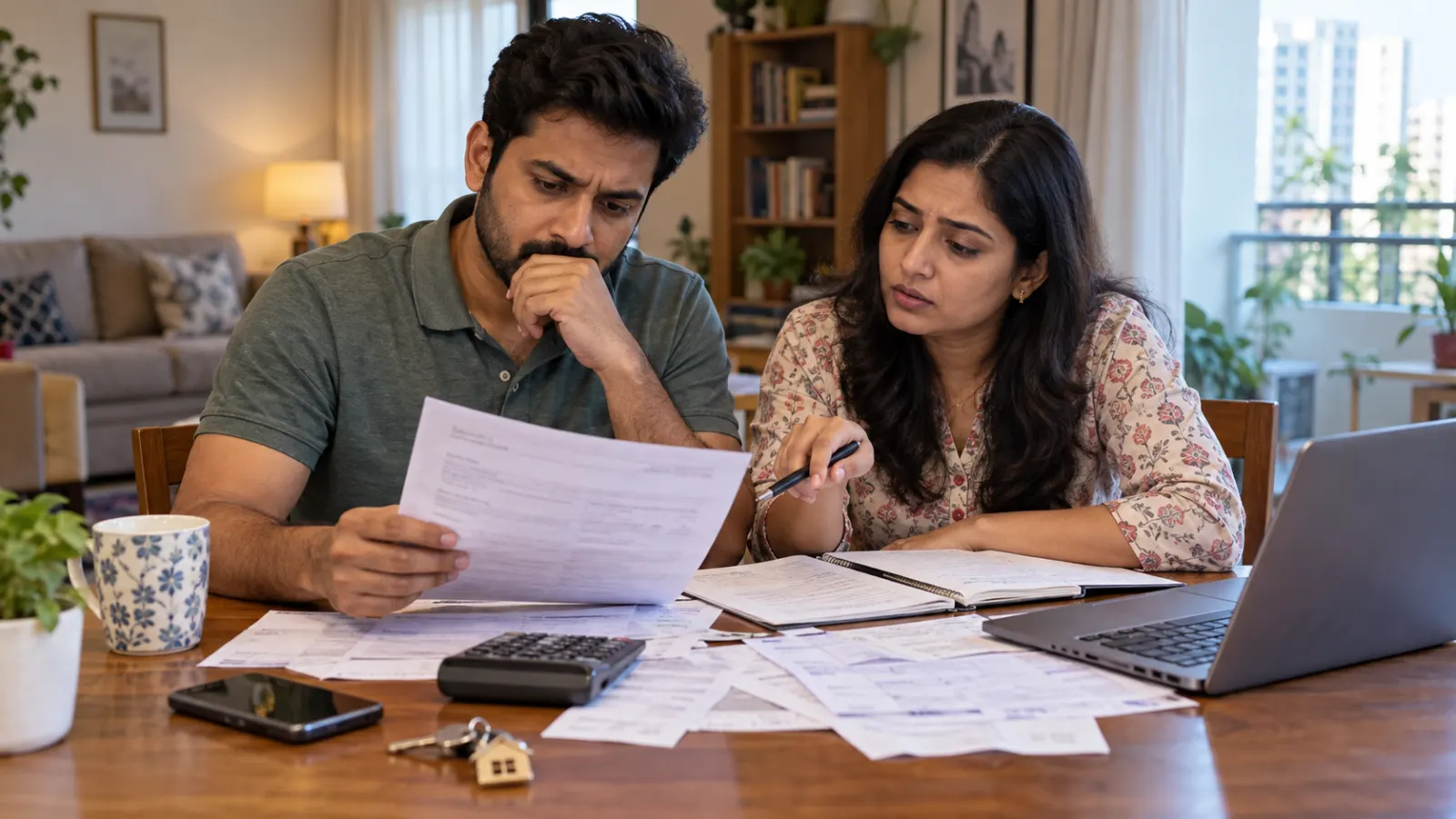
However, the same example can turn dangerous if the loan is too large, if interest is not understood, if repayment frequency is unrealistic or if income falls because of illness, crop loss, local slowdown or family emergency. Microfinance empowers only when loan design respects the borrower’s real cash flow.
Why women are central to microfinance
Microfinance around the world has often focused on women, especially through group-lending and self-help group models. This is not accidental. Women frequently manage household spending, savings, health expenses and small enterprise activity, yet they may have less access to property, collateral and formal credit. A financial product that reaches women can therefore affect not only a business, but the whole household.
When women gain access to credit and savings, the impact can extend to children’s education, nutrition, healthcare and household decision-making. The benefit is not automatic, but the pathway is clear. Financial access can increase bargaining power. A woman who earns, saves and repays through a recognised channel is harder to dismiss as economically invisible.
At the same time, women-focused microfinance must avoid romanticising sacrifice. If a woman takes a loan but the husband or household controls the money, she carries the repayment burden without control over use. If group pressure becomes excessive, dignity can turn into stress. Genuine empowerment requires control, consent, fair terms and protection from coercive recovery practices.
Why microfinance matters for the poor
The first benefit is access. Without microfinance, many poor households depend on informal moneylenders, traders, employers or relatives. These sources may be fast, but they can be expensive, humiliating or exploitative. Formal or semi-formal microfinance can offer more structured terms and create a record that helps borrowers graduate to larger financial services.
The second benefit is income smoothing. Poor households rarely face one neat monthly budget. Their income may be daily, seasonal or irregular. Expenses, however, arrive suddenly: school fees, illness, repairs, ceremonies, crop input costs or business inventory. Microfinance can help bridge timing gaps when designed responsibly.
The third benefit is enterprise creation. Many micro-businesses do not need large capital; they need the right amount at the right time. A tea stall, a tailoring unit, a goat-rearing activity, a small kirana store or a home-based service can use modest capital productively. For people excluded from salaried employment, micro-enterprise may be the first ladder of economic mobility.
The fourth benefit is financial identity. A borrower who joins the formal system begins to exist in financial records. That record can later support savings, insurance, pensions, digital payments and other services. Inclusion often begins with one transaction but becomes meaningful only when it grows into a wider relationship with finance.
The limits and risks
Microfinance is not a magic cure for poverty. Poverty is caused by many forces: low wages, poor health, weak infrastructure, lack of education, discrimination, insecure work, climate shocks and limited market access. A loan cannot solve all of this. In fact, lending to a person whose income is too unstable can worsen distress.
The biggest risk is over-indebtedness. If multiple lenders give loans to the same household without a clear view of total obligations, repayment can become impossible. Borrowers may take a new loan to repay an old one. What began as empowerment becomes rotation of debt. The loan amount may be small, but the pressure can be large.
The second risk is high effective cost. Frequent repayments, processing fees, insurance bundling, penalties and unclear terms can make a loan more expensive than it appears. Borrowers need transparent pricing and simple explanations, not only signatures on forms.
The third risk is misuse by lenders. A development-friendly product can be distorted by aggressive sales targets. If field officers are rewarded only for disbursement and collection, borrower welfare may be ignored. Responsible microfinance requires regulation, fair conduct, grievance redressal and careful assessment of repayment capacity.
The India angle
In India, microfinance is closely linked to self-help groups, rural livelihoods, women’s collectives, priority-sector lending and NBFC-MFI models. The country’s diversity makes microfinance important: millions of households earn through agriculture, informal work, petty trade, services, home production and seasonal labour. Standard bank underwriting often fails to understand these income patterns.
India’s regulatory approach has increasingly recognised that microfinance must combine access with borrower protection. RBI’s microfinance framework treats microfinance as a regulated credit activity and emphasises household-level assessment, transparency and conduct. The key policy challenge is to expand credit without encouraging reckless lending.
Digital public infrastructure has also changed the landscape. Aadhaar-enabled identification, bank accounts, UPI, credit bureaus and mobile connectivity can make service delivery faster and more traceable. But digital tools alone do not solve literacy, trust, local language, gender access or grievance issues. Inclusion has to be human as well as digital.
Microfinance as dignity, not charity
The most important idea behind microfinance is dignity. Charity may help during emergency, but finance helps people act as decision-makers. A person who borrows, invests, earns and repays participates in the economy differently from someone who waits for relief. This psychological shift matters.
But dignity also means the right to fair treatment. Borrowers should not be treated as targets to be loaded with debt. They should understand cost, repayment, penalties and alternatives. They should have the right to complain. They should not face humiliation for genuine distress. A loan is empowering only when the borrower remains a person, not merely an account number.
The future of microfinance should therefore be judged by outcomes, not only disbursement. Did household income improve? Did savings rise? Did women gain decision-making power? Did borrowers avoid debt traps? Did enterprises become more resilient? These questions are more important than loan-growth statistics alone.
Final takeaway
Microfinance empowers the poor when it gives timely, transparent and appropriate financial tools to people who are already economically active but excluded from formal systems. It can support small businesses, smooth income, reduce dependence on informal lenders and build financial identity.
Its power lies in recognising that poor households do not lack ambition. They often lack liquidity, records, collateral and fair access. Yet microfinance can fail when lending becomes aggressive, terms are unclear or debt exceeds income. The goal should not be to push more loans; it should be to build responsible financial capacity.
The best microfinance is not charity disguised as credit. It is finance designed around the lives of people who have always worked, but were rarely trusted by formal finance.