Samastipur Harassment Case: Four Arrested After Viral Video
A fresh case of alleged harassment of a teenage girl in Bihar’s Samastipur district has triggered concern days after a similar incident in Jamui drew nationwide attention. Police arrested four people after a video circulated on social media showing a group of youths allegedly surrounding and harassing the girl on a road near Jagatsinghpur village under Karpuri Gram police station limits.
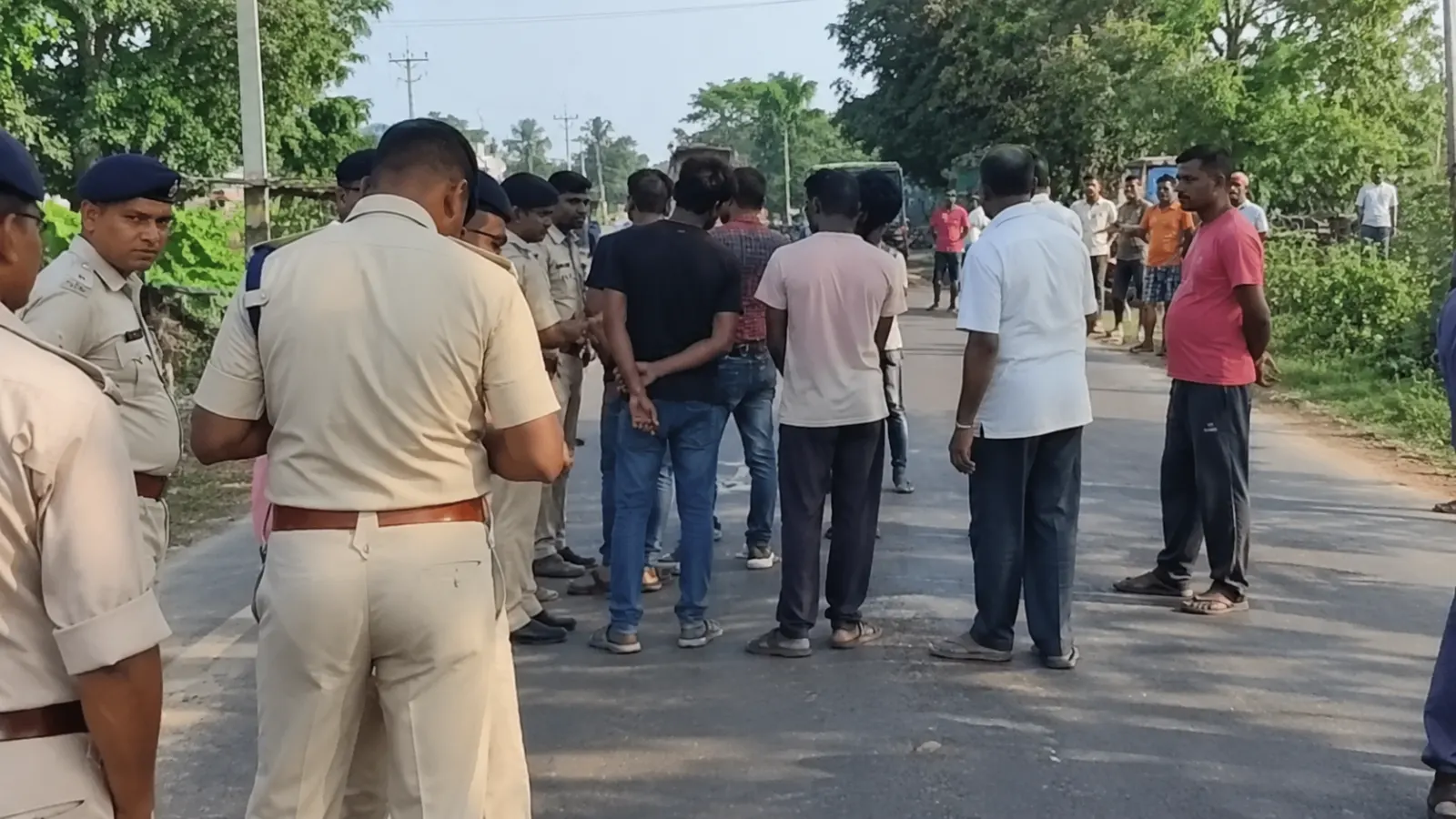
According to police, the video came to their attention during social-media monitoring on September 23, 2026. Officers subsequently identified the location and the people allegedly involved. Samastipur Superintendent of Police Arvind Pratap Singh said four suspects were arrested within hours of police receiving information about the footage.
The allegations remain subject to investigation and judicial proceedings.
What allegedly happened in Samastipur?
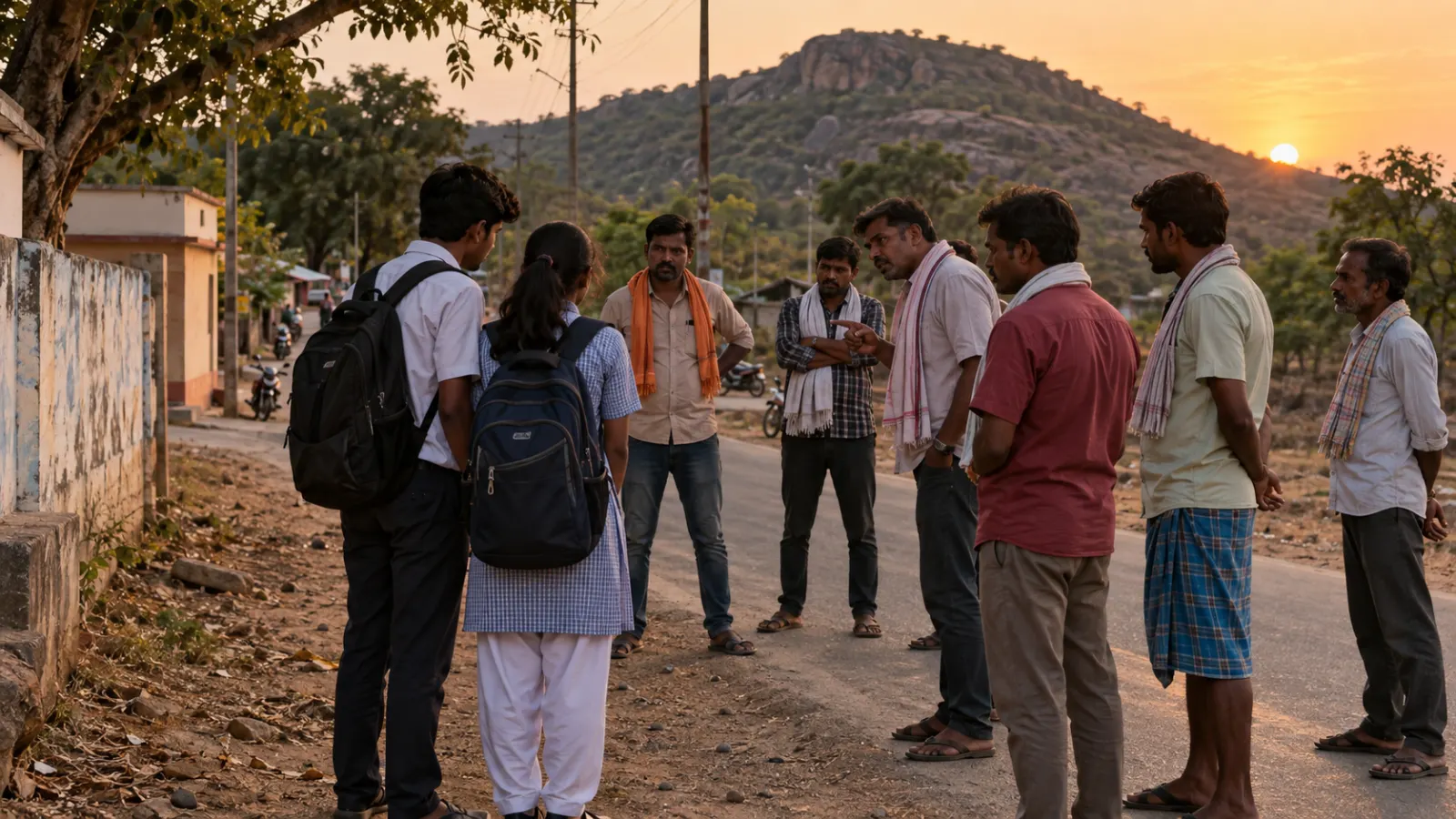
Police and media reports indicate that the girl was travelling with a male acquaintance when they stopped near an embankment or bypass road to take photographs. A group of youths allegedly approached them and began harassing the girl.
The circulating footage appears to show several youths surrounding her. One person can allegedly be seen repeatedly holding her hand as she attempts to move away, while other reports describe her being manhandled and subjected to abusive or sexually inappropriate remarks.
The Indian Express reported that the incident occurred a few kilometres from the Samastipur district headquarters and that police began investigating after the video surfaced online.
Police have said the girl appears prima facie to be a minor. Because her age and identity require protection, images, names or other information that could identify her should not be circulated publicly.
Police register case under BNS, POCSO and IT Act
After identifying the location, police registered a case at Karpuri Gram police station under relevant provisions of the Bharatiya Nyaya Sanhita (BNS), Protection of Children from Sexual Offences Act (POCSO) and Information Technology Act.
Police identified four suspects and arrested them. Authorities have said further legal action and investigation are continuing.
The inclusion of POCSO provisions is significant because the legislation provides specific protections against sexual offences involving people below the age of 18. However, the precise charges and the accused persons’ legal responsibility will ultimately depend on the investigation and subsequent court proceedings.
Viral video once again becomes the trigger for police action
Another striking aspect of the case is the role played by social media.
Police said they became aware of the Samastipur footage through online monitoring rather than through the immediate public filing of a widely reported complaint. The video appears to have been recorded by someone present during the incident before later being circulated online.
Viral footage can help authorities identify offences that might otherwise remain unreported, but its circulation creates another serious problem when a child or survivor can be identified.
Samastipur Police have urged people not to share material that reveals the girl’s identity. Reposting such footage can expose a victim to repeated humiliation long after the original incident and may also raise legal concerns when minors or victims of sexual offences are involved.
Public outrage does not require repeatedly displaying the person who was allegedly victimised.
Samastipur incident follows Jamui case
The case has attracted additional attention because it emerged only days after videos from Jamui district showed a teenage boy and girl being stopped and allegedly assaulted and sexually harassed by a group of youths.
In the Jamui case, both students were minors. Police registered a case under POCSO and other provisions and arrested multiple suspects after the footage went viral.
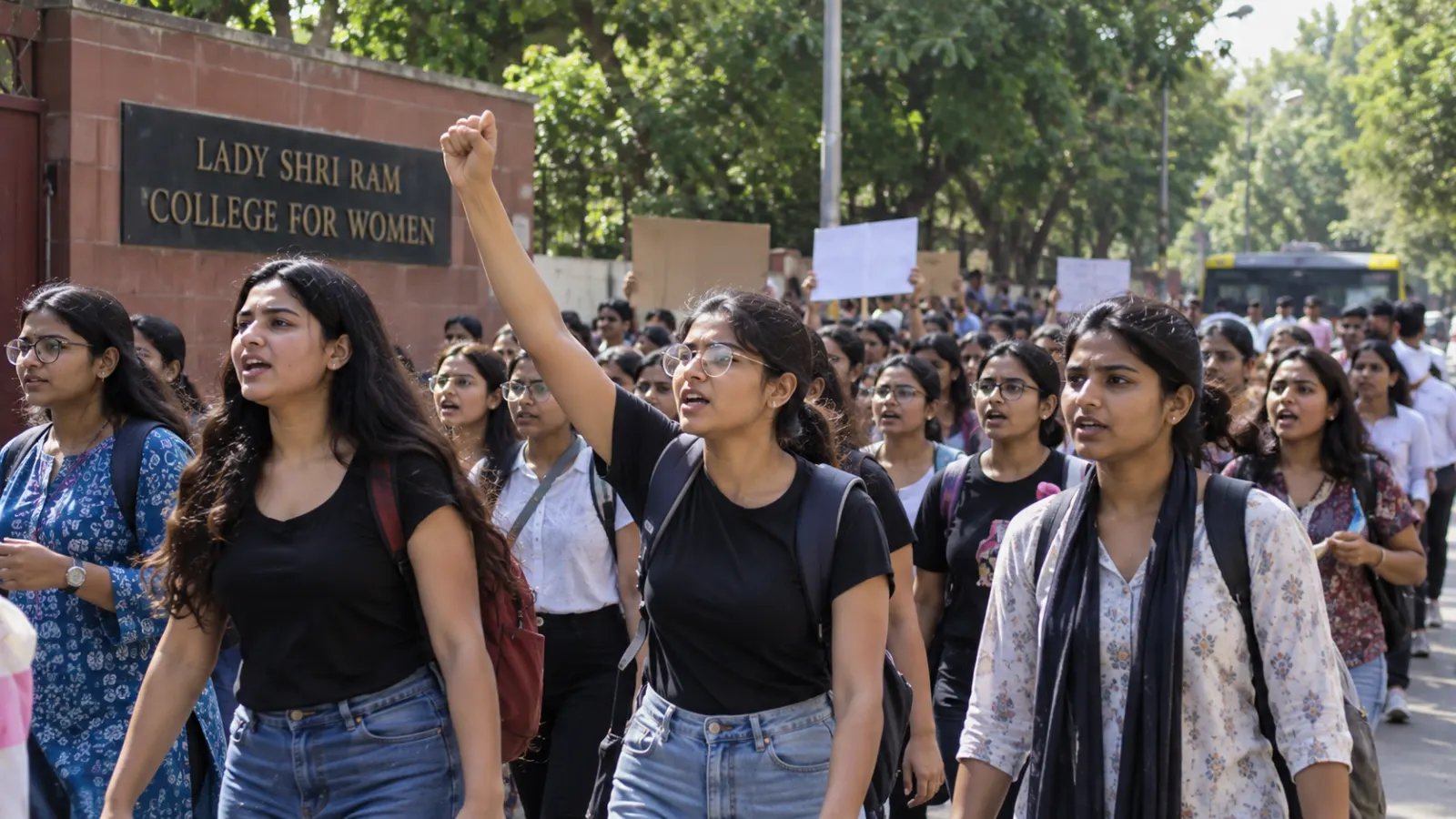
The two incidents occurred separately and should not be treated as evidence that the circumstances or motives were identical. But their emergence within a short period has renewed discussion about harassment of girls in public places, group intimidation and the recording of such incidents for social media.
The Samastipur case is especially concerning because the alleged harassment appears to have occurred openly rather than in a private setting.
Public space should not become conditional for girls
The circumstances described in the Samastipur case also raise a broader question that goes beyond criminal proceedings.
A girl travelling with a boy, stopping to take photographs or spending time in a public place does not give strangers authority to interrogate, touch, threaten or humiliate her.
Debates around such incidents sometimes shift quickly towards the behaviour of the victims: Why were they there? Why were they together? Why did they stop in that location?
Those questions can distract from the more fundamental issue.
Even if other people disapprove of someone's behaviour, social disapproval does not create a private right to enforce morality through intimidation or physical contact.
This distinction is important in discussions of moral policing. Individuals and families may hold conservative or liberal views about relationships, clothing or interactions between boys and girls. A democratic society can contain those differences. What it cannot treat as ordinary is the idea that strangers may impose their personal standards through force.
Recording harassment can become another form of humiliation
The repeated appearance of videos in both the Jamui and Samastipur cases raises another uncomfortable question: why are people recording alleged abuse instead of stopping it or seeking help?
A camera can provide valuable evidence. It can help identify suspects and establish what happened. But recording becomes ethically very different when the purpose is entertainment, humiliation or online circulation.
When footage of a victim is distributed widely, the original event can follow that person indefinitely. Friends, classmates, relatives and strangers may encounter the video repeatedly even after the criminal case has moved forward.
This is particularly serious when the victim is a child.
Responsible reporting and social-media use should therefore focus on what happened and what authorities are doing without reproducing identifiable images of the girl.
Arrests are the beginning, not the end of accountability
The quick arrest of four suspects is an important development, but an arrest is not the same as a conviction.
Investigators will need to establish the sequence of events, identify the role allegedly played by each person, examine available video evidence and collect statements and other material required for prosecution. Courts will ultimately determine guilt.
At the same time, cases like Samastipur raise preventive questions for police and local administrations.
If certain roads, embankments or isolated public areas repeatedly become locations for harassment, authorities need to examine patrolling, lighting, emergency access and whether residents feel able to report misconduct before it escalates.
The objective cannot be simply to tell girls to avoid such spaces.
Public safety should mean making public spaces safer for everyone.
A wider question after Samastipur and Jamui
The Samastipur case will now move through the criminal justice system, and conclusions about the accused must be based on evidence and due process.
But the incident has already reinforced a broader concern visible in the recent Jamui case: the belief among some groups that they are entitled to police the behaviour of young people in public.
That mindset can become dangerous when disapproval turns into intimidation, physical restraint or sexual harassment.
There is an equally important responsibility for bystanders. Recording an incident may occasionally preserve evidence, but when someone is in immediate danger, seeking police assistance or safe intervention is more important than producing viral content.
The Samastipur case should therefore not be remembered only because another disturbing video circulated online.
The more important question is whether public attention leads to a culture in which girls can use ordinary public spaces without being surrounded, questioned or harassed simply because someone else disapproves of their presence or companionship.