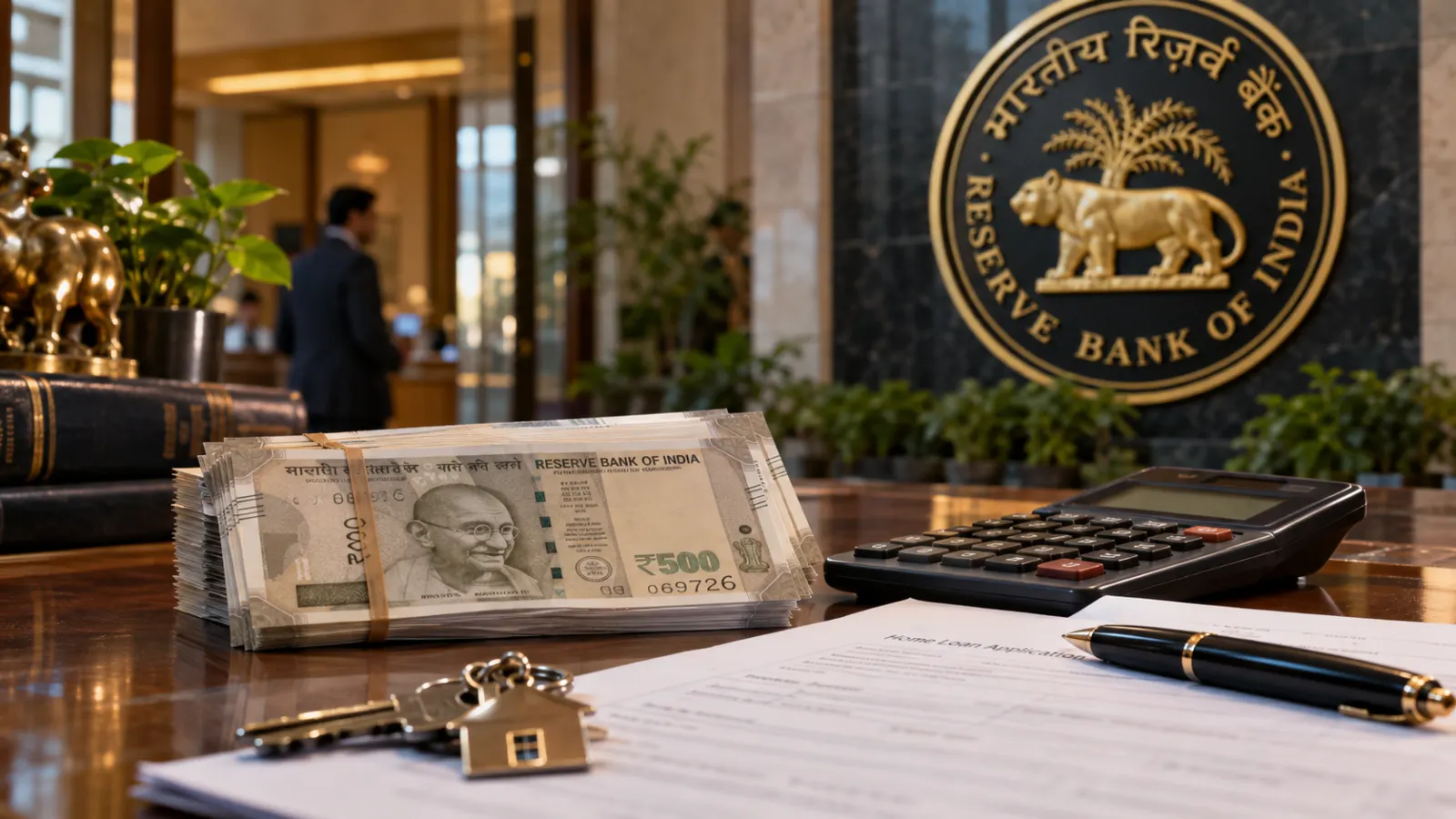
A government budget is often treated as a one-day event. The finance minister speaks, markets react, taxpayers scan for rate changes, businesses look for incentives, and television panels debate winners and losers. But the budget is far more than an annual speech. It is the financial operating system of the state.
A budget tells citizens three things. First, how the government expects to raise money. Second, how it plans to spend that money. Third, how much it must borrow when spending exceeds receipts. Behind every tax proposal, subsidy allocation, capital project or welfare scheme lies a budgetary choice. That choice affects growth, inflation, public services, debt, private investment and household confidence.
In India, the Union Budget is built around the constitutional idea of the Annual Financial Statement. It presents the estimated receipts and expenditure of the Government of India for the financial year. In practice, the Budget includes several documents: the Finance Minister's Speech, Annual Financial Statement, Receipts Budget, Expenditure Profile, Budget at a Glance, Finance Bill, fiscal policy statements under the FRBM framework and detailed demand-for-grants material. The speech gets the attention, but the numbers live in the documents.
The first side of the budget is receipts. Receipts show where money comes from. Broadly, they include tax revenue, non-tax revenue, non-debt capital receipts and borrowings. Tax revenue includes sources such as income tax, corporation tax, GST, customs and excise duties. Non-tax revenue includes dividends, interest receipts, fees, spectrum charges and other receipts. Non-debt capital receipts include recoveries of loans and disinvestment proceeds. Borrowings fill the gap between receipts and expenditure.
This distinction matters because all receipts are not equal. Tax revenue is generally more stable and sustainable than one-time asset sales. Non-tax revenue can be useful, but it may fluctuate. Borrowing can finance development, but it creates future interest obligations. A responsible budget therefore asks not only how much money the government has, but what kind of money it is using.
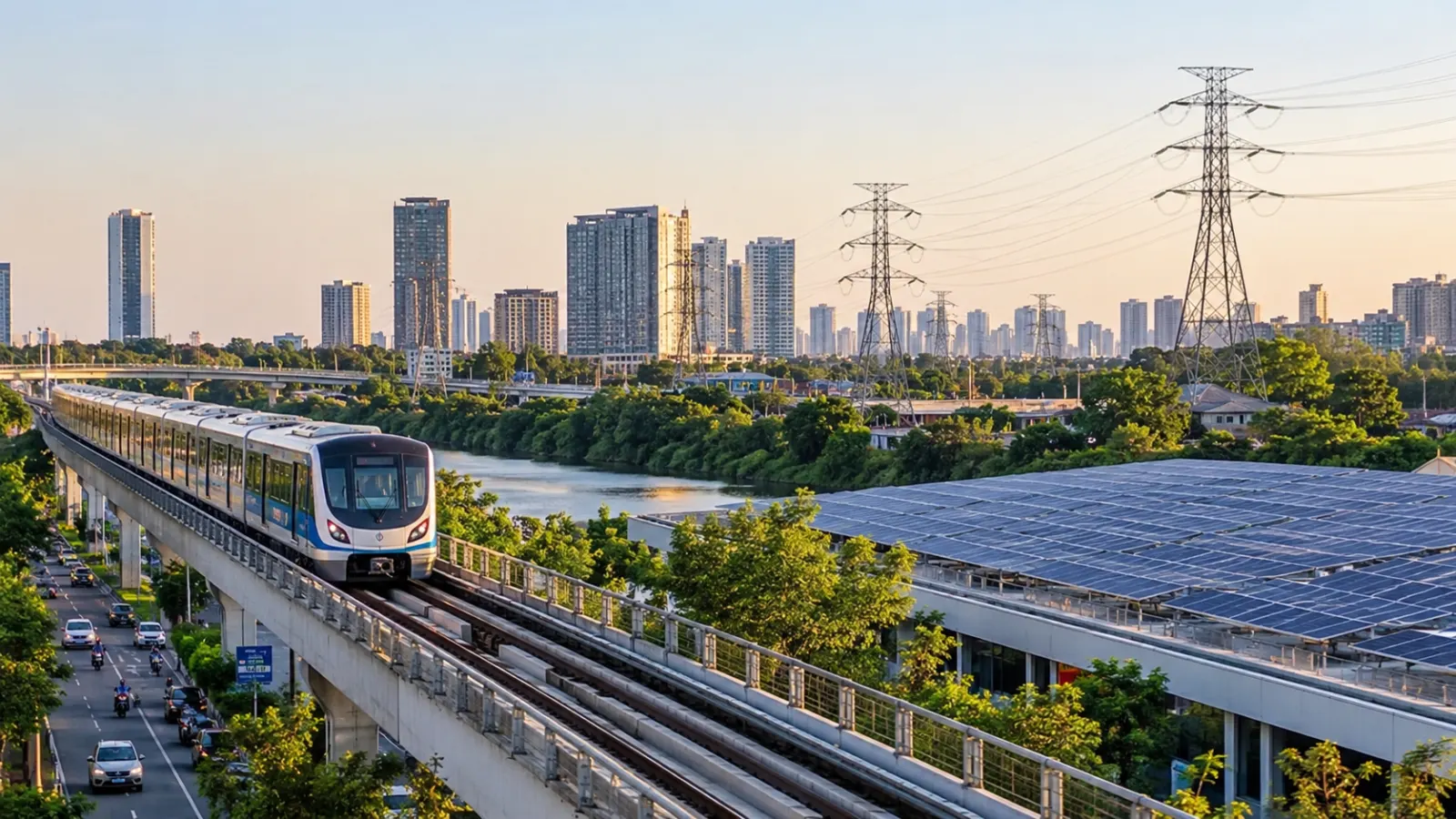
The second side is expenditure. Expenditure shows how money is used. Some spending keeps the government running: salaries, pensions, interest payments, subsidies, grants and administrative expenses. Some spending builds assets: roads, railways, ports, irrigation systems, power infrastructure, digital networks, defence equipment and public institutions. This is why budget readers often separate revenue expenditure from capital expenditure.
Revenue expenditure is not automatically bad. Teacher salaries, police salaries, health services, food support and interest payments are revenue expenditures, and many are essential. But if too much of the budget is locked into committed spending, the government has less room for productive investment. Capital expenditure often has a stronger long-term growth effect because it can expand the economy's productive capacity. But capital expenditure also needs execution quality. A badly planned project can waste money even if it is classified as capital spending.
The third important idea is the fiscal deficit. The fiscal deficit shows how much the government needs to borrow in a year. It is not merely an accounting gap. It affects the bond market, interest rates, debt sustainability and macroeconomic confidence. A higher deficit may be justified during a recession, pandemic, war, infrastructure push or crisis. But a permanently high deficit can raise interest costs and squeeze future spending.
A budget therefore involves trade-offs. If taxes are raised, the government may get more revenue, but households and businesses may have less disposable income. If taxes are cut, consumption or investment may improve, but revenue may decline unless growth compensates. If subsidies are expanded, vulnerable groups may receive relief, but the fiscal burden may rise. If capital expenditure increases, future productivity may improve, but borrowing may also rise in the short term.
The budget is also a statement of priorities. A government that spends heavily on infrastructure is saying growth capacity matters. A government that expands health and education is investing in human capital. A government that prioritises defence is responding to security concerns. A government that increases transfers to states is recognising federal needs. Every rupee in the budget reflects a political economy judgement.
For citizens, the budget matters even if they do not read budget documents. It affects direct taxes, indirect taxes, inflation pressures, public investment, social benefits, borrowing costs, jobs, business sentiment and the quality of public services. A road built from public money can change local commerce. A health allocation can change treatment access. A tax exemption can change savings behaviour. A subsidy can protect a household from price shock, but it can also crowd out another priority if poorly designed.
For businesses, the budget shapes confidence. Companies look at tax policy, infrastructure spending, customs duties, production incentives, credit schemes, compliance burden and sectoral allocations. A predictable budget can support investment planning. A confusing budget can delay decisions. Policy stability is often as important as policy generosity.
For investors, the budget is a signal of fiscal credibility. Bond investors watch borrowing numbers, debt trends and interest-payment pressure. Equity investors watch growth spending, tax changes and sector incentives. Rating agencies watch deficit paths, revenue assumptions and debt sustainability. A budget that promises too much without credible financing can weaken trust.
The budget process also has limits. Budget estimates are projections, not guarantees. Revenue may be higher or lower than expected. Expenditure may be delayed. Global oil prices may change subsidy needs. A weak monsoon may raise rural distress. Geopolitical shocks may affect imports, exports and inflation. This is why budgets include Budget Estimates, Revised Estimates and Actuals. The serious reader must compare what was promised, what was revised and what was actually spent.
A common mistake is to judge the budget only by personal tax relief. Tax changes matter, but they are only one piece of the picture. A serious budget reading must examine revenue assumptions, expenditure quality, deficit level, debt path, capital spending, subsidy composition, state transfers, sector priorities and the credibility of implementation.
Another mistake is to assume that more spending is always better. Public money must be judged by outcomes. A large allocation that remains unspent does not create development. A scheme that spends money without measurable results is not success. Good budgeting requires not only allocation, but execution, monitoring and accountability.
The best way to read a government budget is to see it as a map of choices under constraints. No government has unlimited money. It must balance growth, welfare, stability, security, federal needs and future obligations. Some choices create immediate relief. Some create long-term capacity. Some are politically attractive but fiscally risky. Some are fiscally disciplined but socially difficult.
In the end, the budget is not just about money. It is about the kind of economy a country is trying to build. It shows whether a state is consuming today, investing for tomorrow, protecting the vulnerable, managing debt responsibly and building public trust. A mature citizen does not ask only, "What did I get?" The mature question is: "What does this budget tell us about the country's priorities, capacity and future direction?"
A practical reader can begin with five checks. First, compare total receipts with total expenditure. This shows the basic financing gap. Second, check how much of the receipts are tax revenue, because recurring revenue gives the state more stability than one-time receipts. Third, check interest payments, because they reveal how much of today's revenue is already committed to yesterday's borrowing. Fourth, check capital expenditure, because this indicates whether the state is building productive capacity. Fifth, check the fiscal deficit path, because borrowing today becomes debt tomorrow.
These checks are more useful than reacting only to announcements. Budget speeches are political documents; budget tables are fiscal documents. Both matter, but they serve different purposes. The speech explains the story the government wants to tell. The tables reveal the financial constraints behind that story. A serious editorial should read both together.
This is why budget literacy is democratic literacy. Citizens who understand the budget can ask better questions. Is the government funding what it promised? Are subsidies targeted? Are states receiving adequate transfers? Is infrastructure spending actually rising or only being reclassified? Are tax assumptions realistic? Is borrowing being used for assets or routine expenses? These questions turn the budget from a ceremony into accountability.
The same approach applies after the Budget as well. A responsible reader should return to the Revised Estimates and Actuals, because they show whether the fiscal story survived contact with reality. Governments may announce ambitious allocations, but tax collections, project execution, global prices and administrative capacity decide what finally happens. The budget is therefore not one event in February; it is a year-long financial cycle. Its real meaning emerges only when promises, revisions and outcomes are compared.
Disclaimer
This article is for general educational and editorial use. It is not tax, legal, accounting, investment or policy advice. Budget provisions, tax rules, expenditure classifications and fiscal numbers can change through official notifications, revised estimates and subsequent legislation. Verify all figures and implications from official Budget documents before publication or decision-making.