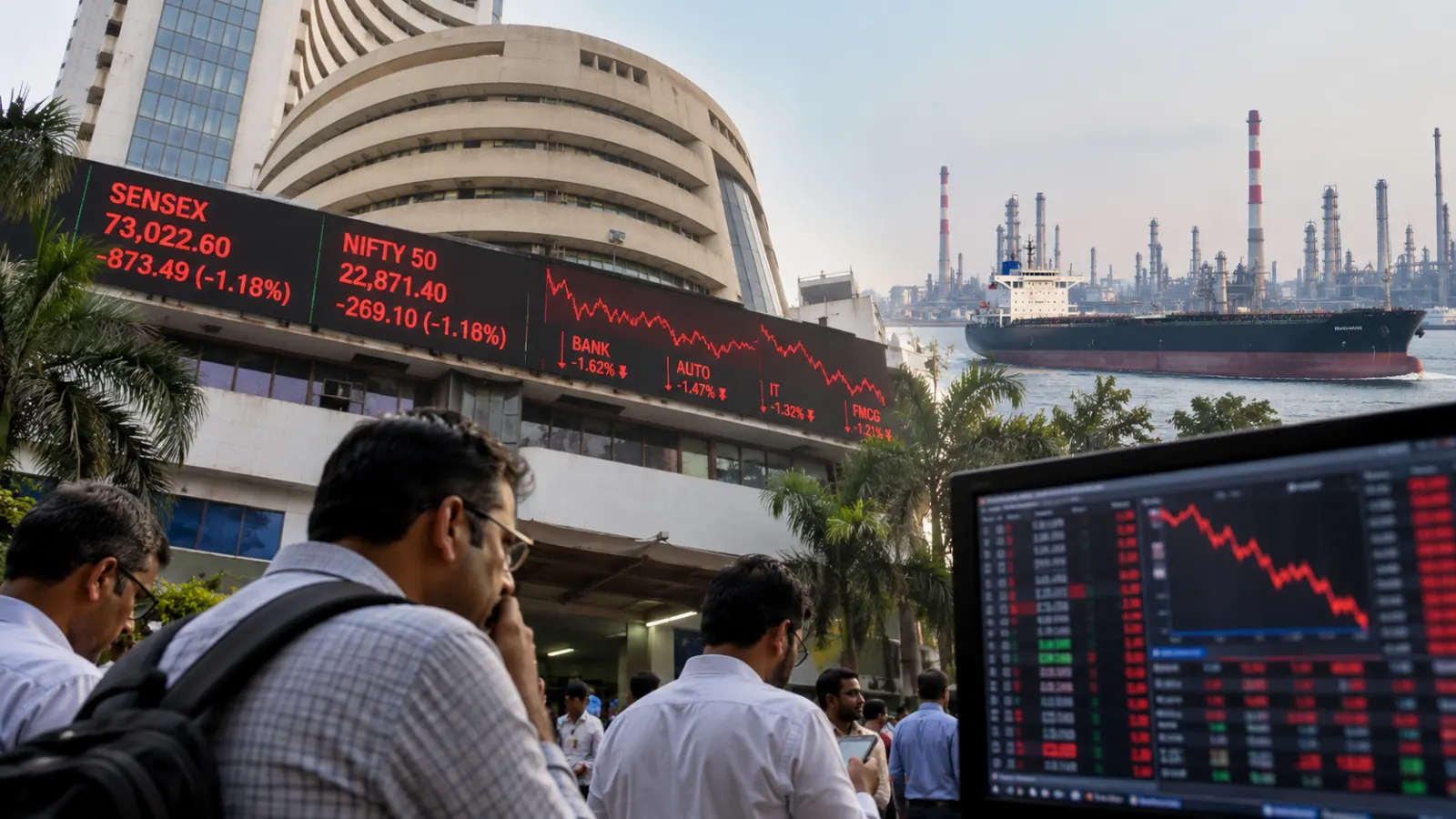
the problem every investor faces
Every investor faces the same uncomfortable question: when should I invest? The market may be high today and fall tomorrow. It may look expensive now and become even more expensive later. It may correct just after you invest, or it may rise while you wait for a correction that never comes. This uncertainty makes many people delay investing altogether.
Rupee cost averaging offers a practical answer. Instead of trying to identify the perfect entry point, the investor puts a fixed amount of money at regular intervals. When prices are high, the fixed amount buys fewer units. When prices are low, the same amount buys more units. Over time, the purchase cost gets averaged across different market levels.
This does not make investing risk-free. It does not guarantee profit. It does not turn a bad asset into a good one. But it solves one very important behavioural problem: it reduces the pressure to predict the market. For ordinary investors, that can be a powerful advantage.
What rupee cost averaging means
Rupee cost averaging is an investment approach in which a person invests a fixed rupee amount at regular intervals regardless of market direction. The method is most commonly associated with Systematic Investment Plans, or SIPs, in mutual funds.
The mechanism is simple. Suppose an investor contributes Rs 5,000 every month into a mutual fund. If the fund's NAV is Rs 50, the investor gets 100 units. If the NAV falls to Rs 40, the investor gets 125 units. If the NAV rises to Rs 100, the investor gets 50 units. The investment amount remains the same, but the number of units changes with the price.
The long-term effect is that the investor buys more when prices are lower and less when prices are higher. This can reduce the impact of volatility compared with investing everything at one market level. It also creates discipline because investment becomes a habit rather than an emotional reaction.
Why SIPs use this principle so effectively
SIPs are a practical vehicle for rupee cost averaging because they automate periodic investment. The investor selects an amount, frequency and scheme. The amount is debited regularly and invested into the selected fund. This structure removes the need to make a fresh decision every month.
That automation matters. Most investors are not defeated by lack of intelligence; they are defeated by inconsistency. They invest when markets are exciting, stop when markets are falling, and return only after the recovery is already visible. SIPs reverse this behaviour by continuing investment through different market conditions.
The real benefit is not only mathematical. It is psychological. SIPs convert investing from an event into a routine. A person does not have to ask every month whether the market is safe. The system keeps moving. This is especially useful for salaried individuals who earn income monthly and want to build wealth gradually.
The discipline behind the method
Rupee cost averaging works best when the investor stays disciplined during volatility. The method requires continuing investments when markets fall. That is precisely when the strategy buys more units. If the investor stops the SIP during downturns, the strongest part of the method is lost.
This is where behaviour becomes more important than calculation. Investors often like the idea of buying low, but they dislike the feeling of investing when news is negative. A falling market creates fear. Rupee cost averaging asks the investor to act against that fear through a pre-decided process.
The discipline is not blind optimism. It must be supported by suitable asset selection, goal alignment and time horizon. Continuing a SIP in a diversified equity fund for a long-term goal is different from continuing a poor investment without review. Rupee cost averaging is a method of entry, not a substitute for investment quality.
Where rupee cost averaging helps most
Rupee cost averaging is especially useful in volatile assets where prices move up and down over time. Equity mutual funds are a common example because equity markets fluctuate frequently. For long-term goals such as retirement, children's education or wealth creation, periodic investment can help investors participate in market growth without trying to time every move.
It also helps first-time investors. Someone who is afraid of investing a large amount at once may find monthly investing easier. The emotional burden is lower. Instead of asking whether today is the right day to invest Rs 5 lakh, the investor begins with Rs 5,000, Rs 10,000 or another manageable amount every month.
The method is also useful for people whose income is periodic. Salaried professionals receive money monthly. Regular investing aligns cash flow with financial goals. This makes the investment plan more sustainable.
Where it does not solve the problem
Rupee cost averaging is often overpraised. It reduces timing risk, but it does not eliminate market risk. If the underlying investment performs poorly for structural reasons, averaging will not save the investor. Buying more units of a weak asset at lower prices only increases exposure to weakness.
It also does not guarantee better returns than lump sum investing. If the market rises steadily after the initial date, a lump sum investment may perform better because more money was invested earlier. Rupee cost averaging tends to help more in volatile or falling-then-recovering markets. It is not magic; it is a risk-management and behaviour-management tool.
Another limitation is over-diversified SIPs. Some investors start many SIPs without understanding overlap, asset allocation or fund category. Regular investing is good only when the portfolio structure is sensible.
SIP vs market timing
Market timing requires two correct decisions: when to enter and when to exit. Most investors struggle with both. They wait for lower prices, but when prices fall they become afraid. They enter after a rise, but then worry about correction. This emotional cycle often leads to poor outcomes.
Rupee cost averaging accepts that perfect timing is unrealistic. It replaces prediction with participation. The investor may not buy at the absolute bottom, but they also avoid investing everything at the absolute top. The average cost becomes a result of repeated exposure.
This approach is particularly useful for people who do not have the time, temperament or expertise to track markets daily. A working professional, teacher, small business owner or young earner may not need complex market timing. They need a disciplined plan that survives ordinary life.
India angle: why rupee cost averaging matters for new investors
India has seen a sharp expansion in mutual fund participation through SIPs. For many households, SIPs are the first step from traditional savings into market-linked assets. This transition is important because bank deposits and gold alone may not be enough for long-term wealth creation after inflation.
Rupee cost averaging makes this transition less intimidating. It allows a household to begin small, learn gradually and build confidence. It also fits India's monthly income culture. Many families already understand recurring payments through rent, school fees, EMIs and recurring deposits. SIPs use a familiar rhythm for market-linked investing.
However, investors must avoid treating SIPs as guaranteed-return products. The word systematic can create false comfort. Systematic investing is not the same as safe investing. The outcome still depends on fund choice, market behaviour, time horizon and investor discipline.
How to use it wisely
A good rupee cost averaging strategy begins with goals. The investor should identify why they are investing: retirement, education, home purchase, emergency wealth, or long-term growth. The goal decides time horizon and asset allocation.
Second, the investor should choose suitable funds or assets. A long-term equity SIP may suit a long-term wealth goal, but a short-term goal should not depend heavily on equity volatility. Third, the SIP amount should be realistic. An unaffordable SIP will be stopped during stress. A sustainable SIP can continue for years.
Fourth, the investor should review periodically, not obsess daily. Annual or semi-annual review is often enough for long-term investors. The aim is to check whether the fund, asset allocation and goal alignment remain appropriate. Review should not become panic.
Final takeaway
Rupee cost averaging is one of the most useful ideas in personal finance because it respects human limitations. It does not pretend that ordinary investors can predict every market turn. It gives them a structure to invest through uncertainty.
Its strength lies in discipline, regularity and emotional control. It helps investors buy across market cycles, avoid the paralysis of timing, and build wealth gradually. But it is not a guarantee. It must be combined with proper asset allocation, long-term patience, fund selection and periodic review.
The best way to understand rupee cost averaging is this: it is not a shortcut to quick profit. It is a system for staying invested when the mind wants to keep guessing.