Income that outlives your working hours
Passive income is one of the most attractive phrases in personal finance because it promises something every working person understands instinctively: freedom from depending on one monthly salary. The idea is simple. Instead of earning only when you actively work, you build assets, systems or rights that continue to generate income even when you are not directly trading time for money.
But the phrase is also one of the most abused phrases in finance. It is used to sell online courses, trading schemes, rental fantasies, crypto promises, affiliate marketing shortcuts and social media dreams of effortless wealth. Many people hear passive income and imagine money arriving without effort, risk or discipline. That is the first misunderstanding. Passive income is rarely passive at the beginning. It usually requires active effort, capital, learning, patience, risk management and continuous maintenance before it becomes relatively automatic.
A serious understanding of passive income begins with one correction: passive income is not free money. It is delayed income. You either invest money now, build expertise now, create an asset now, or set up a business system now so that cash flow may arrive later with less daily effort. The reward is real, but the work is front-loaded.
What passive income really means
Passive income refers to income that does not require constant active labour in the same way a job, consulting assignment or daily business operation does. A salary is active income because it depends directly on continued employment. Freelancing is active income because payment depends on continued service delivery. Passive income, by contrast, flows from ownership, intellectual property, financial assets, rental assets, systems or licences.
Examples include rent from property, dividends from shares, interest from deposits or bonds, distributions from mutual funds, royalties from a book or course, licensing income from intellectual property, income from a business that runs through managers and processes, and advertising or affiliate income from digital assets that continue attracting audiences over time.
The word passive should therefore be read carefully. A rented property needs maintenance, legal paperwork, tenant management and vacancy planning. Dividend income depends on business performance and market cycles. A digital product needs updates, distribution and trust. A business that runs without the founder requires systems, people and governance. Passive income is not the absence of work; it is the separation of income from every hour of direct work.
Active income, portfolio income and semi-passive income
It helps to separate income into three practical categories. Active income comes from your labour: salary, professional fees, commissions, business effort and freelancing. Portfolio income comes from financial assets: interest, dividends, capital gains and distributions. Semi-passive income sits between the two: rental property, digital products, franchised operations, partnerships and businesses where you are not involved every day but still carry responsibility.
Most people who claim to have passive income actually have semi-passive income. A landlord may not go to an office daily, but the property must be managed. A YouTube channel may earn while the creator sleeps, but the channel required years of content, editing, audience building and platform risk. A small business may pay the owner without daily attendance, but only after the owner created operating discipline.
This distinction matters because unrealistic expectations lead to poor decisions. A person who expects money without management may overpay for property, chase dividend stocks without studying balance sheets, buy online courses that promise overnight income, or enter high-risk schemes disguised as passive income.
The foundation comes before the income stream
Before building passive income, a household needs financial stability. The first foundation is cash-flow discipline. If monthly spending consumes almost all income, there is little capital left to build future assets. The second foundation is an emergency fund. Without a safety buffer, people are forced to break investments at the wrong time or borrow at high interest when a crisis appears.
The third foundation is protection. Adequate health insurance and term insurance, where relevant, prevent one medical emergency or loss of income from destroying years of savings. The fourth foundation is debt control. High-interest personal loans and credit card balances silently weaken every wealth-building plan because interest works against the borrower faster than most low-risk investments can work in their favour.
Passive income begins only after these basics are under control. A person who invests for passive income while carrying expensive debt may feel productive, but the mathematics may be poor. Paying off a costly loan can sometimes create a better guaranteed improvement in net worth than chasing a risky income stream.
The main routes to passive income
The first route is financial assets. Bank deposits, bonds, debt funds, dividend-paying shares, index funds and mutual funds can generate returns over time. Some produce regular income; others build wealth through growth that can later be converted into withdrawals. The advantage is scalability and low operational effort. The disadvantage is market risk, inflation risk, taxation and the need for disciplined asset allocation.
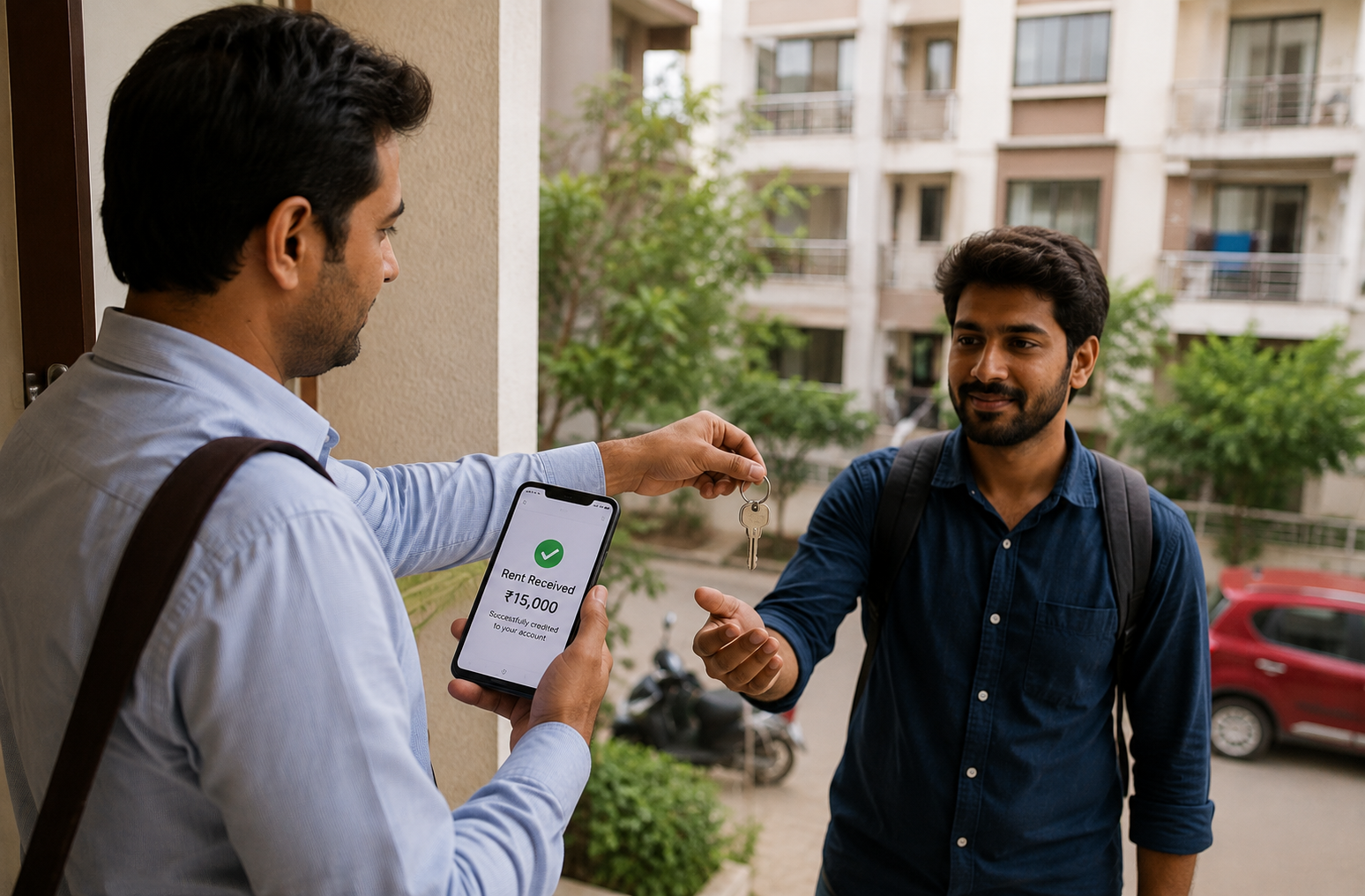
The second route is real assets. Rental property is the classic example. It can provide rent, possible appreciation and inflation-linked value in some markets. But it also requires large capital, carries illiquidity, needs maintenance and may remain vacant. A property that looks like passive income on paper can become a financial burden if bought with excessive leverage or unrealistic rental assumptions.
The third route is intellectual property. Books, courses, music, templates, software, photography, research products, patents and educational material can keep earning after the initial creation. This route rewards expertise and distribution. The risk is that most products do not sell automatically. Trust, audience, quality and marketing matter.
The fourth route is business systems. A founder may build a business that eventually runs through processes, managers and teams. This is one of the strongest forms of passive or semi-passive income, but it is also the hardest. Businesses fail more often than fixed-income products, and the founder must manage people, compliance, cash flow, quality and customer acquisition before income becomes reliable.
The India angle
In India, the desire for passive income is rising because urban life has become more expensive and job security feels less permanent. Young professionals want income beyond salary. Middle-class families want rent, dividends or side businesses. Retirees want regular cash flow. Entrepreneurs want businesses that do not depend entirely on their personal presence.
The Indian context creates both opportunities and traps. Digital payments, online investing platforms, content platforms and small business tools have made it easier to build additional income streams. A professional can invest monthly through regulated platforms, create educational content, sell services, build a small brand or acquire productive assets. At the same time, WhatsApp groups, fake trading apps, unregulated deposit schemes and unrealistic online offers have made passive income a convenient label for fraud.
Indian families also need to think about taxation, documentation and legal ownership. Rent, dividends, interest, business income and capital gains may be taxed differently. Property ownership should be documented clearly. Nomination and inheritance planning should not be ignored. Passive income is not only about earning; it is also about keeping records, complying with law and protecting dependents.
The biggest risks in passive income planning
The first risk is overconcentration. Many households place most wealth in one property, one business, one stock, one family asset or one idea. If that asset stops producing income, the entire plan weakens. The second risk is leverage. Borrowed money can magnify returns, but it can also magnify losses. A rental property bought with a large loan may become stressful if rent stops or interest rates rise.
The third risk is liquidity. Passive income assets may not always convert quickly into cash. A property, private business or long-term product may have value but still fail to provide cash during an emergency. The fourth risk is misinformation. People often compare gross income, not net income. A property may earn rent, but after maintenance, taxes, vacancy, interest and opportunity cost, the real return may be lower than expected.
The fifth risk is confusing income with wealth. A high monthly payout does not automatically mean the asset is safe. Some schemes pay high early returns by returning investor money or using new investor funds. Sustainable passive income must come from a real economic source: rent from a genuine user, profits from a real business, interest from a legitimate borrower, dividends from actual earnings, or royalties from real demand.
A practical framework to build it
Start with the boring step: create surplus. Track income and expenses, reduce wasteful spending and decide how much can be invested every month. Then build safety: emergency fund, insurance and debt control. After that, choose one or two income routes based on your strengths. A busy salaried person may begin with diversified financial assets. A professional with expertise may create intellectual property. A business-minded person may build systems. A family with excess capital may consider property carefully.
Reinvest early income instead of consuming it immediately. The early years of passive income are usually small and unimpressive. The goal is to let income-producing assets compound. Track net returns after costs and taxes. Review risk once a year. Avoid any product that promises high returns without risk, refuses to explain its model, uses pressure tactics or depends heavily on recruitment.
The best passive income plan is not glamorous. It is boring, documented, diversified, regulated and suited to the person building it. It grows slowly at first and then becomes meaningful because time, capital and discipline accumulate together.
Final takeaway
Passive income is not a shortcut out of work. It is a way to make past work continue supporting the future. Built properly, it can reduce dependence on salary, create resilience during career breaks, support retirement and provide greater freedom of choice. Built carelessly, it can become a trap of debt, fraud or unrealistic expectations.
The disciplined reader should therefore ask three questions before chasing any passive income idea: What real asset or system produces this cash flow? What risk am I taking to receive it? What happens if the income stops for six months? If those questions have clear answers, passive income becomes a serious financial strategy. If they do not, it is probably only a dream being sold as a plan.
Editorial Disclaimer
This article is for financial education only. It does not recommend any particular investment product, property purchase, business model or income scheme. Readers should consult qualified professionals for personalised investment, tax or legal decisions.