Inflation is one of the most familiar economic words, but also one of the most misunderstood. Most people experience it before they define it. The monthly grocery bill rises. Rent becomes heavier. School fees increase. Fuel costs more. Restaurant meals feel expensive. The same salary buys less than it did earlier. This lived experience is the starting point of inflation.
In simple terms, inflation is the rate at which the general level of prices rises over a period of time. It does not mean that every single product becomes more expensive at the same speed. Onion prices may rise while mobile phone prices fall. Petrol may become costly while data plans remain cheap. Inflation refers to the broad movement of a basket of goods and services, not one isolated price change.
This distinction is important. A single crop failure can raise tomato prices. A tax change can raise the price of one product. A supply shortage can make a specific imported component expensive. These are relative price changes. Inflation becomes a macroeconomic problem when price increases spread widely enough to reduce the purchasing power of money itself.
The easiest way to understand inflation is through purchasing power. If a household spends Rs 10,000 a month on basic consumption and the same basket costs Rs 11,000 next year, the household needs more money merely to maintain the same standard of living. If income does not rise at the same pace, the household becomes poorer in real terms even if its nominal income has not fallen.
Inflation is measured through price indices. In India, retail inflation is commonly discussed through the Consumer Price Index, or CPI. CPI tracks the prices of a representative basket of goods and services consumed by households. It includes food, fuel, housing, clothing, health, education, transport and other categories. Wholesale Price Index inflation, by contrast, tracks prices at the wholesale level and can behave differently from consumer inflation.
For ordinary citizens, CPI matters more because it reflects the cost of living. Food inflation affects the poor more sharply because poorer households spend a larger share of income on food. Fuel inflation affects transport, agriculture, logistics and manufactured goods. Housing inflation affects urban families. Education and health inflation can force households to cut other consumption.
Inflation has many causes. The first is demand-pull inflation. This happens when demand in the economy grows faster than supply. If households, companies and government all spend aggressively while production capacity is limited, sellers can raise prices. Strong demand is not bad by itself. It becomes inflationary when the economy cannot supply enough goods and services to meet it.
The second cause is cost-push inflation. This happens when production costs rise. If crude oil becomes expensive, transport costs rise. If electricity becomes costly, factories pay more. If wages rise faster than productivity, firms may increase prices. If imported inputs become expensive because the currency weakens, businesses may pass costs to consumers. Cost-push inflation is especially difficult because it can occur even when demand is not strong.
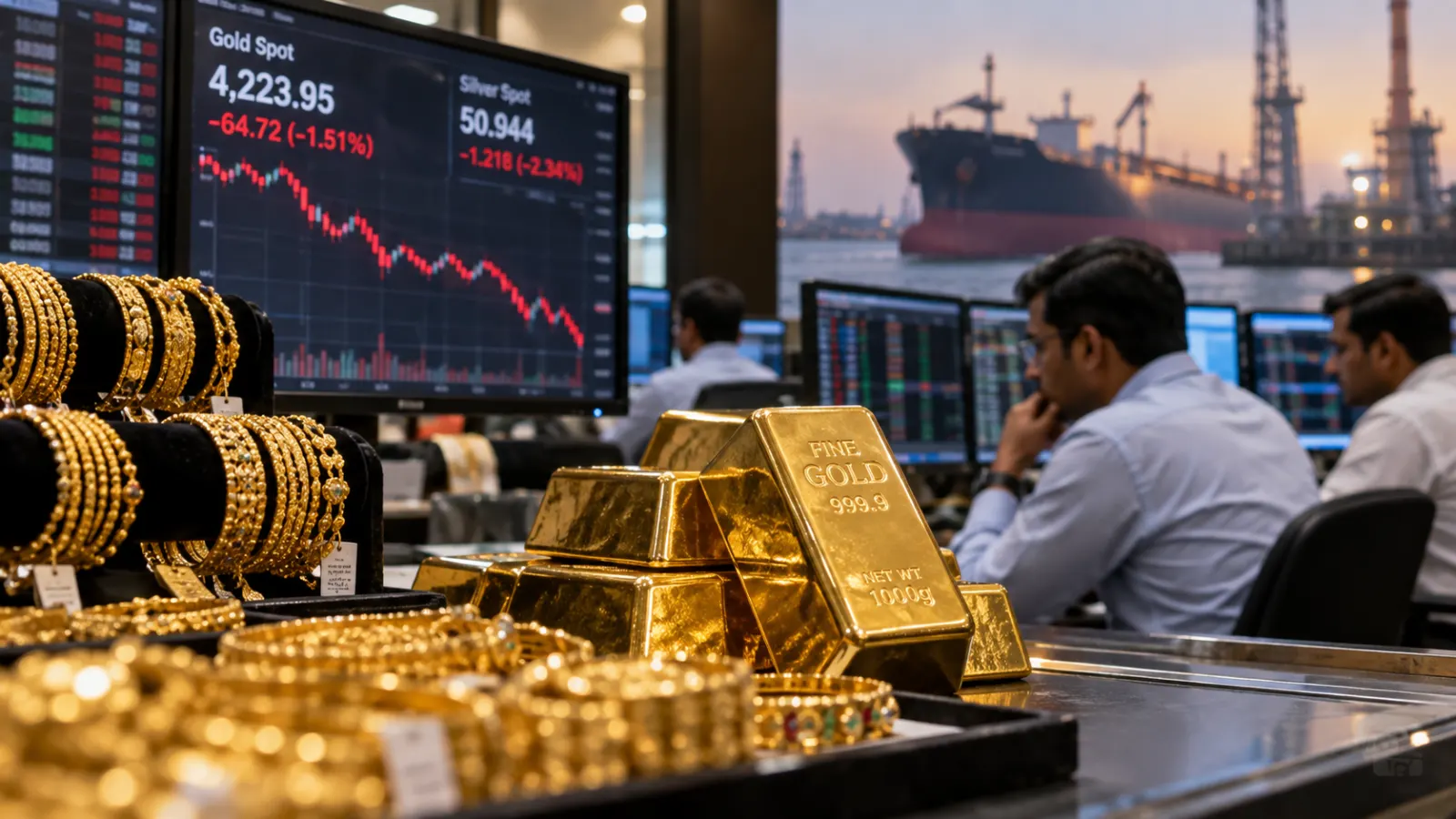
The third cause is supply shock inflation. A weak monsoon, war, shipping disruption, disease outbreak, export restriction or climate event can reduce supply and raise prices. Food and fuel shocks are classic examples. India, like many emerging economies, remains sensitive to global crude prices and domestic agricultural cycles. A disruption in either can affect inflation quickly.
The fourth cause is expectations. If businesses expect costs to rise, they may raise prices early. If workers expect inflation, they may demand higher wages. If households expect prices to rise, they may buy ahead. These behaviours can make inflation more persistent. This is why central banks care about credibility. If people believe the central bank will control inflation, expectations remain anchored. If they lose that belief, inflation becomes harder to control.
Inflation affects different groups differently. People with fixed incomes suffer when prices rise faster than pensions, salaries or savings interest. Poor households suffer because essential goods dominate their budgets. Savers suffer if bank interest after inflation becomes negative in real terms. Lenders suffer if borrowers repay old loans with money that is worth less.
Borrowers can sometimes gain from moderate inflation, especially if their income rises while old loan obligations remain fixed. Governments may also find that inflation increases nominal tax collections. But this does not mean inflation is good. High and unpredictable inflation damages trust, distorts decisions and hurts the most vulnerable first.
For businesses, inflation creates planning difficulty. Companies must decide whether to absorb costs or pass them on. If they raise prices too much, demand may fall. If they do not raise prices, margins shrink. Inventory management becomes harder. Long-term contracts become risky. Small businesses often suffer more because they have less bargaining power with suppliers and customers.
For investors, inflation changes the meaning of returns. A fixed deposit earning 6 percent is not truly attractive if inflation is 7 percent. The real return is negative. Equity valuations also respond to inflation because central banks may raise interest rates to control prices. Higher interest rates can reduce liquidity, lower demand and pressure company profits.
For the government, inflation is both economic and political. Rising prices reduce public trust quickly because every household feels them. Governments may respond through tax cuts, subsidies, export restrictions, buffer stock releases or price stabilisation measures. But each response has costs. Subsidies strain the budget. Export restrictions can hurt farmers. Tax cuts reduce revenue. Price controls can create shortages if used badly.
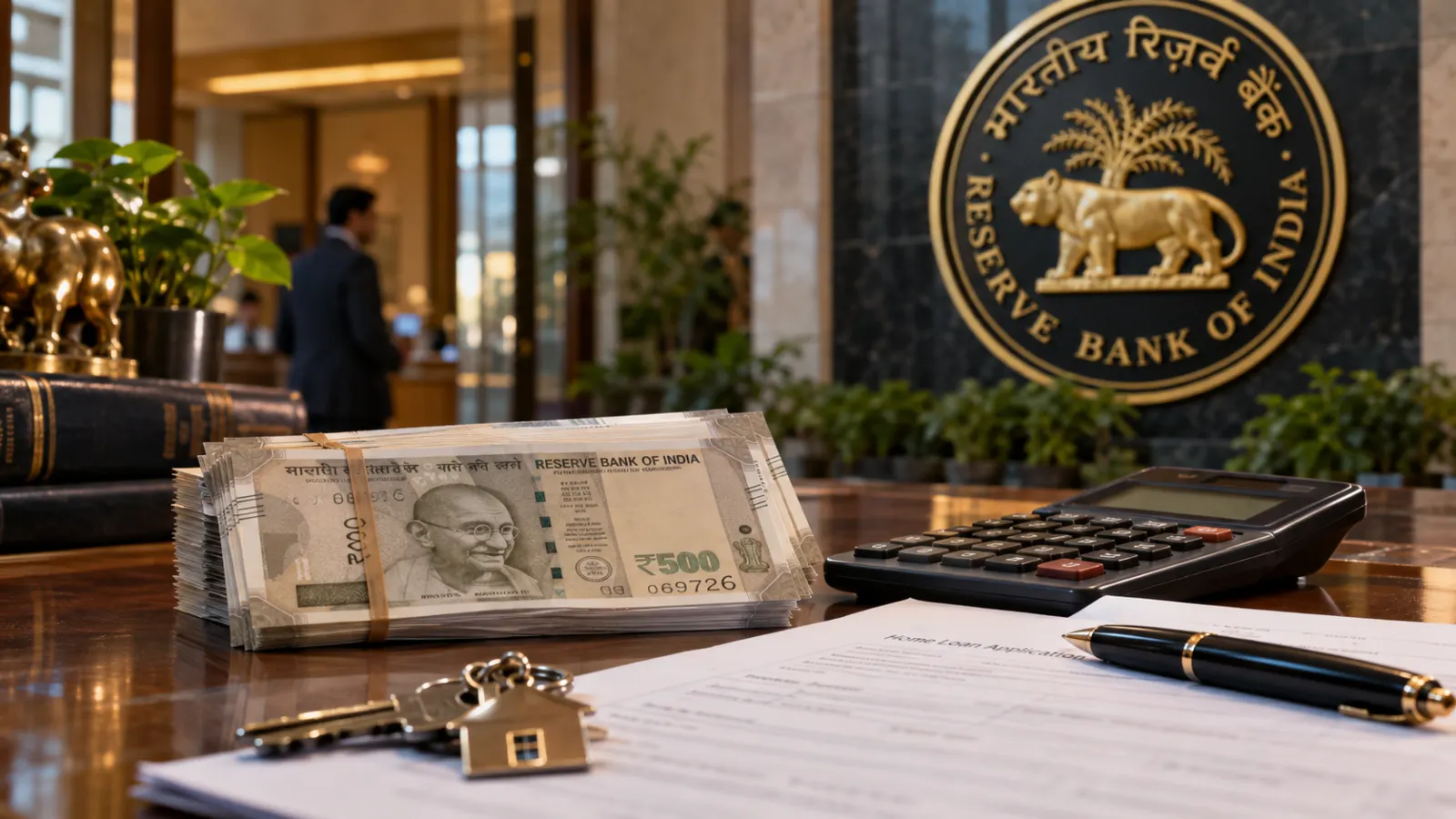
For the central bank, inflation is a core responsibility. In India, the monetary policy framework uses CPI inflation as the main target. The medium-term target has been 4 percent with a tolerance band of 2 percent to 6 percent. The Reserve Bank of India uses tools such as the policy repo rate, liquidity operations and communication to influence inflation expectations and credit conditions.
But monetary policy cannot solve every kind of inflation equally. If inflation is caused by excessive demand, higher interest rates can cool borrowing and spending. If inflation is caused by a sudden rise in oil prices or a vegetable shortage, interest rates cannot produce oil or vegetables. Monetary policy can prevent a temporary shock from spreading into wider inflation, but supply-side management is also necessary.
This is why inflation control requires coordination. Food inflation needs agricultural supply chains, storage, imports, exports and logistics management. Fuel inflation needs energy strategy, taxation choices and external stability. Core inflation needs demand management and competition. Imported inflation needs currency stability and external buffers. No single institution can control all price pressures alone.
Moderate inflation is not the enemy. Many economies accept low positive inflation because it allows wages, prices and contracts to adjust. The real danger is high, volatile and unanchored inflation. When people stop trusting money as a stable measure of value, economic behaviour changes. Households rush to buy. Businesses shorten contracts. Workers demand frequent wage revisions. Investors demand higher returns. The economy becomes more defensive.
The correct way to read inflation is therefore not only to ask whether prices are rising. Prices usually rise over time. The better questions are: how fast are they rising, which items are driving the rise, whether wages are keeping up, whether expectations remain stable, and whether policy is addressing the cause rather than only the symptom.
Inflation is not just a number in a government release. It is the daily negotiation between income and cost, between policy and market, between global shocks and domestic resilience. It decides whether growth feels real to citizens. An economy can report strong output, but if households feel their purchasing power shrinking, the political and social meaning of growth weakens.
Inflation also changes the relationship between the present and the future. When prices are stable, a household can plan education, housing, retirement and medical savings with some confidence. When inflation is volatile, planning becomes defensive. Families keep more cash for emergencies, delay non-essential purchases, or move toward assets they believe will preserve value. Businesses behave similarly. They shorten planning horizons, renegotiate contracts frequently and avoid long commitments. This is how inflation quietly reduces economic confidence even before it produces a formal crisis.
The social meaning of inflation is therefore deeper than the monthly rate. It affects trust between citizens and the state, workers and employers, borrowers and lenders, buyers and sellers. If price rise is seen as temporary and managed, society adjusts. If it is seen as uncontrolled, every economic relationship becomes more suspicious. People start asking whether wages are fair, whether profits are excessive, whether taxes are painful and whether policy is competent. Inflation turns economics into public psychology.
That is why inflation must be understood as both a macroeconomic indicator and a human experience. It lives in spreadsheets, but it is felt in kitchens, classrooms, hospitals, shops and monthly budgets. The real test of economic management is not only producing growth. It is preserving the value of money so that growth can be trusted.
Disclaimer
This article is for general educational and editorial use. It is not investment, tax, monetary-policy or financial-planning advice. Inflation data, RBI policy decisions and CPI methodology should be verified from official releases before publication.