Inflation is hardest on those who cannot easily raise income
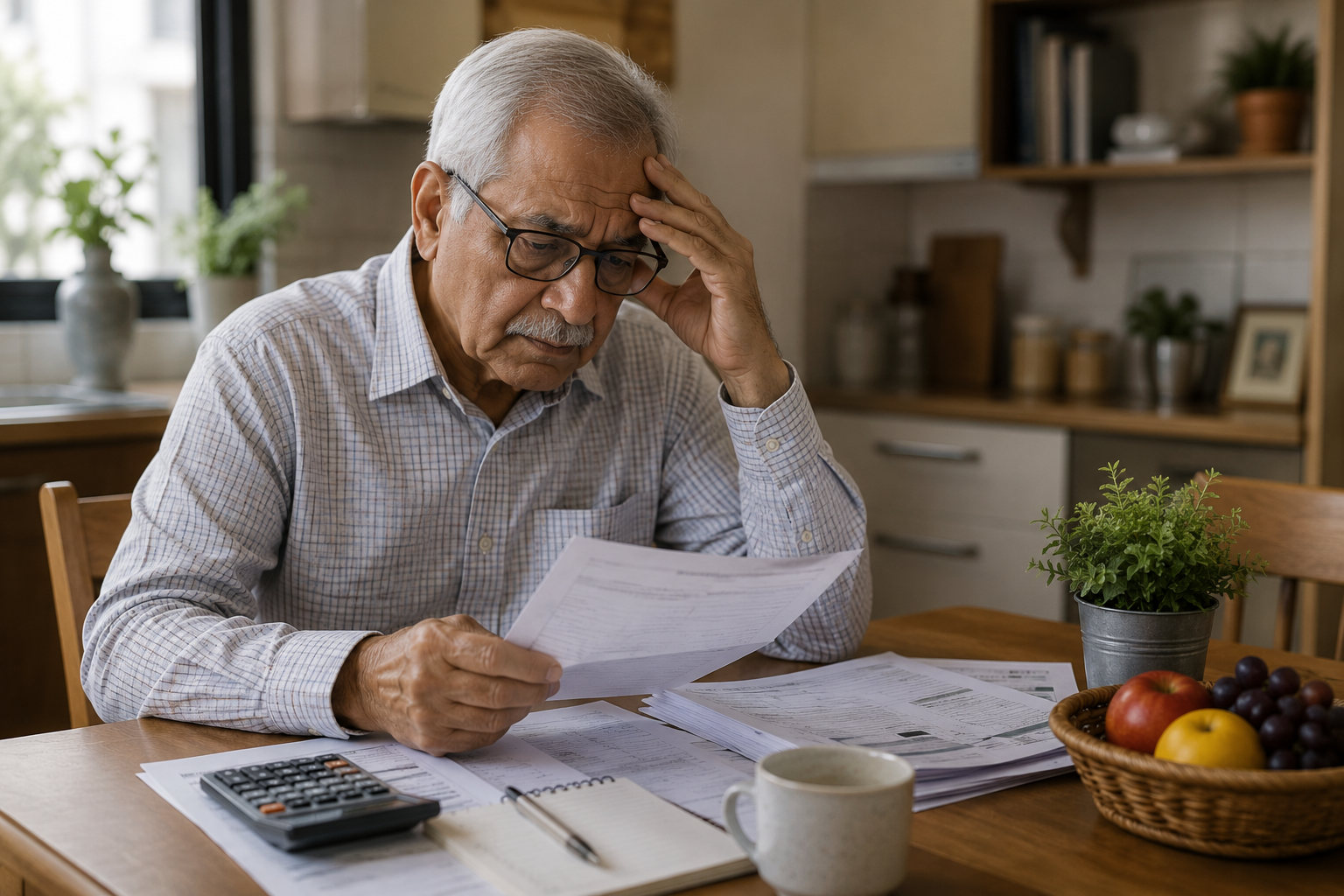
Inflation is often discussed as a national statistic, but for pensioners it is intensely personal. It is the difference between buying all medicines or delaying one. It is the difference between eating the same diet or reducing quality. It is the difference between helping a grandchild and asking children for help. For people still working, inflation is painful but wages may eventually adjust. For pensioners living on fixed or slowly adjusted income, inflation can permanently reduce dignity.
The cost of inflation on pensioners is not only that prices rise. It is that income flexibility falls. A retired person cannot always increase working hours, change jobs, negotiate salary or start again in a new career. Retirement income is often fixed through pensions, annuities, interest income, provident fund withdrawals, government benefits, rent or family support. If these income streams do not rise with prices, real purchasing power declines.
Nominal income versus real income
A pensioner may receive the same number of rupees every month and still become poorer. This is because money must be measured by what it can buy. Nominal income is the amount received. Real income is the purchasing power of that amount after inflation.
If a pension is Rs 30,000 per month and prices rise 6 percent, the pensioner needs Rs 31,800 next year to buy roughly the same basket of goods and services. If the pension remains Rs 30,000, purchasing power has fallen. If the pension rises by only 3 percent, the pensioner still loses ground.
This is why inflation is sometimes called a hidden tax on fixed-income households. It does not arrive as a separate bill. It appears through the grocery shop, pharmacy, electricity bill, transport fare, rent increase and medical consultation fee. The pensioner pays it quietly every day.
Why pensioners face a different inflation basket
The official inflation rate is based on a representative consumption basket. But pensioners may not consume like the average household. Older households often spend a larger share on healthcare, medicines, diagnostics, caregiving, assisted mobility, utilities and basic food. If these prices rise faster than headline inflation, the pensioner's personal inflation rate may be higher than the national number.
Healthcare inflation is especially serious. A young household may reduce discretionary spending when prices rise. A pensioner cannot easily reduce essential medicines, doctor visits, tests or treatment. Medical expenses are also uncertain. One illness can destroy several years of savings. Even when insurance exists, exclusions, co-payments, deductibles and non-medical expenses can create out-of-pocket pressure.
Food inflation also hurts sharply because it affects daily life. Pensioners can postpone travel, appliances or entertainment, but they cannot postpone food. When milk, pulses, vegetables, cooking oil or fruit become expensive, nutrition can suffer.
Fixed income and the interest-rate trap
Some pensioners depend heavily on interest income from fixed deposits, small savings schemes or bonds. When inflation rises, central banks may raise interest rates, and new deposits may offer better returns. But this does not automatically protect pensioners.
First, existing fixed-income investments may be locked at older rates. Second, higher nominal interest may still be lower than inflation after tax. Third, retirees need liquidity and safety, so they may avoid volatile assets even if those assets have better long-term inflation protection. Fourth, rising rates can reduce the market value of longer-duration bonds and debt funds.
There is also reinvestment risk. When a deposit matures, the future rate may be lower. A retiree planning expenses over twenty years cannot rely on today's rate remaining available forever. Inflation risk and reinvestment risk together make retirement income planning difficult.
The emotional cost of inflation
Inflation does not only reduce purchasing power. It changes behaviour. Pensioners may become anxious about spending. They may avoid medical tests because of cost. They may reduce social participation, skip family functions, hesitate to travel or feel guilty about depending on children. This emotional burden is rarely captured in economic data.
Financial insecurity in old age can also affect family relationships. A pensioner who was independent may suddenly need support. Adult children may themselves be facing EMIs, school fees and job uncertainty. Inflation therefore transfers stress across generations.
Dignity matters. A retirement system should not only keep people alive. It should allow them to live with basic security, choice and respect. Persistent inflation weakens that dignity when income protection is inadequate.
Indexation and why it matters
Indexation means adjusting pensions or benefits in line with inflation or wages. If a pension is indexed properly, the payment rises as prices rise. This protects purchasing power. If indexation is absent, delayed or partial, pensioners lose real income over time.
Indexation design matters. Full inflation indexation gives stronger protection but costs more for governments, employers or pension funds. Partial indexation reduces fiscal burden but leaves retirees exposed. Wage-linked indexation may preserve relative living standards better, but it can be expensive. No system is costless. The question is how society distributes inflation risk between retirees, workers, taxpayers and institutions.
In countries where public pensions are indexed, retirees may be better protected than those depending only on private savings. Where pensions are informal, fragmented or inadequate, inflation can push elderly people into dependence or poverty. This is especially important in economies with large informal workforces and limited pension coverage.
Why inflation is unequal among pensioners
Not all pensioners are affected equally. A retiree with a government pension linked to inflation, owned housing, health coverage and diversified assets faces a different situation from a retiree with no indexed pension, rented housing and limited savings. Home ownership can reduce rent pressure, but property maintenance and medical costs still rise. Equity or business ownership may provide some inflation hedge, but many pensioners cannot accept the volatility.
Lower-income pensioners are hit hardest because essentials form a larger share of their spending. If most income goes to food, medicine, rent and utilities, there is little discretionary spending to cut. Wealthier retirees may adjust travel or luxury spending. Poorer retirees must adjust necessities.
Gender also matters. Women often live longer, may have lower lifetime earnings, lower formal pension coverage and greater dependence on family support. Inflation in old age can therefore have a gendered impact.
What pensioners and families should watch
The first thing to watch is the real return on savings. A deposit rate should be compared with inflation and tax. The second is the spending basket. Pensioners should track food, medicine, insurance premium, utilities, rent and caregiving costs separately rather than relying only on headline inflation.
The third is emergency liquidity. Inflation reduces the value of cash, but not having cash during illness is dangerous. A sensible retirement plan needs liquid reserves even if returns are modest. The fourth is healthcare protection. Insurance, emergency funds and family planning around medical costs are essential.
The fifth is longevity. Retirement can last twenty to thirty years. A plan that looks safe at age sixty may become weak at age eighty if inflation compounds for decades. Inflation is dangerous because it does not need to shock suddenly. It can erode slowly and relentlessly.
Policy lesson
For policymakers, pensioner inflation should not be treated as a footnote. Ageing populations make retirement security a core economic issue. Pension design, healthcare access, affordable medicines, senior citizen savings instruments, inflation-indexed benefits, social security coverage and financial literacy all matter.
Good policy must recognise that pensioners cannot bear inflation risk in the same way as working households. They need predictable income, affordable healthcare and protection against sudden price shocks. Fiscal discipline is important, but so is social protection. An economy that grows while its elderly become insecure has not solved the problem of development.
Final takeaway
Inflation hurts pensioners because it attacks purchasing power when income flexibility is low. It turns a fixed pension into a shrinking pension. It makes medicines, food, utilities and care harder to afford. It creates anxiety, dependence and loss of dignity.
The solution is not panic. It is preparation and policy seriousness. Individuals need retirement plans that account for inflation, tax, healthcare and longevity. Families need honest conversations about support. Governments and institutions need pension systems that understand real-life ageing, not just actuarial tables.
For pensioners, inflation is not an abstract macroeconomic variable. It is the price of living tomorrow with the income promised yesterday. That is why controlling inflation and protecting retirement income are not only economic goals. They are matters of social justice.
Disclaimer
This article is for educational and editorial purposes only. It is not retirement planning advice, pension advice, investment advice, insurance advice or tax advice. Pensioners and families should consult qualified financial and tax professionals before making retirement-income decisions.