Trade needs rules because power alone is dangerous
Global trade looks simple when it appears as a product on a shelf: a phone assembled in one country, chips made in another, software written elsewhere, raw materials shipped from several continents and payments routed through global banks. Behind that ordinary product lies a dense system of rules. Tariffs, customs procedures, subsidies, standards, intellectual property, dispute settlement and market access determine whether trade is predictable or chaotic.
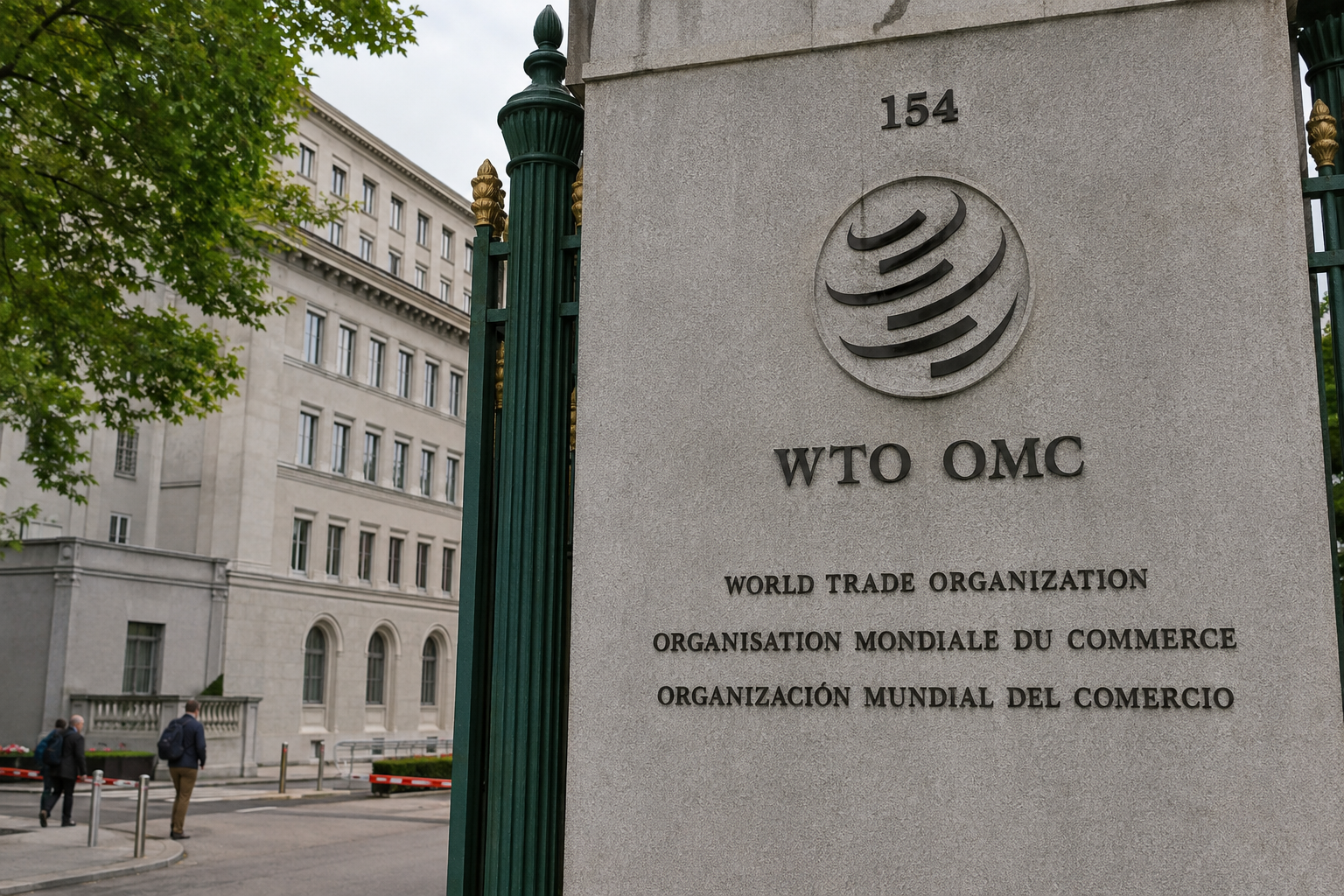
The World Trade Organization exists because trade without rules quickly becomes trade by power. Large economies can pressure smaller economies. Governments can hide protectionism behind technical barriers. Countries can subsidise domestic firms while demanding open markets abroad. Retaliation can escalate. Businesses cannot plan if every border becomes a political battlefield. The WTO attempts to create a rules-based framework so that trade can operate with some degree of predictability.
This does not mean the WTO is a world government. It cannot force countries to love free trade, and it cannot erase national interest. It is an institution built on agreements negotiated by its members. Its authority comes from rules that countries accepted, not from independent sovereign power. That distinction matters because the WTO is powerful in law, but often weak in politics when major economies refuse to cooperate.
What the WTO actually does
The WTO performs several roles. The first is rule-making. It provides a forum where members negotiate trade agreements. These agreements define commitments on tariffs, services, intellectual property, subsidies, customs procedures, agricultural support and other areas. The goal is not necessarily complete free trade; the goal is binding, transparent and negotiated trade rules.
The second role is monitoring. Countries must notify trade measures, explain policy changes and undergo review. This transparency matters because trade policy can be changed quietly through standards, licensing, quotas, subsidy programmes or administrative delays. A formal notification and review process does not eliminate manipulation, but it makes hidden barriers harder to ignore.
The third role is dispute settlement. When one country believes another has violated WTO obligations, it can bring a case. The dispute system was once one of the strongest features of global economic governance because it gave smaller and medium-sized economies a legal route against unfair measures by larger powers. Instead of immediate retaliation, members could seek a ruling.
The principles behind the trading system
The WTO rests on several core principles. The most famous is non-discrimination. Under the most-favoured-nation principle, a trade advantage given to one member should generally be extended to others, unless an exception applies. Under national treatment, imported goods should not be discriminated against after entering a market. These rules aim to prevent arbitrary favouritism.
Another principle is predictability. Businesses invest when they know the rules. If tariffs can be raised suddenly or licences denied without reason, firms hesitate to build supply chains. WTO commitments create ceilings and disciplines that make trade policy less arbitrary. Predictability is not glamorous, but it is one of the foundations of modern investment.
A third principle is reciprocity. Trade negotiations usually involve give-and-take. Countries lower barriers in exchange for access elsewhere. This makes trade politically possible because governments can show domestic industries that concessions abroad bring opportunities at home. Reciprocity also reduces the sense that trade liberalisation is unilateral surrender.
Why the WTO became important
The WTO became important because the world economy became deeply interconnected. Manufacturing supply chains crossed borders. Services trade expanded. Intellectual property became central to technology and pharmaceuticals. Agricultural trade remained politically sensitive. Emerging economies wanted market access, while developed economies wanted stronger rules on services and intellectual property.
For decades, the WTO framework helped stabilise this expansion. It reduced the risk that trade disputes would automatically become trade wars. It gave countries a common vocabulary: bound tariffs, safeguards, anti-dumping, subsidies, sanitary standards, technical barriers and dispute panels. Even when members disagreed, they argued through rules.
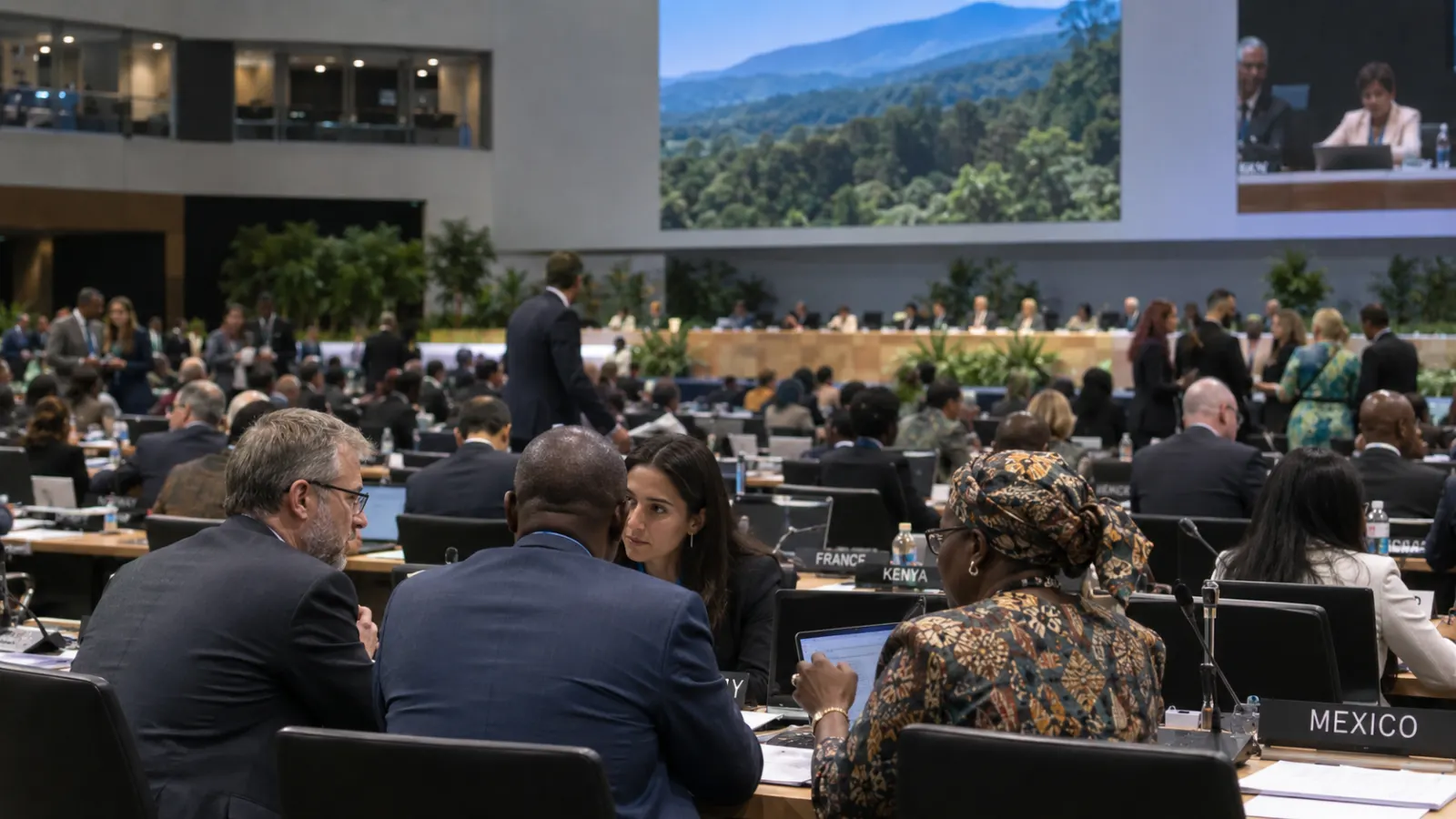
This rules-based argument was especially valuable for developing countries. Without a multilateral forum, smaller economies often have to negotiate alone with major powers. In a multilateral system, they can form coalitions, use legal language and demand consistency. The WTO did not remove inequality from trade, but it gave weaker states more tools than raw bilateral bargaining.
The crisis of the WTO
The WTO now faces a serious legitimacy and effectiveness crisis. The world that created its strongest rules was more optimistic about globalisation. Today, trade is shaped by strategic rivalry, national security concerns, industrial policy, supply-chain resilience, climate policy and technology controls. Governments increasingly see trade not only as efficiency, but as power.
The dispute settlement system has faced paralysis because the Appellate Body stopped functioning properly after appointments were blocked. This matters because a legal system without a final appellate mechanism loses authority. Members may still consult, negotiate and use alternative arrangements, but the original strength of the WTO dispute process has weakened.
The negotiating function has also struggled. It is difficult to get broad consensus among members with very different interests. Developed countries want stronger rules on subsidies, digital trade and state-owned enterprises. Developing countries want policy space, agricultural fairness and special treatment. Least developed countries want market access and capacity. Consensus becomes hard when trade politics become more strategic.
The India lens
India's relationship with the WTO is complex because India is both a major economy and a developing country with deep domestic vulnerabilities. It wants access to global markets for services, pharmaceuticals, textiles, technology and agriculture-linked products. But it also wants policy space to protect farmers, food security, small industries and development priorities.
This dual identity shapes India's WTO position. On agriculture, India has often argued that food security and public stockholding cannot be treated as ordinary trade distortions. For a country with hundreds of millions of people dependent on agriculture and subsidised food systems, trade rules cannot ignore livelihood and welfare realities. At the same time, India seeks fairer access for its service professionals and digital economy.
For Indian readers, the WTO matters because trade policy affects jobs, prices and industrial strategy. A tariff may protect a domestic producer but raise costs for consumers or manufacturers using imported inputs. An export opportunity may create jobs but expose firms to global competition. A WTO dispute may seem technical, but it can influence medicines, agriculture, e-commerce, steel, solar panels or food policy.
Why the WTO still matters
It is fashionable to say that the WTO is dying. That is too simple. The institution is weakened, but it remains important because the alternative to rules is not justice; it is bargaining power. If the WTO loses relevance completely, trade disputes will increasingly be settled through unilateral tariffs, sanctions, export controls, friendshoring blocs and bilateral pressure.
For businesses, WTO disciplines still provide a reference point. For policymakers, WTO rules still frame what is legally defensible. For developing countries, the institution still offers a platform to challenge unfairness and form coalitions. Even major powers that criticise the WTO continue to use its language when it suits them because rules provide legitimacy.
The WTO's future depends on whether it can adapt to new realities. Trade is no longer only about tariffs. It is about data, carbon, critical minerals, subsidies, supply chains, digital platforms, national security and industrial strategy. The institution must modernise without becoming a tool for the strongest economies to rewrite rules in their favour.
Final takeaway
The role of the WTO is to make global trade more predictable, transparent and rule-based. It does not eliminate conflict. It disciplines conflict. It does not force countries to abandon national interest. It asks them to pursue interest through negotiated rules rather than arbitrary power.
Its current weakness should worry readers because trade disorder rarely hurts all countries equally. Wealthy economies have more bargaining power, larger domestic markets and stronger fiscal capacity. Smaller and developing countries rely more on predictable rules. If the multilateral trading system erodes, the cost will be paid not only by diplomats but by exporters, workers, farmers, consumers and small businesses.
The WTO remains one of the central institutions of economic globalisation. The question is not whether trade needs rules. It clearly does. The question is whether governments still have the political will to maintain a system where rules restrain power. Without that will, the global economy may not become more sovereign. It may simply become more unstable.