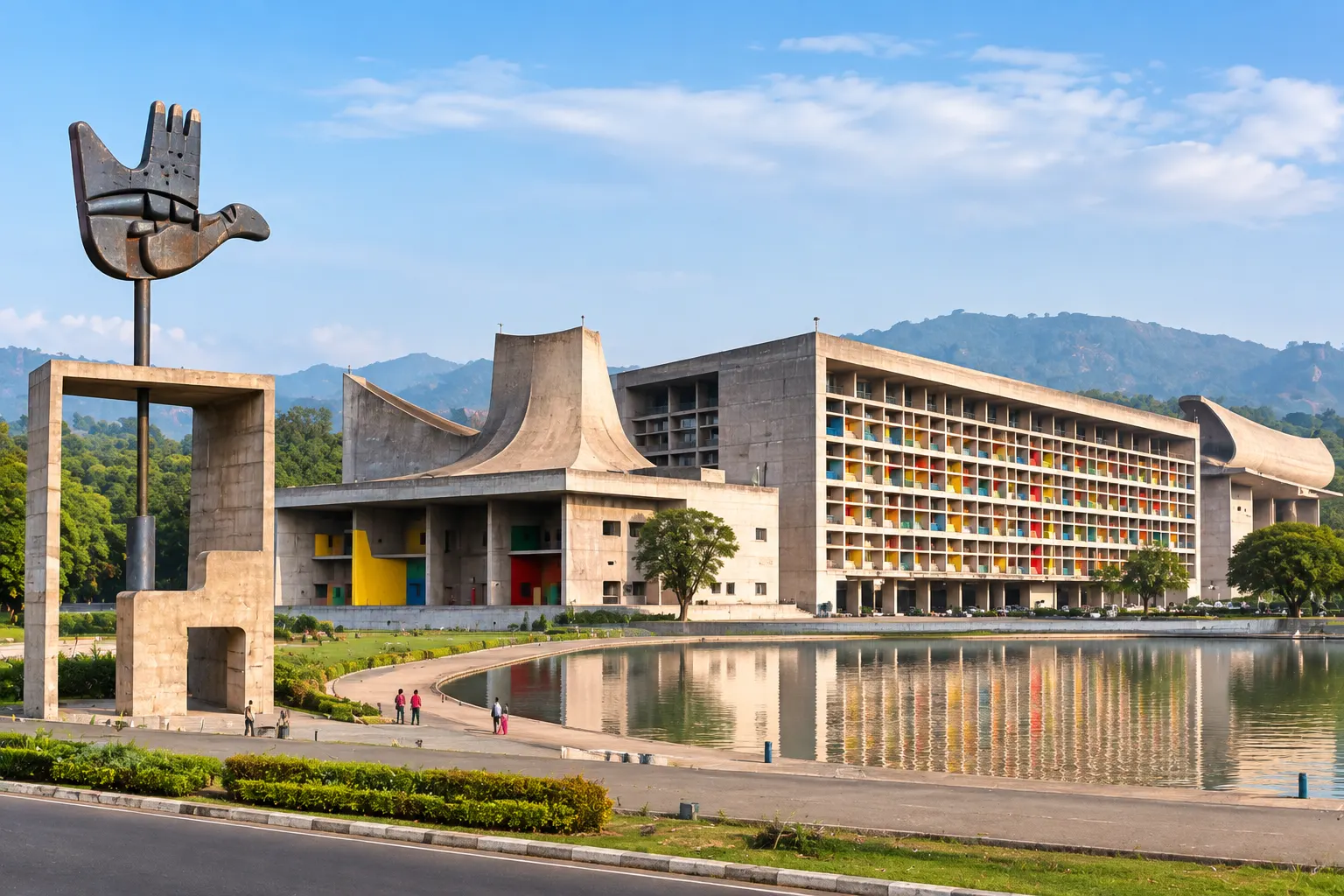
Chandigarh is often described as Le Corbusier’s city. The reality is more collaborative—and more revealing. Its making joined Partition-era state building, modernist ambition, Ind…
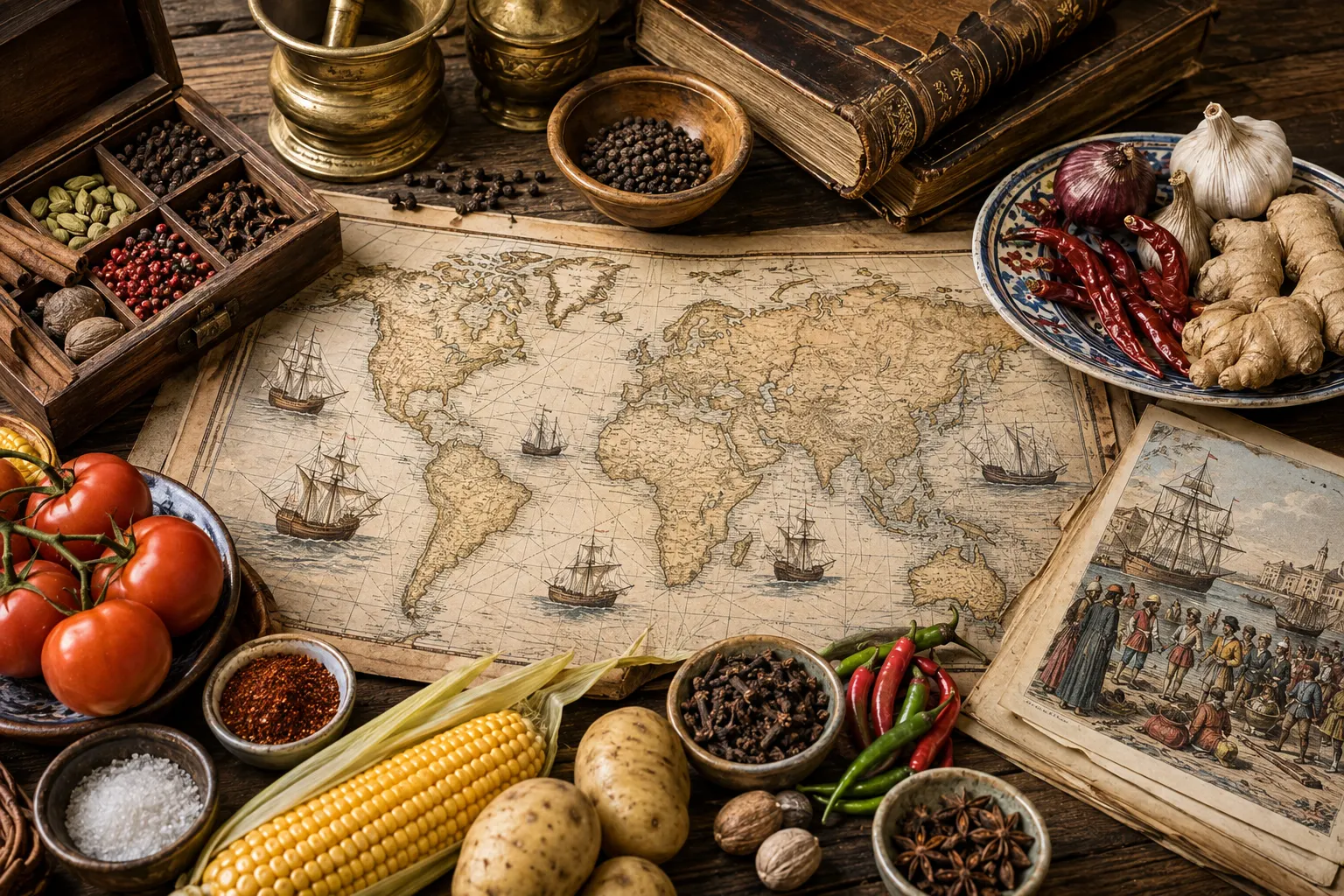
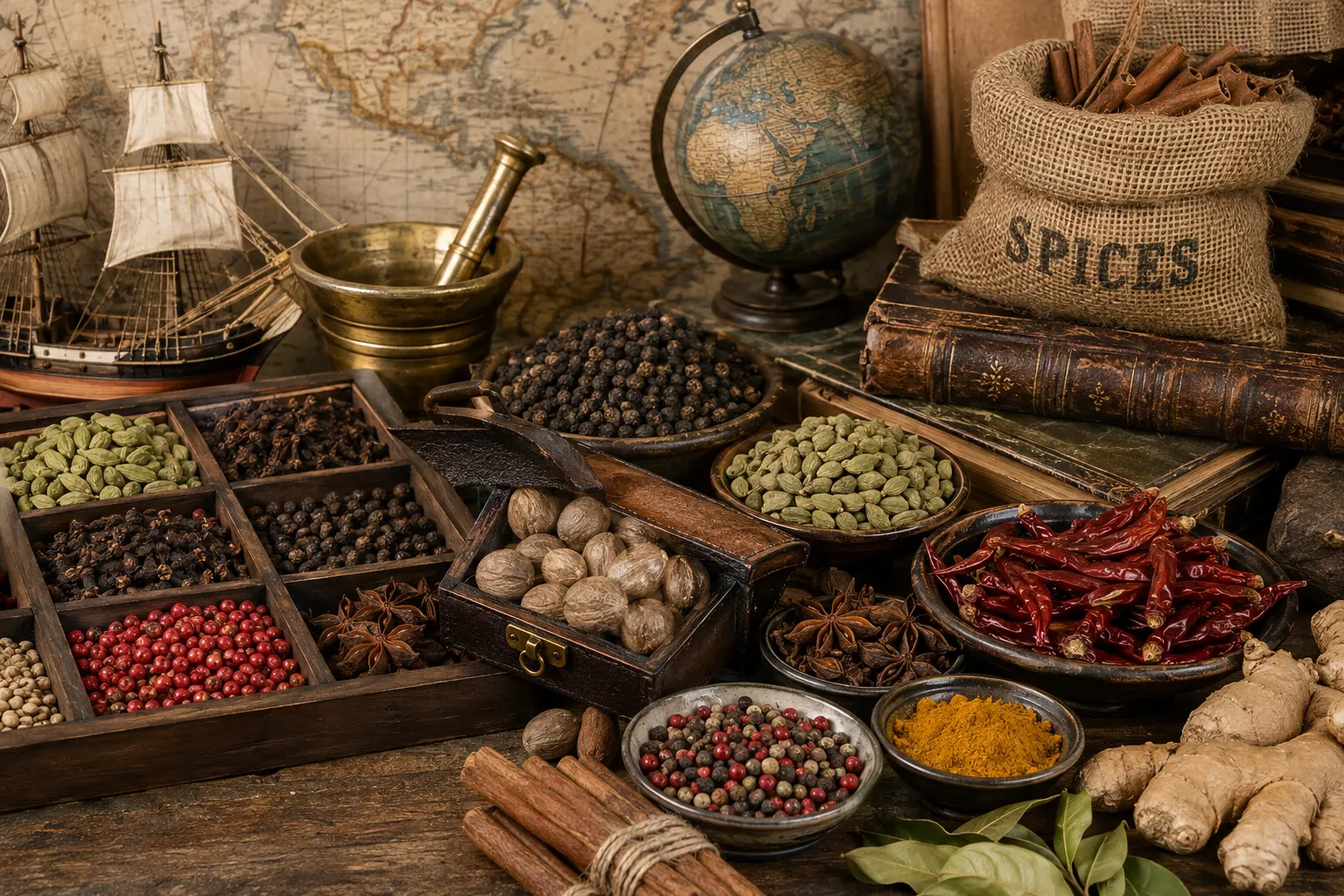
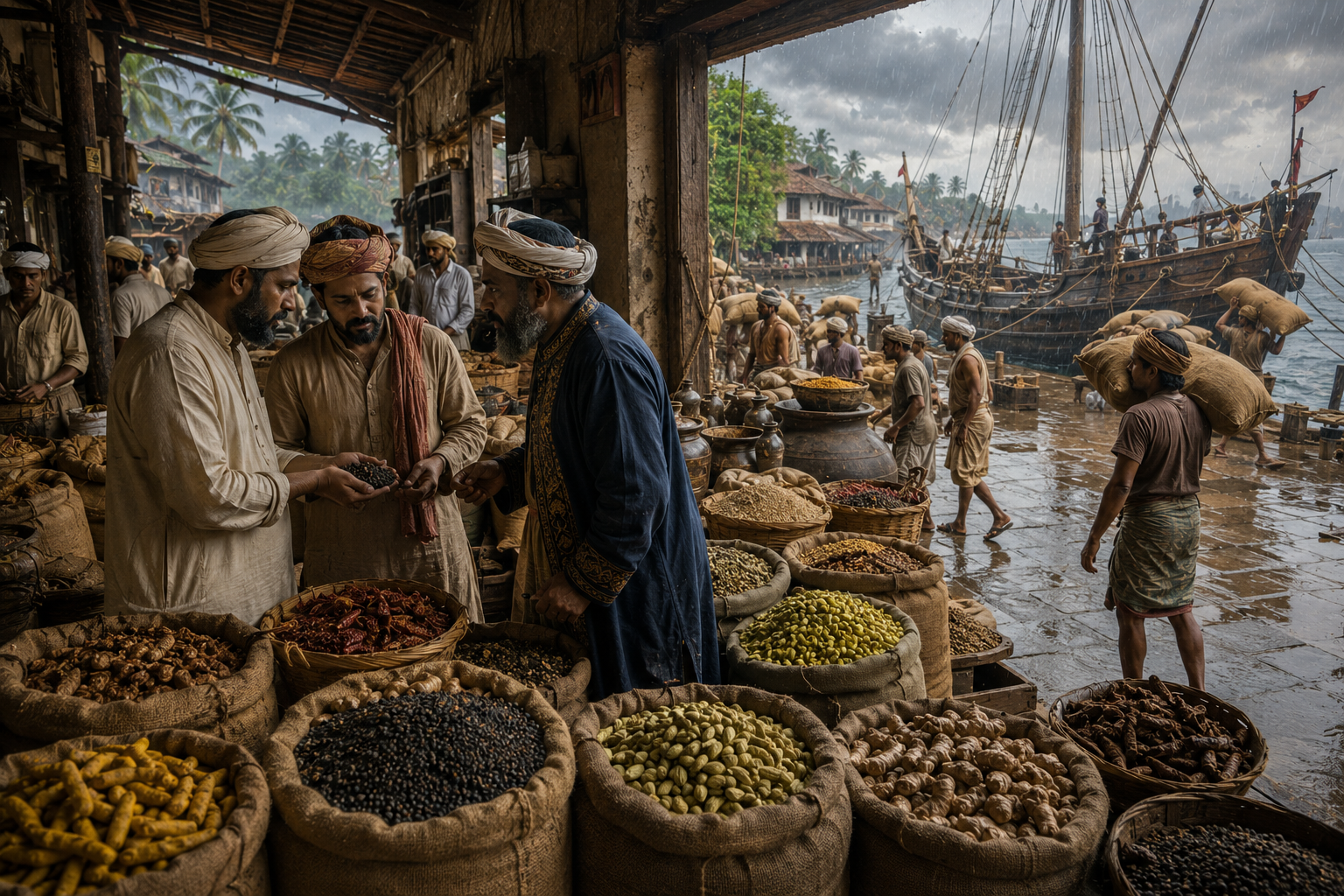
Spices seem small because they are measured by the pinch. Historically, however, pepper, cloves, cardamom, cinnamon, chilli and other aromatics have connected farms, kitchens, rit…
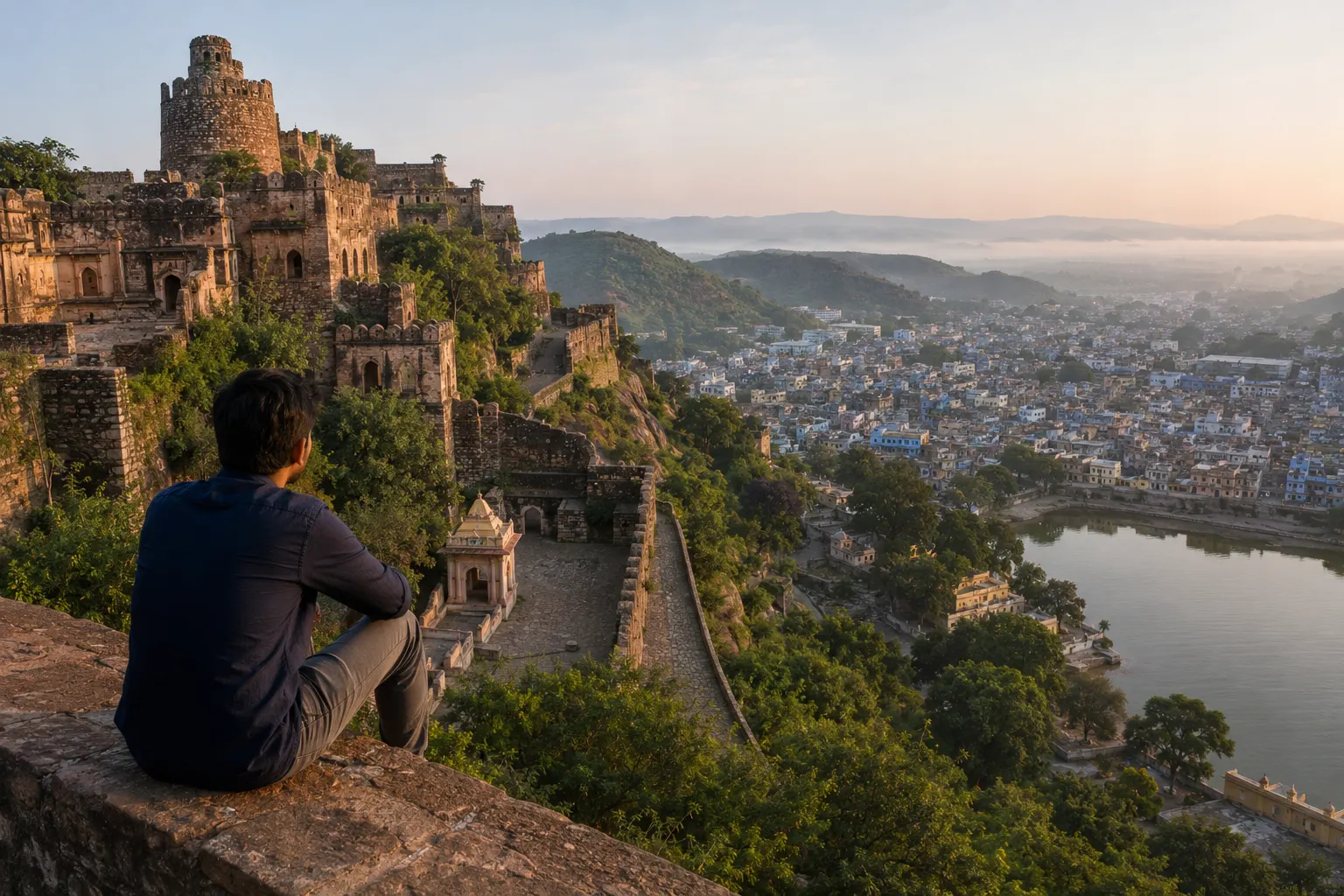
Legends survive because they do more than entertain. Attached to places, people and collective memories, they allow communities to argue about the past, explain the present and tr…
Christopher Columbus’s 1492 voyage created sustained Atlantic contact, opening routes of colonisation and exchange while bringing devastating consequences for Indigenous peoples.
The printing press transformed civilisation by accelerating the production and circulation of knowledge, reshaping religion, science, education, politics and public debate.
The Scientific Revolution transformed how humanity understood nature, replacing inherited authority with observation, mathematics, experiment and evidence.
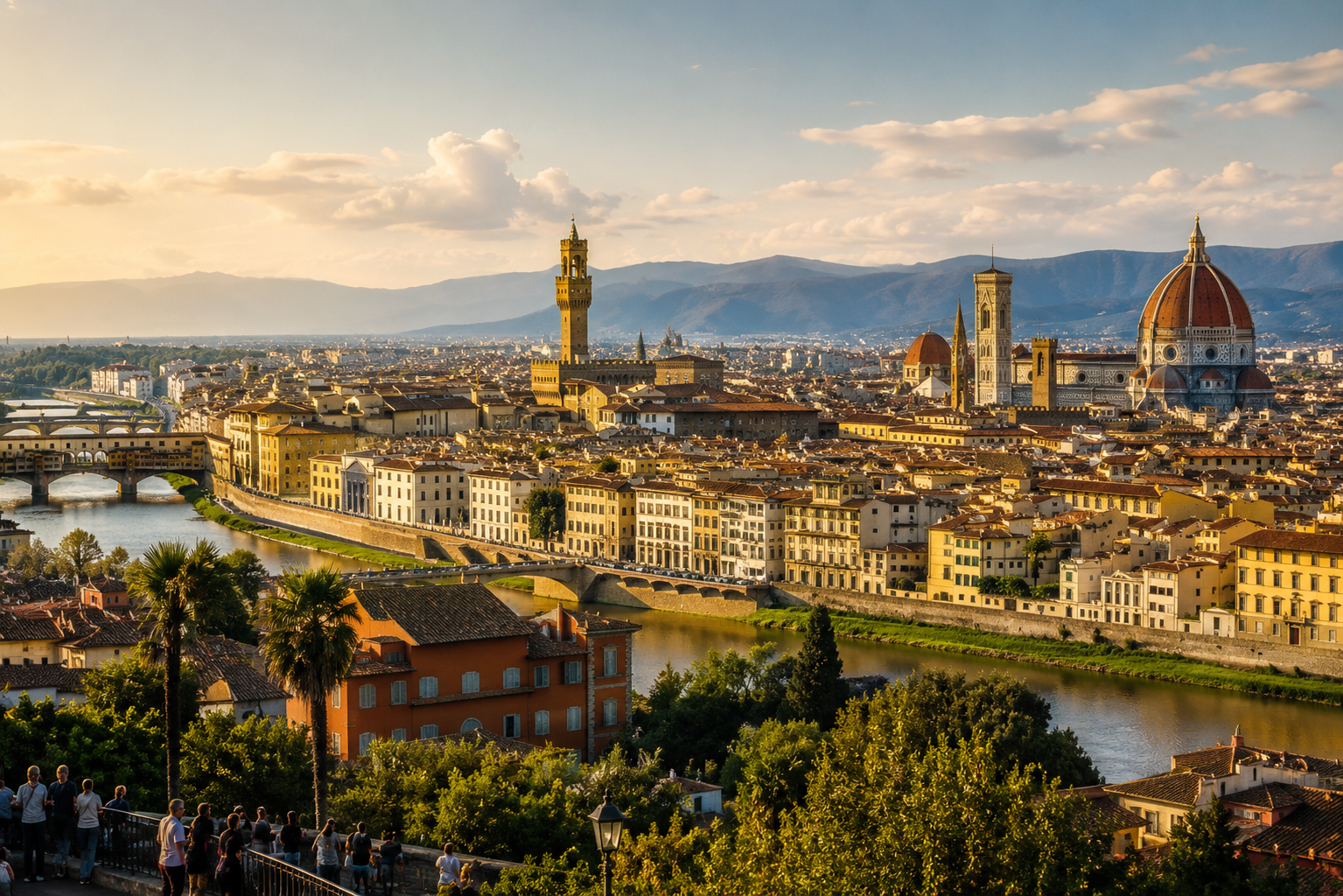
The Renaissance reshaped European art, humanism, education and politics by reviving classical learning while creating new ideas about humanity and knowledge.
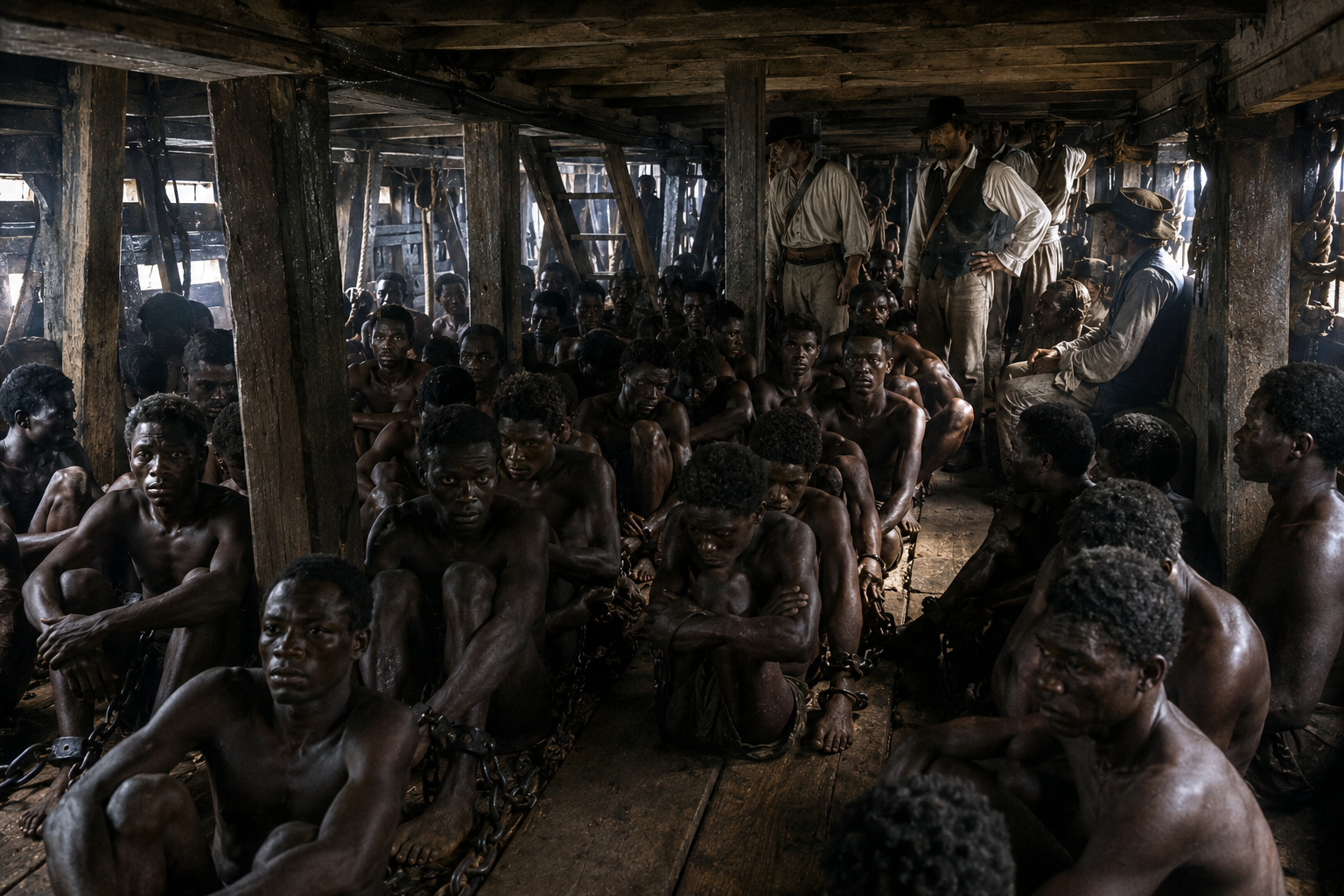
The transatlantic slave trade forced millions of Africans across the Atlantic, enriching empires while creating racial inequality, broken families and enduring global injustice.
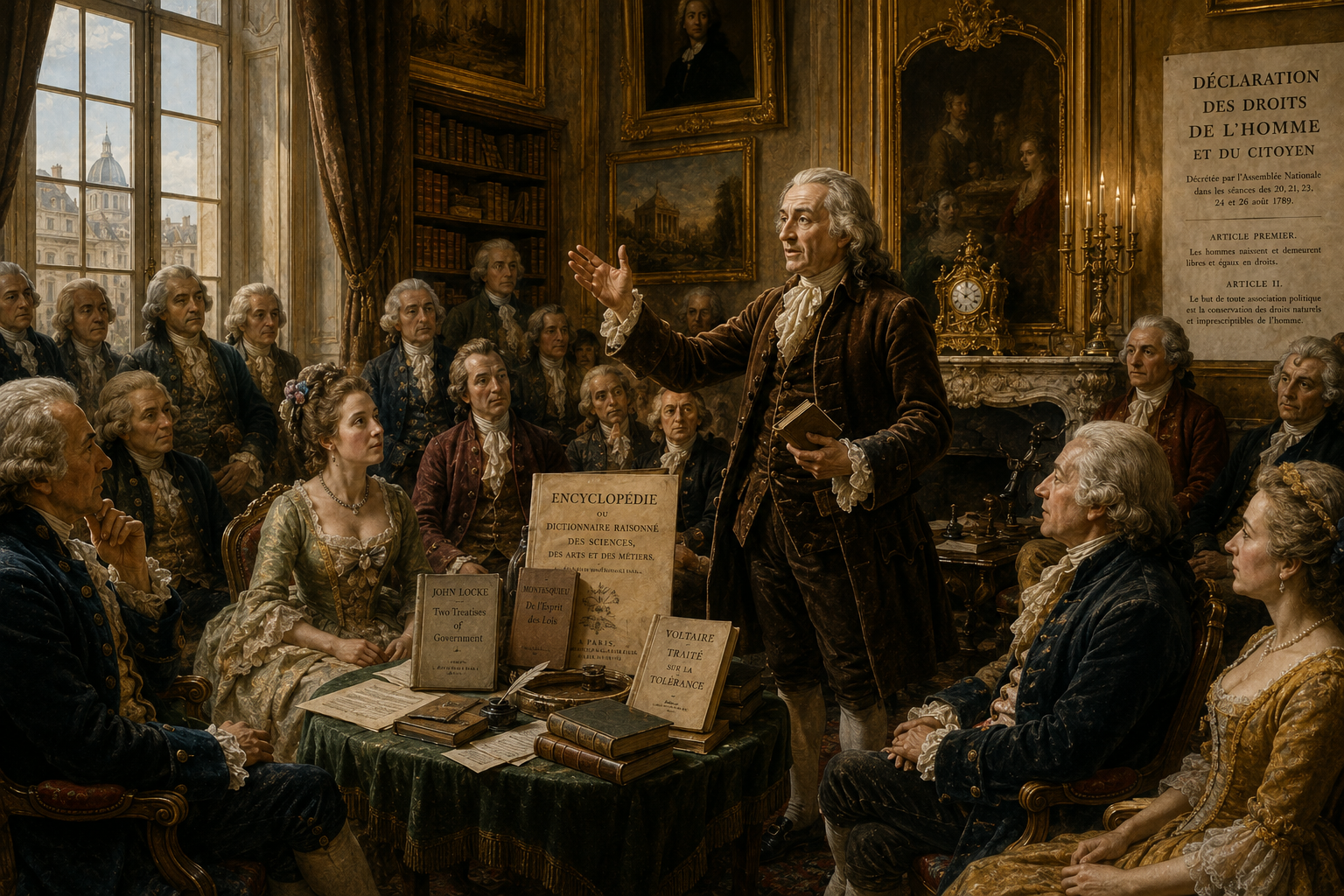
The Enlightenment transformed public life by challenging inherited authority through reason, rights, science, toleration and the belief that society could be deliberately improved.
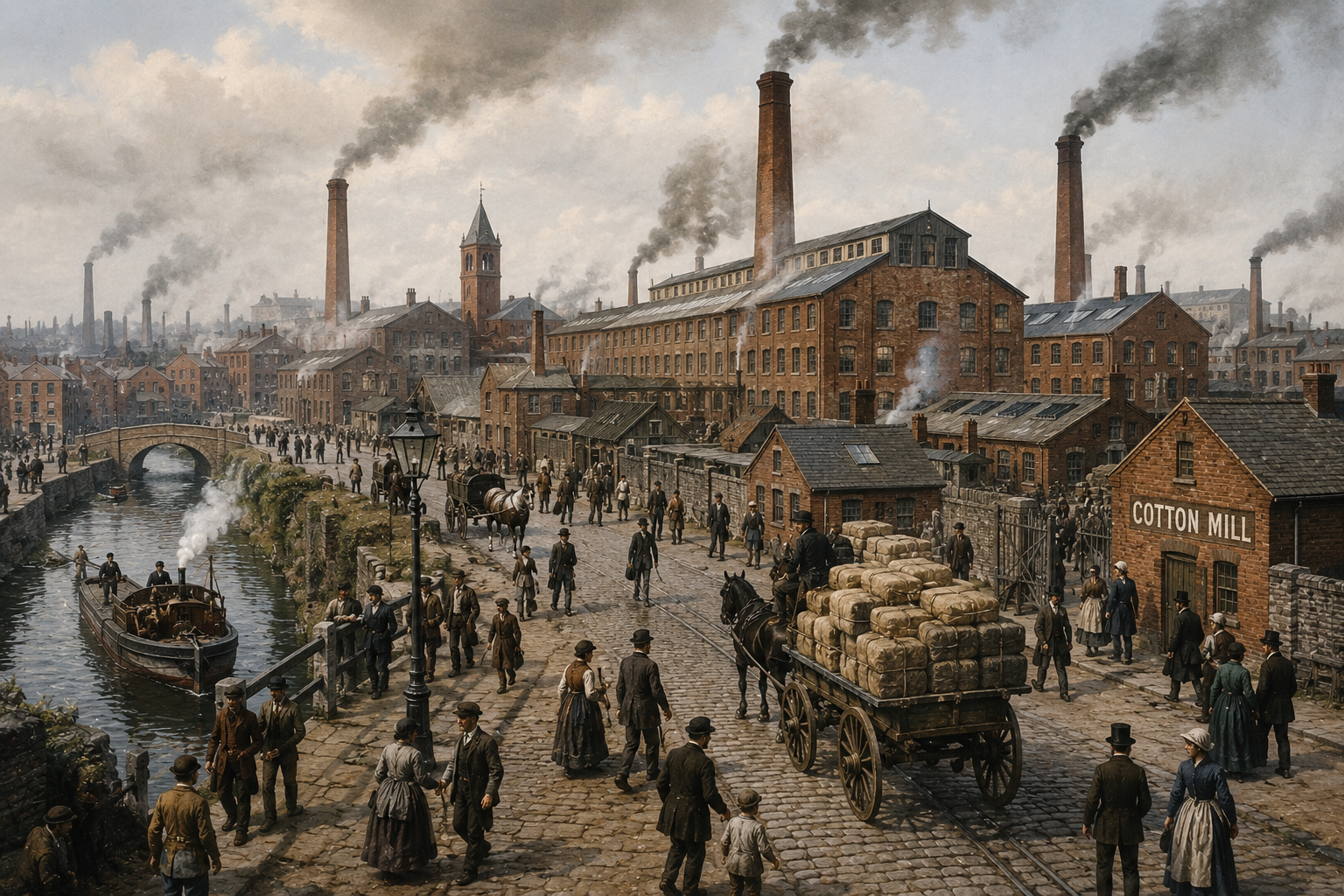
The Industrial Revolution transformed work, cities, class relations and global power through mechanisation, fossil energy, factories and expanding markets.
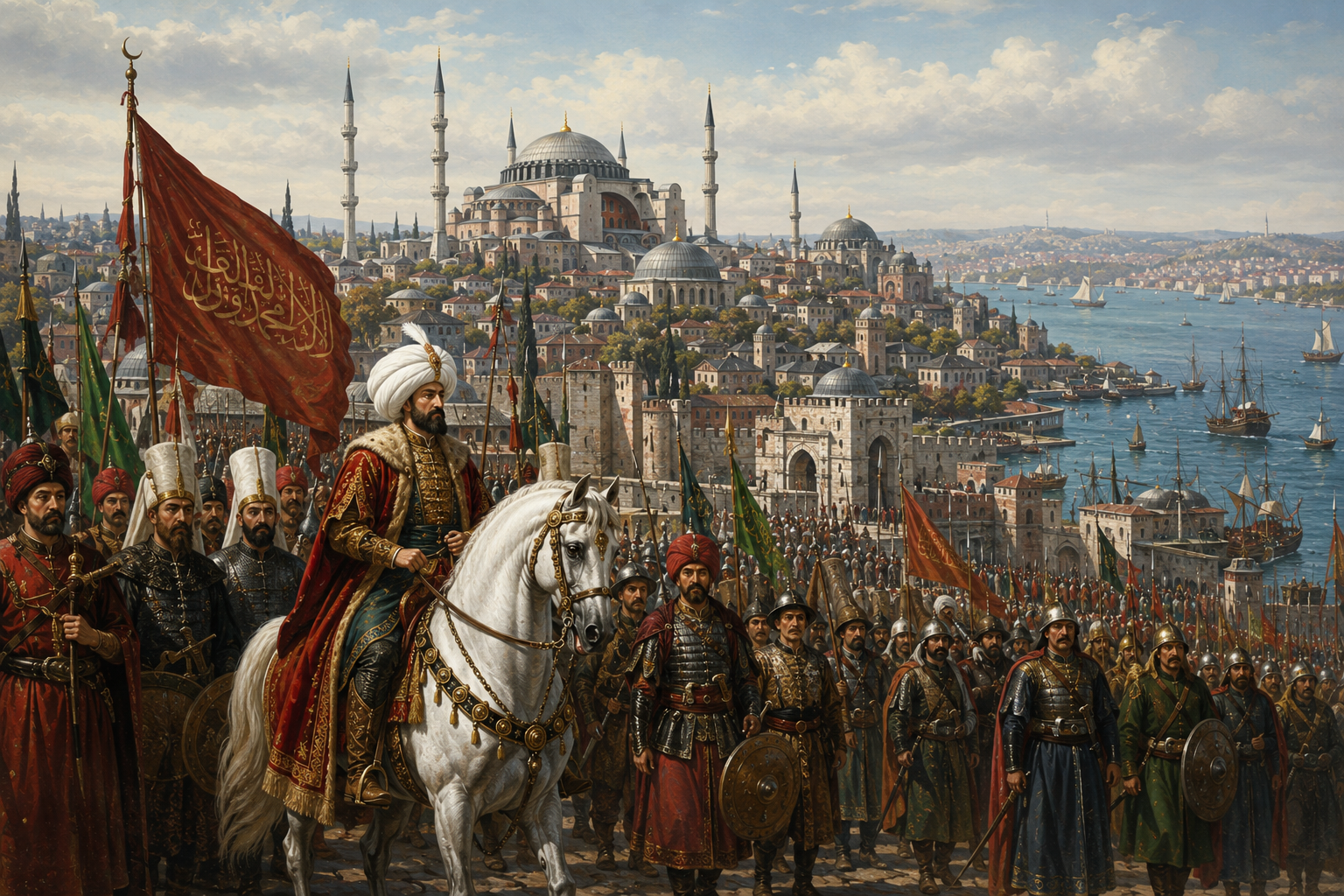
The Ottoman Empire rose from an Anatolian frontier state into a vast three-continent power before nationalism, military defeat, debt and reform crises led to its collapse.
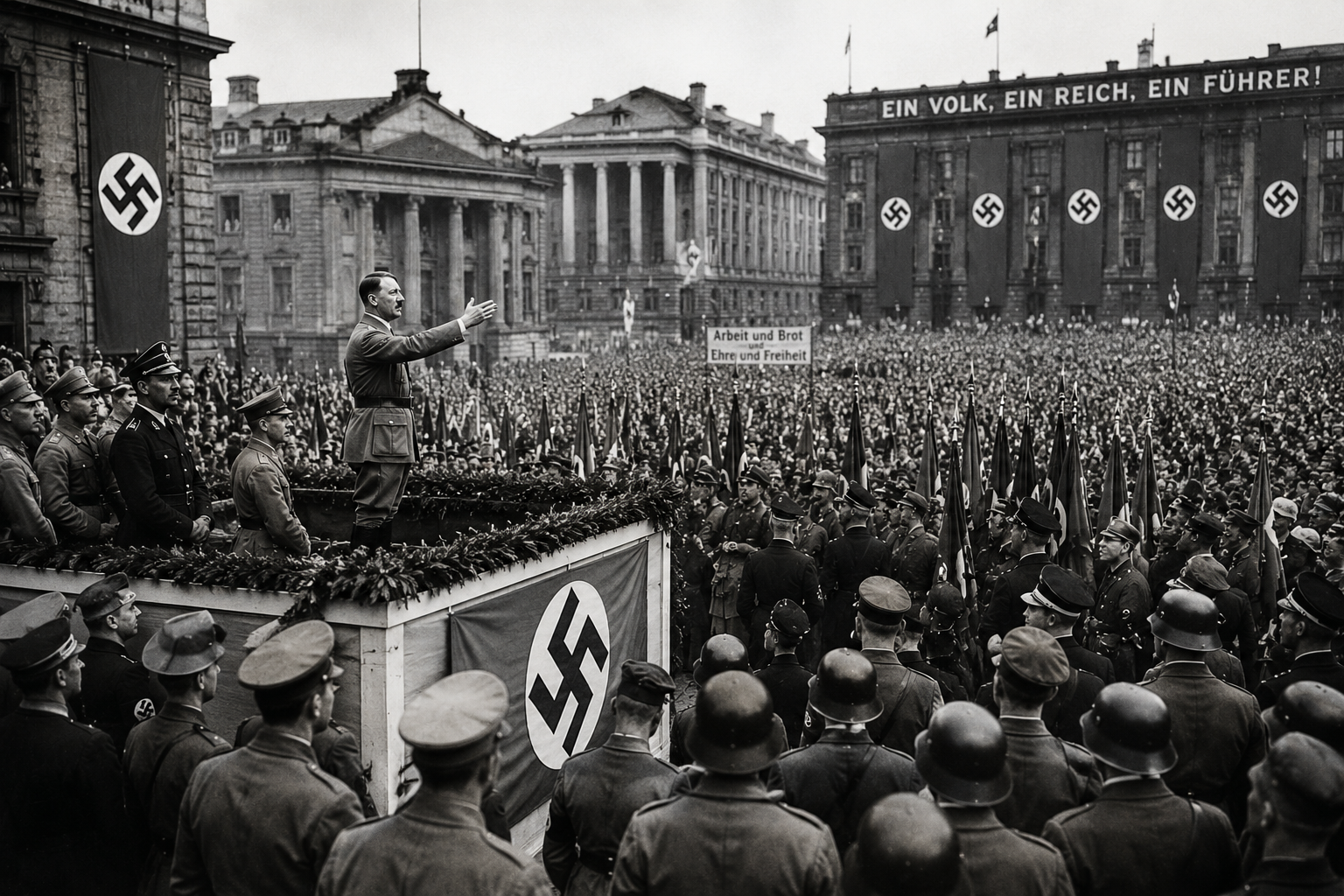
Fascism rose across interwar Europe by exploiting economic crisis, political fear, nationalism and weakened democratic institutions to establish authoritarian rule.
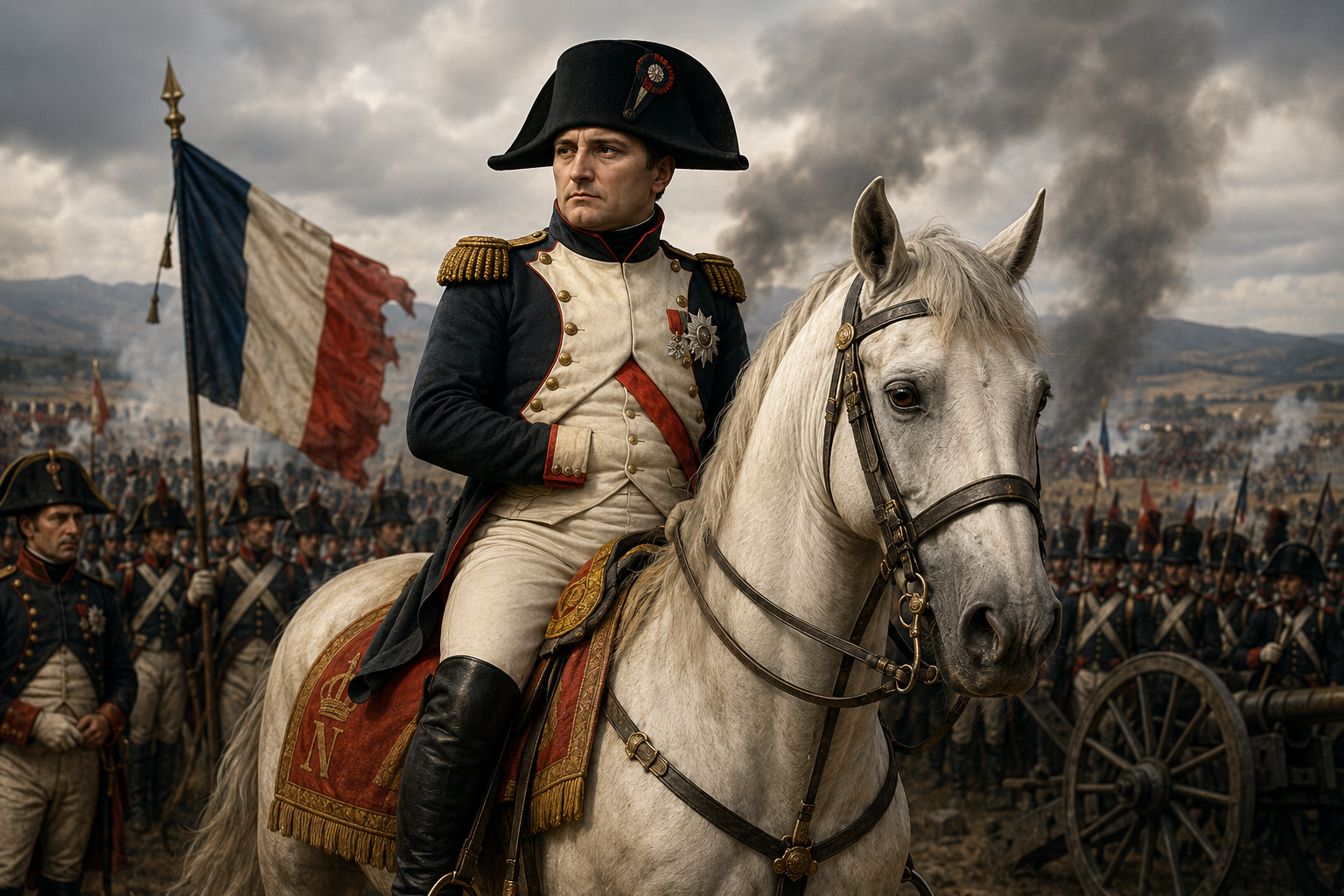
The French Revolution destroyed the Old Regime, proclaimed citizenship and equality, and revealed how political liberation could descend into war, terror and dictatorship.
The Russian Revolution of 1917 overthrew the Romanov monarchy, weakened moderate rule and brought the Bolsheviks to power amid war, hunger and social unrest.
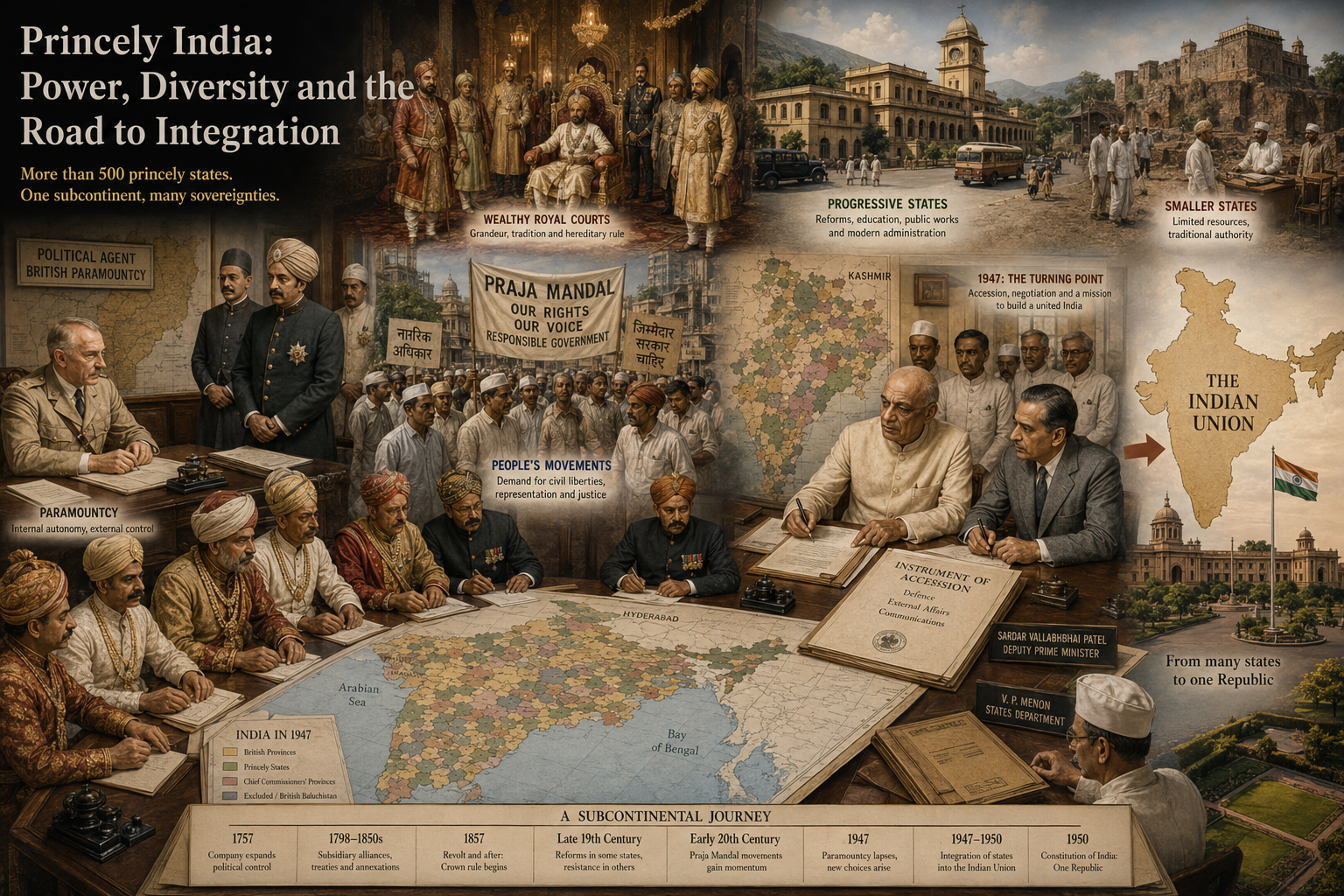
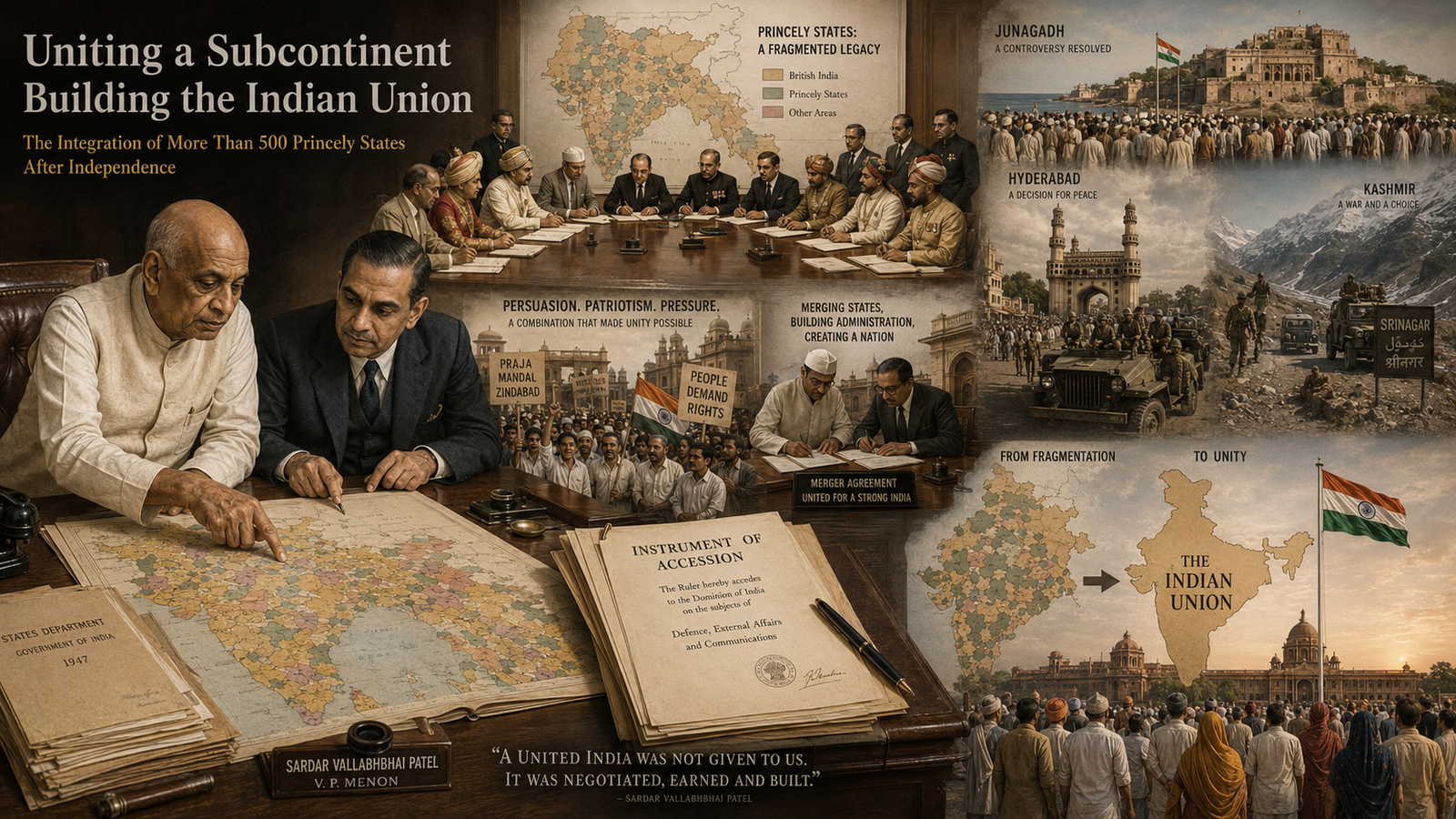
An analytical history of how India’s princely states shaped political unity before and after independence, from subsidiary alliances to accession and integration.
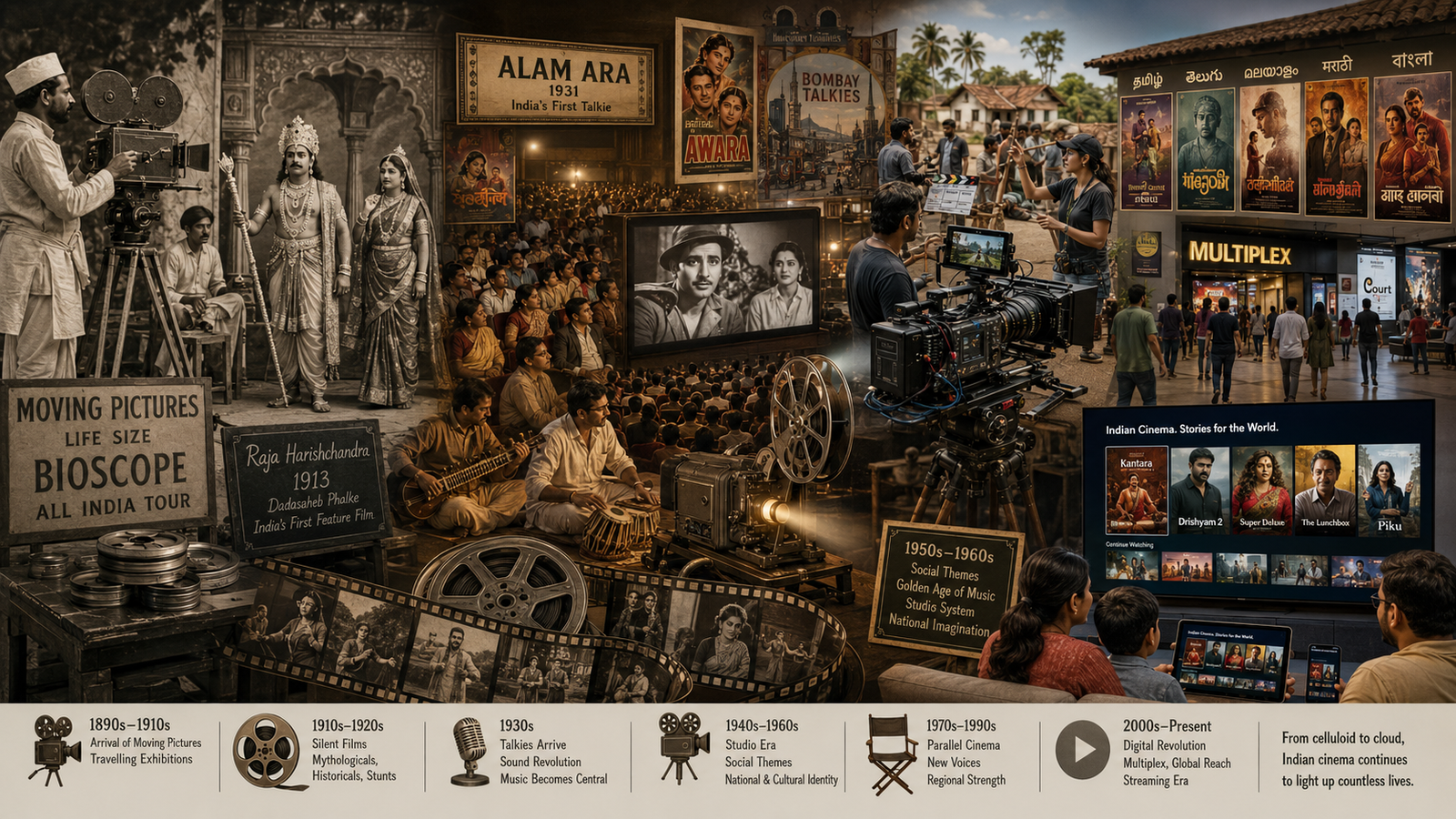
A historical deep-dive into Indian cinema, from silent films and studio culture to regional industries, parallel cinema, television, global audiences and streaming.
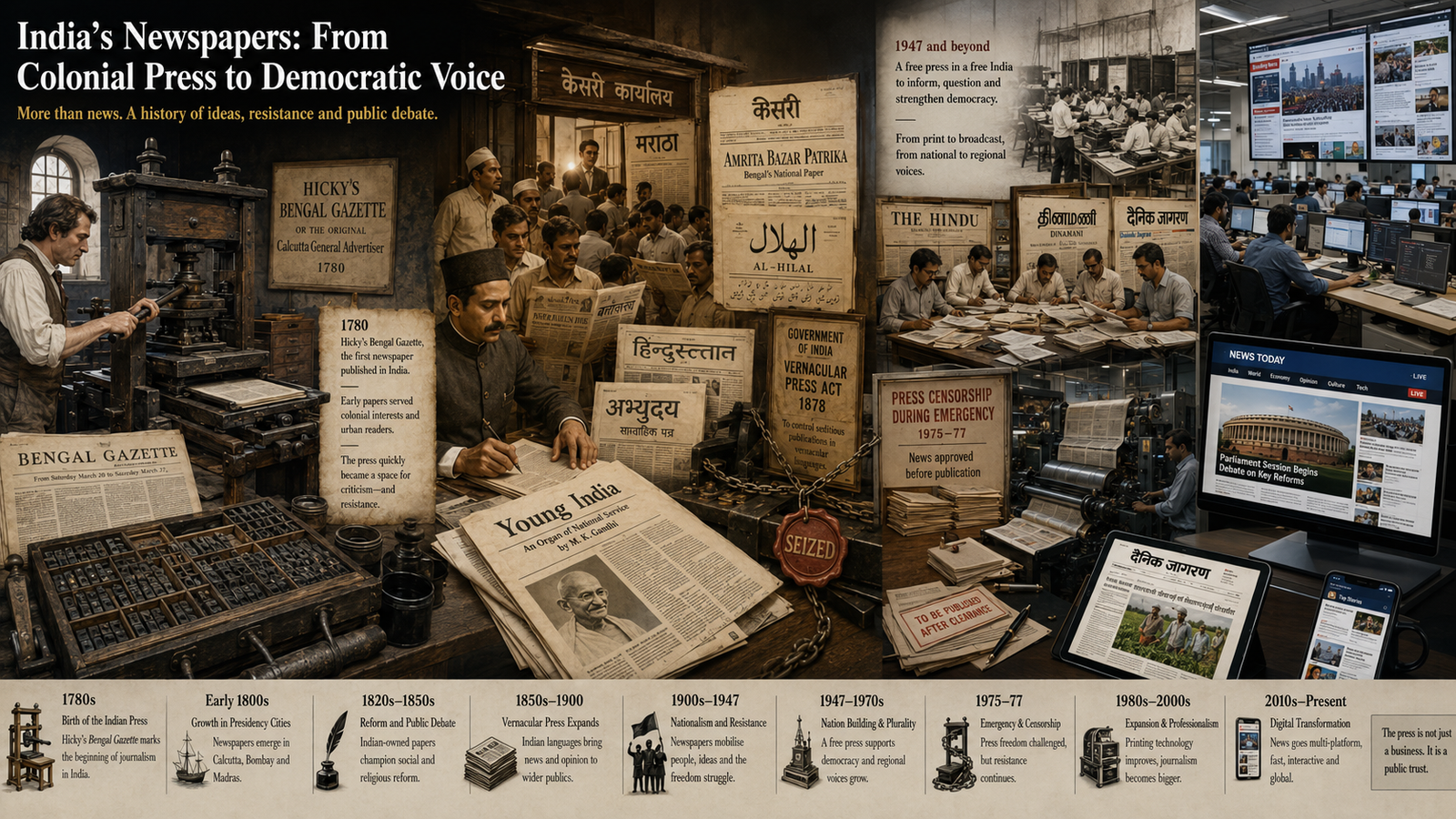
A historical narrative on Indian newspapers, from Hicky’s Bengal Gazette and colonial censorship to nationalist journalism, vernacular press, post-independence expansion and the d…
A historical narrative on the Indian national flag, tracing its evolution from anti-colonial symbols and Congress flags to the Constituent Assembly adoption of the tricolour in 19…
The Protestant Reformation challenged papal authority, transformed Christian belief and permanently reshaped European politics, education, society and religious life.
The American Revolution transformed colonial resistance into independence, republican government and a lasting debate over liberty, equality and political representation.
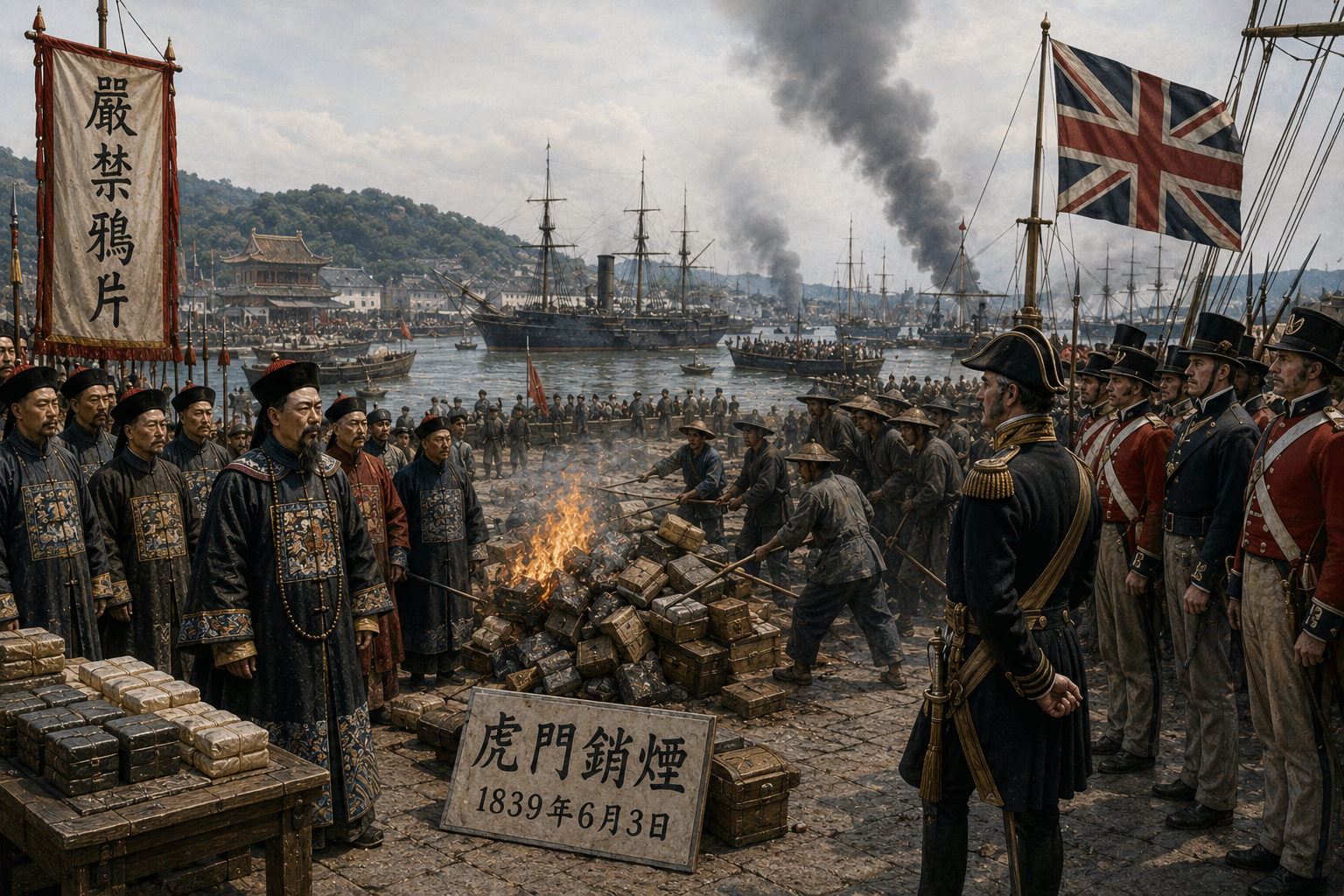
The Opium Wars exposed the military imbalance between Qing China and industrial Britain, forcing open trade, weakening sovereignty and reshaping modern Chinese history.
The Meiji Restoration transformed Japan from a feudal shogunate into a centralised industrial state, strengthening national sovereignty while laying foundations for imperial expan…
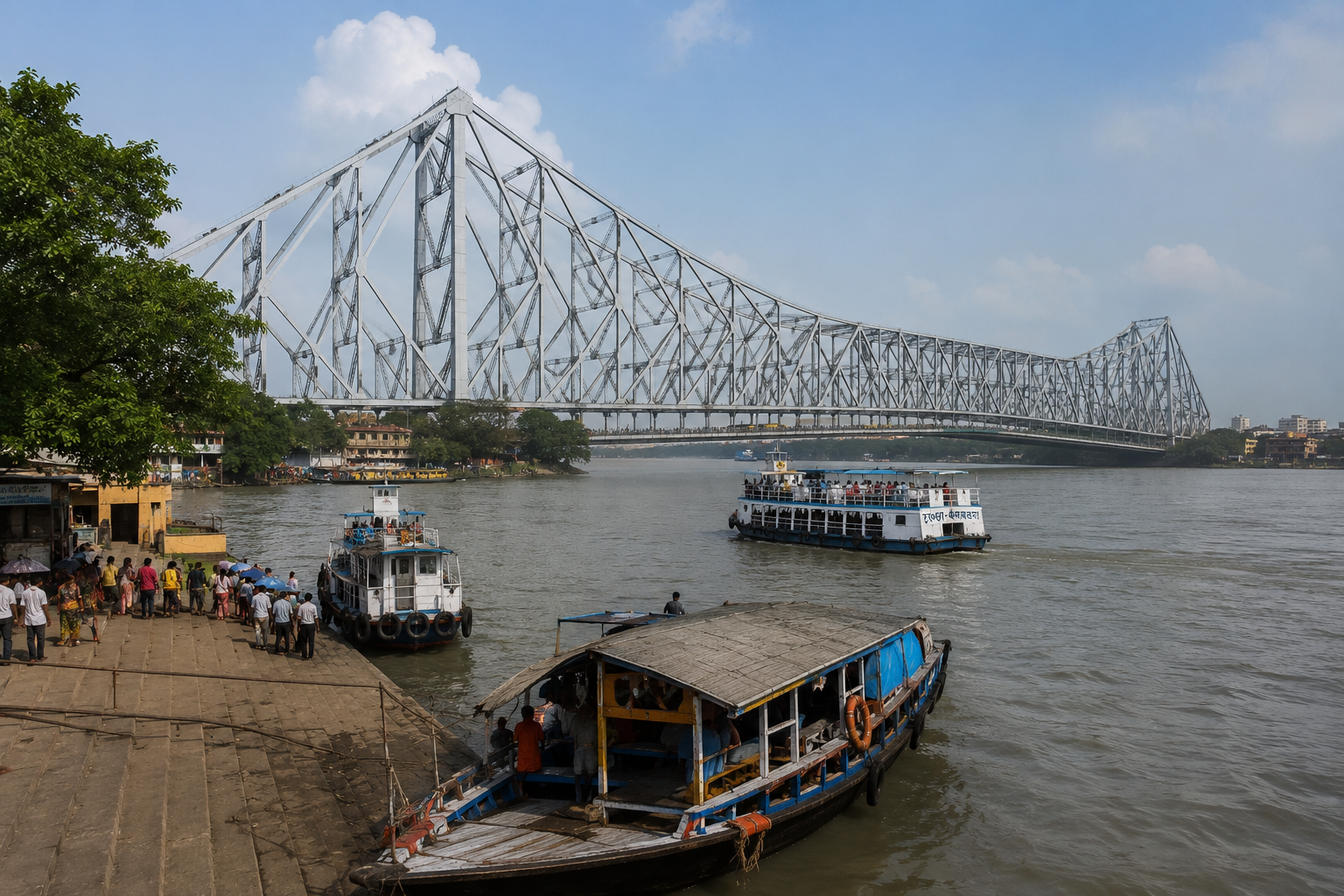
A long-form historical narrative on Bengal from ancient Vanga and Pala power to Sultanate, Mughal, colonial, nationalist and partition-era transformations.
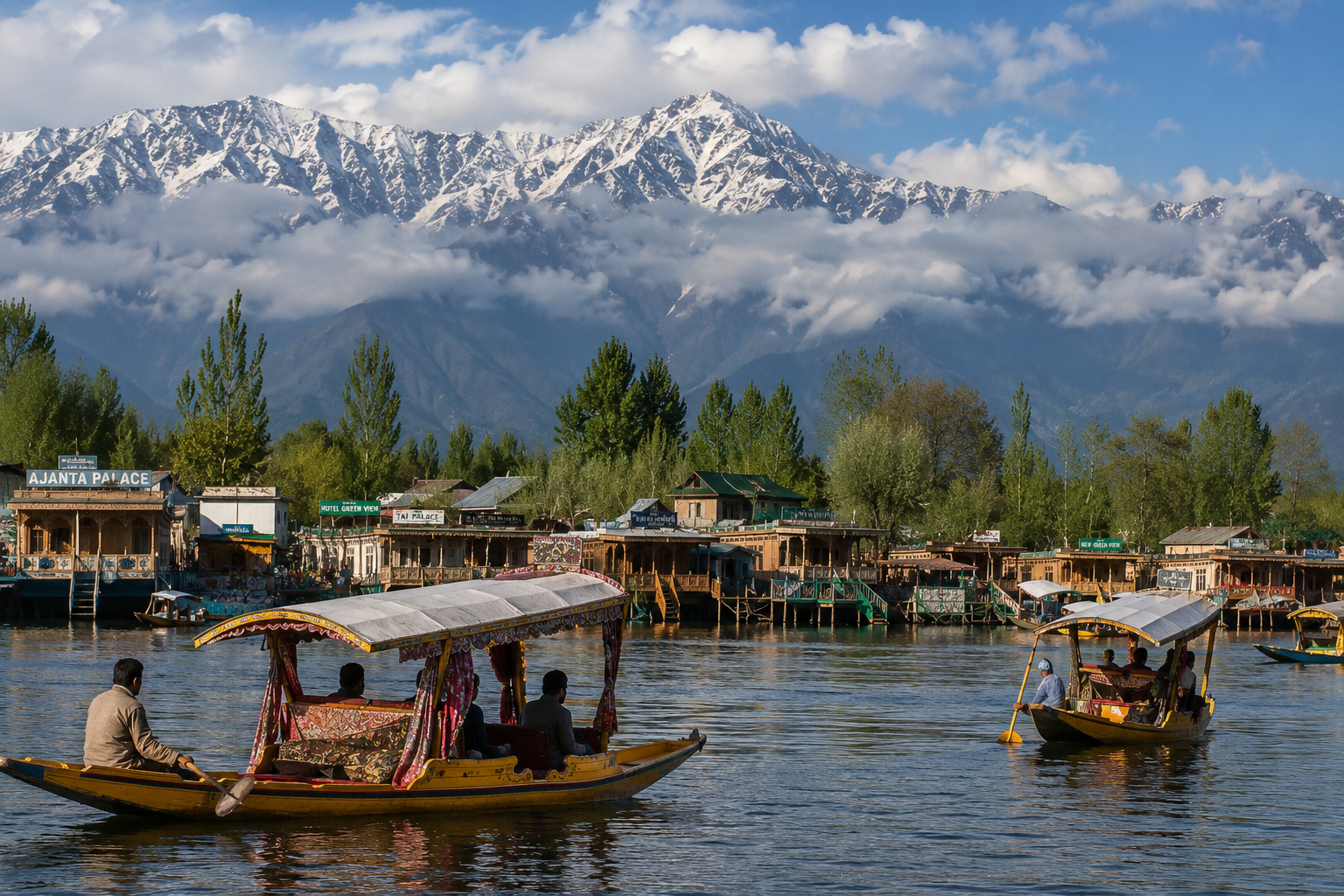
A historically grounded explainer on Kashmir from ancient Sanskritic and Buddhist traditions to Muslim rule, Sikh and Dogra control, 1947 accession, conflict, and cultural legacy.
A historical narrative on the Deccan Sultanates, their rise from the Bahmani legacy, rivalry with Vijayanagara and the Mughals, art, architecture and legacy.
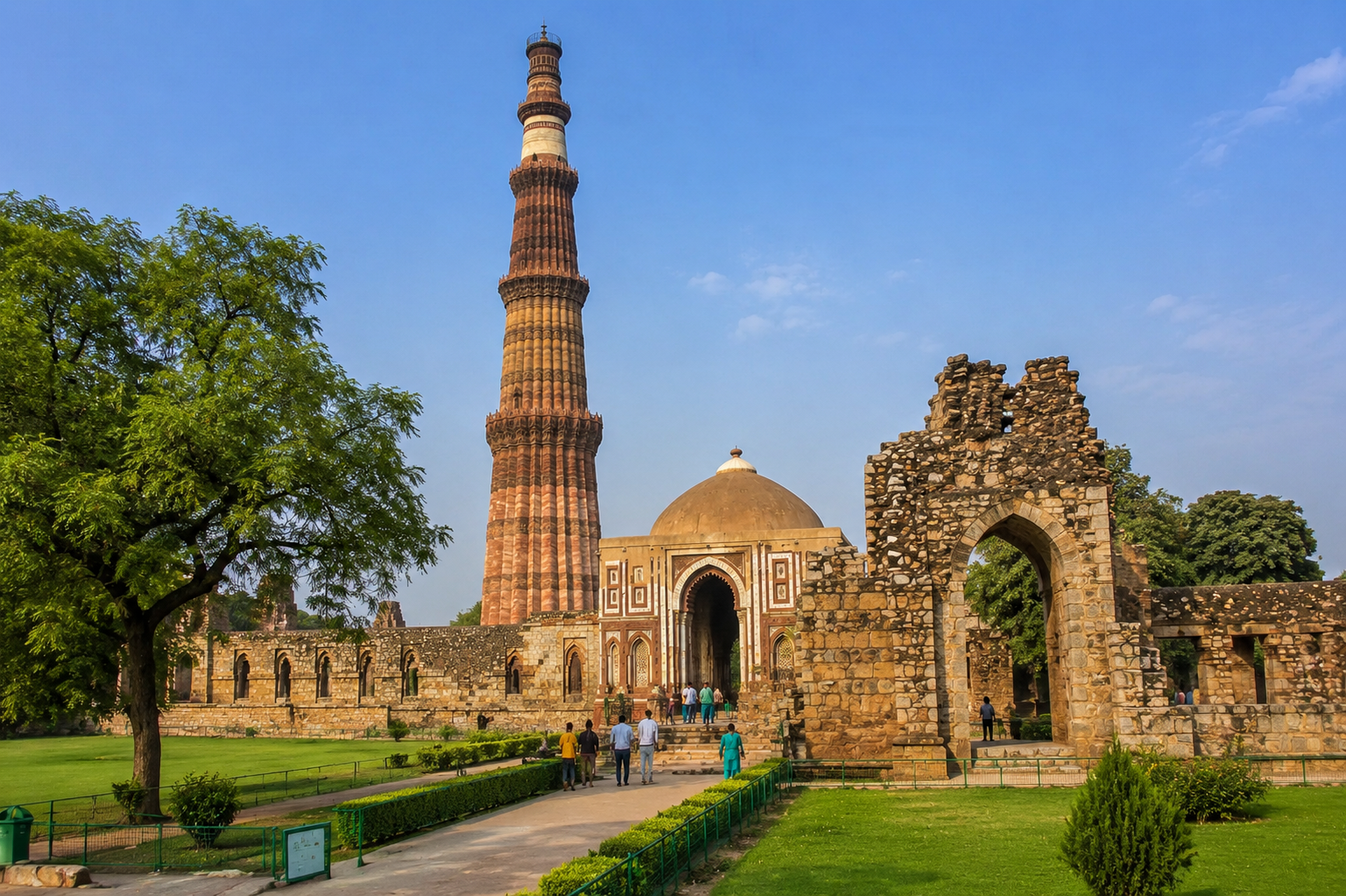
A historical narrative on the Delhi Sultanate, from Ghurid conquest and the Mamluks to Khalji, Tughlaq, Sayyid and Lodi rule, ending with the Mughal rise.
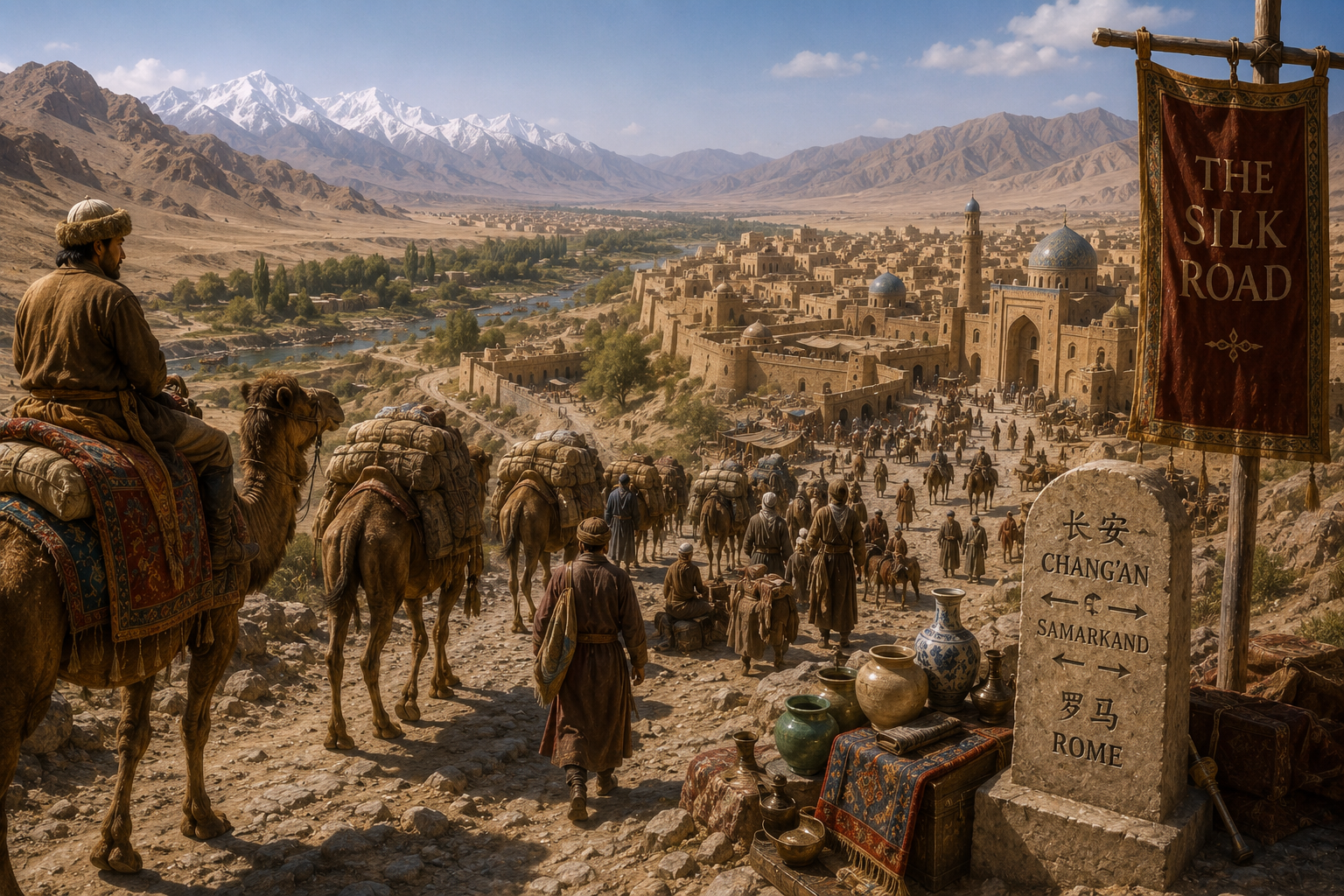
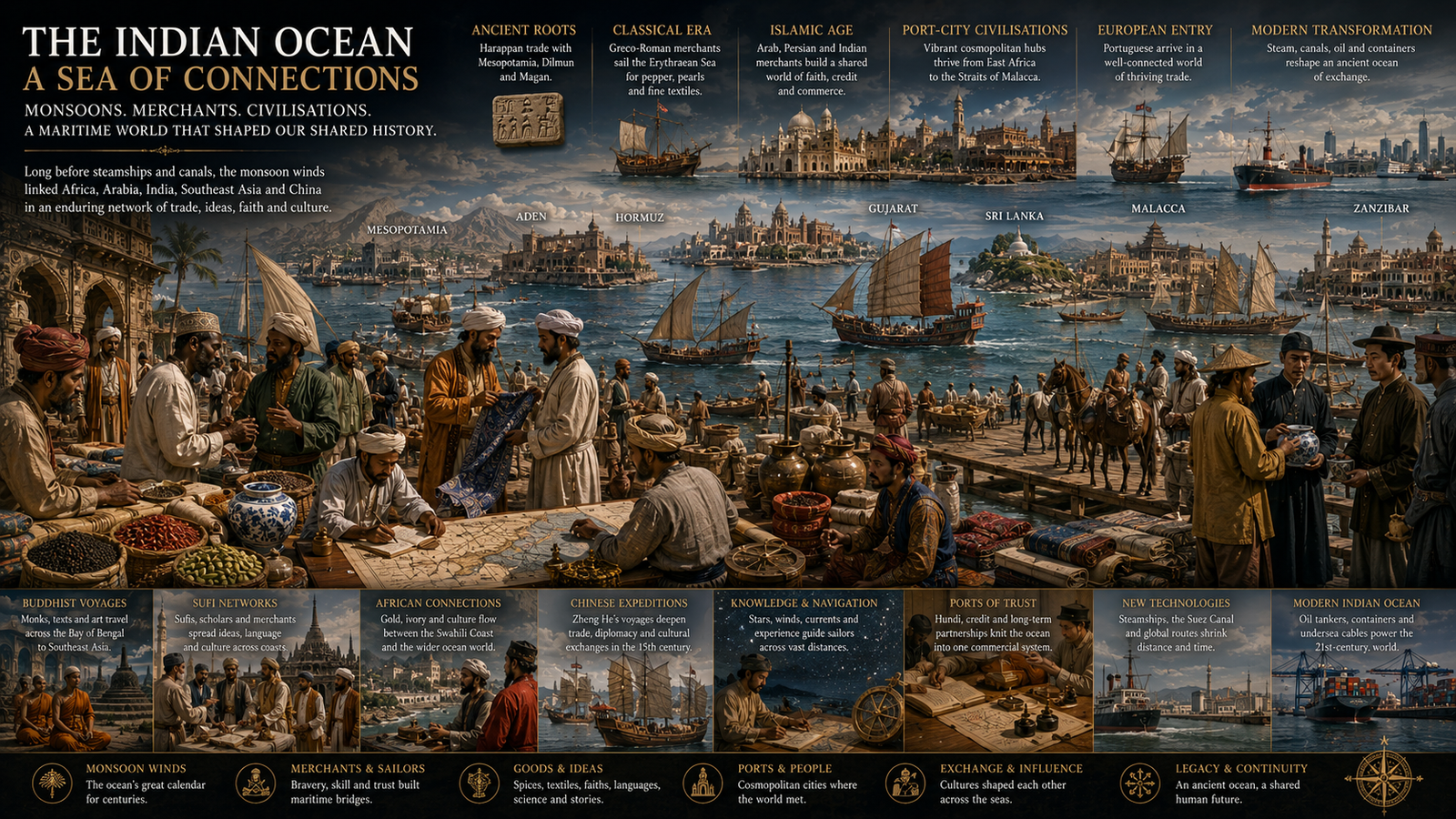
A long-form history of Indian Ocean maritime civilisation, from ancient trade and monsoon navigation to Islam, port cities, European empires and modern sea power.
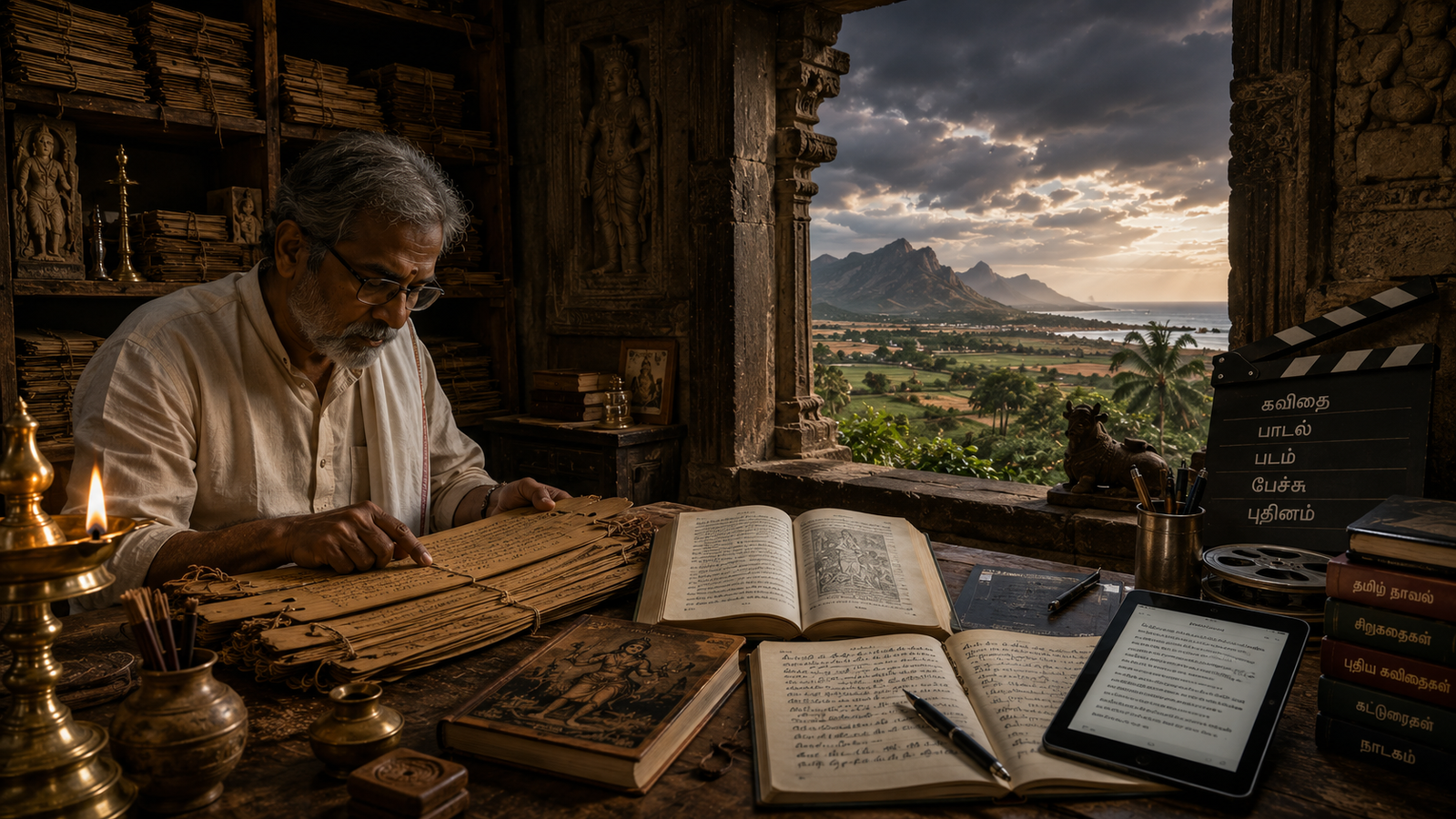
Explore the history of Tamil literature from Sangam poetry and classical epics to Bhakti hymns, medieval scholarship, print culture and modern Tamil identity.
Understand the Bhakti movement, its South Indian roots, regional poet-saints, devotional literature, social critique and lasting influence on Indian culture.
Trace the Sufi tradition in India from early mystical Islam and Chishti khanqahs to dargahs, qawwali, vernacular culture and the legacy of spiritual pluralism.
Understand the history of Indian classical dance, from the Natya Shastra and temple traditions to Bharatanatyam, Kathak, Odissi, Kathakali and modern revival.
Trace the history of Indian painting schools, from ancient murals and manuscript traditions to Mughal, Rajput, Pahari, Deccani, Company and Bengal styles.
Explore the history of Rajput kingdoms, their warrior ethos, forts, clan politics, resistance, diplomacy, culture and enduring legacy in Indian civilisation.
A long-form history of the Marathas and their empire, covering Shivaji, forts, guerrilla warfare, Peshwa expansion, Panipat, confederacy politics and legacy.
How salt preserved food, financed states, supplied armies and became a symbol of taxation, monopoly and resistance from ancient trade to Gandhi’s Salt March.
From sacred ornaments and royal coinage to colonial extraction, jewellery and central-bank reserves, gold has shaped power, wealth, beauty and human ambition.
The History of Diamonds: Origins and Evolution. There are materials that human beings use, and there are materials that human beings interpret. Diamond belon...
Trace the history of painting from Paleolithic cave art and ancient murals to Renaissance realism, Asian traditions, modernism and contemporary visual culture.
Explore the history of music from prehistoric rhythm and ancient instruments to sacred traditions, classical systems, folk cultures, recording and global modern sound.
Trace the history of theatre from ritual performance and Greek drama to Sanskrit theatre, medieval stages, Shakespeare, realism, political theatre and modern performance.
Follow the history of poetry from oral chant, epic and lyric traditions to classical poetics, devotional verse, print culture, nationalism, modernism and digital poetry.
From lodestone and Chinese navigation to ocean voyages, empire and GPS, the compass transformed how humanity travelled, mapped and understood direction.
A long-form historical account of forts and castles, tracing defensive architecture from ancient earthworks to medieval castles, star forts and colonial fortresses.
A long-form historical account of warfare and weapons, tracing how technology, organisation, states and societies transformed conflict from antiquity to the modern age.
Follow the history of diplomacy from ancient treaties and royal envoys to Renaissance ambassadors, Westphalia, the UN, and modern multilateral negotiations.
Early humans spread across the globe through repeated migrations, adapting to new climates and landscapes through tools, cooperation, memory and innovation.
A long-form historical account of the Hanging Gardens of Babylon, exploring ancient sources, archaeological debates, imperial symbolism and lasting legacy.
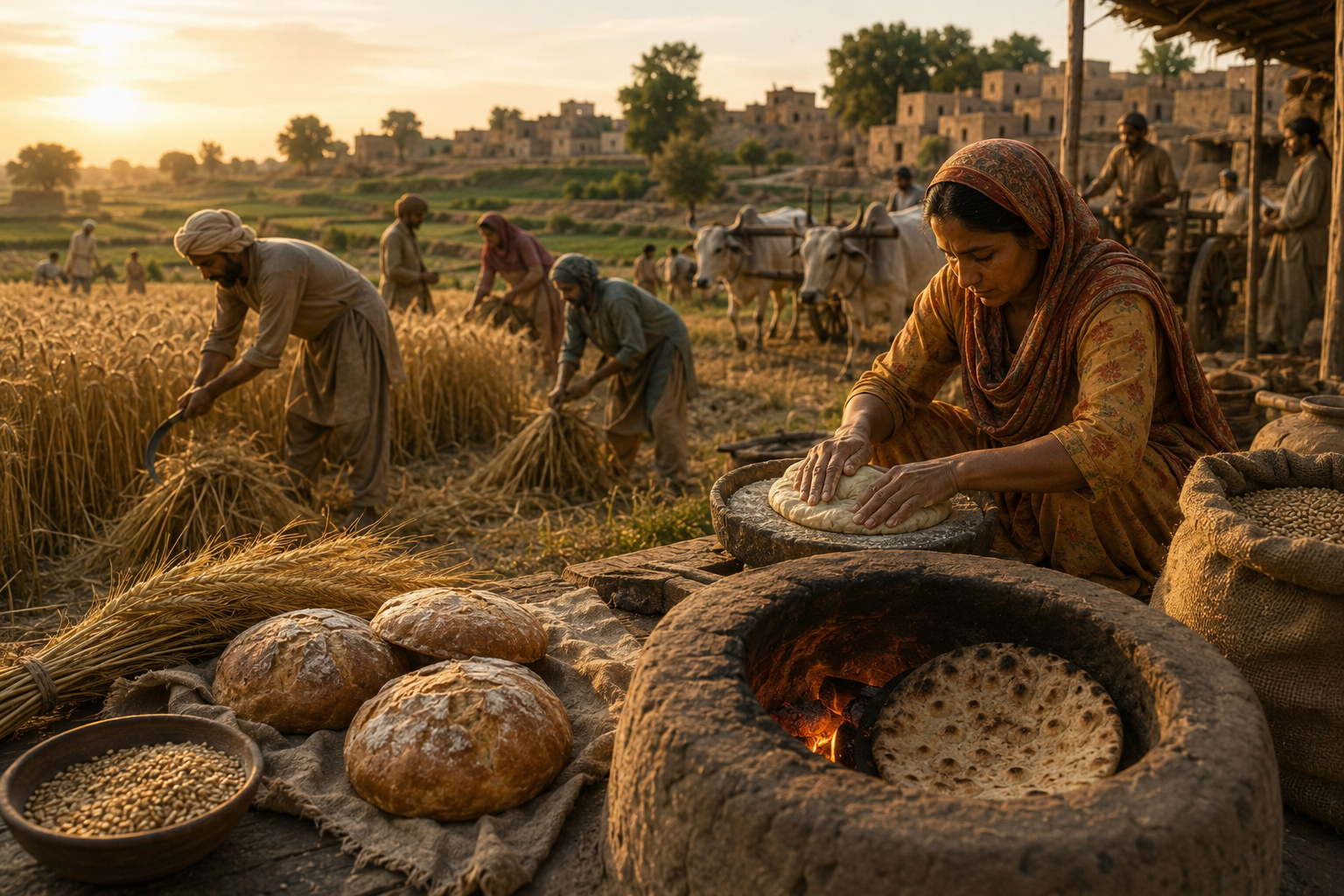
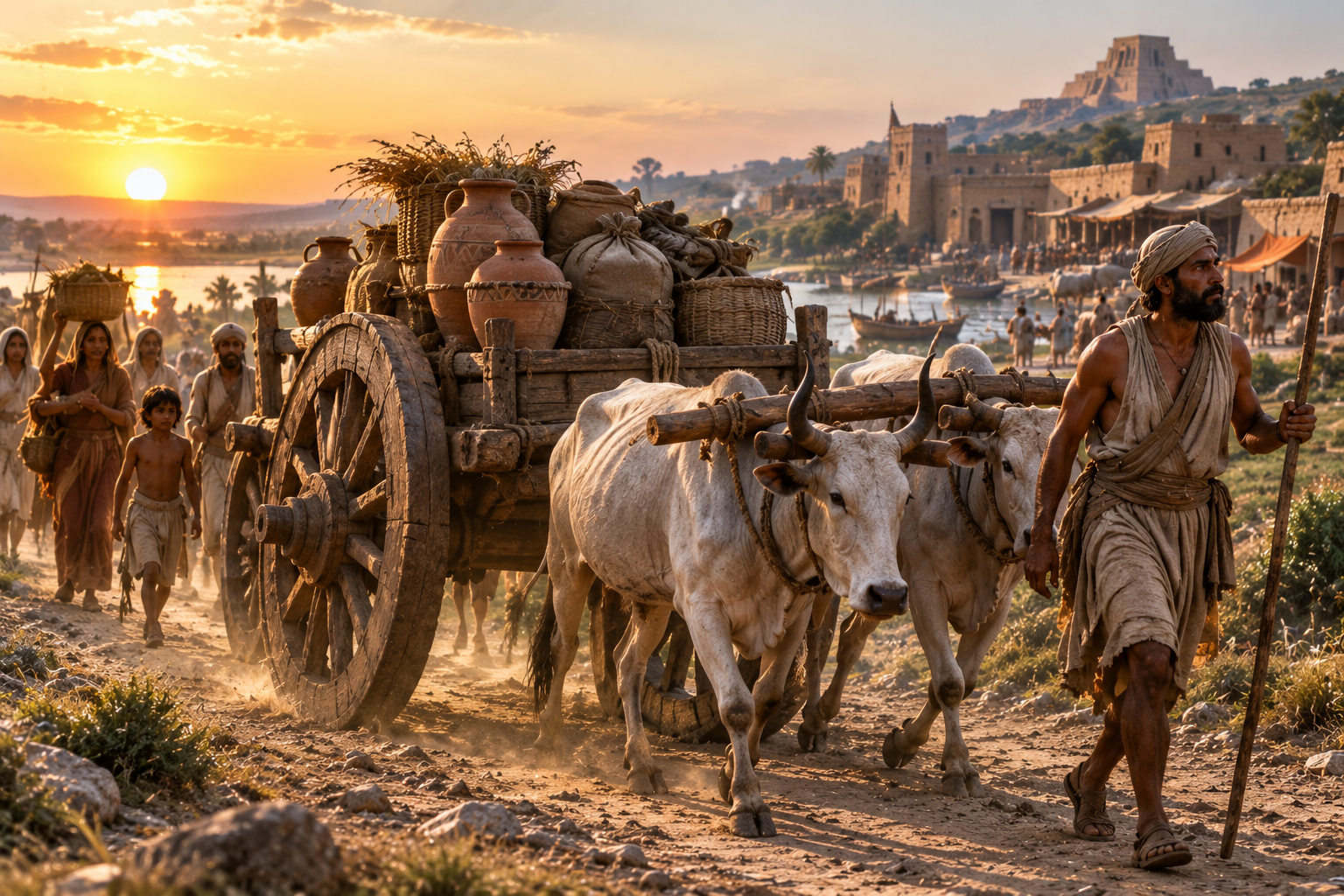
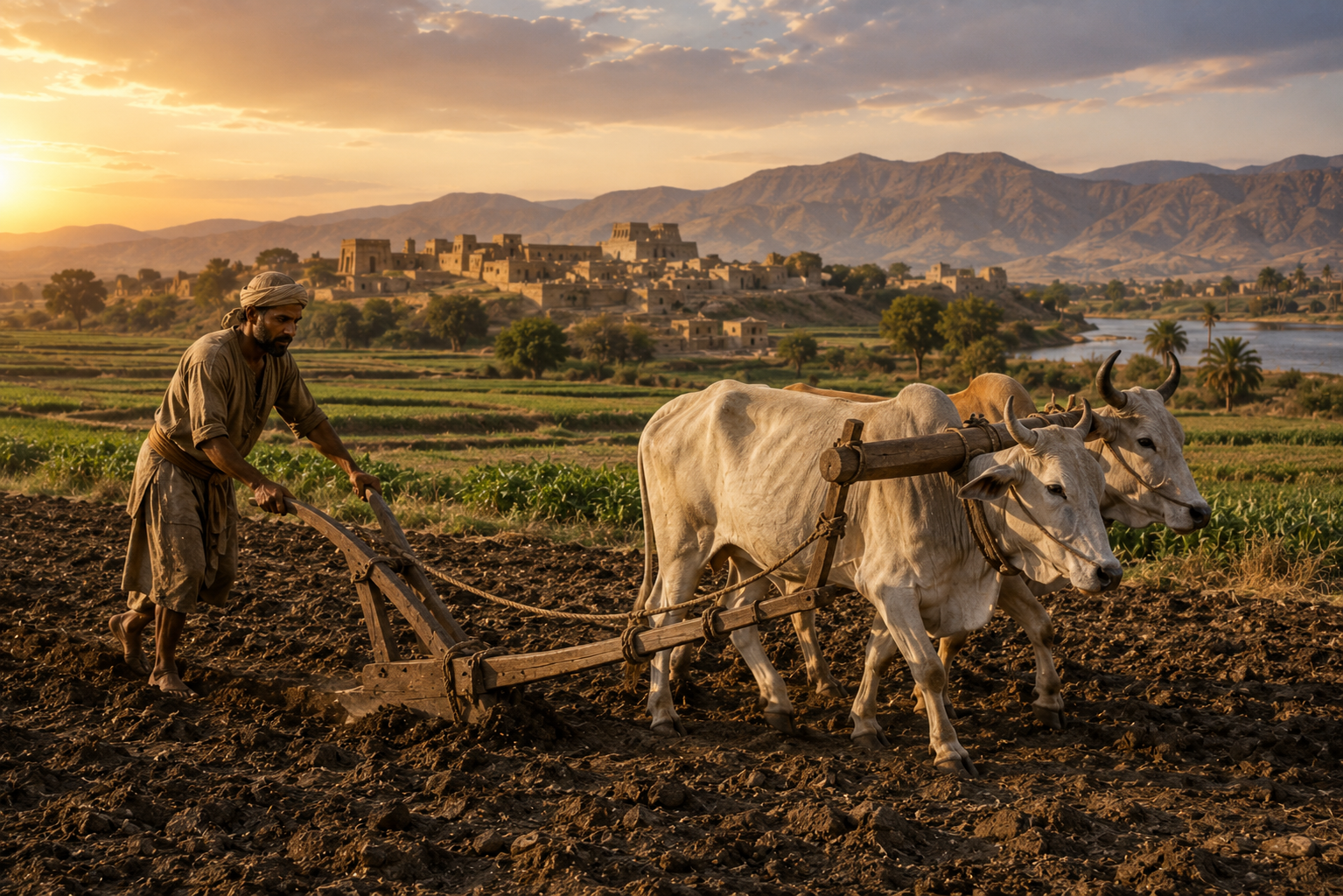
The Neolithic Revolution Explained. When Humanity Stopped Following Food For most of human existence, survival meant movement. People followed herds, ripeni
The Domestication of Animals Explained. The Partnership That Rewrote Human History
Human history is often told through tools, cities, kings and wars, but one of
The Metals That Built the Modern World
Iron and steel are so common in modern life that their historical strangeness is easy to forget. They hold bridges above rivers, reinforce…
The European Union emerged from the ruins of war, using economic cooperation, shared law and political institutions to turn rivalry into lasting peace.
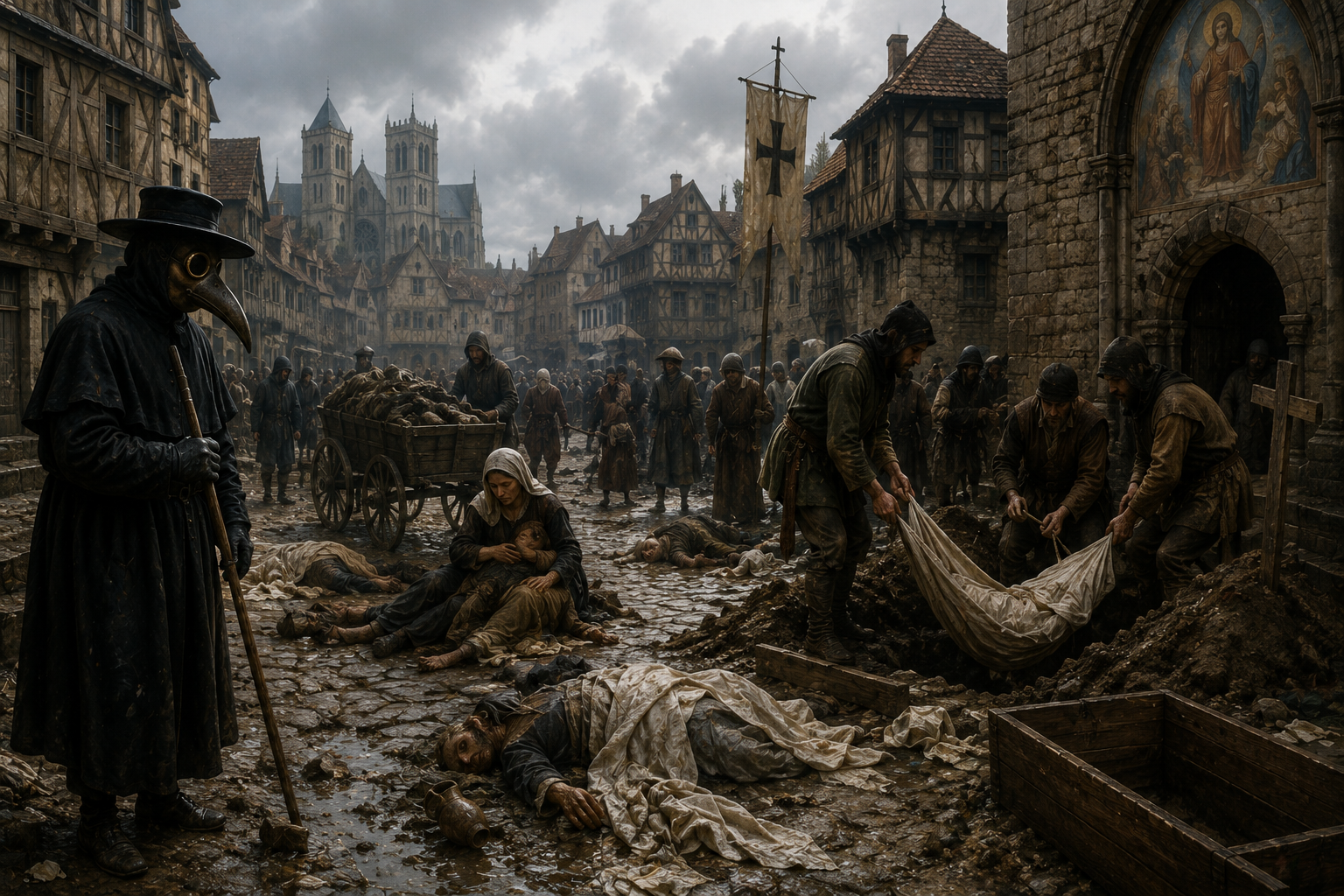
The History of Medicine Through the Ages. Every civilisation has had to answer the same terrifying question: what should human beings do when the body fails?...
The History of Astronomy: Origins and Evolution. The first observatory was not a building. It was the human eye looking up at the night sky and noticing that...
The History of Maps and Cartography. A map is never just a drawing. It is a decision about what matters, where power lies and how space should be understood.
Decolonisation transformed Asia and Africa as anti-colonial movements dismantled European empires and created new states facing difficult political and economic legacies.
Apartheid transformed racial prejudice into a system of law, land control and political exclusion before organised resistance dismantled white minority rule.
The Civil Rights Movement dismantled legal segregation, expanded voting rights and forced America to confront the gap between democratic ideals and racial inequality.
China’s Cultural Revolution mobilised youth against the party-state, unleashing ideological violence, institutional collapse and lasting social trauma.
The Great Depression shattered banks, trade and employment worldwide, transforming governments, weakening democracies and reshaping modern economic policy.
The Second World War emerged from broken treaties, economic crisis, fascist expansion, militarism and the failure of collective security to restrain aggression.
Opening Hook: When Civilisation Turned Its Systems Toward Murder
The Holocaust is not only a story of hatred. It is a story of what happens when a modern state turns law, bureauc…
The Second World War turned through battles, industrial power, intelligence and alliances that gradually shifted momentum from Axis expansion to Allied victory.
The atomic bombings of Hiroshima and Nagasaki ended the Second World War while opening a nuclear age defined by destruction, deterrence and moral uncertainty.
The United Nations emerged from the devastation of World War II, combining universal ideals with great-power authority to organise international peace and cooperation.
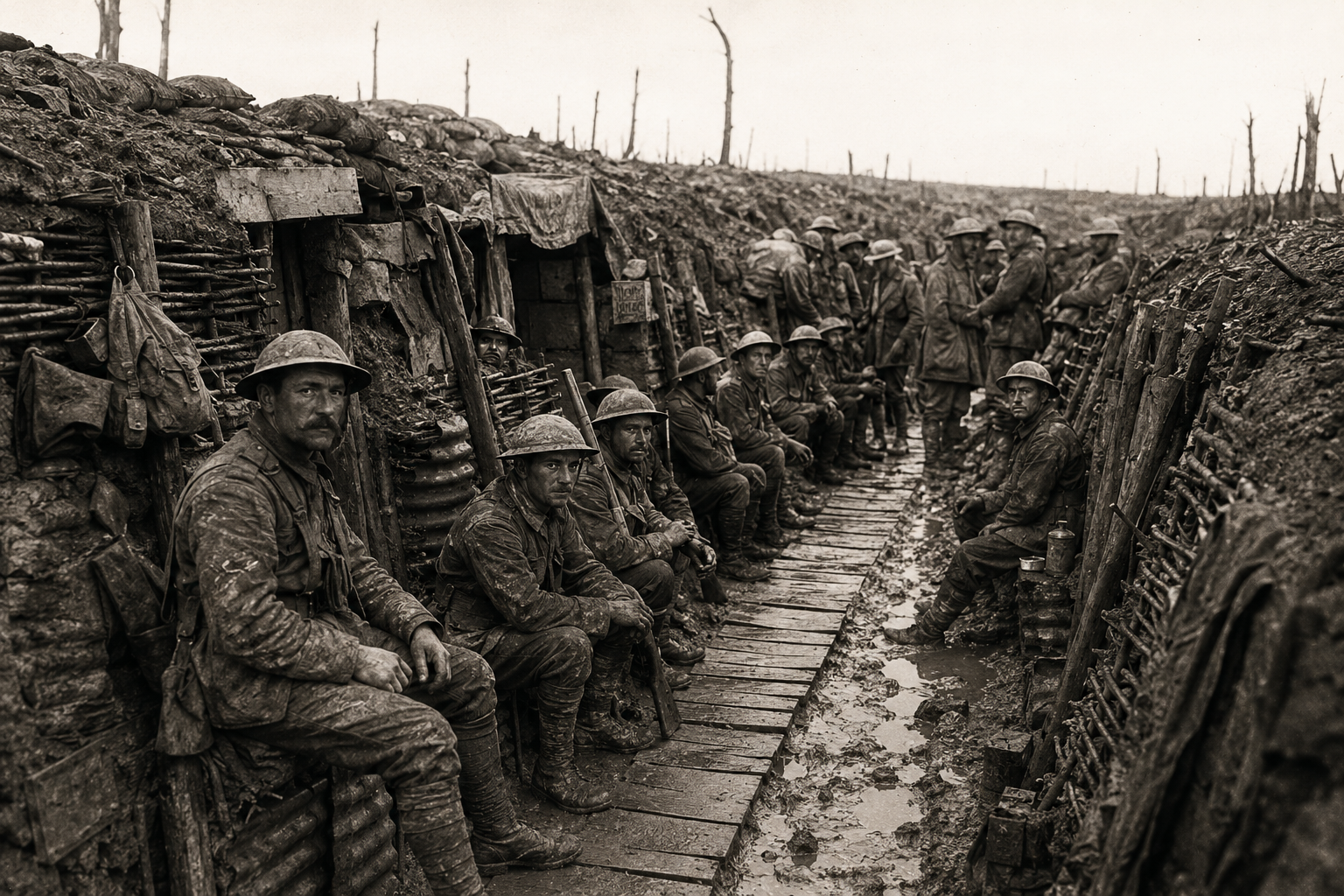
The First World War emerged from militarism, rival alliances, imperial competition, nationalism and a diplomatic crisis that turned one assassination into global catastrophe.
The Treaty of Versailles ended the First World War but failed to create lasting peace, leaving resentment, economic strain and fragile security across Europe.
Ancient Greek philosophy transformed myth into disciplined inquiry, asking enduring questions about truth, justice, knowledge, virtue and the good life.
The Code of Hammurabi: The First Laws. A King, a Stone and the Promise of Justice
In the Louvre Museum stands a dark stone monument more than two metres high,
How the Aztecs Built Their Floating City. A Capital That Rose From Water the story of Tenochtitlan begins with a paradox.
Enjoying the reporting?
We noticed an ad blocker. Ads keep our journalism free — please consider allowing them, or subscribe to our newsletter instead.
We use cookies to keep you signed in and to understand how readers use the site. See our Privacy Policy.