A Story That Refuses to Disappear
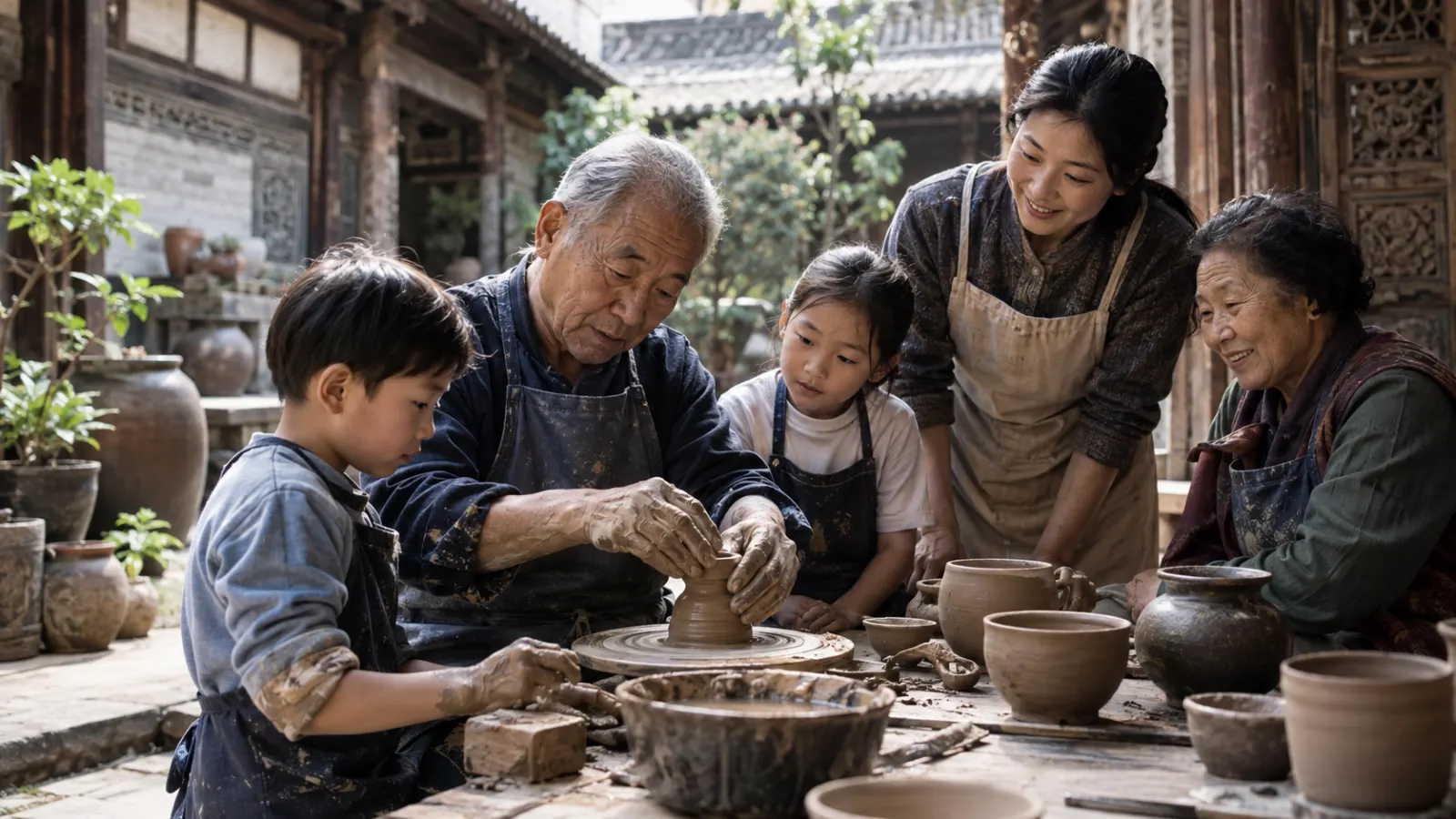
Some stories survive long after the circumstances that produced them have vanished. A ruined castle acquires a ghost. A mountain is associated with a heroic figure. A ruler who lived centuries ago becomes the subject of adventures impossible to verify. A frightening creature becomes inseparable from a town. A story told by grandparents is repeated by children who have never met the people in it.
At some point, such narratives may become legends.
A legend is not simply an old story. Its distinctive power comes from its relationship with belief, memory, people and place. Folklore includes traditional narratives, customs, beliefs and forms of expression transmitted orally, through imitation or through observation. Legends occupy one important part of that larger world.
They also occupy an uncertain territory between history and imagination. That uncertainty is one reason they endure.
What Is a Legend?
In everyday speech, the word legend has several meanings. An exceptionally successful athlete may be called a legend. So may a celebrated musician or political figure.
In folklore, however, the term is more precise. Legends are generally narratives connected in some way with people, places or events regarded as having existed—or at least as possibly having existed. That distinguishes them, although never perfectly, from stories whose setting is openly outside ordinary historical reality.
Folklorists themselves do not always draw identical boundaries between legends, myths, folktales and related genres. That ambiguity matters. A legend does not require the audience to accept every detail as literally true. What matters is that the narrative maintains some relationship with a world that listeners recognise.
A haunted bridge is a specific bridge. A legendary warrior may be associated with a historical kingdom. An apparition may supposedly have occurred on a known road. A folk hero belongs to a community's remembered past.
The narrative therefore asks a question that a fairy tale generally does not: could something like this have happened here?
Legend, Myth and Folktale Are Not the Same Thing
The categories often overlap, but they serve different analytical purposes. A myth commonly deals with fundamental questions about origins, gods, cosmology, sacred order or the relationship between human beings and the universe. A folktale may circulate primarily as a story, often without claiming a strong connection to a particular historical event. A legend tends to remain anchored to identifiable human society—its places, personalities, fears and memories.
These distinctions should not be treated as rigid boxes. Oral traditions change as stories travel, and the same narrative may function differently for different audiences. That instability is not a weakness. It tells us something important about storytelling itself: people do not inherit culture as a perfectly indexed archive. They inherit overlapping stories.
Legends Give Places a Second Geography
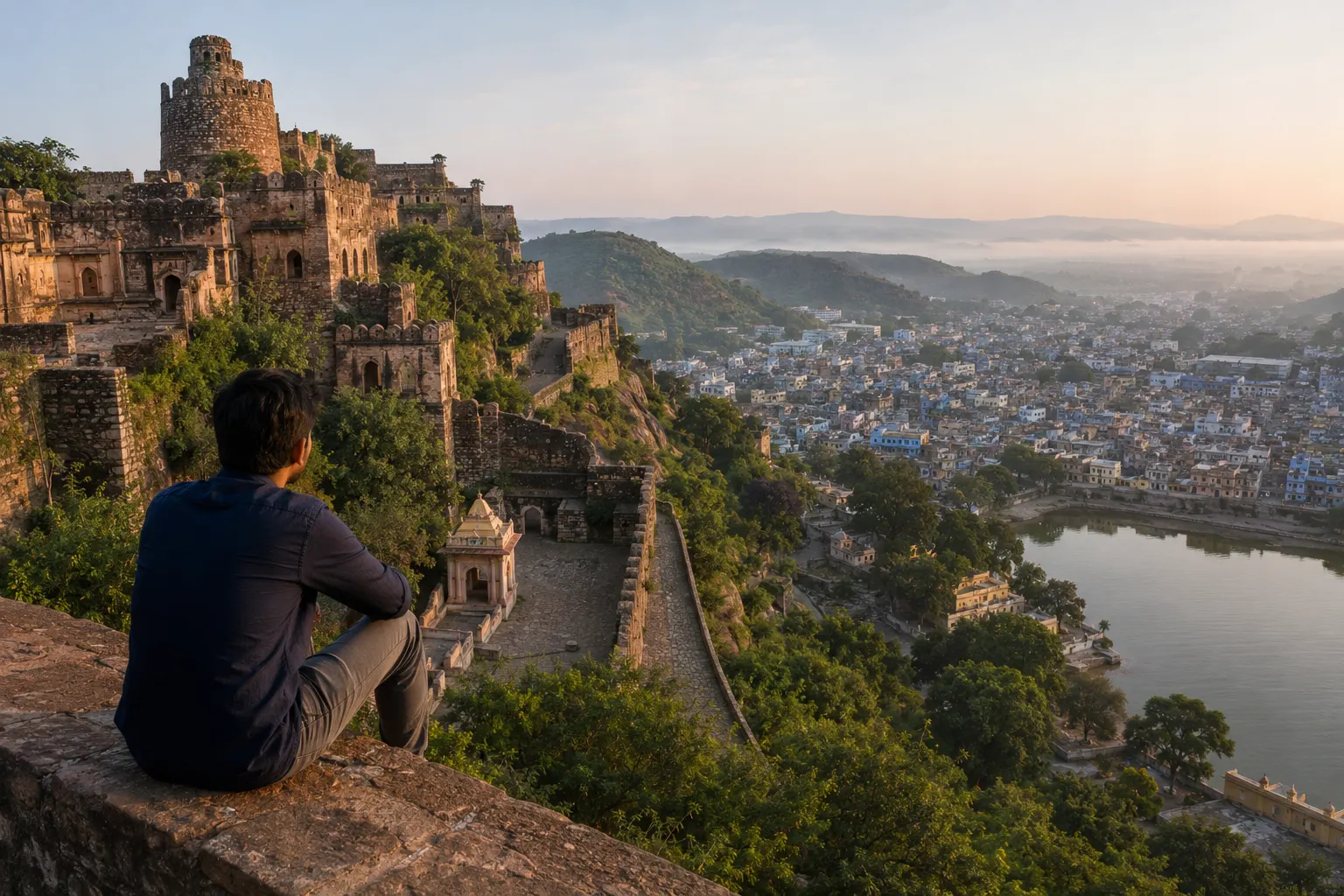
A map records roads, rivers and settlements. Legends create another map on top of it. A hill becomes the hill where a warrior supposedly slept. A lake acquires a monster. A building becomes associated with a ghost. A tree marks an encounter with a saint. A cave becomes the refuge of a rebel.
Once a story becomes attached to a landscape, the place is no longer merely physical. It becomes memorable. The historical question—Did this occur exactly as told?—is only one question. Another is: Why did this community continue telling it? That second question often reveals more.
Legends Store Social Memory
Before widespread literacy, recording technologies and institutional archives, much human knowledge travelled through speech. UNESCO includes legends among the many forms of oral tradition through which communities transmit knowledge, values and collective memory.
This does not mean oral traditions function like flawless recordings. Stories change. Names may be replaced. Events may be compressed. Motives may be simplified. Different episodes may become attached to one protagonist. A local conflict can become a heroic confrontation between good and evil.
From the standpoint of reconstructing exact events, these changes require caution. From the standpoint of understanding culture, however, the changes can themselves be evidence. They show what later storytellers thought worth preserving.
A Legendary Hero Is Often Larger Than a Biography
Historical people are complicated. Legendary people tend to become clearer. Generations of storytelling may transform a ruler into the ideal just king, a rebel into the embodiment of resistance, an outlaw into a defender of ordinary people, or a traveller into a supernatural adventurer.
The process removes some complexity and adds symbolic meaning. This is why legends should not automatically be used as biographies. A historical person and the later cultural figure bearing that person's name can become two different subjects. The historically recoverable individual belongs to archival inquiry. The legendary figure belongs to cultural history. Often both matter.
Why Exaggeration Helps a Story Survive
Human memory does not treat every detail equally. A memorable narrative usually contains something that makes it worth repeating: danger, injustice, humour, transformation, betrayal, courage, mystery or an unexpected reversal.
Legends intensify those features. An unusually strong person becomes impossibly strong. A clever escape becomes miraculous. A frightening animal becomes monstrous. A successful leader is credited with achievements accumulated across several generations.
Such exaggeration makes the narrative easier to retell, but its purpose is not always deception. In traditional storytelling, exaggeration can express significance rather than measurement. The story is effectively saying: this person mattered so much that ordinary language seems inadequate.
Legends Carry Moral Arguments
Many legends contain implicit judgements. The hospitable stranger is rewarded. The arrogant ruler is punished. The loyal companion is remembered. The person who violates a taboo encounters disaster. The unjust official is defeated by a clever commoner.
These patterns allow societies to communicate expectations without presenting them as formal rules. But legends should not be reduced to simple moral instruction. Some preserve contradictions rather than resolve them. A legendary outlaw can be criminal and hero simultaneously. A conquering king can represent glory to one community and destruction to another.
Every Retelling Is Also an Interpretation
An oral narrative is never merely transferred. It is performed. The storyteller chooses emphasis, pace, language and detail. Listeners bring expectations of their own. New political circumstances may change how an old hero is understood.
This is one reason oral traditions remain living rather than frozen. UNESCO's concept of intangible cultural heritage emphasises practices and expressions transmitted across generations but continually recreated by communities in response to their environments and histories.
Printing Did Not Kill Legends
It changed them. Stories that once circulated mainly through performance entered chronicles, collections, schoolbooks, newspapers, novels and eventually film, television and the internet.
Recording a story can preserve one version, but publication also gives that version new authority. Modern mass media accelerate the cycle. A local story can become nationally known. Tourism can popularise it. Film can reshape it. Social media can generate new variants at enormous speed.
The medium changes. The human appetite for meaningful stories does not.
Urban Legends Show That Legends Are Not Relics
Legends are sometimes treated as survivors of an older, supposedly more superstitious world. That assumption is difficult to sustain. Contemporary societies continuously generate stories about mysterious crimes, dangerous technologies, unexplained sightings, poisoned products, hidden conspiracies and extraordinary coincidences.
Some move through conversation; others spread through messaging apps or social networks. Their subjects are modern, but their narrative logic is familiar. They make uncertainty manageable by converting it into a story.
Legends Can Preserve Memory—and Distort It
Their durability also creates a problem. A compelling story may become more familiar than the historical evidence. Repeated narratives can turn doubtful claims into assumed facts. Later embellishments can become attached to genuine events. Politicians, nationalist movements, commercial organisations or tourist industries may selectively promote legends that serve present interests.
Responsible treatment therefore requires two questions at once: What does the evidence show? And what does the story mean to the people who tell it? Neither question should replace the other.
Why Legends Endure
Legends survive because they solve several human problems simultaneously. They make places meaningful. They transform abstract values into memorable characters. They compress complex histories into tellable narratives. They connect generations. They permit communities to remember triumphs, traumas, fears and aspirations.
And because legends are flexible, they can change enough to remain useful. A story may begin with a battle, an unexplained death or an extraordinary person. Centuries later, much of its historical foundation may be impossible to reconstruct. Yet the legend continues.
Sometimes the most revealing fact about a legend is not whether every event in it happened. It is that people decided the story was worth telling again.