A Civilisation Heard Before It Was Written
Indian civilisation did not preserve memory only through stone, inscription, manuscript or monument. It also preserved memory through sound. Long before music was treated as entertainment, it functioned as ritual discipline, philosophical expression, community identity and emotional training. A chant could carry sacred knowledge across generations. A drum rhythm could announce a festival, a battle, a procession or a harvest. A melody could hold longing, devotion, heroism, erotic tenderness, grief or surrender. The history of Indian music is therefore not a narrow story of songs and instruments. It is a history of how a civilisation organised time, emotion and sacred meaning through sound.
What makes Indian music distinctive is not merely its antiquity, but the seriousness with which it connected sound to order. The idea that specific tones, modes and rhythms could shape consciousness became central to both classical and devotional traditions. Indian music did not develop only in royal courts; it grew in temples, monasteries, village festivals, Sufi shrines, theatre traditions, household rituals, nomadic communities and later recording studios. It is one of the rare musical civilisations where elite theory and popular participation constantly interacted.
Vedic Chant and the Sacred Authority of Sound
The earliest deep layer of Indian musical history is associated with Vedic recitation. In Vedic culture, sound was not decorative. It was sacred action. The correct pronunciation, accent and tonal pattern of a mantra mattered because the spoken word was believed to carry ritual force. The Sama Veda is especially important in this story because it organised portions of Vedic material into melodic chant. Here, the boundary between prayer, memory and music was fluid.
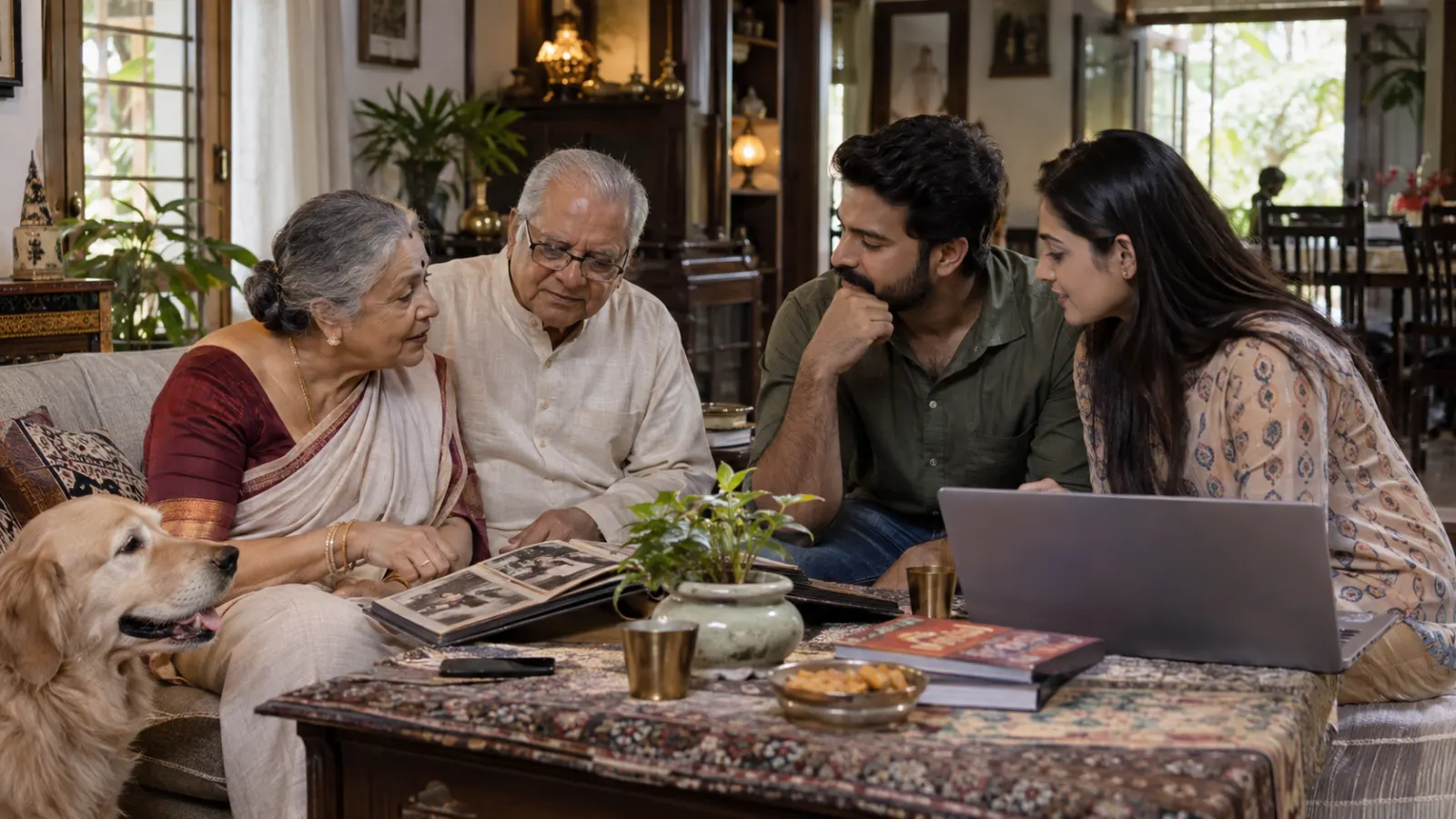
Vedic chant also shows the Indian concern with oral precision. Knowledge could survive without printing only if the human body became a disciplined archive. Teachers trained students not simply to remember words, but to preserve accent, breath and sequence. This created a tradition in which music was linked to pedagogy, discipline and transmission. The later Indian fascination with guru-shishya parampara, or teacher-disciple lineage, cannot be fully understood without this early oral culture.
The Emergence of Raga and Tala
As musical traditions expanded, Indian thinkers developed concepts that allowed music to move beyond fixed chant into creative elaboration. Two of the most important ideas were raga and tala. A raga is not simply a scale. It is a melodic framework with characteristic movements, emotional colour, ascending and descending patterns, key phrases and associations with mood or time. Tala is not merely beat. It is a cyclical rhythmic structure that gives music a disciplined architecture.
Together, raga and tala allowed Indian music to combine order with improvisation. The musician did not compose in a vacuum. The artist entered a framework and then revealed personality within it. This explains why Indian classical performance can feel both ancient and immediate. The raga carries inherited grammar; the performer brings living imagination. The tala creates structure; the percussionist and vocalist create tension, release and dialogue within that structure.
Temple, Court and Community: Three Worlds of Patronage
Indian music grew through multiple patronage systems. Temples supported ritual music, devotional singing and dance-drama traditions. Courts encouraged technical refinement, virtuosity and prestige. Communities sustained folk songs, work songs, wedding songs, lullabies, seasonal songs and oral epics. These worlds were not sealed from one another. Courtly music borrowed from devotional forms; folk melodies influenced classical ragas; temple repertoires shaped dramatic and dance traditions.
The temple gave music a sacred function. The court gave it professional refinement. The village gave it collective memory. This triple foundation made Indian music unusually resilient. Even when dynasties declined or political regimes changed, the musical ecosystem continued because it was not dependent on a single institution.
The Hindustani and Carnatic Streams
Over time, Indian classical music developed into two major streams: Hindustani music in northern India and Carnatic music in southern India. This division did not arise overnight, nor should it be treated as an absolute civilisational break. Both traditions share deep concepts such as raga, tala, improvisation and guru-based training. Yet each evolved distinct aesthetics, repertoires and performance practices.
Hindustani music absorbed influences from temple, courtly, devotional and Indo-Persian environments. The khayal, dhrupad, thumri and other forms reflect different histories of discipline, imagination and emotion. Carnatic music developed a highly structured compositional culture associated with great composers, devotional lyrics and intricate rhythmic systems. Its concert format eventually stabilised around varnams, kritis, alapana, neraval, swara improvisation and rhythmic elaboration. The contrast between Hindustani and Carnatic traditions is not a contrast between purity and mixture. It is a contrast between two sophisticated ways of organising musical inheritance.
Bhakti, Sufism and the Democratization of Musical Devotion
The Bhakti and Sufi movements transformed Indian music by deepening its emotional and social reach. Bhakti poets used regional languages and intense devotional lyrics to make spiritual expression accessible beyond Sanskritic elite circles. Songs associated with figures such as Mirabai, Tukaram, Surdas, Kabir, Andal and the Alvars and Nayanmars carried theology into the language of longing, surrender and protest.
Sufi traditions, especially in the subcontinent, gave musical expression to mystical love, remembrance and spiritual fellowship. Qawwali at shrines became a powerful form of collective listening and participation. These movements made music a bridge across caste, class and linguistic boundaries. They also showed that music could challenge religious formalism without abandoning spiritual depth. In many ways, Indian devotional music became a public philosophy of emotion.
Instruments as Civilisational Technologies
The history of Indian music is also a history of instruments. The veena, sitar, sarod, sarangi, shehnai, bansuri, mridangam, tabla, pakhawaj, tanpura and numerous folk instruments carry stories of regional skill, material craft and changing aesthetics. Instruments are not neutral tools. They shape what music can become. The tanpura, with its continuous drone, creates the sonic ground on which raga unfolds. The tabla offers rhythmic conversation, improvisation and precision. The veena carries symbolic associations with knowledge, Saraswati and refined musical culture.
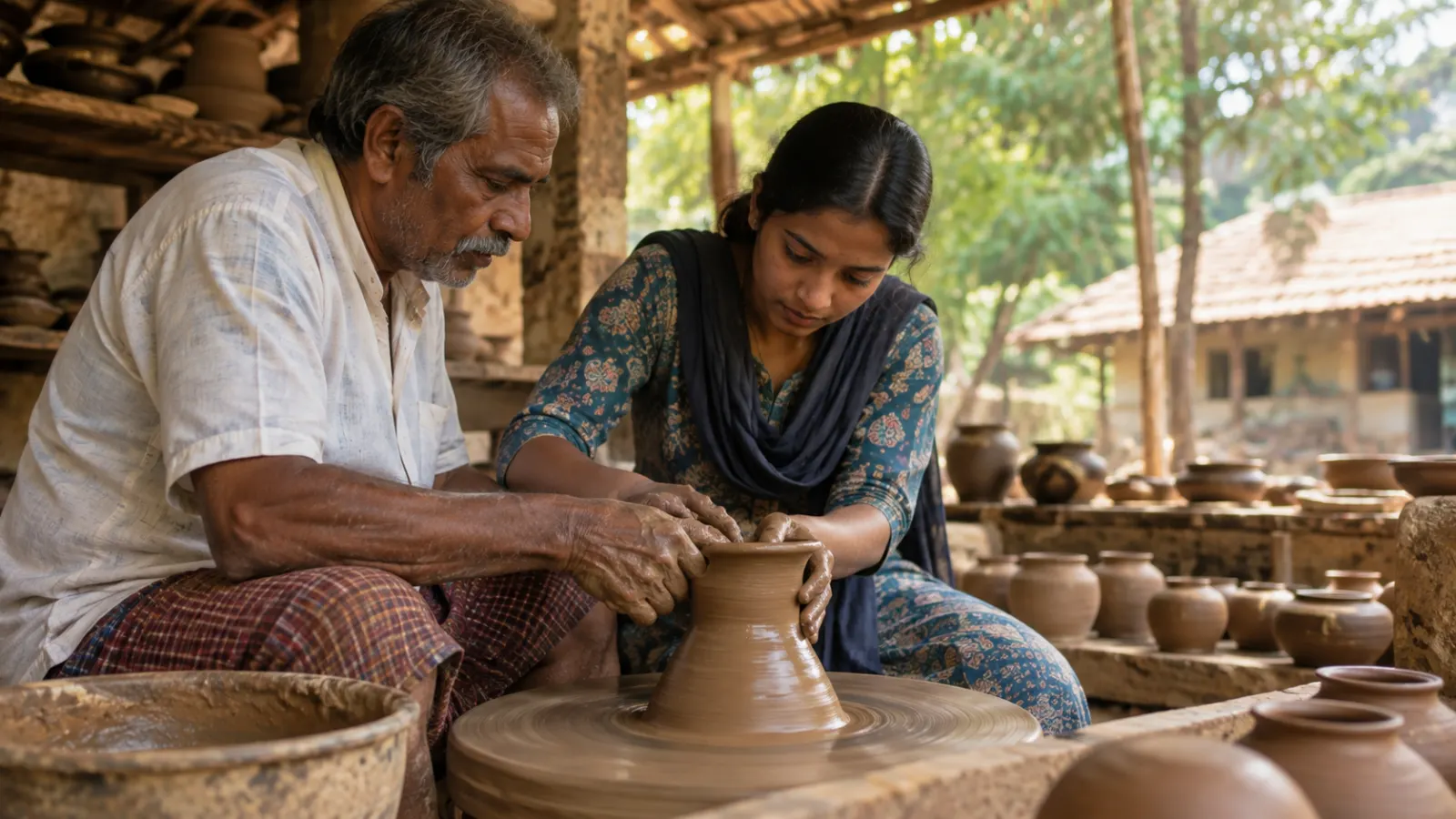
Instrument-making required metallurgy, woodcraft, skin preparation, gourd selection and acoustical intuition. Thus, the musician depended on the artisan. The performance depended on invisible labour. A history of music that ignores instrument makers misses the material foundation of sound.
Colonial Modernity, Print and Recording
The colonial period altered Indian music in complex ways. Older patronage systems weakened as princely courts lost political authority. At the same time, print culture, urban associations, music conferences, gramophone recording and later radio created new publics. Classical music moved from intimate courts and temples into ticketed halls, public sabhas and broadcast formats. The modern idea of the concert was itself a historical transformation.
Recording technology changed musical duration and style. A raga that once unfolded slowly for hours had to be compressed into a few minutes for early gramophone records. Radio helped standardise repertoires and create national audiences. Institutions such as music academies and universities introduced new forms of pedagogy alongside the older guru-shishya model. Modernity did not destroy Indian music; it changed the conditions under which musical authority was recognised.
Cinema and the Popular Imagination
In the twentieth century, cinema became one of the most powerful vehicles of Indian music. Film songs drew from classical ragas, folk melodies, devotional idioms, ghazal traditions, Western orchestration and modern studio techniques. This hybrid character made film music a mass archive of Indian emotion. Millions who never attended a classical concert encountered ragas, semi-classical forms and poetic traditions through cinema.
Cinema also blurred the line between elite and popular music. Classical musicians sometimes contributed to films; playback singers became national icons; regional film industries created distinctive sound worlds. The result was not merely commercialization. It was the creation of a shared musical vocabulary across linguistic and social differences.
Debates: Purity, Innovation and Ownership
Indian music has always generated debate. Some argue that classical traditions must be protected from dilution. Others insist that survival requires adaptation. Some debates concern the place of women performers, hereditary musician communities, caste hierarchies, religious identity and the role of institutions in defining what counts as classical. The word tradition can preserve excellence, but it can also hide exclusion.
The most thoughtful approach recognises that Indian music has never been static. It has absorbed, transformed and reinterpreted influences across centuries. The challenge is not to freeze music in the name of authenticity, nor to commercialise it without memory. The challenge is to innovate with knowledge.
Legacy: India as a Sonic Civilisation
Its greatest legacy is not any single style, instrument or composer. Its legacy is a way of thinking: that sound can discipline the mind, unite a community, hold grief, elevate devotion and make time itself meaningful. Indian music continues because it has never belonged to one institution alone. It belongs to the teacher, the student, the shrine, the stage, the cinema hall, the festival ground and the private listener who finds in a phrase of melody a history larger than the self.