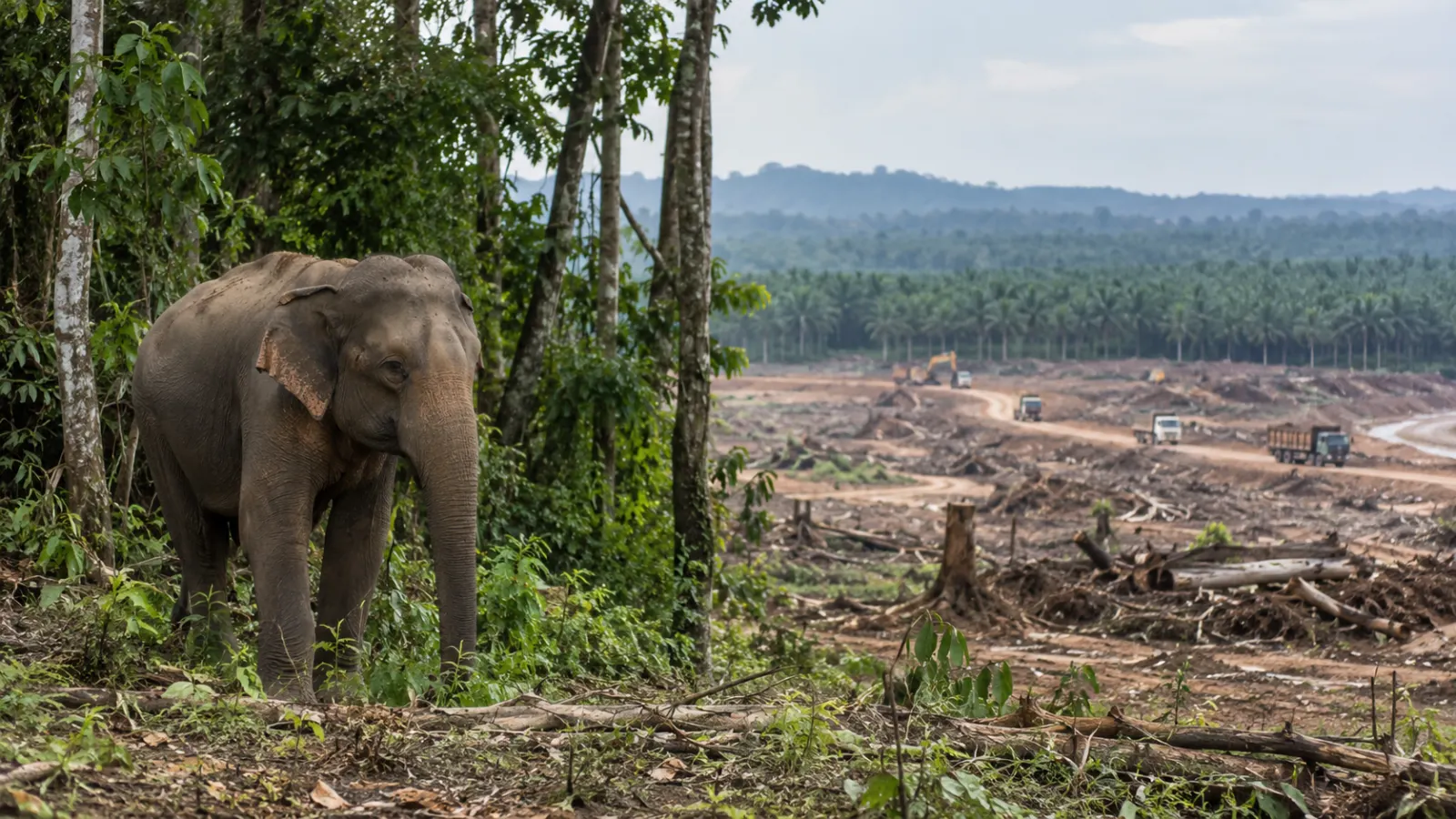
Why species go extinct usually involves a chain of pressures, including habitat loss, exploitation, invasive species, climate change and small populations.
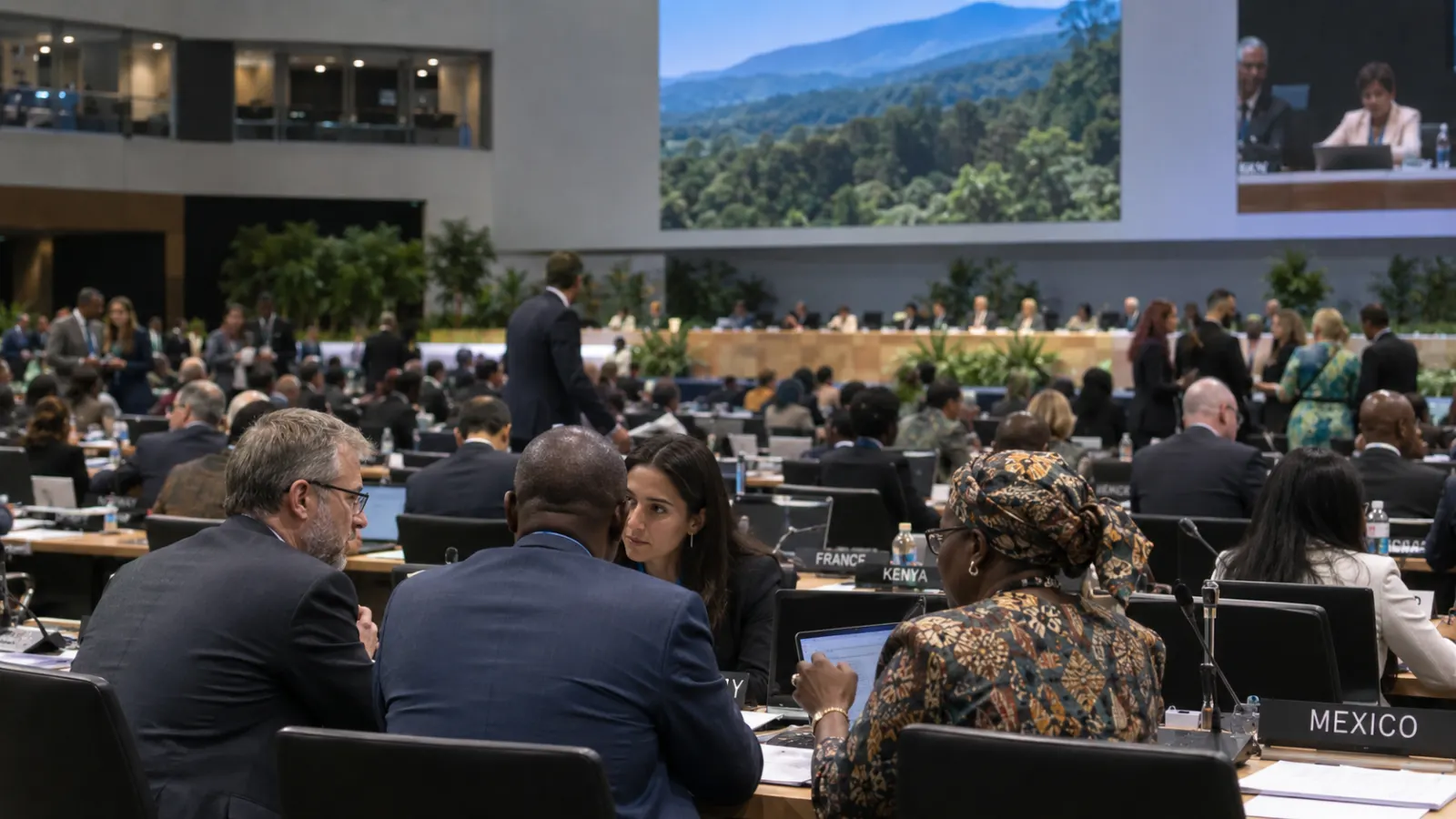
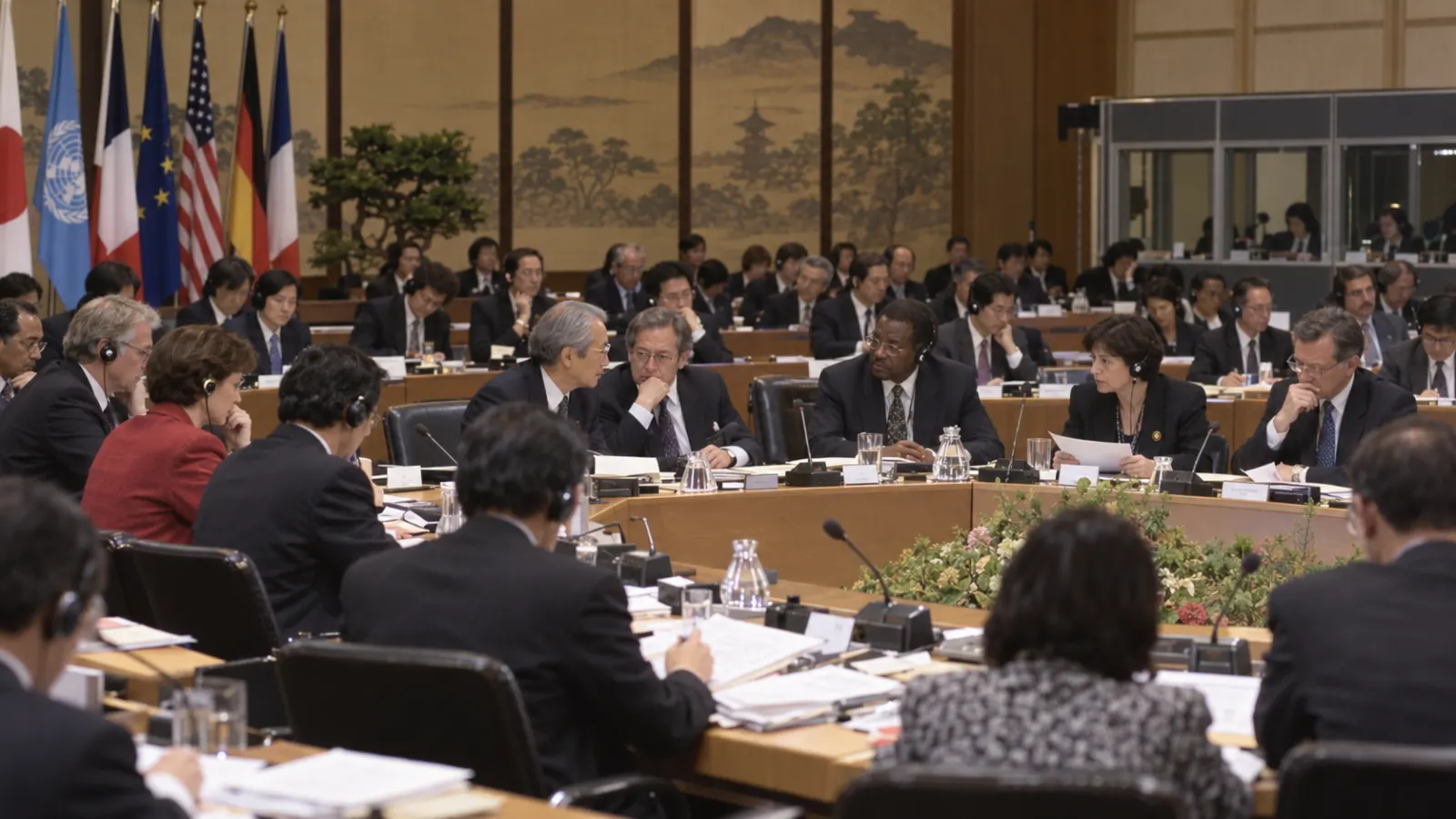
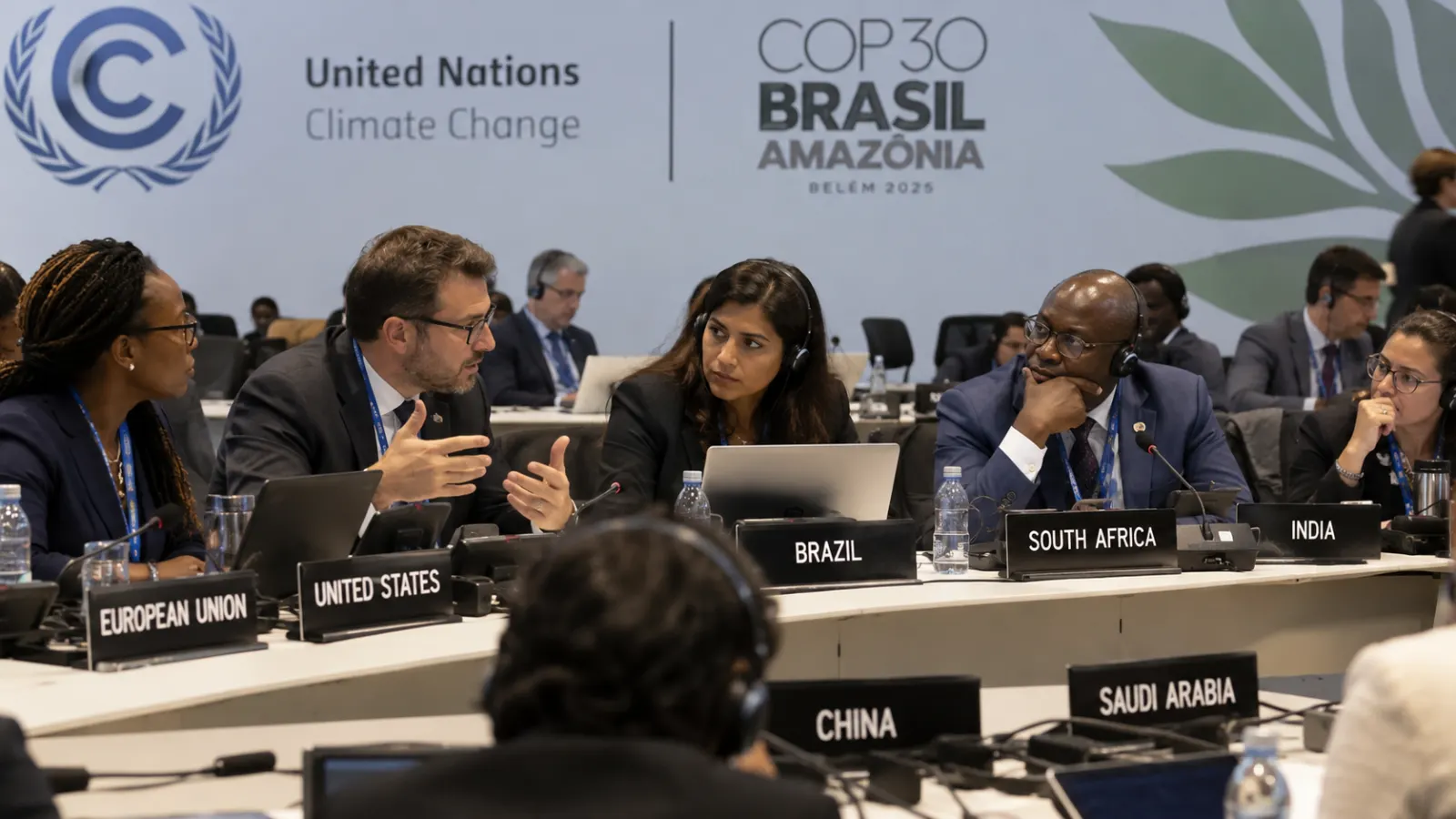
The role of the United Nations in climate change is to coordinate treaties, negotiations, reporting, science and finance—not govern national climate policy.
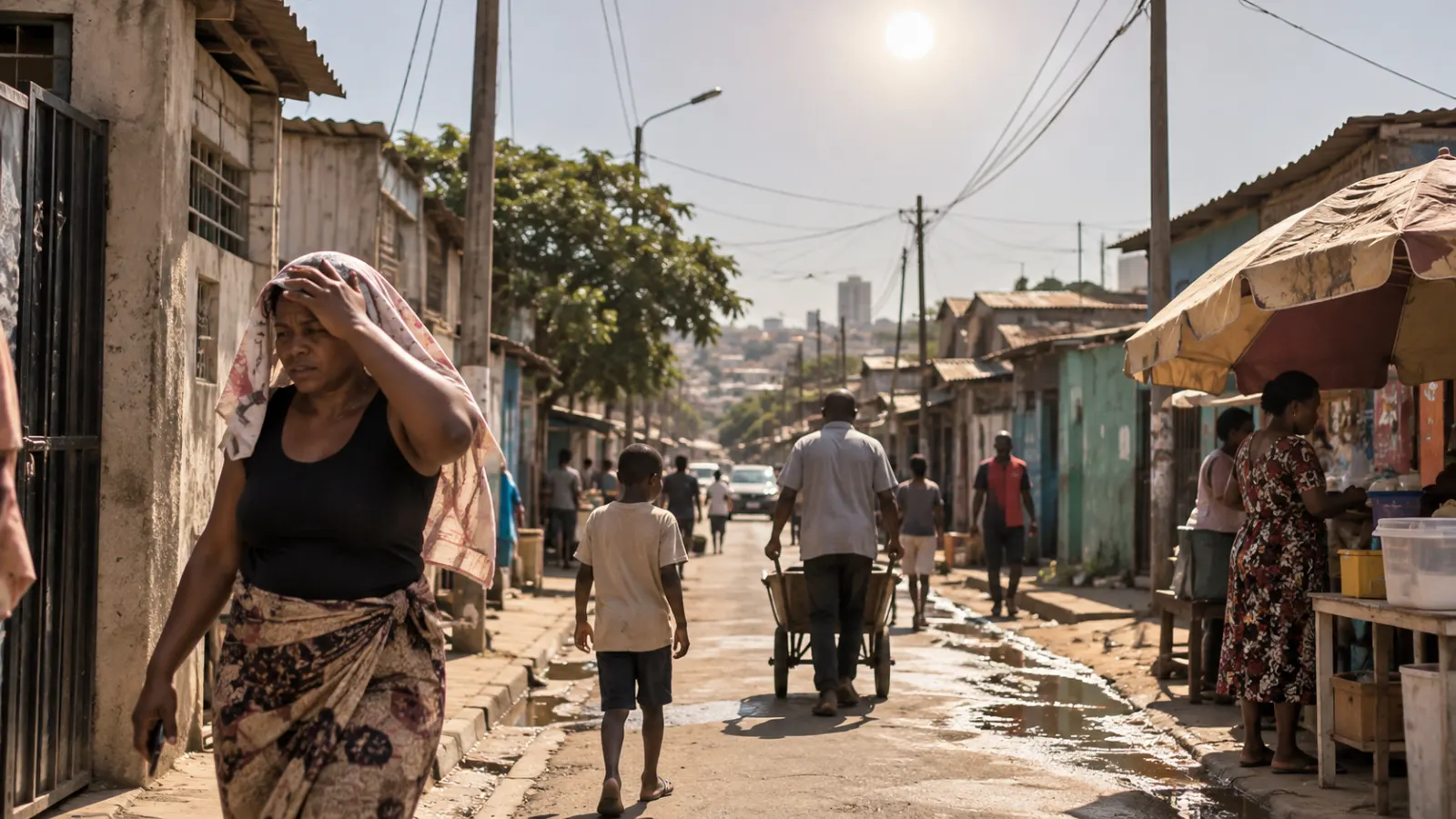
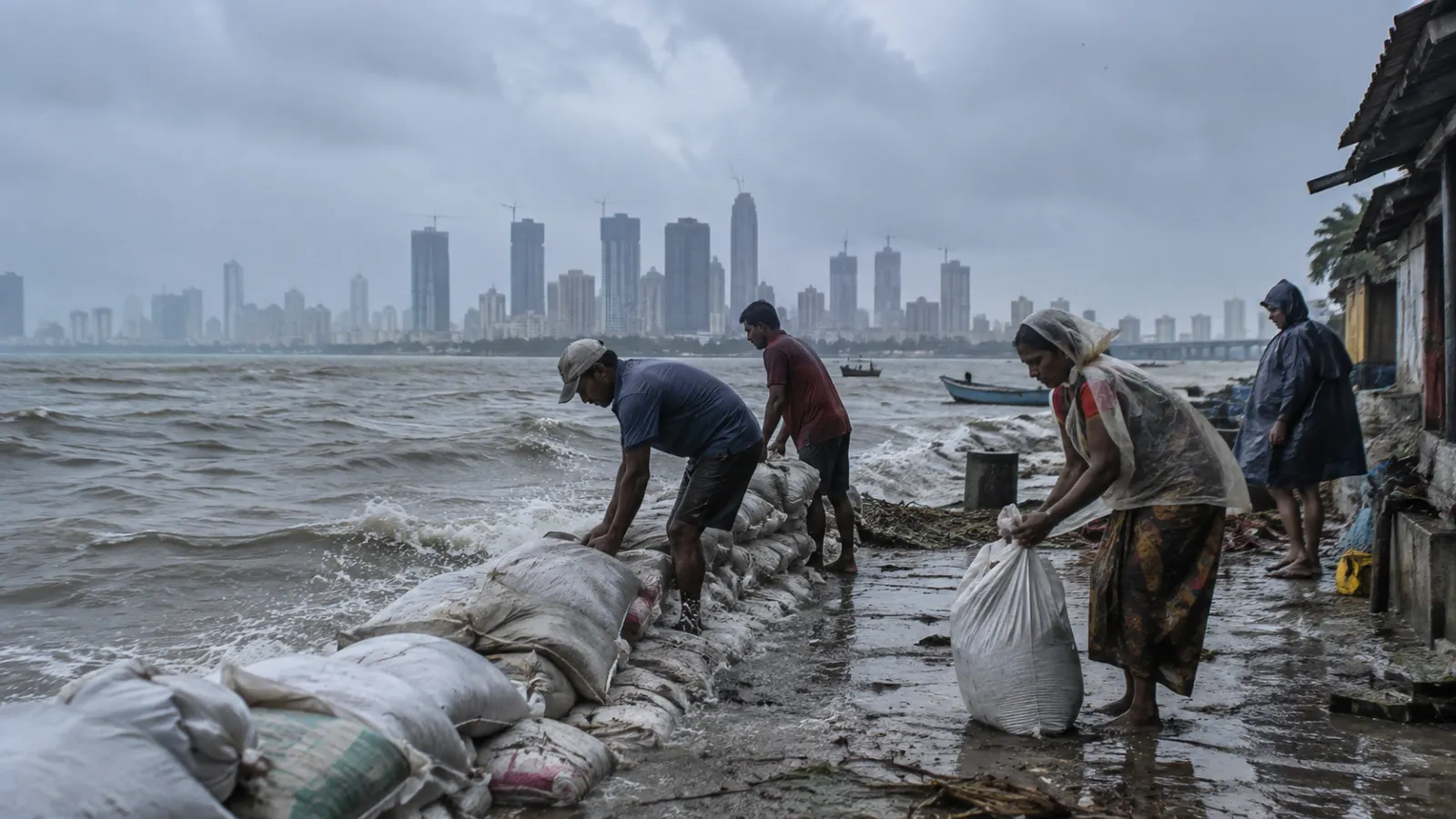
Climate change and poverty interact through housing, livelihoods, health, infrastructure and recovery capacity, leaving poorer households with fewer options after shocks.
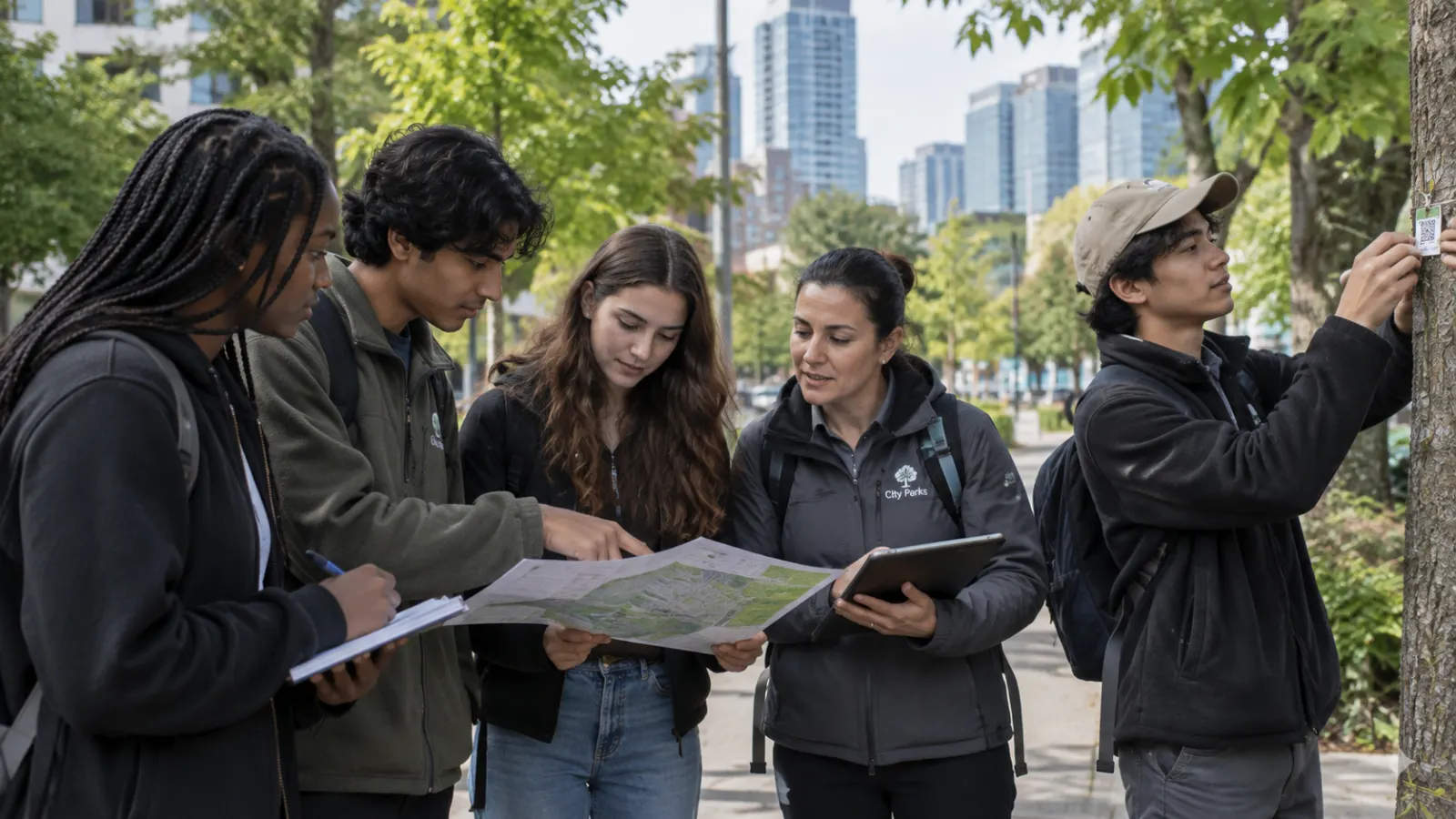
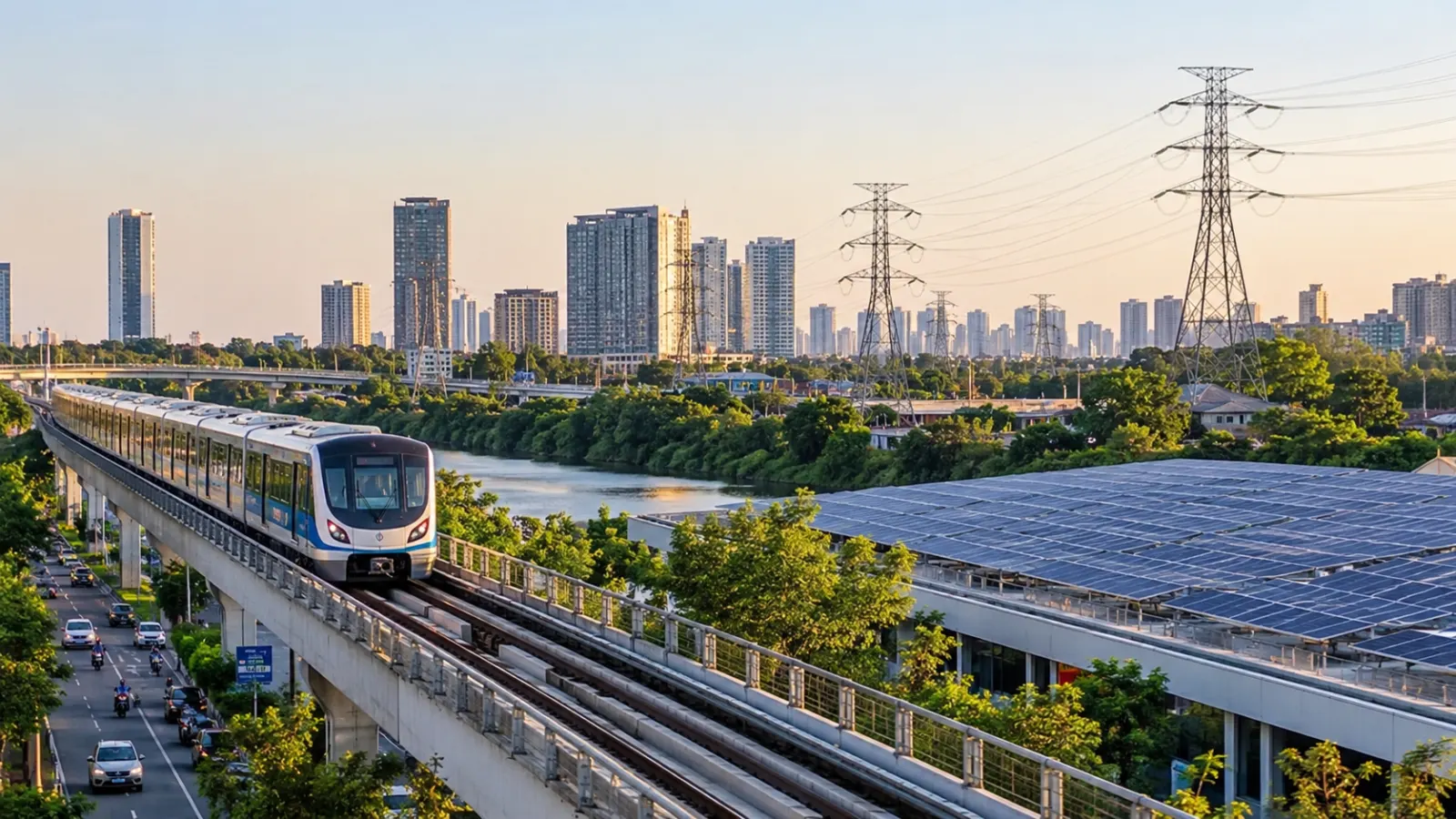
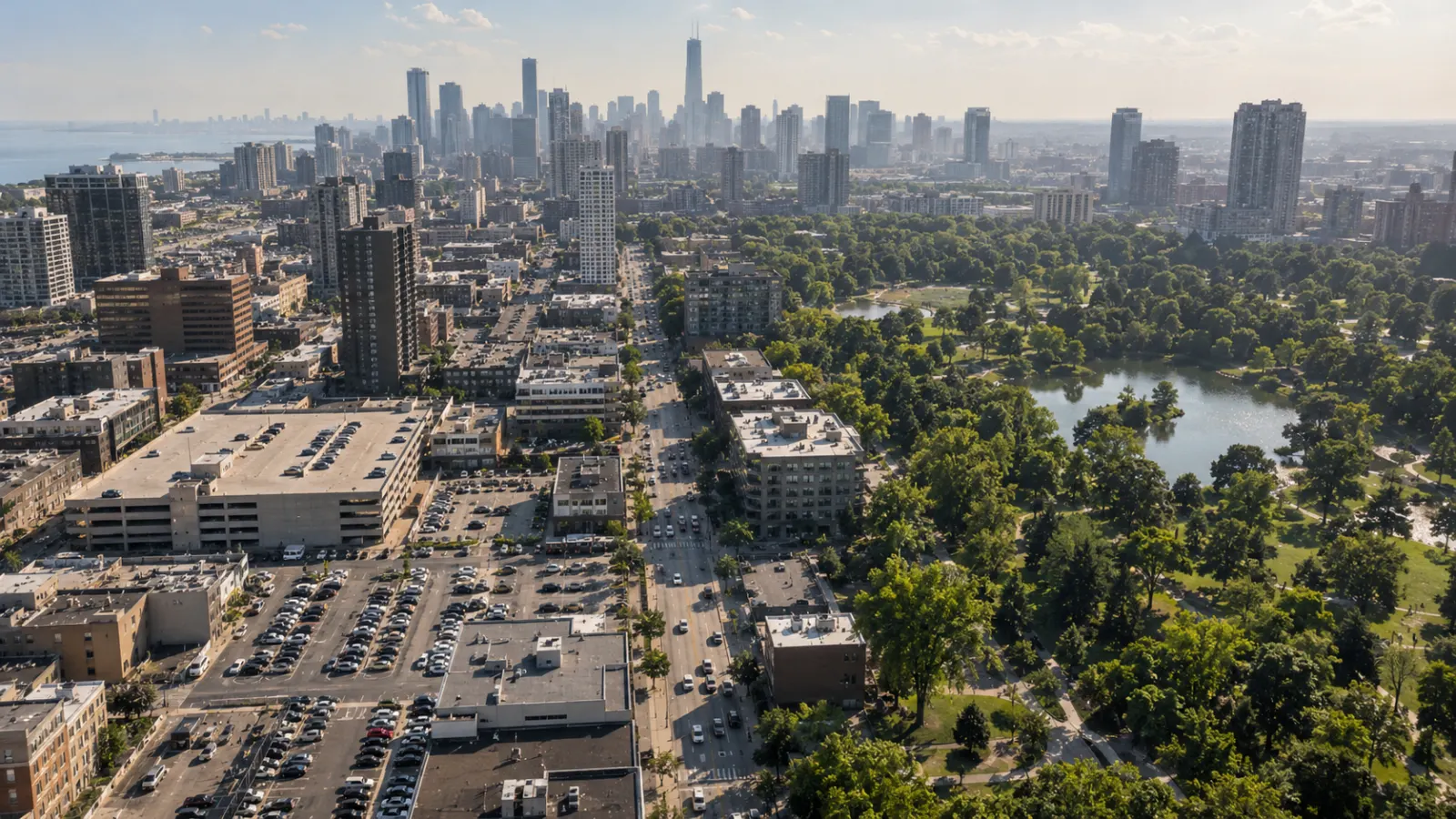
The power of consumer choices is real but limited by price, infrastructure and available options. Learn where individual action can make the biggest difference.
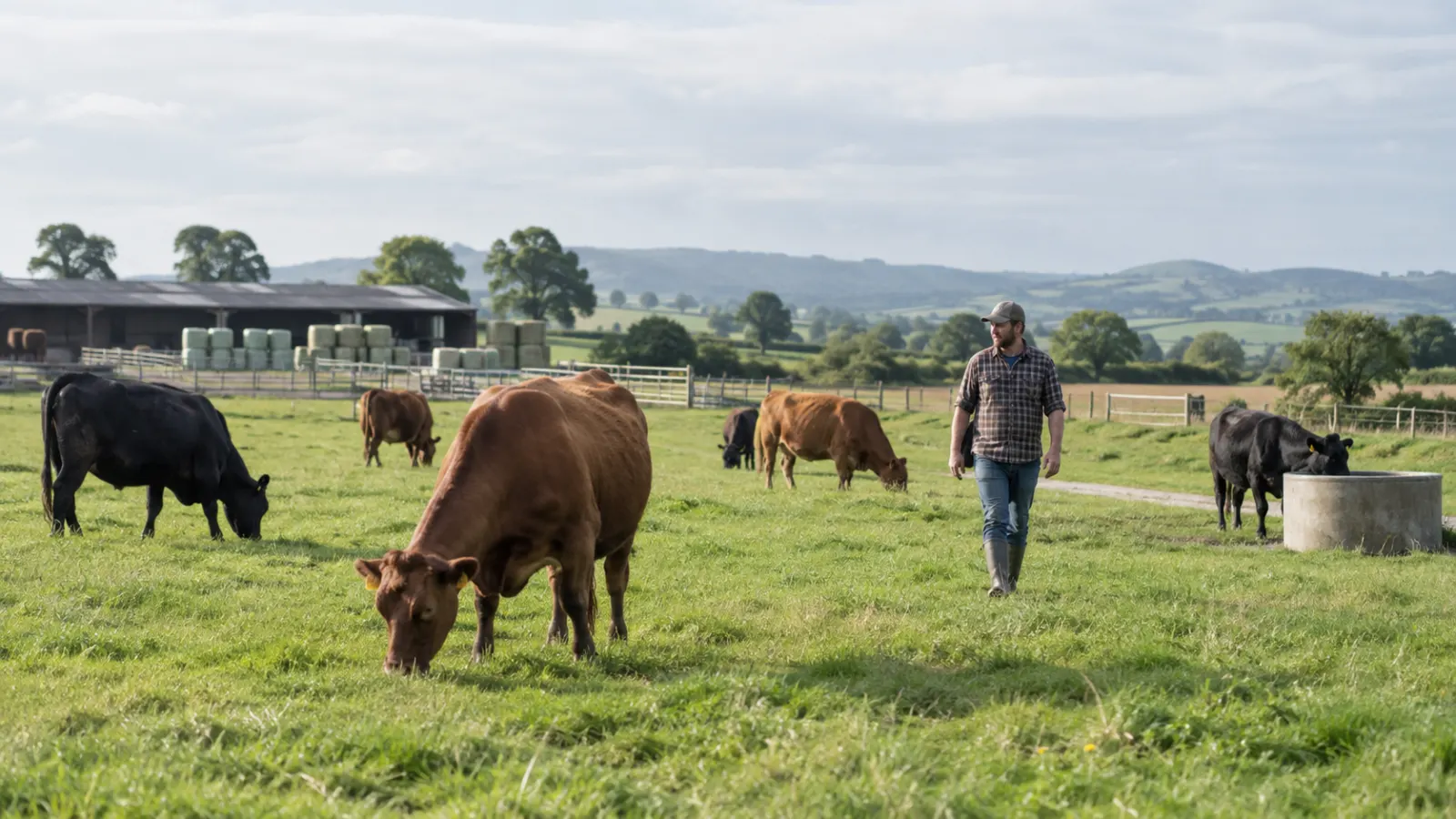
The environmental impact of meat production includes methane, land, feed, water and manure. Learn why species and farming systems change the footprint.
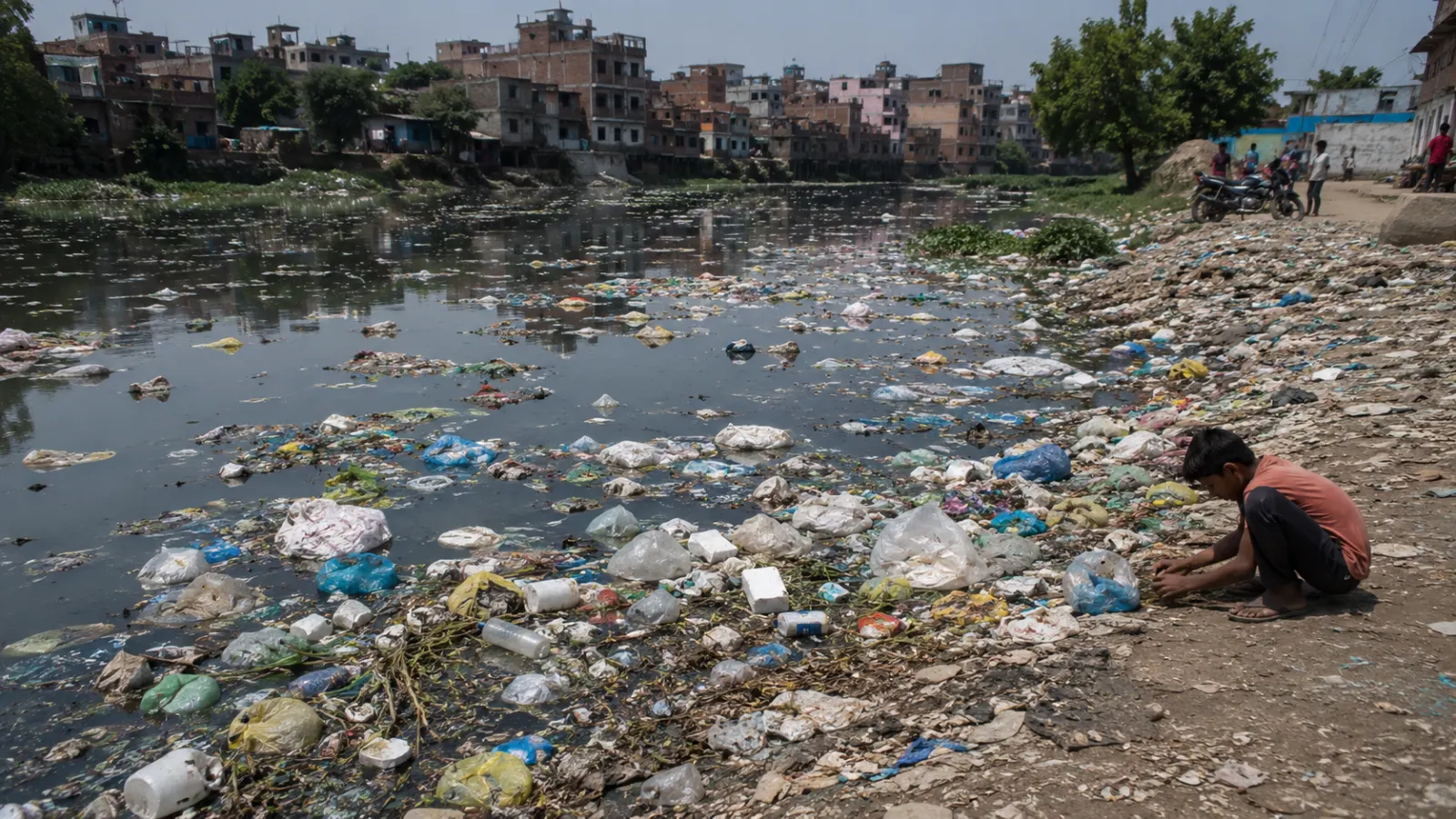
Plastic pollution is more than litter. Learn how production, short-lived products, microplastics, weak waste systems and recycling limits created a global pollution crisis—and wha…
Earth has experienced five catastrophic mass extinctions in the fossil record. Today species are disappearing unusually fast, largely because of human pressures. Whether that alre…
Extinction is the final stage of a longer decline. Habitat loss, overexploitation, invasive species, pollution, climate change and disease can reduce populations until ordinary ba…
Biodiversity is the variety within genes, species and ecosystems that keeps living systems functioning. Its decline is not simply about losing rare wildlife; it can weaken ecologi…
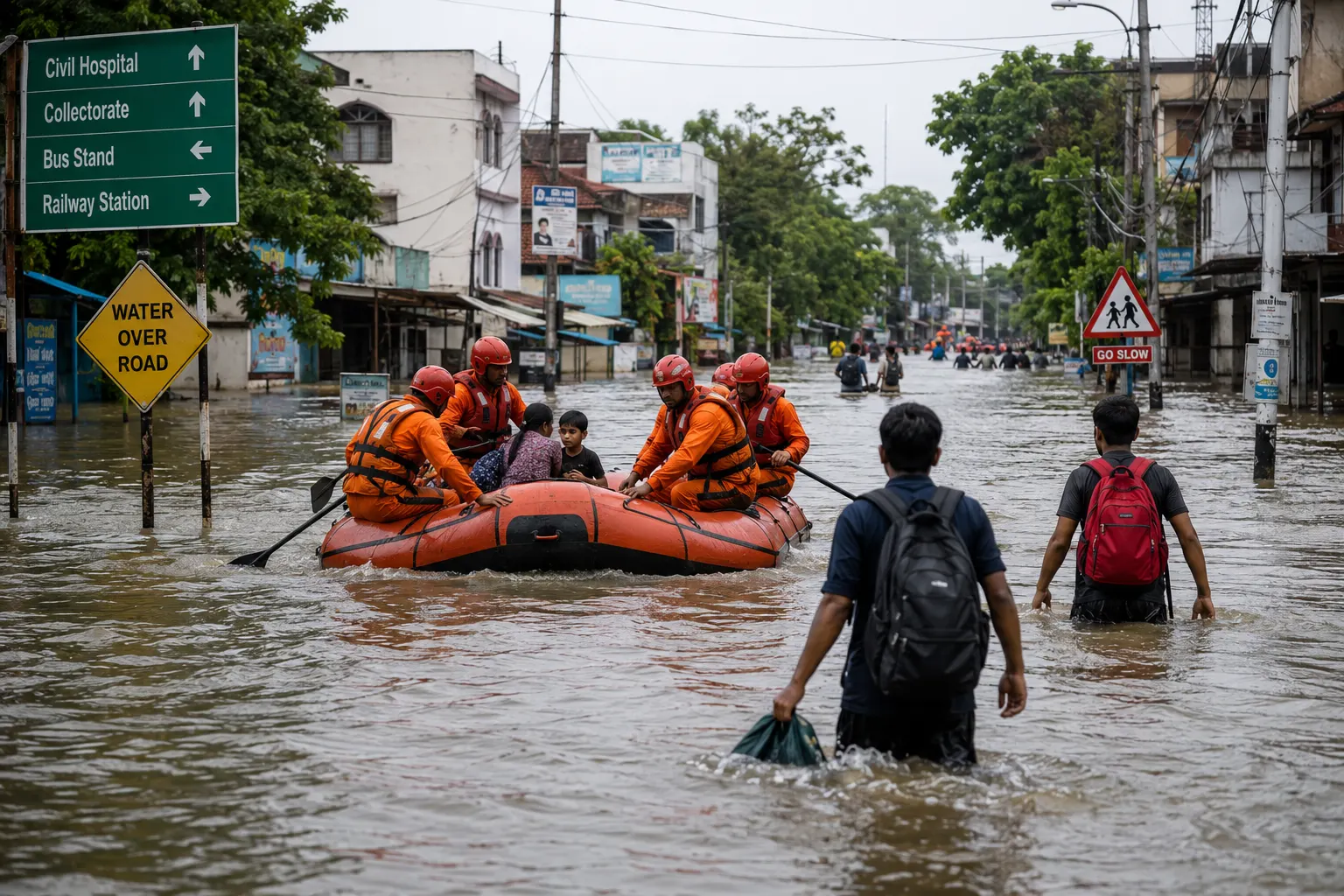
Flooding is a natural part of many river and coastal systems. Disaster begins when water intersects with exposed people, poorly planned development and vulnerable infrastructure -…
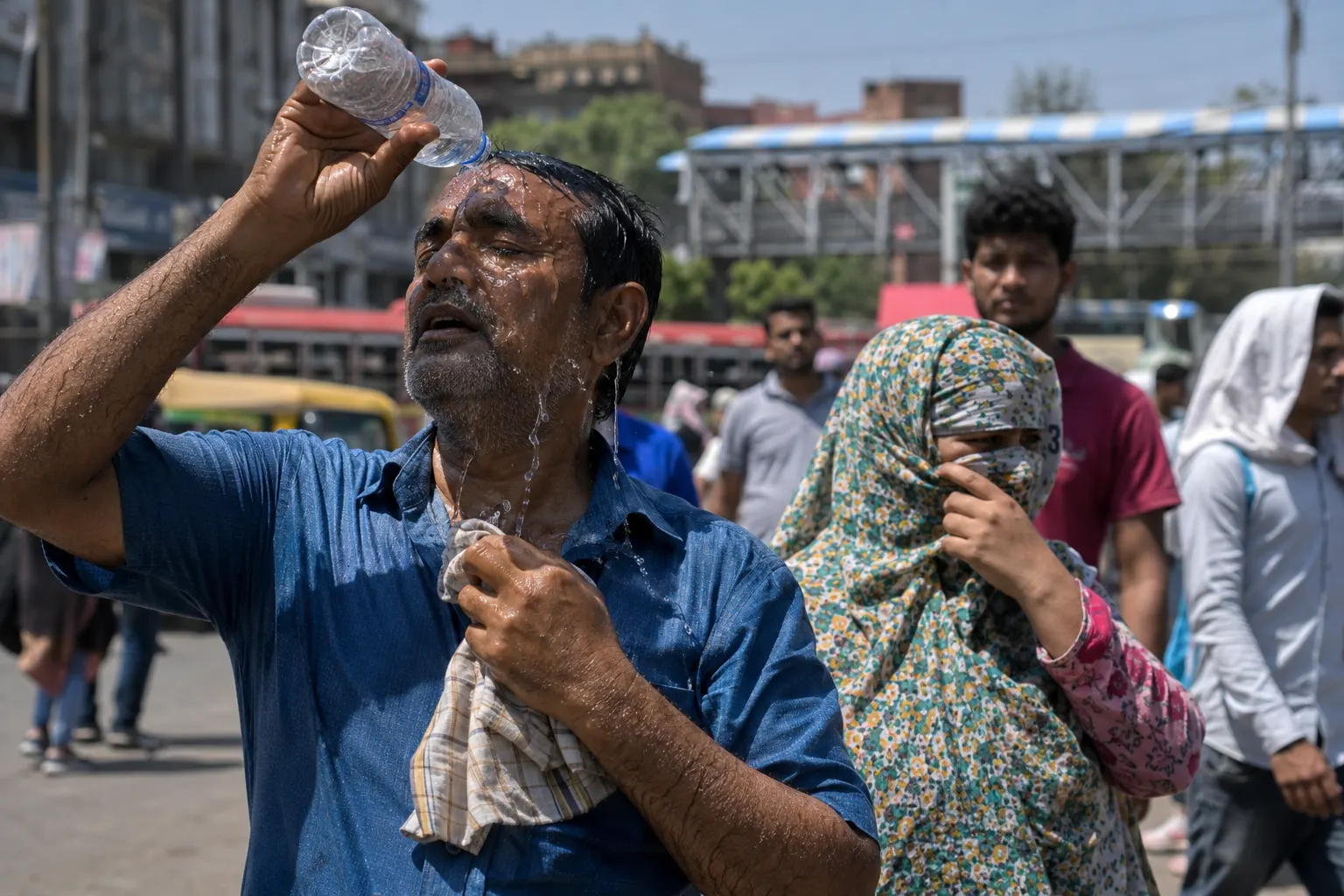
Heatwaves rarely leave the dramatic visual destruction associated with storms or earthquakes. Yet prolonged extreme heat can overwhelm the human body, strain cities and infrastruc…
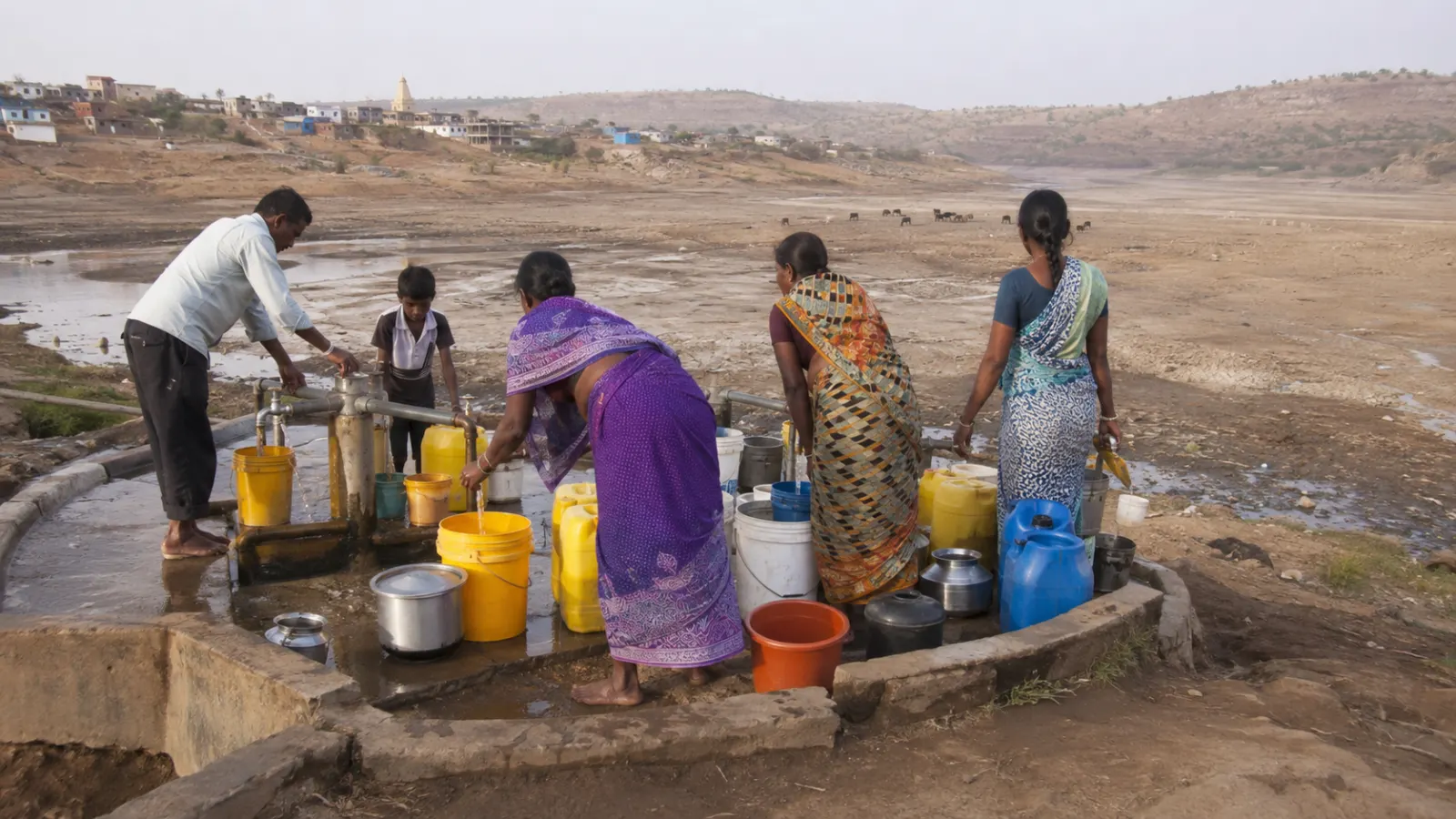
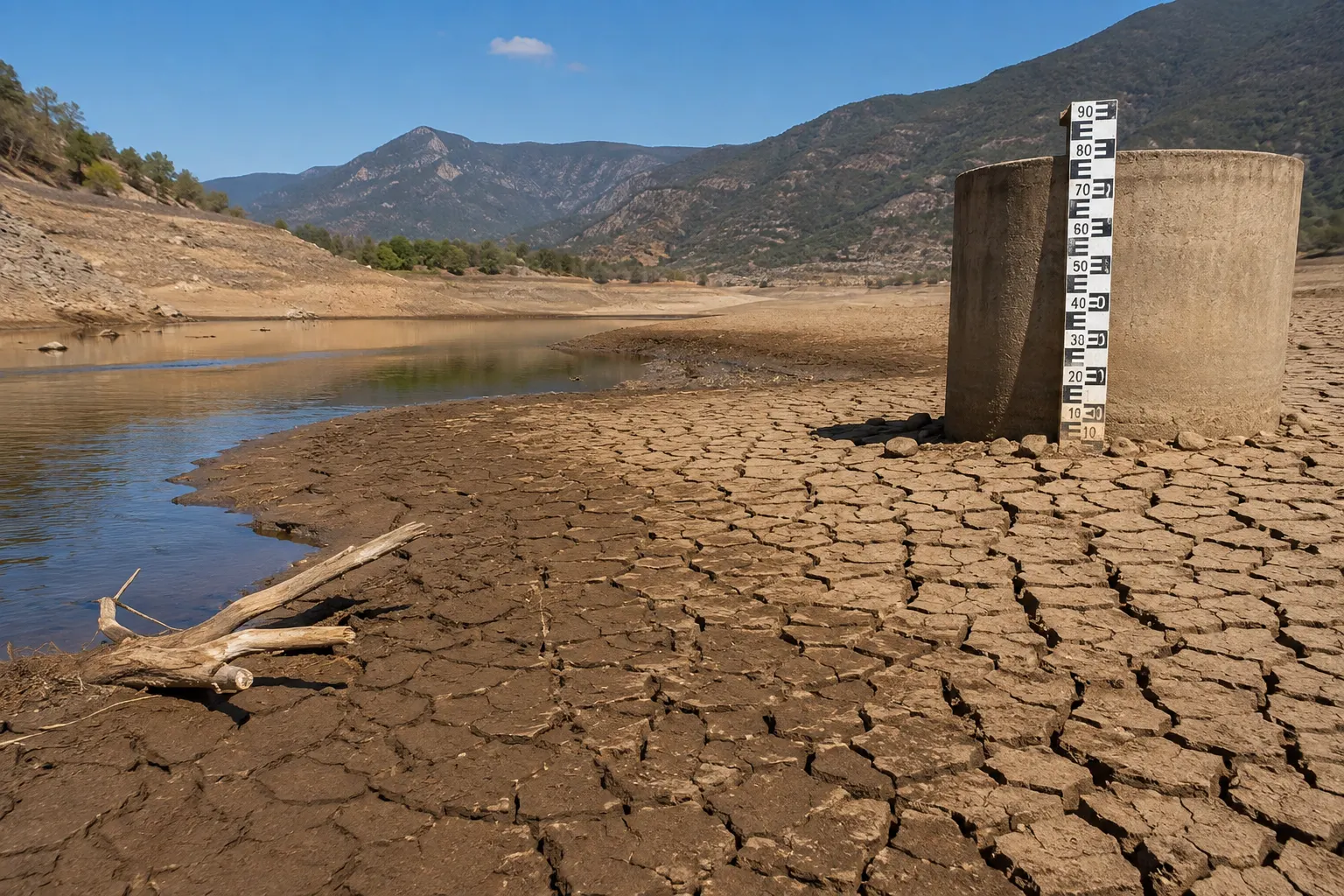
Drought usually begins quietly. A rainfall deficit becomes dry soil, falling river flows and stressed reservoirs, while heat, water demand and land management determine whether a…
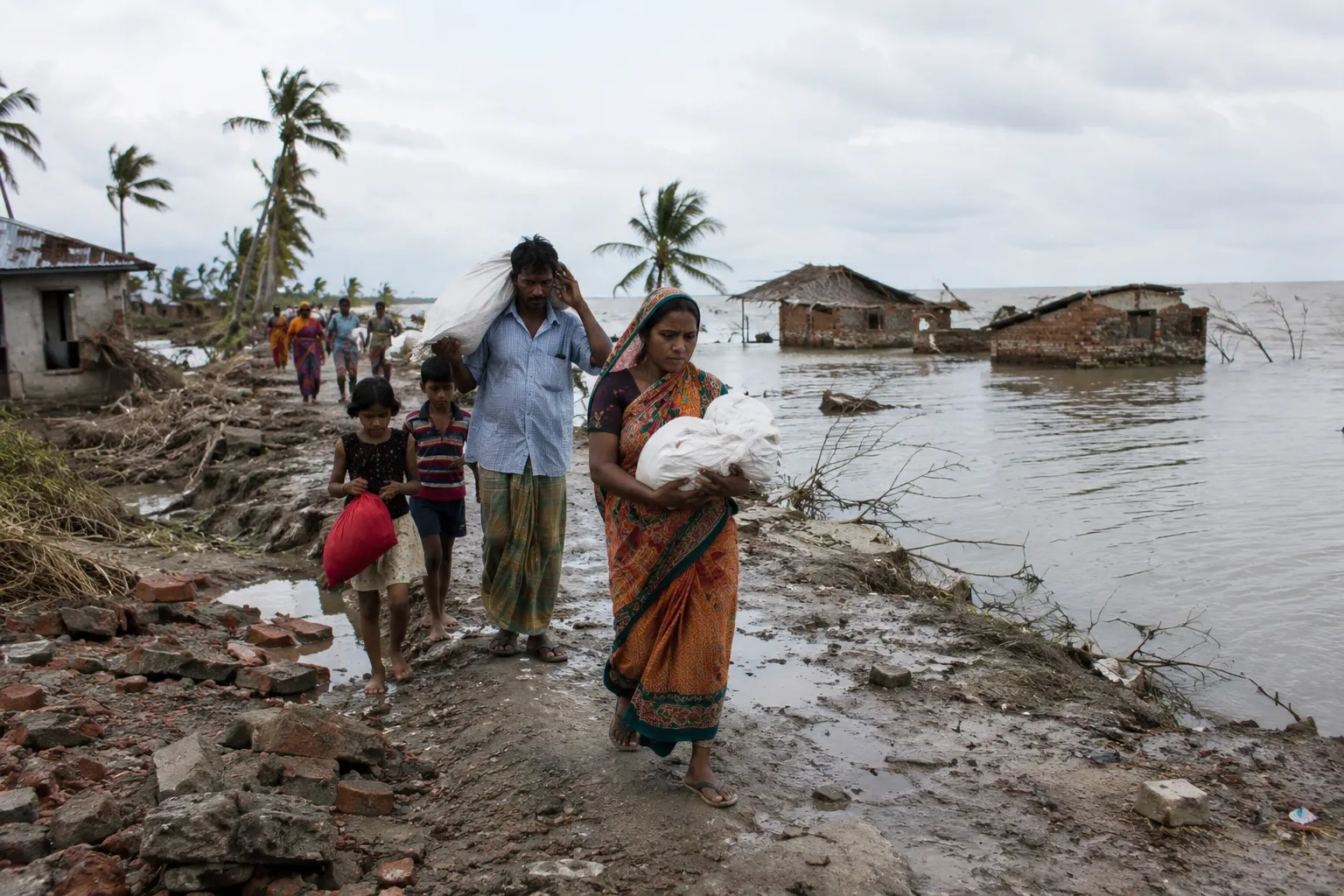
Rising seas, droughts, floods and storms can push people from their homes, but calling everyone affected a “climate refugee” obscures a complicated reality: most remain inside the…
India’s heatwaves are no longer just seasonal weather events; they are becoming a stress test for cities, workers, hospitals, power grids and water systems. As temperatures rise a…
Enjoying the reporting?
We noticed an ad blocker. Ads keep our journalism free — please consider allowing them, or subscribe to our newsletter instead.
We use cookies to keep you signed in and to understand how readers use the site. See our Privacy Policy.