A heatwave can be deadly without looking like a disaster.
There may be no collapsed buildings, flooded streets or obvious path of destruction. Trains may still run, shops may remain open and people may continue going to work. Yet inside homes, factories, hospitals, farms and human bodies, heat can steadily accumulate until ordinary routines become dangerous.
The World Health Organization describes a heatwave in practical terms as a period in which locally excessive heat builds up over a sequence of unusually hot days and nights. The emphasis on local conditions matters. A temperature that is ordinary in one climate can be exceptional in another, and risk also depends on humidity, wind, exposure, acclimatisation, housing and access to cooling.
Heatwaves are therefore not simply “very hot weather”. They are sustained periods of abnormal heat capable of pushing people and systems beyond their ability to cope.
What makes a heatwave different from a hot day?
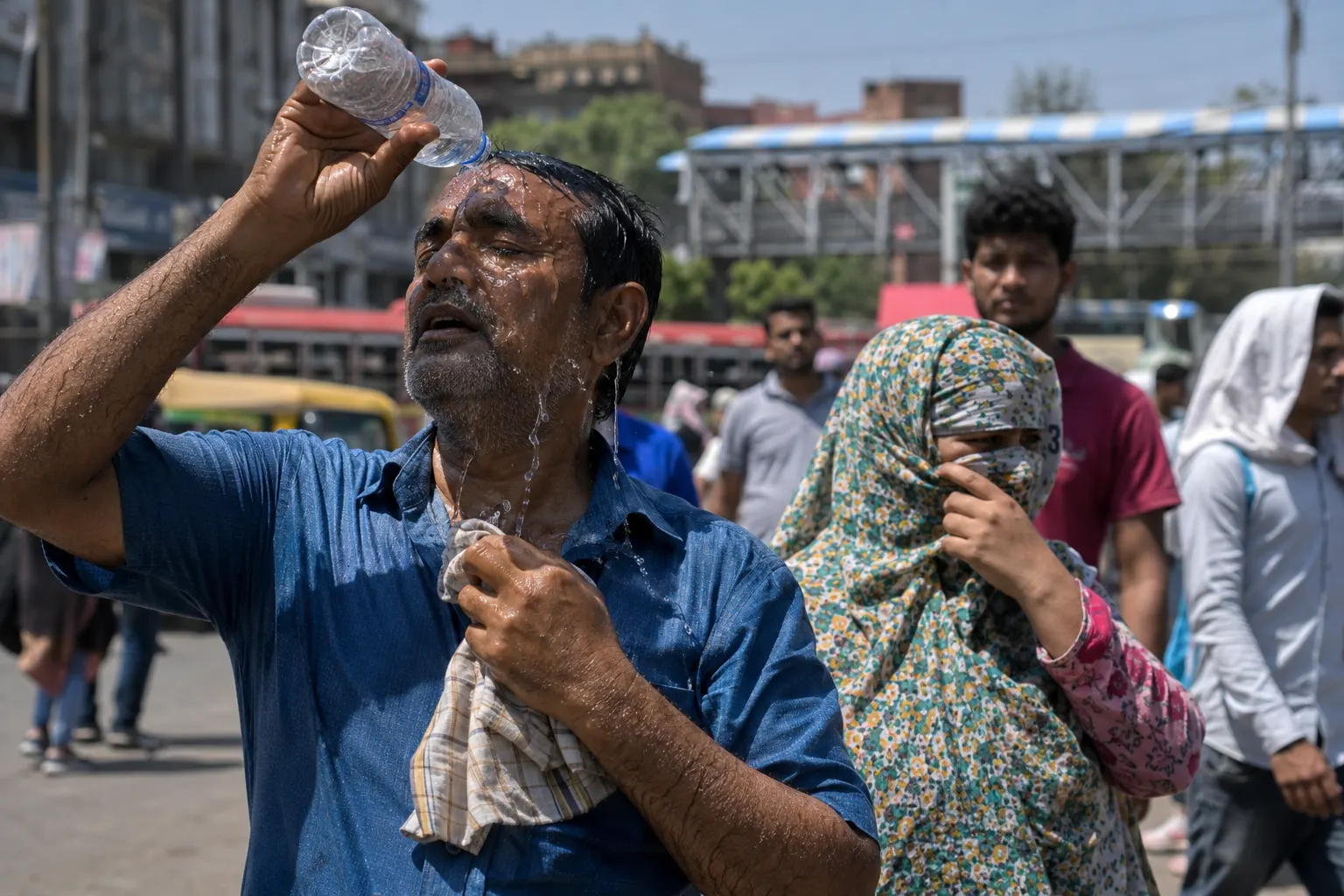
Human beings regularly experience hot weather. The body has mechanisms for dealing with it: blood flow to the skin increases, sweating helps release heat, thirst encourages fluid replacement, and behaviour usually changes as people seek shade or reduce activity.
The problem becomes more serious when environmental conditions prevent the body from losing heat efficiently.
High air temperatures reduce the temperature difference between the body and its surroundings. High humidity makes sweat less effective because evaporation slows. Intense sunlight adds radiant heat. Low wind reduces cooling. Physical work generates additional heat inside the body.
WHO notes that the amount of heat stored in the body reflects both internally generated metabolic heat and environmental exposure, including temperature, humidity, air movement, radiation and clothing. When the body cannot eliminate enough of that heat, physiological strain increases.
A single hot afternoon may be uncomfortable. Several unusually hot days followed by unusually warm nights are more dangerous because the body and buildings receive less opportunity to cool.
That is one reason nighttime temperature matters as much as the daytime maximum.
What happens to the body during extreme heat?
The body tries to maintain a relatively stable internal temperature even when outside conditions change.
During extreme heat, the heart must work harder to move blood towards the skin while sweating increases fluid and electrolyte loss. If fluid losses are not replaced, dehydration reduces the body's ability to regulate temperature.
The consequences range from relatively mild heat cramps and exhaustion to severe hyperthermia and heatstroke. WHO identifies heatstroke as a medical emergency and notes that extreme heat can also worsen cardiovascular, respiratory, kidney, diabetes-related and mental-health conditions.
Heat-related illness is therefore not limited to people who visibly collapse from heatstroke.
A person with heart disease may experience greater cardiovascular strain. Someone with kidney disease may have difficulty coping with dehydration. Certain medications can influence hydration, sweating or cardiovascular responses. Severe heat can also contribute to acute kidney injury and worsen existing chronic illness.
Deaths associated with heat can occur during the heat event or shortly afterwards, which also makes the true toll less visually obvious than that of many other disasters.
Why heatwaves can kill so many people
Extreme heat often affects large populations simultaneously.
A storm may devastate a concentrated geographical area. A heatwave can cover an entire region, exposing millions of people in their homes, workplaces and neighbourhoods at the same time.
WHO cites research estimating approximately 489,000 heat-related deaths per year worldwide during 2000-2019, with Asia accounting for about 45% and Europe around 36%. It also reports that heat-related mortality among people aged over 65 rose substantially when 2017-2021 was compared with 2000-2004.
These estimates also illustrate why heat mortality requires statistical analysis. Many people do not die with “heatwave” written as the sole cause. Extreme heat can accelerate deaths among people already living with cardiovascular, respiratory, renal and other illnesses.
That makes heat a particularly deceptive hazard: its effects may be enormous while remaining partly hidden in mortality and hospital-admission data.
Who is most vulnerable?
Heat does not affect everyone equally.
Older adults face greater danger because ageing can reduce the body's ability to regulate temperature and because chronic disease is more common. Infants and young children depend on adults to manage hydration and exposure. Pregnant women can also face additional physiological stress.
People with chronic illnesses, restricted mobility or cognitive impairments may have difficulty recognising or escaping dangerous conditions. WHO also identifies outdoor workers, athletes and others performing strenuous activity as particularly exposed.
But vulnerability is also social.
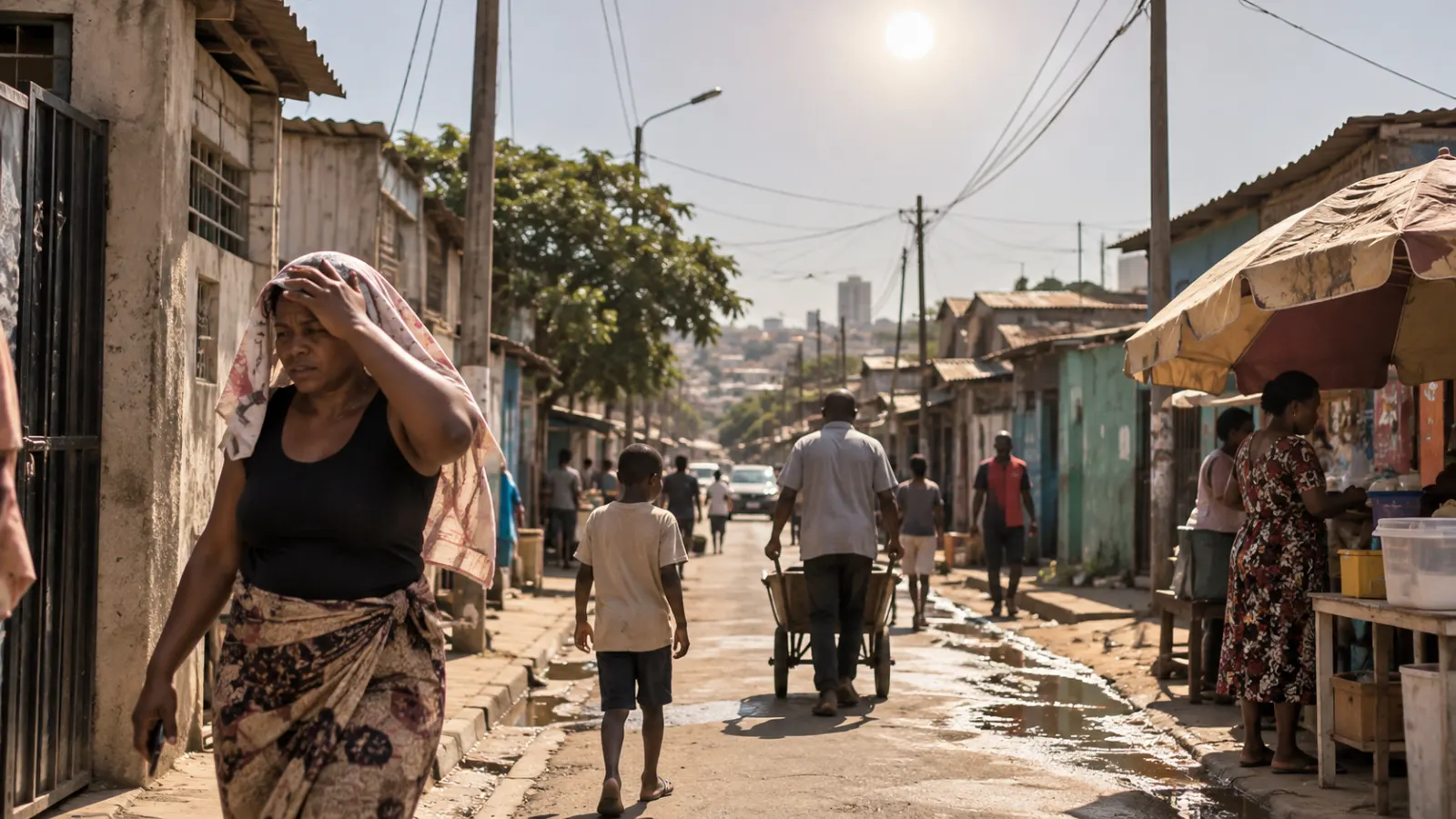
A person living in a well-insulated home with reliable electricity, air-conditioning, nearby medical care and flexible working hours faces a very different heat risk from someone living in poorly ventilated housing, working outside for daily wages and unable to stop during the hottest hours.
Income, housing quality, occupation, health, access to water and electricity, neighbourhood design and social isolation can all influence whether the same temperature becomes uncomfortable or life-threatening. WHO explicitly recognises socioeconomic conditions and occupational exposure as major dimensions of heat vulnerability.
Why cities can become particularly dangerous
Cities can intensify heat through the urban heat island effect.
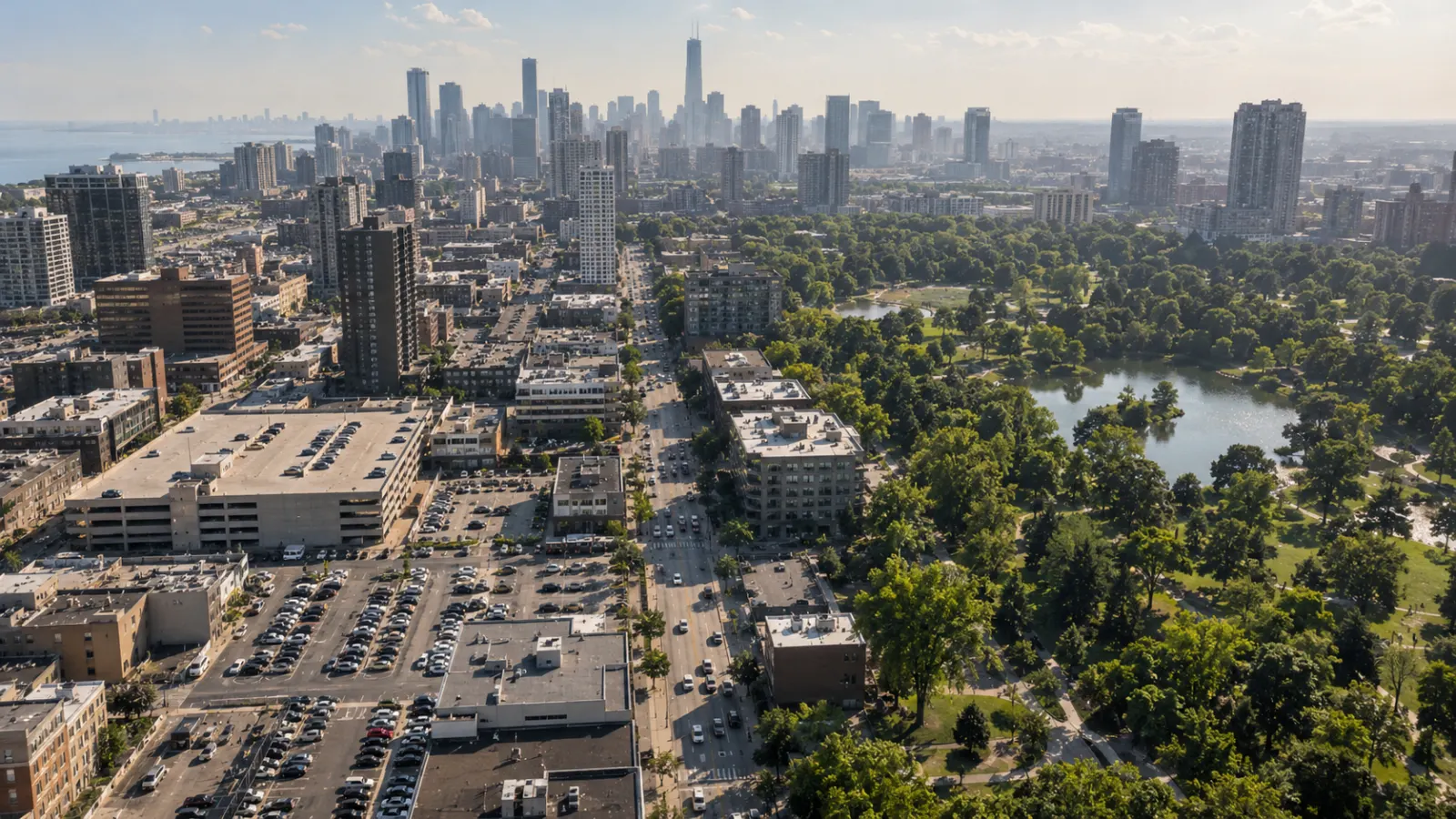
Dark roofs, asphalt, concrete and other built surfaces absorb solar energy during the day and release it later. Dense development may restrict airflow, while limited vegetation reduces cooling from shade and evapotranspiration.
The result is that parts of a city can remain warmer than surrounding rural areas, particularly after sunset.
WHO notes that heat impacts may be amplified in cities by the urban heat island effect and that the loss of green space and unsuitable housing materials can increase exposure.
Within a single city, however, the heat burden can differ dramatically from neighbourhood to neighbourhood.
Tree-lined areas, parks, reflective surfaces and well-designed buildings may remain significantly more tolerable than densely built districts with limited shade and large expanses of heat-absorbing surfaces.
Heat vulnerability is therefore partly an urban-planning problem.
Heatwaves affect more than human health
Extreme heat can create cascading failures across modern infrastructure.
Electricity demand may surge as people use cooling systems. If generation or distribution fails, the very people relying on air-conditioning can suddenly lose protection.
Water demand rises. Transport systems can be disrupted. Outdoor construction and agricultural work become dangerous. Schools may close. Labour productivity falls because sustained physical or cognitive performance becomes harder in excessive heat.
WHO warns that heatwaves can disrupt health facilities, transport, energy and water systems and reduce labour productivity.
Agriculture is vulnerable too. Extreme heat can damage crops, stress livestock and increase irrigation demand precisely when water resources may already be strained.
A heatwave is therefore simultaneously a health hazard, infrastructure challenge, labour issue and economic shock.
Is climate change making heatwaves worse?
The long-term direction is clear.
WHO states that prolonged excess heat and heatwaves are increasing in frequency, duration, intensity and magnitude because of climate change, and that the frequency and intensity of extreme heat are expected to continue rising during this century.
That does not mean every individual hot day has a single cause. Weather varies naturally.
What climate change does is alter the background conditions in which weather occurs. A warmer climate makes extreme high temperatures more likely and can push events that were once unusual further into dangerous territory.
This distinction matters. Climate change does not replace weather variability; it changes the statistical environment in which that variability operates.
Why warm nights are particularly worrying
Attention often focuses on record daytime temperatures, but sustained nighttime heat can be equally important.
Buildings store heat during the day. If outdoor temperatures stay high after sunset, homes - especially poorly ventilated ones - may not cool enough.
The body then receives little respite from daytime exposure.
WHO's definition emphasises accumulated heat across unusually hot days and nights, reflecting the importance of prolonged exposure rather than a single afternoon temperature.
This is particularly dangerous for people without air-conditioning or access to cooler public spaces.
Can heatwave deaths be prevented?
Many can.
One of the most important features of extreme heat is that it is predictable enough for public-health intervention.
Meteorological agencies can forecast dangerous conditions. Governments can issue alerts. Health agencies can identify vulnerable populations. Cities can open cooling centres and adjust working hours. Hospitals can prepare for increased demand. Employers can change schedules and provide rest, water and shade.
WHO describes the adverse health effects of heat as largely preventable through appropriate public-health and multisectoral action and recommends heat-health action plans, warning systems and targeted protection for vulnerable populations.
Individuals can also reduce exposure by avoiding strenuous activity during the hottest period, staying hydrated, using shade and cooler locations and checking on vulnerable people. Suspected heatstroke requires urgent medical attention.
But individual behaviour cannot substitute for structural adaptation.
Someone who works outdoors cannot always choose to stay inside. Someone living in a badly designed dwelling cannot redesign it during a heatwave. A family experiencing electricity poverty cannot simply run air-conditioning indefinitely.
Reducing heat risk therefore requires both personal precautions and long-term changes to housing, public health, urban design, labour standards, energy systems and climate policy.
A hazard that societies must learn to see
Heatwaves challenge the conventional image of a natural disaster.
Their danger is often invisible until hospitals fill, mortality statistics rise or infrastructure begins to fail.
Yet that invisibility does not make them minor events. Heat can kill quickly, aggravate chronic illness, reduce productivity and expose profound inequalities in housing, healthcare and working conditions.
The central lesson is that temperature alone does not determine disaster.
Risk emerges when extreme heat meets vulnerable people and systems.
As the climate warms, societies will increasingly need to treat heat not as an unpleasant feature of summer but as a recurring public-health and infrastructure hazard requiring preparation well before the hottest day arrives.