Why Poorer Households Often Suffer More From Climate Change
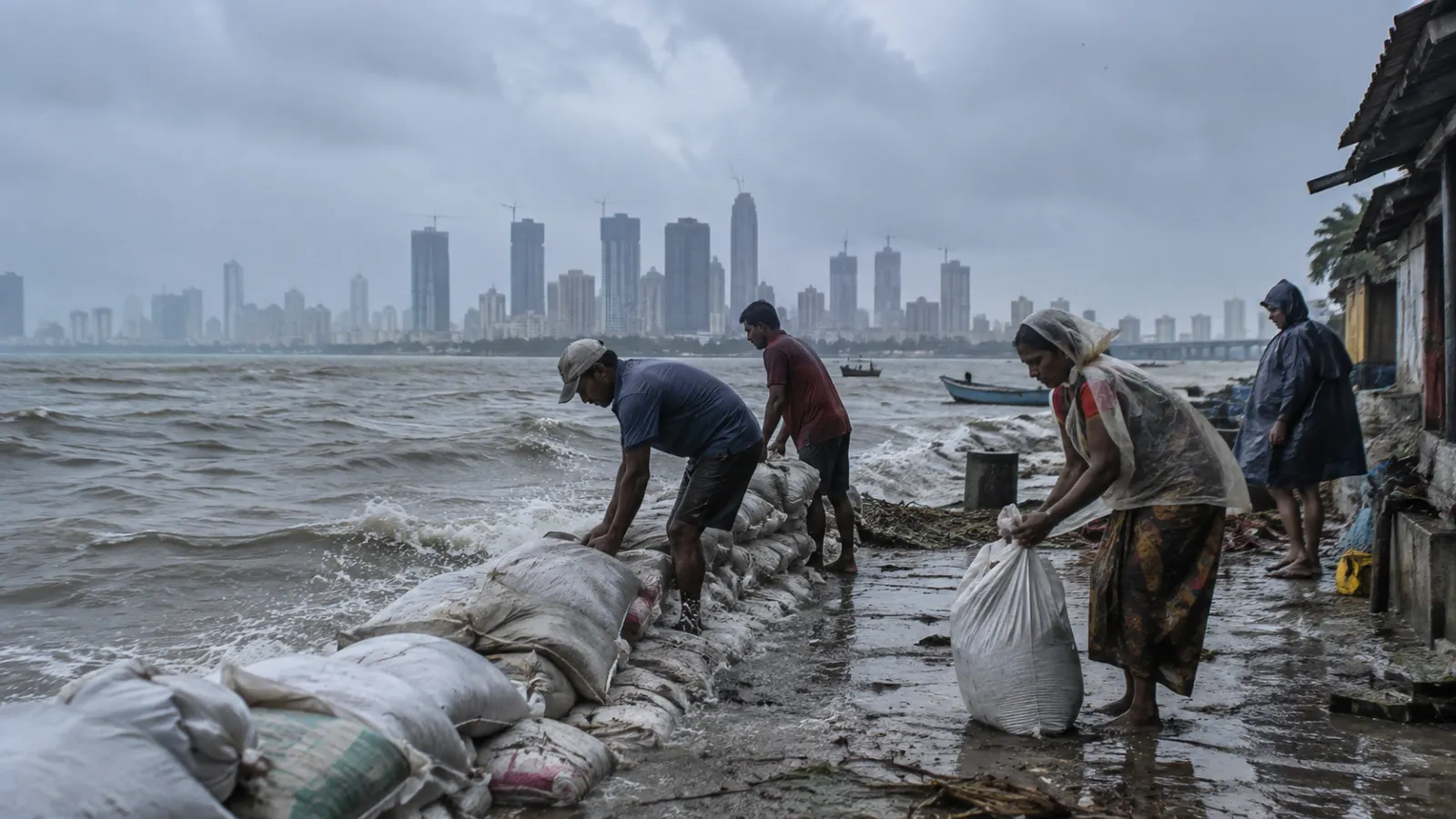
A heatwave does not check a household’s income before temperatures rise. A cyclone does not choose between a wealthy neighbourhood and an informal settlement. Yet two families exposed to the same climate hazard can experience dramatically different consequences.
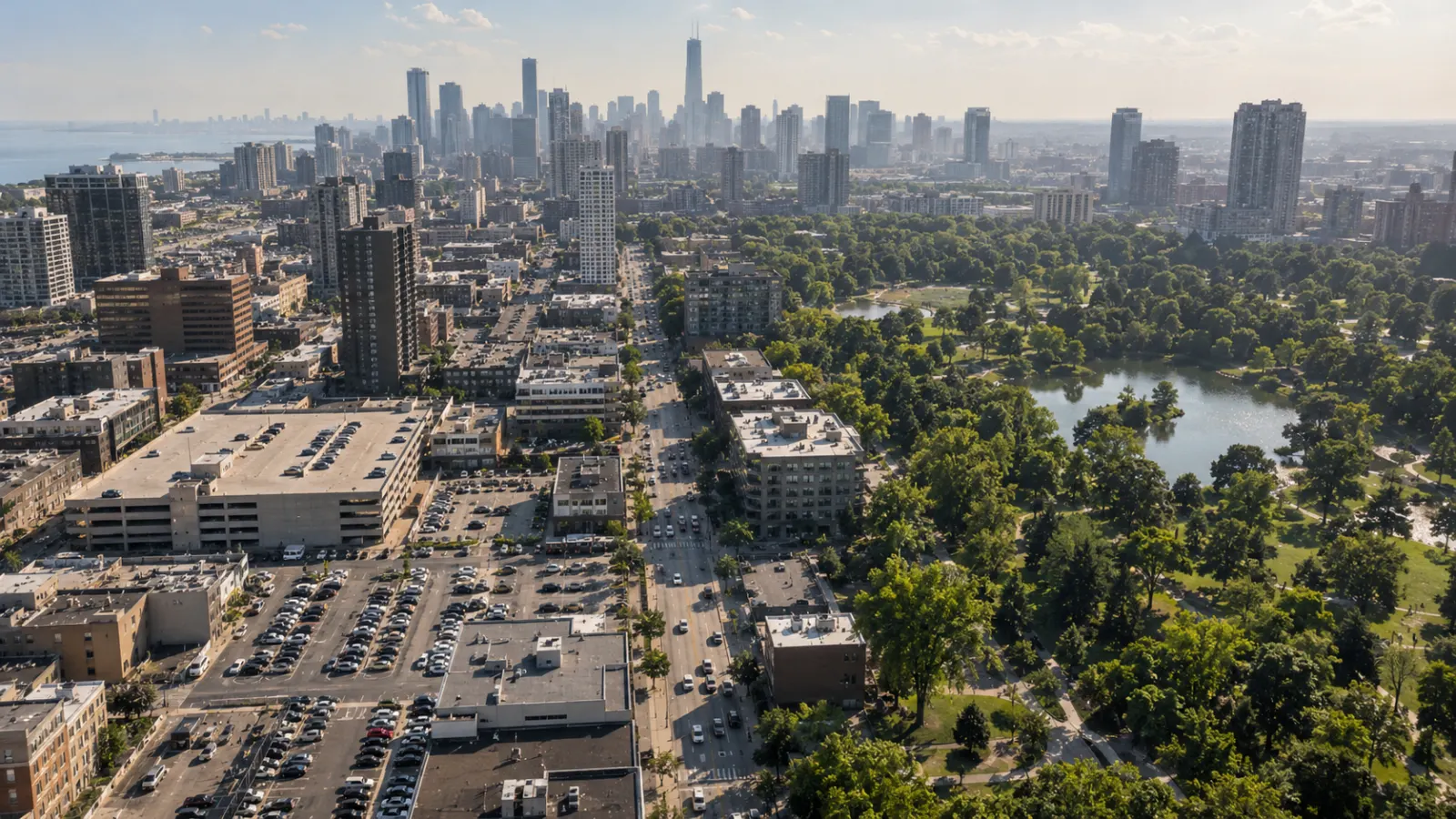
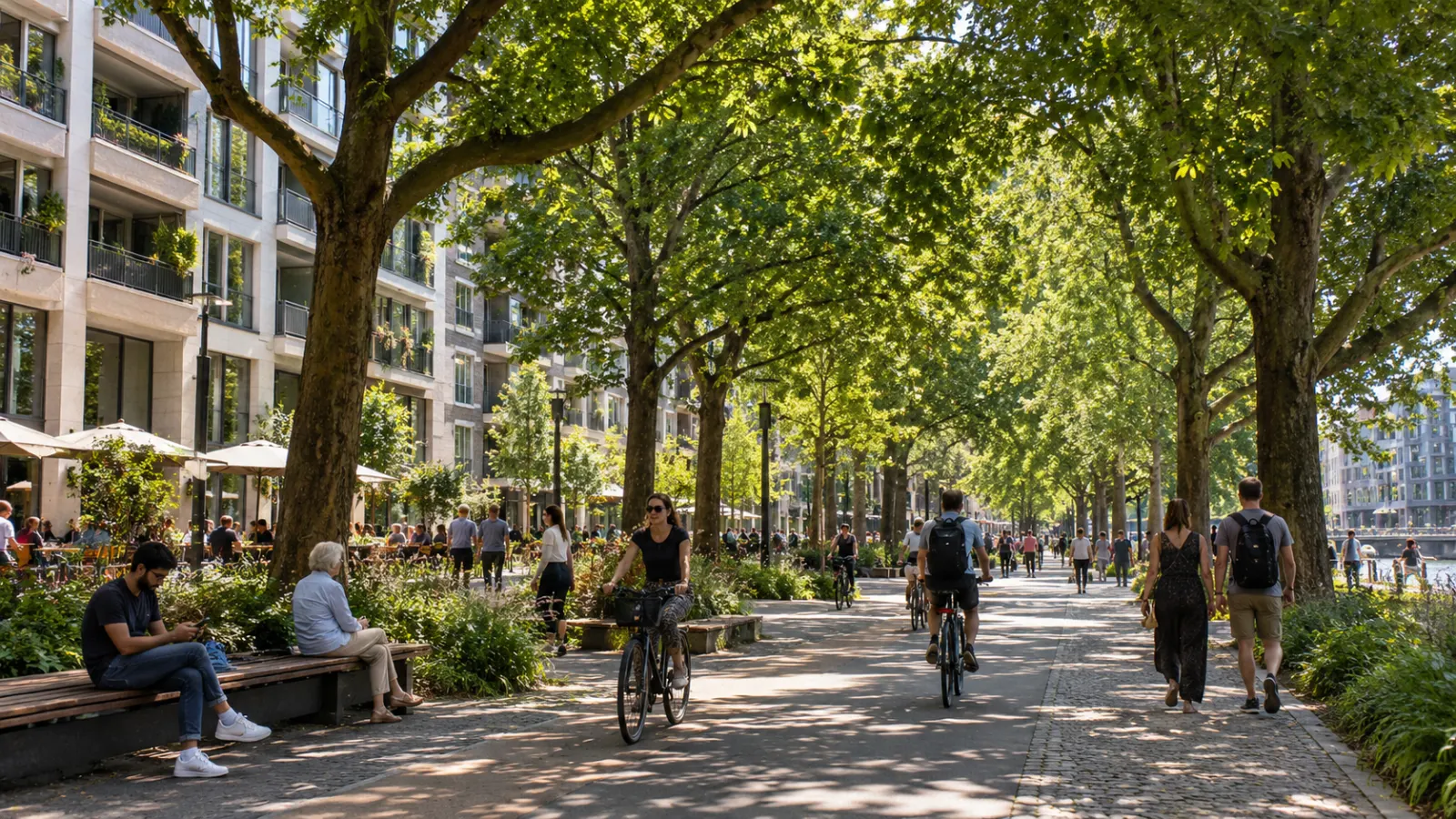
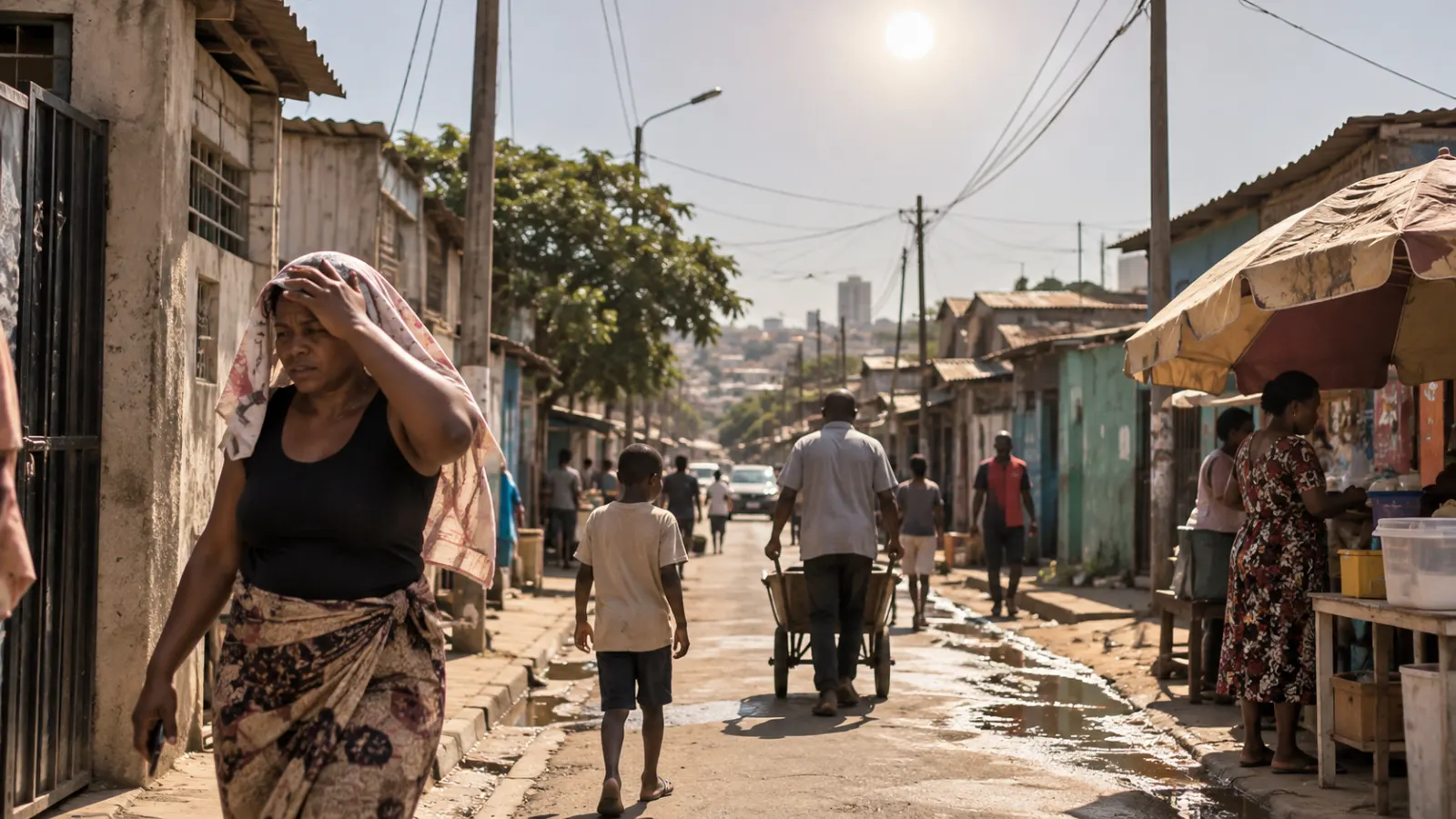
One may have an insulated home, air conditioning, insurance, savings, paid leave, reliable transport and access to healthcare. Another may live in a poorly ventilated house, depend on daily wages, have no savings and need to keep working outdoors despite dangerous heat. The weather event is shared; the capacity to avoid, absorb and recover from it is not.
This distinction sits at the centre of climate-risk research. The Intergovernmental Panel on Climate Change treats risk as an interaction between hazard, exposure and vulnerability. Its assessment concludes with high confidence that climate change, development deficits and existing inequalities reinforce one another, with marginalised and poorer groups frequently facing disproportionate impacts and fewer resources for adaptation.
Poverty does not automatically mean that every poor person is more exposed than every wealthy person. A rich household can live on a vulnerable coastline, and a low-income community may possess strong social networks, traditional knowledge or effective public protection. The more defensible point is that poverty often removes the buffers that make danger easier to avoid and recovery easier to finance.
Understanding that mechanism helps explain why climate change is simultaneously an environmental problem, a development problem and an inequality problem.
Poverty can increase both exposure and vulnerability
Where people live is partly determined by what they can afford.
Housing with reliable drainage, strong construction, cooler streets, dependable water, lower flood exposure and convenient transport tends to cost more. Households with limited income may have fewer realistic choices and may therefore live in low-lying areas, floodplains, informal settlements, unstable slopes or dense neighbourhoods with limited shade and public services.
The IPCC identifies poverty, inadequate infrastructure, poor service provision, insecure livelihoods and weak institutional support among factors that increase climate vulnerability. It also notes that rapidly growing informal settlements can combine high exposure with limited capacity to adapt.
The problem is not that poverty somehow makes a storm stronger. It changes what the storm encounters.
Heavy rainfall falling on a well-drained neighbourhood with enforceable building standards and emergency access produces a different risk from the same rainfall falling on dense housing beside an obstructed drainage channel where roads become inaccessible to emergency vehicles.
Rural vulnerability operates differently but follows the same logic. Farmers, fishers, pastoralists and forest-dependent households may rely directly on rainfall, soil moisture, grazing land, fisheries or ecosystems for income. Drought, heat or changing rainfall can therefore affect both household consumption and household earnings at the same time.
The IPCC identifies agricultural income loss, food insecurity, health impacts and crop losses among major pathways through which climate hazards disproportionately affect poorer households.
Losing a small amount can still be economically devastating
Disaster statistics often count losses in money.
That measure can hide inequality.
A wealthy household may lose a house worth far more in absolute terms than everything owned by a poorer household. But if insurance covers much of the damage and the family has savings and alternative accommodation, the long-term effect may be manageable.
A lower-income family may lose a roof, livestock, tools or a small shop worth much less in market terms while losing a far larger share of its total wealth and future earning capacity.
The difference becomes even larger during recovery.
Households with savings can repair damage without immediately changing consumption. Those without savings may need to borrow at high interest, sell productive assets, reduce food intake, postpone medical care or withdraw children from school.
These responses are understandable during an emergency. They can also make the household more vulnerable afterward.
Selling livestock raises cash now but reduces future income. Removing a child from school may help with household work or expenses today but reduce future opportunities. Expensive debt can consume income for years.
The IPCC describes this as one mechanism through which repeated climate shocks can contribute to persistent poverty traps, particularly when households encounter another event before fully recovering from the previous one.
Climate vulnerability is therefore not adequately measured by the value of destroyed property alone.
The deeper question is how the shock changes future options.
Climate-sensitive and informal work creates a difficult trade-off
Income protection is another major dividing line.
An outdoor labourer experiencing extreme heat may face an immediate choice: continue working and increase health risk, or stop working and lose income. A salaried worker in a cooled office with paid leave faces a very different decision.
Street vendors may lose stock during flooding or extreme rainfall. Casual construction work can stop during dangerous heat. Farmers can lose both a harvest and months of labour invested in producing it. Fishers can lose working days when conditions become unsafe or experience longer-term changes in marine ecosystems.
The IPCC finds that people with climate-sensitive and precarious livelihoods often have fewer adaptation options and less influence over decisions affecting them.
Formal employment does not eliminate climate risk, but workers with enforceable labour protections, paid leave, insurance and stable salaries are generally better positioned to absorb temporary disruption than people who earn only when they physically work.
This can create a particularly harsh form of exposure.
A heat warning may tell people to remain indoors, but that advice assumes staying indoors is economically possible. A cyclone evacuation may be technically available, but leaving becomes more difficult when transport costs money, evacuation means abandoning livestock or goods, or there is uncertainty about whether a home will remain occupied after the family leaves.
Good climate planning therefore needs to understand what people can realistically do—not merely what they are advised to do.
Health shocks and economic shocks reinforce one another
Climate-related health risks rarely occur separately from economic conditions.
Heat stress can reduce working capacity while increasing healthcare needs. Floods can contaminate drinking water while damaging homes and clinics. Drought can reduce income and food availability at the same time. Air pollution, infectious disease, undernutrition and chronic illness can make households more vulnerable when climate hazards intensify.
This interaction helps explain why apparently ordinary development systems are also climate-adaptation systems.
Primary healthcare reduces vulnerability. Reliable drinking water and sanitation reduce disease risk after flooding. Electricity supports cooling, refrigeration and healthcare. Safe schools can serve as shelters. Public transport can support evacuation. Nutrition programmes can protect children when food prices or harvests are disrupted.
The IPCC describes vulnerability as the product of interacting development conditions including poverty, inequality, access to basic services, education, institutions and governance—not climate exposure alone.
This means a country does not need to label every investment a “climate project” for it to improve climate resilience.
A functioning health clinic may protect a heat-exposed community more effectively than a sophisticated climate strategy that people cannot access.
Recovery depends heavily on access to cash, credit and insurance
The hours and days after a disaster create urgent financial needs.
Families may need transportation, food, temporary accommodation, medicine, repairs or replacement tools immediately. Wealthier households can often draw on savings, bank credit, insurance or relatives with spare resources.
Poorer households frequently have fewer options.
Conventional insurance may be unavailable, unaffordable or poorly suited to informal housing and livelihoods. Credit may carry high interest rates. Government assistance can be harder to access when people lack formal addresses, land titles, documentation or bank accounts.
The consequence is slower recovery.
And slow recovery matters because climate events do not necessarily wait until households have rebuilt.
A family still repaying debt from one flood may enter the next monsoon with fewer assets and less borrowing capacity than before. Repeated shocks can progressively reduce the resources available for adaptation.
The World Bank’s current work on climate-shock vulnerability stresses that extreme weather can destroy assets and investments and limit welfare gains for years, which is why measuring exposure alone is insufficient for understanding who is genuinely at high risk.
What matters is not simply whether people experience a hazard.
It is whether they have the resources to recover without sacrificing their future.
Social protection can stop a temporary shock becoming a permanent setback
This is where social protection becomes relevant to climate adaptation.
Cash transfers, food assistance, emergency employment, health coverage and other forms of support are sometimes discussed separately from climate policy. In practice, they can determine whether households recover or enter deeper poverty.
The World Bank describes adaptive social protection as systems designed to help poor and vulnerable households prepare for, cope with and adapt to shocks. Effective systems depend not only on benefit programmes but also on data, financing, institutional arrangements and delivery mechanisms capable of expanding when a crisis occurs.
Timing is crucial.
Assistance received months after a harvest failure may arrive only after livestock has been sold or debt accumulated. Forecast-based approaches attempt to act earlier by linking predefined warning thresholds with actions such as cash transfers, food support or agricultural inputs.
World Bank-supported research on anticipatory action describes systems in which independently monitored weather triggers activate pre-agreed assistance before or during an expected shock rather than waiting until losses have been fully verified afterward. Evidence from countries including Niger and Nepal has shown benefits from earlier cash support for outcomes such as food security and psychosocial well-being compared with delayed assistance.
The principle is straightforward.
The cheapest asset to replace is often the one a household never had to sell.
This is also why social-protection systems need to include informal workers, migrants and households without conventional property documentation. A programme technically available to everyone can still exclude the most vulnerable if accessing it requires records they are least likely to possess.
The World Bank’s 2025 social-protection assessment emphasises the need to expand coverage and create more shock-responsive systems using stronger data, payment and early-warning infrastructure.
Adaptation can reduce inequality—or accidentally deepen it
Climate adaptation is often described as a technical challenge.
Build flood defences. Improve drainage. Strengthen buildings. Install cooling. Restore wetlands. Develop drought-resistant crops.
These measures can be essential.
But adaptation always has a distribution.
A flood barrier that protects one district while redirecting water toward another may reduce one group’s risk by increasing somebody else’s. An urban cooling strategy dependent on household air conditioning benefits people who can afford electricity and equipment more readily than those who cannot. A relocation programme may reduce exposure to flooding while damaging livelihoods if residents are moved far from employment, schools or social networks.
The IPCC identifies maladaptation as a serious risk, particularly for marginalised groups. Its assessment finds that adaptation projects which ignore differences in socioeconomic position can increase exposure, exclusion and inequality, while inclusive planning can reduce that danger.
The IPCC also documents examples where flood infrastructure or urban adaptation has benefited more powerful or wealthier groups while shifting costs toward poorer communities.
This does not mean adaptation should be delayed because every intervention has potential trade-offs.
It means the question “Does this project reduce climate risk?” is incomplete.
Planners also need to ask:
Whose risk decreases, whose risk increases and who gets to participate in that decision?
A technically successful adaptation project can still be socially unsuccessful if the people most vulnerable to the hazard remain excluded from its benefits.
Political voice influences whose risks receive attention
Adaptation decisions are rarely purely technical.
Governments decide where drainage is upgraded, where cooling centres are opened, whose neighbourhood receives a seawall, which settlements are officially recognised and who qualifies for reconstruction assistance.
Communities with less political or administrative visibility can therefore be disadvantaged even without an explicit intention to discriminate.
Informal settlements may not appear properly on municipal records. Migrants may not qualify for local benefits. Remote rural communities can be expensive to serve. People without property documents may struggle to prove disaster losses.
Administrative convenience can reproduce inequality.
Participation matters because residents often know details that central planners do not.
Local communities may know which street floods first, which well fails during drought, which households contain people who cannot evacuate independently or why an apparently sensible relocation site would make livelihoods impossible.
The IPCC emphasises that climate vulnerability is shaped by institutions, governance and access to decision-making as well as by income and physical exposure. Inclusive planning and the use of local knowledge are among the approaches it identifies for reducing maladaptation.
Participation should therefore be judged by whether it improves decisions, not by whether a consultation meeting occurred.
Poverty is a major driver of vulnerability, but it is not destiny
A careful account of climate inequality should not turn low-income communities into passive victims.
Poverty is only one dimension of vulnerability.
Gender, age, disability, caste, race, migration status, occupation, geography and political marginalisation can all interact with income. A low-income household living in a city with universal healthcare, effective emergency services and strong social protection may be better protected than a wealthier household in a place where institutions fail.
Communities also possess resources not captured by income.
Neighbourhood networks can organise evacuation. Farmers may hold detailed knowledge of local rainfall and soils. Indigenous peoples and traditional resource users may possess sophisticated ecological knowledge. Cooperative institutions can help share risk.
The IPCC explicitly warns against treating vulnerability as a single characteristic. Its assessment links climate vulnerability with multiple intersecting disadvantages and notes that people with the least economic resources often also have fewer adaptation options and less access to institutional support.
The point is not that poverty determines disaster outcomes with certainty.
It is that money and public services create options—and lacking those options can make the same hazard much harder to survive and recover from.
Climate resilience ultimately depends on available options
Why do poorer households so often suffer more from climate change?
Because resilience is partly the ability to choose.
Can a family afford to live somewhere safer?
Can someone stop working during dangerous heat?
Can they evacuate without losing their livelihood?
Can they replace damaged tools?
Can they access healthcare?
Can they insure a home or crop?
Can they borrow at a reasonable rate?
Can they move temporarily?
Can they survive several weeks without normal income?
Can they influence the decisions that determine how their neighbourhood is protected?
Climate change narrows these choices by increasing the frequency or severity of some hazards. Poverty means many households begin with fewer choices already.
The IPCC concludes that poverty and inequality can create significant limits to adaptation and that the largest adaptation gaps frequently occur among lower-income populations.
But that also means unequal climate vulnerability is not inevitable.
Public policy can expand the options available to households before disaster occurs. Safe housing, drainage, healthcare, clean water, education, social protection, early-warning systems, labour protections, accessible finance and reliable infrastructure can all reduce vulnerability.
The World Bank’s adaptive social-protection work follows the same logic: resilience improves when institutions help households prepare for shocks, protect consumption and productive assets during them and recover without falling deeper into poverty.
This is why climate resilience often resembles good development.
A household does not need to purchase its own flood-warning system when an effective public system exists. It does not need private water storage when reliable public water continues during drought. It does not need enough savings to rebuild an entire neighbourhood if resilient infrastructure prevents destruction in the first place.
The central lesson is therefore not that climate change selectively attacks poor people.
It is that the same physical hazard produces different human consequences because people enter it with different levels of protection, resources and power.
Climate change can intensify hazards.
Whether those hazards become temporary disruptions, catastrophic losses or long-term poverty depends heavily on the society they encounter.
Reducing climate inequality therefore requires more than reducing physical exposure. It requires widening the options people have before, during and after a shock—so that survival and recovery do not depend primarily on how much private protection a household can afford.