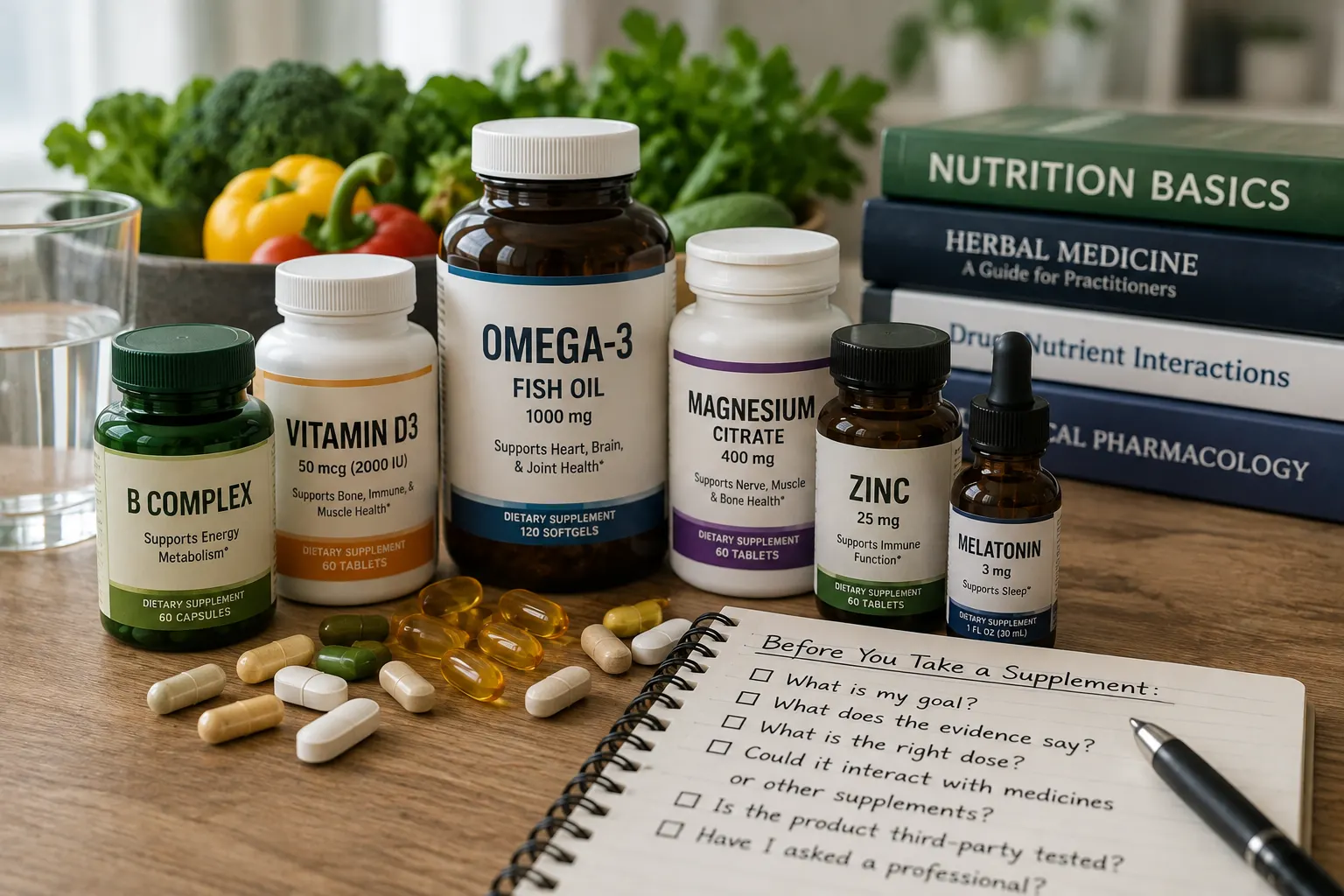
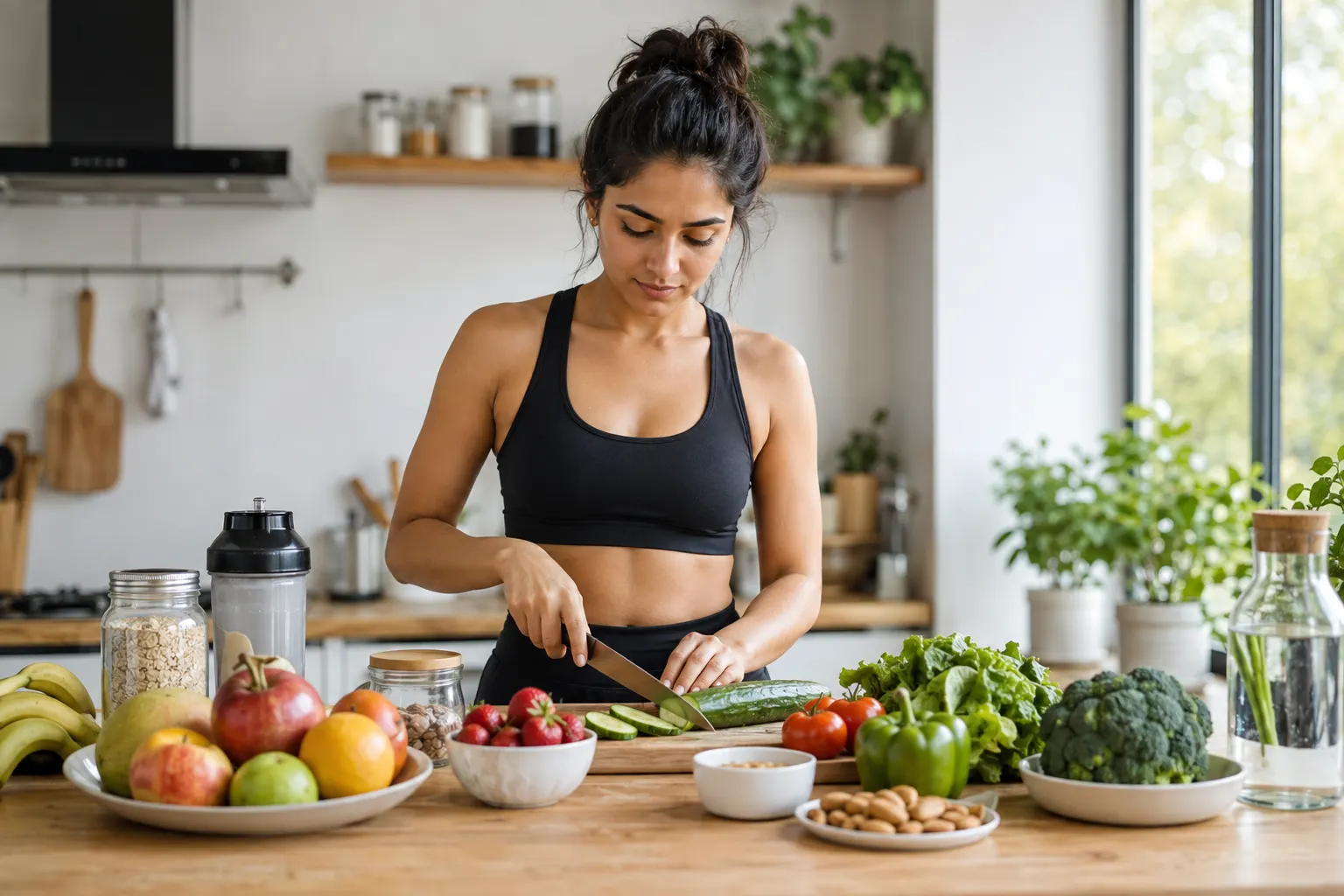
The supplement debate is often framed too simply. Some supplements prevent serious deficiencies or serve clear medical purposes; others are supported by weak evidence, unnecessary…
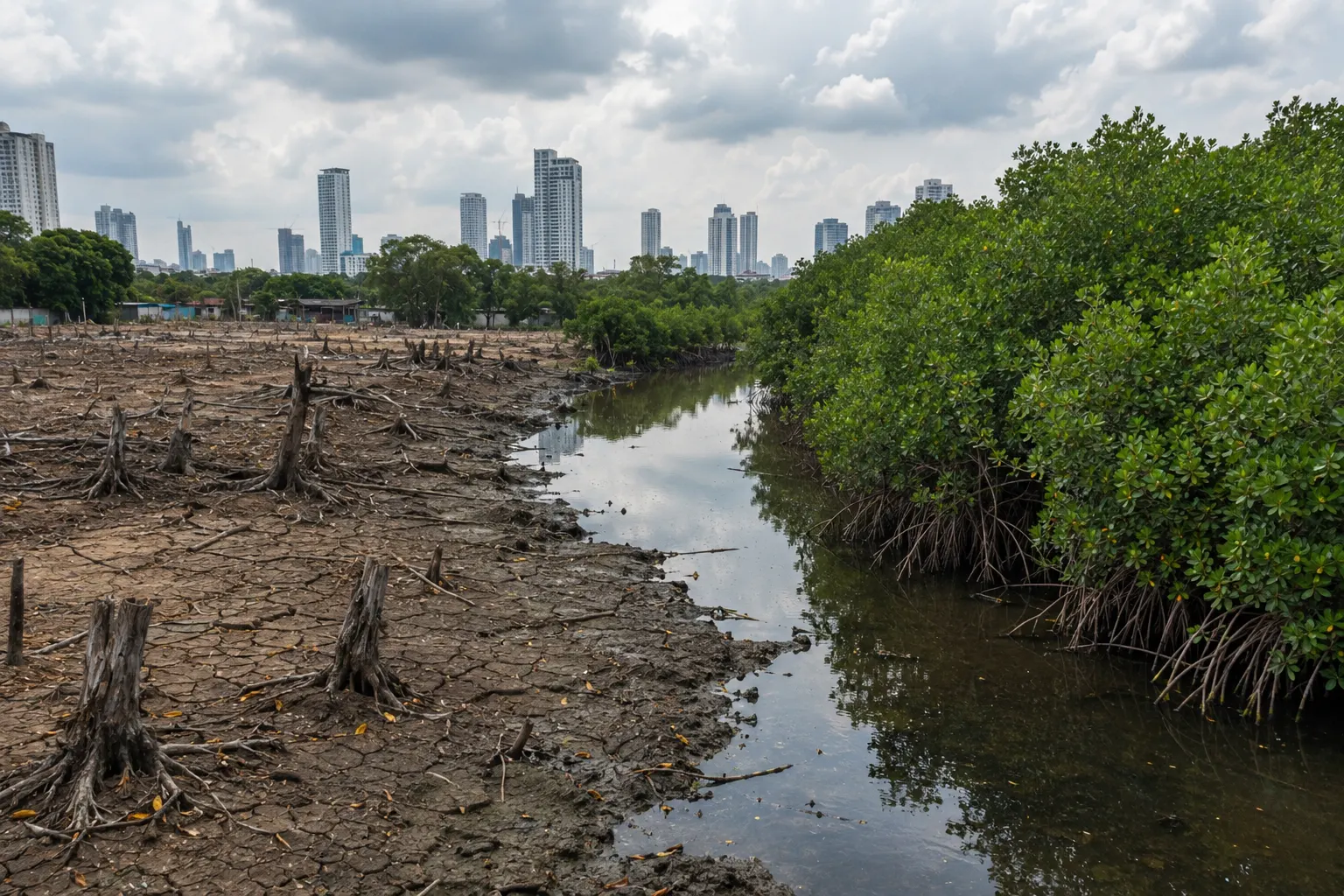
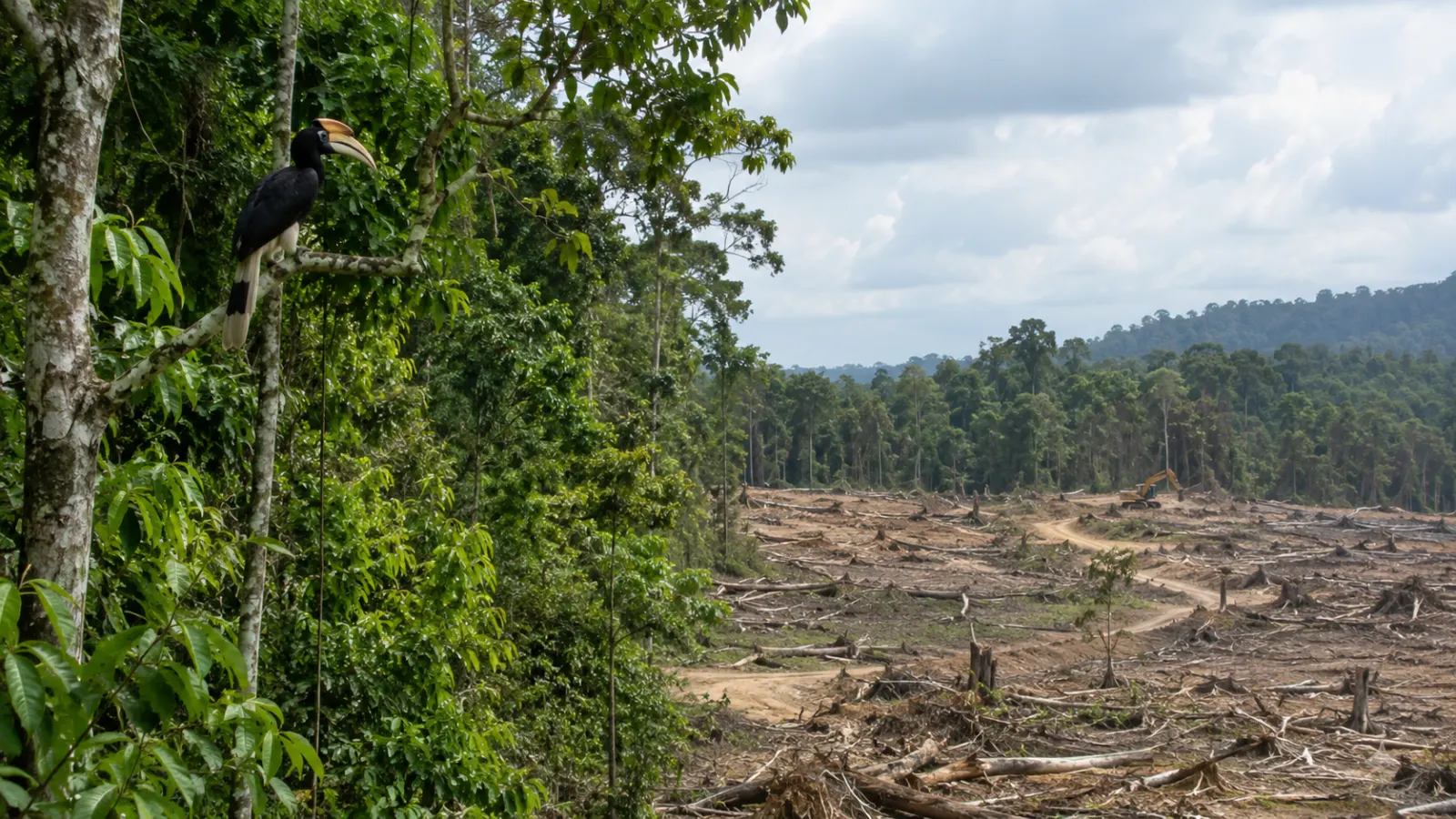
Earth has experienced five catastrophic mass extinctions in the fossil record. Today species are disappearing unusually fast, largely because of human pressures. Whether that alre…
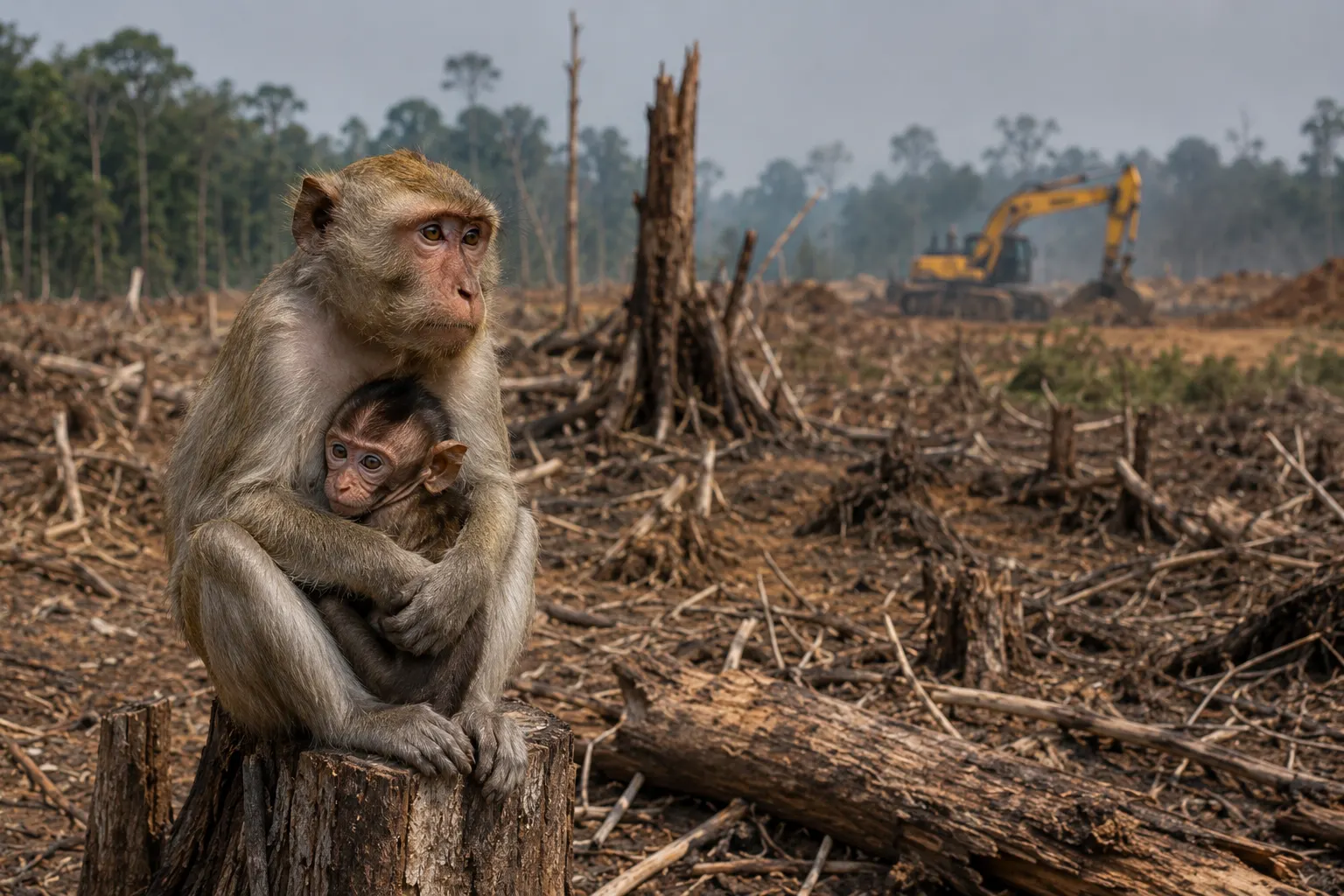
Extinction is the final stage of a longer decline. Habitat loss, overexploitation, invasive species, pollution, climate change and disease can reduce populations until ordinary ba…
“Endangered” sounds like a general description, but in conservation science it can have a precise technical meaning. The IUCN Red List uses measurable criteria involving populatio…
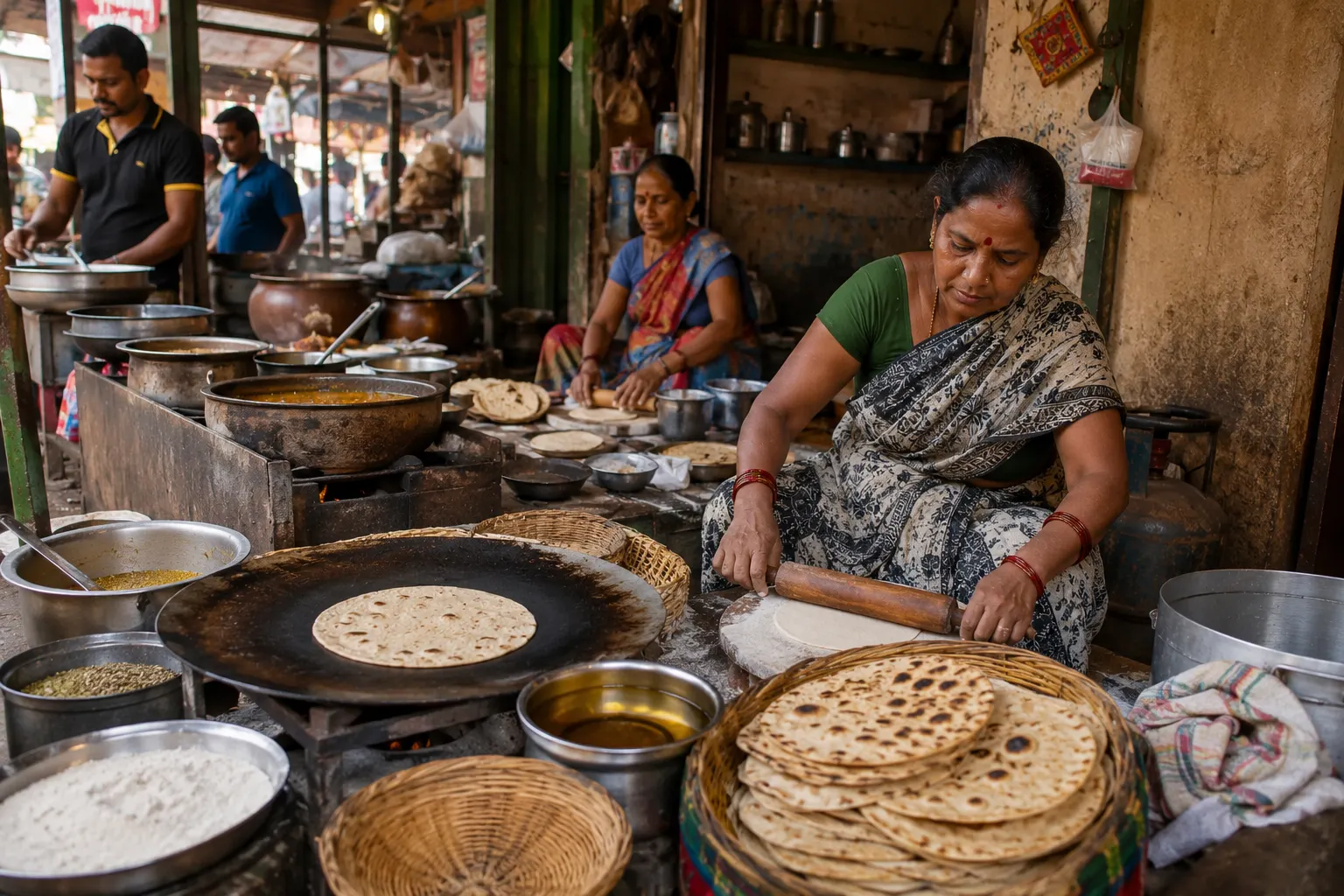
Age alone does not make a dish traditional. Foods become culturally meaningful when communities repeatedly cook, name, share, adapt and attach memories to them—often across genera…
Reading faster is useful only if the information you need survives the increase in speed. Research suggests there is a real speed-comprehension trade-off, so efficient readers var…
Vivekananda became famous through religion, but his historical influence extended into education, social service, global perceptions of Hinduism and emerging ideas of Indian natio…
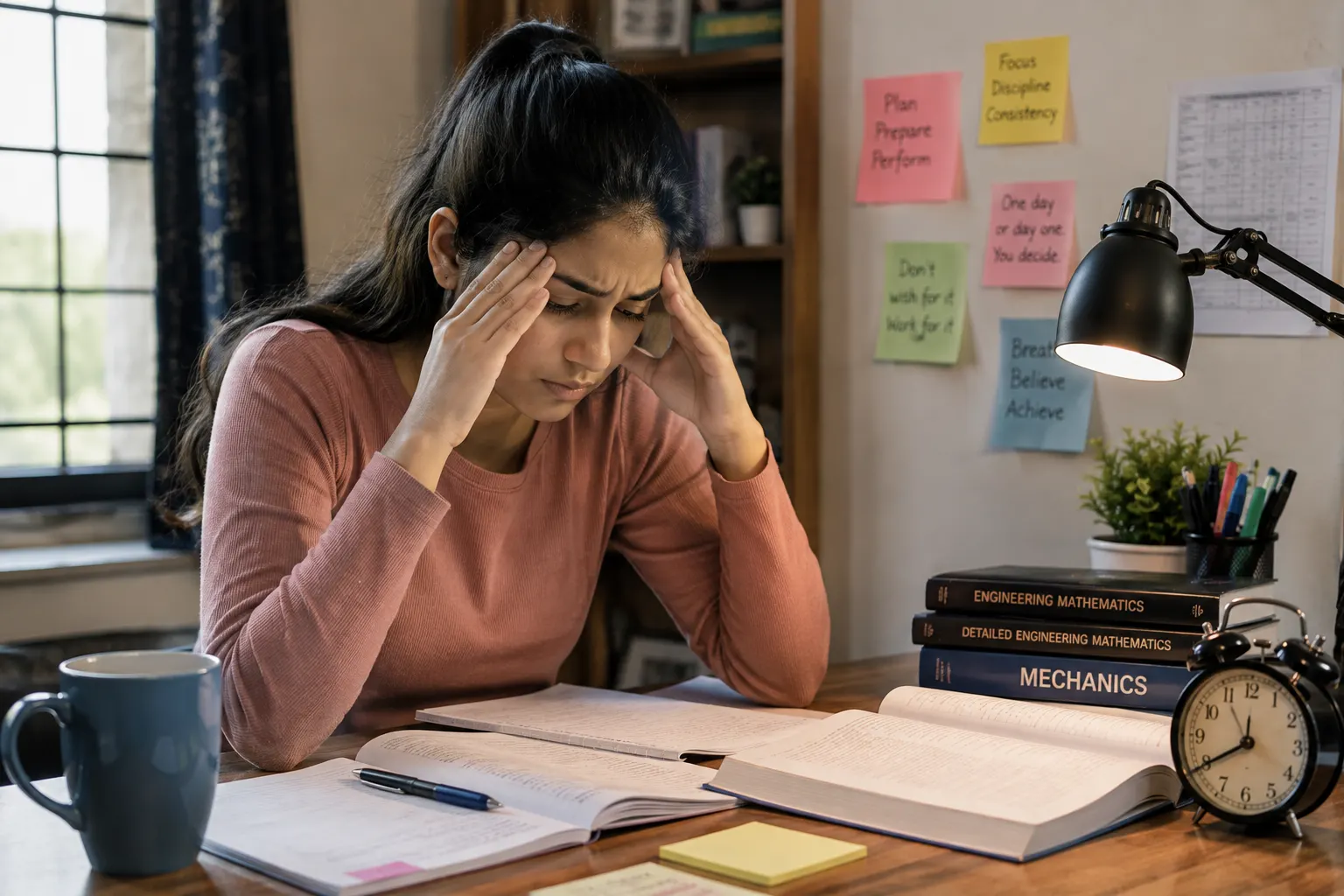
Exam anxiety is more than ordinary pre-test nerves when worry, physical arousal and fear of failure begin to interfere with preparation or performance. Understanding the mechanism…
Ramakrishna became one of nineteenth-century Bengal’s most influential religious figures not by building an organisation, but through a circle of disciples who turned his ecstatic…
Metabolism is the chemistry that keeps a living body running, not a single speed setting. Resting energy use, digestion, movement, body composition, hormones and adaptation all co…
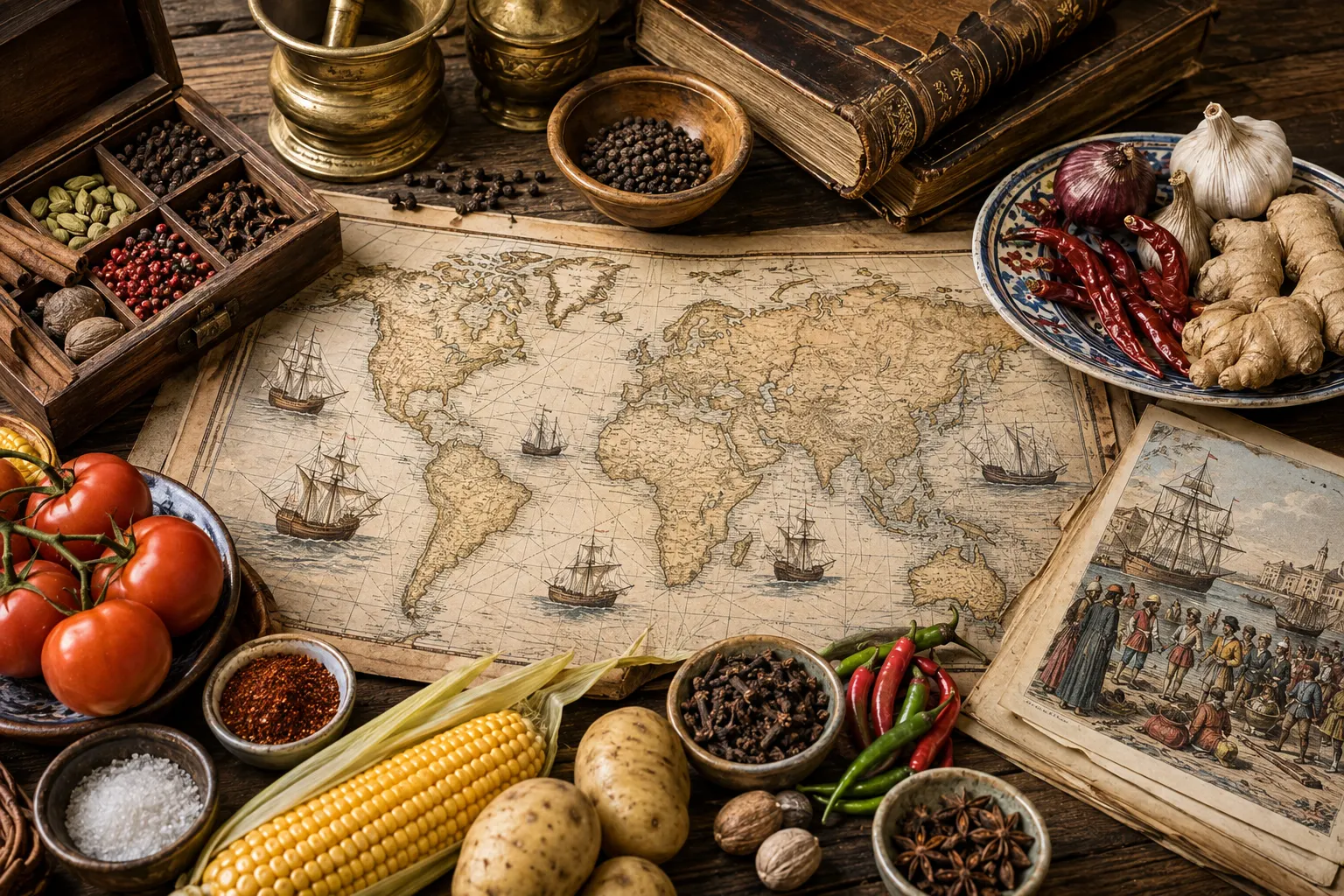
Cuisine preserves traces of trade, migration, empire, technology and cultural change, showing how food can serve as evidence of history.
· 8 min read
Enjoying the reporting?
We noticed an ad blocker. Ads keep our journalism free — please consider allowing them, or subscribe to our newsletter instead.
We use cookies to keep you signed in and to understand how readers use the site. See our Privacy Policy.