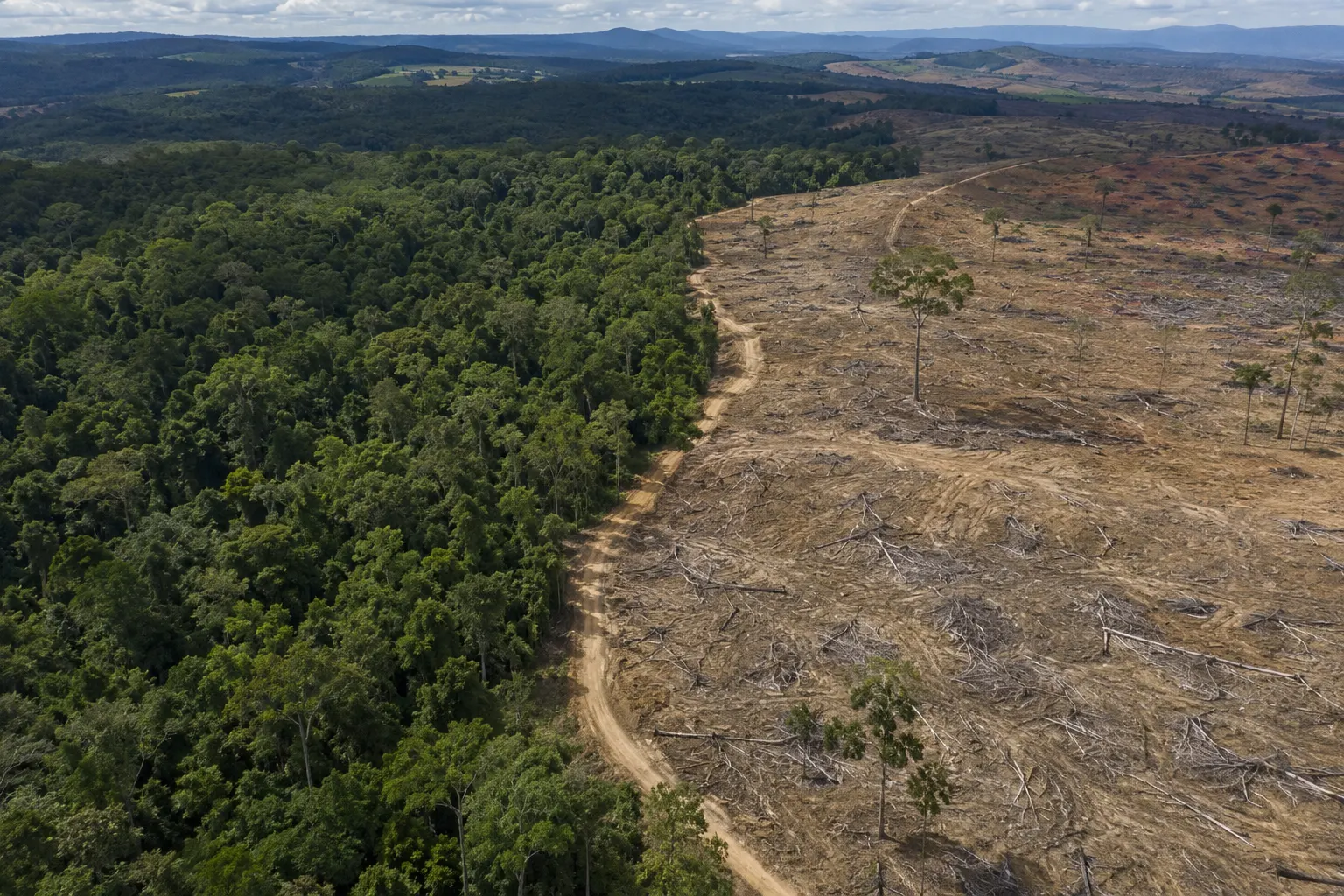
Habitat destruction is not only the moment a forest is cleared or a wetland drained. Habitats can also become too degraded, fragmented or disconnected to support the species and e…
Identity feels personal, yet much of it is built socially. Communities give people categories, stories, symbols and recognition through which they answer not only “Who am I?” but…
The brain is not a passenger while the body exercises. Movement changes circulation, signalling, mood and metabolic conditions within minutes, while regular activity is associated…
Family structures are changing across societies as smaller households, ageing, migration, technology and shifting care roles reshape how families live.
Growth mindset is often reduced to “believe you can improve.” The research is more precise: beliefs about whether abilities can develop may influence responses to challenge, but e…
Strength training is often marketed around appearance or athletic performance. Its more important role is quieter: preserving the ability to lift, carry, climb, balance and remain…
Cardio and strength training are often treated as rival camps. Physiologically, they solve different problems. Aerobic work develops endurance and cardiorespiratory capacity; resi…
Walking is easy to underestimate because it looks ordinary. Yet it is one of the most accessible forms of physical activity, can reach moderate intensity, improves fitness when do…
A fixed mindset is not simply pessimism. It is a way of interpreting ability that can make challenge feel diagnostic: if performance reveals who you are, mistakes become more thre…
Chandigarh is often described as Le Corbusier’s city. The reality is more collaborative—and more revealing. Its making joined Partition-era state building, modernist ambition, Ind…
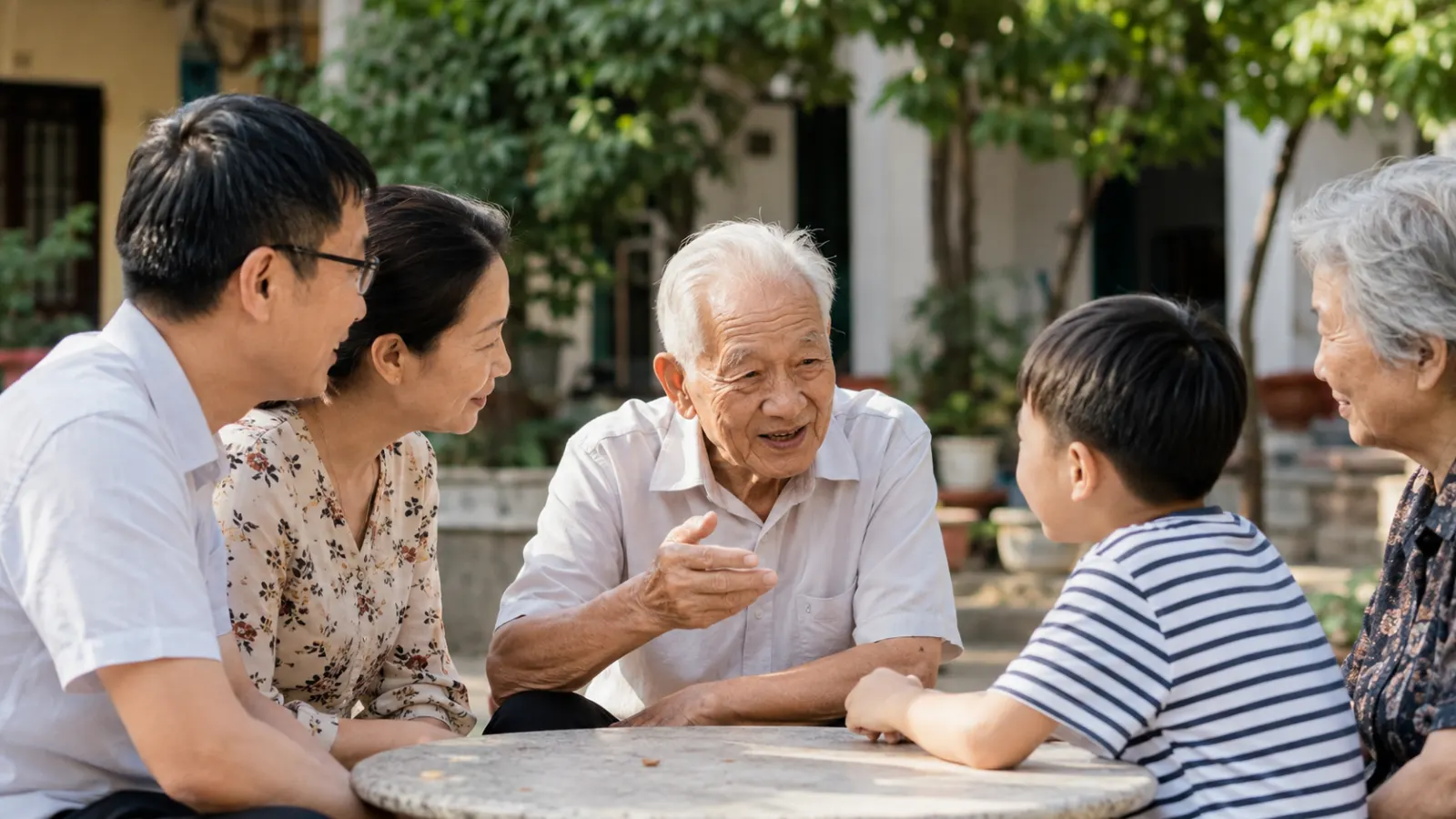
Older people are often described either as dependants or as repositories of wisdom. Both stereotypes miss the reality: elders can be workers, carers, mentors, volunteers, memory-k…
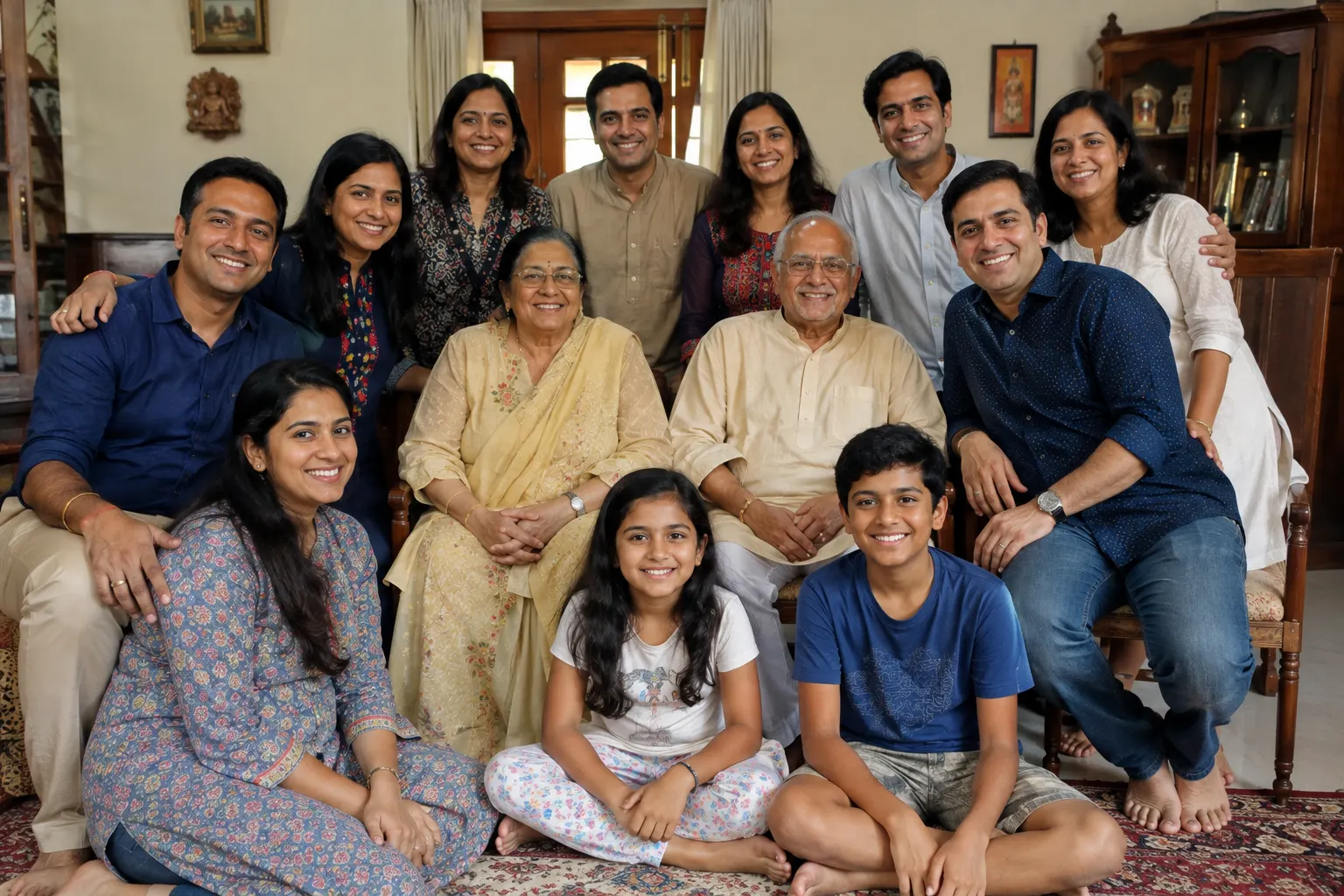
The joint family is often described as several generations living together, but co-residence is only part of the institution. Shared property, caregiving, authority and mutual obl…
· 8 min read
Enjoying the reporting?
We noticed an ad blocker. Ads keep our journalism free — please consider allowing them, or subscribe to our newsletter instead.
We use cookies to keep you signed in and to understand how readers use the site. See our Privacy Policy.