

Explained
Social Inclusion: Why Participation Matters More Than Presence
Social inclusion turns formal access into meaningful participation by removing barriers to opportunity, voice, services and institutional belonging.
Clear, evidence-led explanations of the issues shaping India and the world.
Social inclusion turns formal access into meaningful participation by removing barriers to opportunity, voice, services and institutional belonging.
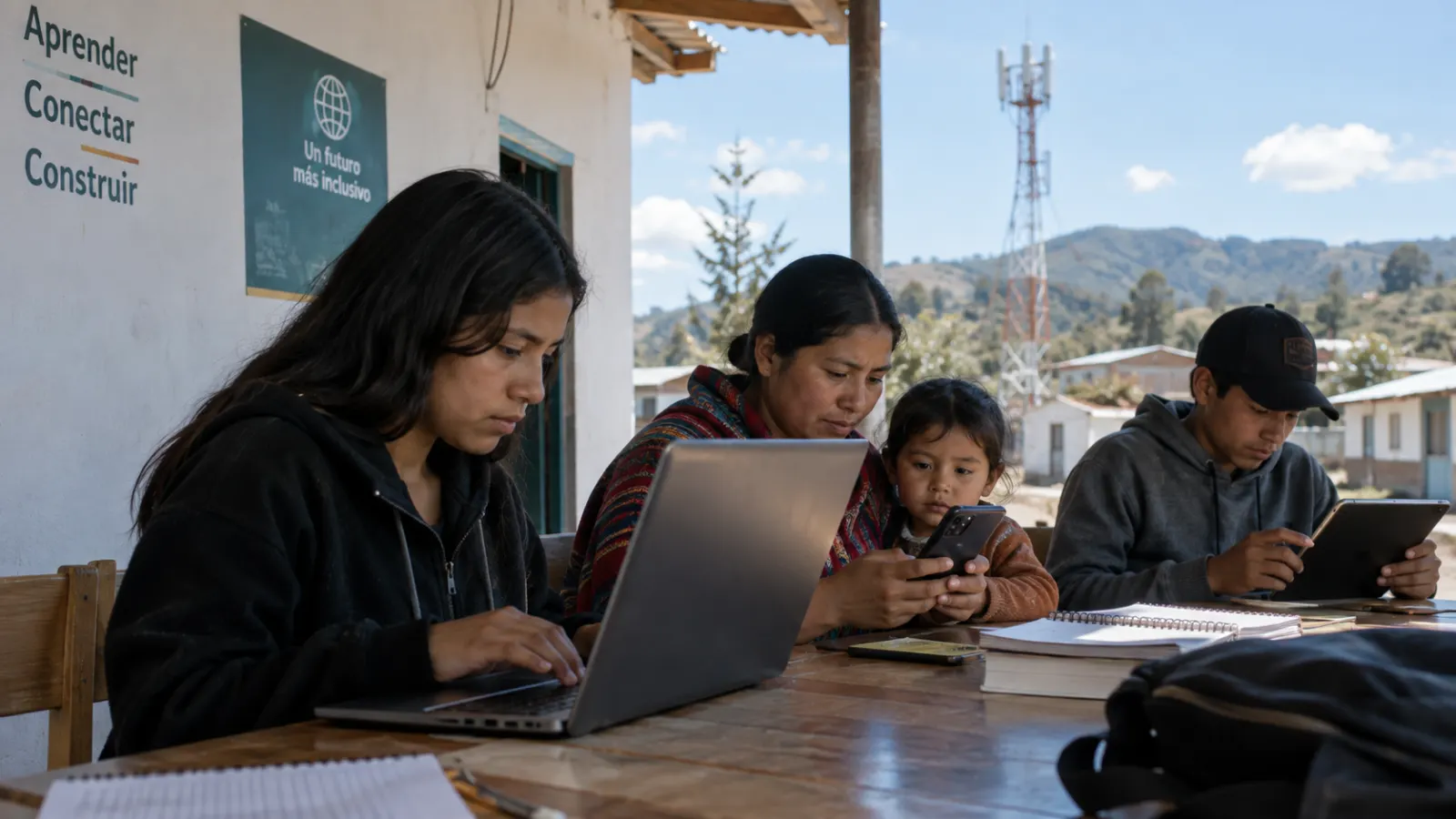
The digital divide goes beyond internet coverage. Learn how cost, devices, skills, accessibility and security determine meaningful access.
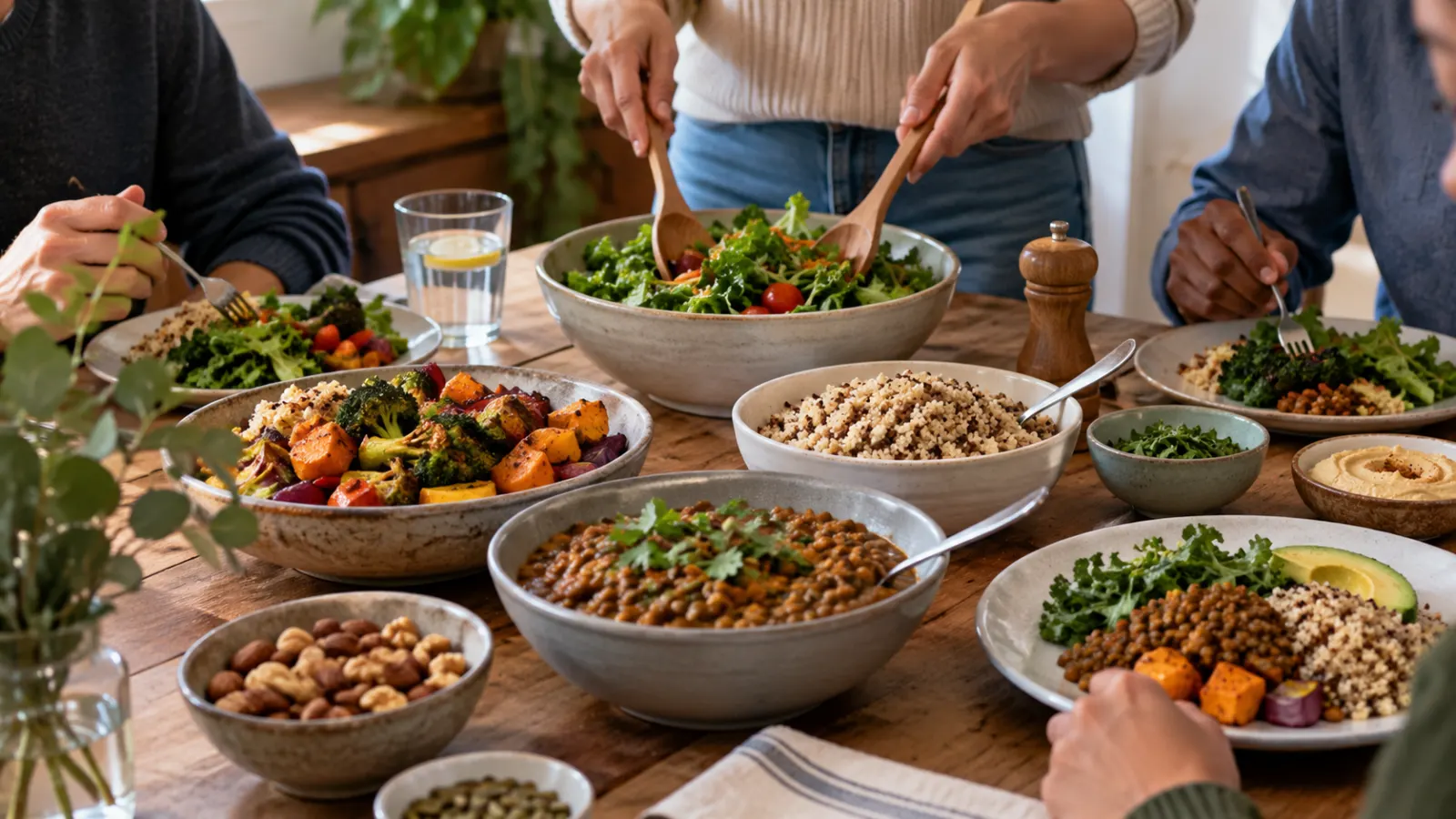
Plant-based diets and the environment are closely linked, especially when high-impact ruminant meat is replaced with nutritious plant foods.

The Slow Food movement links pleasure, biodiversity, sustainability and fairness through its idea of good, clean and fair food.
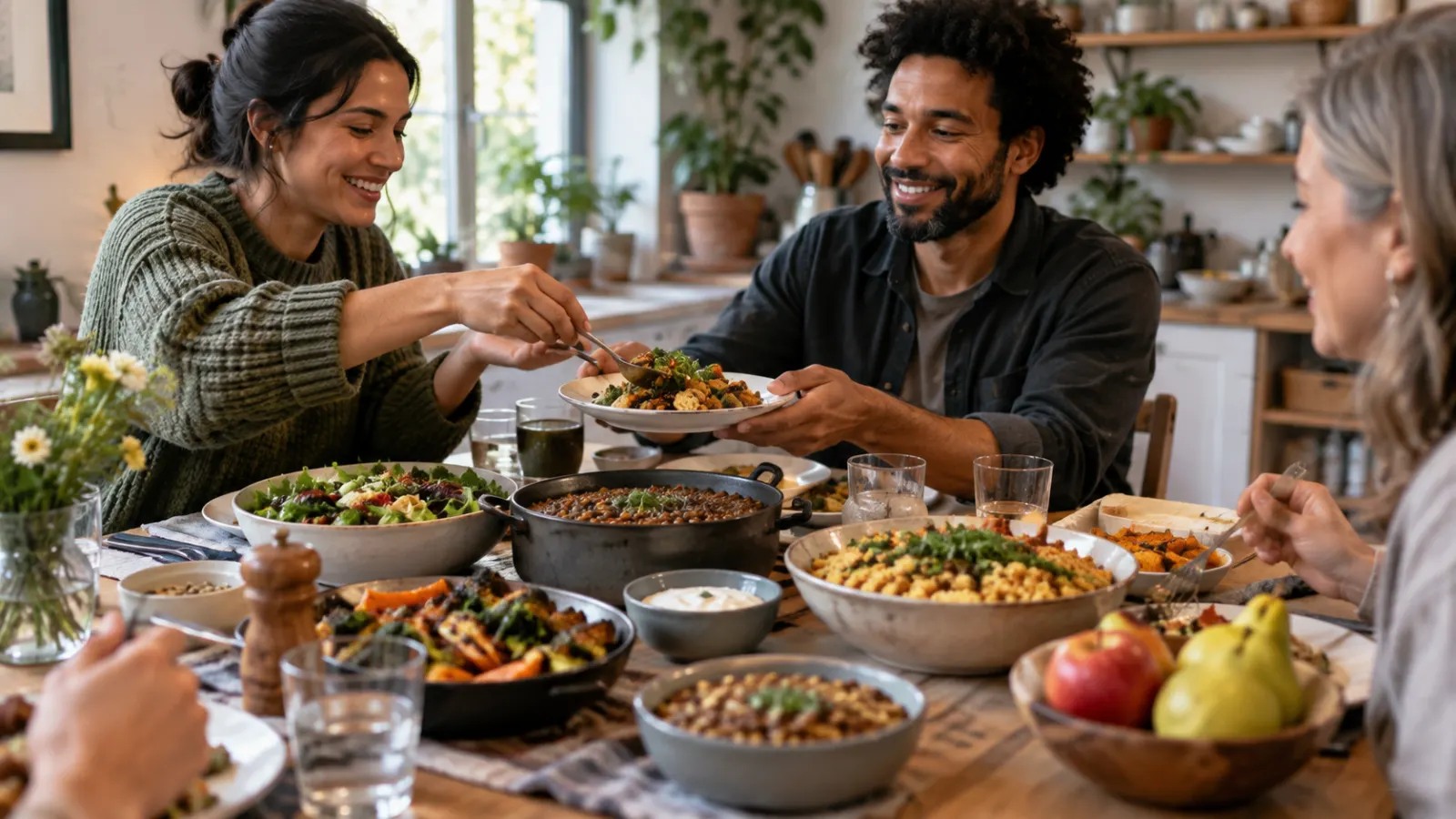
Sustainable eating combines healthy nutrition with lower environmental impact, affordability, less food waste and practical food choices.
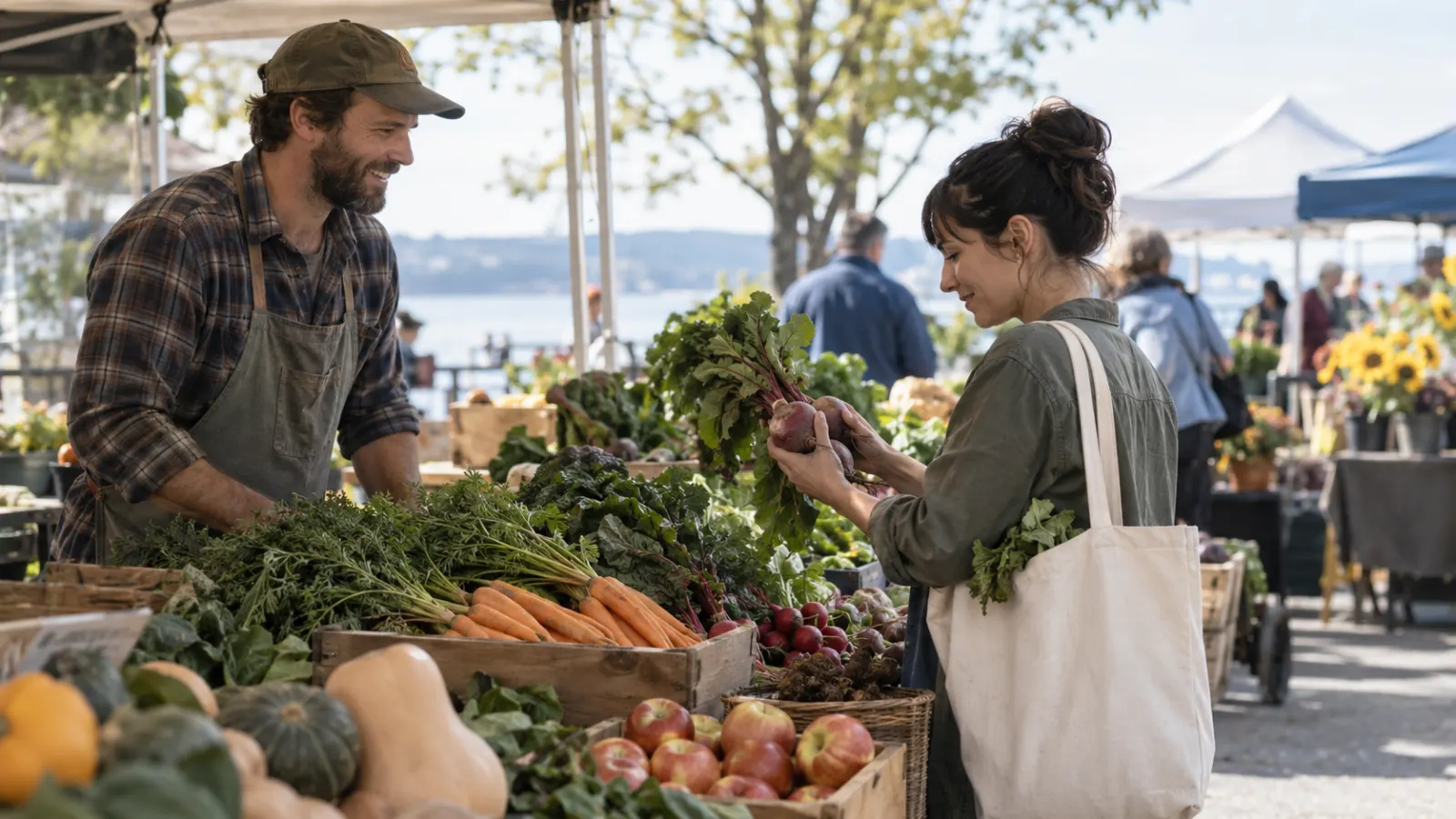
Local and seasonal eating can help sustainability, but food miles alone can mislead. Production, storage and transport mode also matter.

Prenatal care uses regular visits, screening and preventive measures to monitor maternal and fetal health and detect pregnancy complications early.

Lifelong learning helps people adapt to changing careers, renew valuable skills and keep developing through formal, informal and workplace learning.
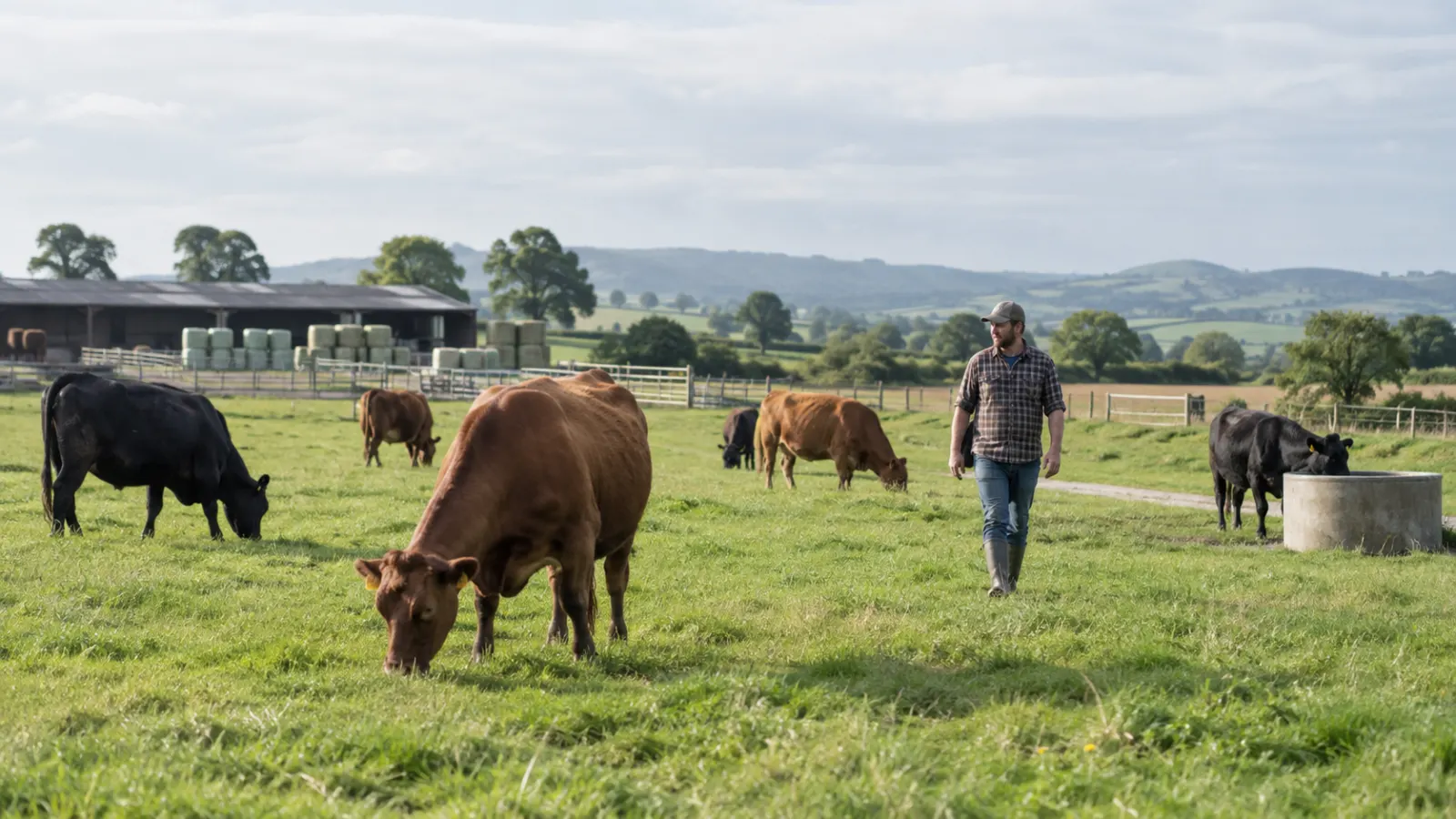
The environmental impact of meat production includes methane, land, feed, water and manure. Learn why species and farming systems change the footprint.

Continuous improvement turns everyday work into a learning process through small experiments, measurement, feedback and standardising useful gains.

Learn how to learn new skills quickly by shortening feedback loops, practising actively, spacing knowledge and becoming less dependent on help.

Menstruation and iron deficiency are linked when menstrual blood loss exceeds iron replacement, especially with heavy or prolonged periods.