

Science & Health
The Science of Happiness: What Psychology Says About a Good Life
The science of happiness reveals how relationships, money, health, meaning, personality and daily habits shape human wellbeing.
Clear, evidence-led explanations of the issues shaping India and the world.
The science of happiness reveals how relationships, money, health, meaning, personality and daily habits shape human wellbeing.
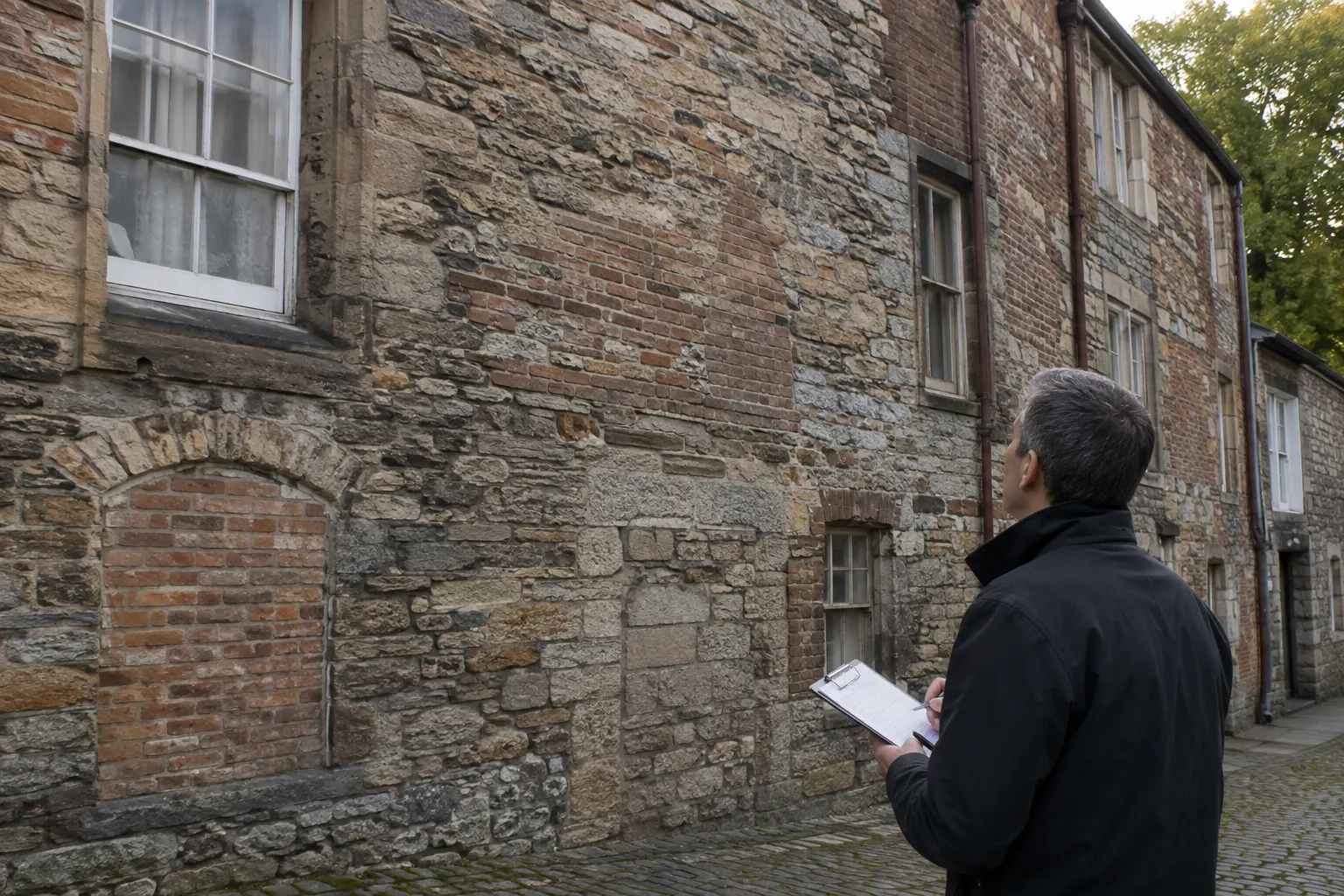
Buildings tell stories through their materials, repairs, altered rooms, blocked openings, wear and changing uses. Learn how historians read architecture as physical evidence.

Critical thinking helps us judge claims, evidence and sources more carefully, manage uncertainty and change our minds when stronger evidence appears.

Recycling vs reusing are not the same. Reuse keeps products in service, while recycling recovers material after use. Learn which usually comes first and why.

How to question information effectively: check claims, evidence, sources, numbers and context while keeping confidence proportional to what the evidence supports.

Architecture shapes far more than buildings. It influences culture, family life, power, public space, health, identity and memory while preserving evidence of how societies change.

How to develop a reading habit that lasts: use stable cues, small daily minimums, accessible books and a simple system for restarting.

Why reading widely matters goes beyond finishing more books. Wider reading can strengthen vocabulary, expand background knowledge and expose you to different ideas and perspective…

Why historical monuments matter goes beyond age or beauty: they preserve evidence, memory, culture and knowledge that cannot simply be recreated once lost.

Talking about feelings can create clarity, connection and support, but disclosure is not automatically therapeutic. Learn when talking helps, when it can backfire and how to do it…

Learn how to improve vocabulary by choosing useful words, learning them in context, reviewing with spaced retrieval and practising until you can use them naturally.

Breathing techniques for stress can help reduce arousal, but deeper is not always better. Learn how slow breathing works, which methods have evidence and how to practise safely.