
Business
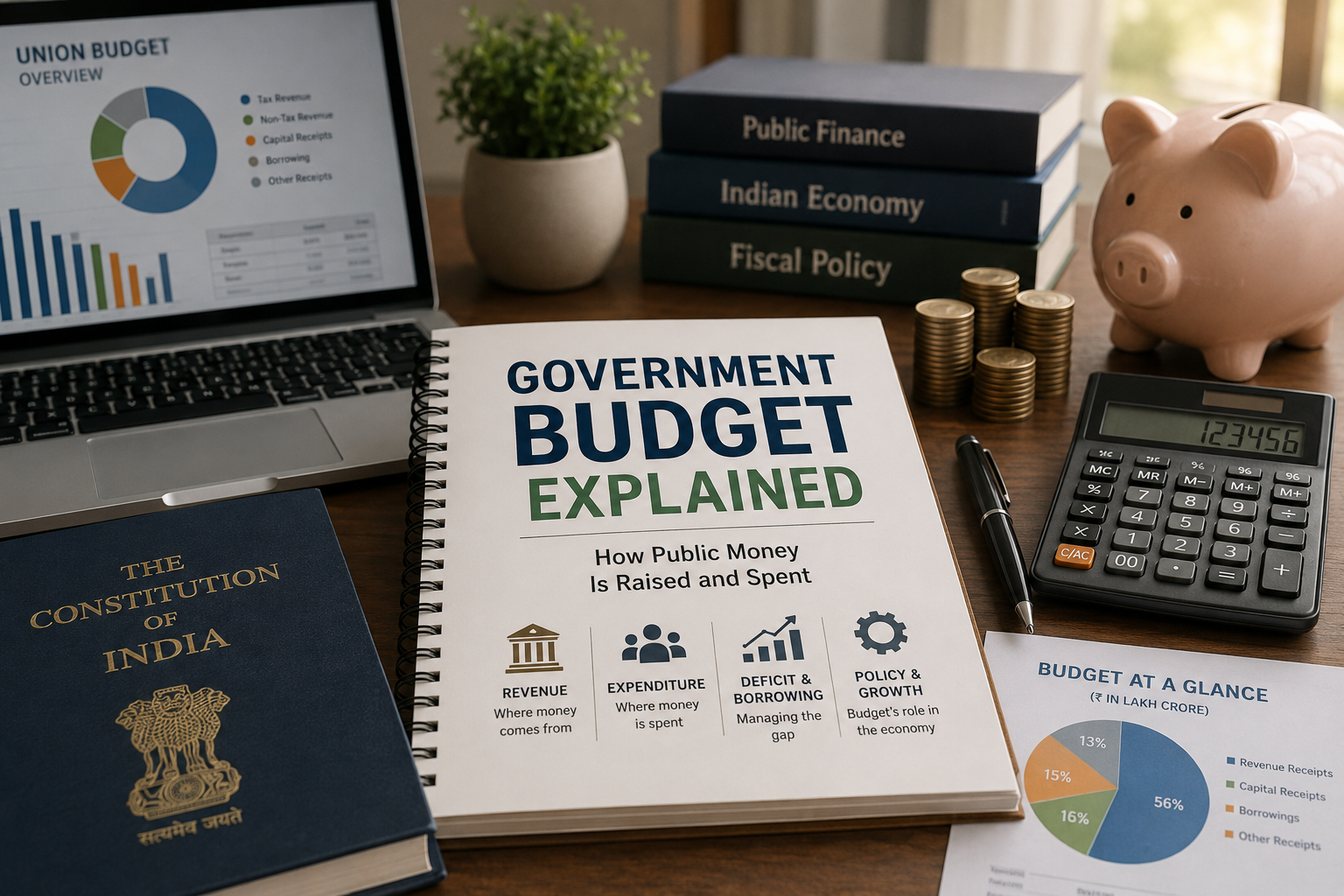
Government Budget Explained: How Public Money Is Raised and Spent
Government budget explained through taxation, public spending, deficits and borrowing, showing how budget choices shape growth and public services.
Clear, evidence-led explanations of the issues shaping India and the world.
Government budget explained through taxation, public spending, deficits and borrowing, showing how budget choices shape growth and public services.

Generational wealth is built through productive assets, financial education, disciplined investing, insurance and careful planning across multiple family generations.

FIRE movement explained through high savings, long-term investing, the 25x rule and disciplined spending aimed at achieving early financial independence.

An inverted yield curve occurs when short-term bond yields exceed long-term yields, often signalling weaker growth expectations and rising recession risk.

Sovereign debt default occurs when a country cannot meet its debt obligations, triggering restructuring, market stress and wider economic consequences.

Austerity measures use spending cuts, tax increases or both to reduce public deficits, but they may also weaken growth, services and public confidence.

The bond yield curve compares short-term and long-term bond yields, helping investors understand interest-rate expectations, growth prospects and recession risk.

Rupee cost averaging uses regular fixed investments to spread purchases across market movements, reduce timing anxiety and support disciplined long-term investing.

Asset allocation divides investments across equity, debt, gold, cash and real estate to balance risk, return and long-term financial goals.

Portfolio rebalancing restores investments to their target allocation after market movements change the balance between equity, debt and other assets.

A clear, evergreen explainer on why iron deficiency is so common: intake, absorption, blood loss, menstruation, pregnancy, children, symptoms and safe care.

Studying smarter means turning effort into real learning through active recall, spaced revision, feedback, focused study and error correction.