
Explained
Why Do People Help Others? Psychology of Helping
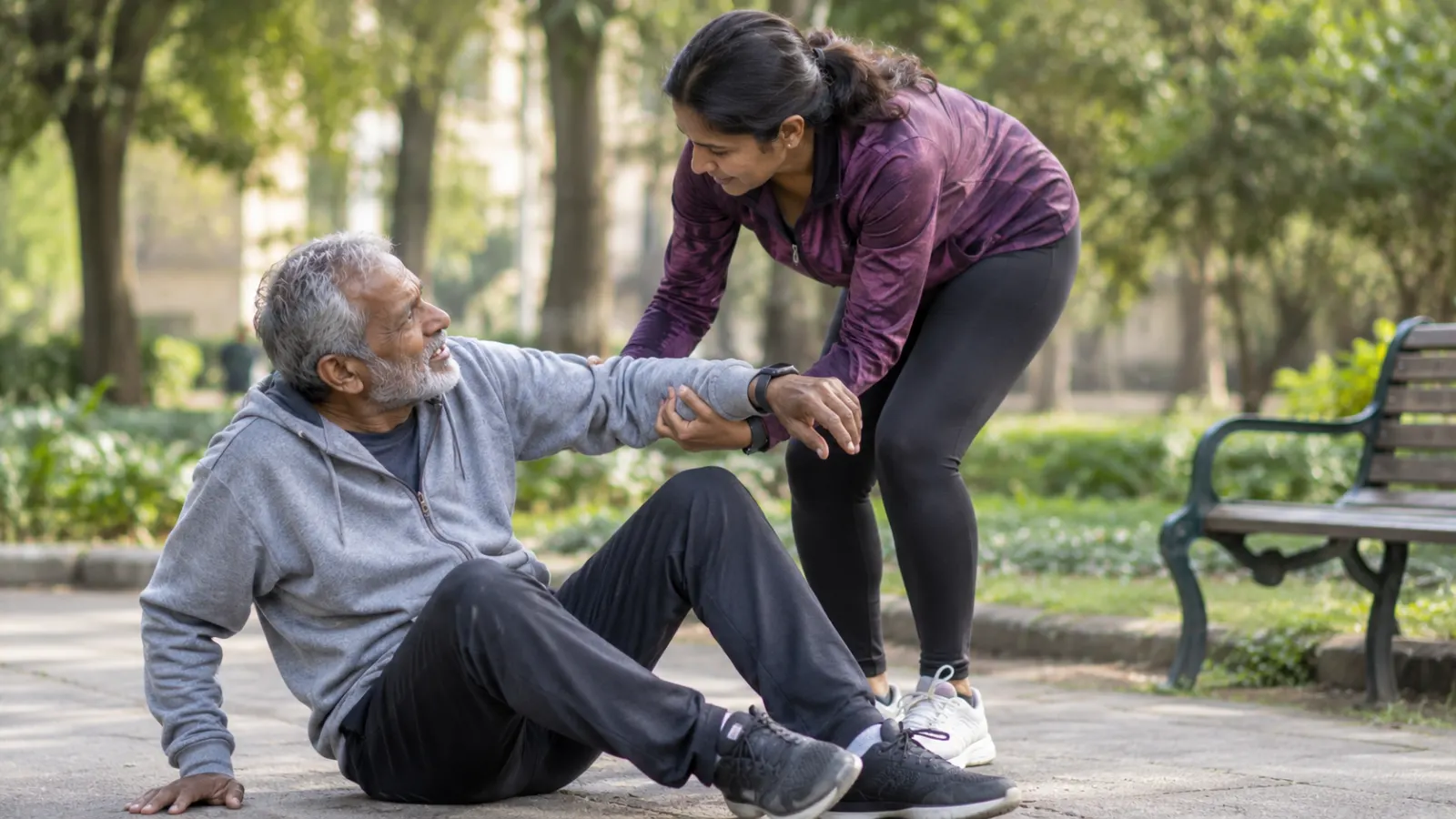
Why do people help others? Empathy matters, but reciprocity, identity, social norms, reputation, costs and circumstances also shape helping.
Clear, evidence-led explanations of the issues shaping India and the world.
Why do people help others? Empathy matters, but reciprocity, identity, social norms, reputation, costs and circumstances also shape helping.

Remote work skills help distributed teams communicate clearly, coordinate asynchronously, protect focus, document decisions and build trust across distance.

Learn how to work from home productively by improving focus, communication, meetings, workspace, boundaries and your daily remote-work system.

Healthy ageing focuses on preserving function, independence and choice through physical activity, nutrition, prevention, social connection and supportive environments.

The environmental cost of technology begins with minerals and manufacturing and continues through electricity, water, infrastructure and electronic waste.

Volunteering is freely chosen unpaid work that creates social value. Learn how it builds communities, skills and services—and where its limits matter.

Cognitive health in older age involves more than memory. Learn what changes normally, what may signal cognitive decline and how brain health can be supported.

The power of consumer choices is real but limited by price, infrastructure and available options. Learn where individual action can make the biggest difference.

A preventive health checkup should target risks where early action helps. Learn which screenings, vaccines and assessments matter—and when testing can harm.

Altruism means acting, at least partly, because another person’s welfare matters. Explore how empathy, duty, reciprocity and mixed motives shape helping.

Conscious consumerism means buying with need, durability, impact and evidence in mind while recognising that better choices also need better systems.

Reproductive health covers contraception, fertility, sexual health, STI prevention, pregnancy care and informed choices across the life course.