
Explained
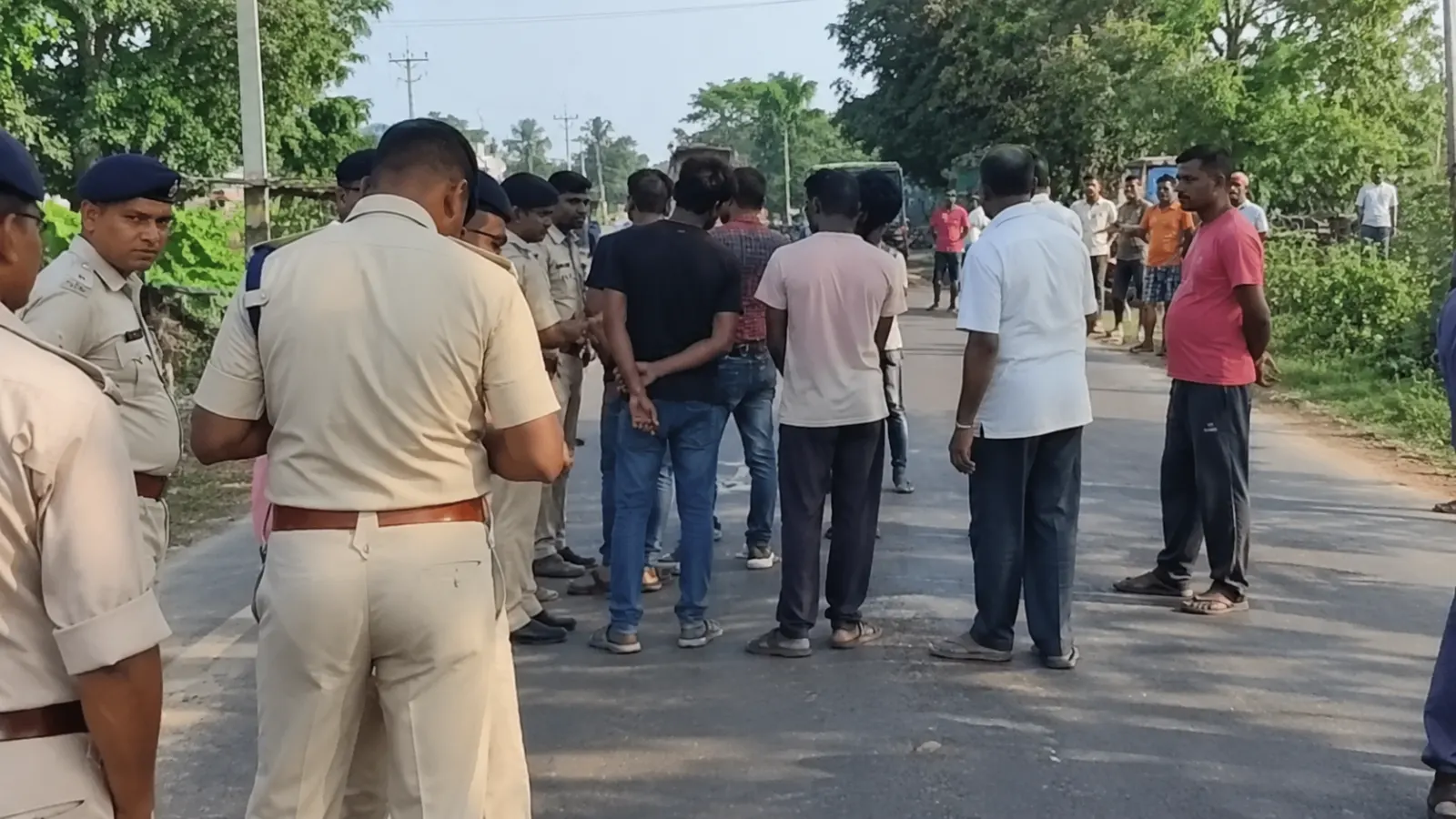
Samastipur Harassment Case: Four Arrested After Viral Video
The Samastipur harassment case led to four arrests after a viral video allegedly showed a teenage girl being harassed in public in Bihar.
Clear, evidence-led explanations of the issues shaping India and the world.
The Samastipur harassment case led to four arrests after a viral video allegedly showed a teenage girl being harassed in public in Bihar.

Anant Chaturdashi 2026 falls on September 25. Learn its puja timings, significance, vrat traditions, Anant Sutra and Ganesh Visarjan customs.

Park access after sunset is changing in Delhi. Can controlled entry improve women’s safety without unnecessarily restricting public space?
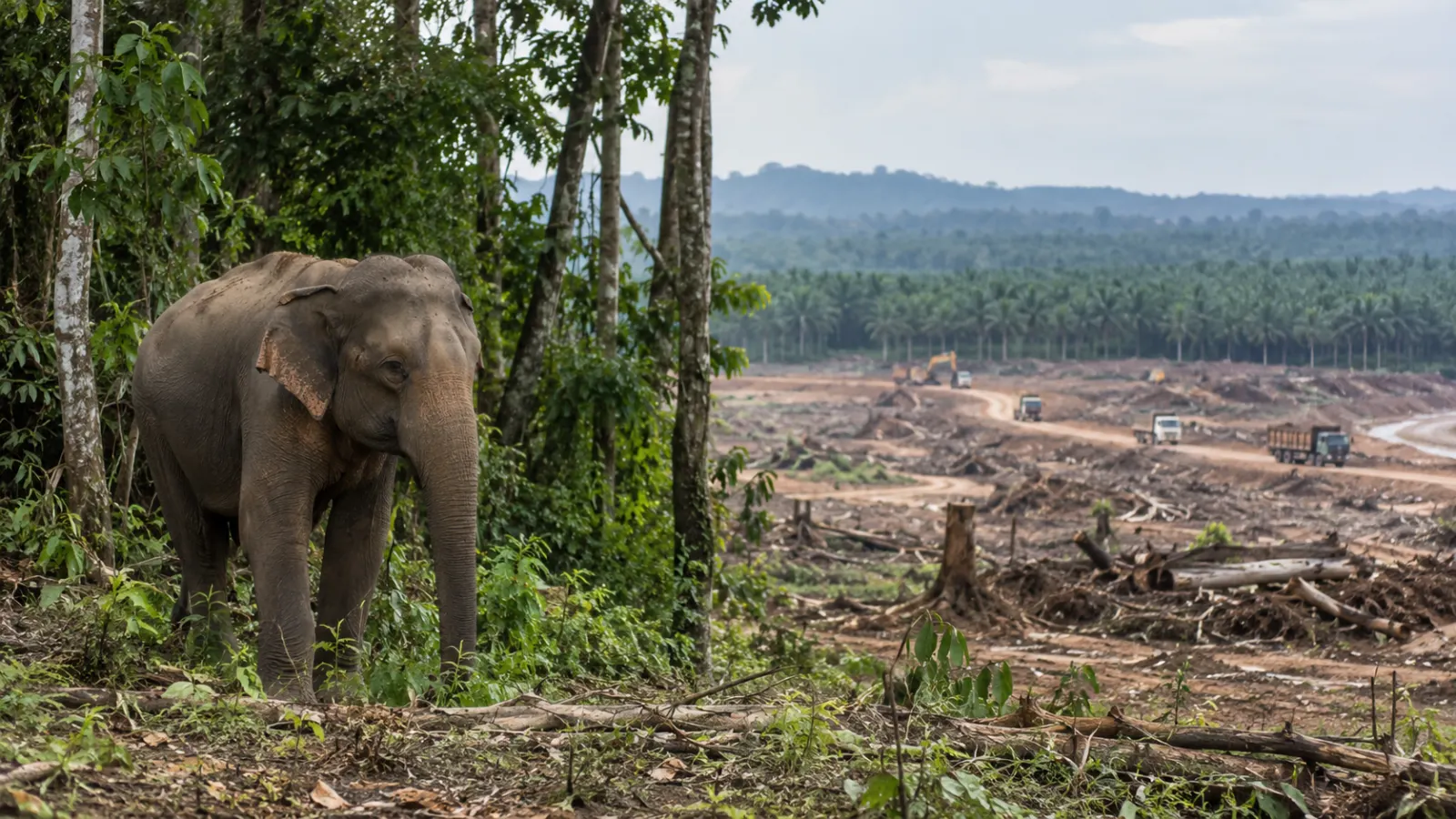
Why species go extinct usually involves a chain of pressures, including habitat loss, exploitation, invasive species, climate change and small populations.

Patriarchy and men should not be treated as synonymous. Gender norms can enable domination, harm men too, and be challenged by men themselves.

Culture and women are closely linked, but tradition becomes control when social expectations deny women equal freedom, choice and autonomy.

Traditional values vs modern values often clash because institutions, technology and generations change at different speeds. Explore how societies negotiate change.

Whole grains vs refined grains differ in fibre, nutrients and structure. Learn how processing changes grains and how to make practical, healthier choices.

Is fruit healthy despite containing sugar? Whole fruit provides fibre, water and nutrients, while juice, smoothies and dried fruit require more attention to portion.

Cultural heritage includes places, objects, traditions and knowledge that societies choose to preserve, interpret and pass to future generations.
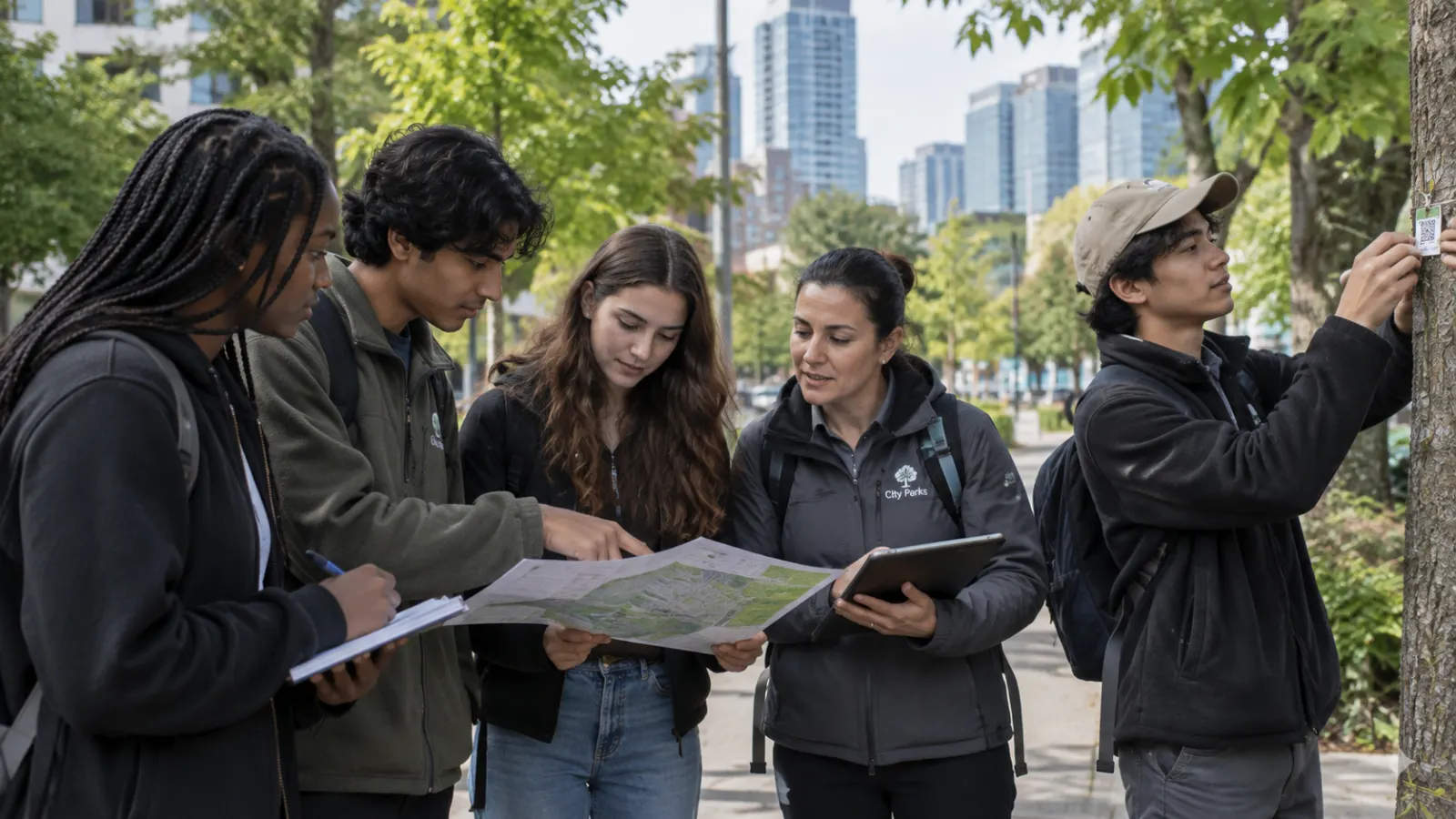
Youth climate action includes activism, education, careers, community projects and formal participation in the institutions shaping climate policy.

Creative thinking is more than having original ideas. Learn how to generate alternatives, challenge assumptions, improve promising ideas and test them.