

Explained
Cycle of Poverty: Why It Persists Across Generations
The cycle of poverty develops when low resources, weak opportunities and repeated shocks reinforce disadvantage across generations—but it is not destiny.
Clear, evidence-led explanations of the issues shaping India and the world.
The cycle of poverty develops when low resources, weak opportunities and repeated shocks reinforce disadvantage across generations—but it is not destiny.

Learn how to research a company before applying by checking the business, role, credible sources, risks, culture and career value.

Learn how to follow up after a job interview professionally, from the first thank-you email to timeline checks, competing offers and knowing when to stop.

Industrial pollution can contaminate air, water and soil. Learn its causes, health and environmental impacts, and how cleaner production can reduce it.

Amartya Sen reshaped welfare economics by asking what resources actually enable people to do, from escaping famine to expanding freedom and capability.

Professional networking expands access to information, trust and opportunity by connecting you with strong, weak and bridging professional ties.

The gut-brain axis links digestion and the brain through neural, hormonal and immune pathways, while the microbiome may add another signalling layer.

The gut microbiome supports digestion, immunity and pathogen resistance, but there is no single perfect microbiome or universal gut health test.
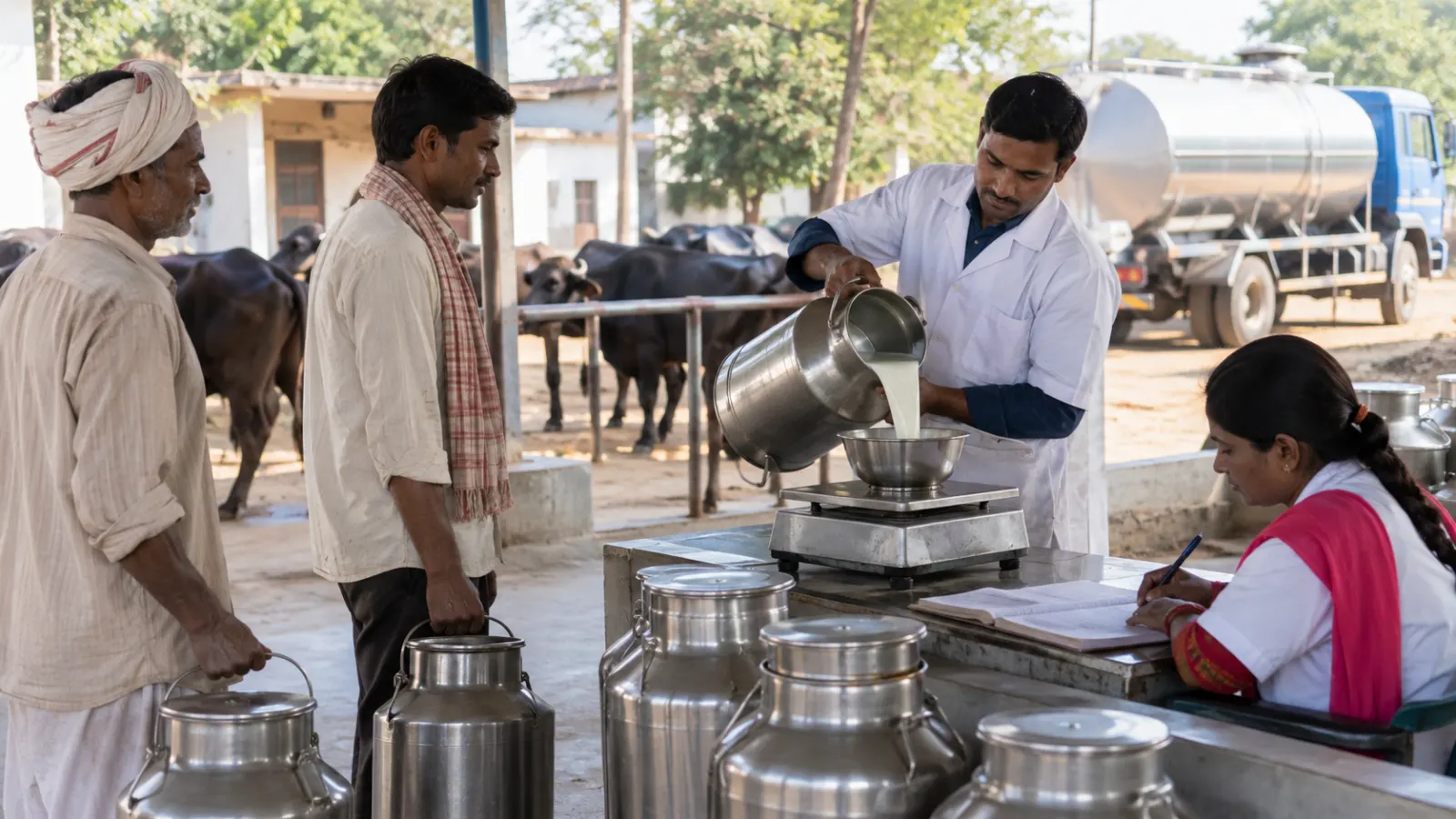
The White Revolution transformed Indian dairy through Operation Flood, farmer cooperatives, the Anand Pattern and a nationwide milk-marketing network.
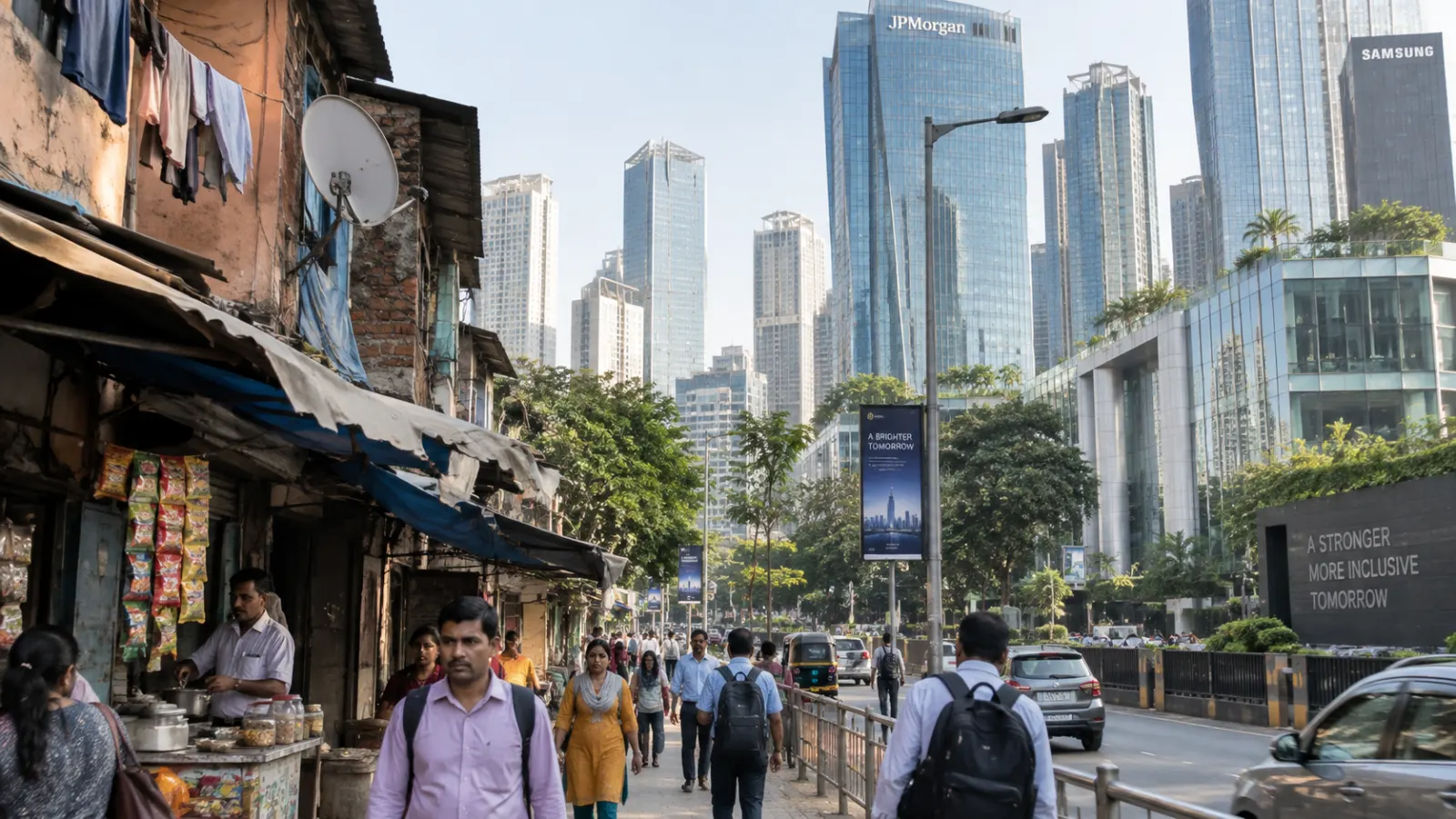
Inequality in society includes unequal income, wealth, opportunity, security and power. Learn how these gaps form, persist and affect mobility.

Overfishing removes fish faster than stocks can sustain. Learn why it happens, how stocks become depleted and how effective management can help them recover.

P. C. Mahalanobis transformed Indian statistics through sampling, ISI, the National Sample Survey and his influential role in economic planning.