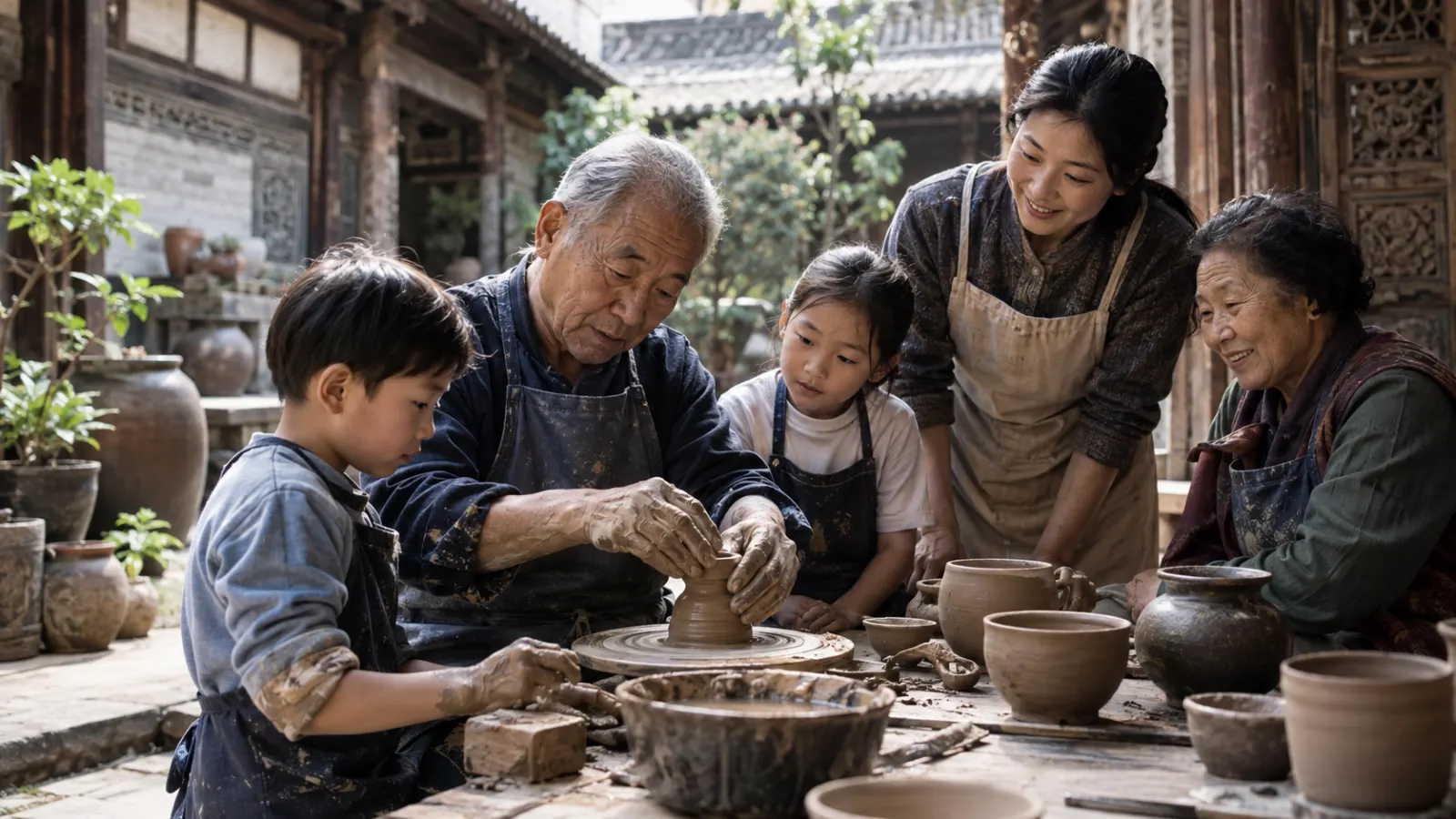
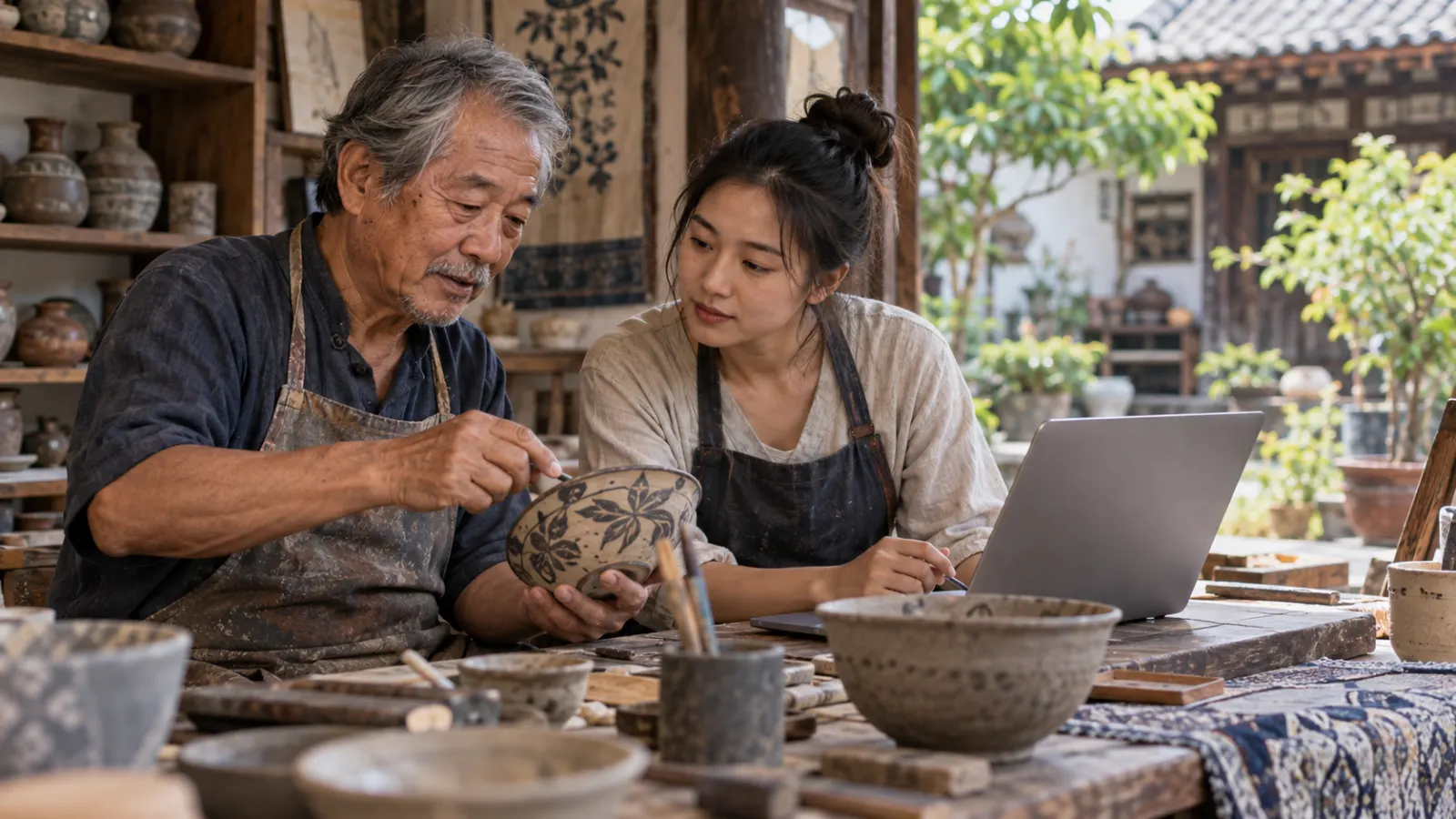
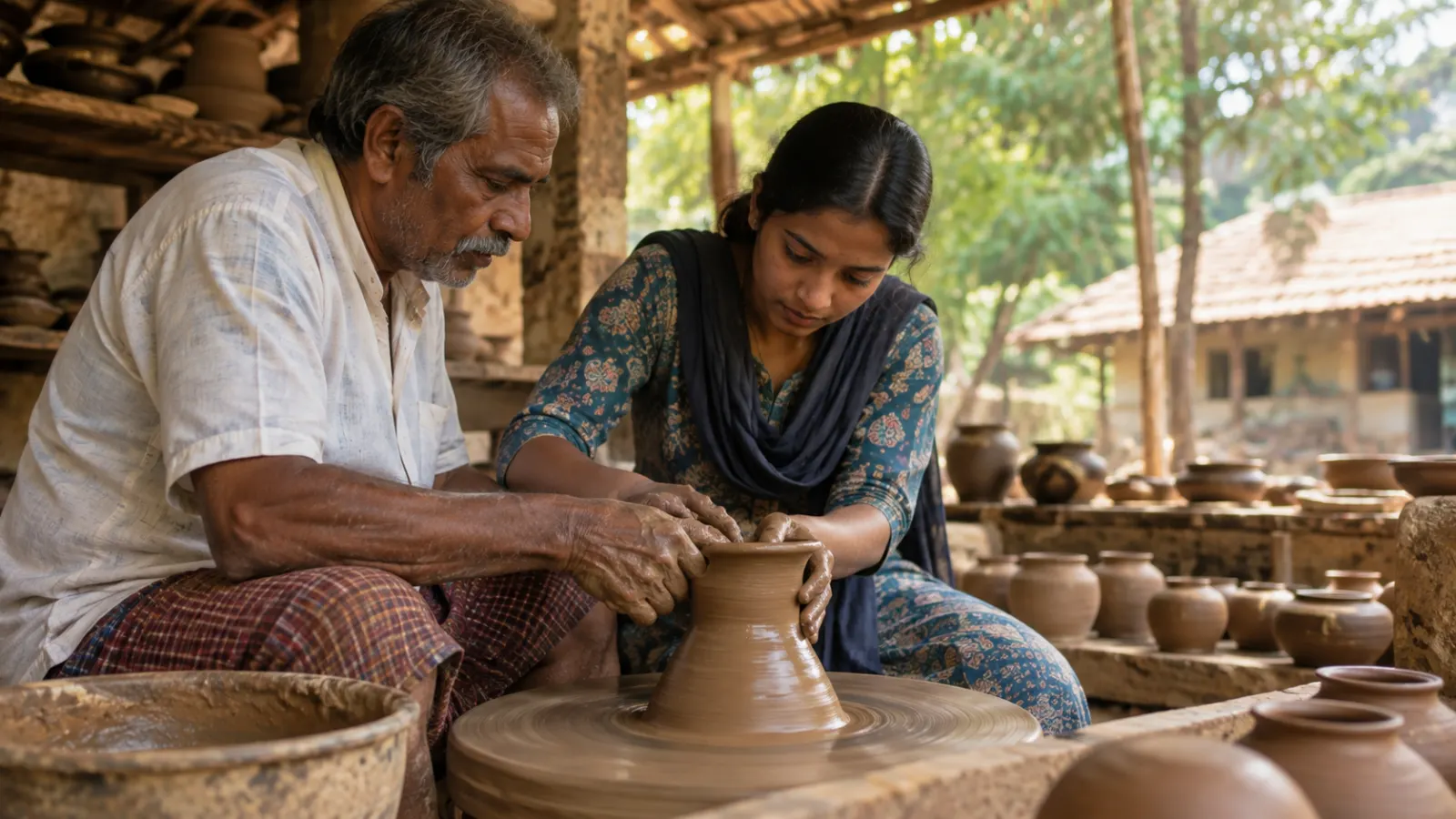
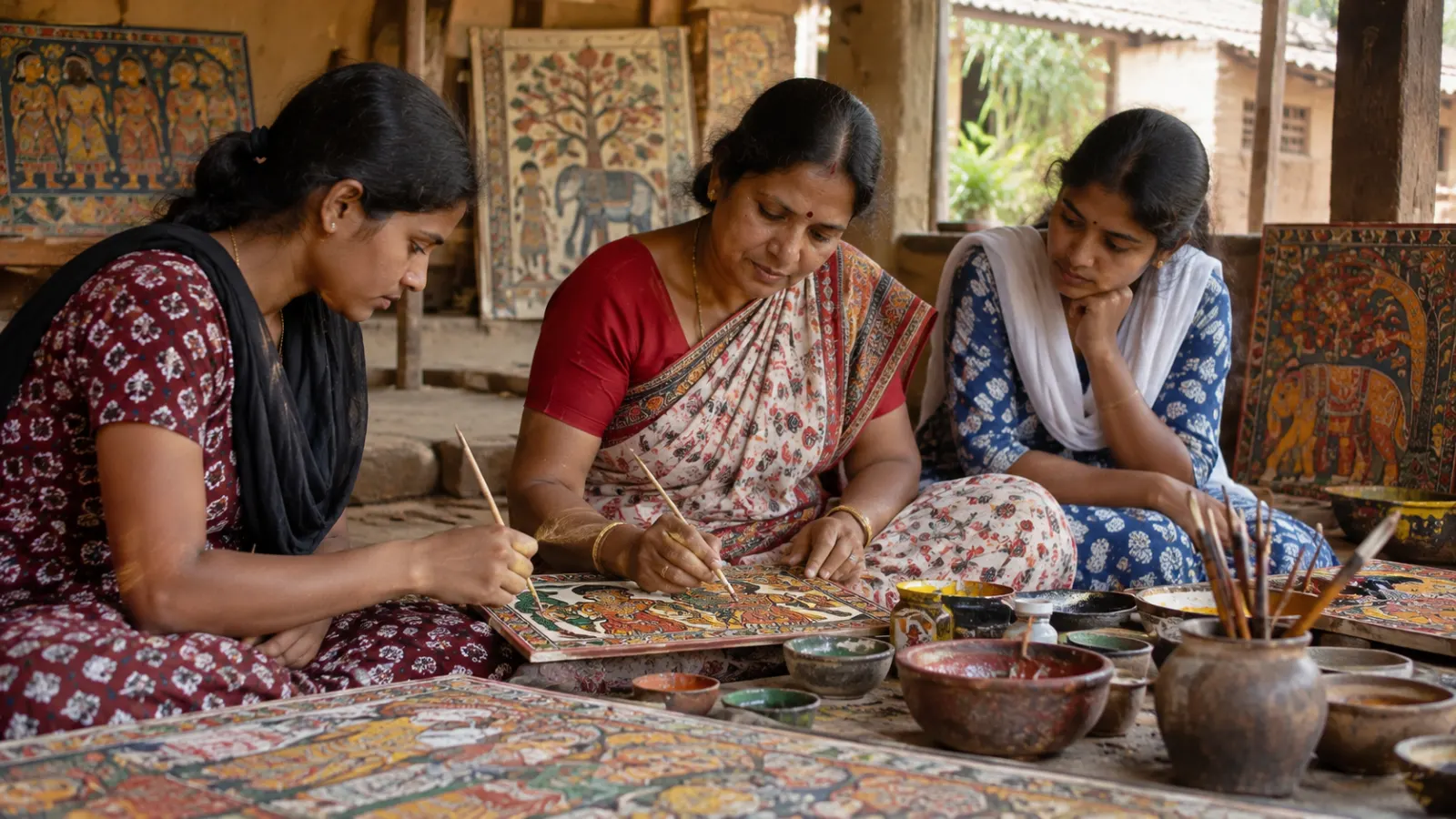
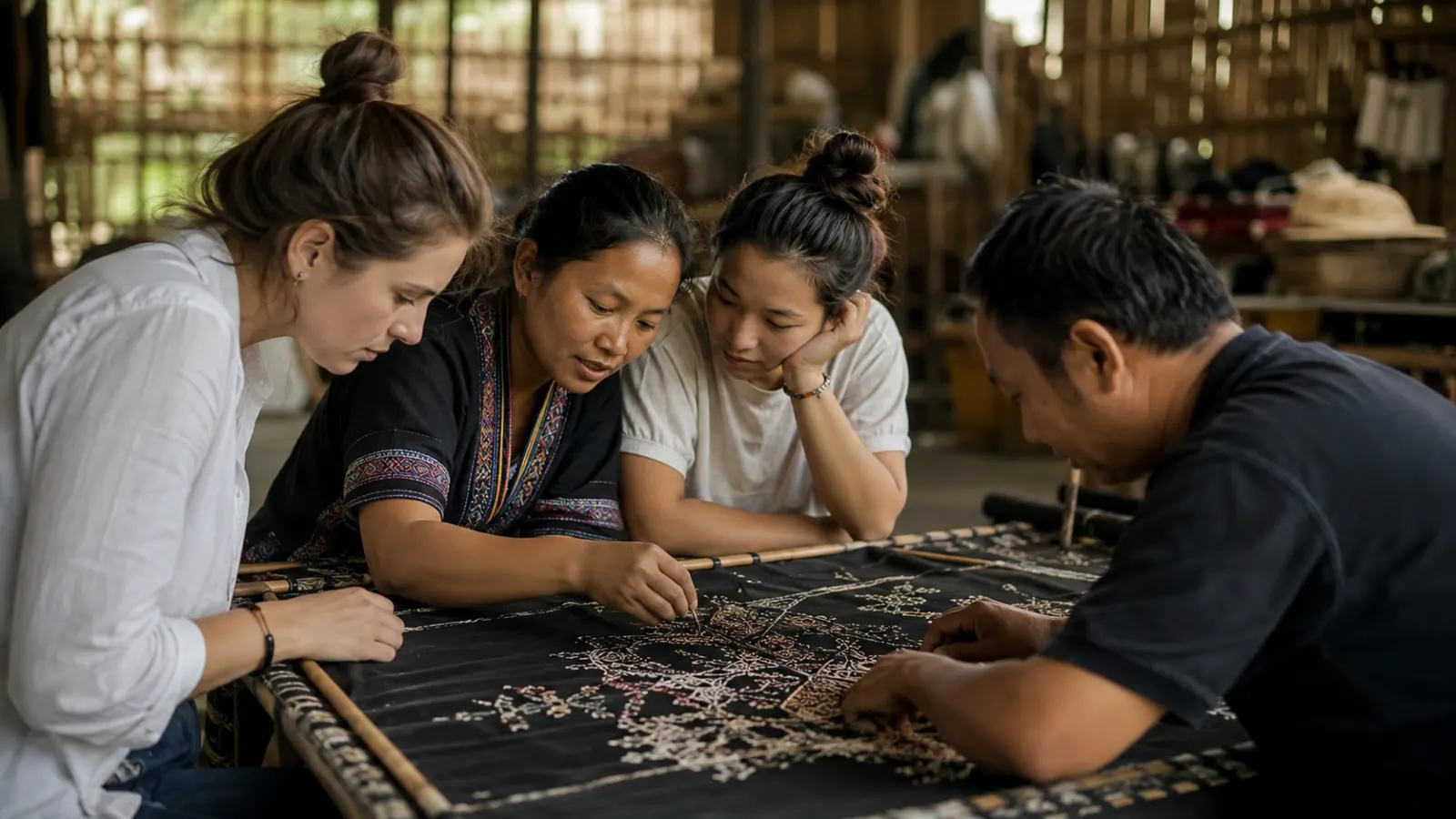
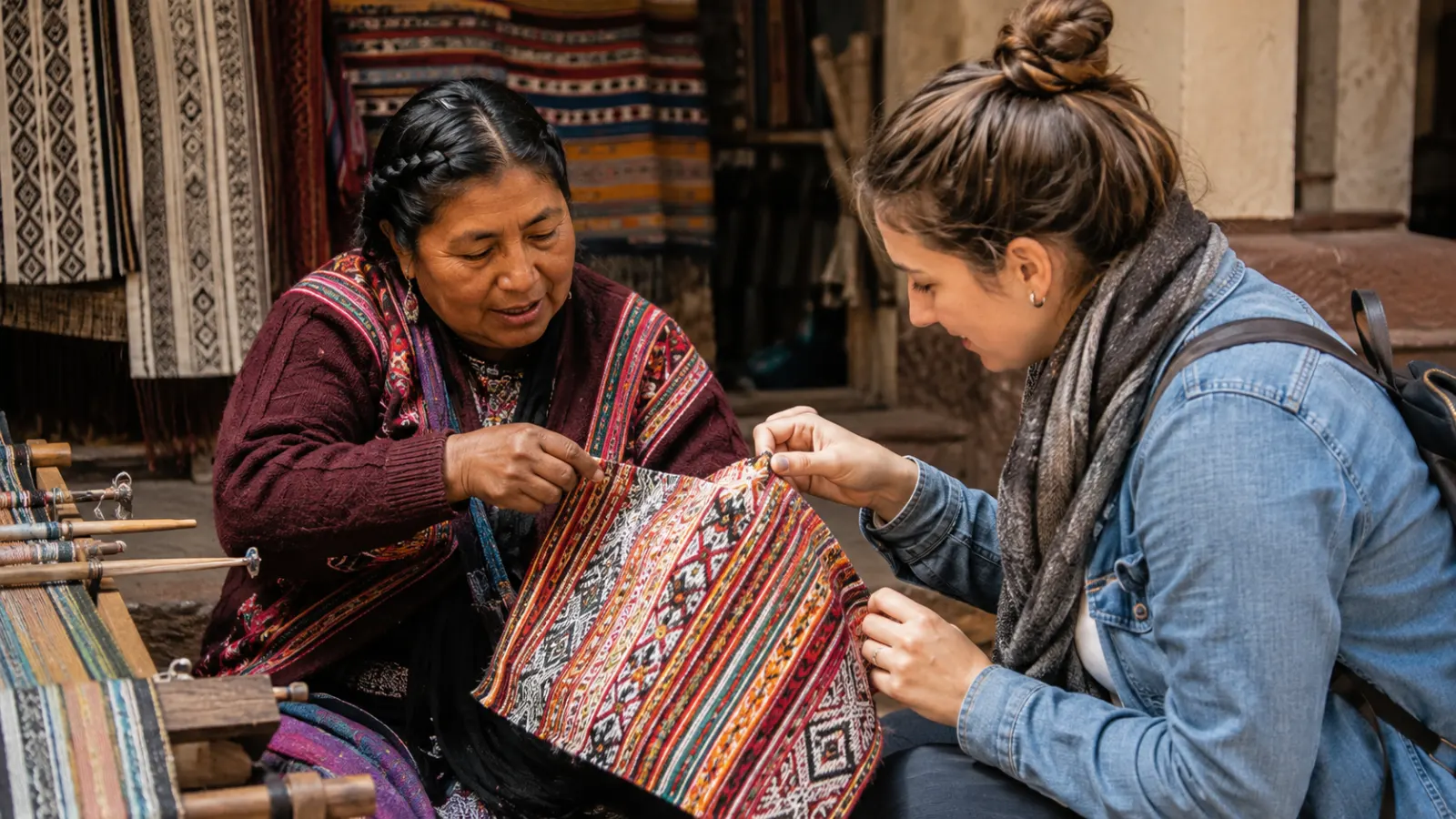
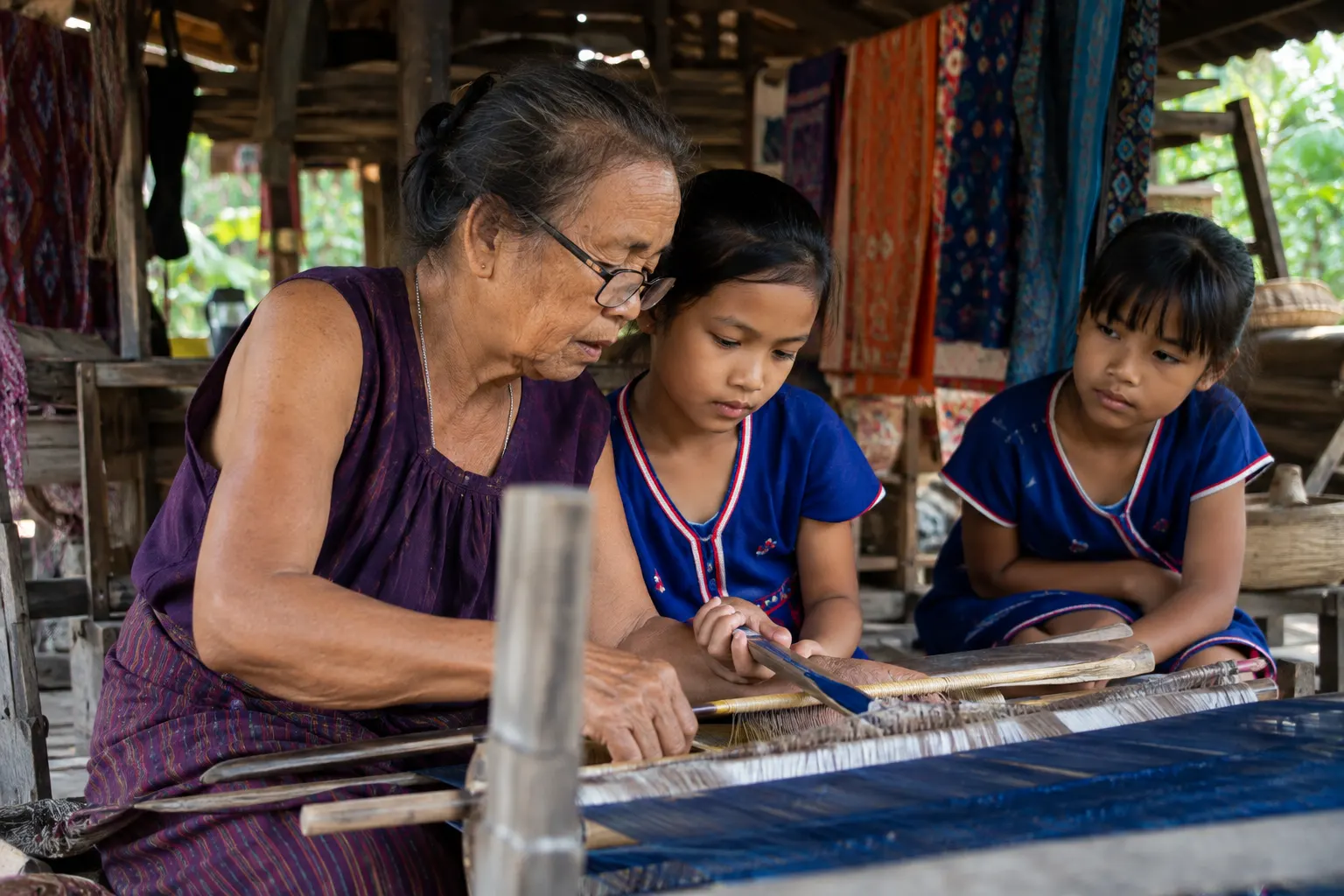
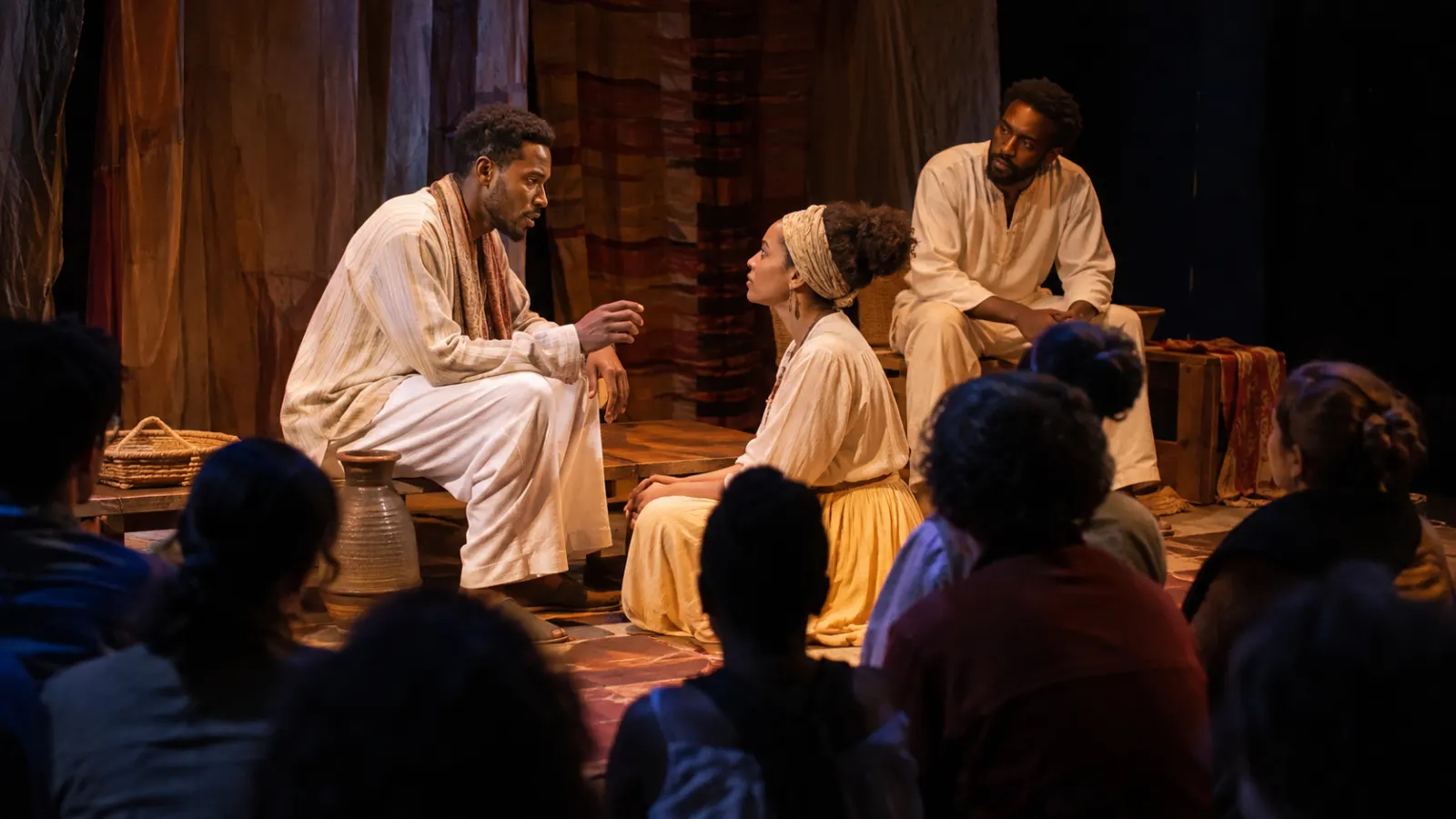
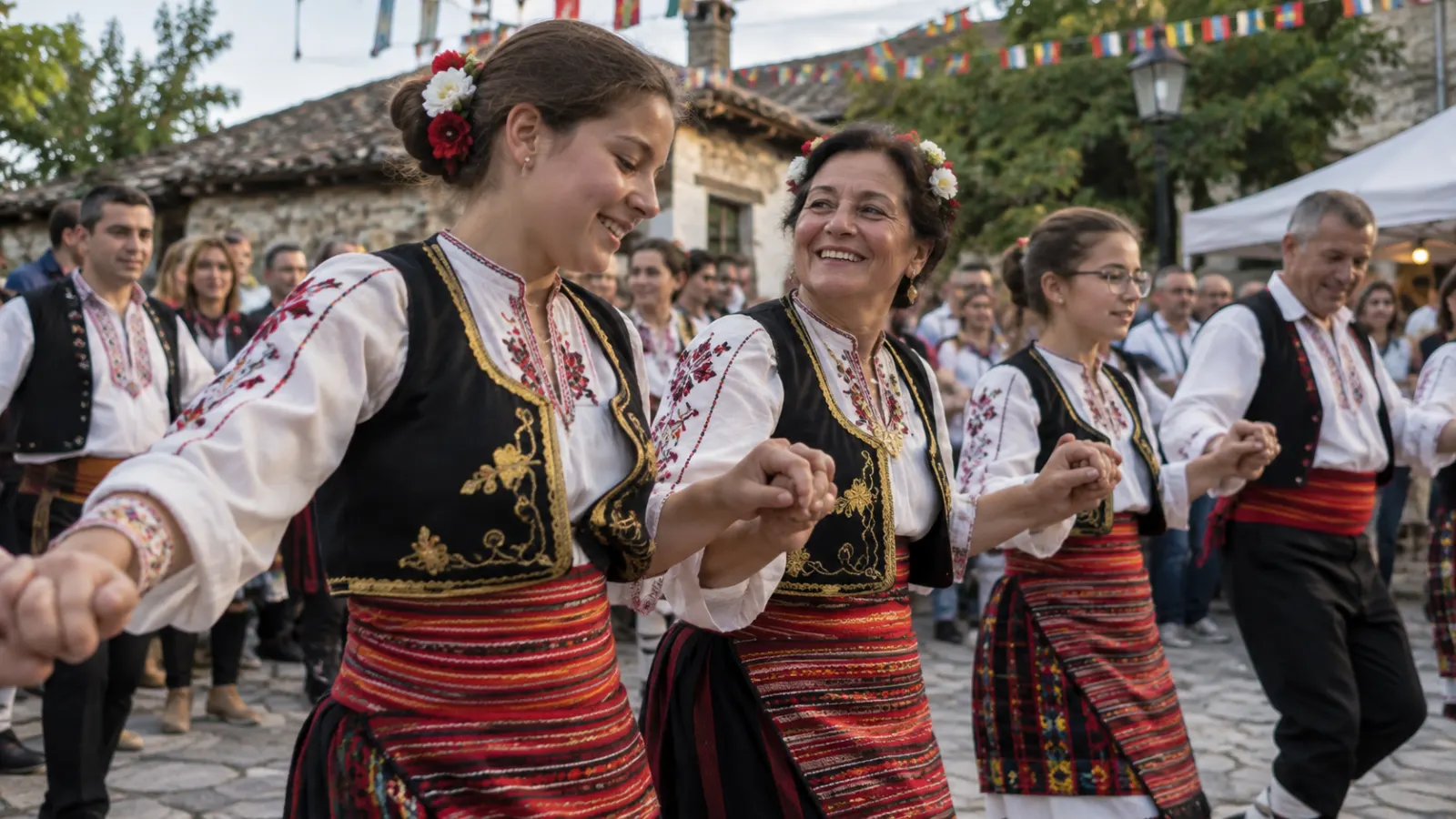
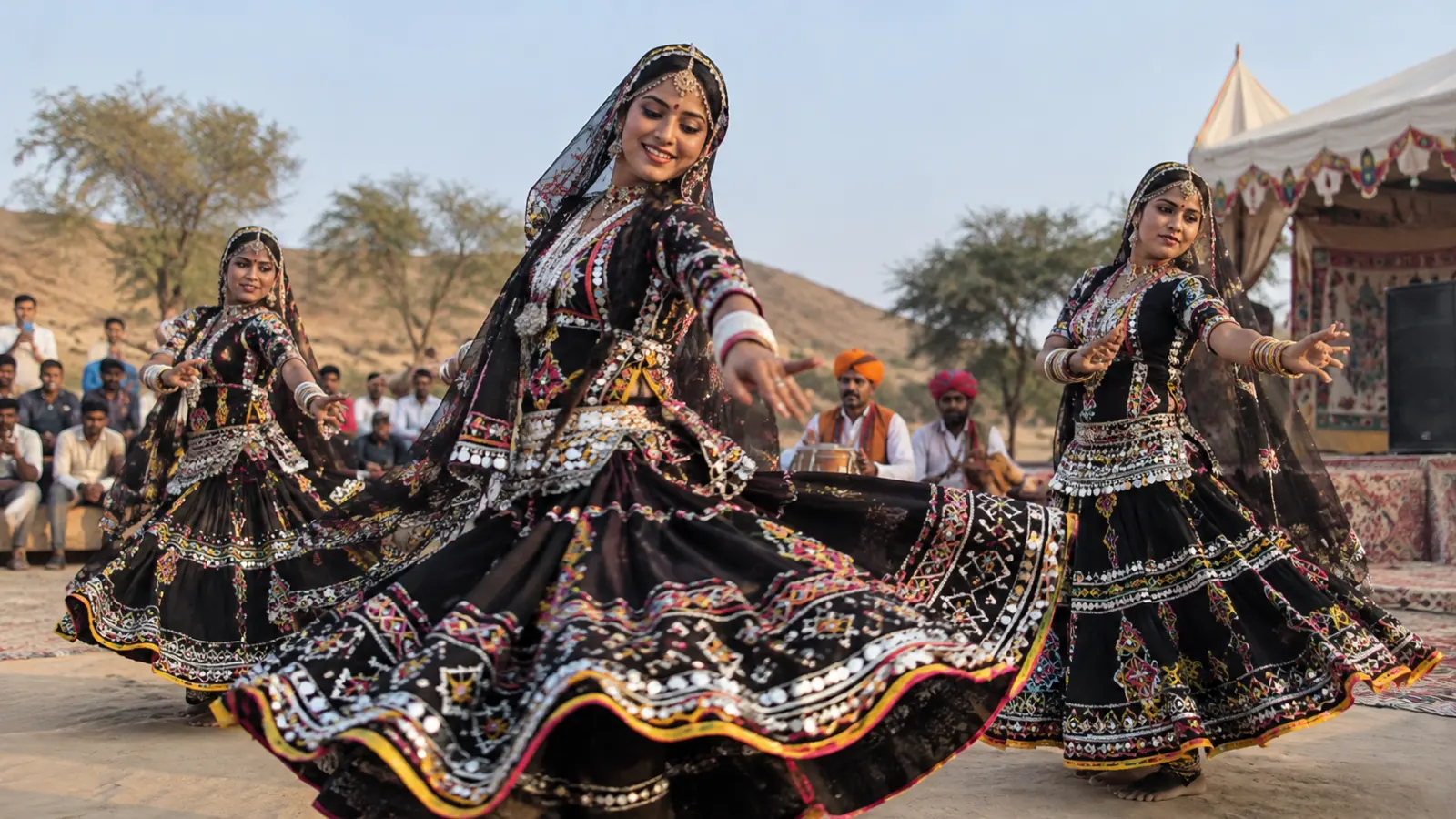
Folk arts are not simply old decorations made outside elite institutions. They are community-created ways of making meaning through image, sound, movement, craft and performance,…
Why diversity matters goes beyond representation. Meaningful diversity expands knowledge, participation and cultural possibility when inclusion is real.
Cultural appreciation and appropriation are separated by context, respect, power and benefit. Here is a practical framework for telling the difference.
Local traditions disappear when the systems supporting transmission—teachers, livelihoods, language, spaces, materials and community participation—begin to break down.
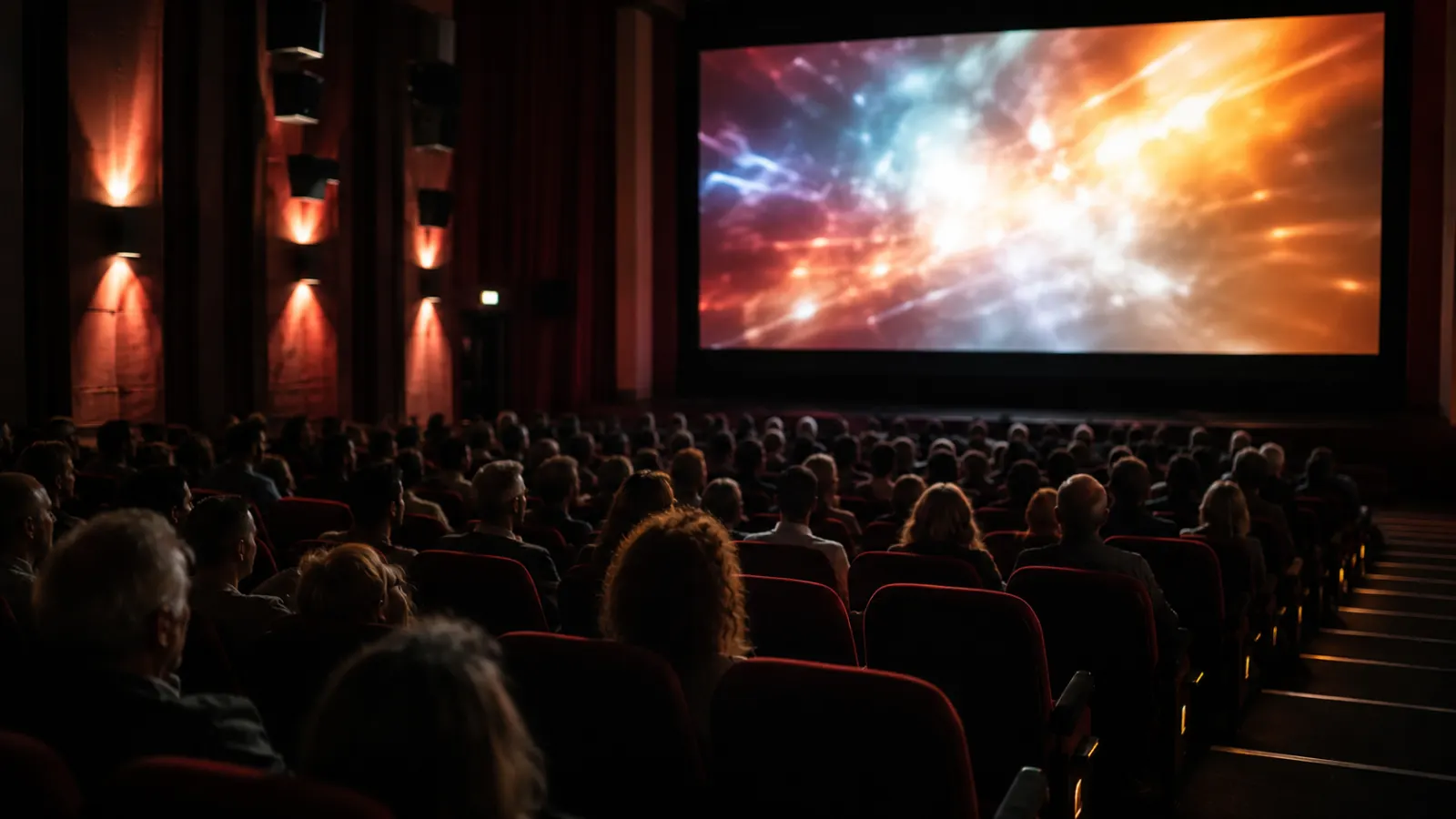
Cinema is more than entertainment. It shapes culture, creates jobs, influences public imagination, connects societies and preserves audiovisual memory for future generations.
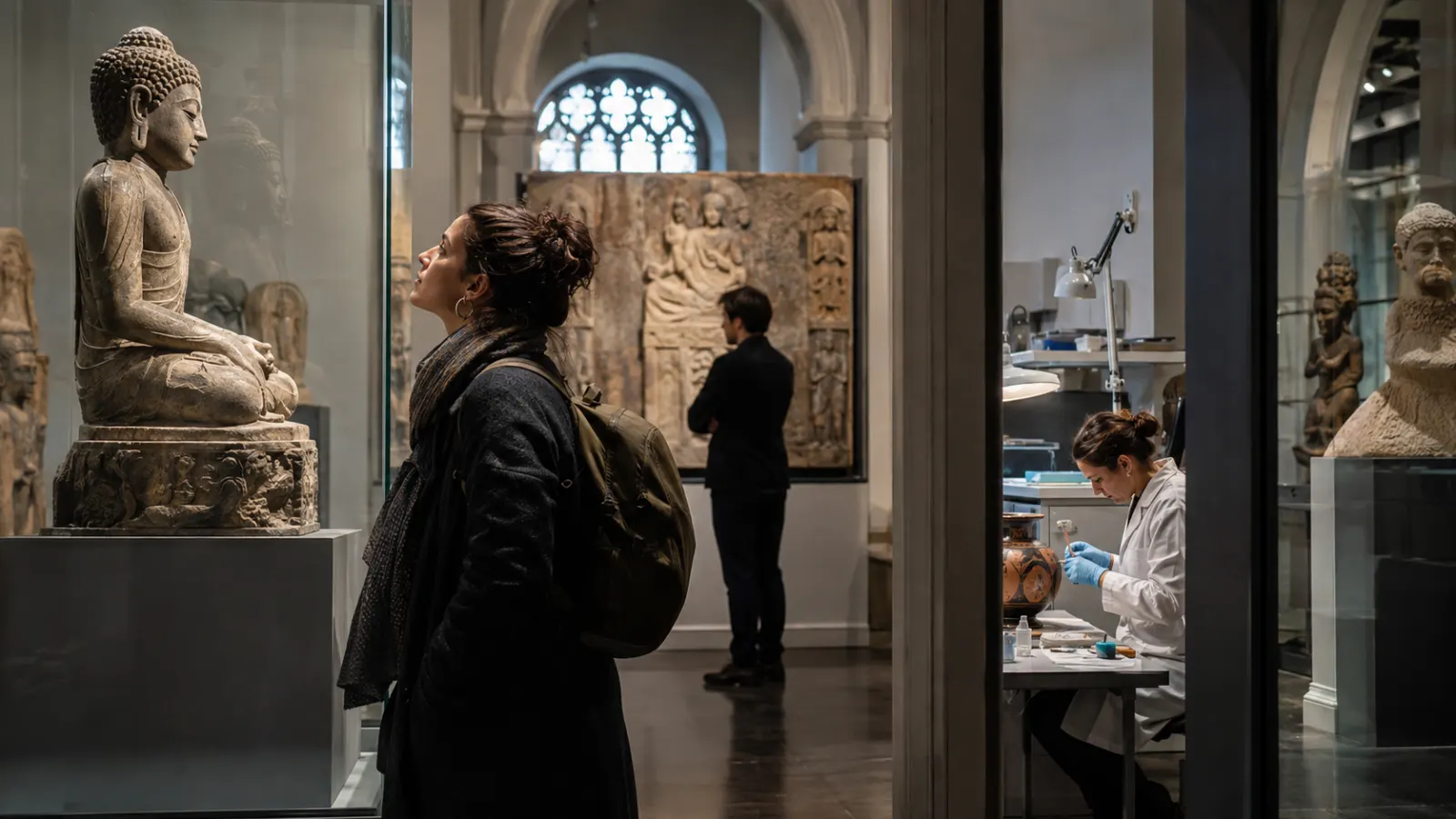
A museum is not simply a building filled with old objects. It is an institution that makes long-term decisions about what to collect, how to preserve evidence, how to interpret it…
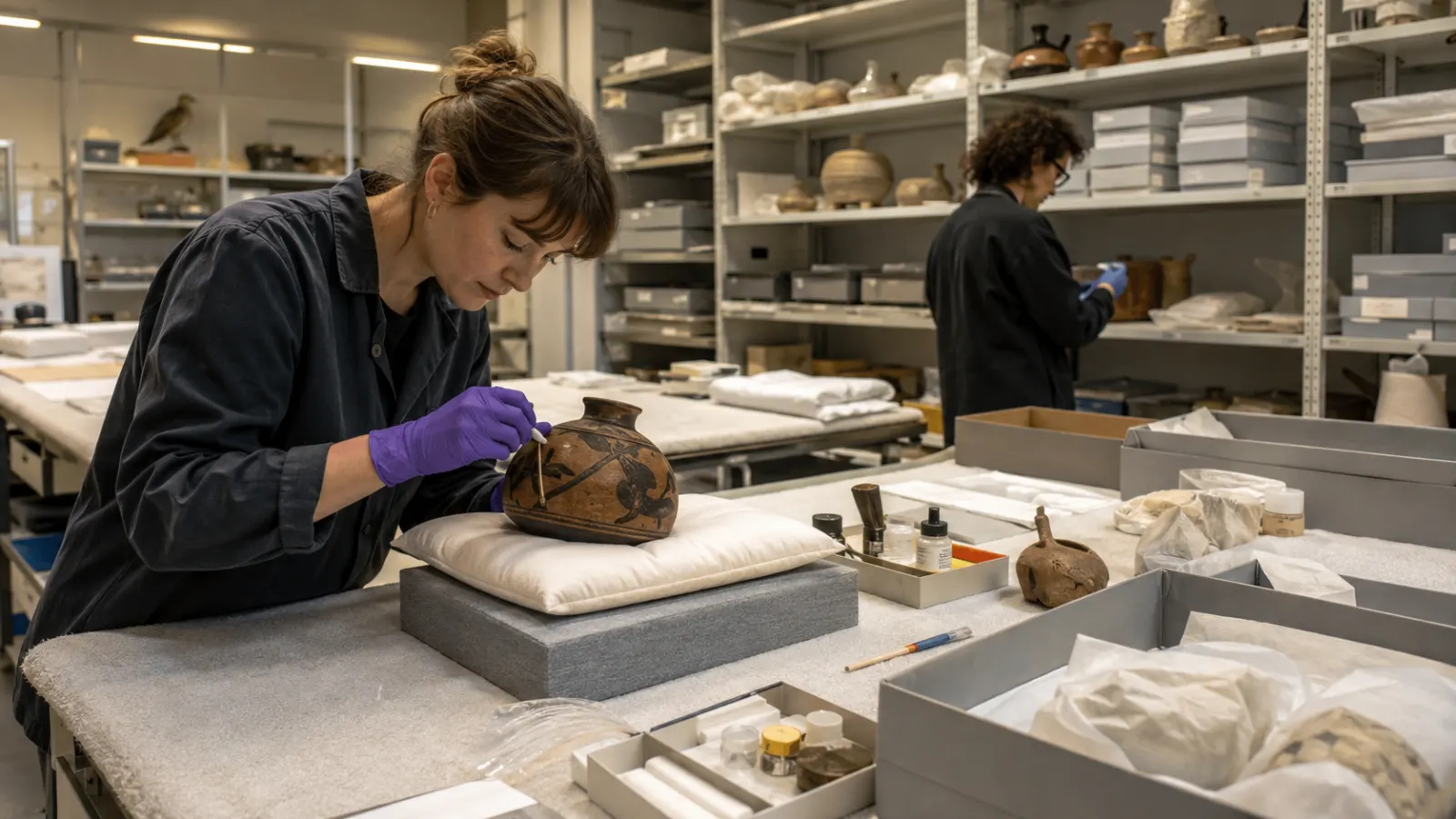
Museums preserve more than old objects. Learn how selection, provenance, documentation, conservation, research and interpretation turn collections into cultural memory.
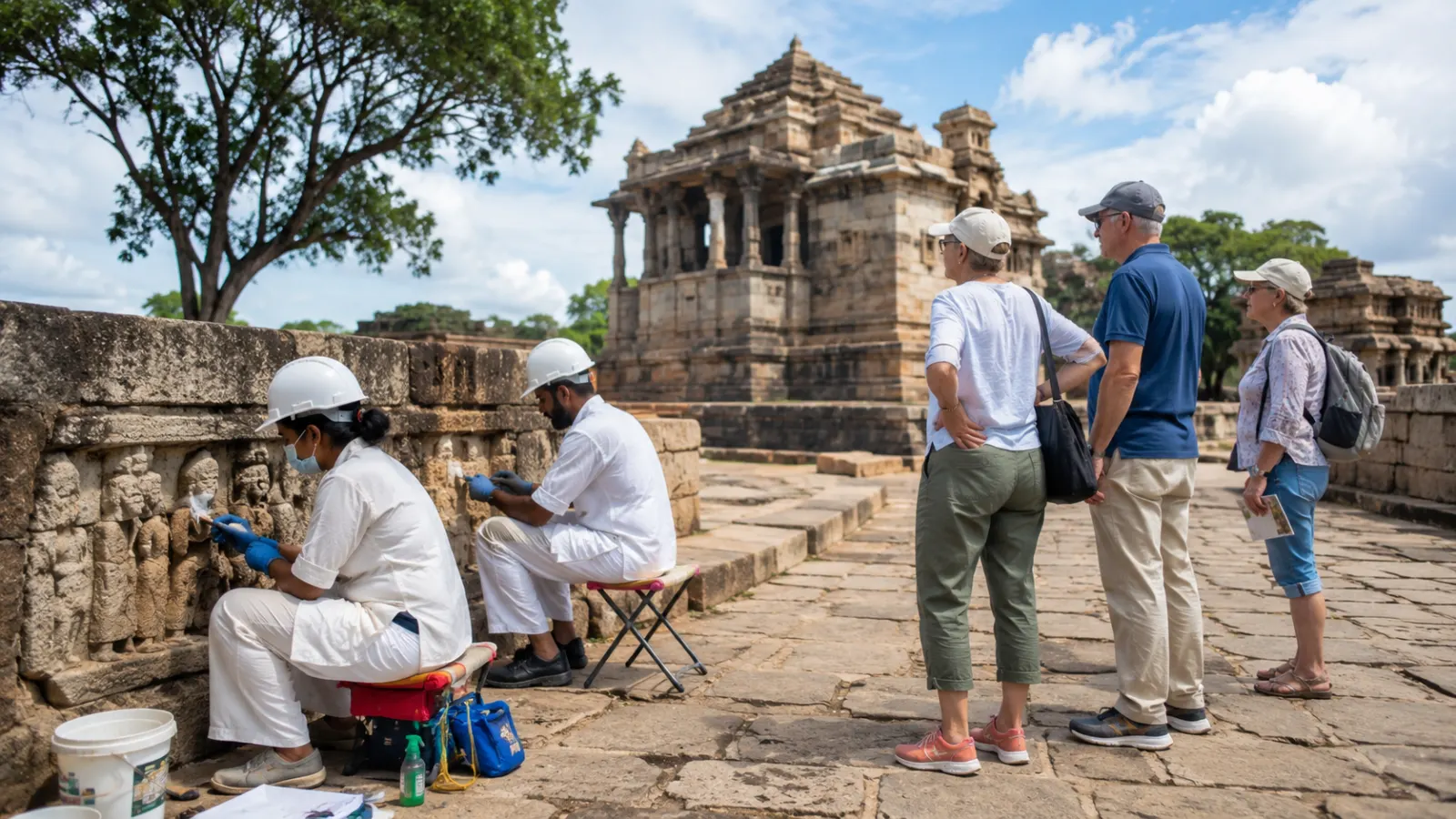
A UNESCO World Heritage Site is formally recognised for Outstanding Universal Value through a rigorous nomination, evaluation, protection and monitoring process.
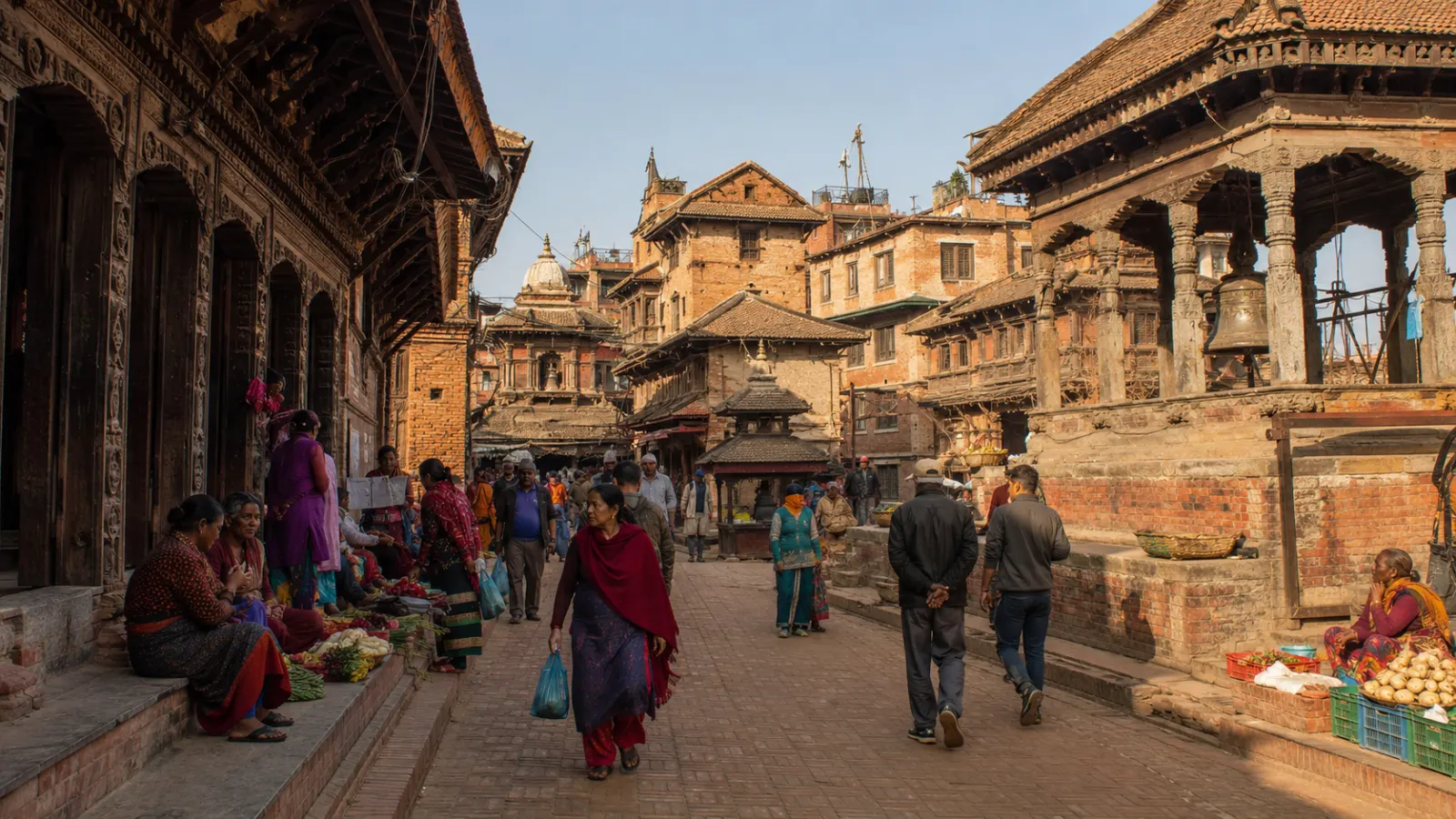
What is cultural heritage? It includes places, objects, traditions, knowledge and practices that people inherit, value and seek to preserve for future generations.
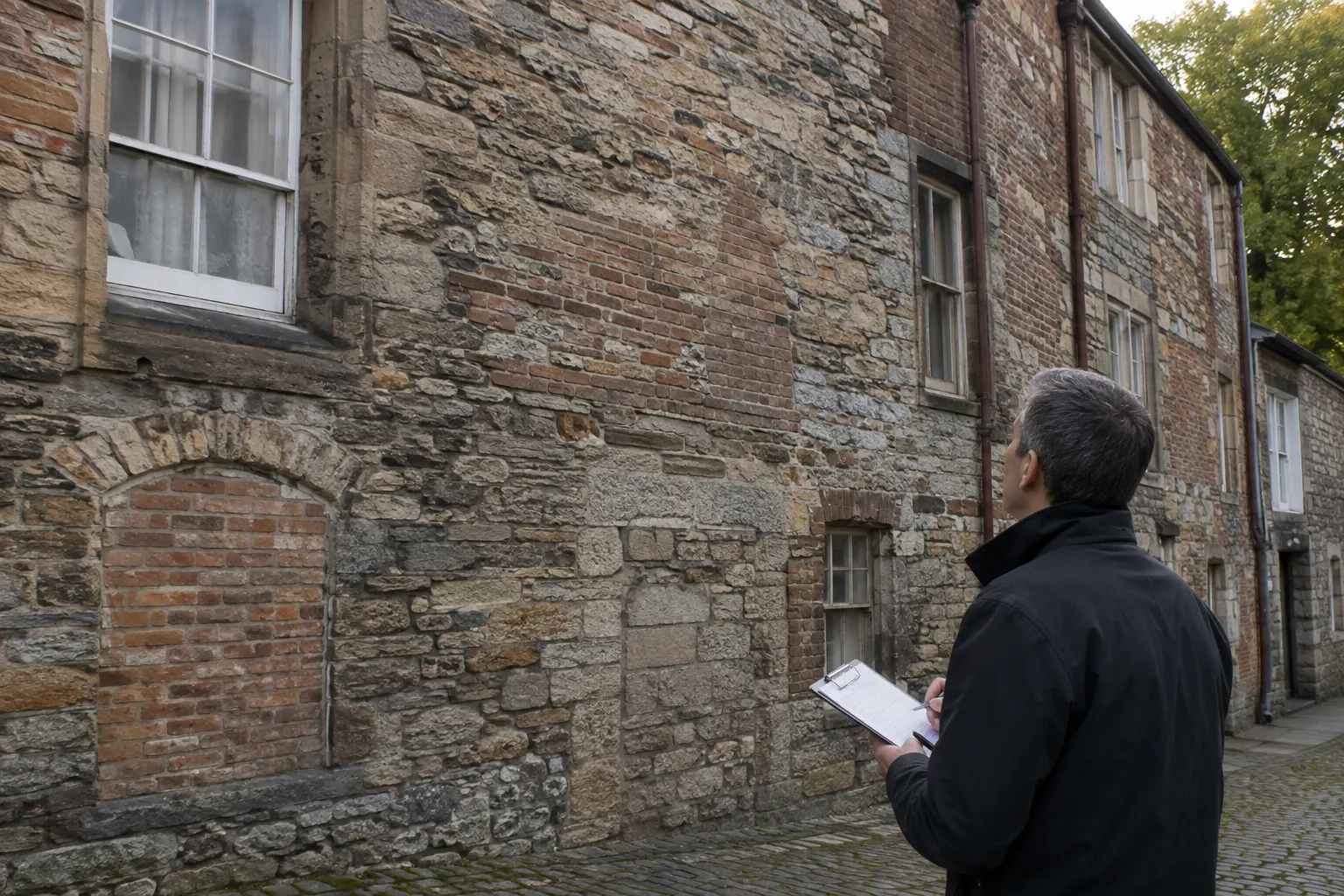
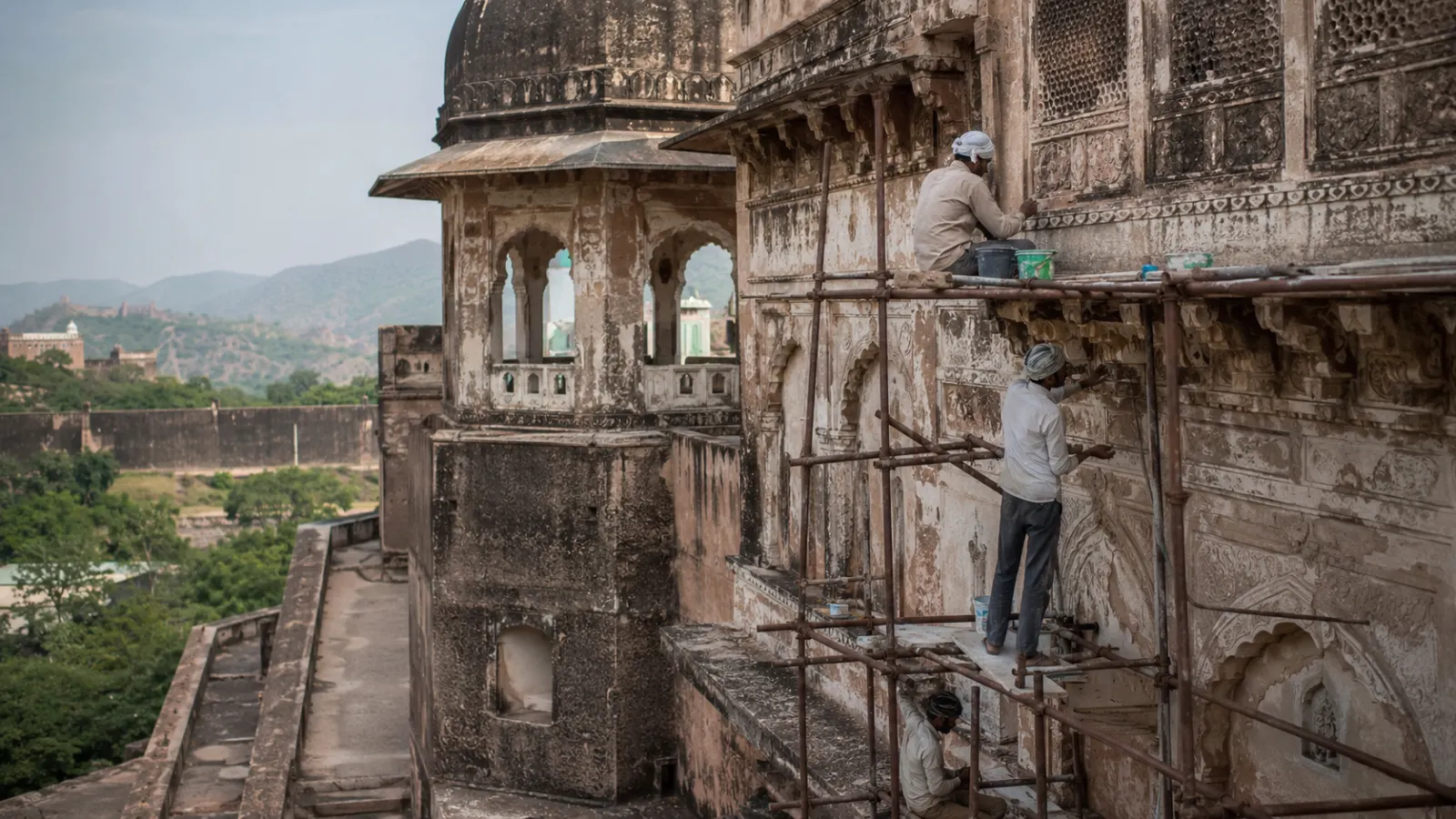
Buildings tell stories through their materials, repairs, altered rooms, blocked openings, wear and changing uses. Learn how historians read architecture as physical evidence.
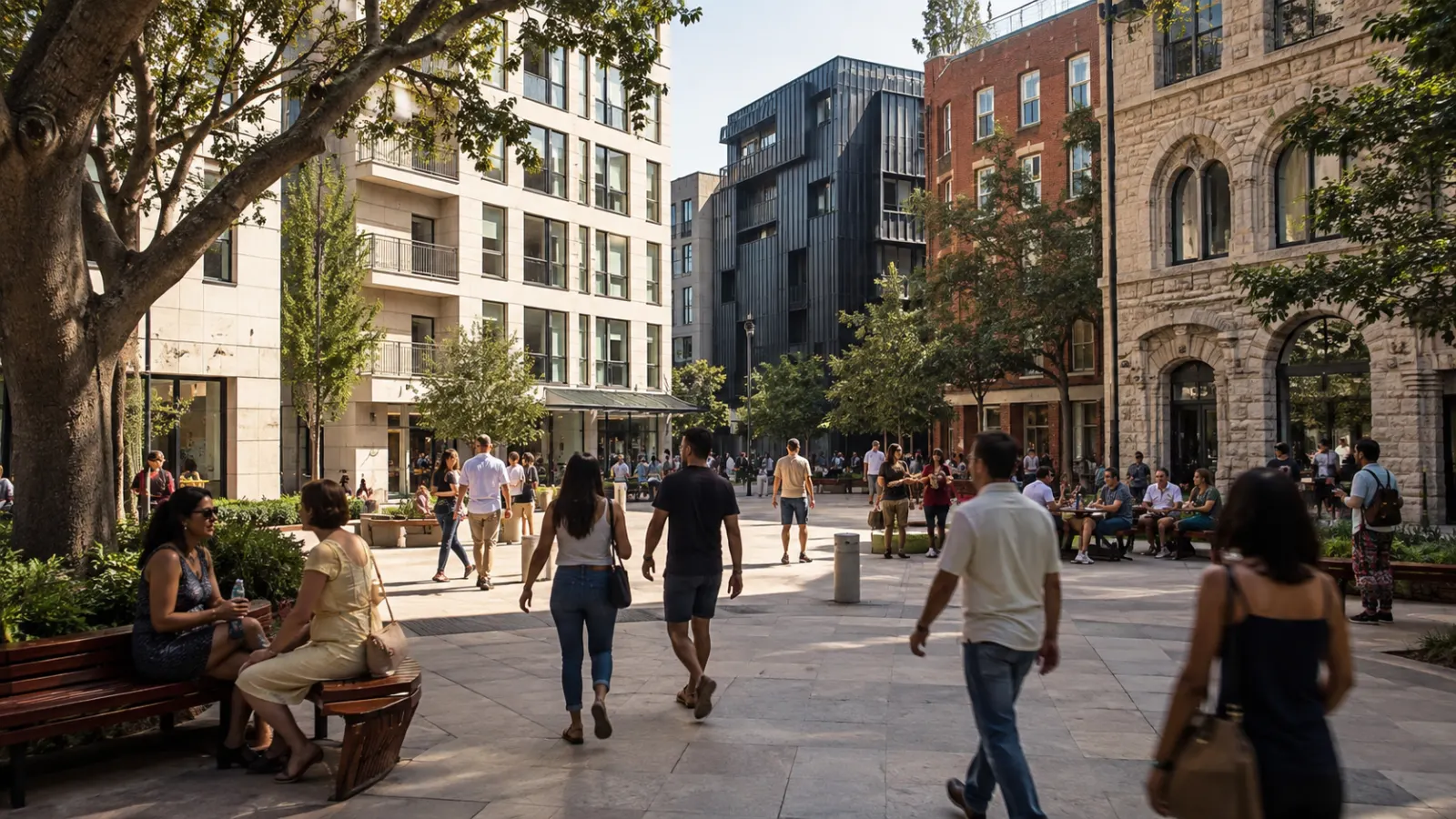
Architecture shapes far more than buildings. It influences culture, family life, power, public space, health, identity and memory while preserving evidence of how societies change.
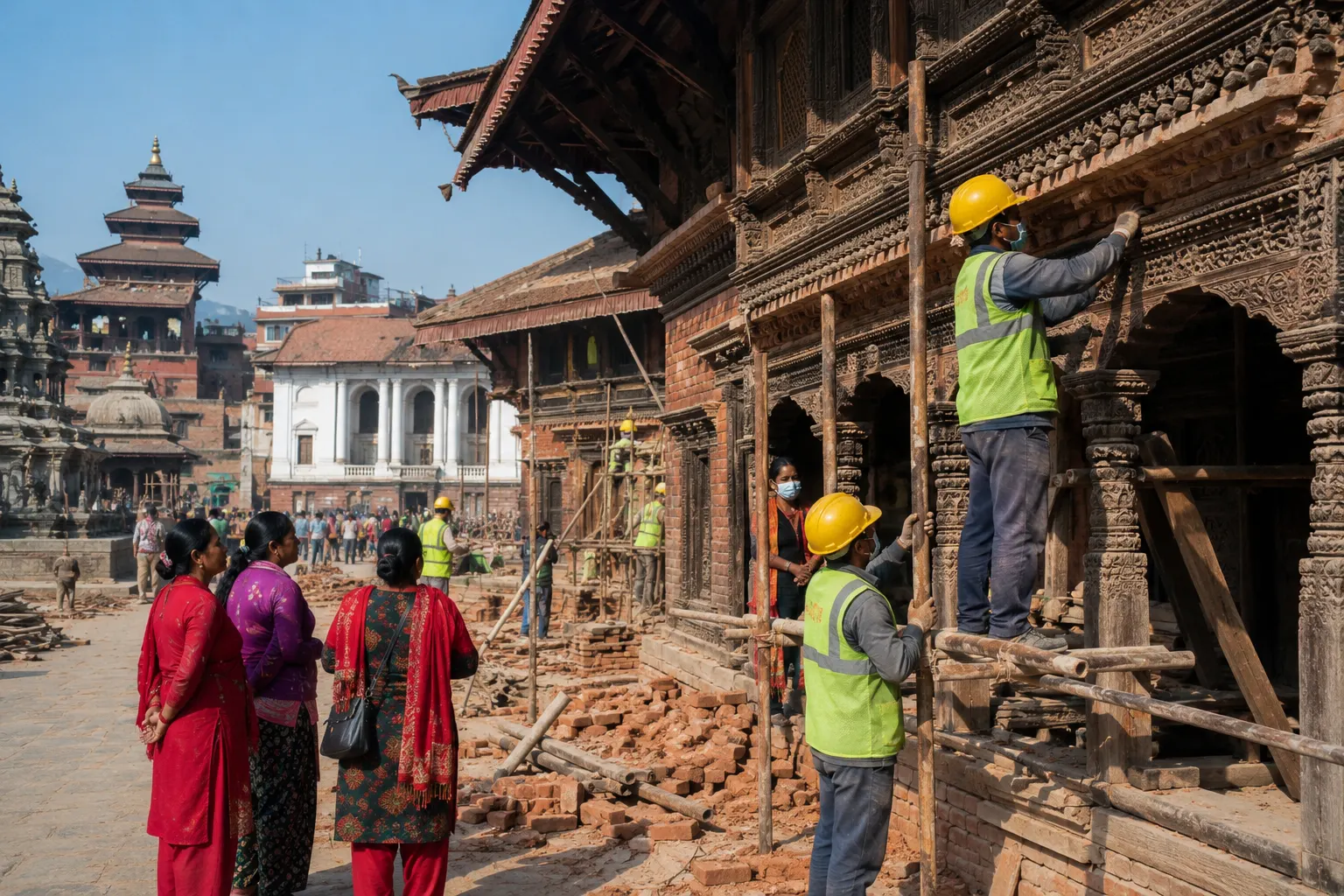
Why historical monuments matter goes beyond age or beauty: they preserve evidence, memory, culture and knowledge that cannot simply be recreated once lost.
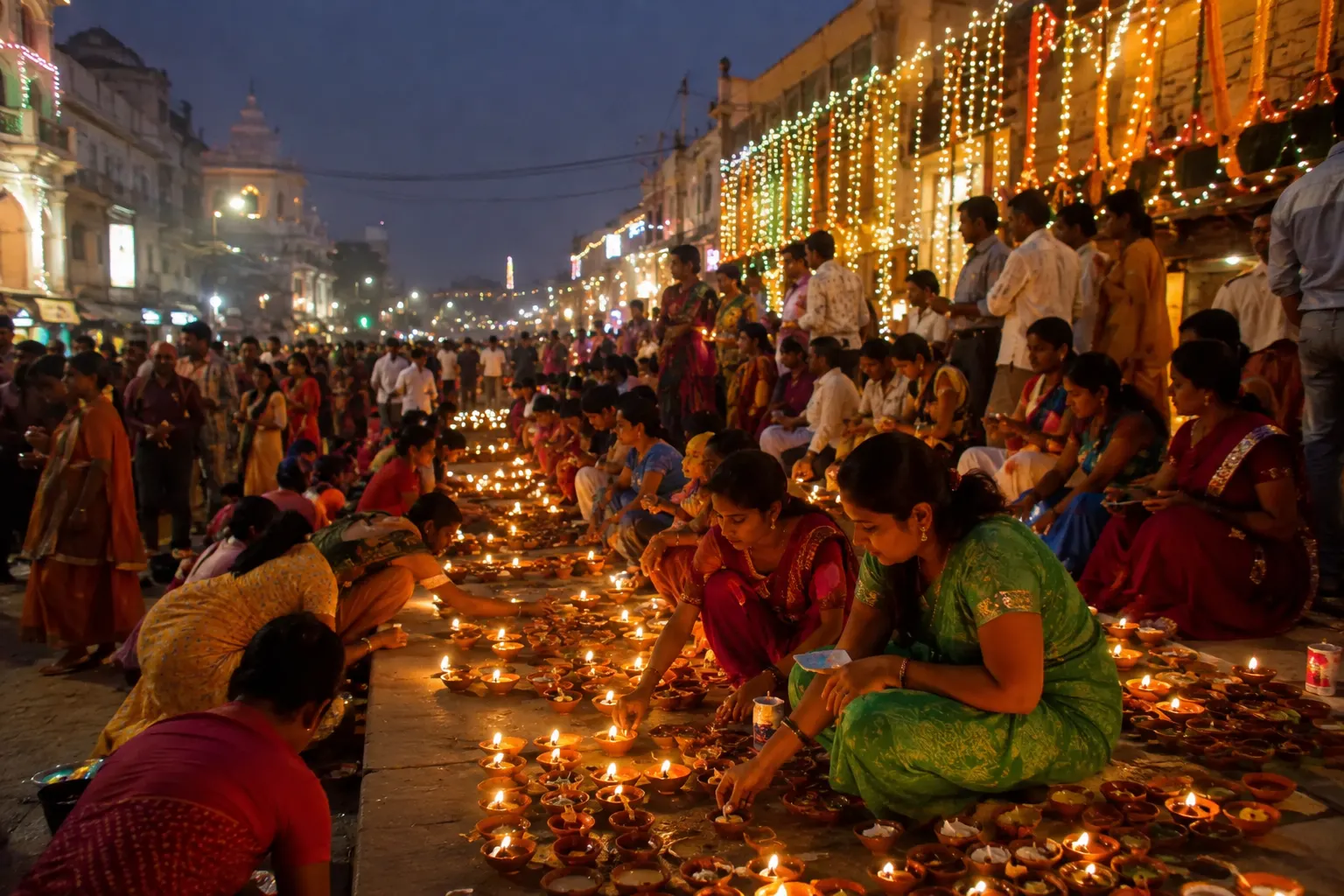
Festivals interrupt ordinary time. Through ritual, food, music, memory and public participation, they allow communities to express what they value—and reveal how traditions adapt…
Enjoying the reporting?
We noticed an ad blocker. Ads keep our journalism free — please consider allowing them, or subscribe to our newsletter instead.
We use cookies to keep you signed in and to understand how readers use the site. See our Privacy Policy.