Why Festivals Matter: How Celebrations Preserve Culture, Memory and Community
On most days, a street is simply a street. During a festival, it may become a procession route, dance floor, sacred space, market, memorial site or meeting place.
Food prepared routinely may acquire ceremonial meaning. Clothing rarely worn may reappear. Families travel. Businesses close or become exceptionally busy. Music sounds at unusual hours. People who ordinarily live separate lives begin performing the same actions at roughly the same time.
Festivals temporarily reorganise social life. That is why their significance cannot be reduced to entertainment. They structure time, make belief visible, reactivate memory, transmit traditions, shape local identity and connect culture with economic life.
Festivals Give Time Cultural Meaning
Calendars count days. Festivals make particular days matter.
Many traditional celebrations are linked to seasonal change, planting or harvest cycles, astronomical observations, religious calendars, historical anniversaries or the transition from one year to another. A chronological year therefore acquires a second layer of meaning: the period before a festival, the preparation, the celebration itself and the eventual return to ordinary routines.
This rhythm can survive long after the economic conditions that originally produced it have changed. An agricultural festival may remain important to urban families who no longer farm because its symbolic role has expanded beyond its original practical context.
In this way, festivals do not merely happen within time. They help societies organise time culturally.
Belief Becomes Public Through Celebration
Religious or cultural belief can remain private. Festivals turn it into collective action.
People light lamps, fast, feast, process, pray, sing, dance, make offerings, visit sacred spaces and gather with relatives. Through repetition, abstract ideas are converted into visible practices.
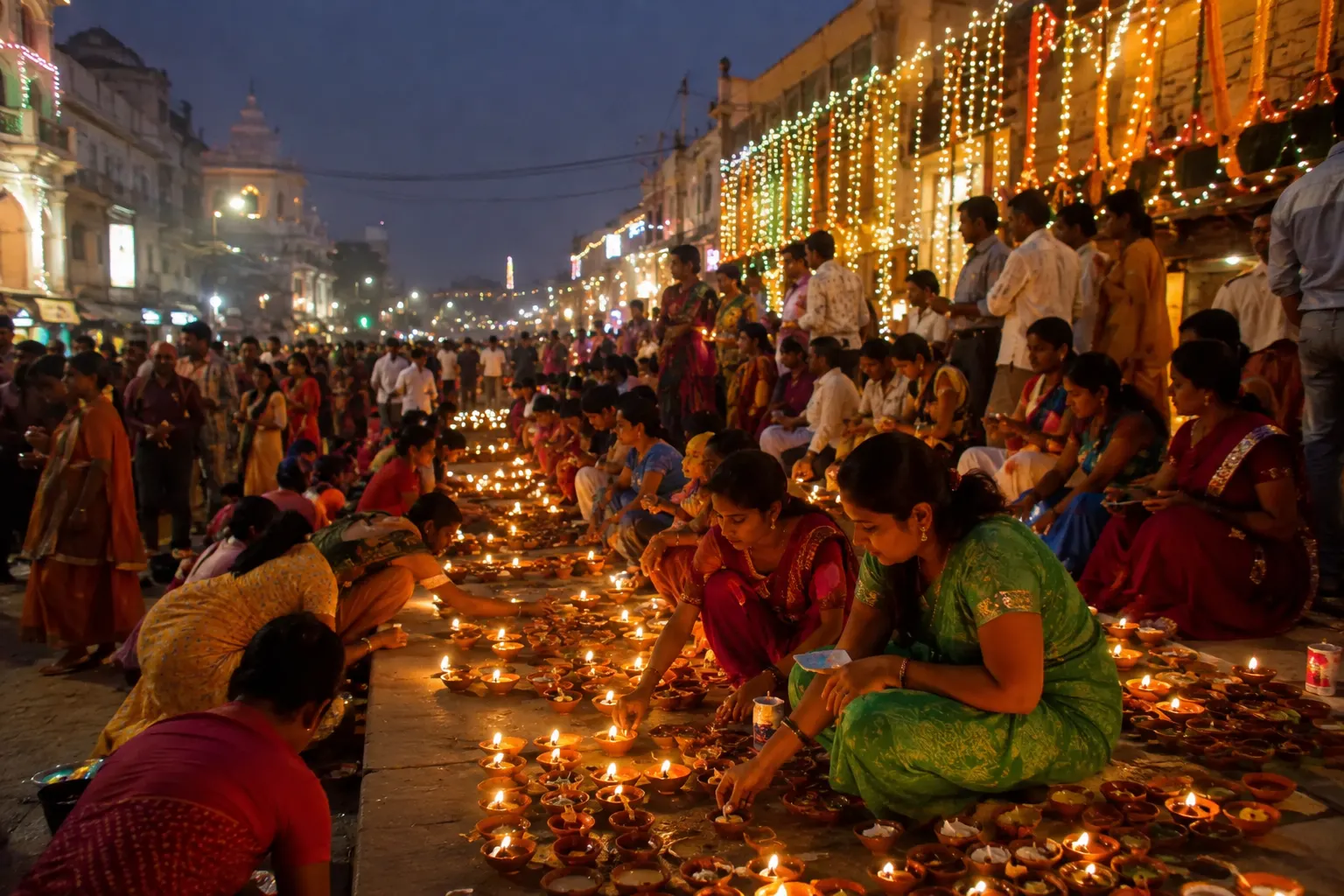
Deepavali, for example, is expressed through family gatherings, rituals, sweets, gifts, meals, music and other shared customs. Its inscription on UNESCO’s Representative List of the Intangible Cultural Heritage of Humanity in 2025 reflects the broader importance of living traditions that are practised collectively rather than simply recorded.
The point is not that all festivals perform the same function. Their histories, beliefs and rituals differ enormously. What they share is the ability to give abstract values a material and social form.
Festivals Keep Collective Memory Alive
Historical and cultural memory weakens if it is never reactivated.
Festivals create recurring opportunities for communities to retell stories, revisit sacred narratives, remember historical events, honour ancestors or renew older relationships with land and season.
Annual repetition matters because memory is not transmitted once and then preserved automatically. It has to be rehearsed.
A religious festival may repeat a sacred narrative each year. A seasonal celebration may preserve knowledge connected with agriculture. A commemorative event may return a historical episode to public attention. An ancestral ceremony may symbolically bring previous generations into the present.
The repeated return is part of what gives these traditions durability.
Festivals Make Culture Visible
Much of culture is difficult to see directly. Belonging, memory, values and identity are abstract.
During a festival, those abstractions become visible through food, clothing, music, dance, language, decoration, craft, ritual, architecture and performance.
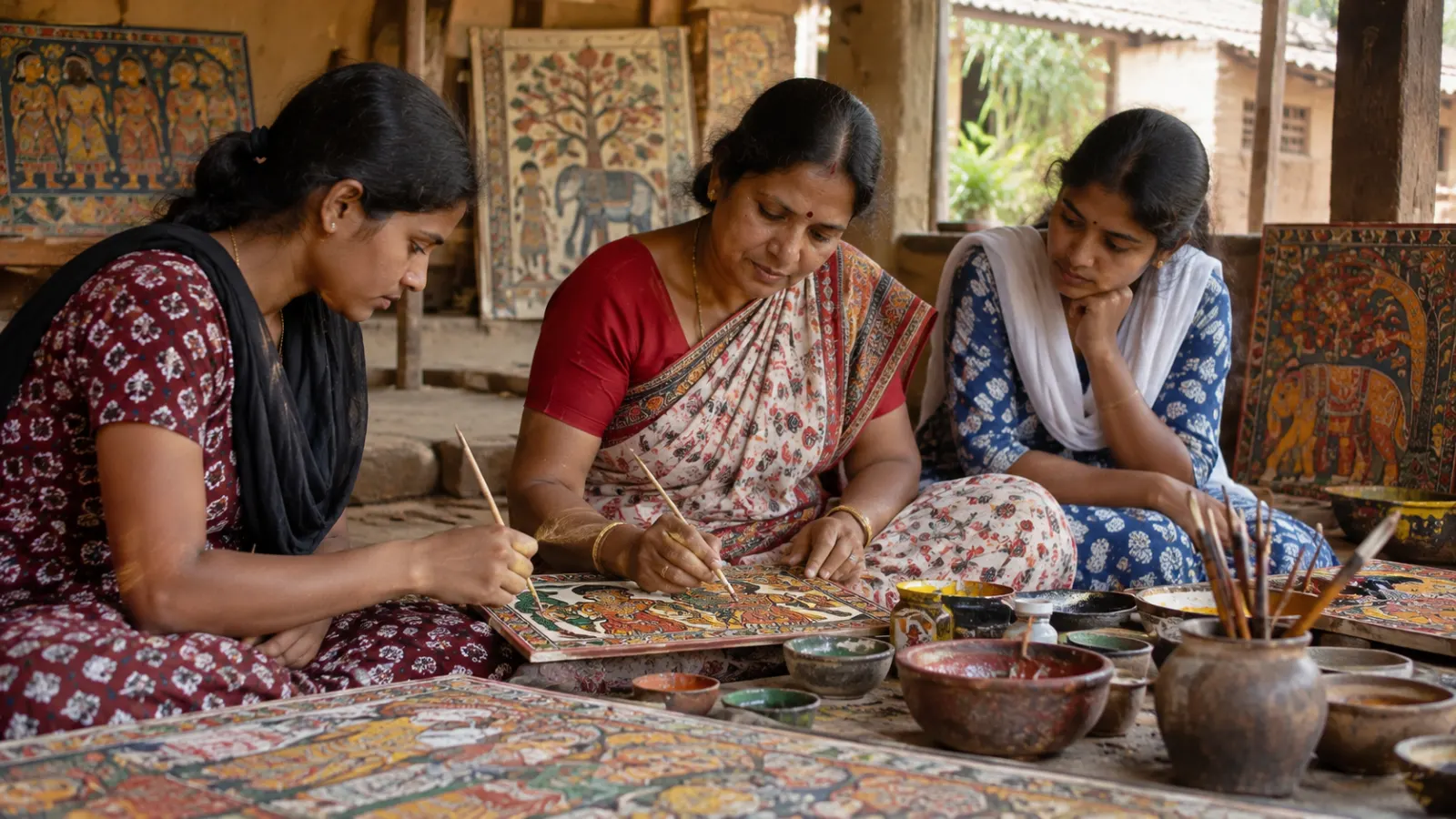
A single celebration may therefore bring together multiple cultural forms at once. Musicians perform inherited repertoires. Families prepare specific foods. Artisans produce traditional objects. Religious specialists conduct rituals. Dancers, storytellers and performers transmit knowledge through participation.
This makes festivals unusually concentrated expressions of cultural life.
They are not one tradition.
They are often platforms on which many traditions interact.
Festivals Create Opportunities for Intergenerational Learning
A tradition survives only if people learn how to perform it.
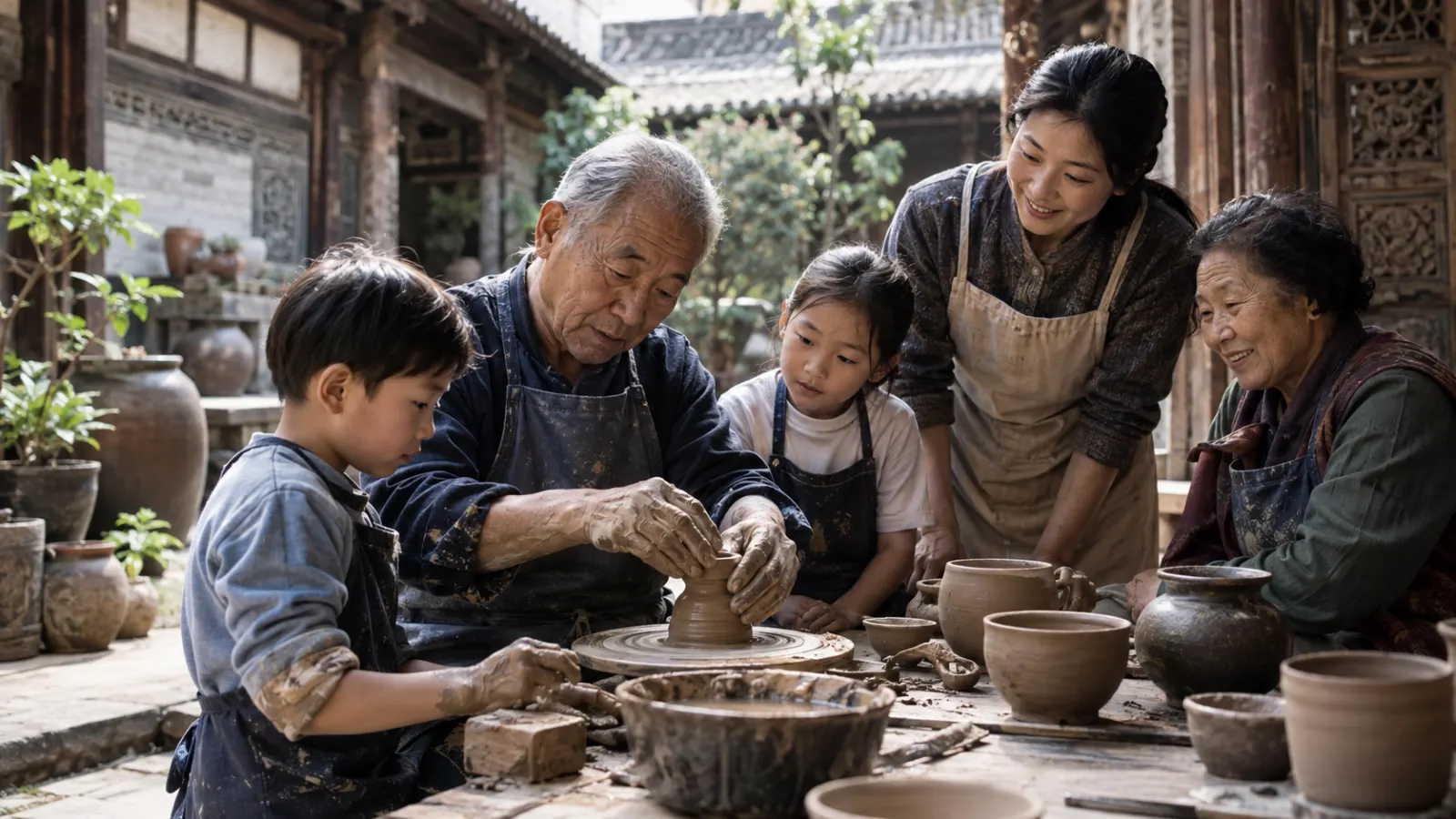
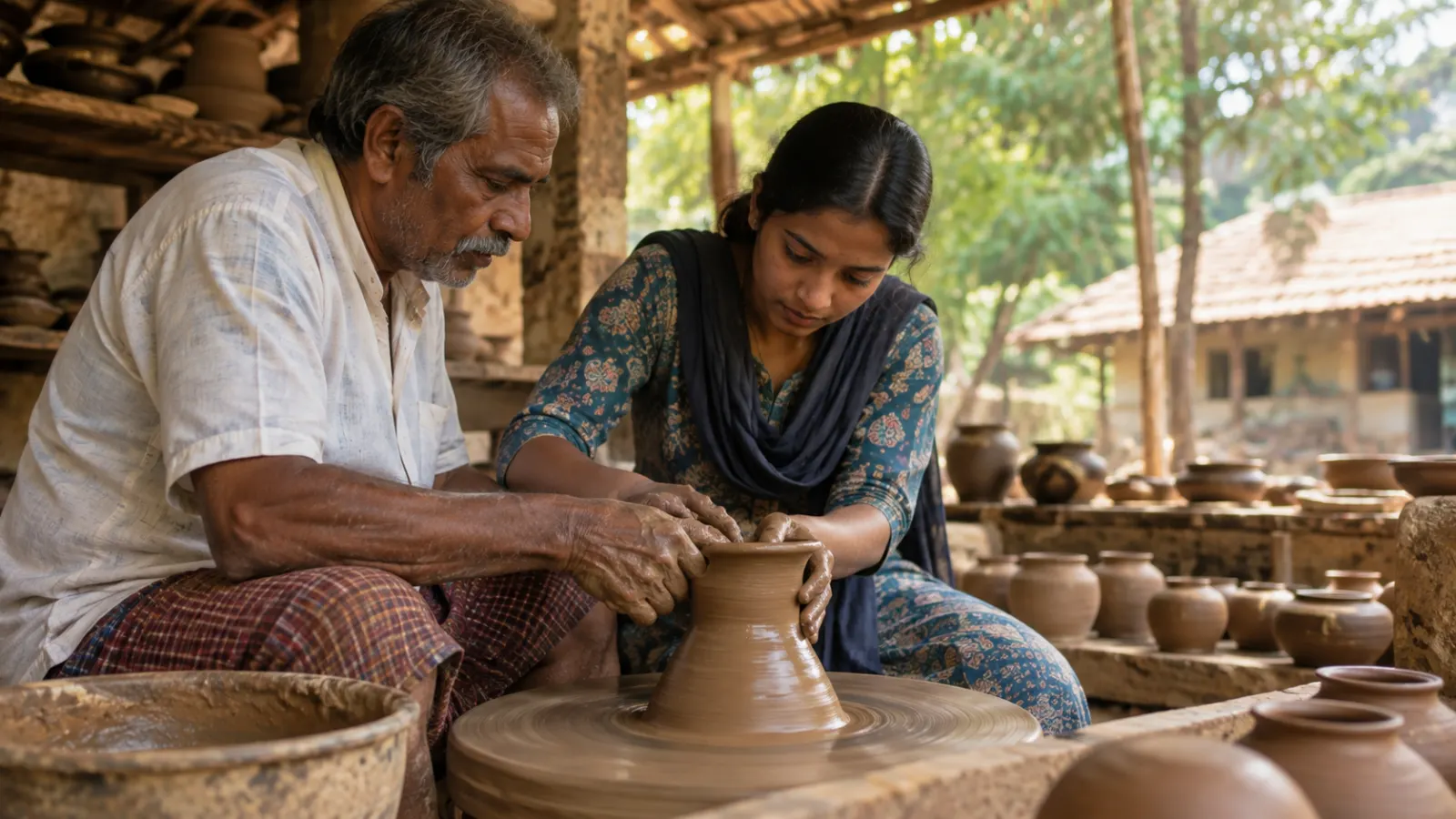
Festivals create intensive periods for that learning. Children observe how ceremonial food is prepared. Younger musicians learn songs. Craftworkers demonstrate techniques. Families explain rituals. Participants learn where processions go, how offerings are made and why particular actions matter.
Much of this transmission happens without formal teaching.
People learn because they participate.
This principle is central to the idea of intangible cultural heritage. Traditions remain alive not merely because they are documented in archives, but because communities continue practising and transmitting them.
A festival therefore functions partly as an informal classroom.
Festivals Can Become Part of a Place’s Identity
Some celebrations become inseparable from the places where they occur.
A city, river, village or region may become globally associated with one annual or periodic event. The relationship works in both directions: the location gives the celebration its setting, while the celebration gives the location a cultural story.
India’s Kumbh Mela is an unusually large example. Recognised by UNESCO in 2017, it combines pilgrimage, ritual practices, social customs and systems of knowledge associated with specific sacred locations.
Such festivals influence how places are imagined by residents, visitors and outsiders.
They can also shape local infrastructure, transport, tourism and government planning, making the cultural geography of a festival inseparable from the physical geography of the place itself.
Festivals Are Cultural Events and Economic Systems
Festivals do not exist outside material life.
They generate demand for transport, accommodation, clothing, food, flowers, decoration, religious goods, entertainment, craft and performance. For some workers and small businesses, a festival season can provide a substantial share of annual income.
Tourism can amplify this effect.
But economic success can also generate tension. Residents, religious authorities, governments, sponsors, performers, vendors and tourists may want different things from the same event.
A celebration can therefore function simultaneously as worship, heritage, entertainment, tourism and commerce.
These roles are not always compatible.
A festival that becomes economically valuable may attract investment and help sustain crafts or performances, while also creating pressure to reshape traditions for visitors or sponsors.
Tradition Does Not Mean Nothing Ever Changes
Traditional festivals are often described as though one correct version has existed unchanged for centuries.
Historical reality is usually different.
Procession routes change. New instruments or technologies appear. Governments introduce safety regulations. Older practices disappear. Diaspora communities recreate celebrations in new countries. Urbanisation alters how people gather. Media changes how festivals are seen and performed.
A living tradition survives partly because it adapts.
The difficult question is not whether change should happen at all. Change is inevitable.
The more important question is whether adaptation allows a community to continue recognising and controlling its own tradition, or whether external pressures transform the practice so deeply that its earlier meaning is weakened.
Festivals Can Unite Communities — but They Can Also Exclude
Celebrations are frequently described as events that bring everyone together.
Sometimes they do.
But every community also has boundaries.
Participation can be shaped by religion, caste, ethnicity, gender, age, family status, neighbourhood or membership in a particular group. Even where public attendance is open, authority over rituals or institutions may remain concentrated.
That means understanding a festival requires more than asking what it celebrates.
It also requires asking who organises it, who performs which roles, who has access to sacred spaces, whose version of tradition becomes dominant and who may remain at the margins.
Festivals can create belonging while also revealing the boundaries of belonging.
Commercialisation Does Not Have a Simple Answer
Commercialisation is often blamed for destroying authenticity.
Sometimes it can.
A festival designed increasingly for tourists, sponsors or media audiences may begin prioritising spectacle over meaning. Rituals can be shortened, rearranged or exaggerated to fit commercial expectations.
But money can also help traditions survive.
Festival economies may support musicians, craftworkers, performers, small businesses and community institutions. Tourism can create incentives to preserve practices that might otherwise decline. Media attention can sometimes renew interest among younger generations.
The important question is therefore not whether money is present.
It is whether commercial pressures reduce community control, distort the tradition or change it in ways participants themselves regard as damaging.
Why Festivals Continue to Matter
Festivals remain important because they combine several forms of cultural life at once.
They structure time. They make belief visible. They reactivate memory. They teach traditions. They create public identity. They connect culture to place. They support economic activity and provide occasions on which communities can define themselves collectively.
This helps explain why a festival can remain meaningful even to people who no longer interpret every ritual in exactly the same way as earlier generations.
Participation itself may carry meaning.
A society does not preserve a festival simply because people are unwilling to change.
Often it preserves the festival because the event offers something ordinary days do not: a recurring moment in which people remember, perform and renew a shared cultural world together.