Why Preserve the Past? How Heritage Protects Evidence, Memory and Future Choice
Every generation changes the world it inherits. Buildings are demolished, neighbourhoods redeveloped, documents discarded, technologies become obsolete, languages stop being spoken and landscapes are transformed. Some loss is inevitable. Societies cannot preserve every building, every object, every digital file or every inherited practice forever. The more important question is why we sometimes interrupt that process and decide that something should survive.
The answer is larger than nostalgia. Preservation protects evidence that cannot be recreated after destruction. It gives communities continuity while cities and societies change. It keeps difficult histories available for investigation rather than allowing inconvenient evidence to disappear. It protects knowledge, cultural diversity and opportunities for future reinterpretation. UNESCO’s World Heritage Convention explicitly describes protection, conservation and the transmission of cultural and natural heritage to future generations as responsibilities of States Parties.
Preservation therefore should not be understood as an attempt to stop time. The strongest preservation asks a harder question: what should remain available while change continues, and who should have a voice in deciding?
Preservation Is an Argument With Time
A new building, road or redevelopment project usually addresses a present need. Preservation introduces people who cannot participate directly in that decision: future generations.
Someone living a hundred years from now cannot attend today’s planning hearing and explain why a warehouse, archive, neighbourhood, archaeological deposit or local tradition will matter to them. Preservation limits some present freedom precisely because destruction can be irreversible.
This creates an asymmetry. Development can often occur later or in another form. Once original historical evidence has been destroyed, however, future people cannot simply vote to bring it back.
The ethical case for preservation therefore begins with irreversibility.
We are not necessarily preserving because everything old is valuable. We preserve because some losses eliminate possibilities permanently.
The Past Cannot Defend Itself
A historic building cannot explain why an apparently ordinary alteration reveals an important phase of construction. An archive cannot warn that an insignificant-looking file will become crucial evidence in a future investigation. A traditional craft cannot negotiate for an apprenticeship programme when its last practitioners can no longer earn a living.
The value of heritage is frequently visible only after the conditions supporting it begin to disappear.
That means preservation is inevitably a present-day judgment made on behalf of materials, places and practices that cannot advocate for themselves.
The responsibility is considerable because preservation decisions work in both directions. Saving something consumes money, land, institutional capacity and attention. Destroying it may eliminate evidence permanently.
Serious preservation therefore requires reasons rather than the assumption that old automatically means important.
Reason One: Original Evidence Is Irreplaceable
The strongest practical argument for preservation is evidentiary.
A historic building contains information beyond its appearance. Materials, tool marks, construction joints, later alterations, repairs and signs of use can reveal how people built, worked and adapted spaces. Archaeological deposits can preserve food remains, pollen, tools, waste and environmental evidence. Handwritten documents contain paper, ink, annotations and physical relationships that may disappear in a transcription.
Museum objects likewise carry material information that may become readable only through later scientific techniques.
A photograph or digital model can preserve enormous amounts of information, but a copy is not always equivalent to the original source.
This distinction matters because history is not simply a collection of stories already known.
It is an evidence-based investigation.
Destroying the evidence narrows what can ever be investigated.
Future Technologies Can Make Old Evidence Newly Valuable
Preservation contains a form of intellectual humility: we do not know what future researchers will be capable of discovering.
People who preserved archaeological bones centuries ago could not anticipate modern DNA analysis. Earlier historians could not foresee isotope analysis, advanced imaging, radiocarbon dating, computational reconstruction or the analytical techniques now applied to pigments, manuscripts and biological remains.
Future technologies will almost certainly create questions and methods unavailable today.
A material object that appears to have yielded all of its useful information may therefore become scientifically valuable again.
This creates one of preservation’s strongest arguments. We are not required to know every future use of evidence before deciding that destroying it would be premature.
Preservation keeps the possibility of discovery open.
Reason Two: Memory Needs Physical and Cultural Anchors
Human memory is selective. Communities forget, reinterpret and sometimes deliberately suppress parts of their own history.
Places, objects, documents and practices provide reference points against which collective memory can be tested.
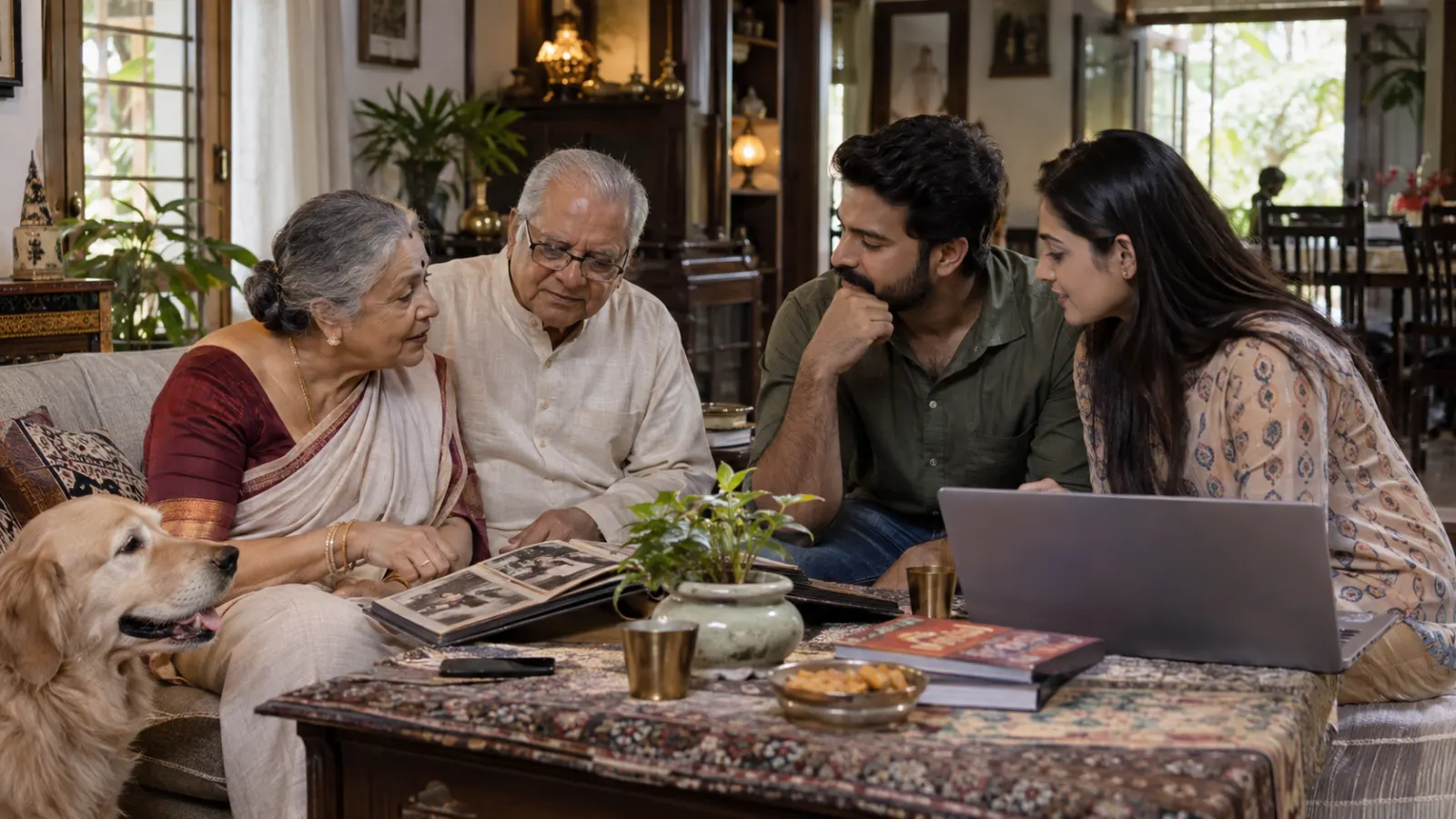
A preserved factory can make industrial labour more difficult to reduce to abstract economic statistics. Workers’ housing reveals everyday conditions that may be absent from political histories. A cemetery can preserve names overlooked in formal records. A family photograph can make a migration history materially personal.
These objects do not guarantee truthful memory. Monuments can mislead, museums can tell selective stories and archives reflect the institutions that created them.
But material evidence makes complete invention more difficult.
Memory with surviving evidence can be challenged.
Memory without evidence becomes easier to manipulate.
Preservation and Commemoration Are Not the Same Thing
This distinction becomes especially important in disputes over monuments and controversial historical figures.
Preserving evidence is not the same as continuing to honour someone.
A society may decide that a statue no longer deserves a prestigious civic location while still preserving the object in a museum or collection where its history can be studied. A prison can be preserved without celebrating imprisonment. A battlefield can be conserved without glorifying war.
Preservation can therefore support criticism as easily as admiration.
This resolves one false choice often created in public debate: either a controversial object must remain exactly where it is or history is being erased.
Historical memory can survive while the form of public honour changes.
The essential questions are what should be preserved, where it should be located and how it should be interpreted.
Reason Three: Difficult Heritage Protects Evidence Against Denial
Some of the most important heritage is uncomfortable.
Former prisons, concentration camps, sites of enslavement, battlefields, locations of political violence, detention centres and sites of industrial catastrophe may deserve protection precisely because societies would prefer not to remember what occurred there.
Preservation in such cases performs an evidentiary function.
Documents and sites can contradict later attempts to minimise, deny or rewrite what institutions or societies did.
This is why heritage should never be understood only as a collection of beautiful buildings and heroic monuments.
Sometimes the strongest reason to preserve something is that it records failure, injustice or suffering.
A mature preservation system protects evidence of what a society regrets as well as what it celebrates.
Reason Four: Communities Need Continuity During Change
People do not form relationships only with other individuals. They also become attached to streets, neighbourhood shops, religious spaces, parks, markets, landscapes, annual celebrations and familiar buildings.
Repeated experience transforms these environments into part of identity.
Rapid redevelopment may provide housing, infrastructure and economic opportunity while simultaneously creating cultural disorientation. A person can remain in the same city while feeling that the city they knew has disappeared.
Preservation can reduce that rupture.
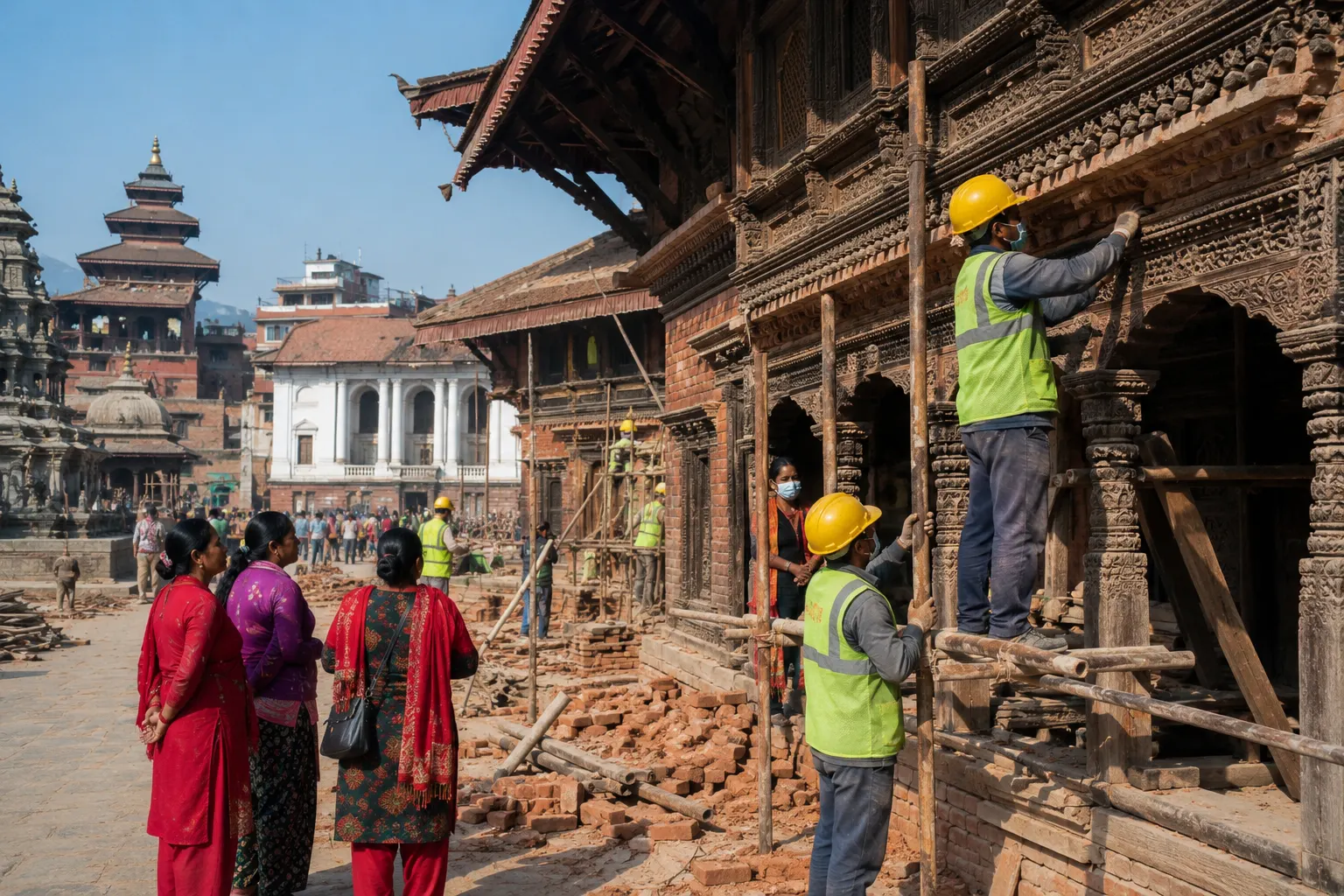
This does not require freezing an entire neighbourhood in one historical period. UNESCO’s Historic Urban Landscape approach explicitly recognises cities as dynamic and argues for integrating heritage conservation with social and economic development rather than treating the two as inherently incompatible.
The objective is continuity within change.
A City Does Not Have to Choose Between History and Development
One of the weakest forms of preservation debate treats development and heritage as automatic enemies.
Cities need housing, transport, accessibility, sanitation, workplaces and new infrastructure. Historic districts cannot survive as untouched stage sets while residents’ needs are ignored.
Modern heritage thinking increasingly focuses on managing change rather than preventing it.
UNESCO’s Historic Urban Landscape Recommendation treats historic cities as layered environments containing historic and contemporary buildings, infrastructure, open spaces, economic processes, social practices and intangible heritage. It specifically calls for a balance between present and future needs and inherited cultural values.
That means an old district can gain new buildings.
A historic factory can become housing.
A warehouse can become a school or workplace.
A traditional market can acquire modern safety systems.
Preservation succeeds when change retains important evidence and relationships rather than when contemporary life is excluded.
Adaptive Reuse Can Give Old Buildings New Lives
A historic structure does not always need to retain its original function.
Factories become offices or housing. Railway buildings become cultural venues. Schools become community centres. Houses become restaurants, galleries or small businesses.
This process—adaptive reuse—can preserve significant architectural and historical fabric while allowing buildings to remain economically and socially useful.
It also challenges the assumption that preservation is simply an expense.
A building that continues to function has a stronger chance of surviving than one maintained solely as an empty monument.
However, reuse requires judgment. Alterations should not remove so much significant fabric that the historic building survives only as a decorative shell.
The goal is not merely to retain the façade.
It is to allow new use while keeping enough historical evidence for the old building to remain legible.
Preservation Can Support Environmental Goals—but Not Automatically
Existing buildings already contain materials and energy invested in their construction. Reusing them can, in some cases, reduce demolition waste and avoid part of the environmental burden associated with constructing replacements.
Traditional buildings may also contain climate-responsive features such as shading, courtyards, natural ventilation, thick walls or local materials.
But “old” is not automatically synonymous with sustainable.
Some historic buildings require extensive energy upgrades. Others may contain unsafe materials, structural weaknesses or configurations poorly suited to modern requirements.
The environmental argument for preservation is therefore strongest when assessed case by case.
Heritage should not be protected through vague claims that every old building is greener than every new one.
Good conservation combines cultural significance with realistic environmental performance.
Reason Five: Heritage Makes Education Material
History changes when students encounter original evidence.
A textbook can explain that a fort occupied a strategic position. Standing at the site makes terrain, distance and visibility tangible. A chapter can describe industrial housing; walking through workers’ homes reveals density, scale and domestic arrangements. An archive can show students that historical claims come from incomplete and sometimes contradictory sources.
This is an important educational function.
Preserved heritage teaches not only what happened, but how we know.
That distinction encourages historical thinking rather than memorisation.
Students can ask who created a document, why an object survived, what evidence is missing and how interpretations change.
Preservation therefore protects the raw material of education.
Reason Six: Old Knowledge Can Remain Useful
Historical knowledge is not automatically obsolete.
Traditional architecture can reveal climate-responsive design. Agricultural landscapes may preserve water-management practices adapted over generations. Craft traditions contain detailed knowledge of materials, tools and repair methods.
Older knowledge should not be romanticised. Some traditional practices were inefficient, unsafe or embedded in unequal social relationships.
The preservation argument is more modest.
Knowledge should remain available long enough to be evaluated.
If a practice disappears before anybody has documented how and why it worked, society loses the ability to distinguish what was genuinely useful from what deserved replacement.
Preservation expands the range of solutions available for future problems.
Reason Seven: Cultural Diversity Requires the Ability to Transmit Difference
Heritage is not only buildings and documents.
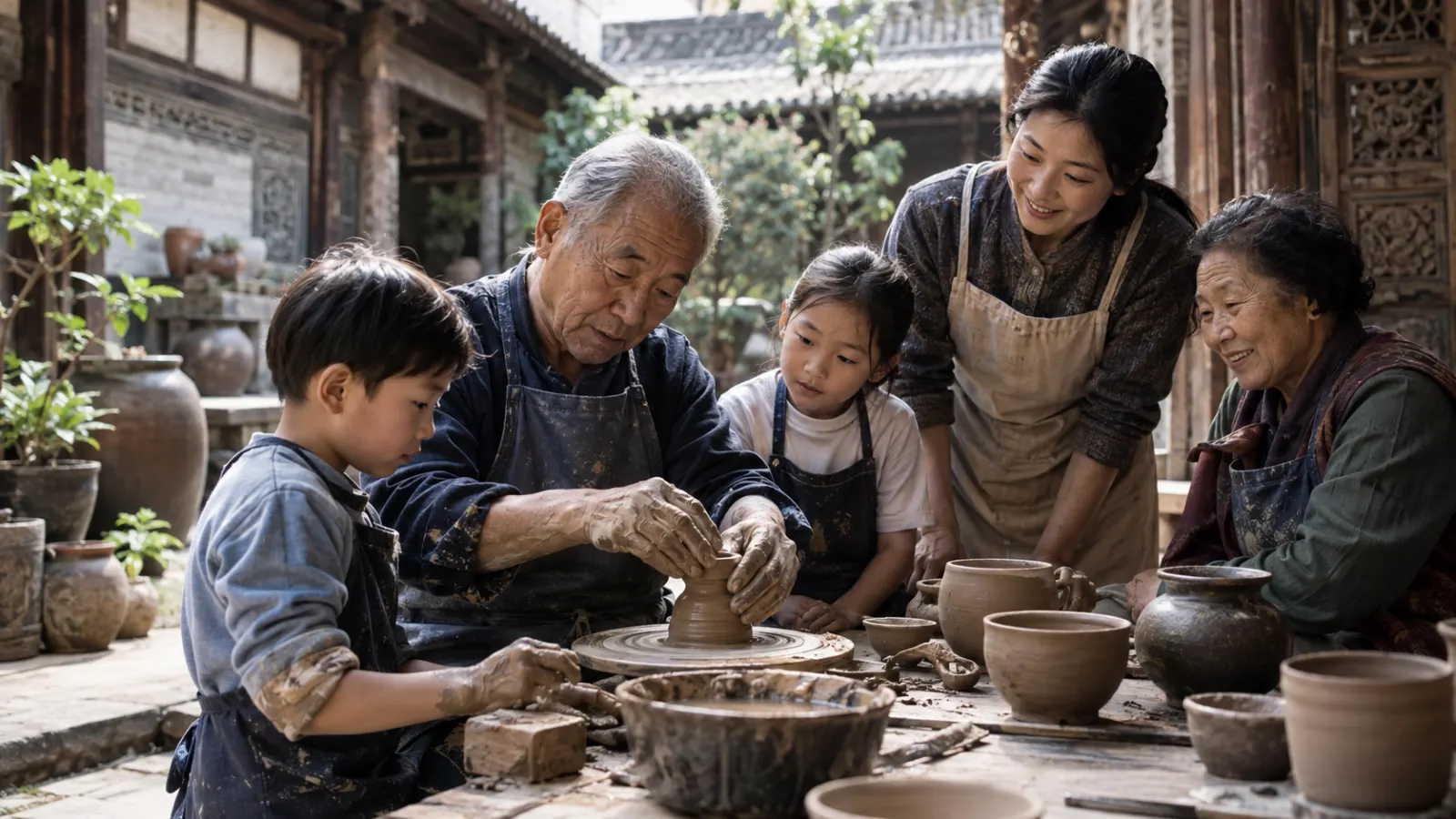
Languages, music, dance, rituals, craft techniques, oral traditions and social practices are carried by people. Their preservation problem is therefore fundamentally different from that of a stone monument.
A building can sometimes survive without anyone living inside it.
A language cannot survive without speakers.
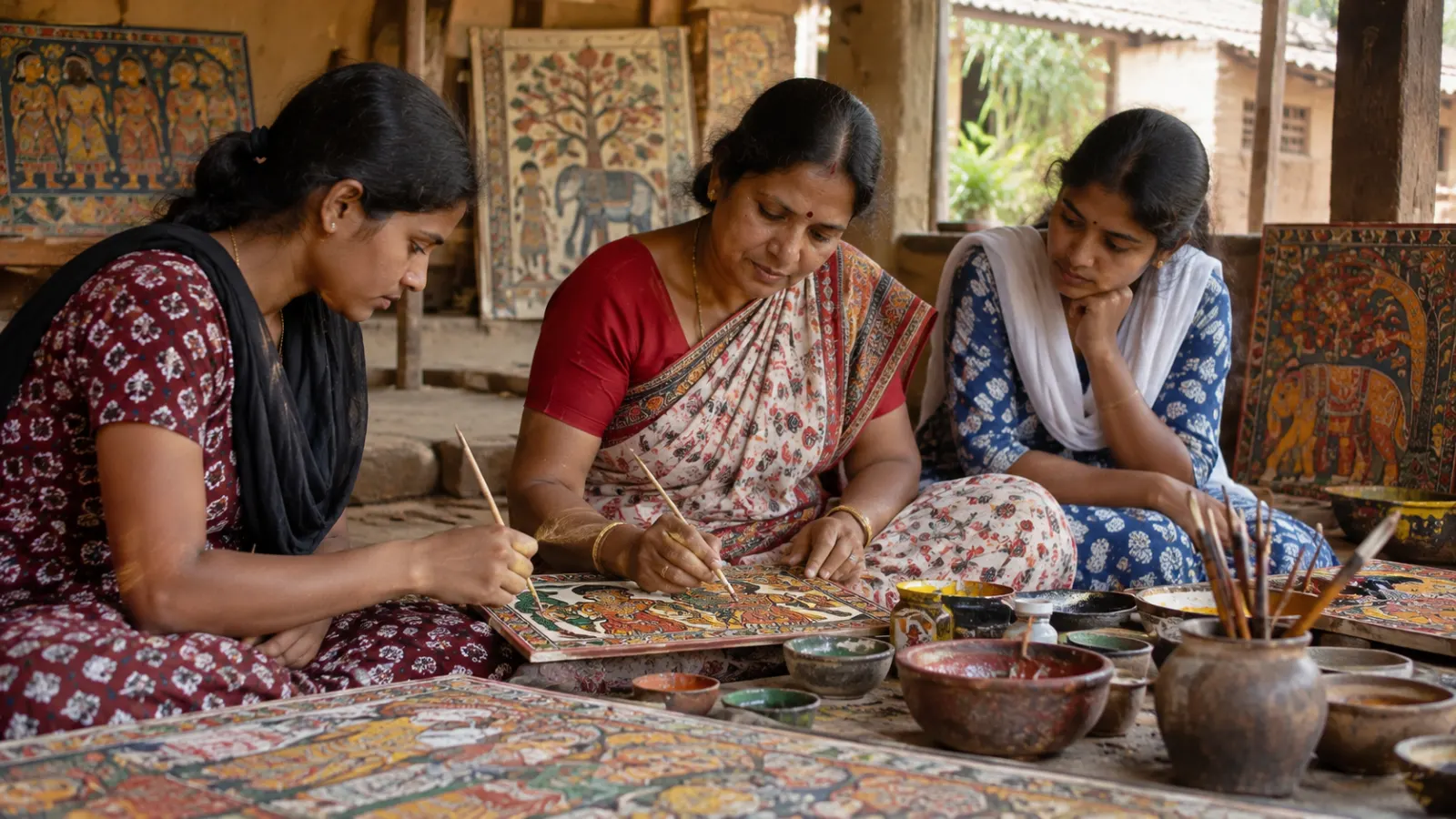
A craft does not survive because examples sit in a museum. People need to know how to make the objects.
Living heritage therefore depends on transmission.
This matters in an era when global products, media and languages can create strong pressures toward cultural standardisation. Cultural diversity does not require isolating communities from outside influence. It requires preserving their practical ability to continue practices they still value.
Living Traditions Require Consent
There is an ethical limit to preservation.
A community may decide that an inherited practice should change or disappear. The tradition may be considered harmful, economically impossible, religiously inappropriate or simply no longer meaningful.
Outsiders cannot ethically “preserve” a living culture by forcing community members to perform it indefinitely for tourists or heritage organisations.
Safeguarding should create opportunities for voluntary transmission: apprenticeships, spaces, materials, recognition and sustainable livelihoods.
The objective is to preserve capacity and choice, not compel cultural performance.
A living tradition preserved against the wishes of its practitioners risks becoming somebody else’s nostalgia.
Reason Eight: Heritage Can Support Local Economies
Historic districts, monuments, cultural landscapes and living traditions can support tourism, craft economies, hospitality, local businesses and specialised conservation skills.
UNESCO’s urban-heritage framework recognises that appropriately managed tourism and new economic functions can contribute to both community well-being and conservation.
But economic value should never become the only test of preservation.
An archive documenting political repression may deserve protection even if few tourists visit it. A minority-language collection can be important despite producing almost no revenue. A burial ground should not need to become commercially successful to justify respect.
Economic value can strengthen preservation.
It should not determine which histories deserve survival.
Heritage Tourism Can Also Damage What It Celebrates
Success creates its own preservation problems.
A historic district can become so attractive to visitors and investors that rents rise beyond what long-term residents can afford. Traditional shops may be replaced by souvenir businesses. Homes become short-term accommodation. The architecture survives while the community that gave the neighbourhood much of its social meaning disappears.
This is a serious conservation failure.
UNESCO’s Historic Urban Landscape approach explicitly includes social and cultural practices, economic processes and community values as part of the wider historic environment and calls for participatory planning.
Preserving façades while displacing residents can protect visual heritage while destroying living heritage.
Good conservation therefore asks not only what happens to the building, but what happens to the people connected with it.
Preservation Decisions Are Decisions About Power
We cannot preserve everything, which means somebody must decide what is significant.
Those decisions shape future history.
If governments preserve palaces but demolish workers’ neighbourhoods, future generations inherit abundant evidence about elites and relatively little about ordinary life. If archives preserve official government correspondence but discard domestic records, the documentary record becomes institutionally biased.
Heritage lists are therefore not neutral catalogues of objects that happened to be important.
They are selections.
And selection is power.
Under-Represented Histories Require Deliberate Preservation
Historical inequality influences what survives.
Powerful institutions could build in durable materials, commission portraits, maintain archives and erect monuments. Poorer communities often left more fragile records. Women’s work may have occurred in domestic contexts that formal archives ignored. Migrants, Indigenous peoples, minorities and labouring communities were frequently documented by outsiders rather than in their own voices.
A representative preservation system therefore cannot simply protect whatever has already been officially recognised.
It must look actively for missing evidence.
Otherwise historical inequality becomes archival inequality, and archival inequality becomes the history inherited by the future.
Community Participation Changes What Counts as Heritage
Professional experts and local communities may value the same place for different reasons.
An architectural historian might consider a building significant because of its rare construction system. Residents may care because generations of families held weddings there, because it anchors a religious practice or simply because it is the place where neighbours meet.
Neither form of value is inherently illegitimate.
UNESCO’s Historic Urban Landscape Recommendation explicitly calls for civic engagement that enables diverse stakeholders to identify values, articulate needs and participate in safeguarding decisions.
Community involvement improves preservation because significance is rarely purely architectural.
Places acquire meaning through use.
Authenticity Does Not Mean Recreating an Imaginary Original Moment
Historic places accumulate layers.
A medieval structure may have nineteenth-century additions, twentieth-century repairs and contemporary adaptations. Those later changes can themselves become historically meaningful.
One preservation temptation is to strip away everything added later to recreate what experts imagine the “original” building looked like.
That can destroy genuine historical evidence in pursuit of visual purity.
Good conservation therefore distinguishes between harmful alteration and legitimate historical layering.
A place is often significant precisely because multiple generations changed it.
Preservation should not turn complex history into one aesthetically convenient date.
Preservation, Restoration and Reconstruction Are Different
These terms are often used interchangeably, but they describe different relationships with the past.
Preservation generally aims to retain existing historic material and significance. Restoration may return a place to the appearance or condition associated with a particular historical period while retaining authentic material where possible. Reconstruction recreates something that has been substantially or completely lost.
Reconstruction can be culturally meaningful, especially after war, disaster or deliberate destruction. Rebuilt landmarks can restore urban identity and social functions.
But reconstruction does not automatically recover the original evidence.
A newly built replica may reproduce appearance extremely accurately while containing almost none of the historical material of the destroyed building.
Honesty therefore matters.
Visitors should be able to understand what is original, what has been repaired and what has been recreated.
Documentation Is the Minimum When Physical Preservation Is Impossible
Sometimes demolition cannot reasonably be avoided. Infrastructure may need to pass through a site. A building may be beyond safe repair. A landscape may be fundamentally transformed.
When physical survival is impossible, documentation can reduce the loss.
Measured drawings, photography, 3D scanning, oral histories, archaeological recording, material samples and archival research can preserve substantial information.
The U.S. National Park Service, for example, maintains major documentation programmes whose records are preserved through the Library of Congress.
Documentation is not equivalent to preservation.
A scan cannot reproduce the material authenticity of a building or the social life of a neighbourhood.
But it can prevent total informational disappearance.
Digital Preservation Has Created a New Version of an Old Problem
Modern societies produce enormous amounts of evidence that may never exist on paper: emails, databases, digital photographs, websites, social-media records, software and electronic government files.
Digital material can disappear surprisingly quickly.
Storage devices fail. Formats become obsolete. Services close. Passwords are lost. Websites are updated and previous versions vanish.
This means preservation is no longer only about protecting physically old material.
A digital file created today may require preservation action almost immediately if it is expected to remain accessible for decades.
Future historical evidence increasingly depends on decisions about digital preservation made in the present.
Archives Support Democratic Accountability
Preservation also has a political function.
Government records, court files, planning documents, correspondence and evidence of public decisions allow later citizens, journalists and researchers to investigate how institutions behaved.
Destroying records prematurely can shield power from scrutiny.
Archives therefore overlap with accountability, freedom of information and institutional memory.
A society that preserves only celebratory material gives future generations a distorted image of its institutions.
Democratic memory requires evidence of controversy, error and abuse as well as achievement.
The Past Is a Resource for Criticism
Preservation is sometimes portrayed as inherently conservative because it protects inherited things.
In another sense, preservation can be deeply critical.
An archive can contradict an official narrative. An abandoned industrial site can expose labour conditions hidden behind stories of economic progress. Archaeology can challenge myths about who occupied a landscape. Oral histories can complicate state records.
Preserved evidence allows later generations to disagree with the stories their predecessors told.
That is one of preservation’s most important functions.
It protects not the authority of the past, but the ability to argue with it.
Preservation Protects the Right to Reinterpret
Historical questions change.
A building once studied only for architectural style may later be investigated through labour history. An archive collected for diplomatic history may become important to historians of gender or migration. A landscape may gain new significance through environmental research.
Future generations will ask questions we cannot predict.
If evidence survives, reinterpretation remains possible.
If evidence is destroyed, the assumptions of the present become permanent limits on future knowledge.
Preservation therefore protects intellectual freedom across generations.
It leaves later people something to disagree with us about.
We Cannot Preserve Everything
This is the unavoidable reality.
Archives have finite space and budgets. Cities need development. Conservation can be expensive. Some buildings are too altered or unsafe to retain. Living communities may decide not to continue practices. Digital information exists at a scale that makes complete retention impossible.
Preservation therefore requires triage.
Professionals and communities assess factors such as significance, rarity, condition, evidentiary value, representativeness, vulnerability, community importance and available resources.
Triage can feel uncomfortable because it makes loss explicit.
But pretending that unlimited preservation is possible can lead to worse outcomes, with limited resources spread so widely that nothing receives adequate care.
The real question is not whether selection occurs.
It is whether selection is transparent, evidence-based and open to challenge.
Not Every Old Building Has to Become a Museum
A preservation system that turns ordinary life into museum display can make historic places unsustainable.
Buildings need occupants. Neighbourhoods need residents. Markets need traders. Religious places need worshippers. Traditional landscapes often need continued management.
UNESCO’s World Heritage Convention itself calls for heritage to have a function in community life rather than existing completely outside contemporary society.
This is an important correction to the stereotype of preservation as freezing.
The goal should usually be continued meaningful use compatible with significance.
Preservation Can Fail Even When the Building Survives
Imagine a historic market whose architecture is restored beautifully. Rents then increase, longstanding traders are displaced and the market becomes a luxury retail destination serving tourists.
Has it been preserved?
Architecturally, perhaps.
Socially, the answer is less clear.
Heritage can contain physical fabric, economic practices, community relationships, memory and patterns of use.
Conservation that protects only the building may therefore preserve one layer while destroying another.
This is why contemporary heritage practice increasingly looks beyond individual monuments toward landscapes, neighbourhoods and communities.
Preservation Should Not Turn Poverty Into Scenery
There is another ethical danger.
Heritage organisations can romanticise older neighbourhoods while residents live with poor sanitation, unsafe structures, overcrowding or inadequate services.
People should not be required to sacrifice basic living standards so visitors can experience an “authentic” historic atmosphere.
Conservation must allow accessibility, safety, sanitation and reasonable adaptation.
The challenge is to make necessary improvements without unnecessarily destroying significant fabric or displacing communities.
Living heritage belongs first to people living with it, not to outsiders consuming it aesthetically.
Development Can Sometimes Be the Responsible Choice
Not every preservation dispute should end with conservation.
A structure may lack meaningful significance. A new hospital, school, transport system or housing project may produce overwhelming public benefit. Some heritage can be documented adequately before unavoidable loss.
Good preservation practice therefore needs the intellectual honesty to say no to preservation in some cases.
Otherwise the concept loses credibility.
The argument should never be that the past always wins.
It should be that irreversible loss deserves careful consideration before present convenience automatically wins.
Future Generations Are Stakeholders Without Votes
The World Heritage Convention’s language about transmission to future generations captures the deepest moral argument for preservation.
Future people will inherit the consequences of present development decisions, but they have no direct political representation in them.
Preservation is one mechanism by which societies recognise that asymmetry.
We accept limitations today because some resources carry informational, cultural or environmental value extending beyond one generation.
The same ethical principle appears in environmental conservation.
The present possesses resources.
It does not necessarily possess an unlimited moral right to destroy them.
Frequently Asked Questions
Why is preservation important? Preservation protects irreplaceable evidence, maintains community memory and cultural continuity, supports education and allows future generations to study and reinterpret the past.
What does it mean to preserve the past? It can mean conserving historic buildings and archaeological sites, maintaining archives and museum collections, protecting landscapes, preserving digital records or supporting the transmission of living cultural practices.
Why preserve old buildings? Old buildings can contain architectural, social, technological and historical evidence that cannot be recreated authentically after demolition. They can also continue serving communities through adaptive reuse.
Do we need to preserve every old building? No. Preservation requires selection because resources are finite and societies have legitimate development needs.
Is preservation just nostalgia? No. Personal attachment can motivate preservation, but professional heritage arguments also involve evidence, education, community continuity, cultural diversity and future research.
Why should future generations matter in preservation decisions? Destruction can be irreversible, while future people cannot participate in present decisions about resources they will inherit. UNESCO’s World Heritage Convention explicitly frames heritage protection partly as transmission to future generations.
Can preservation stop development? It can limit some forms of development, but modern conservation approaches generally seek to integrate heritage protection with social and economic change rather than stop change entirely.
What is adaptive reuse? Adaptive reuse gives an existing building a new function while retaining significant historical fabric—for example, converting an old industrial building into housing, offices or a cultural venue.
Is reconstruction the same as preservation? No. Reconstruction recreates something that has been lost, while preservation retains existing historic material. Both can have cultural value, but they preserve different kinds of authenticity and evidence.
Can controversial monuments be removed without erasing history? Yes. Public honour and historical preservation are different. An object can be relocated, documented or interpreted in a museum while its privileged commemorative role changes.
Why preserve painful historical sites? Sites of violence, oppression or disaster can provide evidence, support education and make later denial more difficult.
Can heritage preservation cause gentrification? It can contribute when investment increases property values and displaces long-term residents. Effective conservation therefore needs to consider social as well as architectural impacts.
Why is community participation important? Residents and practitioners often understand social, cultural and everyday values that professional assessments alone may miss. UNESCO’s urban heritage guidance emphasises participatory approaches.
Does preservation help the environment? Reusing existing structures can sometimes reduce demolition waste and new construction demands, but environmental benefits depend on the building, its condition and the adaptation required.
Can living traditions be preserved like buildings? Not exactly. Languages, crafts, rituals and performances survive through people and transmission. Safeguarding should support voluntary continuation rather than force communities to maintain unwanted practices.
Is digital preservation really necessary? Yes. Digital records can disappear through hardware failure, obsolete formats, platform closure or loss of access even when they are relatively recent.
What happens when a building cannot be saved? Detailed documentation—including photography, measured drawings, scanning, oral history and archival research—can preserve some evidence, although documentation is not equivalent to physical survival.
Who decides what is worth preserving? Governments, heritage professionals, owners, researchers and communities may all influence decisions. Because selection shapes the future historical record, transparent criteria and community participation are important.
Preservation Is Not About Obeying the Past
The strongest argument for preservation is not that old things should control modern life.
Societies must change.
Buildings need new uses. Cities need infrastructure. Traditions evolve. Public values shift. Some monuments lose their commemorative legitimacy. Some inherited practices should disappear.
Preservation matters because change and destruction are not the same thing.
A building can change function without losing its entire history. A controversial object can change context without disappearing. A traditional practice can adapt without losing its transmission chain.
The objective is not unchanged survival.
It is informed change.
What Preservation Gives the Future
The deepest value of preservation is optionality.
If evidence survives, future generations can decide what it means.
They can admire it.
They can criticise it.
They can study it with technologies we have not invented.
They can reinterpret it through questions we never thought to ask.
They can decide that we were wrong about why it mattered.
Destroying evidence closes those possibilities.
Preserving it leaves them open.
The Central Idea
We preserve the past because the future deserves evidence.
Historic buildings, archives, archaeological sites, cultural landscapes, objects and living traditions help explain how the present came into existence. They contain information that cannot always be reconstructed after destruction. They anchor memory, support education, preserve cultural options and allow uncomfortable histories to remain available for scrutiny.
But preservation should never become a demand to freeze society. UNESCO’s contemporary urban heritage framework explicitly recognises the need to balance historical inheritance with present and future social, economic and environmental needs.
That requires selection.
Not everything can or should survive.
The important question is whether loss occurs after careful evaluation or simply because destruction was temporarily easier.
It also requires recognising power. What a society preserves determines what future people will be able to know. Palaces without workers’ housing create one history. Government archives without minority voices create another. Beautiful monuments without evidence of injustice create another.
A representative historical record has to be built deliberately.
Preservation therefore is not passive nostalgia.
It is an active decision about evidence, memory, identity, accountability and intergenerational responsibility.
The past does not deserve unquestioning obedience.
Future generations deserve something more important:
the ability to examine it for themselves.
That is what preservation ultimately protects.