Cultural Heritage: What It Is, Why It Matters and How It Is Preserved
Cultural heritage is often pictured as an ancient temple, palace, archaeological site or object behind museum glass. Those are important examples, but they capture only part of the idea. Heritage is better understood as a relationship between people in the present and what they inherit from the past. Societies inherit enormous amounts of material, memory, knowledge and practice, yet only some of it receives special recognition, protection or transmission.
This means cultural heritage is partly selected. A building does not become significant simply because it is old. People may value it because of its architecture, historical associations, religious meaning, scientific importance, connection to a community or role in a major event. A modest industrial building can matter because it documents a vanished occupation, while an ordinary house may become historically important because people organised a social movement there.
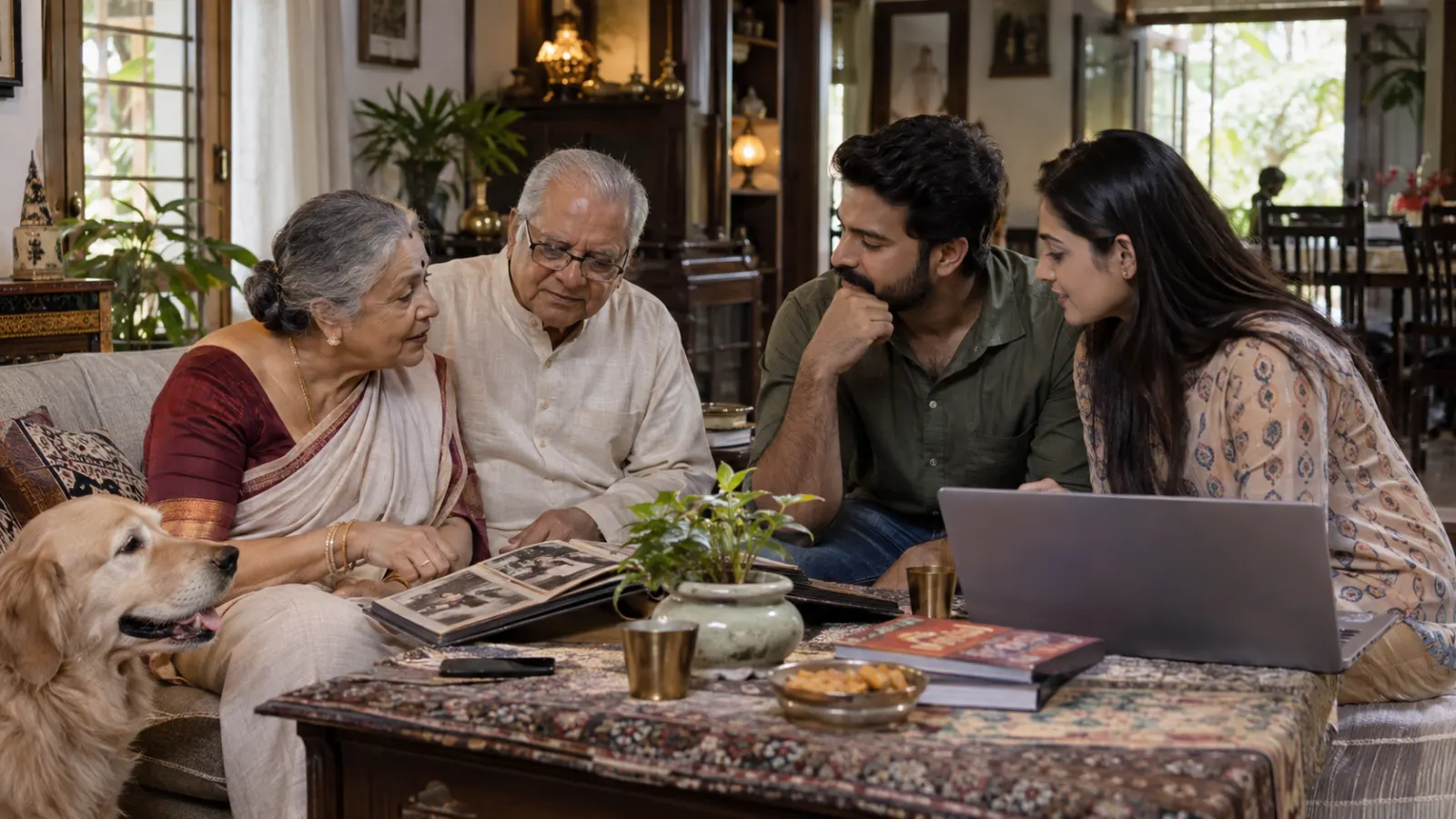
Heritage can also operate at several scales. A family archive may preserve the history of one household. A neighbourhood shrine may anchor local identity. A cultural landscape can record centuries of interaction between communities and the environment. A monument may acquire national meaning, while a small number of properties are recognised internationally through UNESCO's World Heritage system.
UNESCO's 1972 World Heritage Convention defines cultural heritage for the purposes of that treaty through monuments, groups of buildings and sites possessing outstanding universal value. That international definition is important, but it should not be mistaken for the complete meaning of cultural heritage. Most heritage in the world is not inscribed on the World Heritage List. (whc.unesco.org)
Understanding heritage therefore requires asking not only, “How old is this?” but also: Why does it matter, to whom, and what exactly are we trying to preserve?
Cultural heritage can be tangible or living
The most visible form of heritage is tangible: buildings, archaeological remains, artworks, manuscripts, sacred objects, tools, monuments, archives, historic neighbourhoods and cultural landscapes. These things provide physical evidence of how people lived, governed, worshipped, worked, travelled and understood the world.
Their importance often depends on context. An archaeological object removed from the ground without documentation loses information about where it was found and what surrounded it. A historic building separated from its neighbourhood may retain its walls while losing much of the social context that gave it meaning. Conservation therefore involves more than keeping objects physically intact.
Heritage can also be intangible.
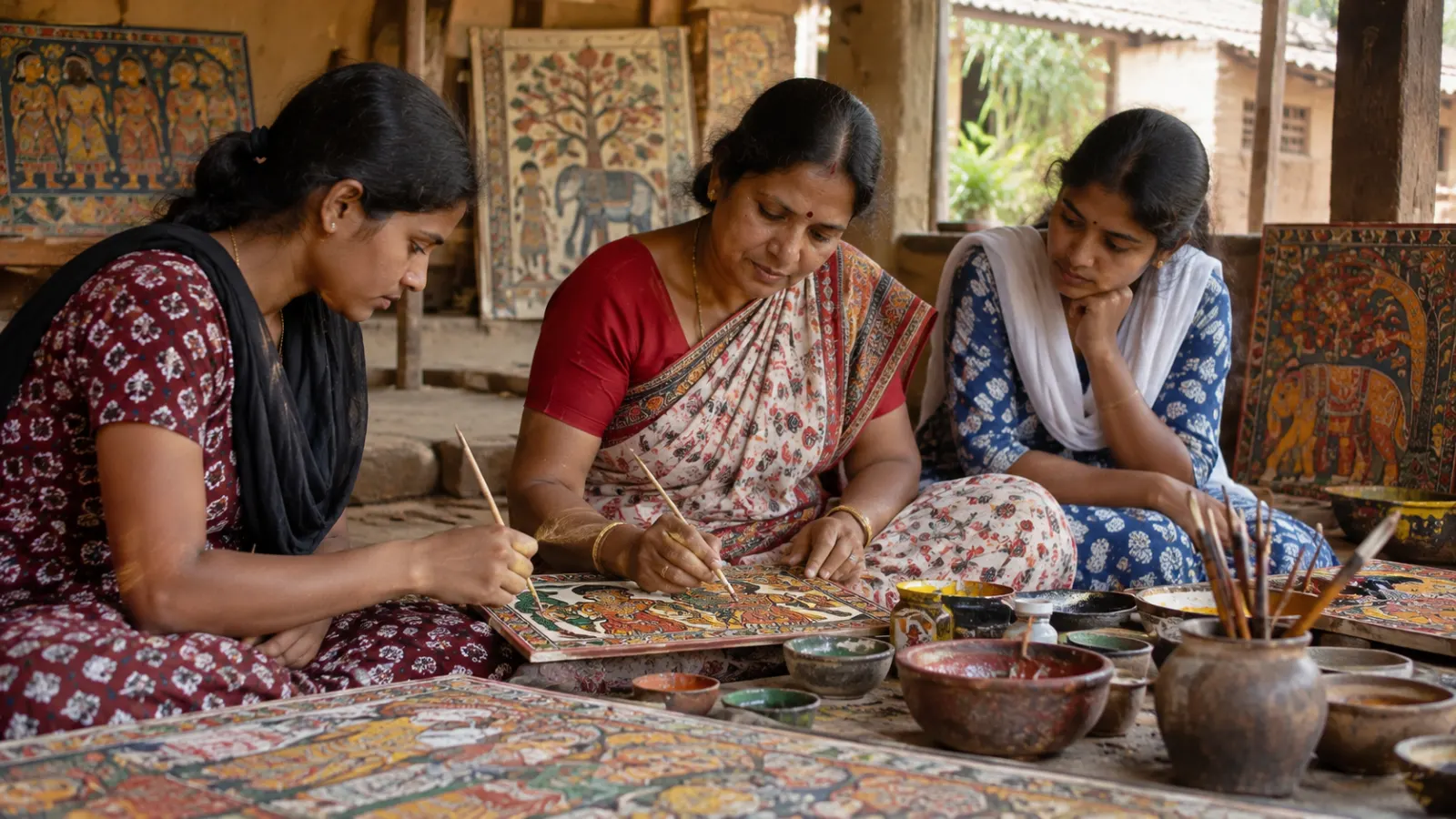
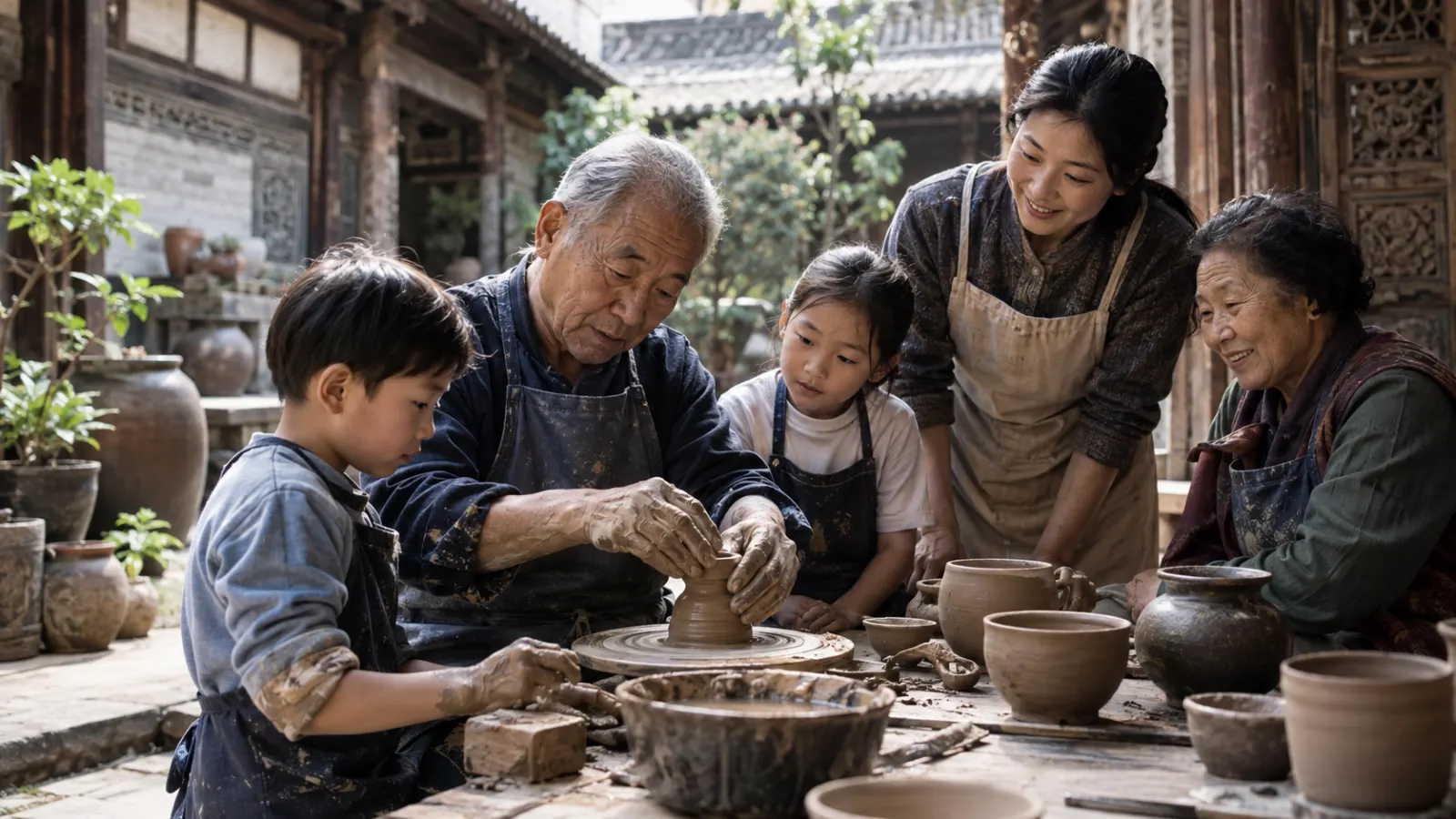
UNESCO's 2003 Convention describes intangible cultural heritage as practices, representations, expressions, knowledge and skills that communities recognise as part of their cultural heritage. It includes areas such as oral traditions, performing arts, rituals, festive events, knowledge about nature and traditional craftsmanship. Crucially, UNESCO describes this heritage as something transmitted between generations while being continually recreated by communities in response to their environment and history. (ich.unesco.org)
That idea changes what preservation means.
A stone monument may survive through physical conservation. A dance survives only if people continue to perform and teach it. A craft survives when knowledge passes from skilled practitioners to learners. A language survives through use. A ritual can be documented on video, but documentation alone does not keep the tradition socially alive.
Living heritage therefore cannot be protected simply by freezing it.
Communities change the practices they inherit. Musical instruments evolve. Rituals adapt to urban life. Craftspeople use new tools. Languages absorb new vocabulary. Migration moves traditions into new environments. These changes do not necessarily mean the heritage has become inauthentic. Adaptation may be precisely how a tradition remains meaningful enough to survive.
This distinction between material conservation and living transmission is fundamental. Tangible and intangible heritage often depend on one another, but they require different forms of care.
Heritage preserves evidence, identity and competing memories
Cultural heritage matters partly because it preserves evidence.
Archaeological layers can reveal diets, settlement patterns, trade routes and technologies. Historic buildings record materials, engineering techniques and changing uses of space. Manuscripts preserve language, administration, religion and private experience. Industrial landscapes can document economic systems that no longer exist. Archives allow later generations to examine evidence rather than depend entirely on memory.
Once that evidence is destroyed, reconstruction has limits.
High-resolution photography, digital archives and three-dimensional scanning can preserve extraordinary amounts of information, but a digital model cannot reproduce every property of an original object or place. Material composition, location, archaeological context, scale and sensory experience can contain information that no photograph captures completely.
Heritage also matters because communities use the past to understand themselves.
A historic district can create a sense of belonging. A memorial can keep a painful event visible. A traditional practice can connect grandparents and grandchildren. Museums and archives can make experiences available to people who did not live through them.
But identity makes heritage politically complicated.
Different communities may attach completely different meanings to the same object or site. A monument celebrated by one group may represent conquest or oppression to another. A former colonial building may be admired architecturally while also carrying memories of coercive government. A battlefield can produce competing stories about heroism, victimhood and responsibility.
Heritage management therefore involves interpretation, not only conservation.
Even deciding what deserves official recognition involves choices. Resources are finite. Not every ageing building can be restored and not every object can receive museum-level conservation. Governments, institutions and communities must establish priorities.
Those decisions inevitably involve power.
Historically, many formal heritage systems gave greater recognition to palaces, monuments, elite art and official national narratives than to labour history, minority communities, women's histories, Indigenous knowledge or everyday landscapes. Expanding heritage practice does not eliminate selection; it makes the criteria and decision-making process more visible.
The difficult question is not simply what survives from the past. It is whose past receives the resources and authority to survive into the future.
Ownership, restitution and community authority can be contested
Museums and collections add another layer of complexity because cultural objects can move far from the communities that created them.
Objects have entered collections through legitimate purchase and exchange, archaeological excavation, gifts and documented collecting. Others were acquired during colonial rule, war, military occupation or highly unequal political relationships. Some were looted or removed without meaningful consent.
Those histories have produced major debates about restitution and repatriation.
Museums may argue that collections support research, conservation and access to global audiences. Source communities may emphasise sovereignty, sacred meaning, historical injustice and their right to determine how culturally important material is kept, displayed or used.
There is no single formula that resolves every case.
Provenance matters: when and where an object was acquired, who transferred it, under what laws, and under what political circumstances. Ethical considerations may extend beyond the minimum legal requirements, particularly when historic laws themselves reflected unequal systems of power.
Some objects are also more than artworks or archaeological specimens. They may remain ancestors, sacred materials or active parts of religious and cultural life for descendant communities.
Responsible heritage practice therefore increasingly requires institutions to investigate and disclose provenance rather than presenting collections as though objects simply appeared in museums without history.
Community participation is similarly more complicated than identifying one person who can speak on behalf of everyone.
Residents can disagree about the same heritage. Some may prioritise religious use, others tourism revenue, archaeological research, affordable housing or quiet community life. Descendant groups may disagree over whether human remains or sacred materials should be studied, displayed, reburied or repatriated.
Participation should therefore recognise internal diversity rather than imagining a completely unified “community”.
Good heritage governance does not eliminate disagreement. It makes the process through which disagreements are negotiated more transparent.
Preservation means managing change, not making the past look new
Conservation is sometimes imagined as restoring a historic place to its original appearance. In practice, deciding what counts as “original” can be difficult.
Buildings accumulate layers.
A temple, fort, house or industrial structure may have been expanded, damaged, repaired and repurposed repeatedly. Each change may itself contain historical evidence. Restoring the site to one selected date can create visual coherence while erasing everything that happened afterwards.
Contemporary conservation therefore often focuses on significance, evidence and careful management of change rather than automatic reconstruction of an assumed original state.
The purpose is not to make an old building look newly constructed.
Over-restoration can remove historic surfaces, materials and traces of use precisely because they appear imperfect. Yet those imperfections may contain much of the evidence that makes the place historically valuable.
Reversibility can also matter. Where possible, a new intervention should avoid destroying original material unnecessarily and should be designed so future conservation work is not prevented by today's decisions.
This principle becomes especially important because historic places must often continue functioning in modern societies. Buildings may require electricity, fire safety, accessibility, sanitation or climate control. Cities need transport and housing. Communities cannot always be turned into museums simply because their neighbourhood is historically significant.
Preservation therefore involves negotiation between continuity and necessary change.
Tourism and development can protect heritage or hollow it out
Heritage can generate substantial economic value.
Historic districts, museums, archaeological sites and cultural landscapes attract visitors, support jobs, create markets for local businesses and give governments financial reasons to invest in conservation. Tourism can therefore provide resources that make preservation more feasible.
But the relationship works in both directions.
Too many visitors can physically damage sites. Tourist development can increase property prices and displace residents. Shops serving daily community needs can be replaced with businesses aimed almost entirely at visitors. Traditional performances may be simplified to fit tourist expectations. A neighbourhood can remain architecturally preserved while the social community that created its meaning disappears.
UNESCO's World Heritage and Sustainable Tourism Programme explicitly treats tourism and conservation as an integrated management problem. Its approach emphasises stakeholder cooperation, community participation and managing tourism in ways that protect heritage while also producing sustainable local benefits. (whc.unesco.org)
This exposes an important weakness in measuring heritage only through revenue.
A site can become financially successful while becoming culturally poorer.
If historic residents are displaced, cultural practices disappear and local access becomes difficult, increased visitor spending does not necessarily represent successful preservation.
The same issue applies to development more broadly. Heritage protection does not require preventing all economic activity. UNESCO's sustainable-development framework recognises the potential of heritage to contribute to social, economic and environmental goals while maintaining conservation as a core responsibility. (whc.unesco.org)
The challenge is keeping heritage embedded in living communities rather than converting it entirely into a commodity.
Climate change, disasters and conflict create new conservation risks
Cultural heritage has always been vulnerable to disasters, conflict and physical deterioration, but several pressures are becoming increasingly difficult to ignore.
Floods, fires, erosion, storms, sea-level rise and changing temperature or rainfall patterns can damage historic structures and archaeological sites. Climate change can also affect landscapes and traditional livelihoods that form part of living heritage.
UNESCO's World Heritage policy material explicitly recognises climate change and disaster risk as conservation challenges and calls for reducing the vulnerability of heritage properties while strengthening preparedness and community resilience. (whc.unesco.org)
Armed conflict creates additional risks. Buildings may be damaged incidentally or deliberately targeted because destroying cultural symbols can become a way of attacking collective identity. Conflict can also facilitate looting and illicit trade in archaeological material.
Urban development can destroy heritage less dramatically but just as permanently. An archaeological layer removed during construction cannot simply be rebuilt afterwards.
Risk management therefore increasingly includes inventories, digital documentation, emergency planning, fire protection, disaster preparedness, resilient conservation and training for local communities.
Preparation matters because experts may not be able to reach a threatened place immediately.
Local people often determine what can be moved, protected, documented or stabilised during the first hours of an emergency.
Digital preservation expands access but cannot replace originals
Digital technology has changed heritage work substantially.
High-resolution photography can document fragile manuscripts and artworks. Three-dimensional scanning can record the geometry of monuments and archaeological sites. Digital archives can allow researchers and diaspora communities to access collections without travelling across continents.
These tools are enormously useful.
Detailed documentation can assist reconstruction after damage, enable comparison over time and reduce the need to handle fragile originals. Digital platforms can also democratise access to collections previously available mainly to specialists.
But digital preservation should not be confused with complete preservation.
A three-dimensional model does not reproduce the original stone. A scan does not reproduce the location of a monument within its landscape. A digital recording of a ritual does not recreate participation in that ritual. Material authenticity, atmosphere, social use and physical context remain different.
Digital files also require preservation themselves. Storage media fail, file formats become obsolete and online services disappear. A digital archive that is not maintained can be lost just as physical records can be.
Digital preservation is therefore best understood as an additional layer of documentation and access—not a justification for allowing physical or living heritage to disappear when protection remains possible.
UNESCO recognition is important, but it does not define what heritage is
One of the most persistent misunderstandings about cultural heritage is that UNESCO recognition somehow creates it.
The World Heritage List serves a specific international purpose. Under the 1972 Convention, nominated properties must demonstrate Outstanding Universal Value and satisfy international criteria. UNESCO's formal definition for that system focuses on monuments, groups of buildings and sites. (whc.unesco.org)
Most meaningful heritage will never appear on that list.
A family manuscript, community cemetery, historic market, local craft, neighbourhood building or oral tradition can matter deeply without international recognition.
Likewise, inscription does not mean UNESCO owns the property. World Heritage sites remain under the sovereignty and management responsibilities of the countries in which they are located, within the commitments those states have accepted under the Convention.
The same principle applies to intangible heritage. International recognition can increase visibility, but the heritage exists because communities recognise and transmit the practice, not because an international organisation suddenly declares that it has cultural meaning.
Heritage therefore begins much closer to everyday life than famous monuments suggest.
It exists wherever people decide that some inheritance—material or living—carries enough historical, cultural, spiritual or social significance to deserve attention across generations.
Cultural heritage is ultimately a decision about the future
Cultural heritage comes from the past, but preservation is an activity performed in the present for people who will live later.
That makes heritage inherently forward-looking.
Today's communities decide what will remain available for tomorrow's researchers, residents, descendants and practitioners. Those decisions involve conservation science, money, law and technical expertise, but also questions about identity and power.
What deserves protection?
Whose interpretation should be heard?
Who owns an object?
Can a historic neighbourhood remain economically viable for its residents?
How should a living tradition adapt without becoming an artificial performance?
What should happen when preservation conflicts with housing, infrastructure or development?
There is rarely one answer that applies everywhere.
What strong heritage practice can do is make the evidence, values and trade-offs visible. It can protect material information without pretending that history has only one interpretation. It can support living traditions without freezing them. It can involve communities without pretending communities never disagree. It can use tourism and development without allowing economic value to become the only measure of cultural significance.
Heritage education is important for the same reason. When people understand why an archaeological layer, archive, building or traditional practice matters, conservation becomes more than a restriction imposed by specialists. It becomes a public discussion about evidence and inheritance.
That education can also complicate overly simple national stories. Heritage often reveals migration, borrowing, conflict, cultural exchange and change rather than a single pure line of tradition.
Cultural heritage is therefore not simply the old material that survived by accident.
It is the part of the past that people choose to carry forward.
The past is inherited, but what survives into the future depends on decisions made in the present.