Age Does Not Create One Social Role
An older woman cares for grandchildren while their parents work. A retired engineer advises a neighbourhood association. A farmer continues working well beyond the age that an office worker would call retirement. An elder in an Indigenous community may hold linguistic or ceremonial knowledge. Another older person may need substantial daily care and have little opportunity to participate outside the home.
All are elders, yet their social roles are very different.
Public discussion often collapses later life into two stereotypes. In one, older people are dependants whose main significance is the cost of pensions and care. In the other, elders are automatically treated as wise guardians of tradition. Neither is adequate. Age does not erase individuality, and it does not confer authority by itself.
A more useful question is: what roles can older people play when families, communities and institutions allow them to participate?
WHO's healthy-ageing framework places functional ability and supportive environments at the centre of later life. It also stresses that older people contribute to families and communities in many ways, and that these contributions depend heavily on health and social conditions.
The Meaning of “Elder” Changes Across Societies
The words *older person*, *senior* and *elder* are not exact equivalents.
In demographic statistics, older age may be defined by a threshold such as 60 or 65. In ordinary social life, however, “elder” often carries a relational meaning: a person recognised as senior within a family, community, institution or tradition.
That status may bring respect, responsibility or decision-making authority. But the pattern varies greatly. Some societies formally privilege seniority; others place more weight on expertise, wealth, occupation or individual autonomy. Urbanisation, migration, education and smaller households can also alter how age-based authority operates.
The safest conclusion is not that every culture reveres elders, but that every society has to negotiate the relationship between age, dependency, experience and authority.
Elders as Carers, Not Only Care Recipients
One of the most persistent misconceptions about ageing is that care flows in only one direction.
Older people often provide substantial unpaid care. Grandparents may supervise children, prepare meals, manage households and make it possible for adult children to remain in paid employment. Older spouses frequently care for one another. Some older adults support relatives with disability or illness.
This work can be economically invisible because it happens inside households. Yet if it disappeared, families would have to replace it with paid childcare, domestic work or formal care services—or reduce labour-force participation.
The role is not cost-free. Heavy caregiving can strain health, income and time. Older carers may themselves need support. The important point is reciprocity: later life is not simply a period of receiving assistance.
Elders as Workers and Economic Participants
Retirement is not a universal experience.
Millions of older adults remain in paid or informal work because they want to, because their skills remain valuable, or because they cannot afford to stop. Farmers, shopkeepers, professionals, artisans and self-employed workers may have no sharp boundary between employment and retirement.
WHO notes that older people can contribute through formal and informal work, while ILO research has increasingly examined volunteering and employment in ageing societies.
Longer working lives can preserve income, routine and social contact. They can also become exploitative when people must keep working despite poor health because pensions or savings are inadequate.
A society that values older workers therefore needs more than slogans about productivity. It needs protection from age discrimination, opportunities for retraining, safe working conditions and realistic choices about retirement.
Elders as Keepers of Memory
Older people often connect families and communities to periods that younger members did not experience directly.
They may remember migration, conflict, economic change, earlier technologies, vanished occupations, neighbourhood histories or family relationships that exist nowhere in formal records.
This does not make memory infallible. Recollection is selective and can change over time. Personal memories should not automatically be treated as objective history.
But oral testimony provides something archives frequently lack: lived perspective.
An elder explaining how a street changed after industrialisation, how a crop was cultivated before mechanisation, or how a ritual was performed before migration is transmitting a form of social knowledge. Its value lies not only in factual detail but in continuity.
Elders as Teachers and Mentors
Formal education is only one channel through which societies transmit competence.
Skills in crafts, agriculture, cooking, music, ritual, language and professional practice are often learned through observation and apprenticeship. Older practitioners can carry knowledge accumulated through repetition rather than textbooks.
Mentoring can also be less technical. An experienced colleague may help a younger worker understand institutional culture. A grandparent may help a child interpret family conflict. A retired teacher may tutor students. A long-time community organiser may explain why previous projects failed.
Experience is not automatically correct. Sometimes long practice can preserve outdated habits. The value of elders lies not in unquestioned authority but in providing a longer field of reference against which newer ideas can be tested.
Civic Participation Matters
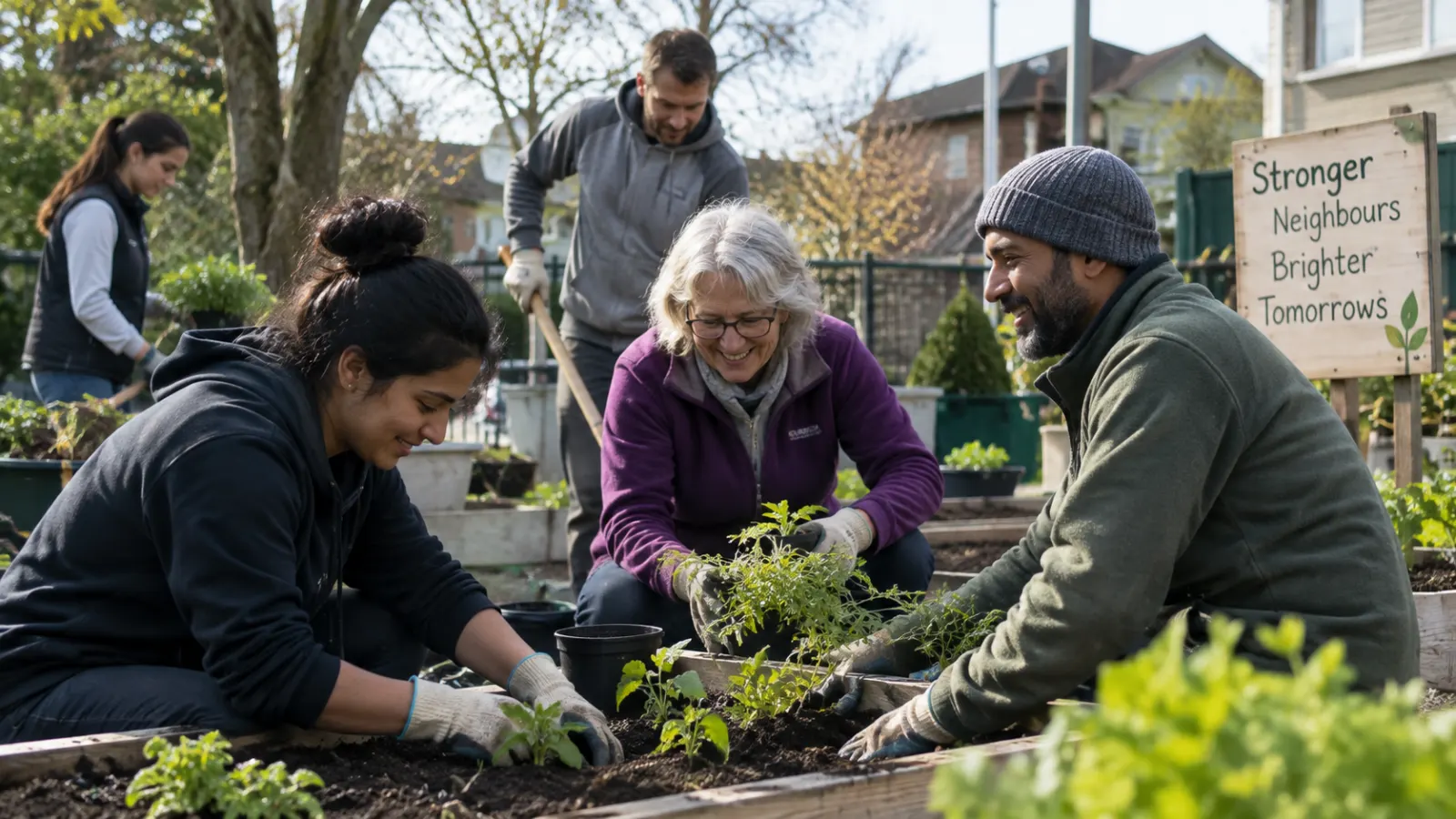
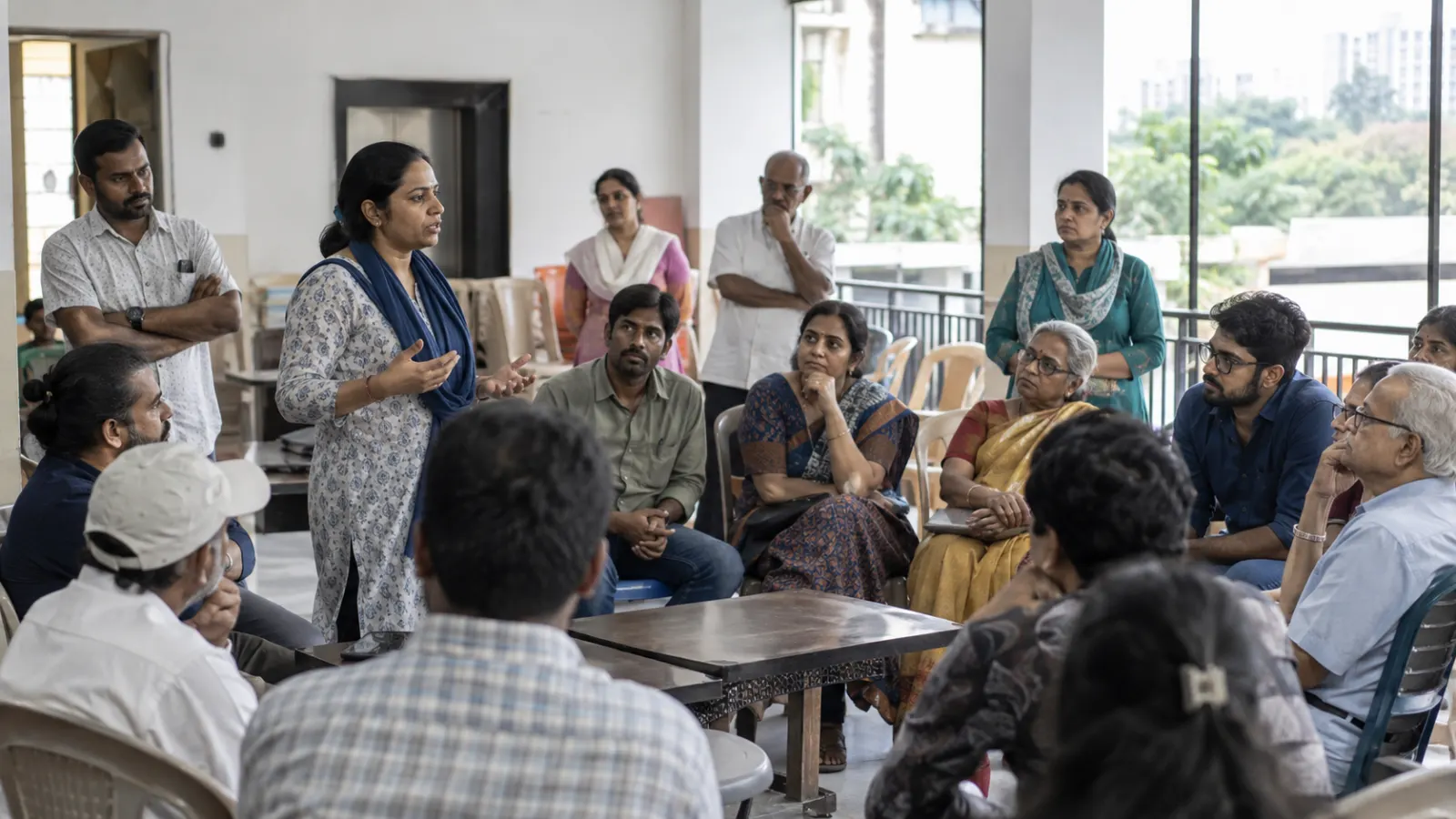
Older people vote, volunteer, campaign, serve on committees, participate in religious institutions and organise local associations.
The WHO Age-friendly Cities framework treats civic participation, employment, social participation and respect as connected dimensions of an environment that allows older adults to remain involved in community life.
This participation matters for two reasons.
First, communities lose knowledge and labour when older adults are excluded. Second, participation itself supports well-being by maintaining relationships, purpose and public visibility.
A city with inaccessible transport may technically allow seniors to join activities while making participation practically impossible. A digital-only government service may exclude people who lack devices or confidence. A workplace may claim to value experience while screening out older applicants.
Inclusion is therefore partly an infrastructure question.
Intergenerational Contact Works Both Ways
Discussions about elders often assume that knowledge moves from old to young.
In practice, intergenerational exchange is bidirectional.
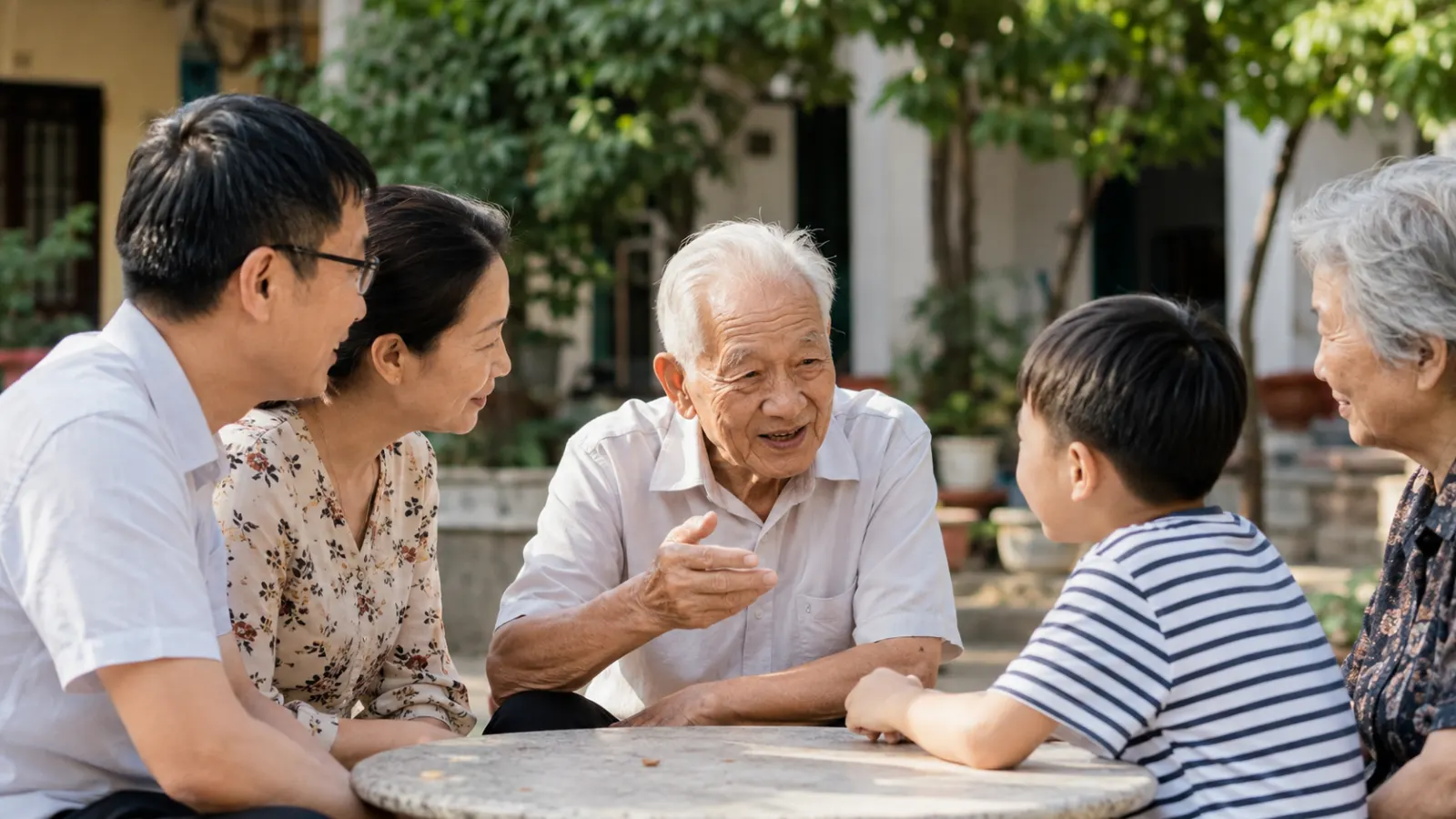
Older adults may transmit historical knowledge, professional judgement or family practices. Younger people may help elders navigate new technologies, changing social norms or unfamiliar institutions. Both groups can challenge stereotypes held by the other.
WHO specifically identifies intergenerational initiatives as one way to reduce ageism and strengthen relationships across generations.
The aim is not to force generations into symbolic harmony. It is to create meaningful situations in which people encounter one another as individuals rather than categories.
Respect Is Not the Same as Obedience
Calls to “respect elders” can hide an important distinction.
Respect for dignity, autonomy and rights is compatible with disagreement. An older family member can deserve care and still hold prejudiced views. A community elder can possess valuable knowledge without having the right to control younger adults' choices.
The United Nations Principles for Older Persons emphasise independence, participation, care, self-fulfilment and dignity. That framework is more useful than a vague demand for deference because it treats older adults as rights-bearing persons, not merely authority figures.
Respect should protect voice and autonomy—not eliminate accountability.
Ageism Shrinks the Roles Available to Older People
Ageism occurs when assumptions about age become stereotypes, prejudice or discrimination.
It can operate in opposite directions. Older adults may be assumed to be frail even when healthy, technologically incapable even when experienced, conservative regardless of their actual beliefs, or economically unproductive regardless of work.
Such assumptions can become self-reinforcing. If institutions stop offering training, employment or leadership roles to older adults, reduced participation is then presented as proof that older people are disengaged.
WHO has made combating ageism one of the core action areas of the UN Decade of Healthy Ageing.
The Role of Elders Changes When Families Change
Smaller households, migration and longer life expectancy are reshaping later life.
An older parent may live alone while adult children live abroad yet remain closely connected through calls, money transfers and visits. Grandparents may provide intensive childcare in one household while living independently in another. More people may experience decades of post-retirement life rather than a short period between work and dependency.
This makes the traditional image of a fixed “elder role” increasingly difficult to sustain.
Later life can contain several transitions: worker to retiree, carer to care recipient, family decision-maker to dependent relative, volunteer to patient—and sometimes back again.
Older People Also Need the Right Not to Perform
Celebrating contribution can create another pressure: the idea that older adults must prove their worth by volunteering, caregiving or remaining economically active.
Human dignity is not conditional on productivity.
A person who cannot work, mentor or care for others still has rights. Some older adults want rest rather than a “second career.” Others have disabilities or illnesses that restrict activity.
The challenge is to make participation possible without making it compulsory.
A Better Way to Think About Elders
The role of elders is not a single cultural script.
Older people can be carers and care recipients, workers and retirees, teachers and learners, guardians of memory and adopters of new practices. Their ability to contribute depends on health, income, transport, housing, family structure, discrimination and whether institutions actually make room for them.
The most constructive societies do not romanticise older age or treat it as a burden. They recognise that ageing changes needs without cancelling citizenship.
An elder's most important social role may therefore be the same as anyone else's: to remain a participant in relationships and institutions that continue to treat that person as fully human.