Walking suffers from a branding problem.
It is so ordinary that people often do not count it as exercise. It requires no subscription, specialised clothing or intimidating technique. It does not produce the visual drama of a sprint or a heavy lift. Because almost everyone learns to walk in childhood, the activity can feel too simple to deserve the word "training."
Physiology does not care about prestige.
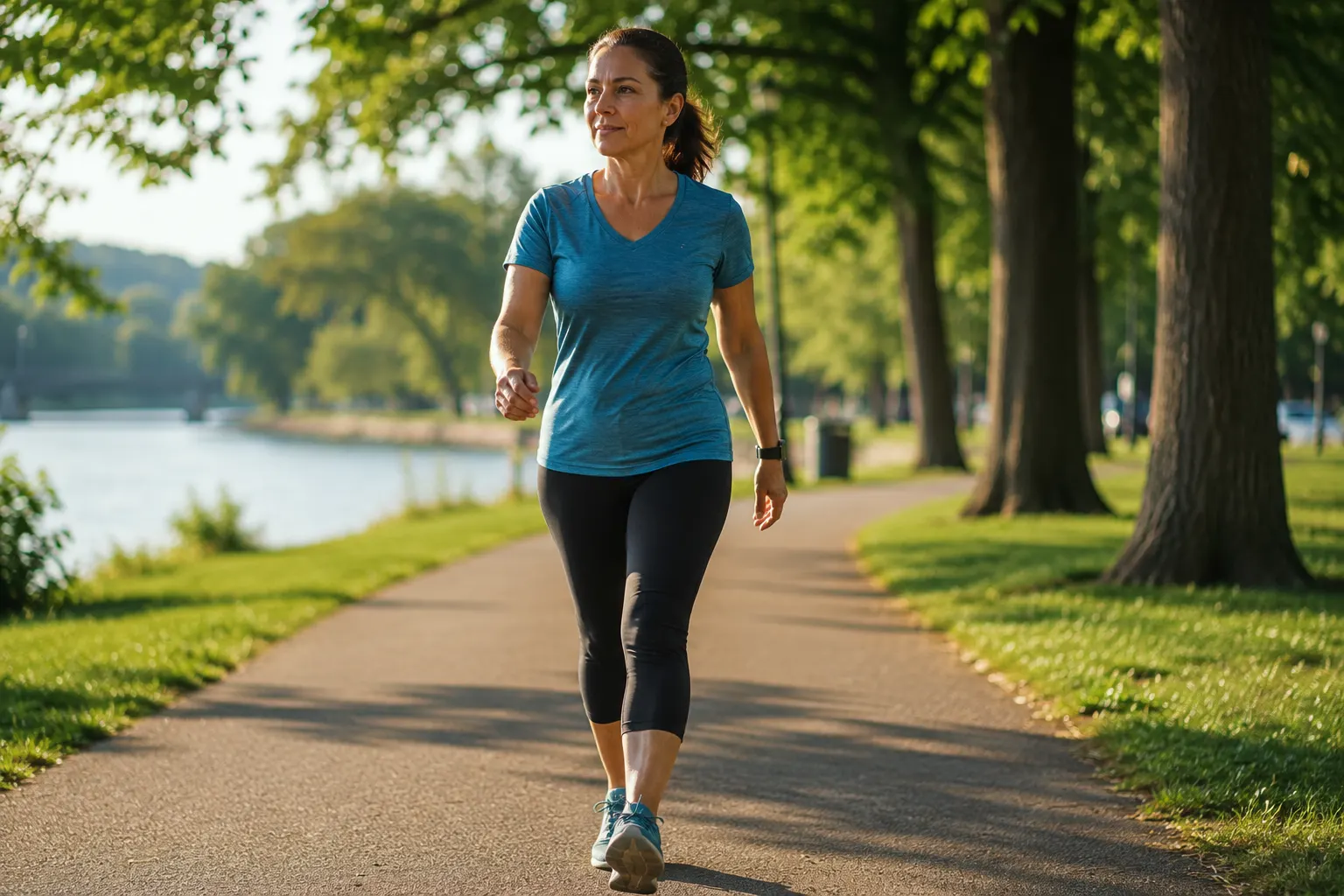
Brisk walking can reach moderate intensity, raise heart rate and breathing, increase daily energy expenditure and contribute directly to recommended weekly physical activity. It can be accumulated through commuting, errands, deliberate walks or short movement breaks.
For a large part of the population, that accessibility is not a weakness. It is the reason walking is one of the most practical public-health tools available.
Walking counts as physical activity
WHO recommends at least 150 to 300 minutes of moderate aerobic activity each week for adults, or an equivalent amount of vigorous activity.
Brisk walking is a standard example of moderate-intensity aerobic activity. The exact speed is not universal because intensity depends on fitness, age, terrain and health. A pace that barely changes breathing for one person may be challenging for another.
A useful practical sign of moderate intensity is that breathing and heart rate are clearly elevated but conversation remains possible.
The key point is that walking does not need to become running to count.
Why walking is unusually accessible
Many effective exercises have barriers.
Swimming requires access to water. Cycling requires a bicycle and safe routes. Gym-based resistance training requires equipment or knowledge of alternatives. Running can be uncomfortable for some people with joint pain or low fitness.
Walking usually has fewer barriers. It can be started at very low intensity and scaled gradually through pace, duration, hills, distance or carrying load where appropriate.
This makes it particularly useful for people transitioning from inactivity.
The person who currently does almost no exercise may gain more from building a consistent walking habit than from attempting a highly demanding programme that is abandoned after a week.
What step-count research actually shows
Wearable devices transformed walking research by making daily step counts easy to measure.
The results challenge the idea that health benefits begin only at 10,000 steps.
A 2025 systematic review and dose-response meta-analysis in The Lancet Public Health examined daily steps across multiple health outcomes. Compared with about 2,000 steps per day, 7,000 steps per day was associated with a substantially lower risk of all-cause mortality, alongside favourable associations for several other outcomes.
An earlier 2022 meta-analysis of 15 international cohorts similarly found that mortality benefits occurred below the popular 10,000-step benchmark and that the relationship varied somewhat by age.
These are important findings, but they require careful interpretation. Much of the step-count evidence is observational. People who walk more may differ from people who walk less in other health behaviours and circumstances.
The studies support a dose-response relationship; they do not prove that 7,000 is a magical biological switch.
Where did 10,000 steps come from?
The 10,000-step target became culturally powerful because it is memorable, not because human physiology suddenly changes at step 10,001.
Modern research suggests meaningful benefits occur across a range of step counts, especially when people move upward from very low activity levels.
This is encouraging. Someone averaging 3,000 steps does not need to believe that a 2,000-step increase is worthless because it falls short of 10,000.
Public-health behaviour often improves through increments.
Walking and cardiovascular health
Walking can challenge the cardiovascular system enough to improve fitness when performed at an appropriate intensity.
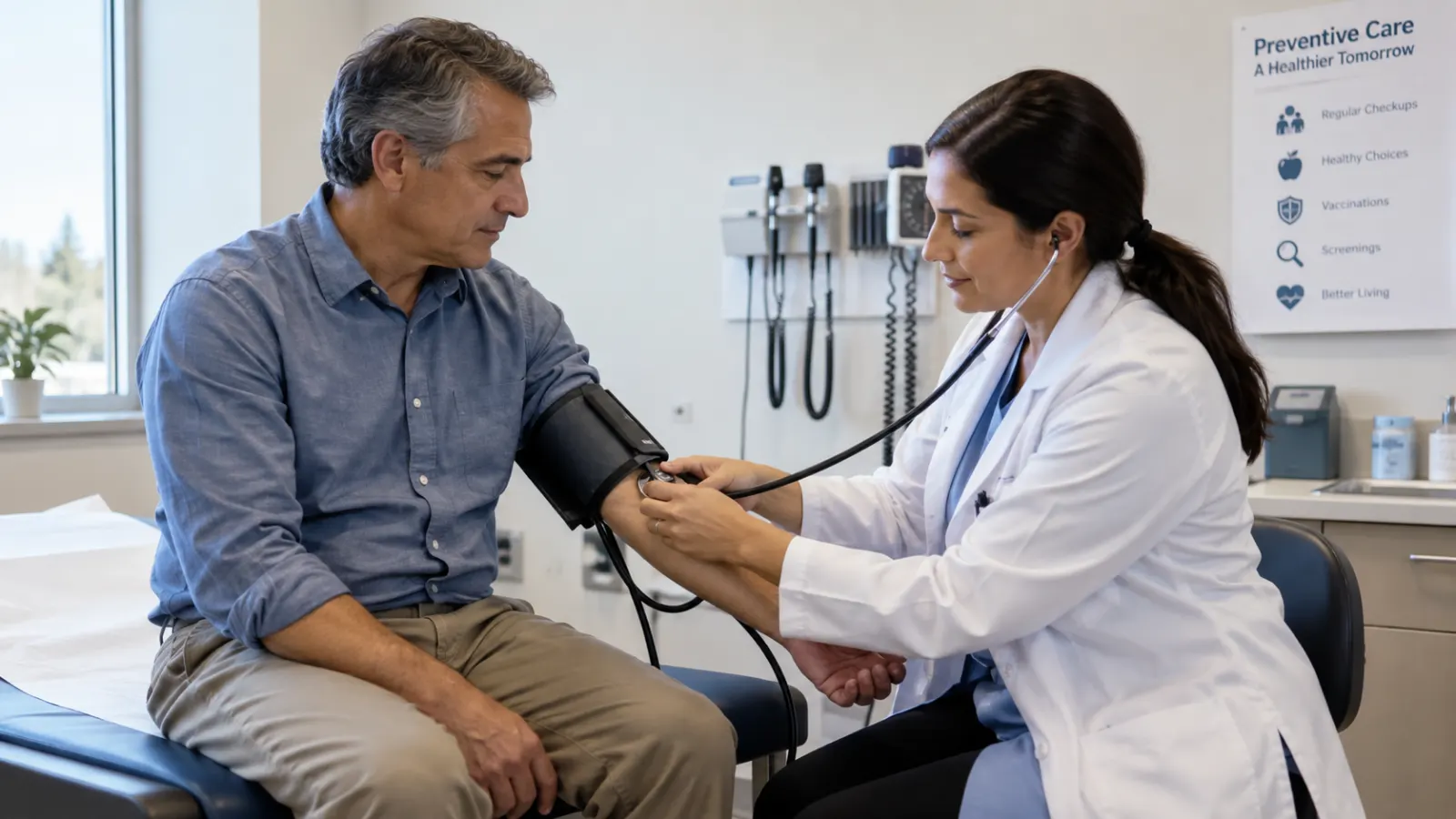
Regular physical activity is associated with lower risk of heart disease and stroke and can improve blood pressure and other cardiovascular risk factors. Walking is one of the easiest ways for many adults to accumulate that activity.
The effect depends on dose and intensity. A slow five-minute stroll is not physiologically identical to a 40-minute brisk walk uphill. But both are movement, and the first may be a necessary starting point for someone with low capacity.
Walking and blood sugar
Muscle contractions increase glucose use. Walking after meals has therefore attracted research interest as a simple way to reduce prolonged post-meal inactivity and influence glucose responses.
For general readers, the broader point is more reliable than a rigid timing rule: replacing some sedentary time with walking can support glucose regulation and overall metabolic health.
People using insulin or glucose-lowering medicines may need individual advice because exercise can alter blood glucose levels.
Walking and mental health
Walking combines physical activity with a change of environment. Outdoor walking may also involve daylight, nature or social contact depending on location.
Physical activity itself can reduce short-term feelings of anxiety and is associated with better mental health over time. A walk may also create psychological distance from a stressful setting and interrupt prolonged sitting or rumination.
It would be an exaggeration to say walking treats every mental-health condition. It is more accurate to say walking is an accessible behaviour that can support mood and wellbeing and can coexist with professional treatment when needed.
Is walking enough exercise?
This depends on what "enough" means.
For aerobic health, brisk walking can contribute substantially to the recommended weekly activity target. For someone who walks frequently and at sufficient intensity, it may provide much of the aerobic component of a healthy routine.
But walking does not fully replace muscle-strengthening exercise. WHO recommends strength work involving major muscle groups on at least two days per week in addition to aerobic activity.
Walking also may not provide enough intensity for athletes seeking high cardiorespiratory performance.
So walking can be foundational without needing to be the only form of exercise.
How to make walking more challenging
Progress can come from several directions:
walk for longer;
increase pace;
choose routes with hills;
add more frequent short walks during the day;
use stairs where appropriate;
carry a light load only when safe and useful;
combine walking with strength training on other days.
The best progression is gradual. Sudden increases in distance can cause foot, ankle, shin or knee discomfort, particularly in people who have been inactive.
Do short walks count?
Yes.
Modern physical-activity guidance no longer requires exercise to occur in minimum ten-minute bouts before it "counts" toward health recommendations. Activity accumulated in shorter periods can contribute.
That makes walking especially compatible with ordinary life.
A ten-minute walk to a station, a short lunchtime walk and another walk after dinner can add up. For someone who sits for long periods, regular movement breaks also reduce uninterrupted sedentary time.
What about walking speed?
Step count and intensity are different variables.
Two people can both record 8,000 steps while receiving different training effects if one accumulates most steps slowly and the other includes sustained brisk walking.
For general health, both total movement and intensity matter. A person can therefore think in two dimensions: accumulate more movement across the day and include periods that are brisk enough to challenge the cardiovascular system.
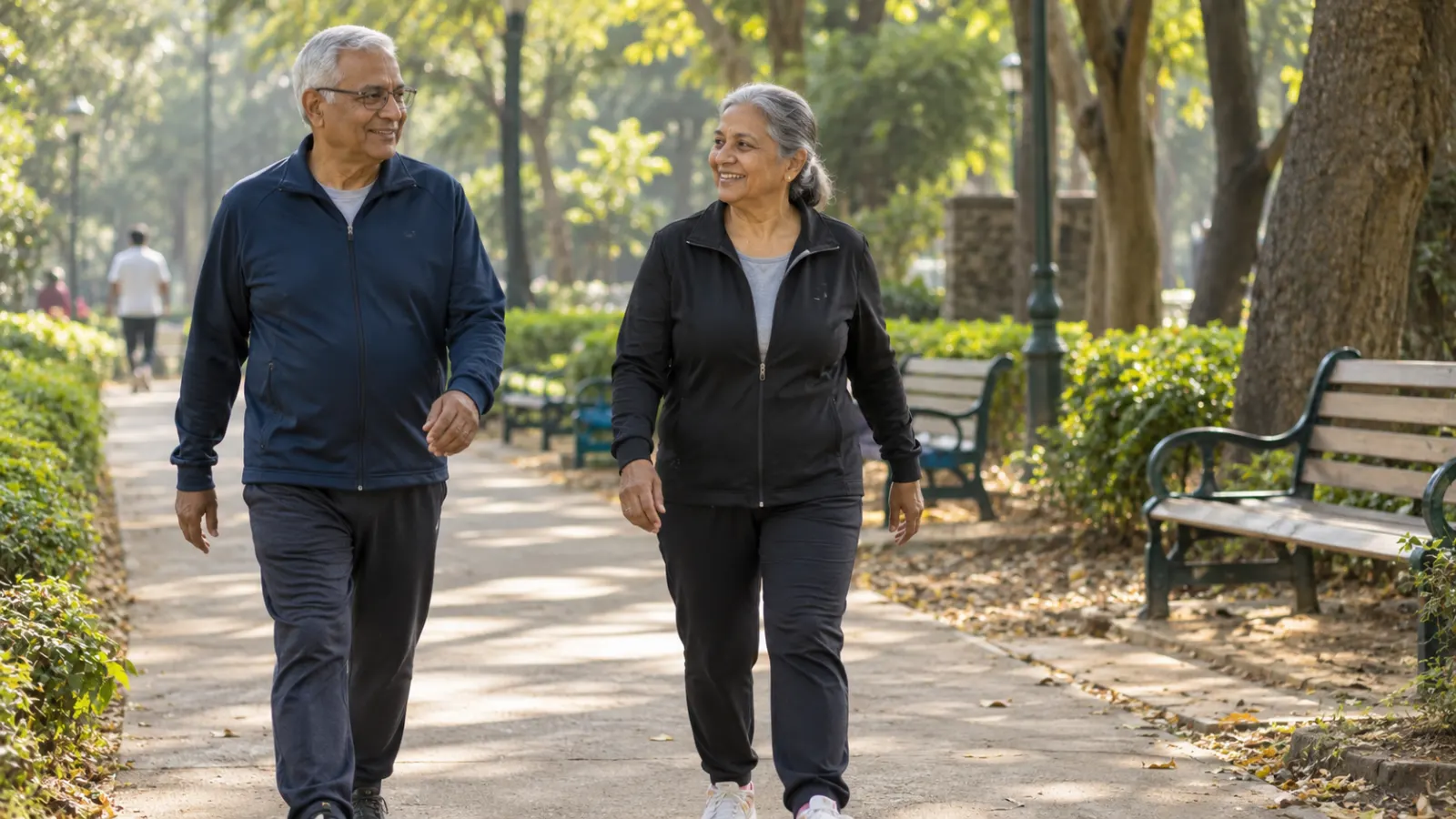
Walking for older adults
Walking can help preserve mobility and independence, but fall risk, balance problems and joint disease may change how it should be performed.
Some older adults benefit from walking aids, supervised programmes or indoor environments with even surfaces. WHO also recommends multicomponent activity emphasising balance and strength for older adults at risk of falls.
Walking is useful, but it should not crowd out the strength and balance work that helps people continue walking safely.
Walking and weight loss
Walking increases energy expenditure, but its value should not be judged entirely by weight change.
A person may improve fitness, blood pressure, glucose regulation, mood and daily function before seeing a dramatic change on the scale.
For weight loss, overall energy balance remains central and walking is one component. Longer or more frequent walks can contribute meaningfully, especially when they replace sedentary time, but food intake and biological adaptation also influence weight change.
How to start if you are inactive
Start with a distance that feels manageable enough to repeat.
That might be five or ten minutes at first. Add time or pace gradually. Comfortable footwear and a safe route matter more than sophisticated tracking technology.
A step counter can be useful if it motivates rather than controls behaviour. The best use of a baseline is to ask, "Can I move a little more than this consistently?" rather than treating one universal number as pass or fail.
People with chest pain, severe breathlessness, unstable heart disease or significant mobility limitations should seek medical guidance before making major increases in activity.
The takeaway
Walking is underrated precisely because it is ordinary.
It can satisfy a meaningful part of adult aerobic-activity recommendations, scale from rehabilitation-level movement to brisk endurance work, fit into transport and daily routines, and requires little equipment.
Research on daily steps also gives a reassuring message: health benefits are not reserved for people who reach 10,000 steps. Moving upward from low activity matters.
The best walking target is therefore not a mythical perfect number. It is a sustainable level that moves you beyond inactivity and, where possible, toward the broader physical-activity guidelines.
Medical note: This article provides general health information and is not a substitute for individual medical advice. People with significant medical conditions, symptoms or exercise limitations should seek appropriate professional guidance.