Why Iron Deficiency Is So Common
Iron deficiency is one of the most common nutritional problems in the world, yet it is often misunderstood. Many people think of it only as “low haemoglobin” or “feeling tired.” In reality, iron deficiency is a spectrum. A person may have low iron stores before they develop anaemia. Another person may have anaemia caused mainly by iron deficiency. Someone else may have tiredness, dizziness or poor concentration from a completely different cause. The commonness of iron deficiency comes from a simple biological fact: the body needs iron every day, but it has limited ways to absorb it and many ways to lose it.
Iron is essential because it helps make haemoglobin, the protein in red blood cells that carries oxygen from the lungs to tissues. It is also part of myoglobin in muscles and is involved in many enzymes. When iron is insufficient, the body may struggle to make enough healthy red blood cells. Over time, this can lead to iron deficiency anaemia. Symptoms may include fatigue, weakness, shortness of breath, dizziness, headaches, cold hands and feet, paleness, brittle nails, hair shedding, restless legs or reduced exercise tolerance. But symptoms vary, and mild deficiency may be silent.
The World Health Organization identifies iron deficiency as the most common nutritional deficiency leading to anaemia, while also noting that deficiencies of folate, vitamin B12, vitamin A and riboflavin can contribute to anaemia. This distinction matters. Not all anaemia is iron deficiency, and not all iron deficiency has reached the stage of anaemia. That is why proper evaluation is important. A haemoglobin test may detect anaemia, but ferritin and other iron studies may be needed to understand iron stores, inflammation and the likely cause.
The first reason iron deficiency is common is that iron intake is often low or poorly absorbed. Diets based heavily on refined grains, low variety and limited iron-rich foods may not provide enough. Iron exists in two broad dietary forms. Haem iron, found in meat, poultry and fish, is generally absorbed more efficiently. Non-haem iron, found in lentils, beans, leafy greens, nuts, seeds and fortified grains, is valuable but more affected by meal composition. Vitamin C can improve non-haem iron absorption, while tea, coffee, phytates in some grains and legumes, and calcium taken at the same time can reduce absorption. This does not mean plant-based diets inevitably cause deficiency. It means they need planning.
The second reason is blood loss. The body recycles iron from old red blood cells, but when blood leaves the body, iron leaves with it. Menstruation is a major reason iron deficiency is more common in girls and women of reproductive age. Heavy menstrual bleeding can drain iron stores month after month. Many people normalise heavy periods because they have experienced them for years or because family members had similar patterns. But “common” does not always mean normal. Periods that soak pads frequently, last longer than usual, include large clots, cause severe weakness or interfere with daily life should be discussed with a healthcare professional.
Pregnancy is another major factor. During pregnancy, blood volume expands and iron requirements increase to support the pregnant person and the developing baby. If iron stores are low before pregnancy, the risk of deficiency rises further. After delivery, blood loss and breastfeeding demands can add to the challenge. This is why antenatal care often includes haemoglobin checks and iron-folic acid guidance in many health systems. Iron deficiency in pregnancy is not merely an energy issue; it can be associated with adverse maternal and infant outcomes, so it deserves early attention.
Children and adolescents are also vulnerable because growth increases iron needs. Infants, young children and teenagers may outgrow their intake if diets are not adequate. Picky eating, excessive milk intake in toddlers, low intake of iron-rich foods and rapid growth can contribute. In adolescents, growth plus menstruation can create a double demand. Because iron supports oxygen transport and brain function, deficiency in children is a public health concern, not just a private dietary detail.
The third reason is poor absorption. Even when a person eats iron, the digestive system must absorb it. Conditions such as coeliac disease, inflammatory bowel disease, chronic gastritis, Helicobacter pylori infection, bariatric surgery or other malabsorption states can reduce iron absorption. Certain medicines can also affect stomach acid or gut function. People may keep taking iron-rich foods or supplements but fail to improve because the underlying absorption problem has not been addressed. This is one reason recurrent or unexplained iron deficiency should not be treated casually.
The fourth reason is hidden internal bleeding. In adult men and postmenopausal women, iron deficiency often raises concern for blood loss from the gastrointestinal tract unless another clear cause exists. This may be due to ulcers, polyps, cancers, inflammatory bowel disease, haemorrhoids, medication-related bleeding or other conditions. Even in menstruating women, heavy periods may not be the only cause. Persistent iron deficiency should prompt a healthcare professional to look for the source rather than simply repeat supplements indefinitely. Iron deficiency is not a diagnosis by itself; it is a clue.
The fifth reason is infection, inflammation and poverty. Globally, iron deficiency intersects with food insecurity, parasitic infections, malaria, chronic inflammation, poor sanitation and limited healthcare access. Hookworm and other infections can cause blood loss or affect nutrition in some regions. Diets may be low in bioavailable iron because of affordability or food availability. Public health solutions include food fortification, deworming where appropriate, maternal-child nutrition programmes, dietary education and better access to diagnosis and treatment. The reason iron deficiency is common is not only biology; it is also social and economic.
There is also a cultural reason: fatigue is normalised. Many people are tired, so iron deficiency can hide behind busy schedules, poor sleep, work stress, parenting, exams or ageing. A young woman may be told that weakness is expected during periods. A student may blame poor concentration on phone use. An office worker may assume breathlessness is just low fitness. A new mother may think exhaustion is inevitable. Sometimes those explanations are true, but sometimes iron deficiency is one part of the picture. The danger is not that every tired person has low iron. The danger is that persistent symptoms are dismissed without basic evaluation.
Iron deficiency is also common because diet advice is often oversimplified. People are told to “eat spinach” without being told that spinach contains non-haem iron and also compounds that can reduce absorption. Others are told to eat meat without considering affordability, preferences, religion or vegetarian diets. Some take iron tablets with tea or coffee, reducing absorption. Some stop supplements early because stools become dark or constipation develops. Some take iron irregularly because it upsets the stomach. Effective iron correction often requires practical instructions, not only a prescription.
Another misunderstanding is the difference between iron, ferritin and haemoglobin. Haemoglobin reflects oxygen-carrying red blood cells. Ferritin often reflects iron stores, though it can rise during inflammation because it is also an acute-phase reactant. Serum iron fluctuates and is not enough alone. Transferrin saturation, total iron-binding capacity and other tests may be used depending on context. A person can have depleted iron stores before haemoglobin falls. This is why some people feel symptoms before they are labelled anaemic, while others have abnormal labs with few symptoms. Interpretation belongs to clinicians because infection, inflammation, liver disease and other factors can complicate the picture.
Treatment depends on cause and severity. Mild deficiency may be corrected with diet plus oral iron if appropriate. Oral iron is common, but it should be taken correctly and monitored. Some people absorb it better on an empty stomach, but many need to take it with food to tolerate it. Vitamin C may help absorption. Tea, coffee, calcium supplements and some medicines may need spacing away from iron. Side effects can include nausea, constipation, stomach pain and dark stools. The dose and schedule should follow medical advice because more is not always better.
Some people need intravenous iron, especially if oral iron is not tolerated, not absorbed, too slow for the clinical situation, or if deficiency is severe. Others need treatment for heavy menstrual bleeding, gastrointestinal disease, parasites, ulcers or other causes. If the cause is not corrected, iron levels may fall again after tablets stop. This is why “I took iron but it came back” should trigger a deeper question: why was iron being lost or not absorbed in the first place?
Iron supplements should not be taken casually. Excess iron can be harmful, especially in people with iron overload disorders or those taking unnecessary high doses. Children are particularly vulnerable to accidental iron poisoning. Iron can also interact with medicines such as certain antibiotics, thyroid medication and other drugs if taken too close together. Anyone considering iron supplements should check with a healthcare professional, especially if pregnant, chronically ill, taking regular medicines or unsure of the diagnosis.
Prevention starts with recognising risk. People with heavy periods, pregnancy, recent delivery, vegetarian or vegan diets, frequent blood donation, endurance training, digestive symptoms, bariatric surgery, chronic kidney disease or a history of anaemia may need more attention. Children going through rapid growth, picky eaters and adolescents may also need monitoring. Prevention does not mean everyone should take iron. It means those at risk should build iron-aware meals and seek testing when symptoms or risk factors are present.
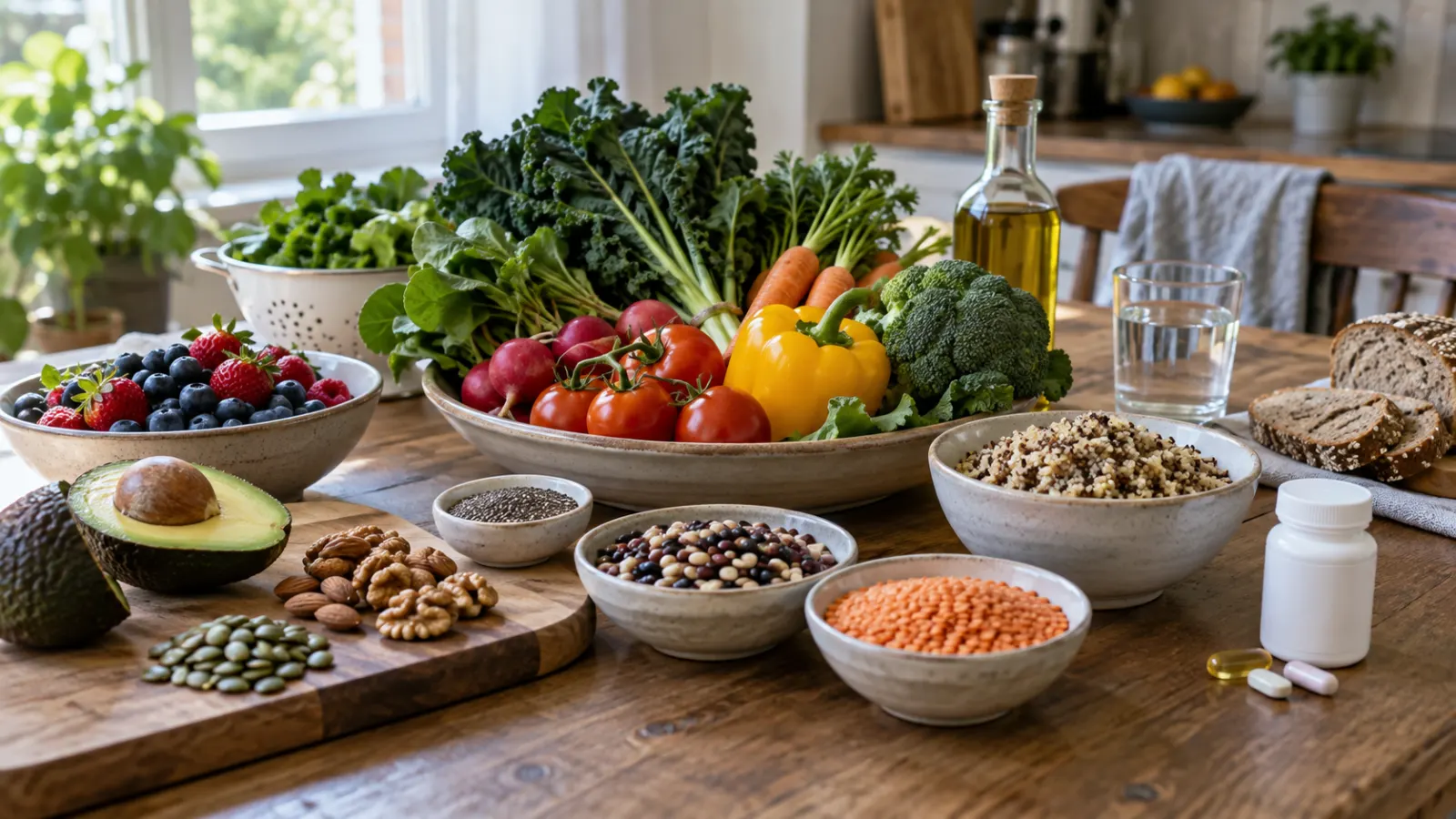
Food strategies can be simple. Include iron-rich foods such as lentils, beans, chickpeas, soy foods, nuts, seeds, dark leafy greens, millets, whole grains, fortified cereals, eggs, fish, poultry or meat according to diet preference. Pair plant-based iron with vitamin C: lemon on dal, amla or guava with meals, citrus fruits, tomatoes, bell peppers or lightly cooked vegetables. Avoid drinking tea or coffee immediately with iron-rich meals if deficiency is a concern. Use cast-iron cookware where culturally appropriate, though it should not be treated as medical treatment. Maintain overall protein and calorie intake because anaemia can also involve other nutrients.
The public health side is equally important. Fortified foods, maternal nutrition programmes, school health checks, menstrual health awareness and affordable testing can reduce the burden. In countries where anaemia is common, iron deficiency overlaps with gender, income and healthcare access. Women may eat last in households, have untreated heavy bleeding, lack access to gynaecological care or receive supplementation without follow-up. Children may lack diverse foods. Treating iron deficiency therefore requires both personal habits and health-system attention.
When should someone seek medical advice? Persistent fatigue, dizziness, breathlessness, palpitations, unusually heavy periods, blood in stool, black stools not explained by iron tablets, unexplained weight loss, chronic stomach pain, pregnancy, repeated low haemoglobin, fainting, chest pain or severe weakness should not be ignored. Men, postmenopausal women and anyone with recurrent deficiency should be evaluated for underlying blood loss or absorption problems. Emergency symptoms such as severe breathlessness, chest pain, fainting or very rapid heartbeat need urgent care.
The reason iron deficiency is so common is that it sits at the intersection of daily diet, biology, blood loss, growth, pregnancy, digestion, infection, poverty and medical underdiagnosis. It is common not because it is harmless, but because the body’s iron balance is delicate. A small monthly loss, a slightly low intake, a restrictive diet, a digestive issue or a period of rapid growth can slowly empty iron stores. By the time symptoms become obvious, the deficiency may have been developing for months.
The final takeaway is straightforward: iron deficiency is common, testable and usually treatable, but it should be taken seriously. Do not assume every symptom is iron deficiency, and do not assume iron deficiency is only a diet problem. The right approach is to confirm it, understand the cause, correct it safely and prevent recurrence. Iron is not a wellness trend. It is a core nutrient that allows oxygen to reach the body. When it is low, the solution is not guesswork; it is informed care.
A responsible iron article should also make space for prevention without panic. Iron deficiency is common, but not every reader needs a supplement or a laboratory panel immediately. Someone with a balanced diet, no symptoms, no heavy bleeding and no medical risk factors may simply need awareness. Someone with heavy periods, pregnancy, repeated fatigue, vegetarian eating without planning, digestive symptoms or a previous deficiency may need testing and guidance. The purpose of awareness is to direct attention where it is needed, not to make healthy people anxious.
Communication matters because iron deficiency is easily moralised. People may be told they are “careless” with diet when the real issue is heavy bleeding, poverty, malabsorption or chronic disease. Others may be told to keep taking tablets without anyone asking why iron keeps falling. A better approach is investigative and respectful. What is the intake? What is the absorption? What are the losses? What life stage is the person in? What symptoms are present? What do the test results show? These questions turn a common deficiency into a solvable clinical and lifestyle puzzle.
For publication, the safest closing message is balanced: iron deficiency is common, but it is not trivial; it is treatable, but treatment should match the cause; food helps, but food alone is not always enough; supplements help, but unnecessary supplements can harm. This balance protects readers from both neglect and overcorrection.
Medical Disclaimer
Medical disclaimer: This article is for general education only and is not a substitute for professional medical advice, diagnosis or treatment. Expert review is required before publication.
Editors Outlook | Health & Wellness Batch 5