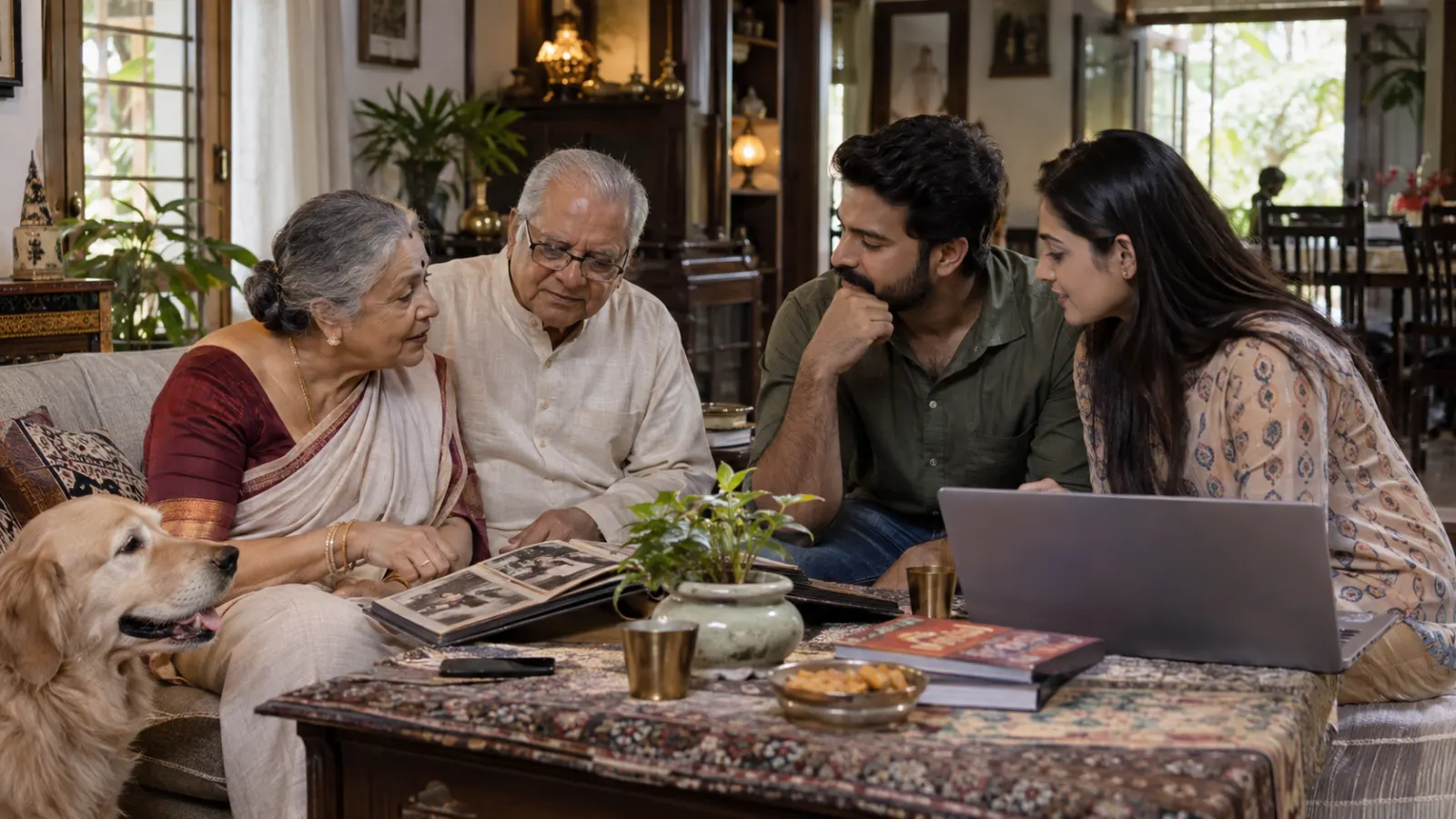
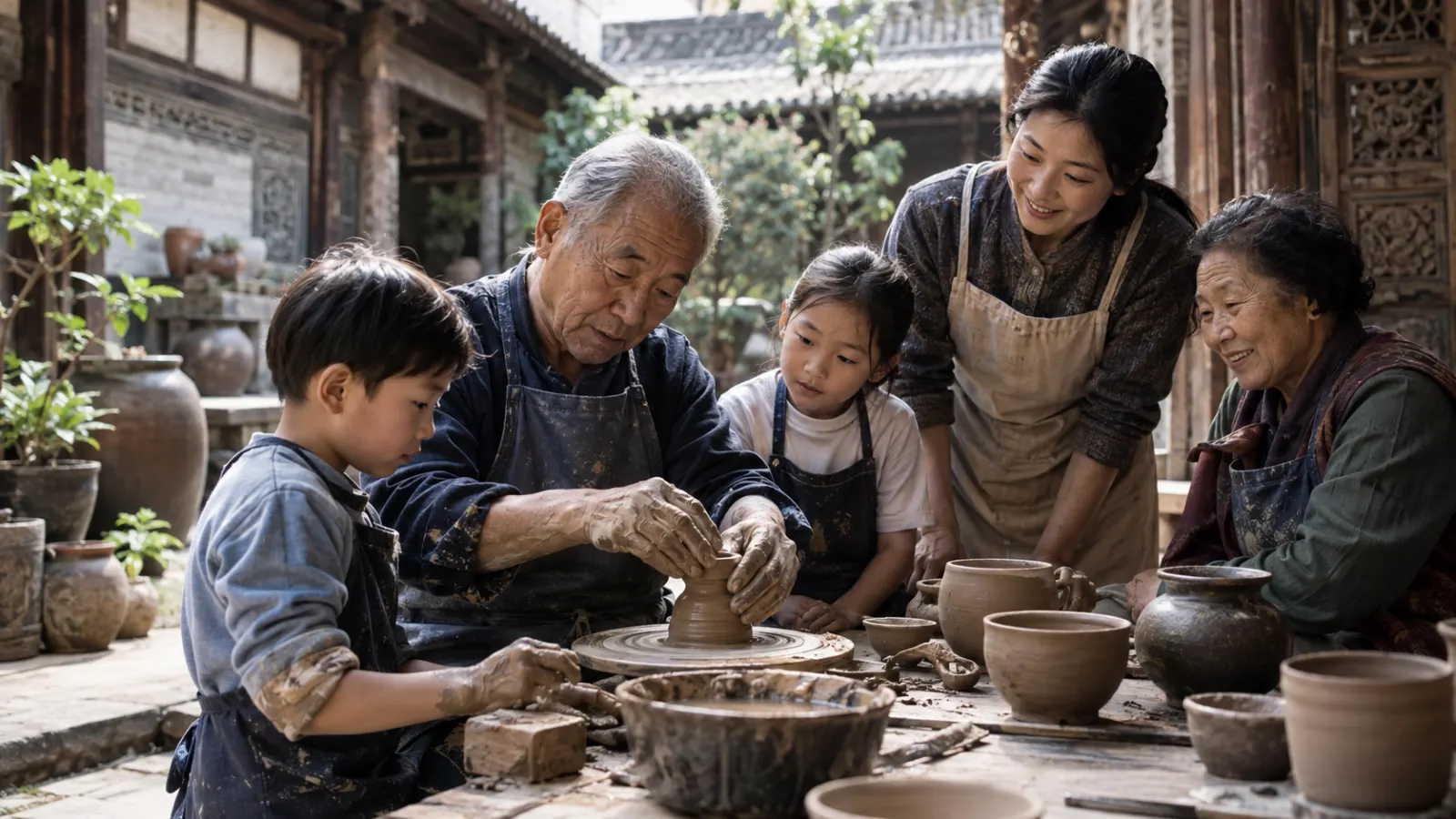
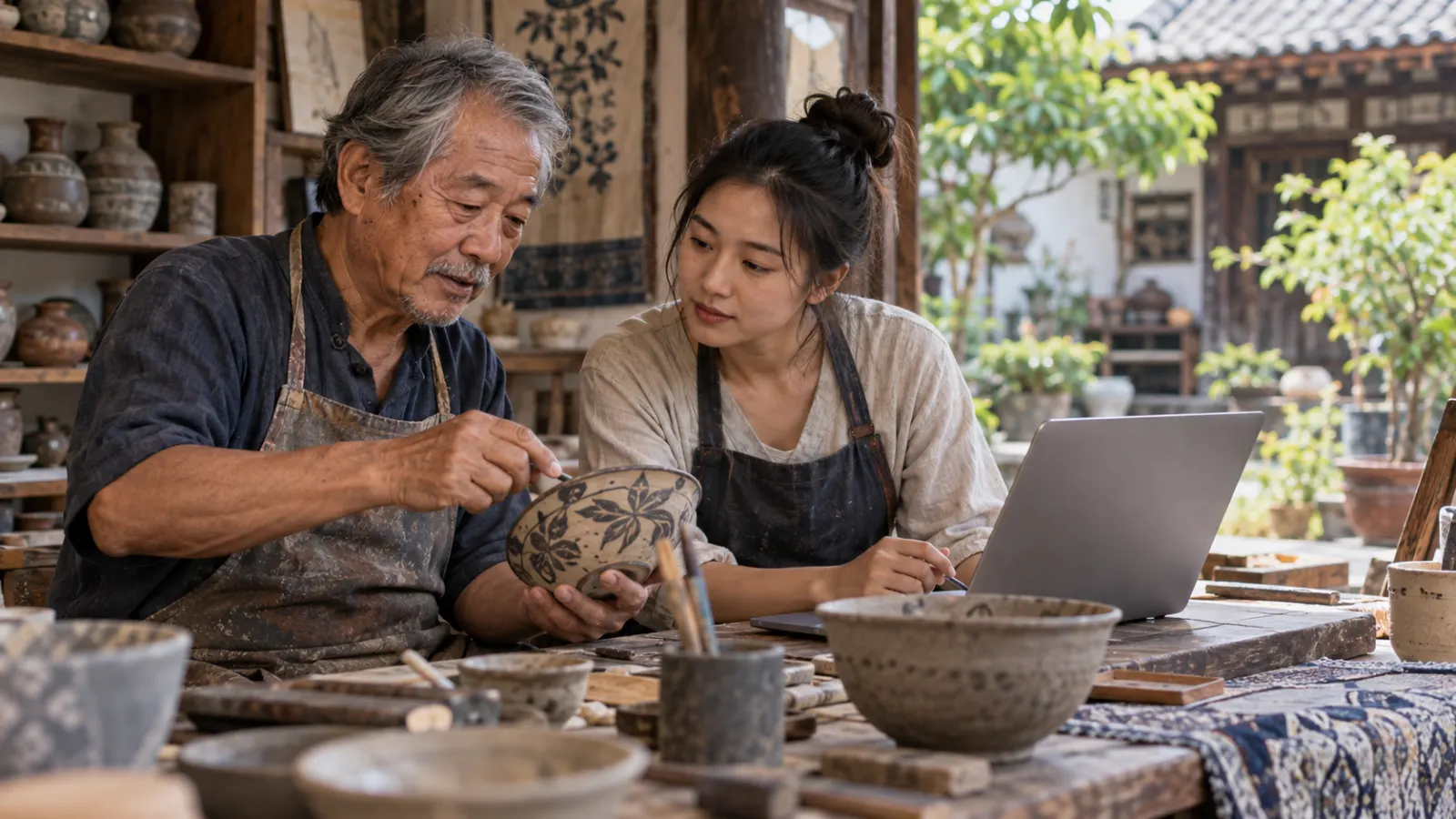
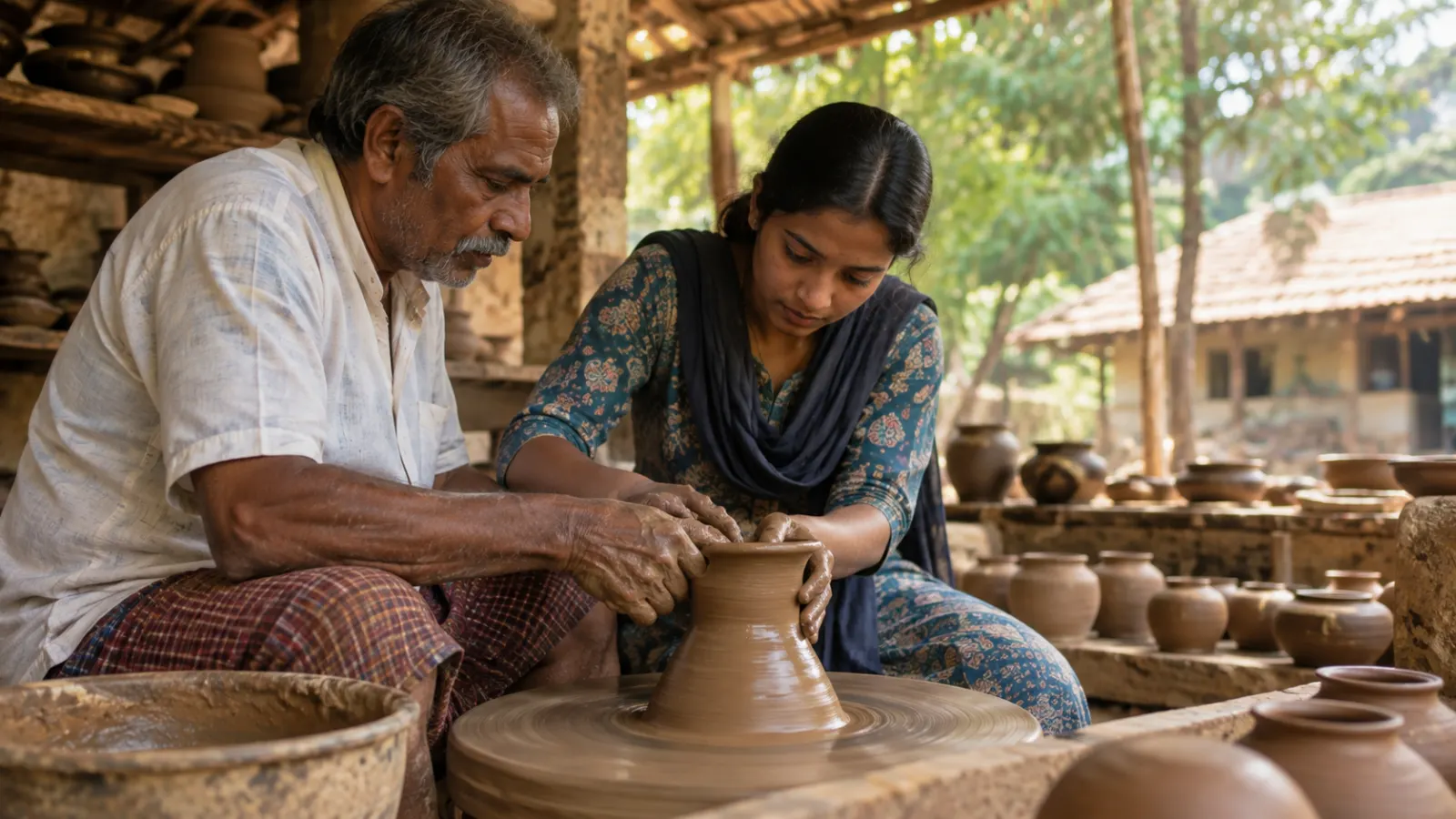
Traditional values vs modern values often clash because institutions, technology and generations change at different speeds. Explore how societies negotiate change.
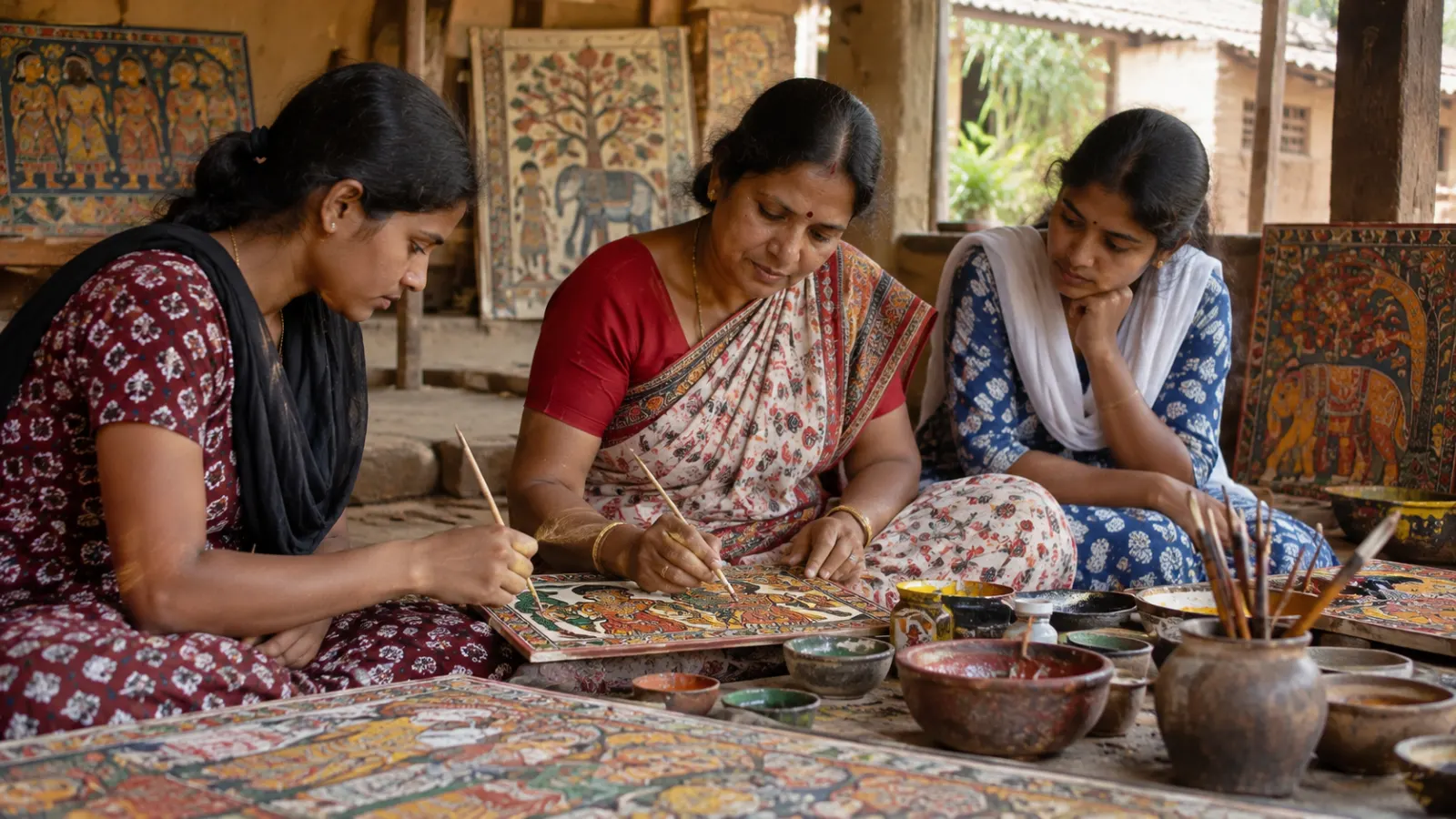
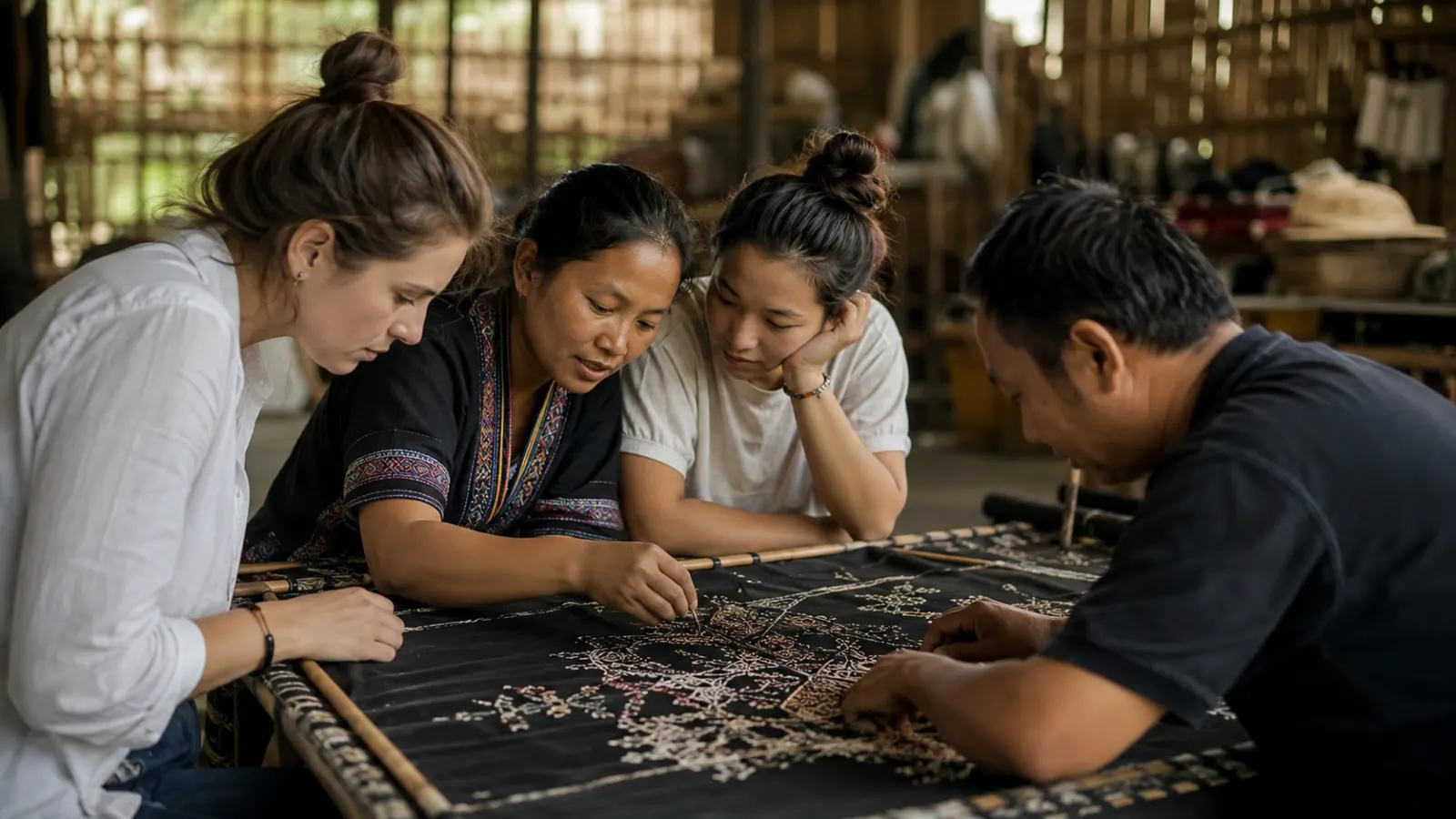
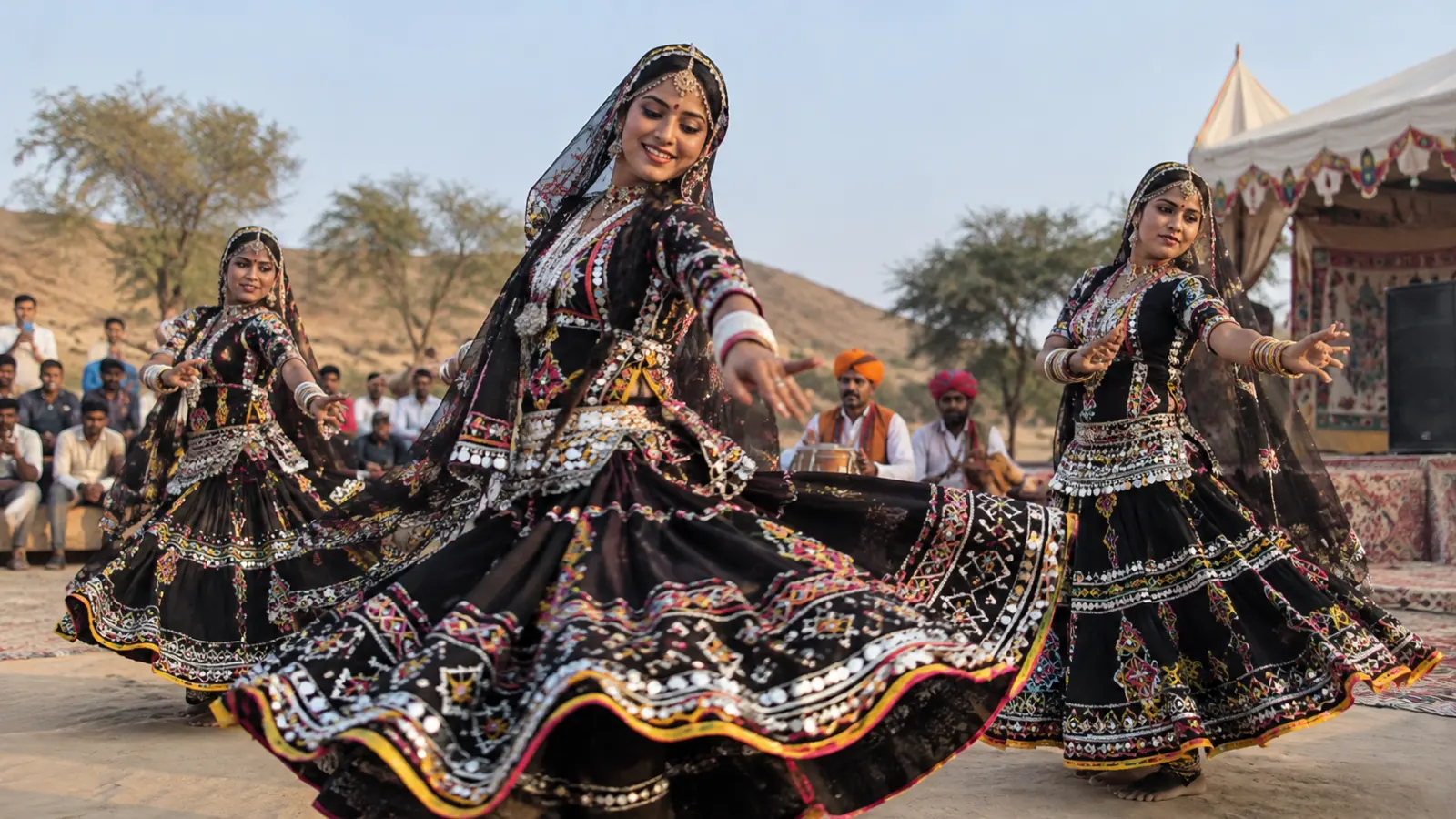
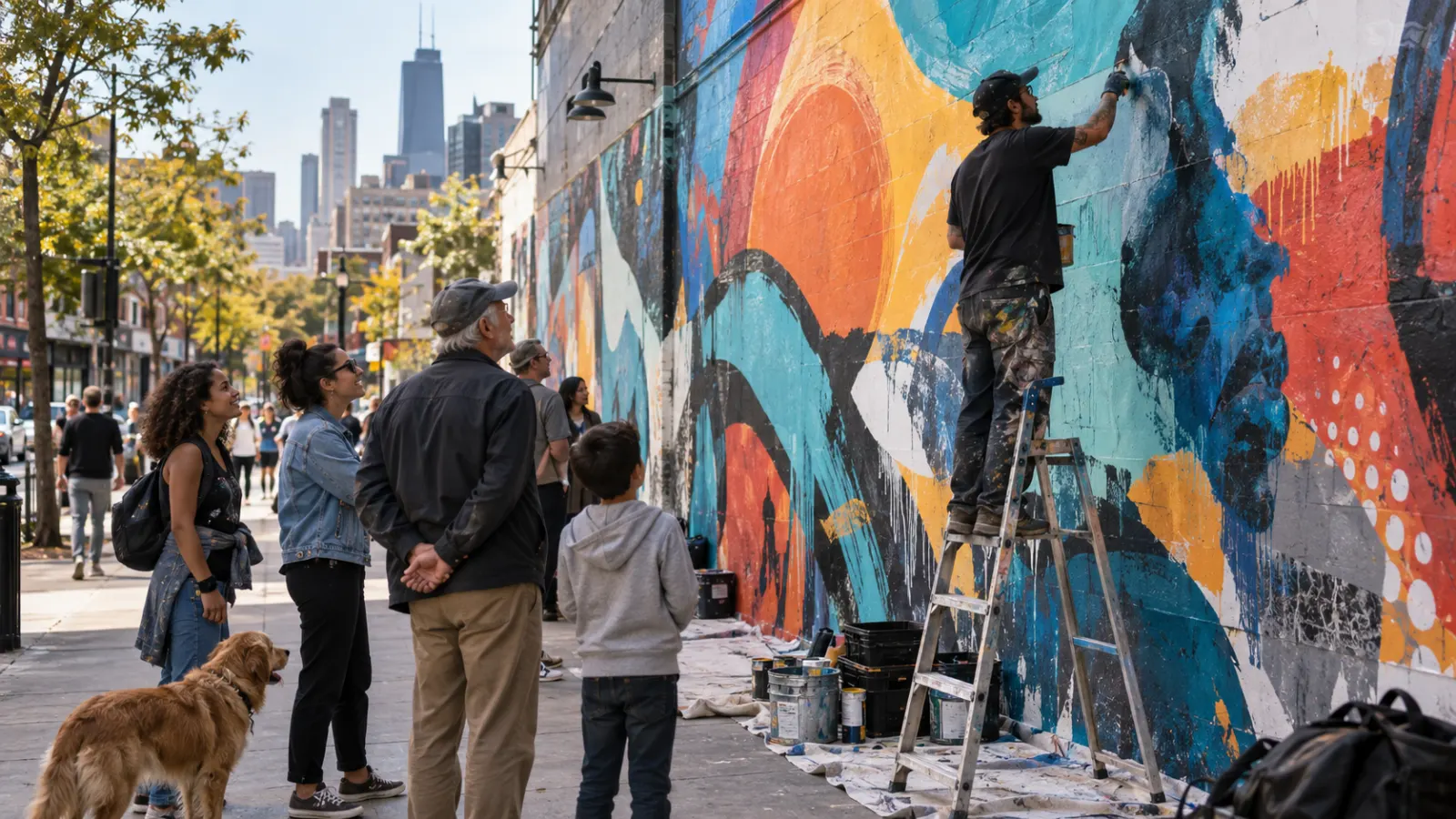
Folk arts are not simply old decorations made outside elite institutions. They are community-created ways of making meaning through image, sound, movement, craft and performance,…
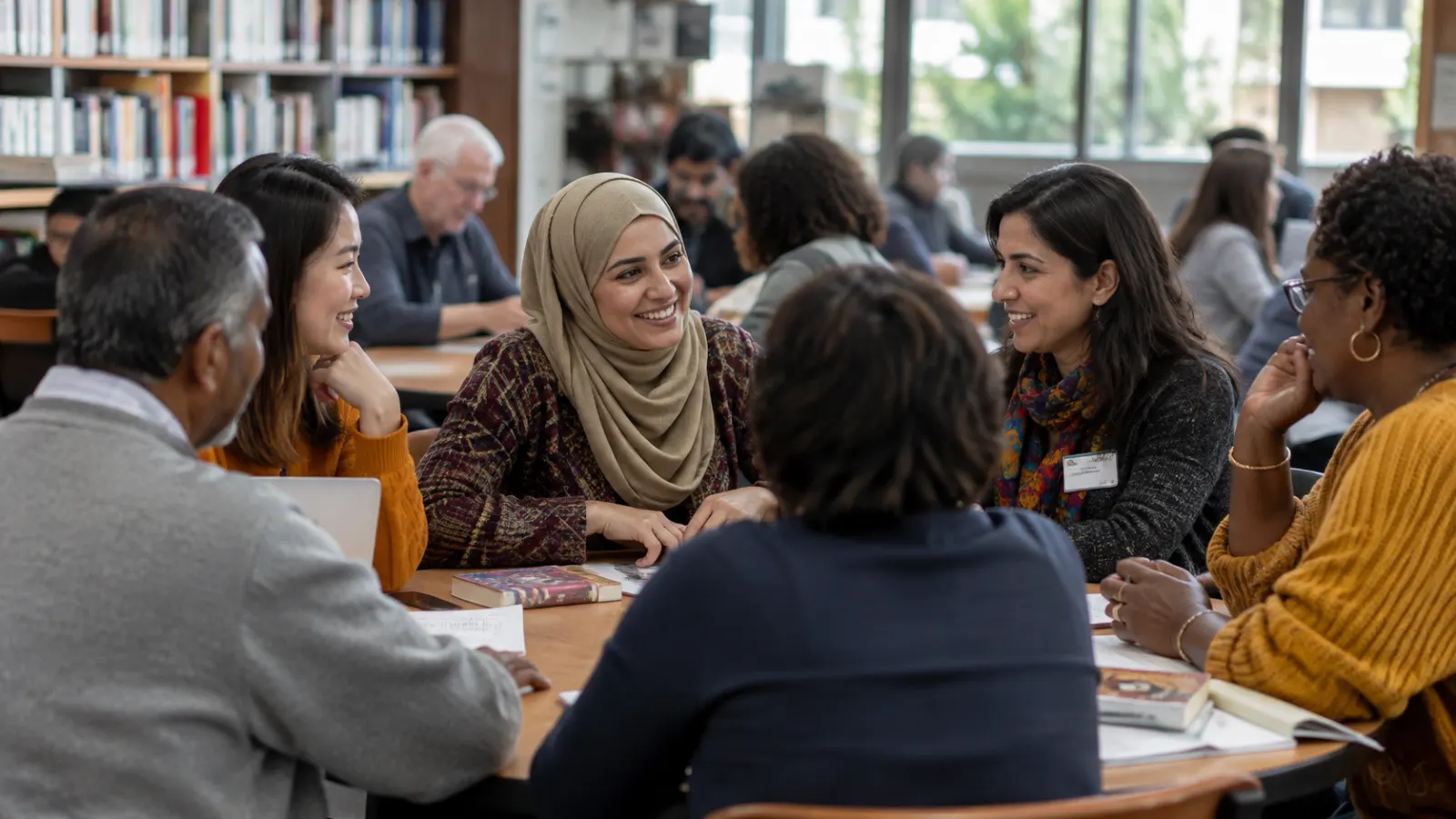
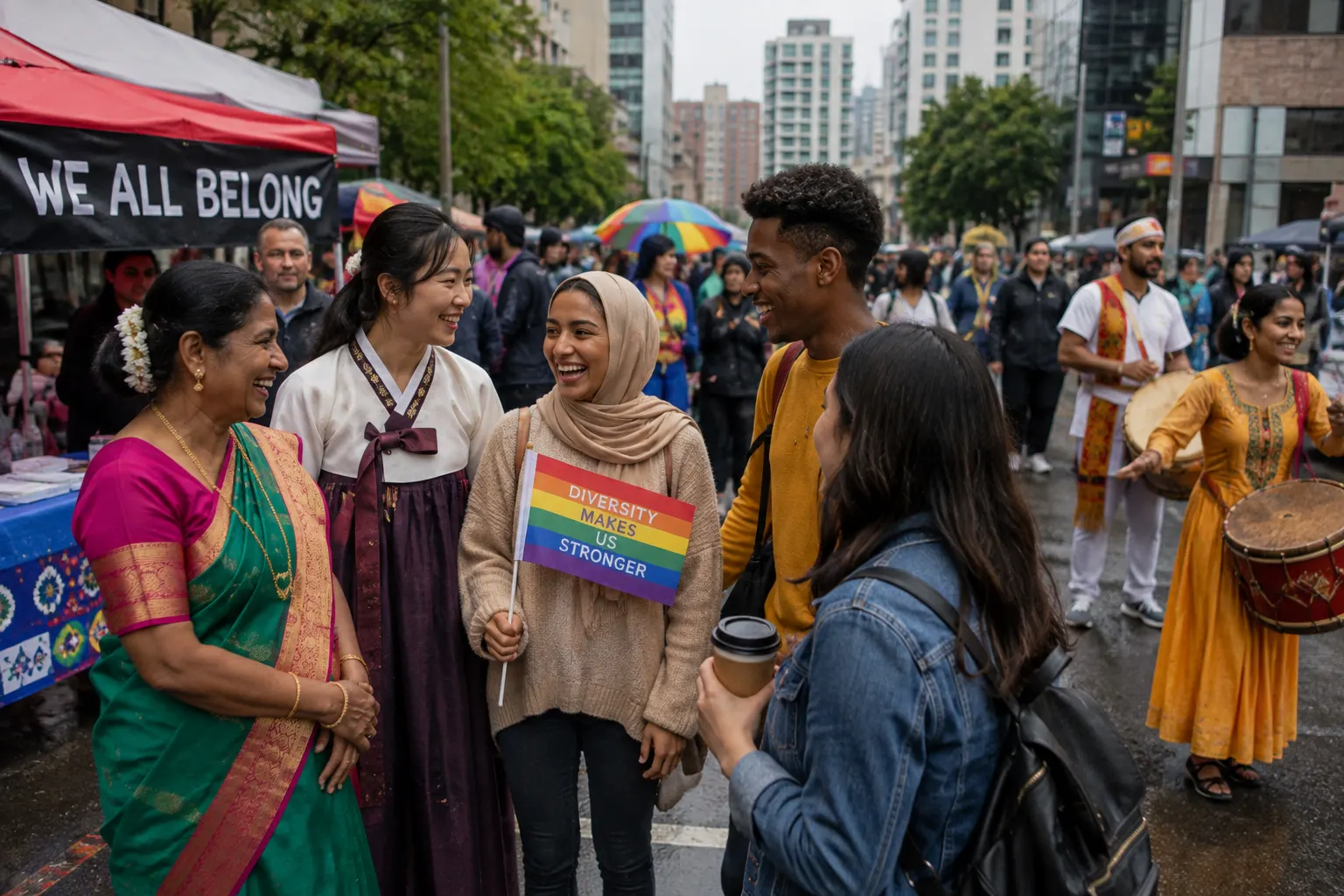
What is multiculturalism? It is an approach to cultural diversity that supports equal membership while allowing people to retain important cultural, religious and linguistic ident…
The melting pot theory describes how cultures may mix into a shared society, but its history also raises difficult questions about assimilation, inequality and cultural loss.
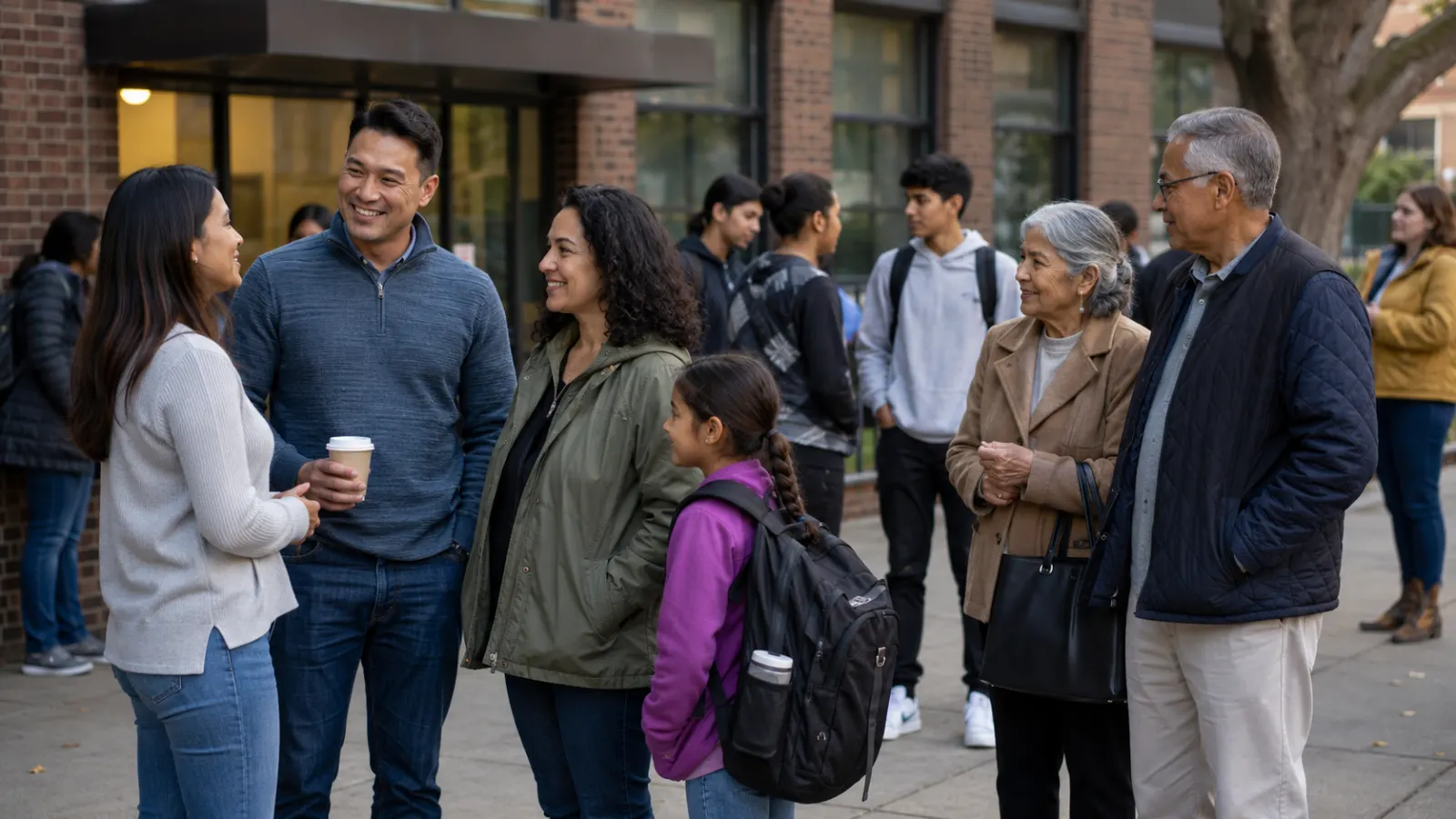
Assimilation describes how minority groups may become more similar to a social mainstream across language, institutions, identity and everyday life—but the process is rarely compl…
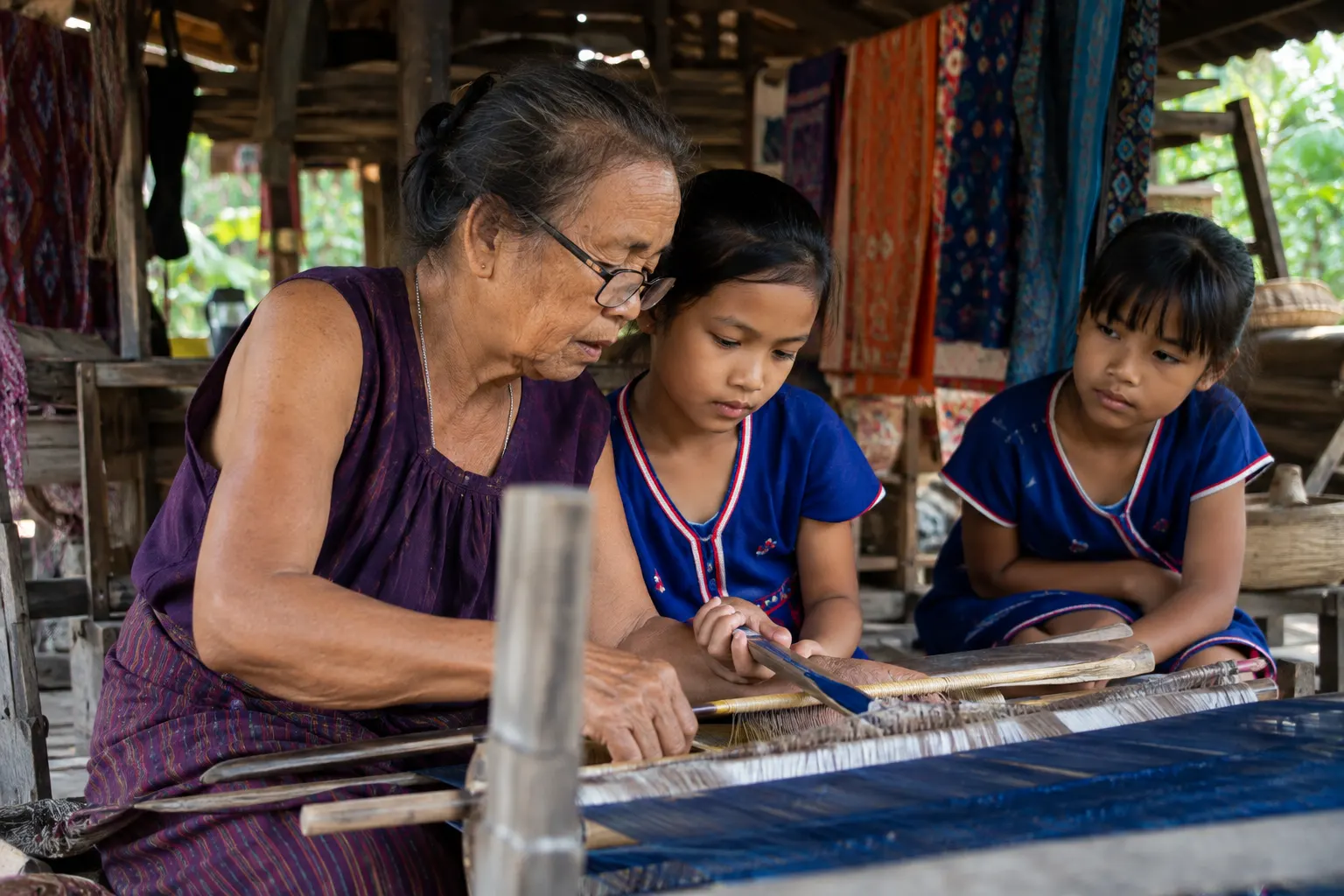
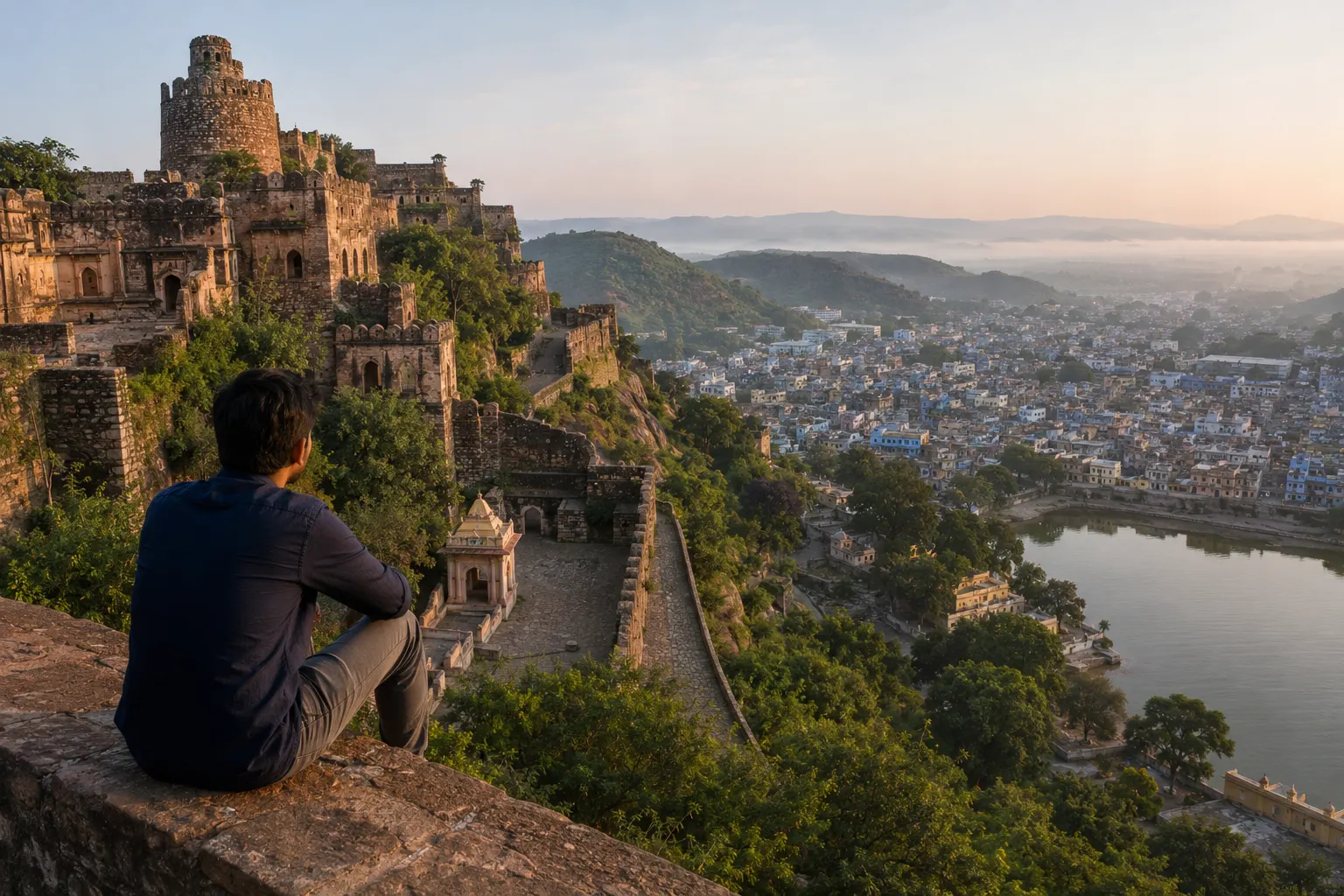
Local traditions disappear when the systems supporting transmission—teachers, livelihoods, language, spaces, materials and community participation—begin to break down.
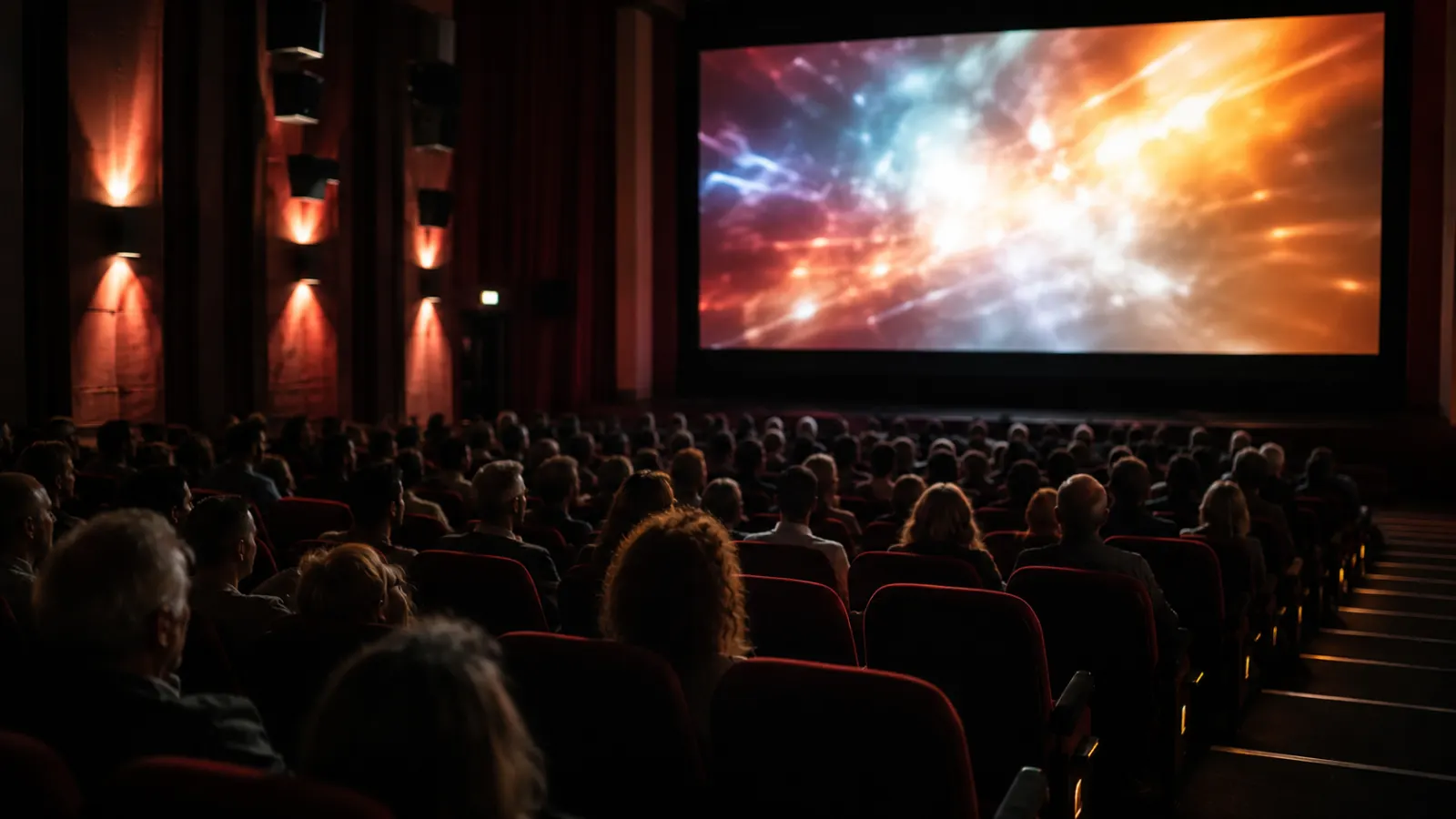
Cinema is more than entertainment. It shapes culture, creates jobs, influences public imagination, connects societies and preserves audiovisual memory for future generations.
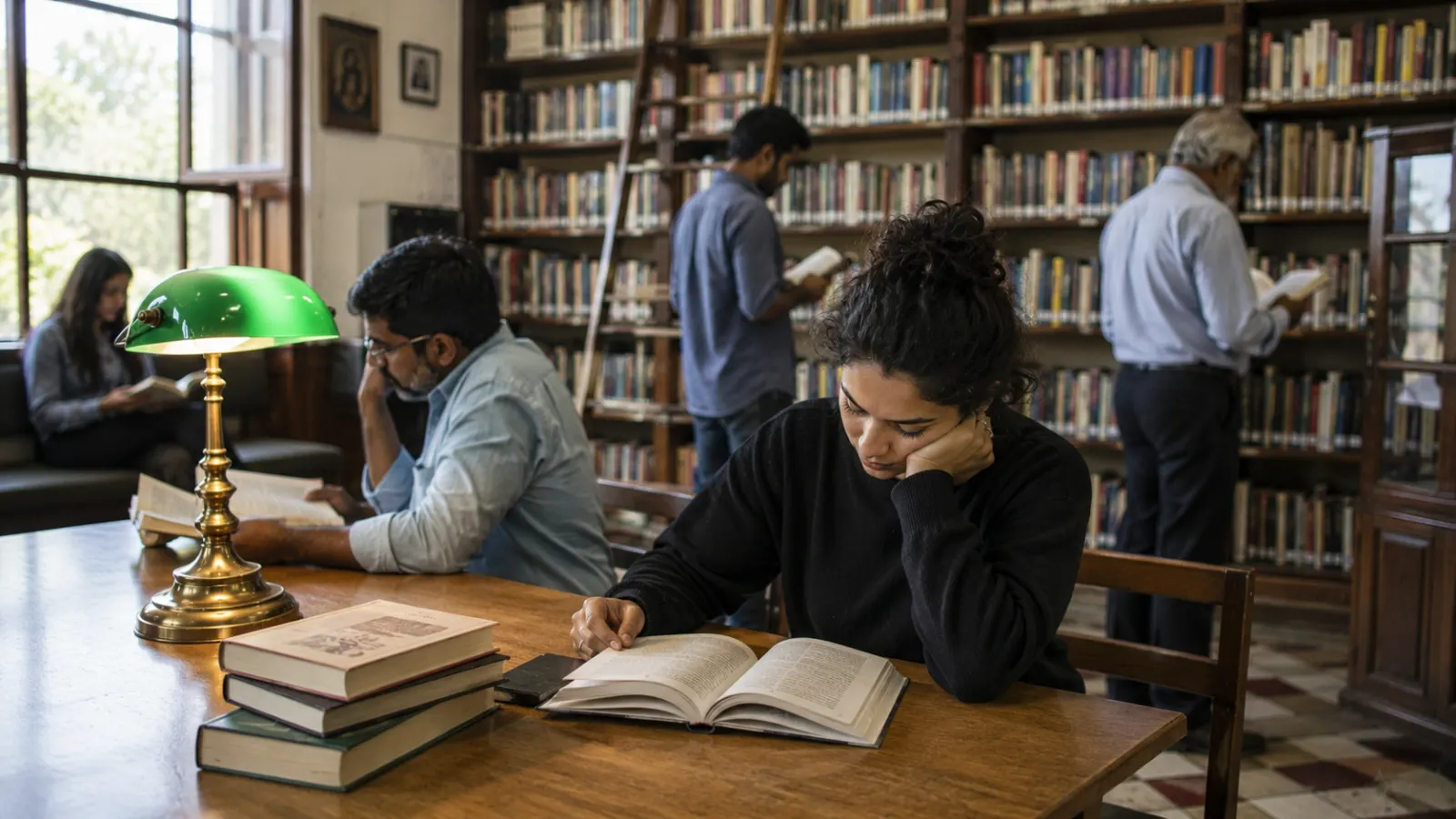
Literature preserves language and memory, carries experiences across cultures and gives societies a space to question identity, power and possible futures.
Identity feels personal, yet much of it is built socially. Communities give people categories, stories, symbols and recognition through which they answer not only “Who am I?” but…
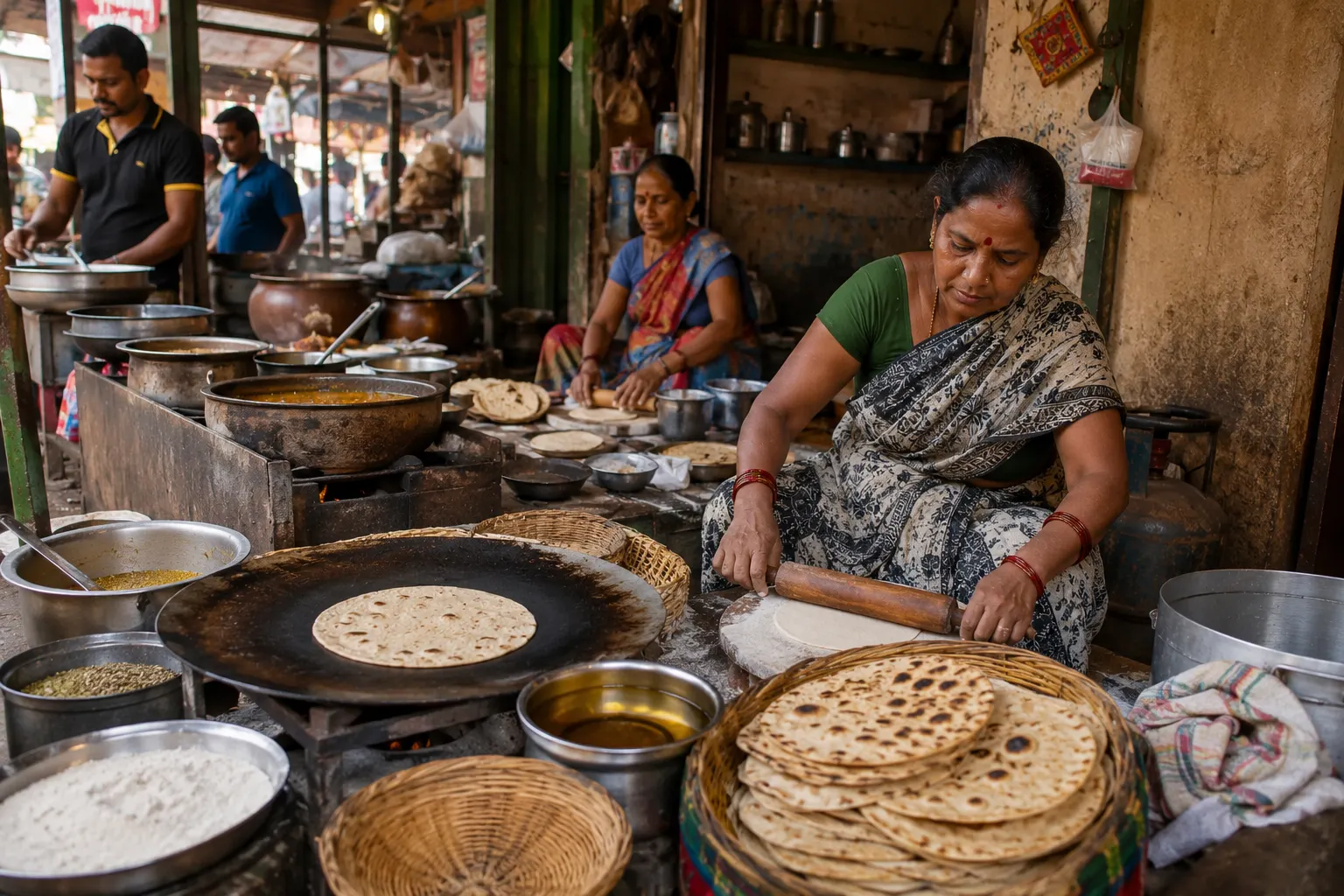
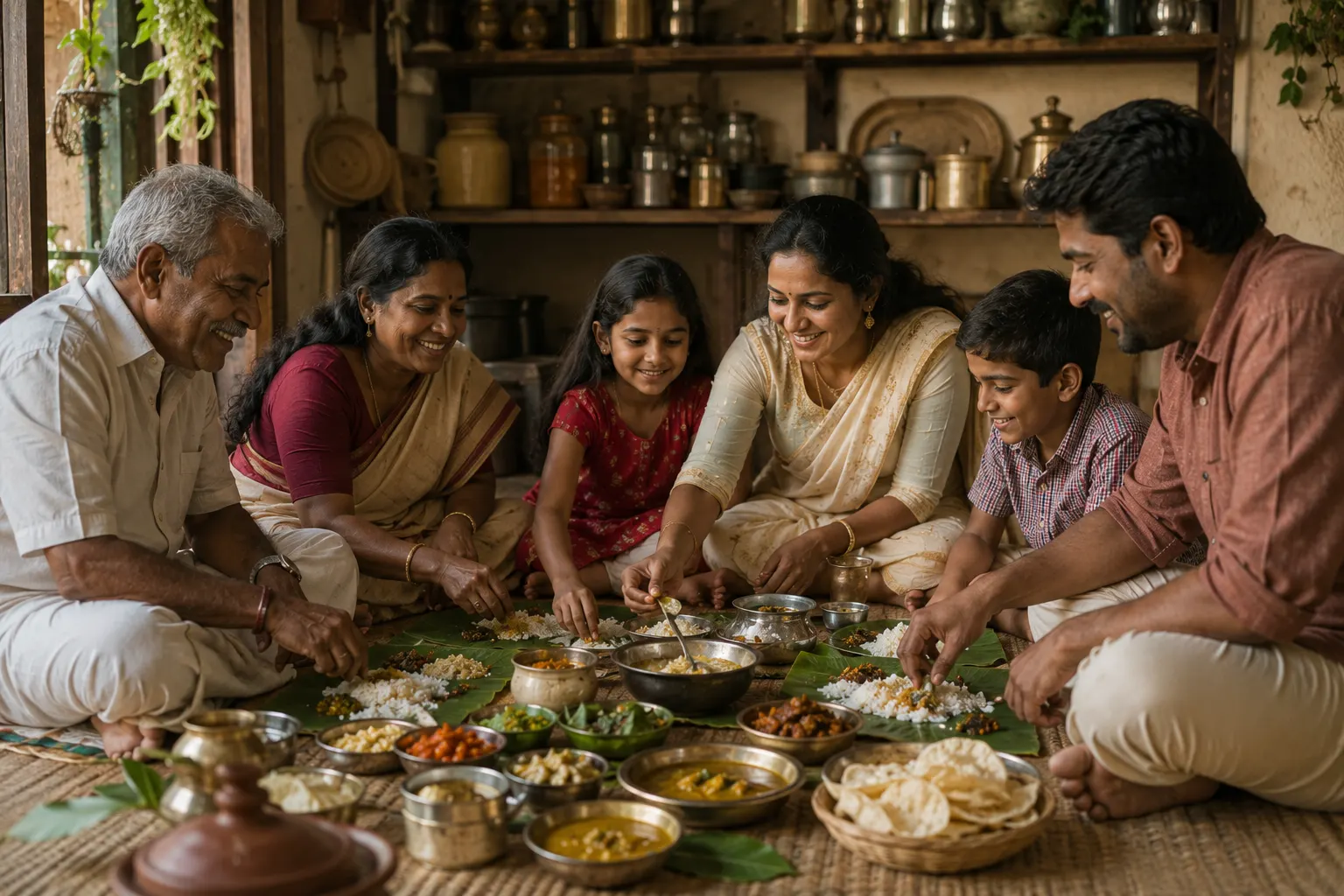
Age alone does not make a dish traditional. Foods become culturally meaningful when communities repeatedly cook, name, share, adapt and attach memories to them—often across genera…
A meal contains more than nutrients. What people grow, avoid, prepare, share and celebrate can express geography, religion, family, status and memory—making food one of culture's…
Legends survive because they do more than entertain. Attached to places, people and collective memories, they allow communities to argue about the past, explain the present and tr…
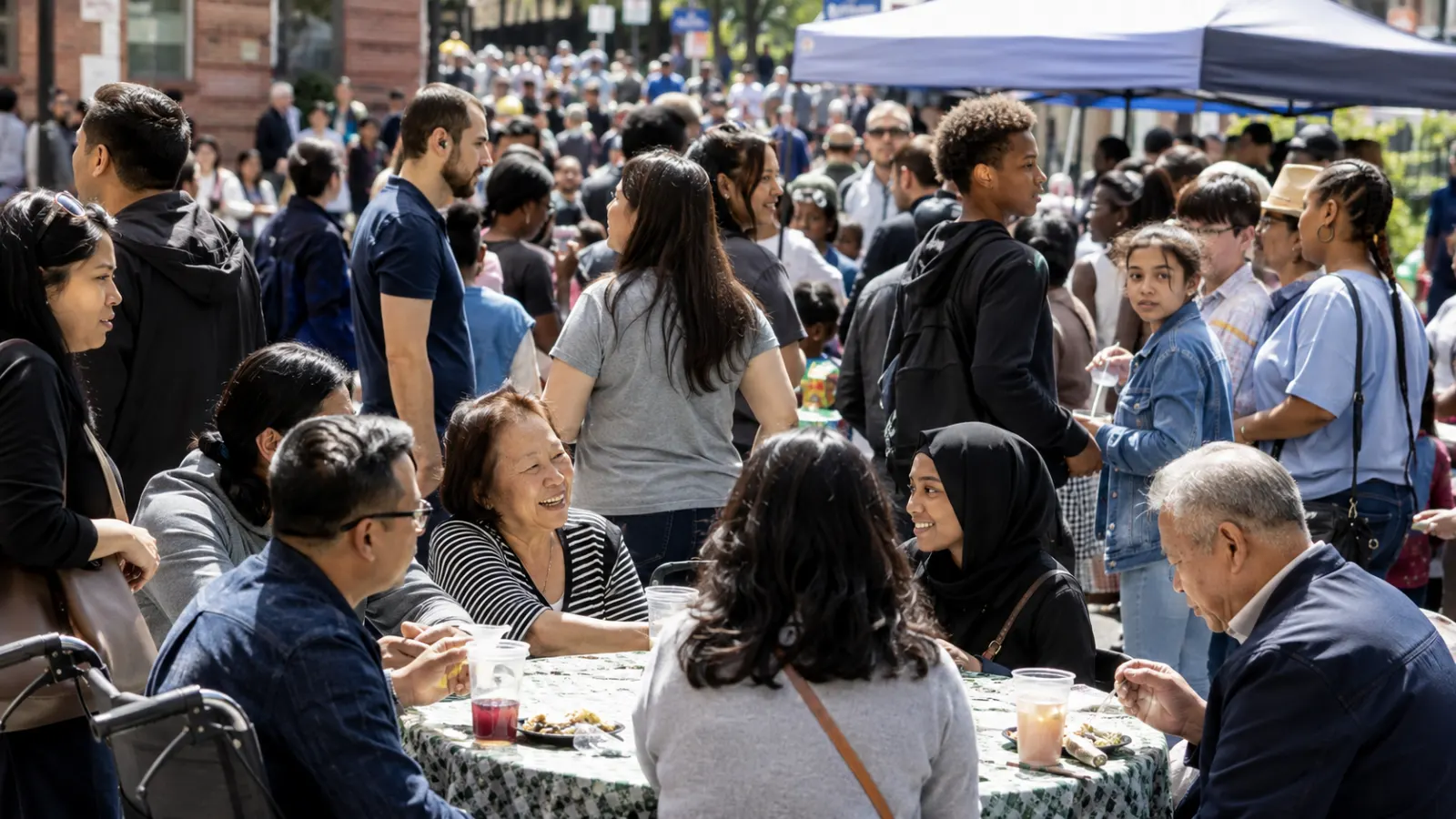
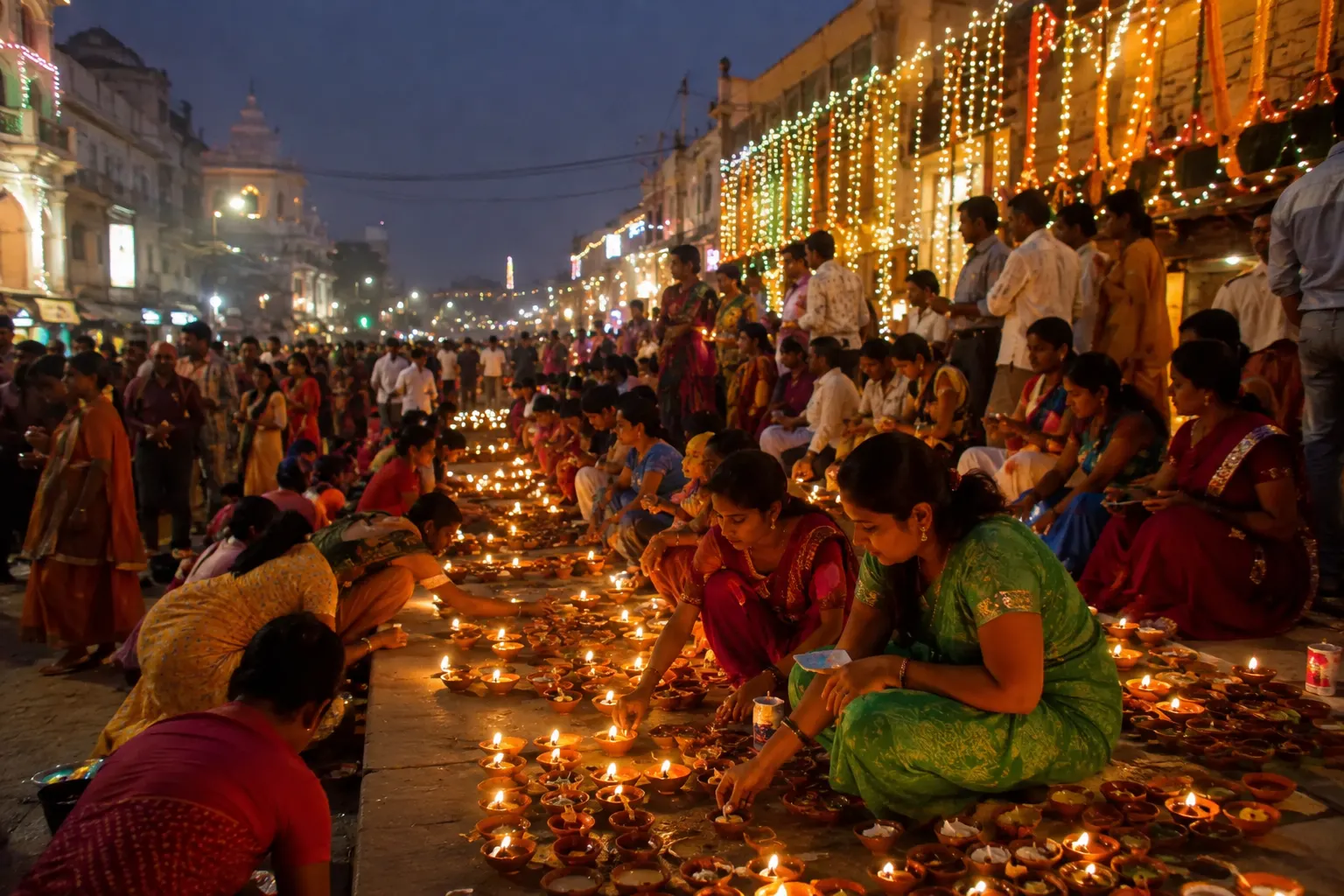
Festivals interrupt ordinary time. Through ritual, food, music, memory and public participation, they allow communities to express what they value—and reveal how traditions adapt…
Enjoying the reporting?
We noticed an ad blocker. Ads keep our journalism free — please consider allowing them, or subscribe to our newsletter instead.
We use cookies to keep you signed in and to understand how readers use the site. See our Privacy Policy.