Importance of Art in Society: Why Art Matters Beyond Beauty
The importance of art in society is difficult to reduce to a single function. Human beings have painted walls, decorated bodies, shaped objects, built monuments, performed stories, made music and created images across widely different places and historical periods. Art can preserve memory, express identity, question authority, generate livelihoods, provide pleasure, build community and give people ways to interpret experiences that are difficult to communicate through ordinary language.
That does not mean every artwork has to educate, heal, improve the economy or produce social change. A painting may exist because an artist wanted to explore colour. A film may primarily entertain. A sculpture may deliberately resist straightforward interpretation. A photograph may become historically important decades after it was made. Part of art's social value lies precisely in the fact that creative expression cannot always be reduced to a measurable public benefit.
UNESCO's 2005 Convention on the Protection and Promotion of the Diversity of Cultural Expressions reflects this complexity. It recognises that cultural activities, goods and services have both economic and cultural dimensions because they convey identity, values and meaning rather than functioning only as ordinary commodities. (unesco.org)
Art Preserves Memory, Identity and the Ways Societies Understand Themselves
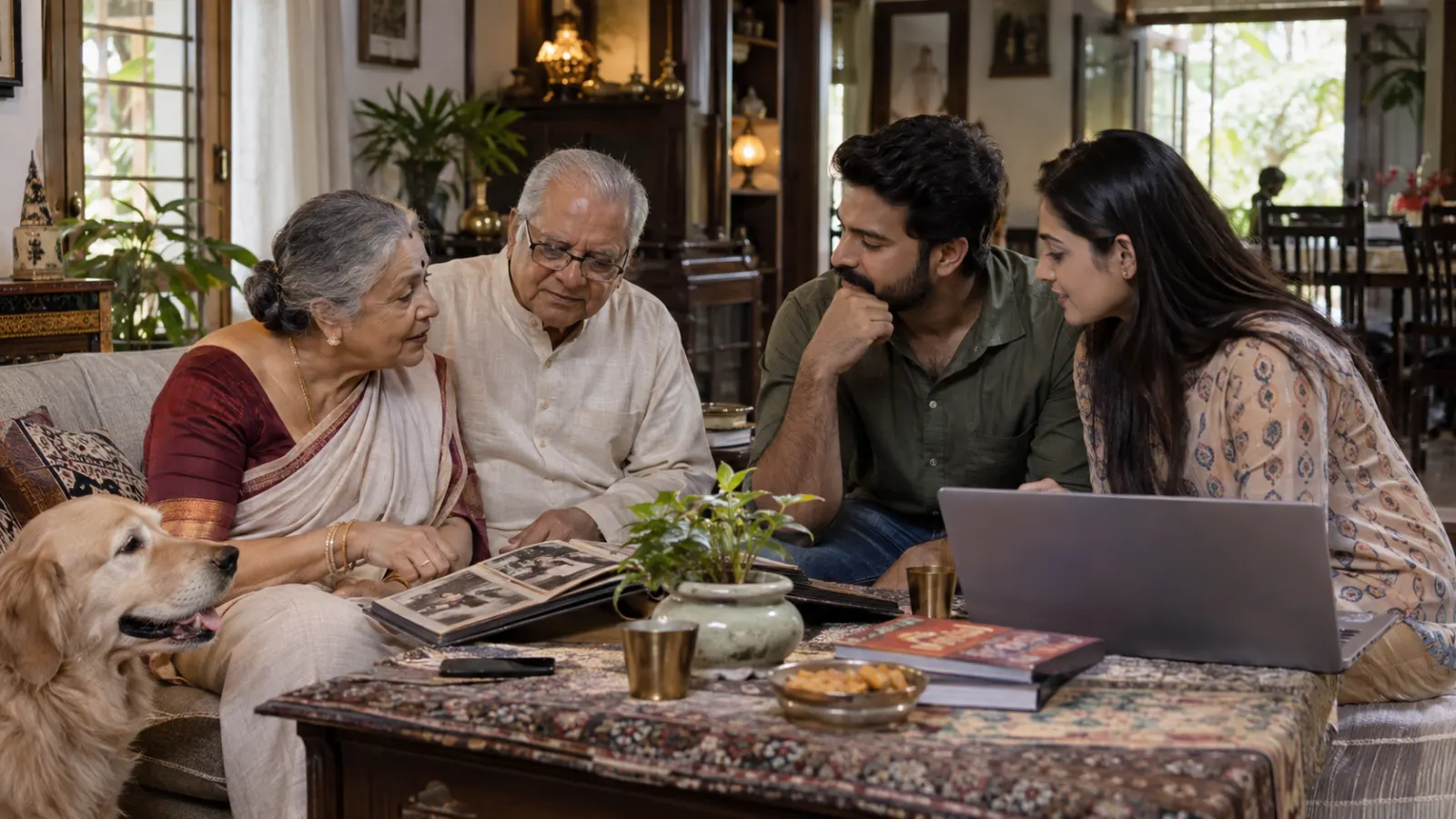
Art is one of the ways societies leave evidence of themselves behind. Paintings, photographs, posters, monuments, films, sculptures and digital works can preserve appearances, places, political conflicts, rituals and everyday life. Future generations may learn not only what happened from these objects but also how people experienced and interpreted what happened.
Yet art is not a neutral recording device. A portrait tells us how a person wanted to be represented or how an artist interpreted them. A war painting can emphasise heroism, suffering, destruction or propaganda. A memorial chooses which names, events and symbols receive public attention. Even documentary photography involves decisions about where to stand, what to include and when to press the shutter.
That subjectivity is not a weakness. It is part of what makes art historically valuable. An official report may tell us how many people were displaced by a conflict; a painting, photograph or film can reveal how displacement was imagined, remembered or emotionally understood. The two forms of evidence answer different questions.
Art also helps communities make identity visible. Religious imagery, textile patterns, architectural forms, murals, sculpture, clothing, photography and performance can communicate regional, ethnic, linguistic, professional, political or other forms of belonging. UNESCO's cultural-diversity framework explicitly treats cultural expressions as products of individual and collective creativity and recognises the connection between cultural expression and identity. (unesco.org)
This helps explain why disputes about art often become disputes about recognition. Arguments over monuments, public murals, museum collections or national cultural programmes are rarely concerned only with aesthetics. They may also concern whose history is represented, who belongs in the national story and whose experiences deserve public visibility.
Public symbols are particularly powerful because they turn complicated histories into objects that occupy shared space. A monument can become a point of collective pride, but it can also become controversial when social values change. Demands to remove, relocate or reinterpret monuments are therefore often arguments about memory and authority: which version of history should continue to receive official recognition?
Art does not merely preserve memory. It participates in deciding what becomes memorable.
Art Can Question Power—and That Is Why Artistic Freedom Matters
The relationship between art and power is ancient. Artists have praised rulers, religious institutions and political movements, but they have also mocked them, challenged them and exposed their contradictions.
Satire, caricature, theatre, photography, music, film, performance and public installations can communicate dissent differently from conventional political argument. An image can condense a criticism into a form that travels quickly. A performance can make an abstract injustice physically visible. A novel, film or artwork can allow audiences to encounter an issue through characters and experiences rather than through slogans alone.
UNESCO defines artistic freedom broadly as the ability to imagine, create and distribute diverse cultural expressions without governmental censorship, political interference or pressure from non-state actors. Its framework also connects artistic freedom with citizens' ability to access diverse cultural expressions. (unesco.org)
This matters because censorship affects more than the artist whose work is suppressed. It also affects audiences by narrowing the range of ideas, histories, identities and perspectives they are permitted to encounter.
Censorship can take obvious forms such as banning an exhibition, film or book. It can also operate through permit denials, financial pressure, threats, harassment, platform restrictions or fear that causes artists to censor themselves before anyone formally intervenes. UNESCO's monitoring of artistic freedom has documented continuing gaps between formal legal protections and what artists experience in practice. (unesco.org)
Defending artistic freedom does not mean placing art beyond criticism. Audiences have the right to dislike, challenge, boycott or publicly criticise artistic work. Institutions also make curatorial decisions, and democratic societies place legal limits on certain forms of genuinely unlawful conduct.
But criticism and coercive suppression are not the same thing. Art often performs an important social function precisely by making people uncomfortable, questioning accepted values or presenting experiences that dominant institutions would rather ignore.
Marginalised communities have frequently used creative expression for exactly this reason. Photography, murals, literature, film, music and performance can create records of people and experiences that official archives overlook. Representation matters because there is a difference between being described by others and gaining the ability to represent oneself.
Art can therefore redistribute attention even when it cannot redistribute political or economic power directly.
Art Creates Dialogue, Emotion and New Ways of Seeing
Statistics are powerful tools for understanding society, but they do not communicate every dimension of human experience. A number can tell us the scale of migration, poverty, war or discrimination. Art can concentrate attention on a particular face, place, voice or moment and make an issue emotionally comprehensible at a different scale.
That does not make art a substitute for evidence. A photograph cannot establish the prevalence of a social problem. A film cannot replace historical research. An artwork about conflict cannot tell us everything necessary to understand the conflict.
Its contribution is different. Art can introduce ambiguity, empathy, imagination and emotional interpretation into questions that might otherwise remain abstract.
UNESCO's World Art Day similarly presents art as contributing to curiosity, dialogue, cultural diversity and the sharing of knowledge, while emphasising the importance of environments in which artists and artistic freedom are protected. (unesco.org)
Dialogue does not necessarily mean agreement. Two viewers can encounter the same artwork and understand it differently. One person may find a work moving while another finds it offensive, superficial or politically objectionable. That disagreement can itself be socially useful when people have spaces in which competing interpretations can be expressed without immediate coercion.
Art also changes perception at a more ordinary level. Artists repeatedly take familiar objects, spaces and behaviours and make audiences notice them again. A photographer can make an everyday street seem unfamiliar. A painter can draw attention to relationships between colours that people normally ignore. An installation can make visitors conscious of the way they move through a room.
Societies develop habits of attention. Art can interrupt those habits.
This is one reason entertainment should not be dismissed as a lesser artistic purpose. Pleasure, humour, beauty, rhythm, suspense and spectacle are legitimate parts of cultural life. A society in which every creative work had to justify itself by teaching a moral lesson or advancing a political objective would reduce art to instruction.
Sometimes the value of a song is that people enjoy hearing it. Sometimes the value of a comedy is that people laugh. Sometimes people look at a painting because looking at it gives them pleasure.
Art's social importance includes its freedom not to be useful in an immediately measurable way.
Arts Education Teaches People to Create and Interpret Culture
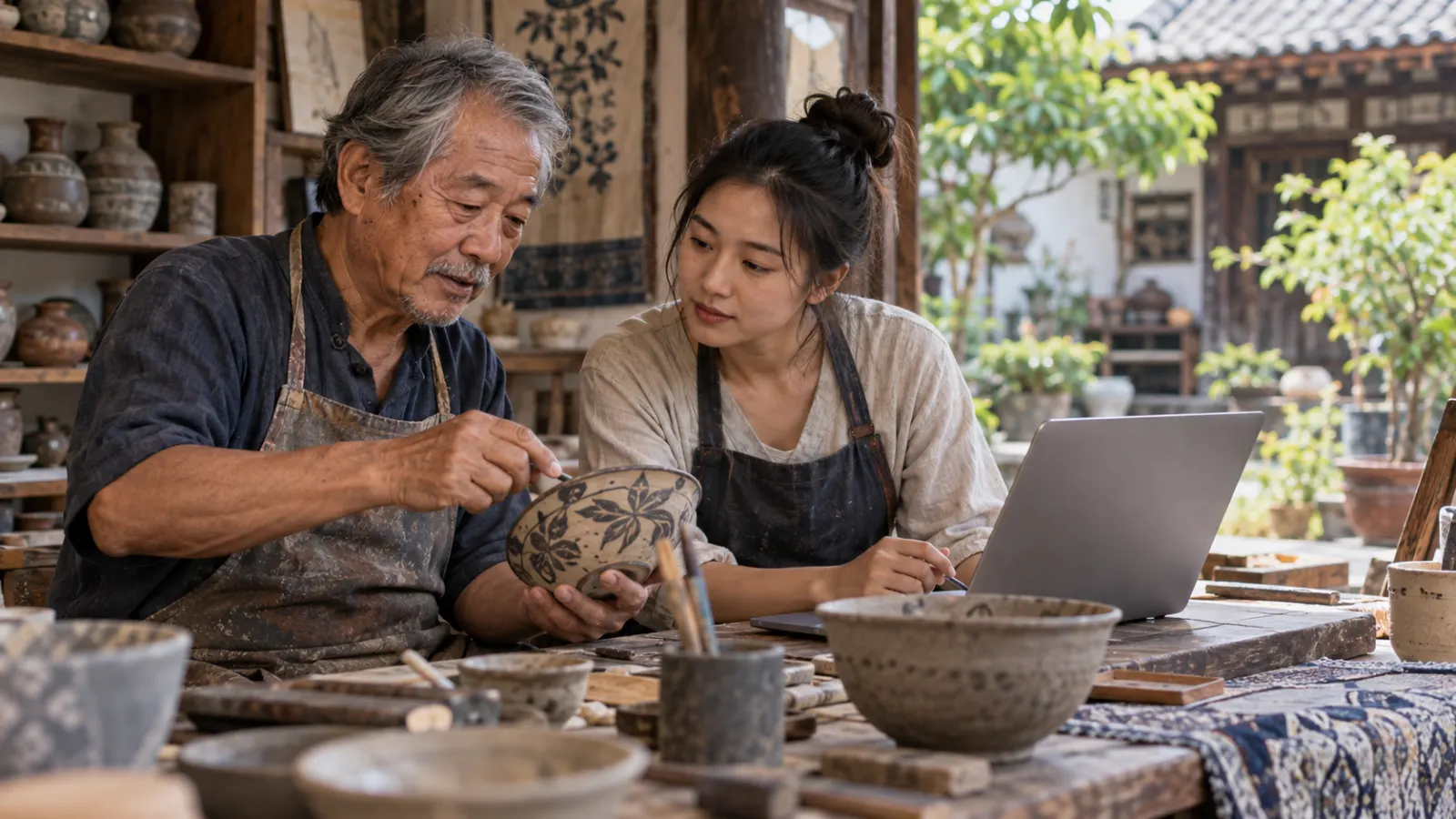
The social importance of art is not limited to professional artists. Arts education can help people learn how to make, interpret and question images, music, performance and other forms of cultural expression.
That ability matters in a world saturated with visual communication. Advertising, political campaigns, social media, entertainment and digital platforms constantly use images, sound, editing and design to shape attention. Understanding how cultural expression works is therefore part of understanding the contemporary information environment.
UNESCO's Framework for Culture and Arts Education connects culture and arts learning with creativity, critical thinking, cultural diversity and the broader development of individuals and societies. It also argues for closer integration between cultural and educational policy rather than treating arts education as an optional activity at the margins of schooling. (unesco.org)
The objective is not to turn every student into a painter, musician or actor. Participation can develop the confidence to create, experiment, revise and interpret.
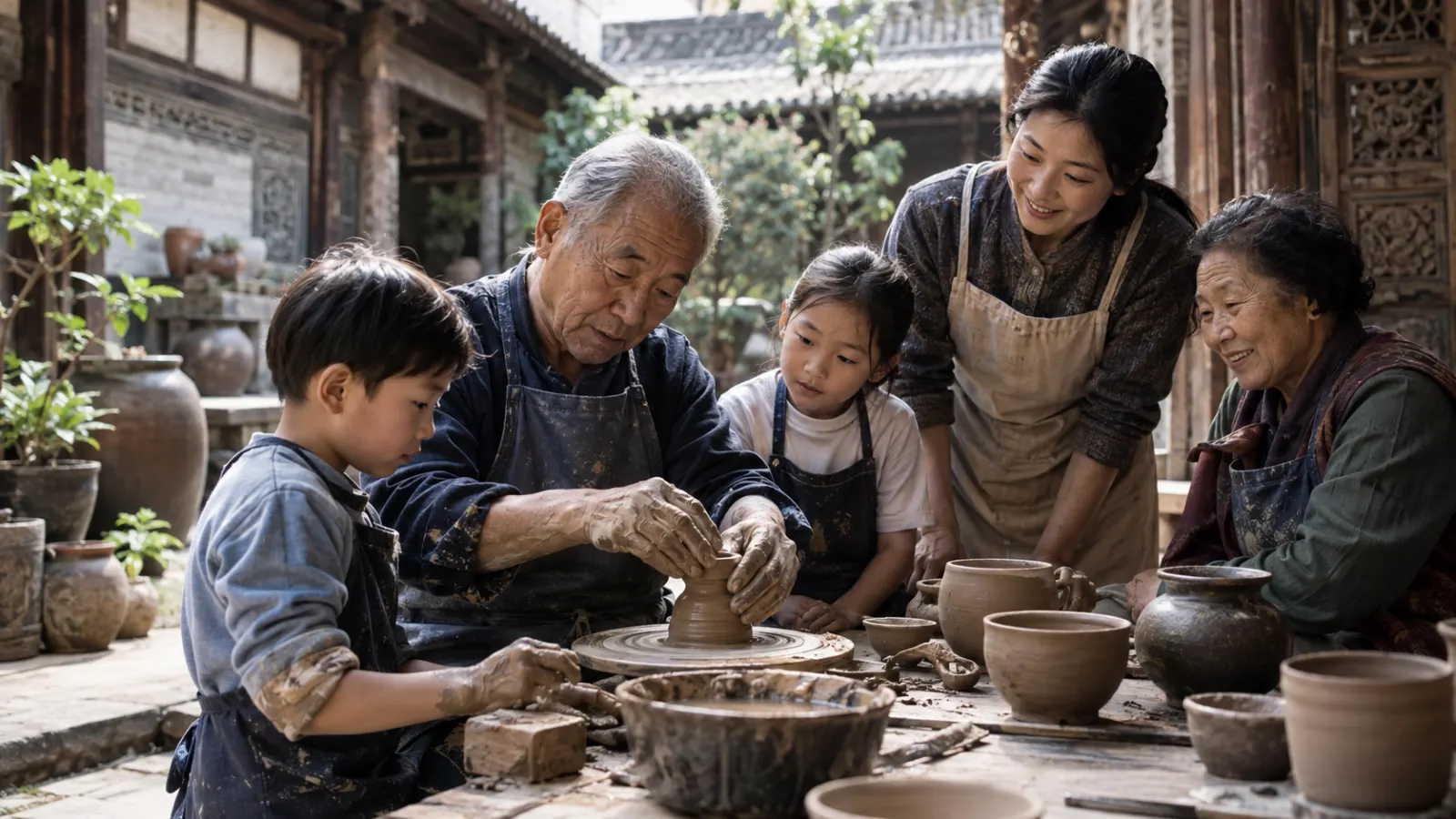
There is also an important difference between consuming culture and participating in it. Someone who joins a community theatre group, photography club, dance workshop or mural project moves from being an audience member to becoming a cultural producer. Even when the work remains amateur, participation can change a person's sense of who is entitled to create culture.
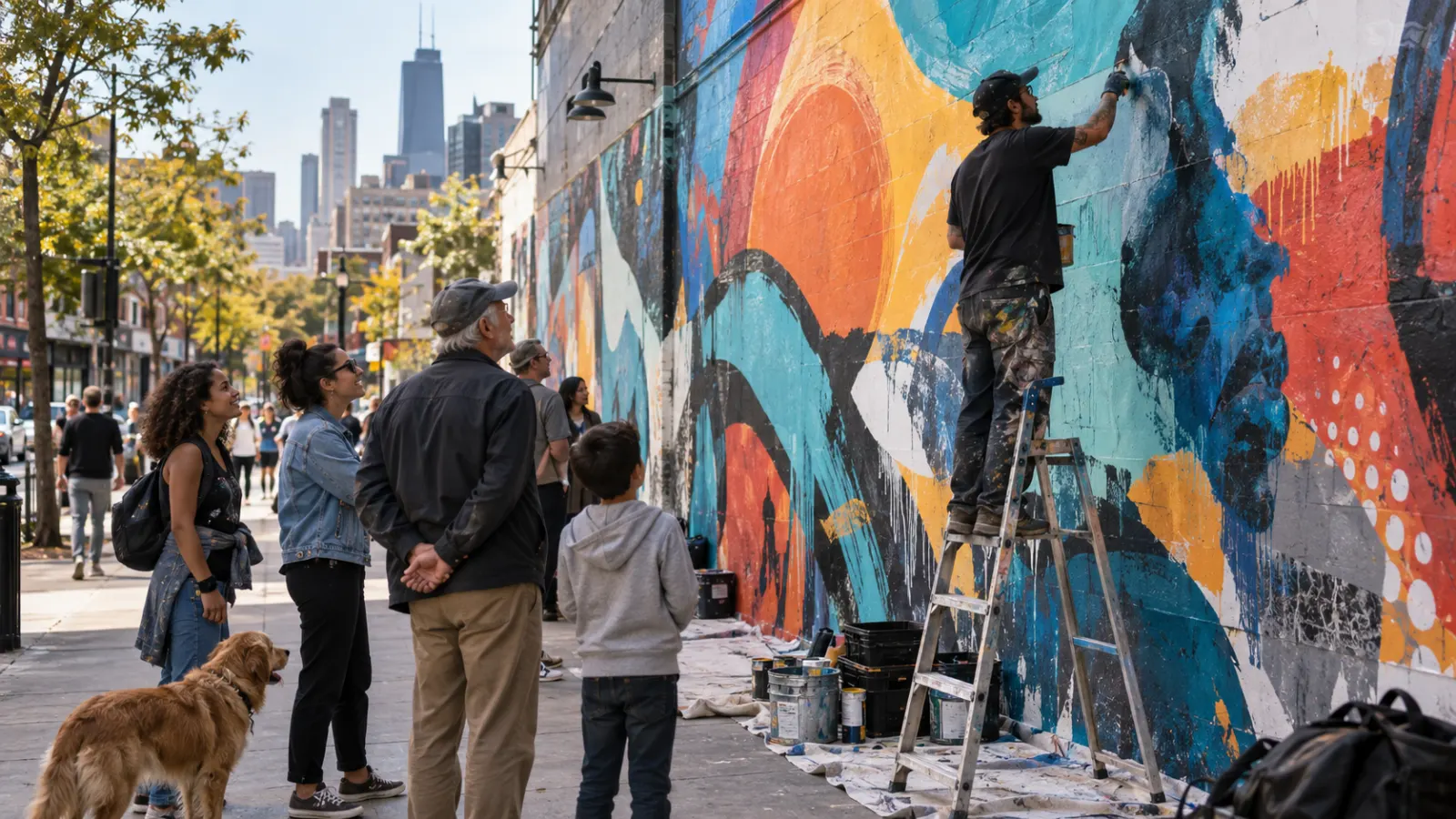
Public art can widen participation in another way. Museums and galleries are essential cultural institutions, but not everyone feels equally comfortable entering them or has equal physical and economic access. Murals, sculptures, performances and installations in streets, parks, schools and transport systems bring art into spaces used by people who may never deliberately visit a gallery.
That access can generate controversy. Public art raises legitimate questions about public spending, taste, political representation and who gets to decide what occupies shared space.
Those arguments reveal something important: art matters partly because cultural space is itself a public resource.
Museums and Cultural Institutions Do More Than Store Art
Museums are often described as places that preserve objects, but preservation is only part of what they do. Institutions decide what to acquire, what to display, how works are classified, which histories appear together and what explanatory information visitors receive.
Those decisions shape interpretation.
A museum exhibition that presents an object as “art,” “archaeology,” “craft,” “religion” or “ethnography” places it within a particular intellectual framework. Wall labels determine which dates and names are emphasised. Exhibition design influences which objects appear central and which remain peripheral.
UNESCO describes museums as institutions capable of connecting heritage and creation, supporting access to knowledge and helping communities engage with their roots and other cultures. (unesco.org)
But museums also inherit histories of unequal collecting. Objects entered collections through many different routes: purchase, donation, excavation, colonial administration, archaeological removal, illicit trafficking, warfare and, in some cases, theft or coercive exchange.
This has made provenance and restitution major cultural debates. UNESCO has supported international mechanisms for the return and restitution of cultural property and documents cases in which objects have been returned after theft or contested removal. (unesco.org)
Restitution debates are not merely disagreements about legal ownership. They can also involve questions of cultural authority, historical dispossession and whether communities should have meaningful access to objects connected with their own heritage. UNESCO's more recent work has explicitly linked restitution discussions to identity, historical justice and community empowerment. (unesco.org)
The same institutional power affects the artistic canon—the group of artists and works that societies repeatedly teach, exhibit and describe as especially important. Museums, universities, critics, publishers, collectors and academies all influence who becomes visible.
Canons change. Artists ignored during their lifetimes may later receive major recognition. Others once treated as universally important may be critically reassessed. Expanding the canon does not require pretending that every artwork has equal artistic value; it requires examining who historically had access to institutions that defined value in the first place.
Art Is Also Work, an Industry and an Unequal Market
Art is cultural expression, but it is also labour.
Artists exist within networks of designers, musicians, actors, writers, photographers, conservators, curators, publishers, technicians, craftspeople, galleries, theatres, studios, festivals, broadcasters and digital platforms. Cultural and creative industries therefore generate employment and economic activity alongside cultural meaning.
UNESCO estimates cited in its creative-economy work place cultural and creative industries at roughly 3.1% of global GDP and 6.2% of employment. Yet the sector is also characterised by informality and economic insecurity. A UNESCO report released in 2026 noted persistent problems including low pay, precarious work, skills gaps and unequal access to opportunities. (unesco.org)
Economic value nevertheless cannot provide a complete measure of artistic importance.
A community mural may have almost no resale value but enormous significance to residents. A commercially successful film may have immense market value without becoming culturally important over the long term. An artist ignored by the market during life may later profoundly influence other creators.
Markets also determine visibility unevenly. Wealthy collectors, major galleries, publishers, distributors, media organisations and digital platforms can influence which artists reach audiences. Commercial systems are necessary for many creators to earn livelihoods, but they are not neutral measures of artistic merit.
Digital platforms have introduced new gatekeepers. Recommendation algorithms can give creators access to enormous audiences while simultaneously determining which works are surfaced, monetised or buried. Visibility increasingly depends not only on critics and curators but also on platform design.
This tension between cultural and commercial value is precisely why UNESCO's 2005 Convention states that cultural goods and services cannot be understood solely through their commercial value: they also carry identity, values and meaning. (unesco.org)
Art Can Unite Society, but It Can Also Divide, Manipulate and Serve Power
Arguments for the social value of art sometimes become unrealistically positive. Art is not automatically democratic, peaceful or morally progressive.
Governments, political movements, corporations and religious organisations have all used artistic techniques to manufacture legitimacy and influence behaviour. Propaganda can employ powerful graphic design, architecture, film, music and visual storytelling.
A technically accomplished work can serve a destructive political purpose. Artistic skill and moral value are separate questions.
National cultural programmes can similarly unite and exclude at the same time. States often promote particular artworks, architectural styles, dances, films or artists as symbols of national identity. This can preserve important traditions and create shared pride, but the selected culture may represent only part of the country's population.
Minority, regional or experimental traditions can receive less support when they do not fit the official image of the nation. Cultural policy must therefore balance heritage protection with room for new, dissenting and diverse expression.
Art can also become particularly important during war, disaster and repression. Artists may document destruction, preserve memory, provide spaces for grief or help communities maintain cultural continuity. Cultural objects and institutions may themselves become targets because destroying cultural heritage can attack the symbols through which communities understand their history.
None of this means that art inevitably produces reconciliation. It means art becomes part of the way societies interpret, remember and sometimes contest crises.
The same precision is needed when discussing art and health. Creative participation can support well-being, social connection and therapeutic interventions in particular contexts, but vague claims that “art heals” risk turning a complex field into a slogan. Clinical arts-based interventions should be distinguished from the broader emotional and social value people may gain from making or experiencing art.
Art deserves serious consideration without requiring exaggerated claims.
Artificial Intelligence Is Changing Who Creates, Who Gets Paid and What Counts as Art
New technology has always changed artistic practice. Photography altered painting; recording transformed music; cinema created new visual languages; digital tools changed design and distribution.
Generative artificial intelligence is another such disruption, but its scale and speed are producing unusually broad questions about authorship, copyright, labour, attribution and cultural diversity.
UNESCO's 2026 discussions on AI and culture describe generative AI as transforming artistic production, dissemination and participation while simultaneously raising concerns about unauthorised training data, remuneration, intellectual property, algorithmic bias and the economic position of artists. (unesco.org)
The technology can lower barriers to certain forms of creation and make cultural tools more accessible. It can also enable enormous quantities of images, music and text to be generated at very low marginal cost.
That shifts an old cultural question into a new technological environment: when creative production becomes easier, what becomes more valuable?
Human intention, selection, context, authorship and accountability may become increasingly important precisely because producing technically competent images or sounds no longer requires the same resources as before.
The policy questions remain unsettled. What consent should creators have when their work is used to train models? How should compensation work? When should AI-generated material be disclosed? How can smaller languages and cultural traditions avoid being overwhelmed by systems trained predominantly on dominant cultural material?
UNESCO's current policy work continues to examine these issues, including potential changes to international guidance for cultural diversity in an AI-shaped environment. (unesco.org)
AI therefore does not make the social role of art less important. It makes questions about creative authority, labour and cultural diversity more urgent.
Why Art Matters Even When Its Value Cannot Be Measured
Governments understandably want evidence before spending public money. Museums count visitors. Creative industries measure employment and revenue. Schools evaluate educational outcomes. Researchers examine participation and well-being.
Measurement is useful, but art repeatedly produces value that appears only partially in such statistics.
A neighbourhood mural may matter because residents recognise themselves in it. An old photograph may suddenly become invaluable when historians realise it documents something no other surviving record captured. A controversial novel may influence public language decades after publication. A work dismissed by its first audience may become culturally important to later generations.
Contemporary societies are also continuously creating the archives that future societies will inherit. Posters, films, photographs, digital art, memes, public murals and apparently ordinary design objects may become evidence of how people in the twenty-first century lived and understood themselves.
We cannot know in advance which works later generations will find indispensable.
Art can also slow attention. Much contemporary communication rewards immediate reaction: a headline, notification, short video, vote, like or verdict. Many artworks resist that tempo. A complex film, painting, installation or performance may require sustained attention without offering an immediate answer.
That temporary suspension of certainty has social value. Art can create a space in which contradiction remains unresolved long enough to be examined rather than immediately forced into opposing slogans.
This may be one of its most difficult contributions to measure.
Frequently Asked Questions
Why is art important in society?
Art helps societies preserve memory, express identities, communicate ideas, create shared symbols, support cultural dialogue and provide opportunities for creativity and enjoyment. It also forms part of significant cultural and creative industries. Its value cannot be reduced to one social or economic function.
How does art influence culture?
Art both reflects and shapes culture. Artists work with the beliefs, technologies, conflicts and conventions of their time, while artworks can introduce new symbols, styles and ways of interpreting social experience. Later generations can also give artworks meanings their original creators never intended.
How can art promote social change?
Art can draw attention to ignored experiences, challenge authority, create memorable symbols and give communities tools for self-representation. It can influence public discussion, although an artwork alone rarely changes the structural causes of a social problem.
Why is artistic freedom important?
Artistic freedom allows creators to explore ideas without censorship or intimidation and allows audiences to encounter a diversity of cultural expression. UNESCO treats access to diverse artistic work as part of the broader framework of artistic freedom. (unesco.org)
What is the role of art in education?
Arts education can develop creative practice, interpretation, visual and cultural literacy, experimentation and critical thinking. Its purpose is broader than producing professional artists; it can help learners participate more actively in cultural life. (unesco.org)
Is art economically important?
Yes. Cultural and creative industries generate employment, businesses and economic output worldwide. However, economic value is only one dimension of cultural importance, and many socially significant works have little or no substantial market value. (unesco.org)
Can art exist only for entertainment?
Yes. Art does not need to justify itself by producing education, political change or measurable well-being. Entertainment, beauty, humour, experimentation and pleasure are legitimate cultural purposes in themselves.
The Importance of Art Lies in Its Freedom to Mean More Than One Thing
The importance of art in society comes partly from its extraordinary range. Art can preserve memory and rewrite memory. It can strengthen identity and challenge national myths. It can create employment while resisting market logic. It can support education, become propaganda, provoke political argument, entertain millions or remain meaningful to only a handful of people.
Those apparent contradictions are not evidence that art lacks a social purpose. They show why no single purpose can contain it.
UNESCO's World Art Day frames art as a force connected with creativity, cultural diversity, curiosity and dialogue. Its wider cultural framework also recognises that cultural expression carries identities, values and meanings alongside economic value. (unesco.org) (unesco.org)
Societies need art not because every artwork makes people better, solves a problem or produces a measurable return. They need it because people continually need ways to create meaning, preserve experience, imagine alternatives, challenge inherited assumptions and communicate beyond the limits of literal explanation.
A society can disagree about what art is good, offensive, beautiful, valuable or worth preserving. That disagreement is itself evidence that art remains embedded in public life.
The most important cultural condition is therefore not that everyone agrees about art.
It is that people remain free to create it, encounter it, question it and decide what it means.