What Is the Slow Food Movement? Good, Clean and Fair Food Explained
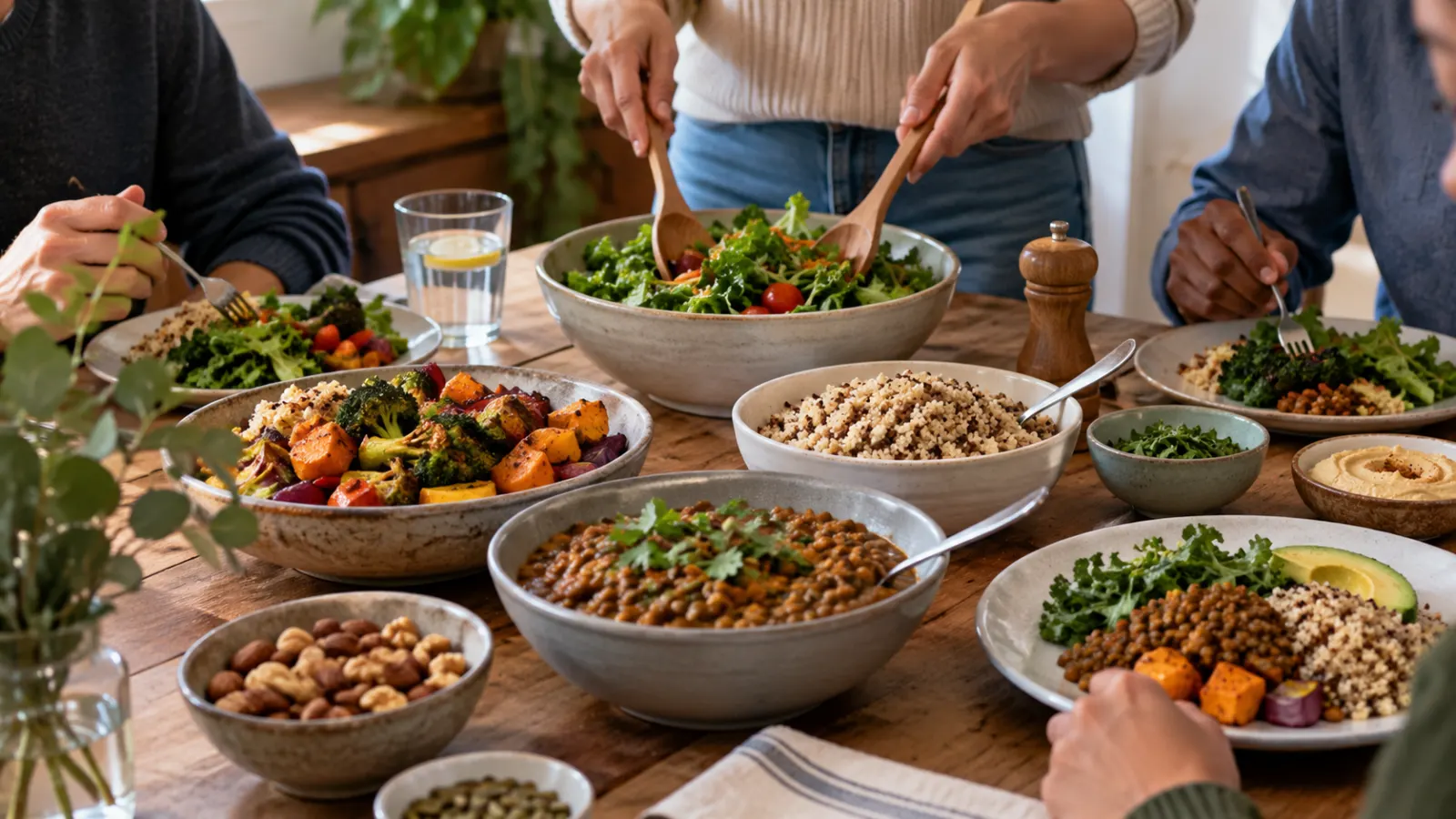
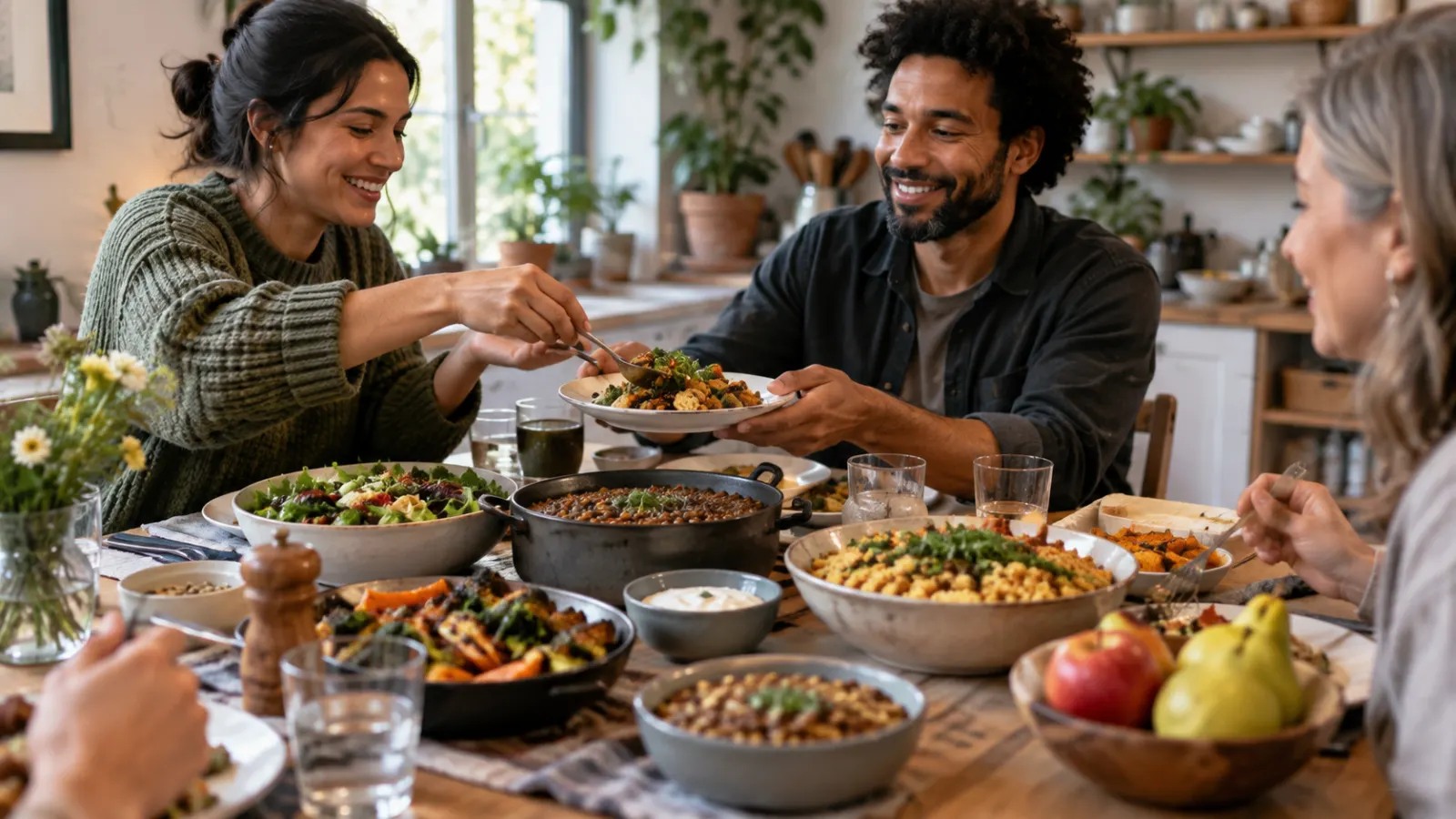
The Slow Food movement is not simply an argument for cooking slowly or spending more time over dinner. It is an international grassroots movement built around a wider question: what would a food system look like if taste, ecological sustainability, cultural knowledge and fairness to producers were treated as connected rather than separate concerns?
Slow Food summarises its philosophy through three words: good, clean and fair. Food should be enjoyable, healthy and culturally appropriate; its production should protect rather than deplete ecological resources; and the people who grow, process and distribute it should participate in fairer economic relationships. Slow Food currently describes itself as a global network of local groups and activists active in more than 160 countries, working through biodiversity protection, food education and advocacy.
This combination distinguishes Slow Food from a simple campaign against fast food. The movement challenges a food system in which efficiency and standardisation can make enormous quantities of food available while simultaneously weakening regional food cultures, concentrating market power, reducing agricultural diversity and separating consumers from knowledge about how their food was produced.
Its core argument is therefore not that everything traditional is good or everything industrial is bad. At its strongest, Slow Food asks society to consider values that ordinary market prices can overlook: biodiversity, craftsmanship, producer livelihoods, cultural continuity, animal and environmental conditions, and the pleasure people derive from food itself.
From a Protest in Rome to an International Food Movement
Slow Food traces its origins to Rome in 1986, when the opening of a fast-food restaurant near the Spanish Steps became a symbol of concern about the homogenisation of Italian food culture. Carlo Petrini and other founders used the controversy to articulate a broader defence of local food traditions and the cultural importance of eating. In 1989, representatives from Italy and 14 other countries signed the Slow Food Manifesto in Paris, formally turning the initiative into an international movement.
The historical context helps explain why the word slow can be misleading if taken literally. The movement was reacting not simply to the speed at which meals were prepared but to a model of food production and consumption increasingly organised around standardisation, scale and convenience. A hamburger tasting essentially identical in many cities represented one extreme of that system: food detached from season, local varieties, regional knowledge and place.
Slow Food offered a different idea of modernity. Instead of arguing that food culture should remain frozen in the past, it proposed that technological and economic change should not automatically erase diversity. Traditional knowledge, small-scale production and regional cuisines could remain economically and socially relevant rather than survive only as museum pieces.
The movement gradually expanded beyond restaurant culture and consumer taste. Its programmes increasingly focused on farmers, fishers, pastoralists, food artisans, Indigenous communities and others who maintain agricultural or culinary knowledge. Slow Food now defines its mission around protecting biological and cultural diversity, educating people about food and influencing both public policy and private-sector decisions.
This evolution is important because it changed the movement from a defence of pleasurable eating into a critique of how food systems distribute ecological and economic power.
“Good, Clean and Fair” Connects Taste, Ecology and Justice
Slow Food's most recognisable framework is the idea that food should be good, clean and fair. The three principles are meant to function together rather than describe separate categories.
Good refers to food that is enjoyable, healthy and culturally appropriate. Slow Food deliberately includes pleasure in its concept of food quality. That may seem unusual in discussions of sustainability, which often concentrate on emissions, nutrients or resource efficiency, but it reflects a practical insight: diets are cultural practices as well as biological necessities. People eat foods because of flavour, habit, family, religion, identity and memory. A food system that ignores those factors may struggle to produce lasting behavioural change.
Clean refers to production that does not unnecessarily degrade the natural resources on which food depends. Slow Food's current language emphasises resilient local food systems and the regeneration rather than depletion of environmental resources. Its wider work includes agroecology, biodiversity, soil, seeds, fisheries and livestock systems.
Fair introduces the economic and social dimension. Food cannot reasonably be described as sustainable if low prices depend on poverty wages, insecure livelihoods or producers receiving too little of the value created by their work. Slow Food therefore connects consumer choice with the circumstances of farmers, fishers, processors and other food workers.
The movement formalised this three-part concept in its Manifesto for Quality, which argues that taste, environmental conditions and justice for producers are interconnected characteristics of food quality rather than separate concerns.
This creates a demanding standard. A beautifully made artisanal food produced through exploitative labour would struggle to satisfy the “fair” principle. A traditional product produced through practices that seriously damage soil, water or biodiversity does not become environmentally sustainable merely because it has a long history. Likewise, food cannot be considered socially fair if the only people able to buy it are affluent consumers while the workers producing it remain economically insecure.
The framework is therefore better understood as a normative test than as a certification system. Slow Food is saying what it believes food systems should strive toward. “Good, clean and fair” does not by itself calculate carbon emissions, prove nutritional quality or certify labour conditions. Those claims still require evidence.
That distinction becomes particularly important when Slow Food ideas enter mainstream sustainability debates.
Biodiversity Is Where Slow Food Has Built One of Its Most Distinctive Contributions
Agricultural biodiversity can disappear quietly.
A traditional bean variety may stop being planted because a more commercially uniform crop becomes dominant. A livestock breed may decline because processors prefer animals with standard characteristics. A regional cheese may disappear when the farming and processing system required to produce it is no longer economically viable. Once the producers, seeds, animals and knowledge disappear, recreating the food can become extremely difficult.
Slow Food has made this connection between culinary diversity and biological diversity central to its identity.
Its Ark of Taste is a global catalogue of foods, crop varieties, livestock breeds and food traditions considered at risk of disappearing. Slow Food describes the project as a “living catalog” intended not merely to document endangered foods but to encourage communities to cultivate, produce, cook and consume them so that the knowledge supporting them remains alive.
That approach contains an important idea about conservation.
A seed stored in a gene bank can preserve genetic material, which is valuable. But agricultural biodiversity also exists in working landscapes. Farmers know how a particular variety behaves in certain soils and climates. Cooks know how to prepare it. Local markets provide an economic reason to continue producing it. Cultural practices determine whether younger generations continue valuing it.
Preserving food biodiversity therefore involves more than preserving biological specimens.
It can also require preserving relationships between plants, animals, producers, knowledge, markets and cuisine.
Slow Food's Presidia and related biodiversity programmes try to support producers maintaining such systems. The movement argues that food diversity has ecological value because genetic and species diversity can increase the range of options available to agricultural communities, while also carrying cultural and gastronomic value.
This argument aligns with broader sustainable-diet thinking. FAO's work on sustainable diets explicitly includes respect for biodiversity and ecosystems alongside cultural acceptability, affordability, health and nutrition.
But biodiversity should not be romanticised either. A traditional variety is not automatically more productive, climate-resilient or environmentally superior under every condition. Some may perform exceptionally well locally; others may survive largely because people value their flavour or history. Slow Food's contribution is less the claim that every heritage product is agronomically superior than the argument that losing diversity permanently removes options and knowledge that may have ecological, cultural or economic value.
Local Food Matters, but “Local” Is Not a Scientific Shortcut for Sustainable
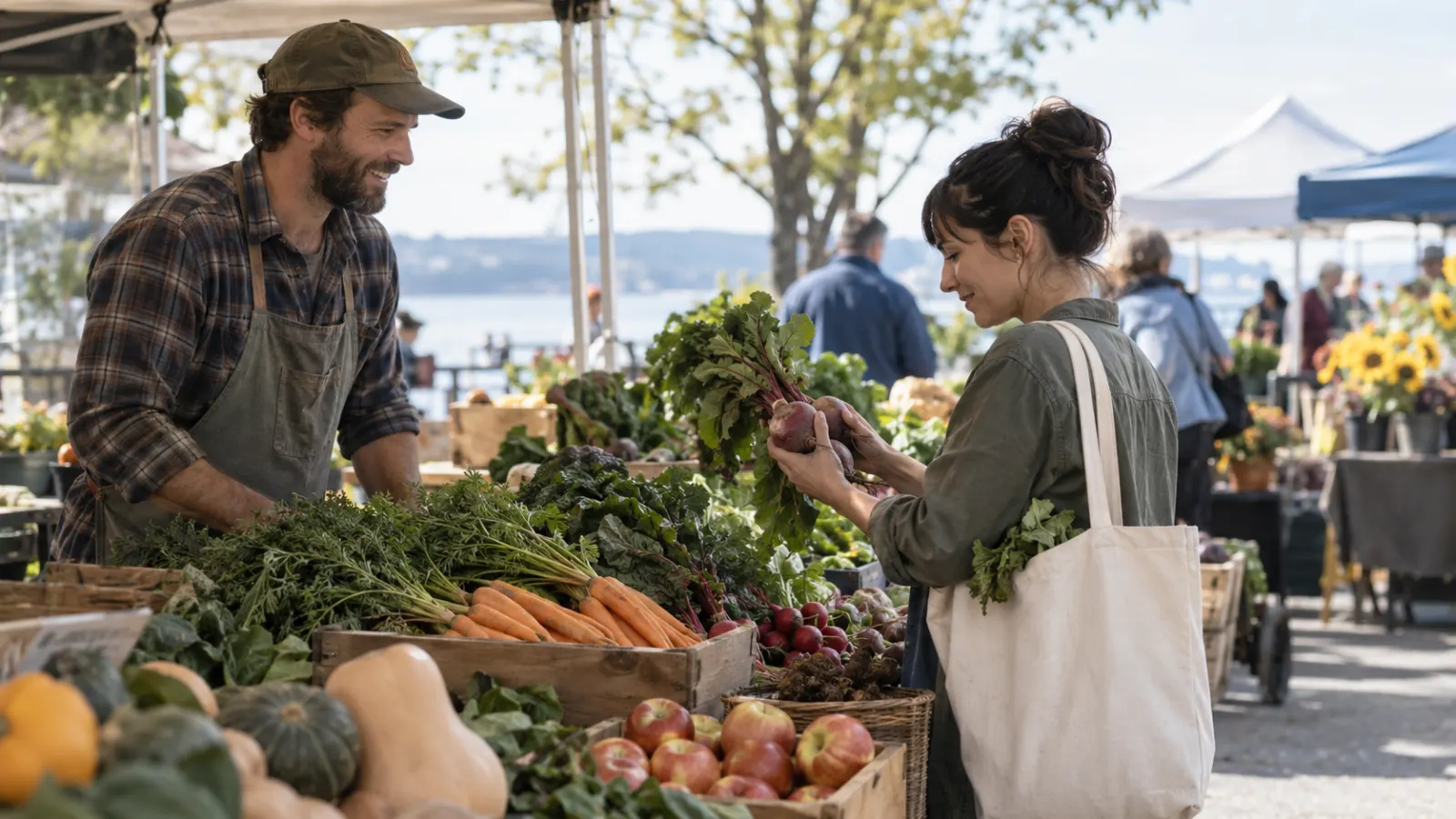
Slow Food has long emphasised local food systems, regional markets and closer relationships between producers and consumers. These can create several benefits. Shorter supply chains may make the origin of food easier to understand, strengthen regional economies and give smaller producers alternative routes to market. Local demand can also provide an economic reason to continue cultivating regional varieties and maintaining distinctive food traditions.
Yet local is not automatically sustainable.
The environmental impact of food depends heavily on what is produced and how it is produced, not simply on the distance between farm and consumer. Global life-cycle research suggests that transport represents only a relatively small share of overall food-system greenhouse-gas emissions on average—roughly 5% to 6%—because most food is not transported by air and maritime shipping is comparatively carbon-efficient. Farming methods and land-use change often matter substantially more.
That means a food grown nearby under resource-intensive conditions can have a larger environmental footprint than an imported alternative produced efficiently and transported by ship. Air-freighted foods are an important exception because aviation carries a much higher transport footprint, but they account for only a very small proportion of total global food transport.
This does not invalidate Slow Food's interest in local food.
It clarifies what localism can and cannot prove.
Buying locally can strengthen community economies, shorten the social distance between producers and consumers and support regional food traditions. Those are legitimate goals even when the greenhouse-gas advantage is small. But the environmental case should still examine farming practices, energy use, land requirements, water, fertiliser, storage and transport rather than assuming distance alone determines sustainability.
The strongest interpretation of Slow Food is therefore not “local is always better.”
It is that place matters, and that food systems should make relationships between ecology, producers, culture and consumers more visible.
Terra Madre Turned Food Culture Into a Global Network of Producers
Slow Food's development is also visible through Terra Madre, its international network and series of gatherings bringing together farmers, fishers, cooks, pastoralists, Indigenous peoples, artisans and activists.
The first global Terra Madre gathering took place in Turin in 2004, attracting approximately 5,000 delegates from 130 countries. Slow Food describes the event as a turning point because it placed small-scale producers and food communities at the centre of an international conversation rather than treating them mainly as suppliers to consumer markets.
The network continues to evolve. The 2024 Terra Madre Salone del Gusto brought around 3,000 delegates from 120 countries to Turin, while regional Terra Madre events have since expanded in Europe and the Americas.
The significance lies less in the conferences themselves than in the idea of a food community.
Industrial food systems can make producers and consumers appear almost entirely separate. A shopper encounters the finished product after farming, processing, packaging and transport have already occurred. The worker who harvested the crop, the farmer maintaining the seed variety and the landscape affected by production may remain invisible.
Slow Food tries to reconnect these roles.
Consumers influence markets through what they buy. Producers influence landscapes and biodiversity through what they grow and how they grow it. Chefs can create demand for neglected ingredients. Researchers, schools and governments affect knowledge and policy. Food systems therefore become networks of relationships rather than linear chains ending at the supermarket shelf.
This also explains why the movement increasingly engages with questions of food policy and producer voice rather than relying entirely on ethical consumer purchasing.
Individual choices can influence demand.
They cannot independently determine agricultural subsidies, labour standards, procurement rules, land rights, food safety systems or market concentration.
Slow Food's development from a consumer-oriented protest into a broader food movement reflects recognition that meaningful food-system change requires institutions as well as individual preferences.
Slow Food Overlaps With Sustainable Eating, but the Two Are Not the Same
Slow Food and sustainable eating share substantial territory, but they should not be treated as interchangeable concepts.
FAO and WHO describe sustainable healthy diets as dietary patterns that promote health and wellbeing while having relatively low environmental pressures and being accessible, affordable, safe, equitable and culturally acceptable.
That definition is an evidence-oriented framework used in nutrition and food-system policy.
Slow Food is a social movement.
Its “good, clean and fair” framework expresses values about how food production and consumption should operate. It deliberately gives cultural heritage, pleasure, producer knowledge and local food communities a prominent place.
The two frameworks can reinforce one another. Both take biodiversity seriously. Both recognise cultural acceptability. Both include economic fairness rather than treating environmental impact as the only sustainability question.
But their methods differ.
A lifecycle assessment might compare two foods using greenhouse-gas emissions, water consumption or land use. Nutritional science can examine dietary health outcomes. Labour research can investigate working conditions. Slow Food adds another question: what kind of food culture and food economy do we want those measurements to produce?
The distinction helps prevent values from being mistaken for evidence.
Calling a food “Slow Food” or describing it as artisanal, heritage or local does not prove that it has lower emissions, superior nutrition or fairer labour conditions.
Those claims need independent evidence.
At the same time, quantitative environmental assessment does not capture every value people legitimately care about. A lifecycle model may measure carbon but say little about whether a traditional food supports a regional identity, preserves craft knowledge or creates economic opportunities for small producers.
A mature food policy can use both kinds of information.
The Movement's Strengths Also Explain Its Most Important Criticisms
Slow Food's major strength is that it refuses to treat eating as an engineering problem alone.
Food has to nourish people, but it also carries pleasure, memory, identity and social meaning. Sustainable dietary advice that ignores those dimensions can become unrealistic because people do not select meals by carbon and nutrient calculations alone.
The movement also directs attention toward people who can disappear from food debates when the conversation focuses only on consumers: farmers, fishers, artisans, agricultural workers and Indigenous or rural communities maintaining production knowledge.
Its biodiversity work has similarly helped popularise the idea that agricultural diversity includes not only wild species but cultivated varieties, breeds, foods and production techniques.
Yet these strengths create vulnerabilities.
The celebration of artisanal and traditional food can easily appear elitist when the most visible examples are premium restaurants, farmers' markets and expensive specialty products. A philosophy of “good, clean and fair food for all” has to confront the reality that many households primarily need enough affordable, safe and nutritious food.
Affordability is not a secondary problem. FAO explicitly includes economic accessibility and affordability within its definition of sustainable diets.
Slow Food itself increasingly emphasises good, clean and fair food for all, rather than treating high-quality food as a luxury product. But the tension remains important: preservation becomes socially fragile if only affluent consumers can afford the products that keep traditional producers economically viable.
Traditional and small-scale production should also be evaluated rather than automatically idealised. Small farms are not always more resource-efficient. Traditional methods are not automatically healthier or safer. Local livestock can still have high greenhouse-gas emissions. Heritage products can involve difficult animal-welfare or labour questions.
The choice is not between romantic tradition and destructive modernity.
Food systems have to combine scale, food safety, productivity and affordability with biodiversity, culture, ecological limits and fair livelihoods.
Slow Food is most useful when it forces all of those values into the same conversation rather than claiming that one production model automatically solves them.
Food Sovereignty Adds a Question About Who Makes Food-System Decisions
Slow Food also overlaps with the broader idea of food sovereignty, although the concepts are not identical.
Food sovereignty emphasises the ability of communities and producers to have meaningful influence over how food is produced, distributed and governed. Slow Food approaches similar questions through biodiversity, producer networks, local economies and its advocacy work.
This perspective challenges the idea that food should be treated only as a commodity whose production is optimised by whoever can deliver the lowest price.
Seeds, land, knowledge and food traditions also have social and political dimensions.
When a local crop variety disappears because farmers can no longer sell it, consumers lose more than another product choice. The community may lose knowledge about cultivation, preparation and ecological adaptation accumulated over generations.
Local producer organisations, seed networks and regional markets can therefore increase agency.
But local control is not sufficient for every food-system challenge. Food safety requires common standards. Climate risks cross boundaries. Cities depend on large regional and international supply networks. Trade can make diets more diverse and stabilise supply when local harvests fail.
The useful question is not whether every food system should become entirely local.
It is whether producers and communities retain enough influence to avoid becoming passive participants in systems governed entirely by distant market actors.
Slow Food's strongest contribution here is to keep producer knowledge and democratic participation visible within discussions otherwise dominated by production volume and consumer price.
The Most Useful Slow Food Principle Is Attention, Not Slowness
Modern food systems have achieved something historically remarkable: billions of people can obtain foods grown hundreds or thousands of kilometres away, and large cities can be supplied continuously through highly coordinated agricultural, processing and logistics networks.
Those systems cannot simply be replaced by a romantic return to village food economies.
But efficiency has consequences that are not always visible in supermarket prices.
Agricultural biodiversity can decline. Producers can receive a small share of final retail value. Regional food knowledge can disappear. Diets can become increasingly standardised. Environmental costs can be shifted to soil, water, climate or communities far from the consumer.
Slow Food asks people to bring those hidden relationships back into view.
Where did the food come from?
How was it produced?
Who knows how to grow or make it?
Can those people earn a viable livelihood?
What happens to the soil, water and biodiversity supporting production?
Is a regional variety disappearing because nobody can make a living producing it?
And can ordinary households actually afford the kind of food being described as better?
Those questions are more durable than a simplistic instruction to eat slowly or buy everything locally.
They also make Slow Food relevant beyond its own membership.
Its central insight is that food quality cannot be reduced to flavour, nutrition, price or environmental impact considered independently. Food sits inside ecological systems, labour relationships, cultures and markets simultaneously.
That does not mean every Slow Food preference is scientifically superior.
It means food-system decisions should be judged across more than one dimension.
The best environmental choices still require evidence. Local food is not automatically lower-carbon. Small-scale production is not automatically efficient. Traditional foods are not automatically nutritious. Sustainability claims should be tested against real impacts rather than attractive labels.
But quantitative efficiency is not the only thing a food system produces.
It also produces landscapes, livelihoods, skills, traditions and relationships.
Slow Food began as a protest against the cultural uniformity symbolised by fast food. Four decades later, it has developed into a movement active in more than 160 countries, with biodiversity programmes, education, advocacy and networks such as Terra Madre connecting producers and food communities around the world.
Its most useful message is therefore not that food must literally move slowly.
It is that society should pay enough attention to food to notice what is being gained—and what may be disappearing—behind every efficient meal.