Why Species Go Extinct: The Causes of Extinction Explained
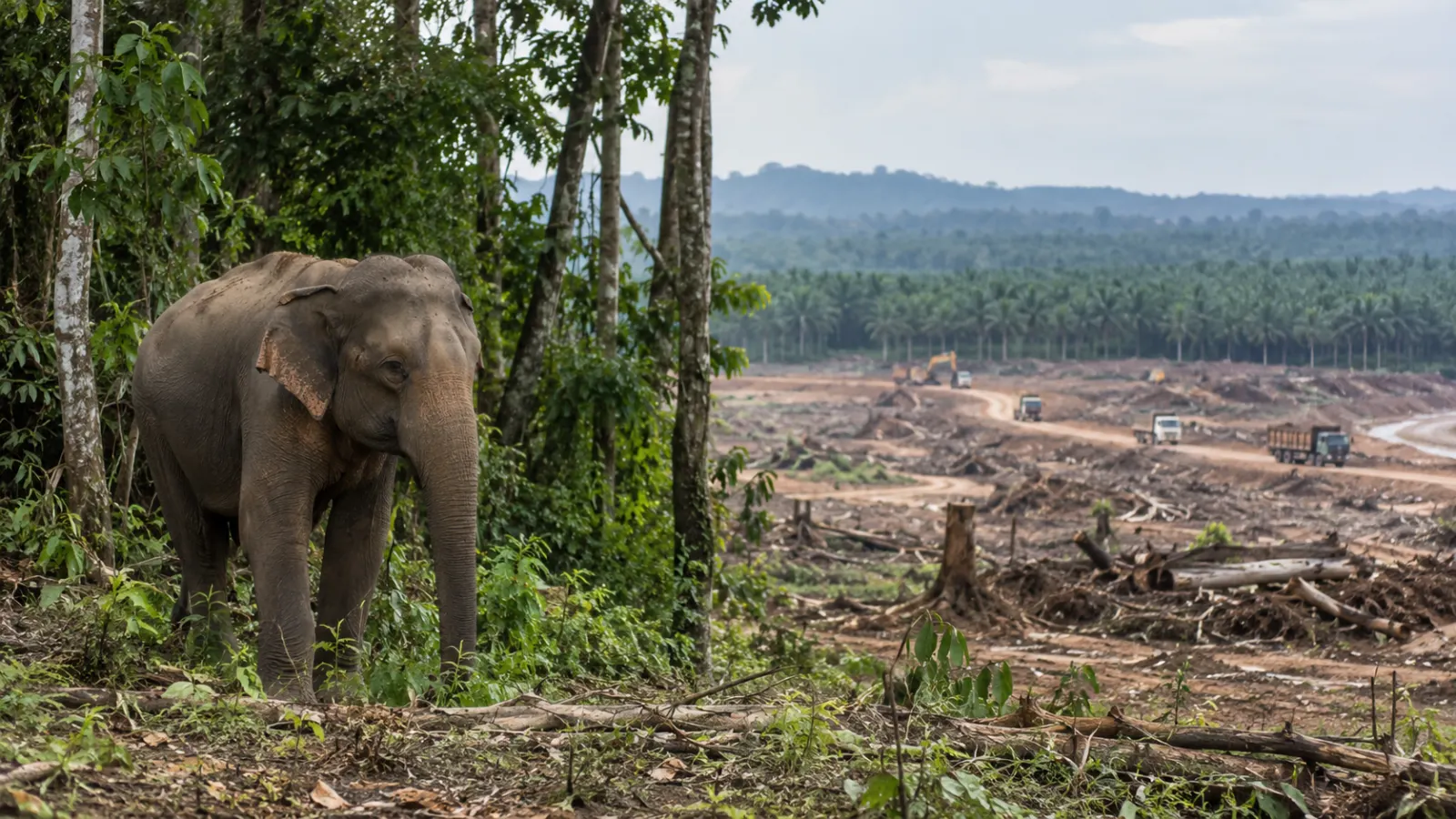
Why species go extinct usually involves a chain of pressures, including habitat loss, exploitation, invasive species, climate change and small populations.

Why species go extinct usually involves a chain of pressures, including habitat loss, exploitation, invasive species, climate change and small populations.

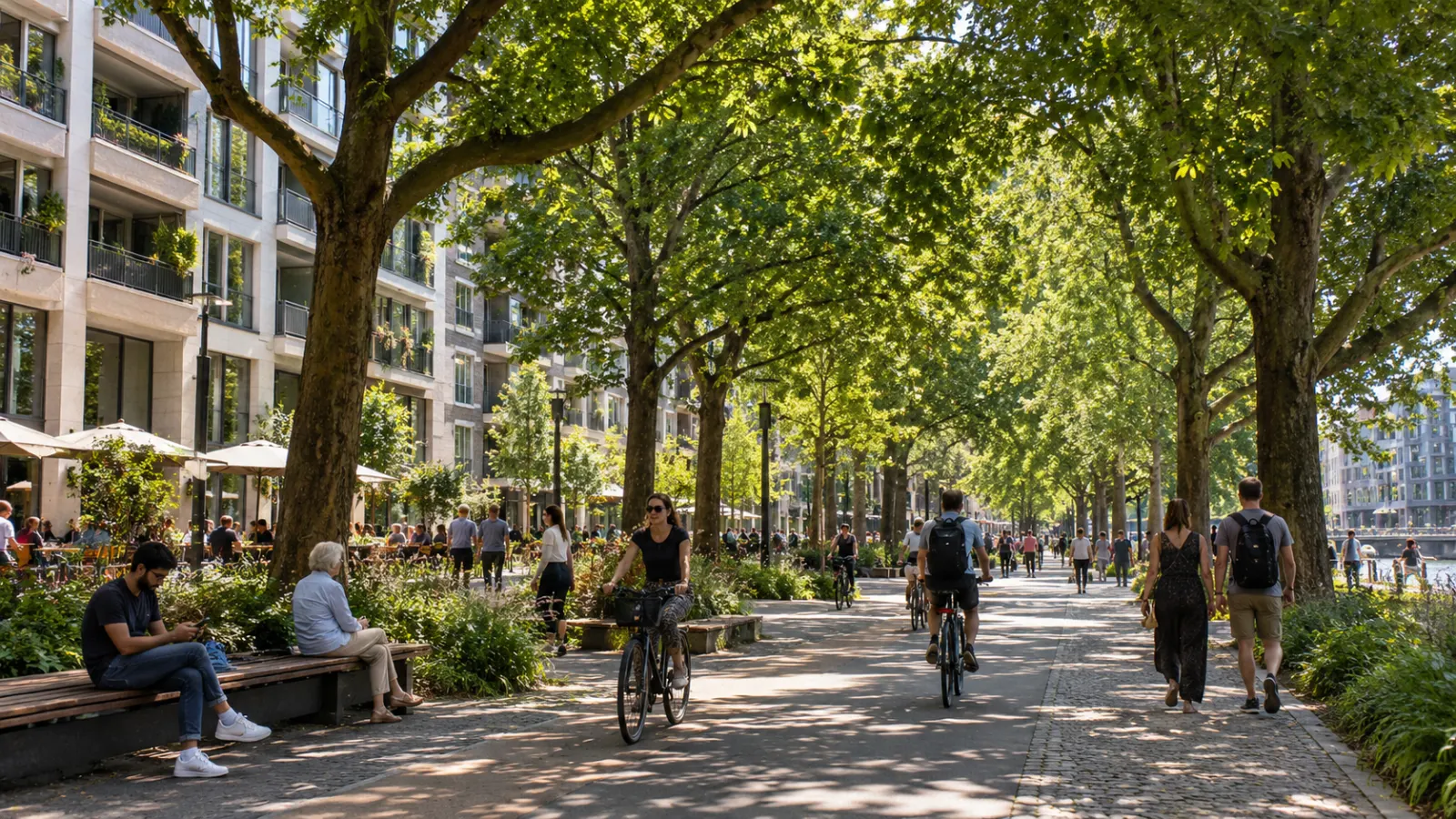
Urban green spaces support health, reduce heat, manage stormwater and improve city life. See why access, design and maintenance matter.

Plant-based diets and the environment are closely linked, especially when high-impact ruminant meat is replaced with nutritious plant foods.

The Slow Food movement links pleasure, biodiversity, sustainability and fairness through its idea of good, clean and fair food.

Organic farming changes how crops are grown and pests managed. Learn its benefits, yield gaps, pesticide rules and environmental trade-offs.

Pesticides and their impact depend on toxicity, exposure and use. Learn how they affect crops, human health, wildlife and resistance.

Sustainable agriculture balances food production with soil, water, biodiversity, climate, farm income and long-term resilience.

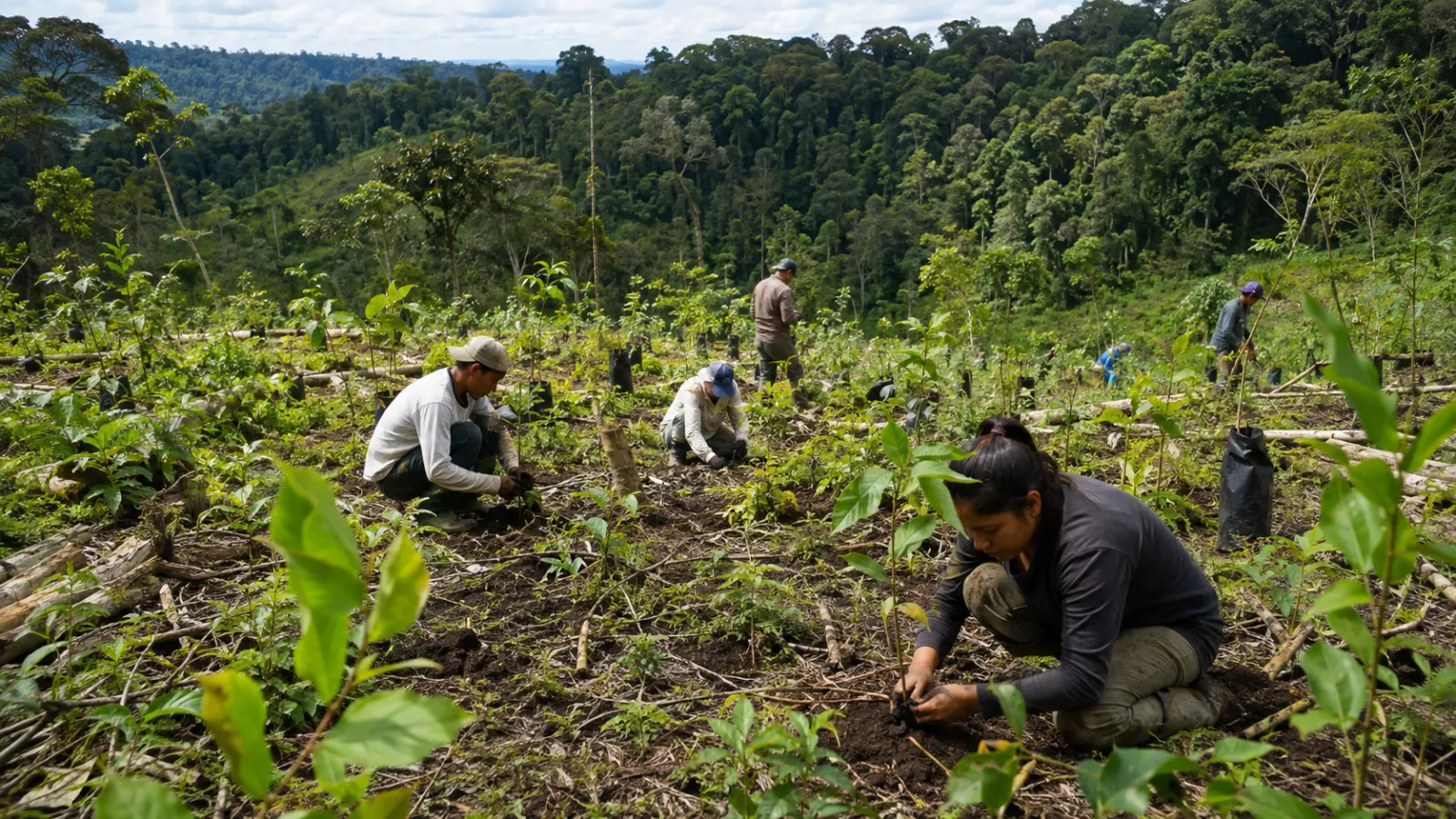
Reforestation restores lost forests through natural recovery or planting, helping biodiversity, climate, soils and landscapes recover.

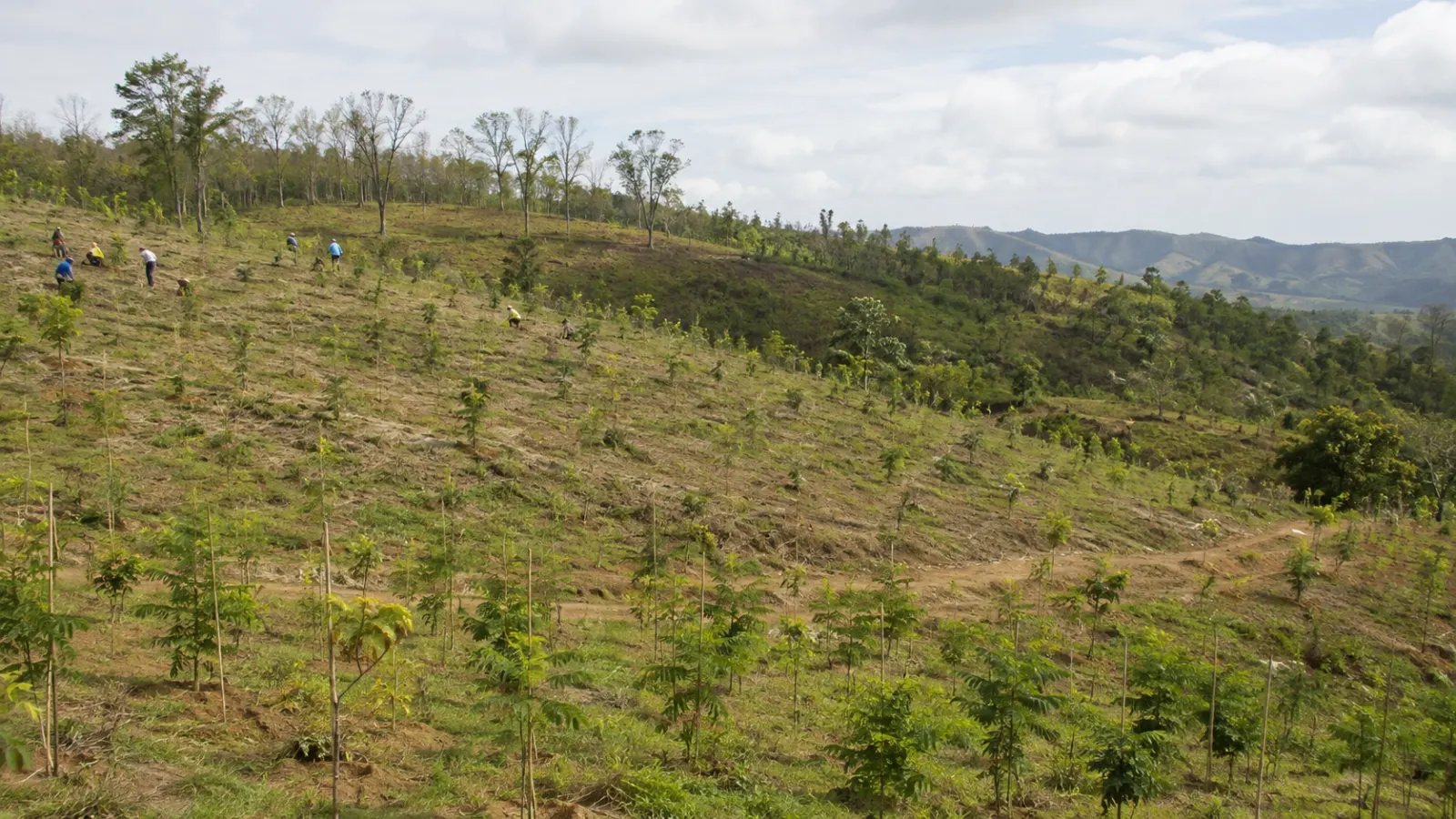
Afforestation creates new forests on non-forested land, but its climate, biodiversity and water benefits depend on choosing the right land and trees.

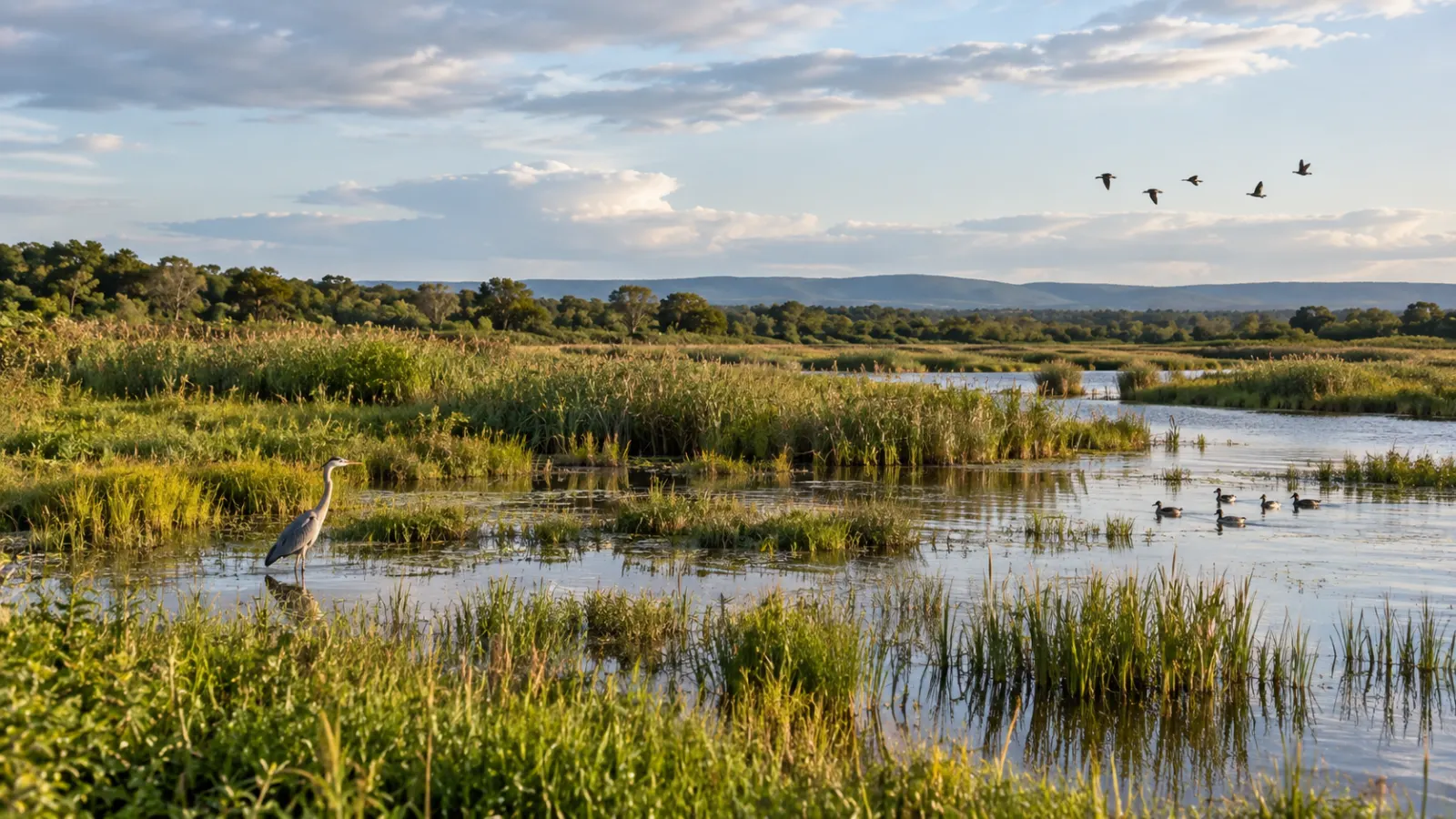
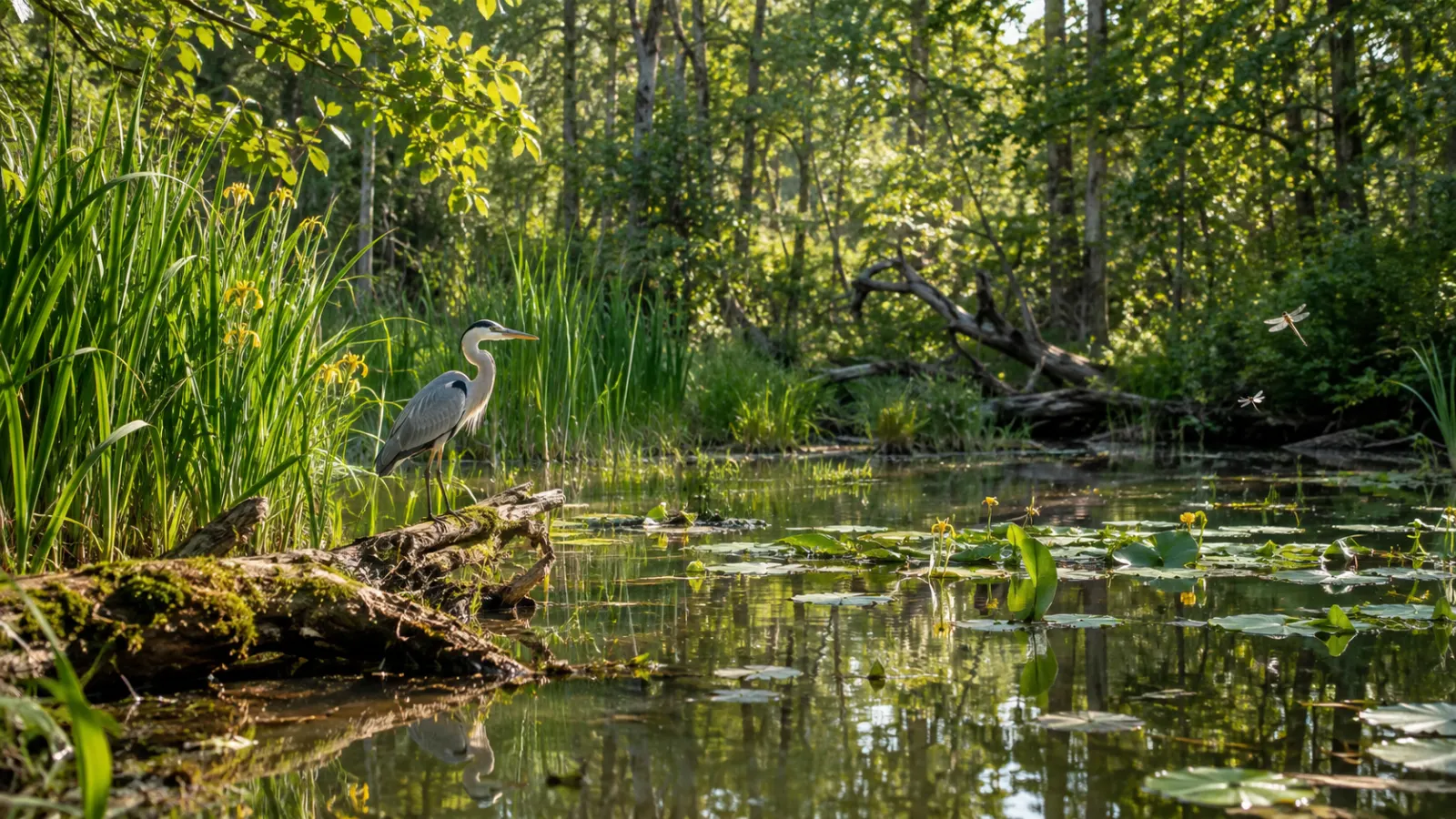
Why wetlands matter for flood control, clean water, biodiversity and climate—and why protecting their natural hydrology is essential.

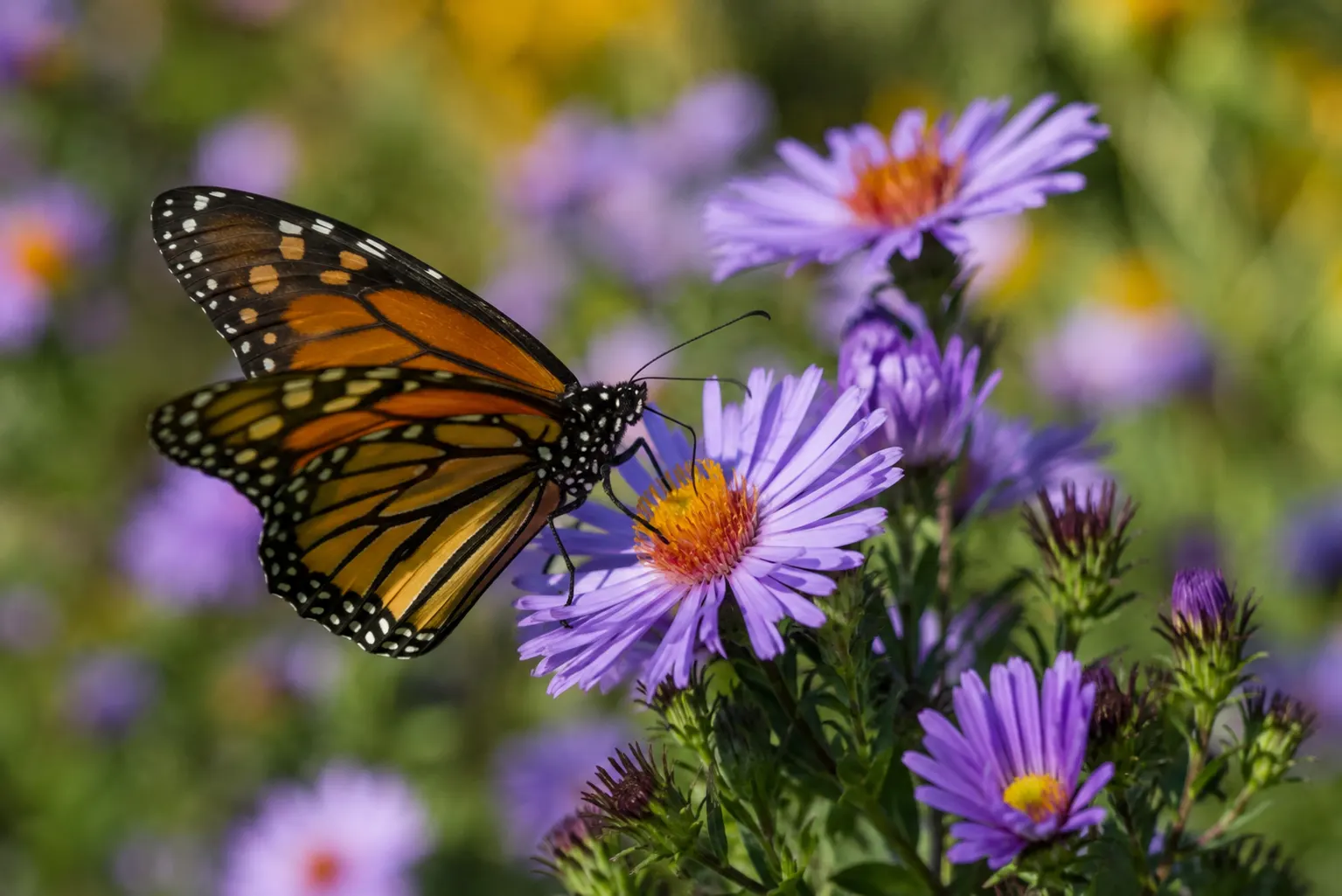
Pollinator species such as bees, butterflies, birds and bats help flowering plants reproduce, support crop yields and sustain biodiversity.

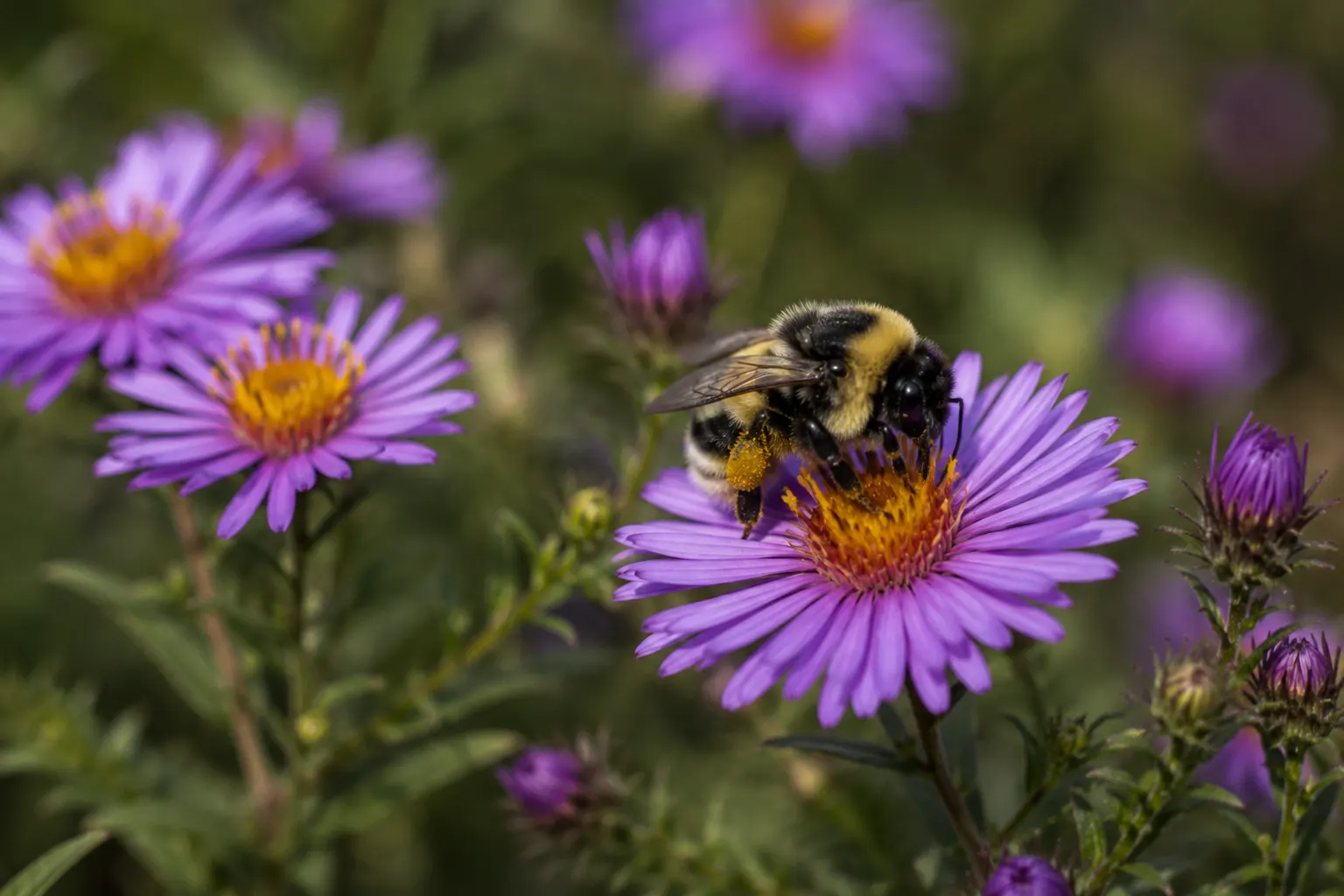
The familiar honey bee is only one member of a vast bee diversity. Wild solitary bees, bumble bees and managed species pollinate crops and native plants in different ways, making…

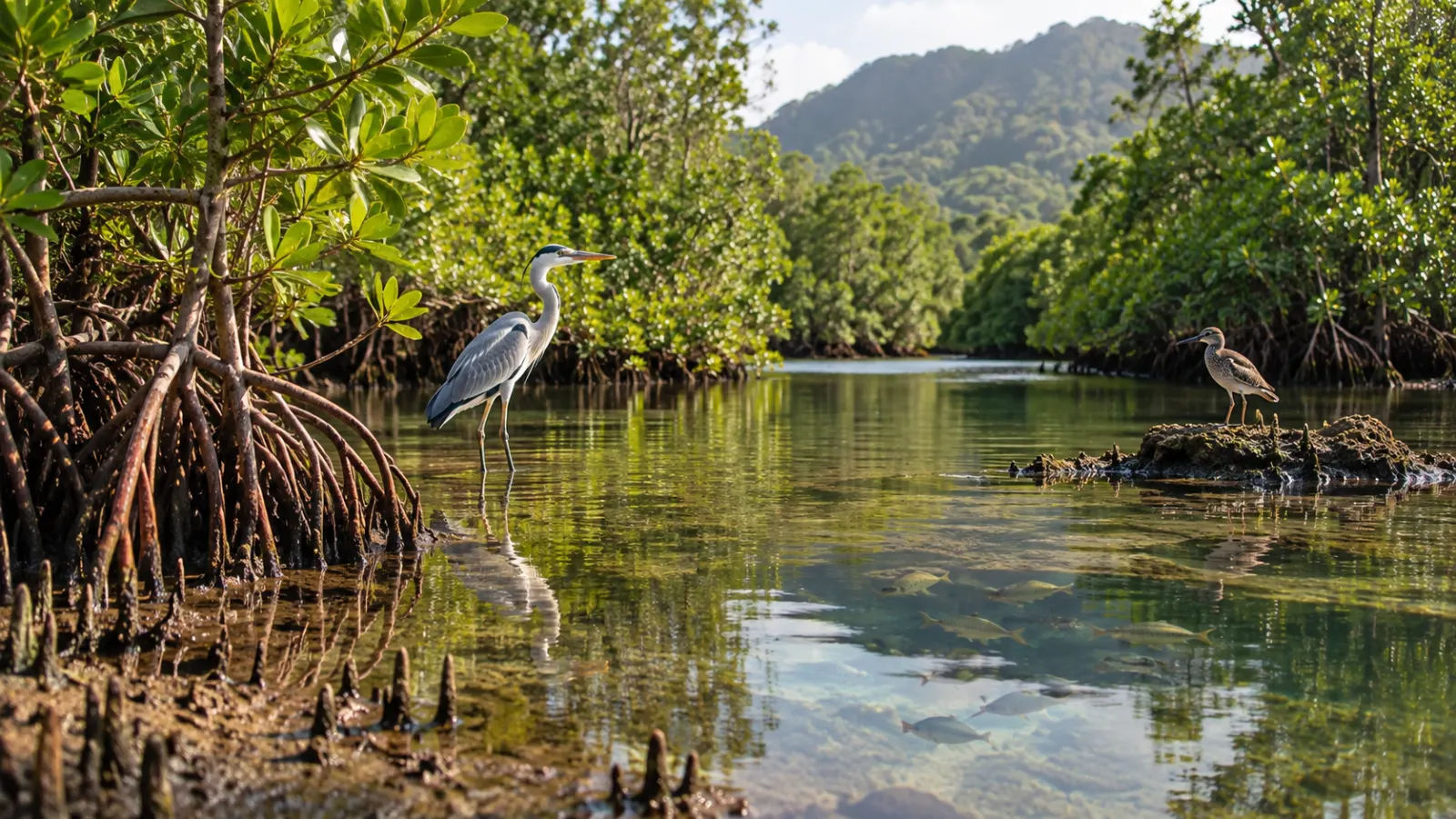
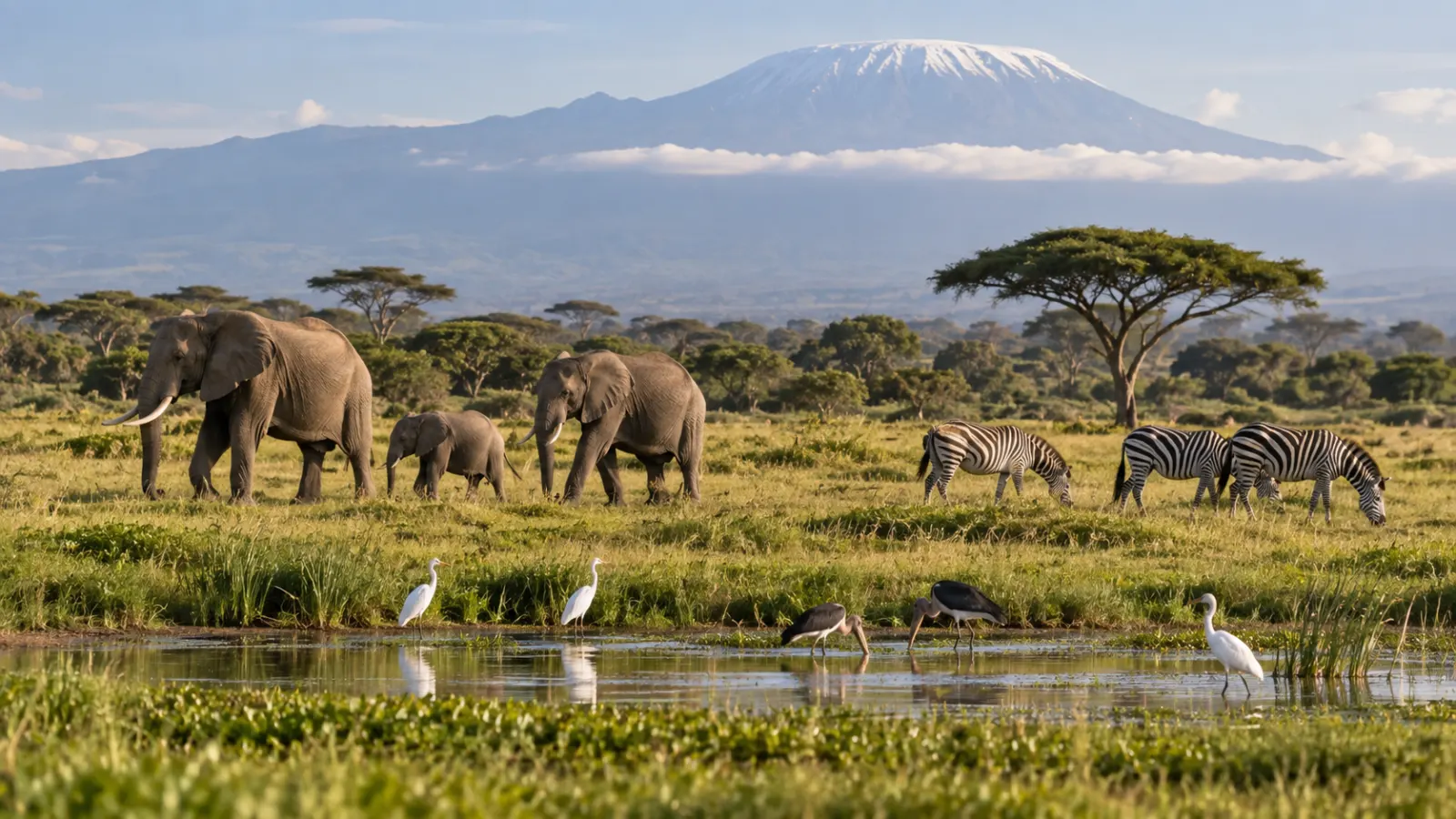
What is an ecosystem? Learn how living and non-living components interact through energy flow, nutrient cycles, food webs and ecological processes.

An ecosystem connects living organisms with their physical environment through energy flow, nutrient cycling, food webs, feedbacks and disturbance.

Why wildlife conservation matters for biodiversity, ecosystems and people—and why protecting habitats requires more than saving rare species.

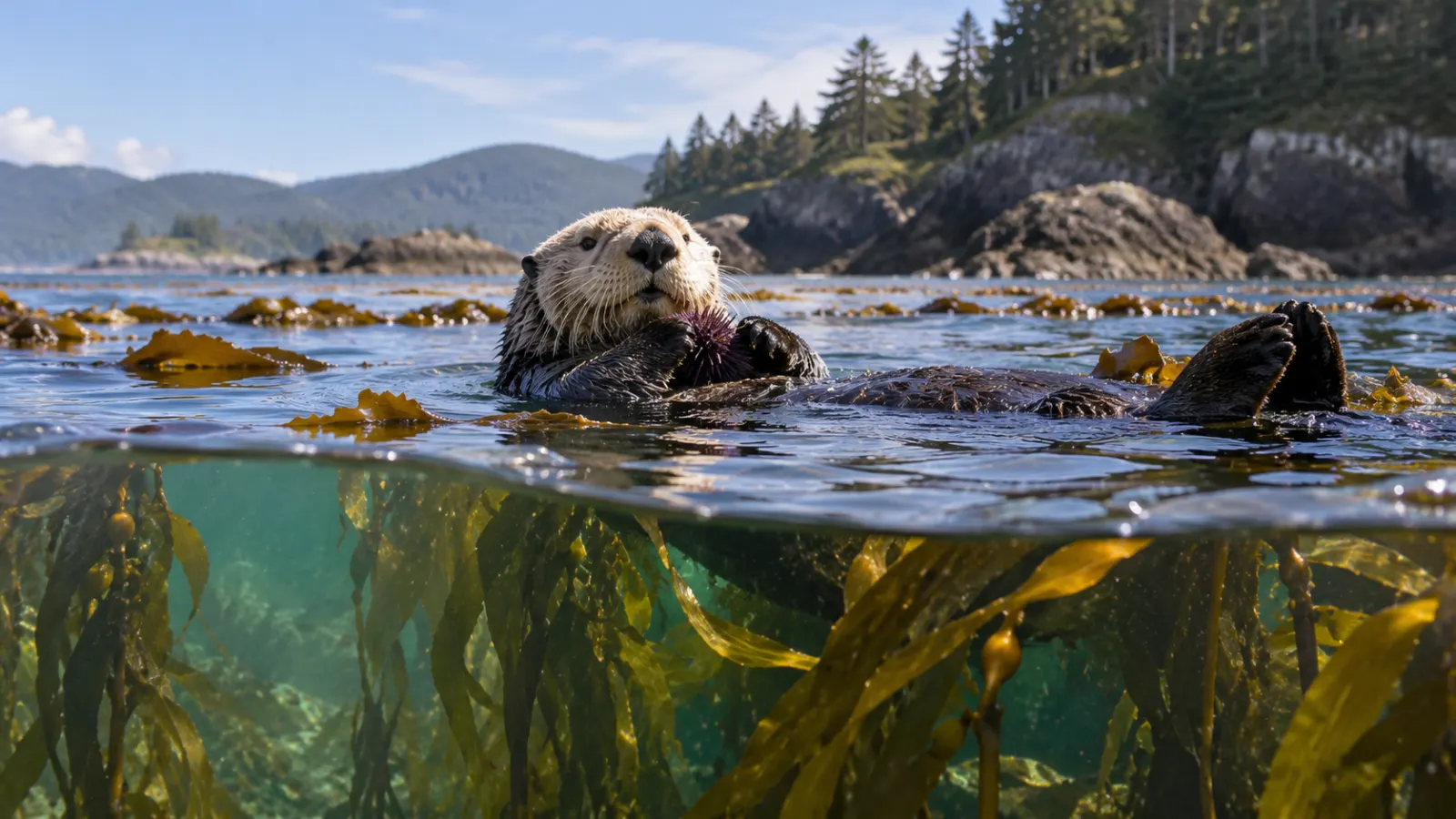
A keystone species can reshape an ecosystem despite low abundance. Learn how keystones work, how scientists identify them and why they matter.

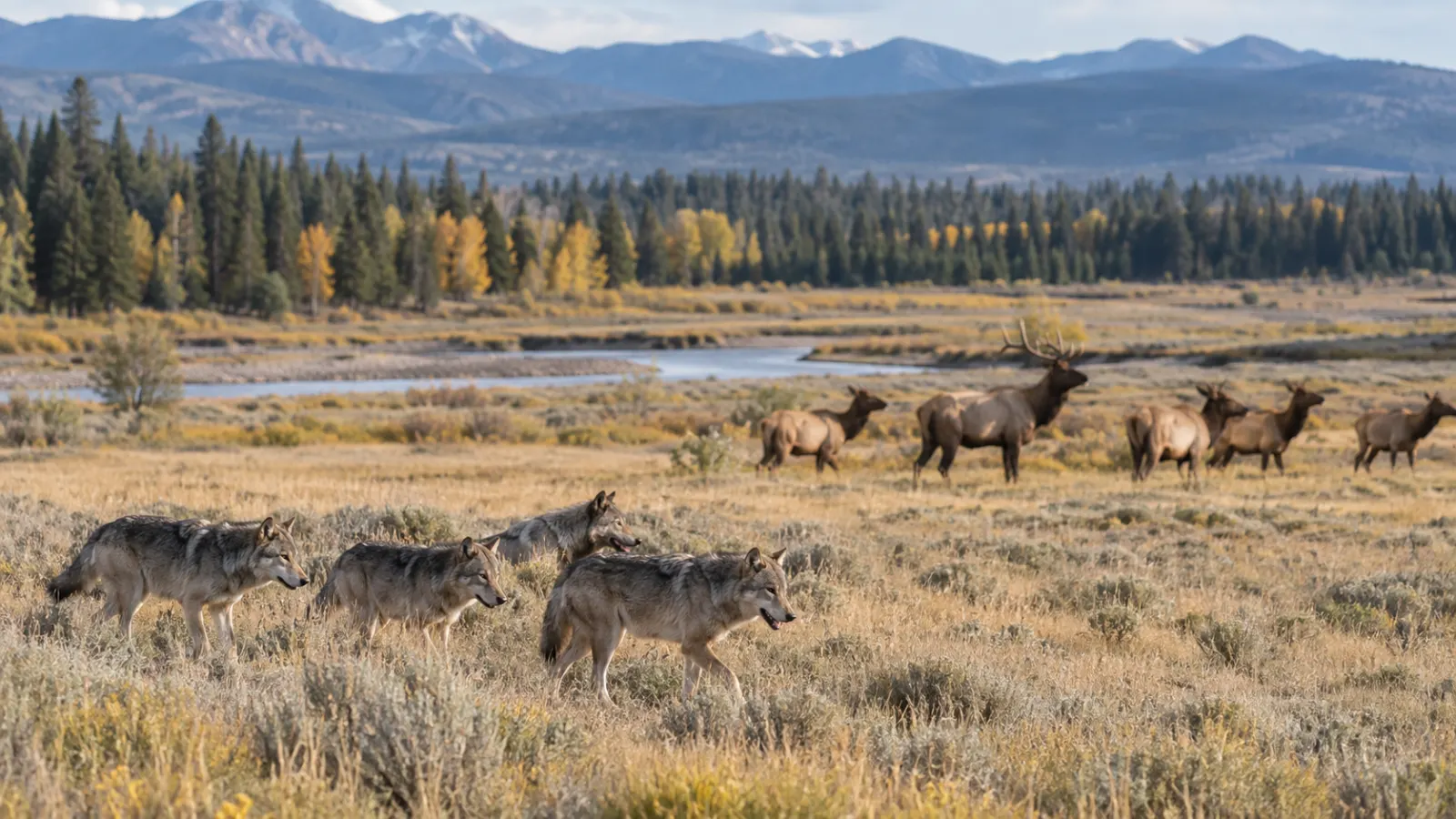
The role of predators in ecosystems includes shaping prey, food webs, scavenger communities and, in some cases, vegetation and habitats.