Pesticides and Their Impact: Crop Protection, Human Exposure and Environmental Risk
Pesticides and their impact cannot be understood through a simple argument that pesticides are either necessary tools or dangerous chemicals. Both descriptions can be true at the same time. Farmers use pesticides because insects, weeds, fungi, rodents and other organisms can destroy crops, reduce yields, damage stored food and threaten livelihoods. Yet substances designed to interfere with living organisms can also harm people, wildlife or ecosystems when hazardous properties and sufficient exposure come together.
The important scientific questions are therefore more specific: Which pesticide is being used? What organism is it intended to control? How hazardous is the active ingredient? How much is used? Who or what is exposed? How persistent is it? Where can it travel? Are effective alternatives available?
Those questions matter because the word pesticide covers an enormous range of products. Herbicides control unwanted plants. Insecticides target insects. Fungicides suppress fungal diseases. Rodenticides control rodents. Other pesticides target nematodes, mites, molluscs or organisms affecting stored products, forestry and public health. The products can differ dramatically in toxicity, persistence, mobility and mode of action.
A pesticide that degrades relatively quickly and targets a narrow biological mechanism presents a different risk profile from one that persists for years, accumulates in organisms or is highly toxic to many species. Treating all pesticides as though they were one chemical family therefore obscures rather than clarifies risk.
This is why modern pesticide assessment distinguishes between hazard and exposure. Hazard refers to the inherent capacity of a substance to cause harm. Exposure describes how much of the substance actually reaches a person or organism, by which route and for how long. Risk emerges from their combination. A highly hazardous substance may pose little risk in a situation where exposure is effectively prevented, while a substance with lower toxicity can still cause harm if exposure is large or repeated.
That principle sounds straightforward. Applying it across millions of farms, workers, ecosystems and food products is considerably harder.
Why Agriculture Uses So Much Pesticide
Crop protection is not an artificial problem created by chemical agriculture. Farming concentrates plants that humans want in particular places and seasons, creating abundant resources for other organisms.
A field containing thousands of genetically similar crop plants can provide favourable conditions for a pest adapted to that species. Weeds compete with crops for water, nutrients, light and space. Fungal diseases can spread rapidly when weather favours infection. Insects may damage leaves, stems, roots, fruits or grain. Stored products remain vulnerable after harvest.
Pesticides can provide rapid and relatively predictable control when the potential loss is large and time for intervention is short. This reliability helps explain why they became such an important agricultural input.
Their global use is substantial and continues to change. FAOSTAT's latest update, released in July 2026, estimates that agriculture used 3.92 million tonnes of pesticide active ingredients in 2024. That was 5% higher than in 2023, 18% higher than a decade earlier and more than double the level recorded in 1990. Global use averaged about 2.49 kilograms of active ingredient per hectare of cropland in 2024. (fao.org)
Those numbers demonstrate scale, but they should not be confused with a direct measure of danger.
One kilogram of one active ingredient is not environmentally or toxicologically equivalent to one kilogram of another. Some pesticides are applied at kilograms per hectare, while others are active at much smaller quantities. Toxicity, persistence, application frequency, formulation and exposure all differ. A country could reduce pesticide tonnage while switching to a more hazardous active ingredient, or increase tonnage through greater use of comparatively low-risk biological products.
For this reason, the environmental objective cannot simply be “use fewer kilograms”.
Better indicators include which active ingredients are being used, their hazard profiles, where they are applied, how often treatment occurs, what organisms are exposed, whether residues enter water or food, whether poisoning occurs and whether pest resistance is increasing.
At the same time, strategies to reduce pesticide use must recognise why farmers apply the products in the first place. Telling a grower not to spray does not solve an insect infestation capable of destroying the harvest. If non-chemical alternatives are too expensive, unreliable or unavailable, farmers face an economic incentive to return to whatever method protects the crop.
Sustainable pesticide reduction therefore has to solve both the ecological problem and the farm-management problem.
Pesticide Risk Depends on Where the Chemical Goes
Applying a pesticide to a crop does not guarantee that every molecule remains on the target organism.
Spray droplets can drift beyond a field during application. Rainfall can wash residues from crops or soil into drains, streams, ponds and rivers. Some compounds can move through soil toward groundwater. Eroding soil particles can transport chemicals attached to them. Dust from treated seeds can move during planting. Wildlife may consume treated seeds, contaminated prey or vegetation carrying residues.
People can also be exposed at different stages. Agricultural workers may encounter concentrated products while mixing or loading them, inhale droplets during spraying or contact treated surfaces after application. Families may be exposed if pesticides are stored improperly in homes. Communities living close to treated fields can experience spray drift. Consumers can encounter small residues through food or water.
Whether these pathways produce meaningful risk depends on the chemistry and the circumstances.
A strongly soil-bound pesticide behaves differently from a highly soluble compound. A product that degrades within days presents different long-term questions from a persistent chemical that remains in the environment for years. Applying a pesticide shortly before heavy rain creates a different runoff risk from applying it under dry conditions. Spraying during high winds changes the potential for drift.
FAO's pesticide-registration framework therefore evaluates risks to groundwater, surface water, aquatic organisms, bees, other non-target arthropods, birds, mammals and soil organisms rather than assuming that one environmental test can represent every exposure pathway. (fao.org)
Aquatic ecosystems illustrate the problem clearly. FAO identifies spray drift and runoff from treated land as major routes through which pesticides can reach aquatic species. Regulators may therefore require buffer zones, application restrictions, drift-reducing equipment or other controls when a particular pesticide presents unacceptable risks. (fao.org)
Risk mitigation is effective only when it is realistic, however. A label requiring specialised protective equipment has limited value where the equipment is unaffordable or unavailable. A buffer-zone requirement works only if users understand it and enforcement exists. FAO explicitly warns regulators to consider whether proposed risk-reduction measures can actually be implemented under local conditions. (fao.org)
This is why pesticide regulation cannot stop after calculating theoretical exposure under ideal use. It must also ask how products are used in real agricultural systems.
Environmental Effects Extend Beyond the Target Pest
A pesticide is normally selected because it interferes with a biological process. The difficulty is that ecosystems contain other organisms that may share similar biological mechanisms or become exposed indirectly.
An insecticide intended for a crop pest may also affect beneficial insects if they encounter a harmful dose. Pollinators can be exposed through direct spraying, contaminated flowers, residues or dust depending on the product and application method. Aquatic organisms can encounter pesticides that move into water. Soil organisms may experience repeated exposure where products are applied directly to the ground or residues reach the soil.
Herbicides can produce indirect ecological effects even when they do not poison wildlife directly. Removing non-crop vegetation changes the availability of flowers, seeds, cover and habitat. Insect populations can decline when the plants they depend upon become less abundant. Predators may then lose prey.
The ecological effect of pesticide use can therefore travel through food webs.
FAO's risk-mitigation guidance includes separate measures for limiting pesticide exposure and adverse effects involving bees, non-target arthropods, birds, wild mammals, aquatic organisms and soil organisms. Possible measures include reduced application rates, fewer applications, timing restrictions, no-spray buffers and drift-reduction technologies. (fao.org)
This does not mean every pesticide application produces major ecological damage. The result depends on the product, dose, timing, frequency, habitat and organisms present.
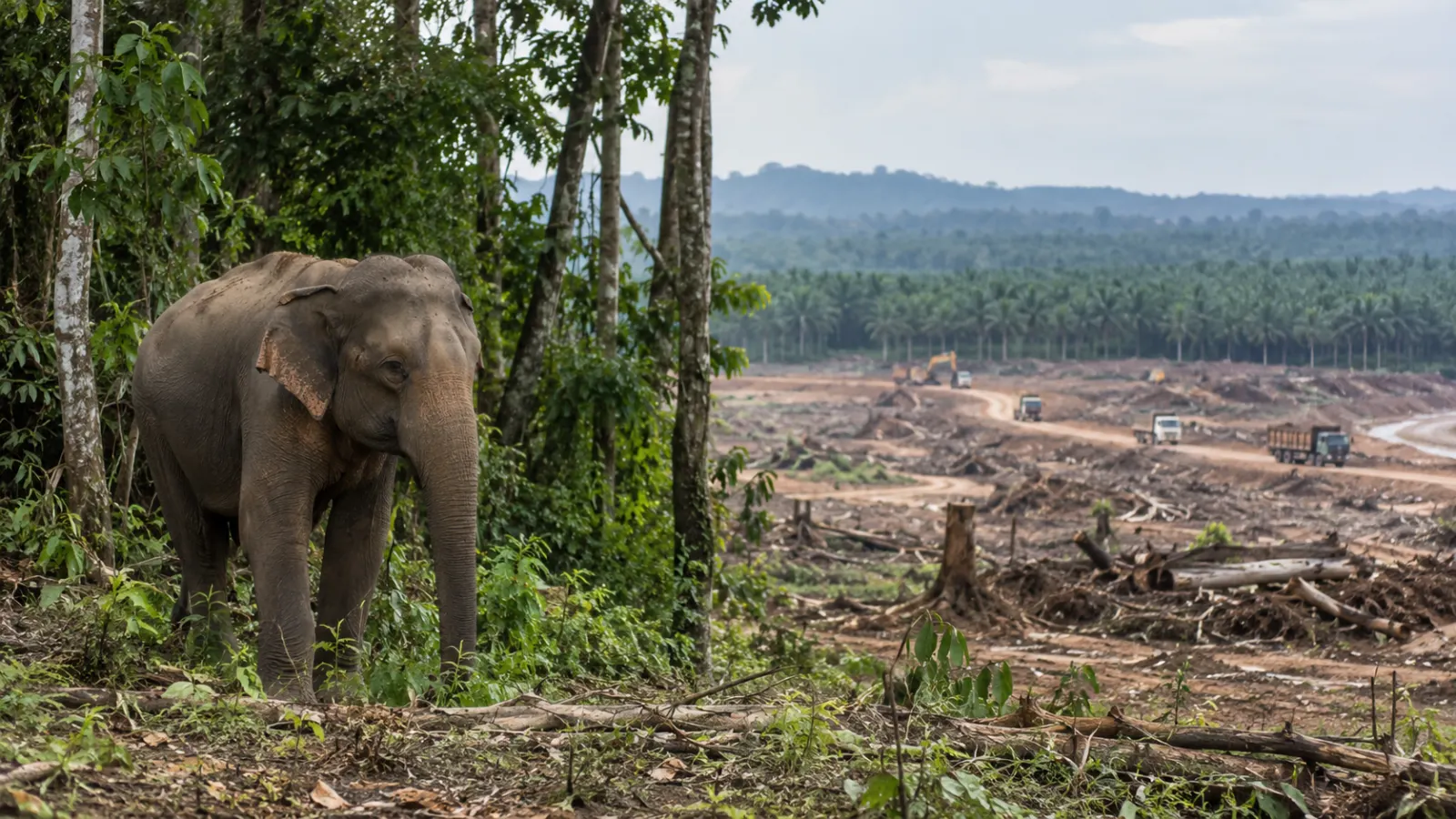
Nor should environmental discussion ignore the ecological consequences of losing a crop. Repeated crop failure can push farmers to cultivate additional land or use other forms of pest control that carry their own environmental costs. The meaningful comparison is between realistic crop-protection strategies, not between pesticide use and a hypothetical world in which pests disappear without intervention.
The same logic applies to pesticides described as “natural”.
Botanical, mineral and microbial pesticides can offer useful alternatives to conventional synthetic products, and some may have favourable environmental profiles. But natural origin does not prove safety. A naturally occurring compound can be biologically powerful precisely because plants or microorganisms evolved it as a defence.
Synthetic origin alone is equally uninformative.
Risk assessment should compare actual hazard, exposure, persistence, effectiveness and non-target effects—not use natural and synthetic as substitutes for toxicology.
Human Health Risk Is Highest Where Exposure Is Greatest
WHO states that pesticides are potentially toxic to humans and can produce both acute and chronic health effects depending on the substance and the amount and route of exposure. People facing the greatest health risks are generally those who work directly with pesticides or are present where pesticides are being applied. (who.int)
Acute poisoning can occur when someone receives a sufficiently large dose over a short period. Symptoms and severity vary by pesticide and can range from relatively mild illness to neurological effects, respiratory failure or death.
Long-term health questions are more complicated because “pesticides” do not have one chronic toxicity profile. Different active ingredients have different toxicological properties and evidence bases. Regulatory assessments may investigate carcinogenicity, reproductive and developmental effects, neurotoxicity, immunotoxicity and other endpoints depending on the chemical. The Joint FAO/WHO Meeting on Pesticide Residues continues to reassess individual substances and establish health-based guidance values used in international food-safety risk assessment. (who.int)
Claims that “pesticides cause” a long list of diseases without identifying a substance, dose and exposure pathway are therefore scientifically weak.
The opposite mistake is assuming that registration guarantees zero risk.
Regulatory approval normally means that authorities have judged specified uses acceptable when conditions and risk-reduction requirements are followed. That judgment depends on available evidence, expected exposure and actual compliance with restrictions. Poor handling, misuse, illegal products or inappropriate application can produce conditions very different from those assumed during approval.
This issue becomes particularly serious with highly hazardous pesticides.
FAO and WHO define highly hazardous pesticides as products recognised as presenting particularly high acute or chronic hazards to human health or the environment under internationally accepted classification systems, as well as products that may cause severe or irreversible harm under conditions of use in a country. (fao.org)
The phrase “under conditions of use” matters enormously.
Risk controls that work on a highly mechanised commercial farm may fail where workers cannot obtain protective clothing, labels are not understood, medical services are distant or products are stored in homes. The same chemical can therefore present different practical risk in different agricultural systems.
This is one reason international pesticide policy increasingly focuses not only on product characteristics but on whether risks can realistically be controlled.
Food Residues Need to Be Understood Differently From Occupational Exposure
Consumers often encounter pesticide debates through questions about residues on fruit and vegetables.
Food residues are a legitimate part of pesticide safety, but they should not be confused with the much larger exposures that can occur when workers mix or apply concentrated products.
WHO notes that regulatory systems establish maximum residue limits and use toxicological assessments to evaluate consumer exposure. Internationally, the Joint FAO/WHO Meeting on Pesticide Residues provides scientific evaluations that support Codex residue standards and dietary risk assessment. (who.int)
A residue being detectable does not automatically mean it presents a health risk. Modern analytical instruments can detect extremely small quantities of chemicals. The relevant question is whether the level and expected dietary exposure remain within the safety framework established for that substance.
At the same time, residue monitoring matters because limits work only if producers comply with authorised uses, pre-harvest intervals and application rates.
Food safety systems therefore depend on several layers: toxicological assessment, authorised agricultural practice, residue limits, surveillance and enforcement.
Older persistent pesticides create additional concerns because some can remain in soil and water for long periods and accumulate through food chains. WHO notes that several such compounds have been banned or restricted internationally because of their environmental persistence and health risks. (who.int)
The correct message is therefore neither “any pesticide residue means food is dangerous” nor “approved pesticides can never create consumer risk”.
Risk depends on the chemical, residue level and exposure.
Resistance Can Turn a Successful Pesticide Into a Failing One
Pesticide use also creates an evolutionary problem.
A pest population contains biological variation. When a pesticide kills susceptible individuals but a small number survive because of heritable traits, those survivors reproduce. Repeatedly using the same mode of action gives the resistant individuals a continuing advantage.
Over time, the pesticide becomes less effective.
This is not merely an inconvenience for farmers. Resistance can produce a cycle in which growers spray more frequently, use higher-cost products or switch to additional modes of action. If alternatives are limited, losing an effective pesticide can make crop protection substantially harder.
FAO identifies pesticide resistance and pest resurgence among the problems that contributed to the development of integrated pest management. Overreliance on pesticides can disrupt natural enemies while simultaneously selecting for pests able to survive the treatment. (fao.org)
Resistance management therefore aims to reduce selection pressure.
Strategies vary with the pest and pesticide but can include rotating modes of action, limiting unnecessary treatments, maintaining susceptible pest populations where appropriate and combining chemical control with crop rotation, resistant varieties, biological control and other non-chemical methods.
The underlying lesson is important: using a pesticide successfully today can reduce its usefulness tomorrow if the product is treated as an endlessly renewable solution.
Pesticides are biological technologies deployed against evolving organisms.
Integrated Pest Management Changes the Question From “What Should We Spray?” to “What Does the Crop Need?”
Integrated pest management, or IPM, offers one of the most important frameworks for reducing pesticide dependence without pretending that farmers can ignore pest losses.
FAO defines IPM as the careful consideration and integration of available pest-control techniques in ways that discourage pest populations, maintain healthy crops and minimise pesticide use and the associated risks to people and the environment. The approach combines biological, physical, cultural and chemical management rather than treating chemical control as the automatic starting point. (fao.org)
An IPM programme can begin long before a pest outbreak occurs.
Farmers may choose resistant varieties, rotate crops, adjust planting dates, remove infected crop residues, manage weeds, encourage natural enemies or use physical barriers. Fields can be monitored through scouting, traps or disease-warning systems. Treatment decisions can then be linked to pest populations and expected economic damage rather than calendar dates.
A pesticide remains an available tool when those measures are insufficient.
That is a crucial distinction. IPM does not necessarily mean zero pesticide use. It changes the order of decisions.
Instead of asking which pesticide to apply routinely, the farmer asks whether a pest is present at a level requiring intervention, whether biological or cultural controls are adequate, whether a chemical treatment is economically justified and, if so, which option controls the pest with acceptable risk.
Better information makes this approach increasingly practical. Field scouting, pheromone and insect traps, weather-based disease forecasting, remote sensing and local warning systems can help growers identify where and when pest pressure is developing. Precision equipment can target treatment more narrowly than blanket application.
These technologies do not remove uncertainty. They improve the information on which decisions are based.
FAO describes IPM not as a single technology package but as a continuing decision-making process grounded in the ecology of the field. (fao.org)
This makes farmer knowledge central. A monitoring system is useful only if someone can interpret the signal and respond before economic damage becomes unacceptable.
Regulation Has to Manage the Entire Pesticide Lifecycle
Pesticide safety does not begin when a farmer starts spraying.
Products must be evaluated before they reach the market. Manufacturing quality matters because impurities or incorrect concentrations can change risk. Dealers need to sell authorised products. Labels need to communicate approved crops, doses and protective measures. Users require appropriate training and equipment. Containers and obsolete pesticide stocks require safe disposal.
Illegal and counterfeit pesticides can bypass much of this system.
FAO therefore treats pesticide management as a lifecycle problem, covering regulatory and technical measures from registration and selection through use and final waste management. Its risk-reduction approach includes legislation, institutional capacity, lower-risk product selection, rational use and management of pesticide waste and obsolete stocks. (fao.org)
Registration is particularly important because it allows authorities to decide whether a product's expected benefits and risks justify particular uses and whether proposed controls can realistically reduce exposure.
Possible risk-reduction measures include protective equipment, restrictions on where or when a product may be applied, lower application rates, fewer treatments, buffer zones, drift-reducing nozzles and prohibitions on certain application methods. (fao.org)
But regulatory design has to recognise conditions on the ground.
A complex label cannot protect a worker who cannot read it. Protective clothing that is intolerable in extreme heat may not be worn consistently. A ban is ineffective when illegal markets remain strong. An empty-container rule does little if no collection system exists.
Effective pesticide governance therefore depends on institutions: extension services, laboratories, residue monitoring, customs enforcement, poison-control information, farmer training and functioning systems for withdrawing dangerous or obsolete products.
A safe product on paper can become unsafe when those institutions fail.
The Better Goal Is Lower Risk and Lower Dependence
Pesticide debates often become arguments about whether agriculture should use chemicals at all.
That framing is too blunt to guide good policy.
Crop pests are real. Agricultural losses have economic, environmental and food-security consequences. Pesticides can remain useful tools when they provide effective control at acceptable risk.
But widespread use also creates occupational exposure, environmental contamination, effects on non-target organisms and evolutionary pressure for resistance. Some highly hazardous products present risks that are particularly difficult to control under real-world farming conditions.
The strongest strategy is therefore not simply to maximise or minimise pesticide tonnage.
It is to reduce unnecessary dependence and reduce risk when pesticides remain necessary.
That means designing cropping systems that prevent pest outbreaks where possible, monitoring fields before treating them, using resistant varieties and biological control, improving crop rotation, preserving natural enemies, applying pesticides only when justified, selecting lower-risk options where effective and improving application precision.
It also means removing or replacing highly hazardous pesticides where risks cannot be controlled, enforcing realistic registration conditions and measuring outcomes more intelligently than by kilograms sold.
Agriculture will probably continue to use pesticides for the foreseeable future because no single alternative can reliably control every weed, pathogen or insect under every farming condition.
But the amount of crop protection that must come from pesticides is not fixed.
The long-term objective is a farming system in which ecology, crop genetics, monitoring and agronomy prevent as much damage as possible before chemical intervention becomes necessary.
When a pesticide is used, the decision should be specific rather than automatic: this pest, in this crop, at this level, under these conditions, requires this intervention—and the risks to workers, consumers, water, wildlife and future pesticide effectiveness have been considered.
That is a more useful standard than asking whether pesticides themselves are simply good or bad.
The real question is whether agriculture can protect crops while steadily reducing the unnecessary harm created in the process.