Why Wildlife Conservation Matters: Species, Ecosystems and Our Future
Wildlife conservation is often represented by an endangered tiger, rhinoceros, elephant, whale or rare bird. Protecting threatened species is certainly part of conservation, but focusing only on charismatic animals can hide the larger objective. Understanding why wildlife conservation matters requires looking beyond individual species to the habitats, genetic diversity, ecological relationships and natural processes that allow wild populations to survive and function over generations.
A population can remain technically alive while losing much of what makes it ecologically viable. Animals may survive in one isolated reserve but disappear from most of their former range. A species may increase in number while losing genetic diversity, becoming increasingly dependent on intensive management or no longer performing its historical ecological role. Modern conservation therefore asks more than whether the final individuals have avoided extinction; it asks whether wild populations are viable, connected and able to function as part of healthy ecosystems.
This broader approach is reflected in international biodiversity policy. The Convention on Biological Diversity has three central objectives: conserving biological diversity, using its components sustainably and sharing benefits from genetic resources fairly and equitably. Biodiversity itself includes variation within species, between species and across ecosystems, which means conservation cannot be reduced to maintaining a list of famous animals.
The urgency is also much larger than the fate of a handful of endangered species. Guidance for the Kunming-Montreal Global Biodiversity Framework notes that human activity has greatly increased extinction risk and that roughly one million species are threatened with extinction. The same framework recognises that genetic diversity, ecological function and human-wildlife coexistence must be addressed alongside preventing extinction.
Conservation protects ecological relationships, not just individual species
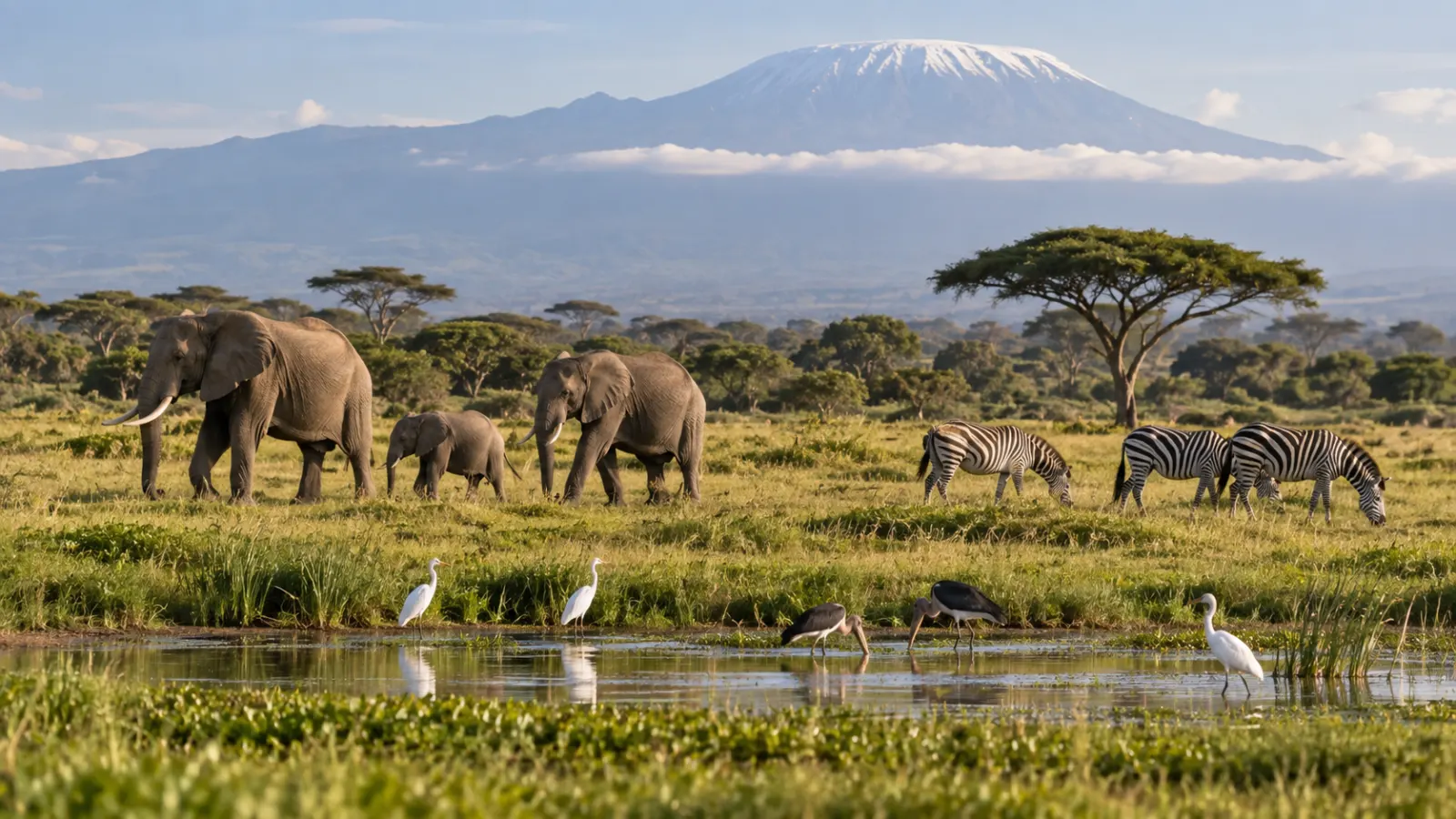
Species do not live independently. Predators influence the abundance and behaviour of prey, herbivores shape plant communities, pollinators enable reproduction in flowering plants, scavengers process carcasses, decomposers recycle nutrients and seed-dispersing animals help plants colonise new areas. These relationships create food webs and ecological processes that can weaken long before a species becomes globally extinct.
A species may, for example, remain present but become too rare to perform its former ecological function. Large seed-dispersing animals can disappear from much of a forest while a small surviving population remains elsewhere. A predator may still exist nationally but vanish from landscapes where it once influenced prey behaviour. Conservation therefore has to consider ecological function, not merely whether a species can still be found somewhere.
This distinction is increasingly built into conservation measurement. The IUCN Green Status of Species complements extinction-risk assessment by asking how far a species has recovered across its range and whether it is performing its ecological roles. Under that framework, a fully recovered species must be viable, ecologically functional and represented across an appropriate portion of its range. A species that survives only because intensive conservation continues indefinitely may have avoided extinction without yet achieving full recovery.
Genetic diversity forms another layer of the same problem. A species may contain thousands of individuals and still lose important genetic variation if populations become small, fragmented or isolated. Genetic variation gives populations more biological options when facing disease, changing climate, new competitors or other environmental pressures. The Global Biodiversity Framework therefore specifically calls for maintaining and restoring genetic diversity within and between populations so that species retain greater adaptive potential.
This is one reason conserving several connected populations may be more valuable than concentrating every surviving individual in a single protected site. Habitat corridors and connected landscapes can allow dispersal, migration and gene flow between populations, although corridors must be designed around the biology and risks of particular species. IUCN guidance describes ecological connectivity as important for migration, pollination, seed dispersal, nutrient cycling, hydrology and climate resilience, making connectivity a broader ecosystem issue rather than merely a route between two reserves.
Conservation therefore protects several layers simultaneously: individual organisms, populations, genetic variation, species interactions, habitats and ecological processes. Losing one layer can weaken the others even when extinction has not yet occurred.
Protected areas matter, but hectares alone do not guarantee conservation
Habitat loss and degradation are major drivers of wildlife decline, which makes protected areas an essential conservation tool. The Kunming-Montreal Global Biodiversity Framework sets a global target for at least 30% of terrestrial and inland-water areas and at least 30% of coastal and marine areas to be effectively conserved and managed by 2030. The target is widely described as “30 by 30,” but its actual wording contains several qualifications that are just as important as the percentage itself.
Target 3 calls for conservation systems that are ecologically representative, well connected and equitably governed, with particular attention to places important for biodiversity and ecosystem functions. It also recognises Indigenous and traditional territories where applicable and requires conservation areas to be integrated into wider landscapes, seascapes and the ocean. Simply drawing boundaries around 30% of a map would therefore not satisfy the ecological purpose of the target.
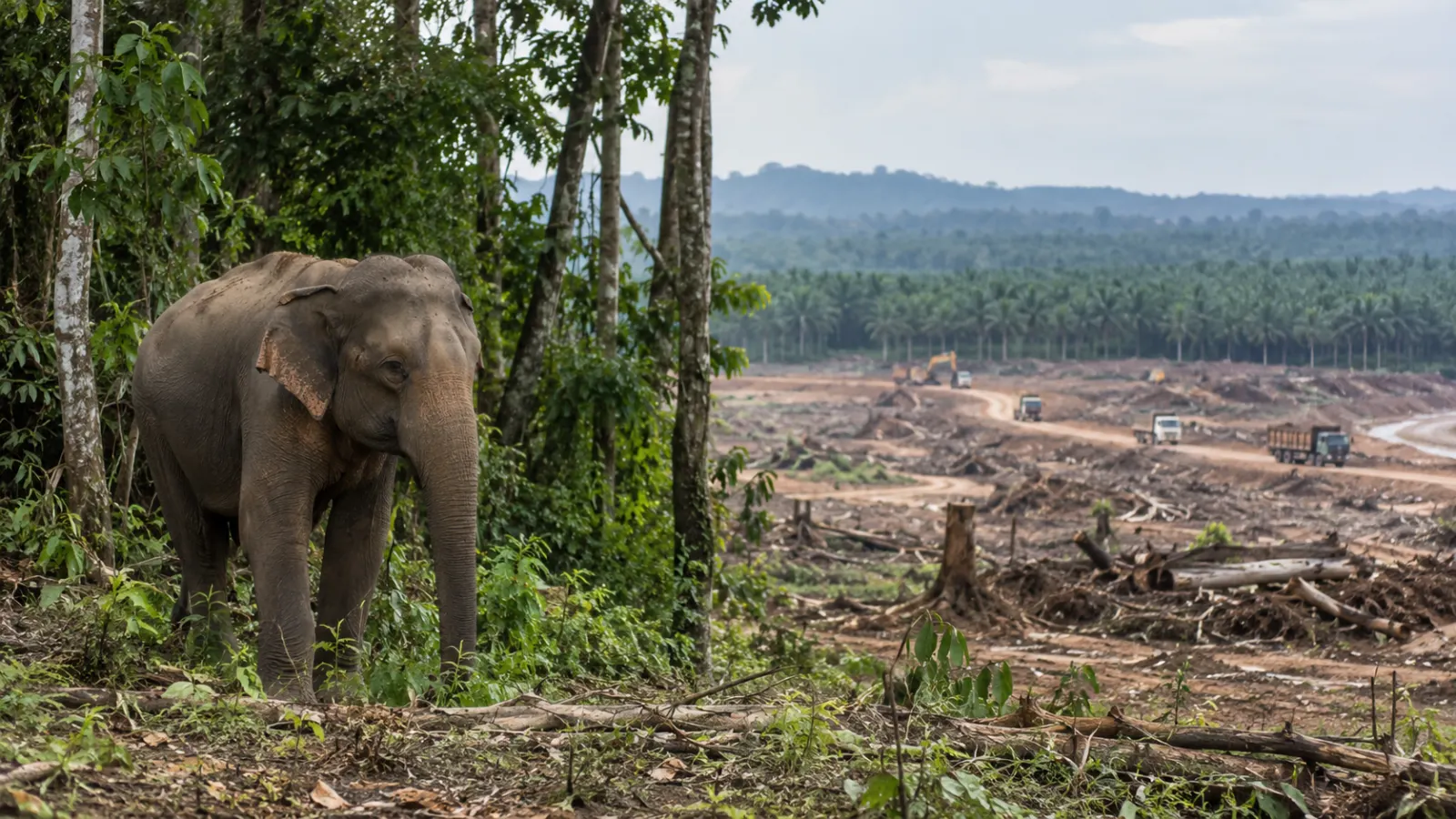
A protected area can exist legally while still suffering from illegal hunting, invasive species, pollution, poorly planned tourism, road construction or inadequate management. Wildlife inside an isolated reserve may also remain vulnerable if migration routes, seasonal feeding grounds or surrounding ecosystems disappear. Conservation effectiveness therefore depends on what is protected, how it is managed, whether ecological processes continue and whether governance is legitimate, not only on the nominal number of hectares covered.
Restoration is also part of the global biodiversity strategy. The framework separately calls for at least 30% of degraded terrestrial, inland-water, coastal and marine ecosystems to be under effective restoration by 2030. Restoration can involve reconnecting rivers with floodplains, restoring native vegetation, controlling invasive species, repairing wetlands, recovering breeding habitat or allowing natural ecological processes to return. The correct intervention depends on what caused degradation in the first place.
Climate change makes the problem even more dynamic because habitat that is suitable today may become less suitable in future decades. Changes in temperature, rainfall, sea level, fire regimes and seasonal timing can shift the places where species are able to survive. A network of connected habitats can give some species opportunities to move, recolonise areas after local losses and track changing environmental conditions, although connectivity cannot protect every species from every climate impact.
Protected areas should therefore be understood as part of a wider conservation network rather than ecological islands. Effective conservation may involve formally protected reserves, other conservation measures, wildlife corridors, working landscapes, community-managed areas and restoration zones. What matters ultimately is whether the combined landscape can maintain viable populations and functioning ecological systems.
Wildlife conservation increasingly includes people, livelihoods and sustainable use
Conservation is sometimes portrayed as a simple conflict between humans and nature: people use landscapes, while conservation removes people from them. That description fits some historical approaches but does not accurately reflect the full range of modern conservation policy. Many of the world’s biologically important landscapes are also places where people live, farm, fish, graze livestock, harvest plants, practise cultural traditions and depend directly on natural resources.
The Convention on Biological Diversity makes sustainable use one of its three core objectives and defines it around avoiding long-term decline in biodiversity. Article 10 calls for conservation and sustainable use to be integrated into decision-making, for adverse impacts to be minimised and for customary biological-resource use compatible with conservation requirements to be protected and encouraged. Conservation therefore does not automatically mean that every form of human use must end.
The important distinction is between use and overuse. Fishing can provide food and livelihoods without necessarily destroying a fish population if harvest remains within ecological limits and governance is effective. Forest products, wild plants and other species can sometimes be used sustainably, while the same activities can become destructive when extraction exceeds regeneration, trade encourages overexploitation or rules are weak. The 2022 IPBES assessment on the sustainable use of wild species examines practices including fishing, gathering, logging and terrestrial animal harvesting precisely because sustainability depends on biological conditions, scale, institutions and management rather than on the simple presence or absence of human use.
Local rights and incentives matter for another practical reason: conservation often lasts only when the people bearing its costs see the system as legitimate. Establishing a protected area can restrict access to grazing, fishing, timber or other resources. Recovering predators may increase livestock losses, while elephants and other large mammals may damage crops or create direct safety risks. Ignoring those costs can turn wildlife conservation into a burden imposed on communities that receive few of its wider benefits.
Human-wildlife conflict is therefore now explicitly included in the Global Biodiversity Framework. Target 4 calls for managing human-wildlife interactions in ways that minimise conflict and support coexistence. Depending on the landscape, approaches can include better livestock protection, early-warning systems, crop barriers, compensation or insurance, land-use planning and community participation. None of these methods can guarantee that conflict disappears, but they can reduce losses and make the costs of living alongside wildlife less concentrated on a small number of people.
Trade-offs remain unavoidable. Restricting fishing may help depleted stocks recover while imposing short-term costs on fishing communities. Protecting predators can restore ecological processes while increasing risks to livestock. Expanding protected areas can create land and access disputes if communities are excluded from decisions. These conflicts do not mean conservation should be abandoned; they mean governance, participation, compensation and transparency are part of conservation rather than separate social issues.
This is also why Indigenous peoples and local communities increasingly appear explicitly in international conservation targets. Their knowledge, territorial rights and management institutions can be highly relevant to biodiversity outcomes, while conservation policies that disregard legitimate rights can generate displacement, conflict and resistance. A conservation programme should therefore be judged not only by its biological ambition but by whether its governance can sustain those outcomes fairly over time.
Species recovery requires removing threats, measuring results and sometimes intervening directly
Habitat protection alone is not sufficient for every threatened species. When populations become very small or when a specific threat is severe, conservation may require targeted interventions such as controlling invasive predators, reducing accidental fishing bycatch, preventing illegal hunting, restoring breeding sites, treating disease, providing temporary supplementary food or reintroducing species to parts of their former range. The correct intervention depends on what is actually driving the decline.
This distinction is crucial because increasing numbers without addressing the cause can create only temporary success. Captive breeding, for example, may produce more individuals, but those animals cannot establish a self-sustaining wild population if their habitat continues to disappear or if the original cause of mortality remains unchanged. Conservation planning therefore begins with diagnosing threats and then designing interventions that reduce those pressures.
The Global Biodiversity Framework distinguishes between in-situ conservation, which maintains species within their natural ecosystems, and ex-situ conservation, which protects organisms or genetic material outside those settings. Zoos, botanical gardens, seed banks, tissue collections and captive-breeding programmes can become important insurance when wild populations are critically small. Target 4 specifically recognises both approaches as potential tools for species recovery and genetic conservation.
Ex-situ conservation, however, protects only part of what can disappear when a wild ecosystem is lost. A tiger living permanently in captivity no longer performs the ecological role of a predator in its natural food web. A plant preserved in a seed bank retains genetic material but does not provide food, shelter or ecological interactions in the landscape from which it disappeared. Captive populations and genetic collections are therefore usually complements to habitat conservation rather than complete substitutes for it.
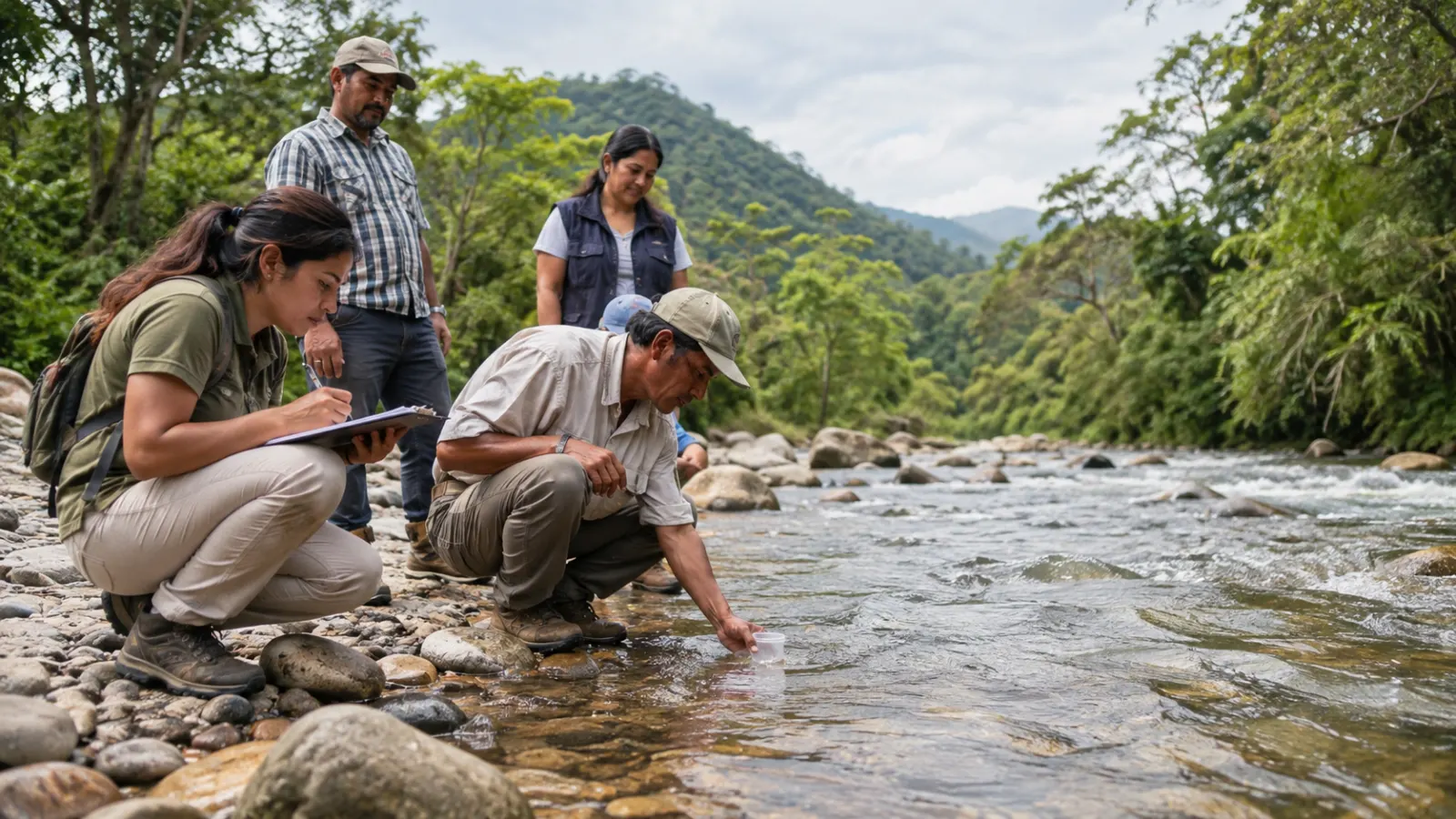
Monitoring is what determines whether these interventions are actually working. Camera traps, acoustic recorders, satellite imagery, genetic sampling, mark-recapture studies, field surveys and community observations can all contribute to measuring populations, habitat condition and threats. Different species require different methods, but the principle is the same: conservation should be evaluated through ecological outcomes rather than through announcements, money spent or the number of projects launched.
Monitoring also allows adaptive management. If a protected area is losing wildlife despite legal protection, managers need to identify whether poaching, habitat change, disease, fire, invasive species or another factor is responsible and change the intervention accordingly. Conservation is therefore better understood as a continuing cycle of measurement, action and adjustment than as a one-time decision to declare an area protected.
Success should also be measured carefully. A population that grows from 100 to 300 individuals may represent an important achievement, but its long-term status still depends on reproduction, genetic diversity, habitat security, geographic distribution and continuing threats. The IUCN Green Status was developed partly to broaden conservation success beyond survival by assessing recovery, ecological function and conservation dependence.
This does not mean conservation cannot work. The IUCN framework itself was designed partly to recognise cases where conservation action prevented extinction or supported genuine recovery. The more useful lesson is that success means more than avoiding the final loss of a species; the long-term goal is to restore populations sufficiently that they can persist and function with progressively less emergency intervention.
Conservation protects human interests without reducing nature to money
Wildlife conservation is sometimes defended in economic language because human societies depend on functioning ecosystems. Fisheries rely on productive food webs and nursery habitats. Agriculture depends partly on pollination, soils, water and genetic resources. Forests, wetlands, mangroves and other ecosystems can contribute to water regulation, carbon storage, coastal protection and resilience to environmental disturbance.
These relationships make biodiversity relevant to development rather than an optional concern that begins after economic goals have been achieved. The Convention on Biological Diversity itself recognises ecological, genetic, social, economic, scientific, educational, cultural, recreational and aesthetic values of biodiversity, while also describing biodiversity as important to the life-support systems of the biosphere.
Economic value, however, is not the only reason to conserve wildlife. Species can carry cultural and spiritual significance, contain scientific information accumulated through evolution and possess value that people believe should not depend entirely on market usefulness. A species does not have to prove that it increases GDP before its disappearance becomes consequential.
Conservation can also preserve resilience. Diverse ecosystems contain more species, interactions and genetic variation through which ecological systems may respond to disturbance. Mangroves can reduce some coastal wave energy, wetlands can store and slow water, predators can influence food webs and genetically diverse populations may possess more variation with which to respond to changing environments. Conservation cannot prevent every flood, drought, disease outbreak or climate impact, but ecological degradation can remove options and buffers that would otherwise remain available.
This idea of maintaining options may be one of the strongest reasons wildlife conservation matters. Extinction is irreversible on human timescales. Once the final population disappears, an evolutionary lineage and its unique genetic history are lost. When habitats are transformed beyond recovery, ecological possibilities narrow in ways that future generations cannot simply recreate by spending more money.
Wildlife conservation is therefore not only about rescuing rare animals from extinction. It is about maintaining functioning populations, ecological relationships, genetic diversity and habitats while finding ways for human societies to use landscapes without progressively eliminating the biological systems on which both wildlife and people depend.
The most meaningful measure of success is not how many animals can be kept alive under permanent emergency management, how many hectares are coloured green on a map or how many conservation projects are announced. It is whether species remain viable, ecological relationships continue, habitats stay functional, human-wildlife conflicts are managed fairly and future generations inherit landscapes with more biological options rather than fewer.
Protecting wildlife ultimately means protecting the capacity of living systems to continue functioning and changing. That is why conservation is not a luxury added after development; it is part of deciding what kind of biological world development will leave behind.