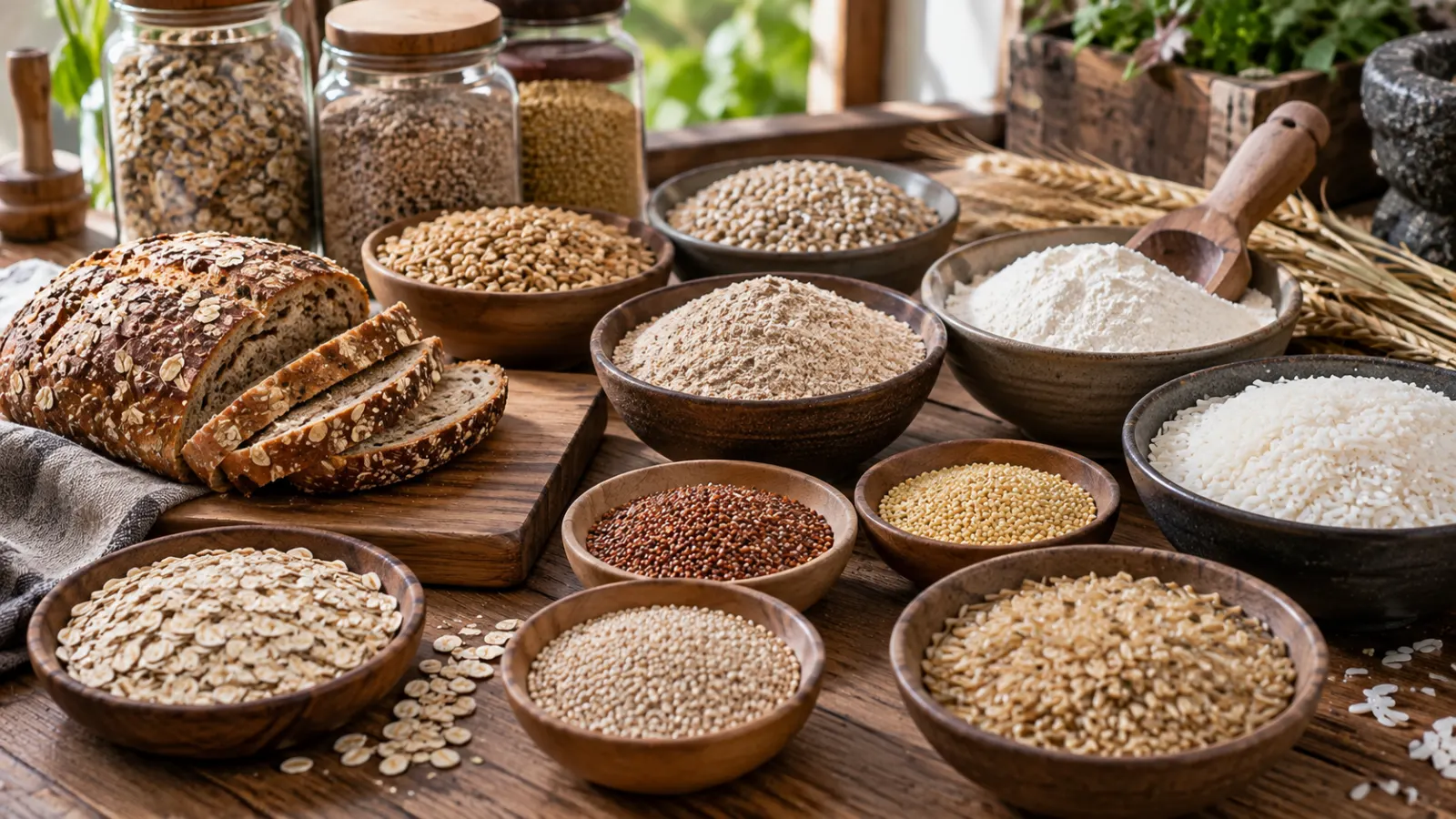
Whole grains vs refined grains differ in fibre, nutrients and structure. Learn how processing changes grains and how to make practical, healthier choices.
Is fruit healthy despite containing sugar? Whole fruit provides fibre, water and nutrients, while juice, smoothies and dried fruit require more attention to portion.
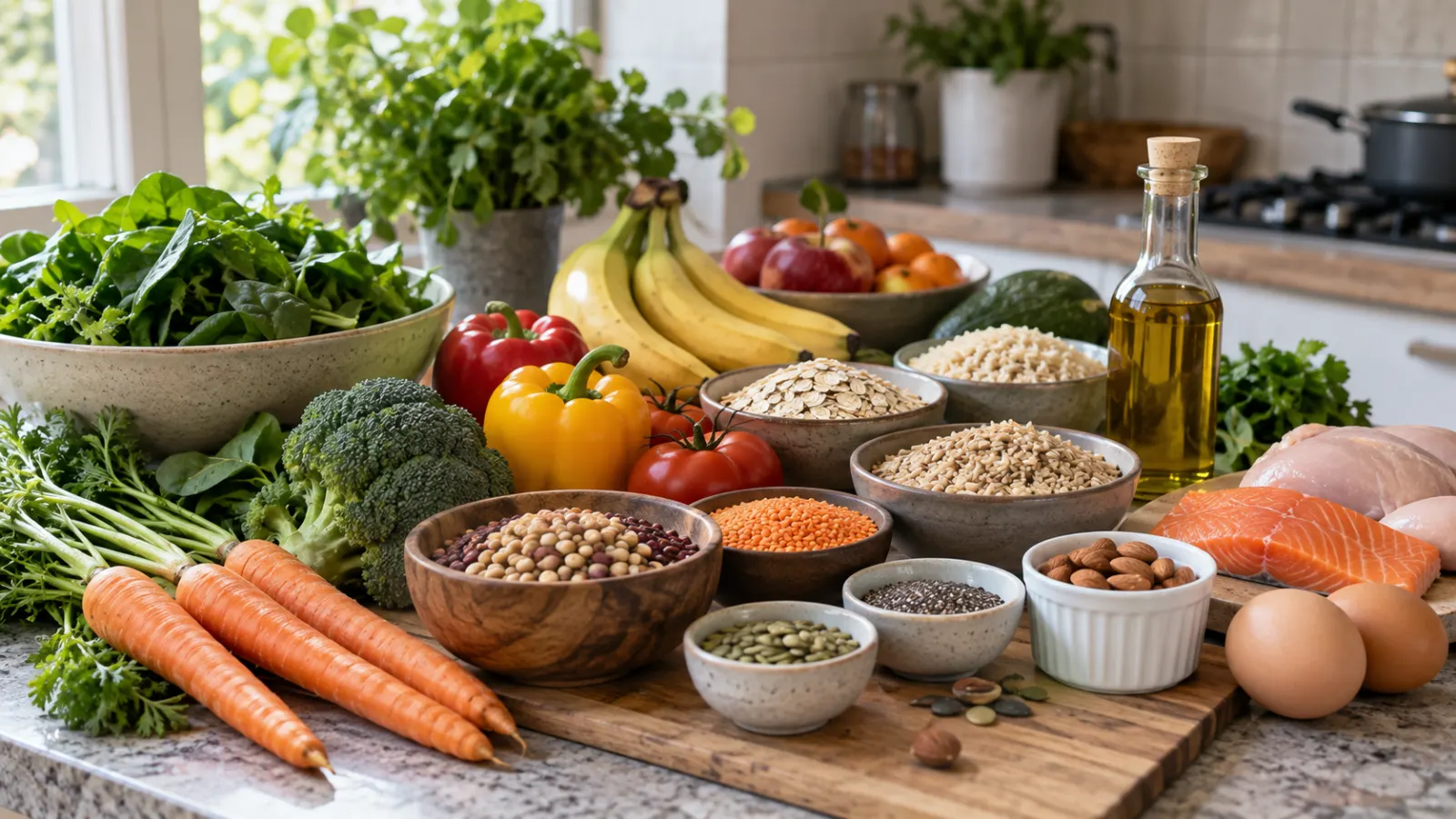
Dietary variety helps improve nutrient coverage by including different nutritious foods across and within food groups without requiring a perfect daily menu.
Intermittent fasting can help some adults manage weight, but it is not universally superior. Learn what evidence says about benefits, risks and timing.
Healthy ageing focuses on preserving function, independence and choice through physical activity, nutrition, prevention, social connection and supportive environments.
Calcium and vitamin D work together to support bones, but more is not always better. Learn daily needs, food sources, supplements, safety and osteoporosis guidance.
The supplement debate is often framed too simply. Some supplements prevent serious deficiencies or serve clear medical purposes; others are supported by weak evidence, unnecessary…
The supplement debate is often framed too simply. Some supplements prevent serious deficiencies or serve clear medical purposes; others are supported by weak evidence, unnecessary…
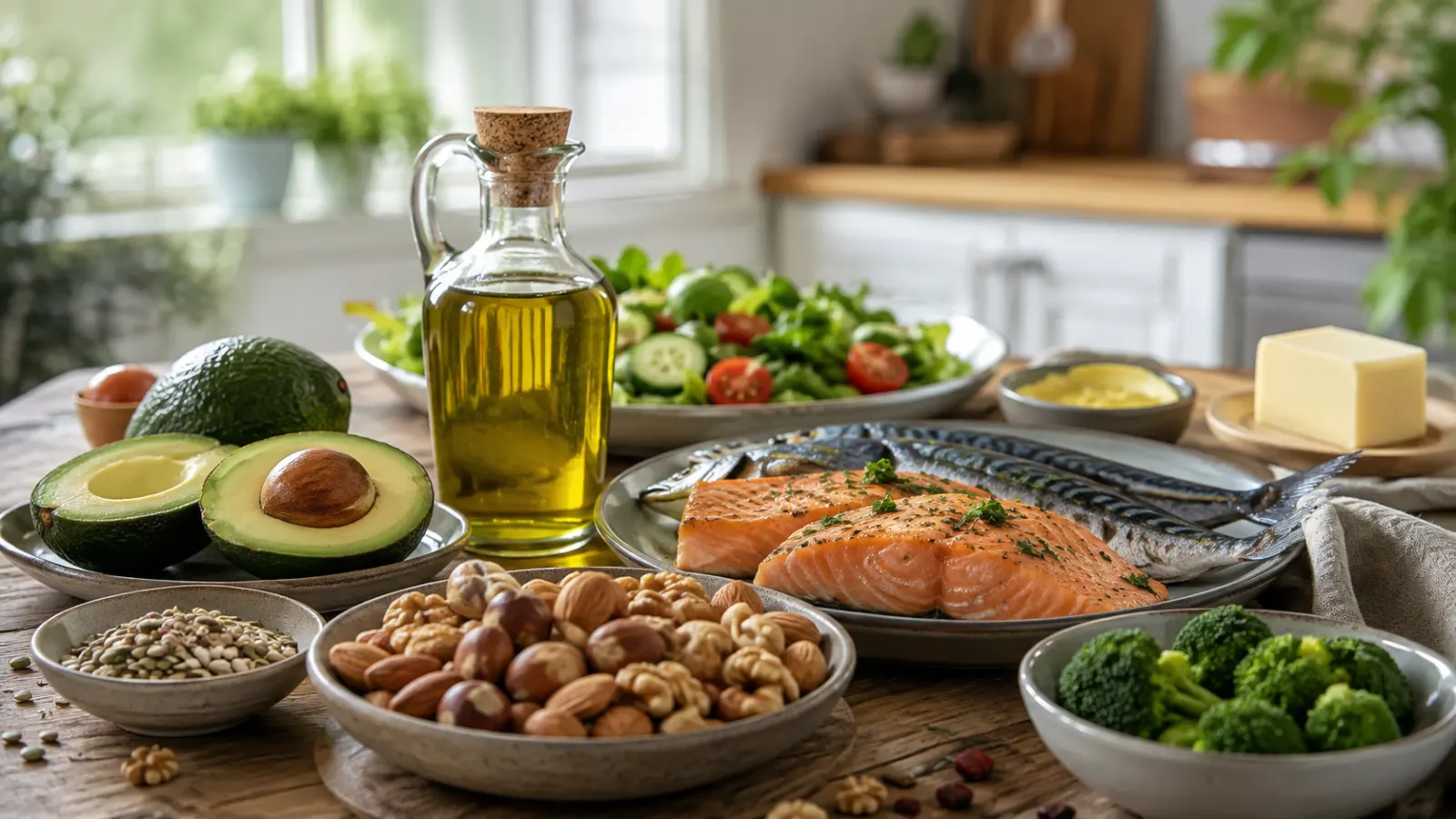
Fat is not a nutrient to eliminate. It supplies energy, supports cells and helps the body use certain vitamins. The important question is not simply how much fat we eat, but which…
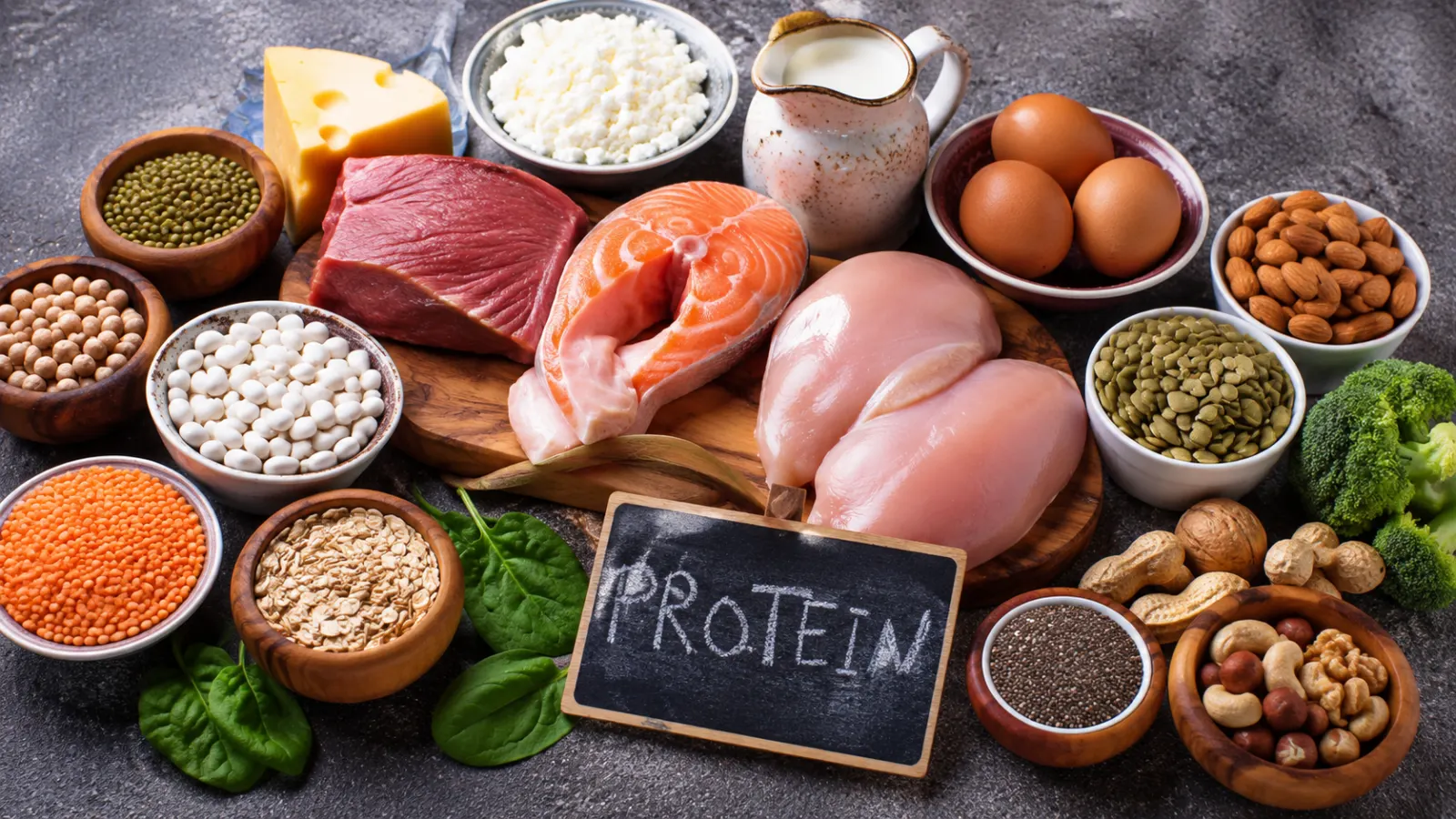
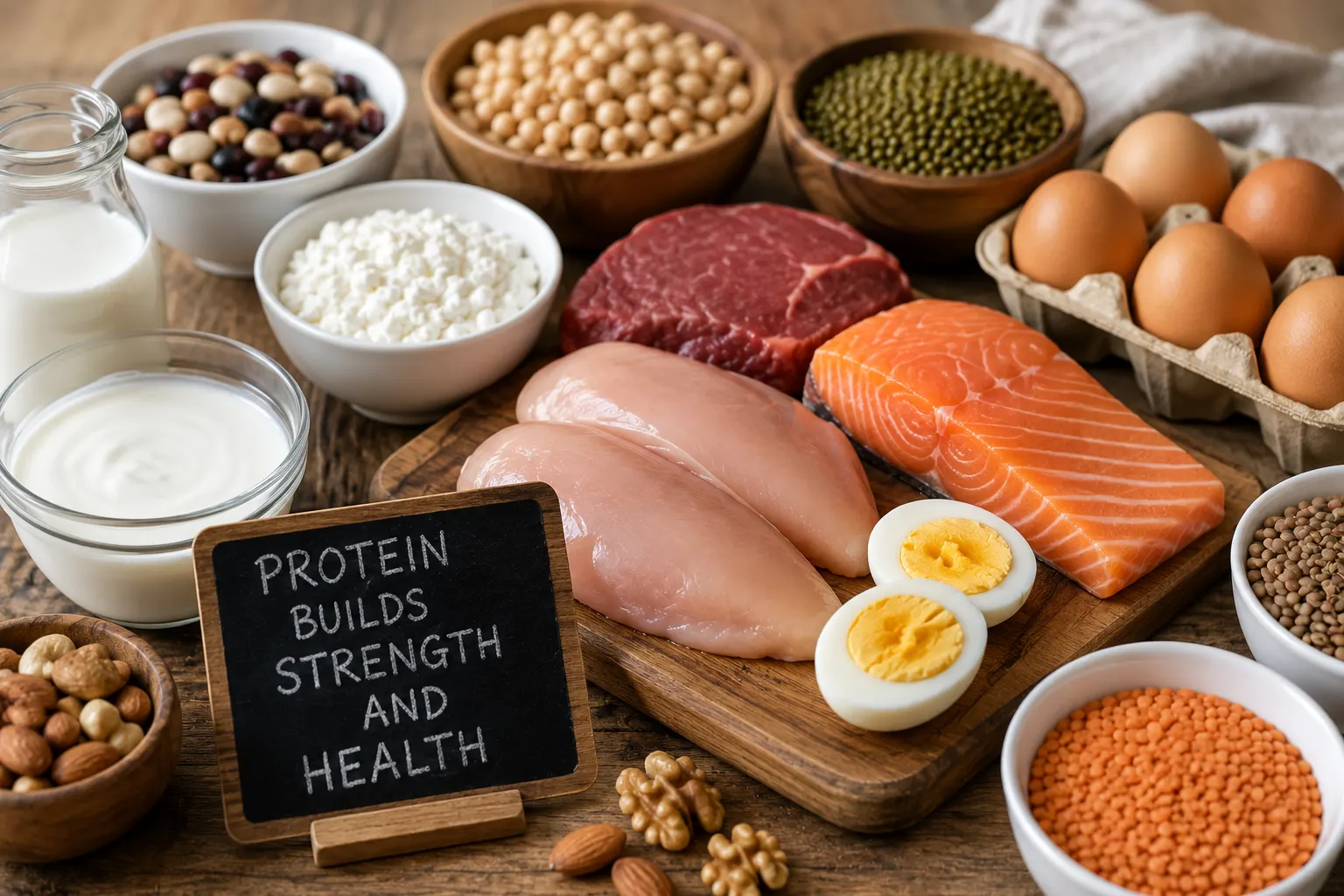
Protein is often marketed as a fitness nutrient, but its role is far broader. Every adult requires protein because the body continually builds, repairs and replaces proteins essen…
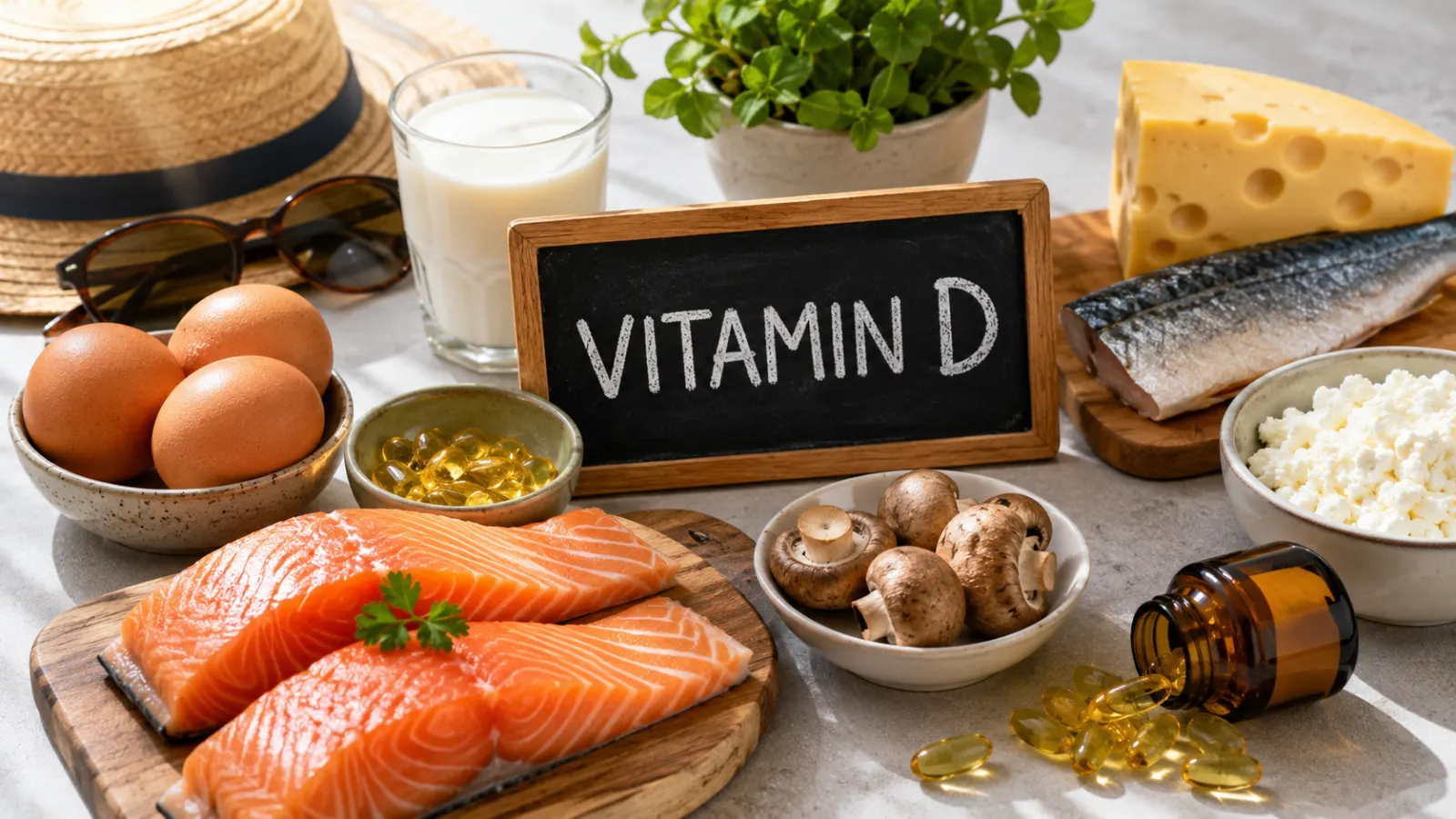
Vitamin D is unusual: it comes from food and supplements, but the body can also produce it when skin receives suitable ultraviolet radiation. That biology has helped turn a genuin…
Vitamin D is unusual: it comes from food and supplements, but the body can also produce it when skin receives suitable ultraviolet radiation. That biology has helped turn a genuin…
Protein is often marketed as a fitness nutrient, but its role is far broader. Every adult requires protein because the body continually builds, repairs and replaces proteins essen…
Fat is not a nutrient to eliminate. It supplies energy, supports cells and helps the body use certain vitamins. The important question is not simply how much fat we eat, but which…
Enjoying the reporting?
We noticed an ad blocker. Ads keep our journalism free — please consider allowing them, or subscribe to our newsletter instead.
We use cookies to keep you signed in and to understand how readers use the site. See our Privacy Policy.