Why Dietary Variety Matters: How Eating Different Foods Supports Better Nutrition
A diet can provide enough calories and still be nutritionally narrow. Someone may eat sufficient energy from a small collection of refined grains, oils, sweets and a few familiar meals while consuming relatively little fibre and an inadequate range of vitamins and minerals. Eating a wider variety of nutritious foods reduces dependence on a small number of foods to meet many different nutritional requirements.
The World Health Organization's 2026 healthy-diet framework makes diversity one of four core principles of a healthy diet, alongside adequacy, balance and moderation. WHO defines dietary diversity as including a wide variety of nutritious foods both within and across food groups and notes that diverse diets are associated with a greater likelihood of meeting vitamin and mineral requirements.
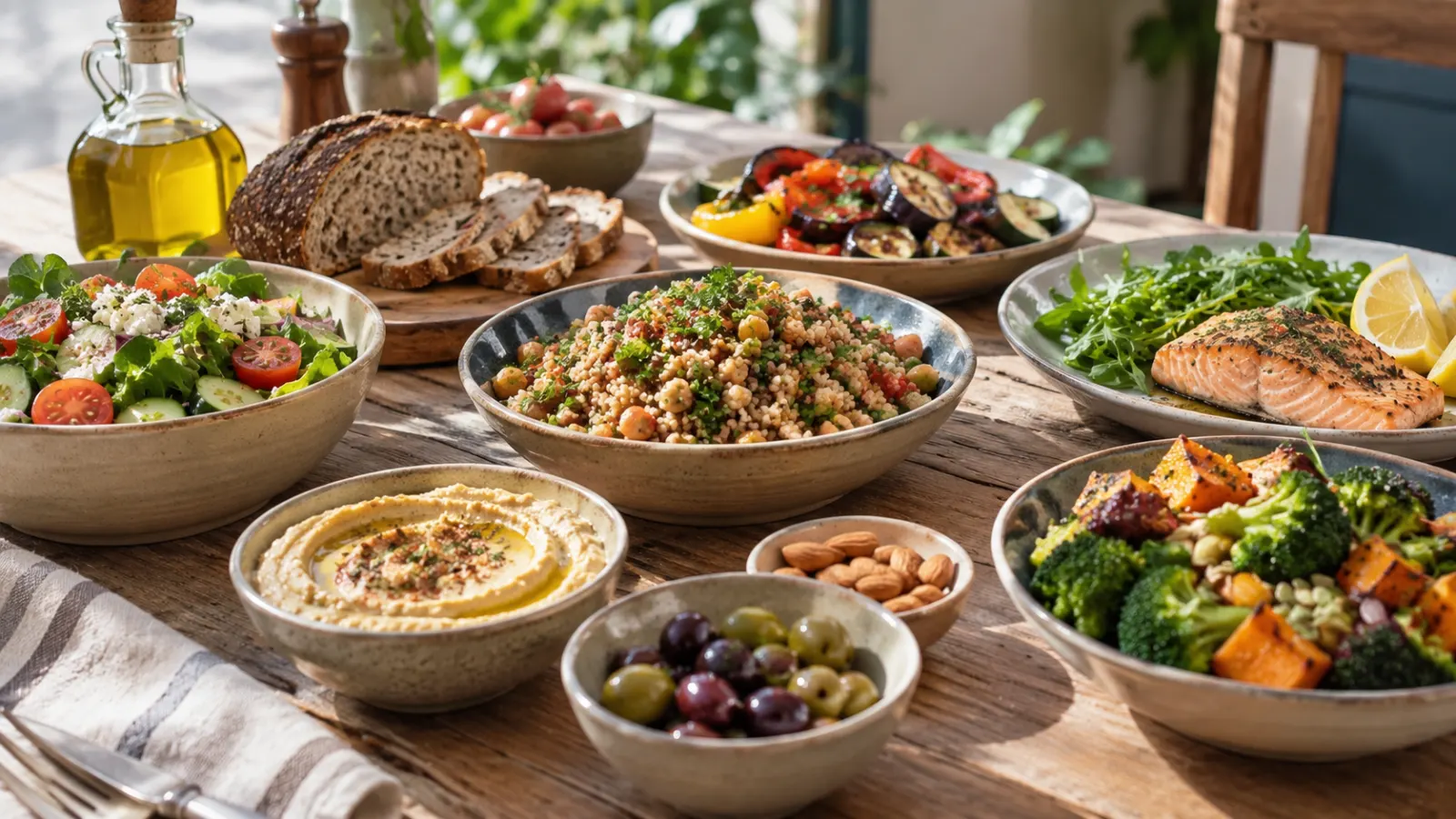
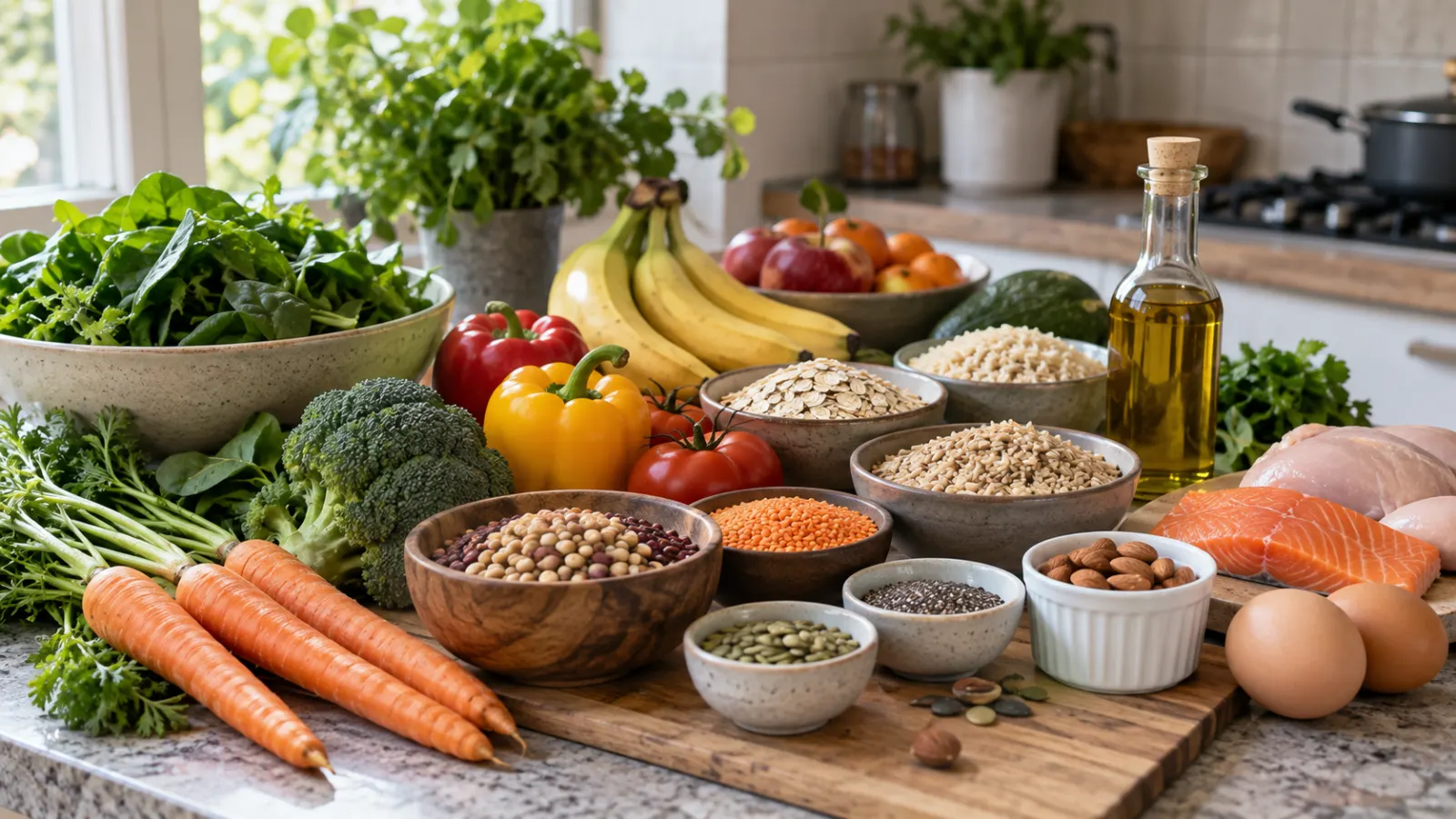
That does not mean every meal needs ten ingredients, seven colours or an exotic “superfood.” Dietary variety is better understood as a pattern that develops over days and weeks. Different vegetables, fruits, pulses, whole grains, nuts, seeds and appropriate protein sources contribute different combinations of nutrients, allowing the diet as a whole to do what no single food can accomplish.
Dietary Variety Works Across Food Groups and Within Them
Useful dietary diversity has two levels. The first is variety between major food groups. Eating rice, wheat and oats gives someone several grain choices, but grain variety cannot substitute for vegetables, fruits, pulses or protein-rich foods. Similarly, someone who eats five different fruits every week but almost no legumes, whole grains or vegetables still has a relatively narrow dietary pattern.
The second level is variety within each food group. Instead of relying on one vegetable every day, people can rotate leafy greens, carrots, cauliflower, tomatoes, gourds, peas and other locally available choices. Pulses might include lentils, chickpeas, kidney beans, peas and other beans. Grains might include wheat, rice, oats, millet or maize depending on local cuisine and individual needs.
WHO's current guidance reflects this broader approach. It recommends that carbohydrate come primarily from whole grains, vegetables, fruits and pulses and encourages a wide variety of nutrient-dense foods, including legumes, nuts, seeds and suitable animal-source foods. The exact combination is expected to differ according to culture, locally available foods, preferences and individual circumstances rather than follow one global menu.
This matters because no individual food has a nutritionally complete profile for every person. Spinach provides nutrients that rice does not; lentils contribute nutrients in different proportions from yoghurt; oranges and bananas are not nutritionally identical. Variety spreads nutritional responsibility across the diet rather than asking one supposedly perfect food to supply everything.
Research on dietary-diversity measures supports the relationship with nutrient adequacy, although the evidence becomes less consistent when diversity scores are treated as direct predictors of outcomes such as body weight or chronic disease. A systematic review of dietary-diversity indicators found substantial evidence that diversity measures can act as proxies for nutrient adequacy, while associations with broader health outcomes varied considerably.
This is an important qualification. A varied diet is useful because of what is being varied. Variety does not transform an otherwise poor-quality diet into a healthy one.
Variety Does Not Require Superfoods or a Perfect Rainbow
Nutrition marketing often creates the impression that dietary variety requires expensive berries, specialty seeds, imported grains or whatever food is currently being described as a superfood. That interpretation makes healthy eating unnecessarily complicated and expensive.
Blueberries can be nutritious, but so can guava. Quinoa can fit a healthy diet, but a household does not need it if locally available whole grains and pulses meet the same practical role. Chia seeds provide useful nutrients, but health does not depend on eating chia seeds specifically. A varied diet works because different ordinary foods contribute overlapping and complementary nutrients, not because certain products possess exceptional nutritional status.
The popular advice to “eat the rainbow” can be useful as a reminder to vary plant foods because colour sometimes reflects different plant pigments. Orange and yellow foods may contain carotenoids, while red, blue and purple fruits and vegetables contain other classes of plant compounds. Dark-green vegetables can contribute folate, carotenoids and vitamin K.
Colour is not, however, a complete nutrient map. Cauliflower, mushrooms, onions, garlic, oats and many beans are pale yet nutritionally valuable. Someone does not need to place every colour on every plate or count coloured foods as though they were meeting a biochemical quota.
The same caution applies to the popular idea that everyone must consume a fixed number of different plants each week. Research interest in plant diversity and the gut microbiome is legitimate, and different plant foods provide different fibres and fermentable carbohydrates that gut microorganisms can use. But current major dietary guidance does not establish a universal requirement such as exactly 30 plant species per week for the general population.
Some newer research has tested high-diversity plant diets in specific populations. For example, a small randomised crossover trial involving adults with chronic kidney disease compared diets containing at least 30 versus no more than 15 plant foods per week and found changes in symptoms, metabolites and aspects of the microbiome. That is interesting research, but it involved only 25 people with stage 3–4 kidney disease and should not be converted into a universal numerical prescription for healthy adults.
The more defensible advice is simpler: eat multiple types of nutritious plant foods regularly without turning variety into another number that must be achieved perfectly.
Variety Can Make a Diet More Flexible, Affordable and Sustainable
Dietary variety is useful for reasons beyond micronutrients. It also creates resilience.
Food availability changes with seasons, prices, travel, work schedules and local supply. Someone comfortable eating several vegetables, pulses, grains and fruits can substitute when one ingredient becomes expensive or unavailable. A household dependent on a very narrow list may find healthy eating much harder when the price of one preferred food rises.
This is why culturally appropriate dietary diversity matters. More than 100 countries have developed food-based dietary guidelines adapted to local nutrition problems, food availability and eating traditions, according to the Food and Agriculture Organization. Healthy eating is not expected to look identical in every country.
A traditional regional diet may already contain substantial diversity through different grains, dals, beans, vegetables, herbs, fermented foods, fruits, dairy foods, nuts, seeds, eggs, fish or meat according to local practice. Dietary diversity does not require culinary tourism. The objective is nutrient coverage and a sustainable eating pattern, not collecting ingredients from as many countries as possible.
Seasonality can make variety more affordable. A household might eat more citrus during one part of the year, melons during another and mangoes or other regional fruit when they are abundant. Vegetables can rotate similarly. Frozen and appropriate canned produce can also increase practical options when fresh produce is expensive or unavailable; WHO recognises these as useful choices when they do not contain excessive added sugars or sodium.
Variety also occurs across time. Every breakfast, lunch and dinner does not need to be nutritionally complete by itself. One day may contain more pulses, another more vegetables and another a different protein source. Looking across several days or a week often gives a more realistic picture than trying to construct a nutritionally perfect plate every time someone eats.
This flexibility can make healthy eating easier to maintain. A diet built around the same small set of supposedly ideal meals may work briefly and then become monotonous. Rotating flavours, textures, cooking techniques and ingredients can help nutritious foods remain enjoyable enough to become part of long-term eating habits.
More Variety Is Not Automatically Better When the Foods Are Highly Palatable
There is an important exception to the simple message that variety is beneficial.
Experimental research has repeatedly found that providing a greater variety of foods can increase how much people eat. One mechanism is sensory-specific satiety: as someone eats a particular food, its sensory appeal tends to decline, while a different flavour or texture can remain relatively appealing. Introducing another food can therefore renew interest in eating.
A systematic review and meta-analysis of experimental research found evidence that food variety increases meal intake, and newer experimental work continues to find greater intake when participants are given more varied foods.
This produces an important distinction. Greater variety among vegetables, pulses, fruits, whole grains and other nutrient-dense foods can help broaden nutrient intake. Greater variety among sweets, fried snacks, desserts or highly palatable foods can simply create more opportunities to continue eating.
A table containing one dessert and a buffet containing eight desserts are both technically examples of food availability, but the second creates much more sensory variety. The usual nutritional principle of “eat a varied diet” should not therefore be interpreted as “maximise the number of foods available at every eating occasion.”
Quality still matters.
Dietary variety works best as diversity among foods that deserve regular places in the diet, not endless novelty among products already high in free sugars, sodium or unhealthy fats.
Restrictions Make Planned Variety More Important, Not Impossible
Some people cannot safely or comfortably eat the full range of foods available to the general population. Food allergies, coeliac disease, kidney disease, gastrointestinal disorders and ethical dietary choices can all narrow the diet.
The relevant question is not whether such diets are automatically deficient. It is whether foods removed from the diet are replaced thoughtfully when necessary.
Someone who cannot consume dairy products, for example, may need to consider where calcium, iodine, protein, vitamin B12 or other nutrients previously supplied by those foods will now come from, depending on the person's overall diet. Fortified alternatives may be appropriate in some cases. A person with coeliac disease can still eat a diverse diet using naturally gluten-free grains, pulses, vegetables, fruits, nuts, seeds and other appropriate foods.
Vegetarian and vegan diets can also be diverse, but removing whole categories of animal-source foods makes planning particular nutrients more important. Conversely, an omnivorous diet can be nutritionally narrow if it relies repeatedly on refined grains, processed meat and few plant foods. Labels do not guarantee dietary diversity.
The narrower a medically necessary diet becomes, the more valuable individual dietetic guidance can be. The objective is not maximum variety at any cost. It is enough diversity to meet nutritional requirements within the foods that are safe, appropriate and acceptable for the individual.
This principle is especially important because aggressive self-restriction can create new problems. Removing several food groups because of vague symptoms or internet advice can progressively reduce fibre, micronutrient intake and eating flexibility. Restrictions should therefore be proportionate to the underlying reason.
Variety Supports Nutrition Better Than Chasing Individual “Perfect” Nutrients
It is tempting to think about nutrition one nutrient at a time. Someone hears about iron and looks for the highest-iron food. Then comes magnesium, vitamin C, omega-3, calcium or another nutrient, eventually turning eating into a collection of separate optimisation problems.
A varied dietary pattern approaches the problem differently. Vegetables, fruits, pulses, whole grains, nuts, seeds and protein foods provide overlapping combinations of nutrients. One meal does not have to maximise everything because different foods contribute at different times.
This redundancy is one of the quiet advantages of dietary variety. If one food is relatively poor in a particular nutrient, another part of the diet may contribute it. If a seasonal food disappears for several months, another choice can take its place.
This does not make supplements unnecessary. Supplements can be important or medically necessary in particular circumstances, including diagnosed deficiencies, pregnancy, certain restricted diets and conditions that affect nutrient absorption. WHO also recognises that population-level fortification can be needed where particular micronutrient deficiencies are widespread.
The mistake is assuming that supplementing individual nutrients makes dietary quality irrelevant. Pills cannot automatically reproduce the fibre, food structure, protein, essential fats and numerous other compounds delivered through a varied diet.
For most people, it is more useful to build a broad foundation of nutritious foods first and use supplementation when there is a specific evidence-based reason for doing so.
Dietary Variety Should Make Eating Easier, Not More Anxious
A useful nutrition principle should reduce unnecessary decision-making rather than create another daily test.
There is no need to count colours at every meal, maintain a spreadsheet of plant species or panic because the same breakfast appeared twice in one week. WHO's diversity principle is much broader: include a wide variety of nutritious foods within and across food groups.
A practical weekly check can be much simpler. Has the diet included several types of vegetables rather than only one? Have fruits changed with availability and season? Are pulses or beans appearing regularly where appropriate? Are whole grains represented? Are protein sources reasonably varied? Are nuts or seeds included when suitable and affordable?
These questions help reveal absence without requiring nutritional perfection.
They also preserve the most valuable feature of variety: flexibility. A healthy diet should be capable of surviving travel, changing food prices, busy weeks, seasonal shortages and different cultural settings. It should not collapse because one fashionable ingredient is unavailable.
The original draft puts this principle well: dietary variety should operate as flexible rotation rather than another rule that turns eating into a test.
The goal is therefore not to eat the largest possible number of foods. It is to avoid allowing a small number of foods to carry the entire nutritional burden of the diet.
Choose different nutritious foods across and within food groups. Use seasonal and affordable alternatives. Allow meals to vary across the week. Enjoy colour without treating it as a scientific scoring system. And remember that diversity is valuable because different foods contribute different things.
Healthy eating does not require one perfect food.
It works better when no single food has to be perfect.
Medical Note
This article provides general nutrition and health information and is not a substitute for individual medical or dietetic advice. Pregnancy, diagnosed nutrient deficiencies, gastrointestinal disease, kidney disease, diabetes, food allergies, eating disorders, medication use and other medical conditions can change nutritional requirements. People following medically restricted diets or using supplements for specific health conditions should seek appropriately qualified individual guidance where necessary.