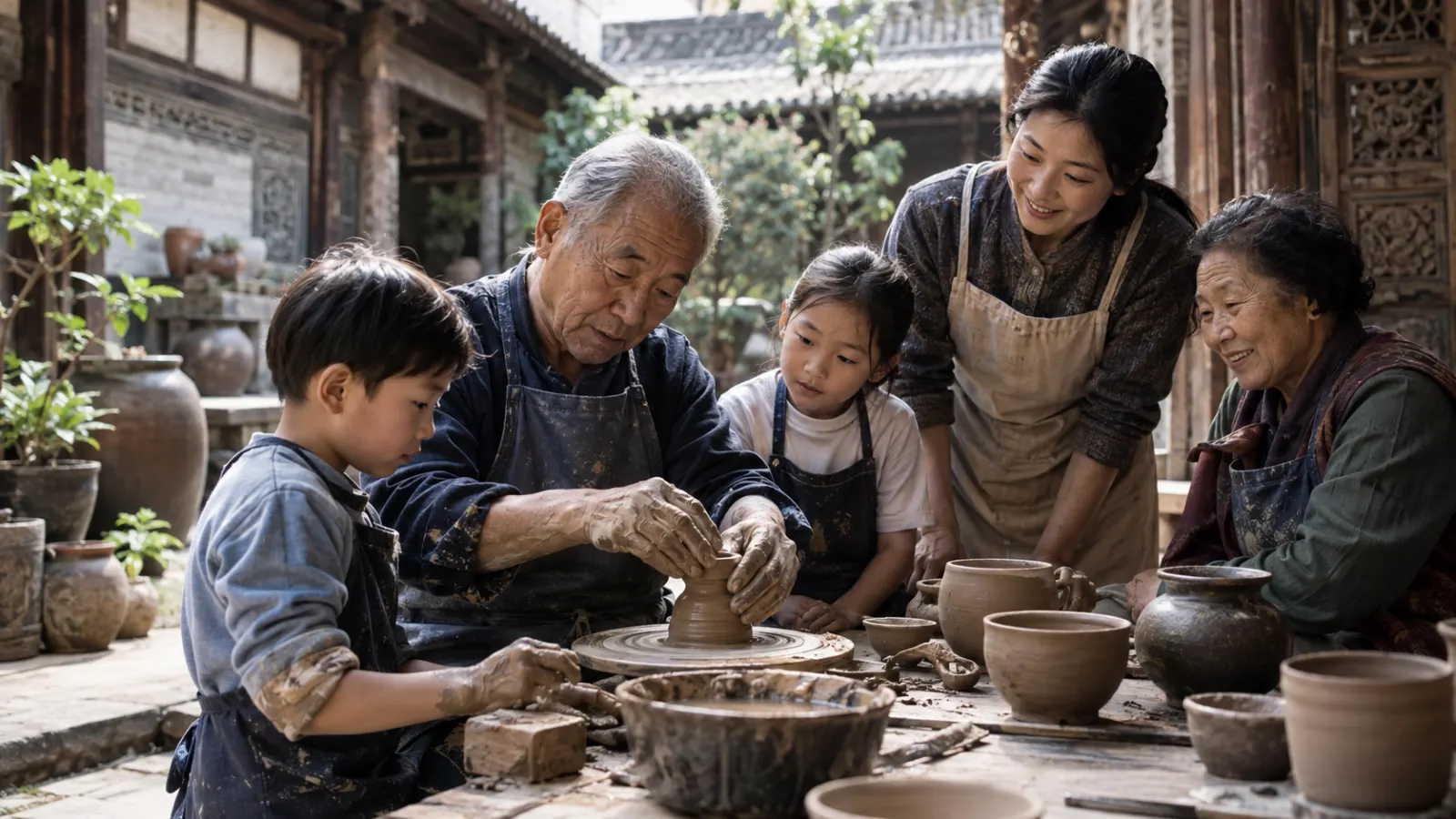
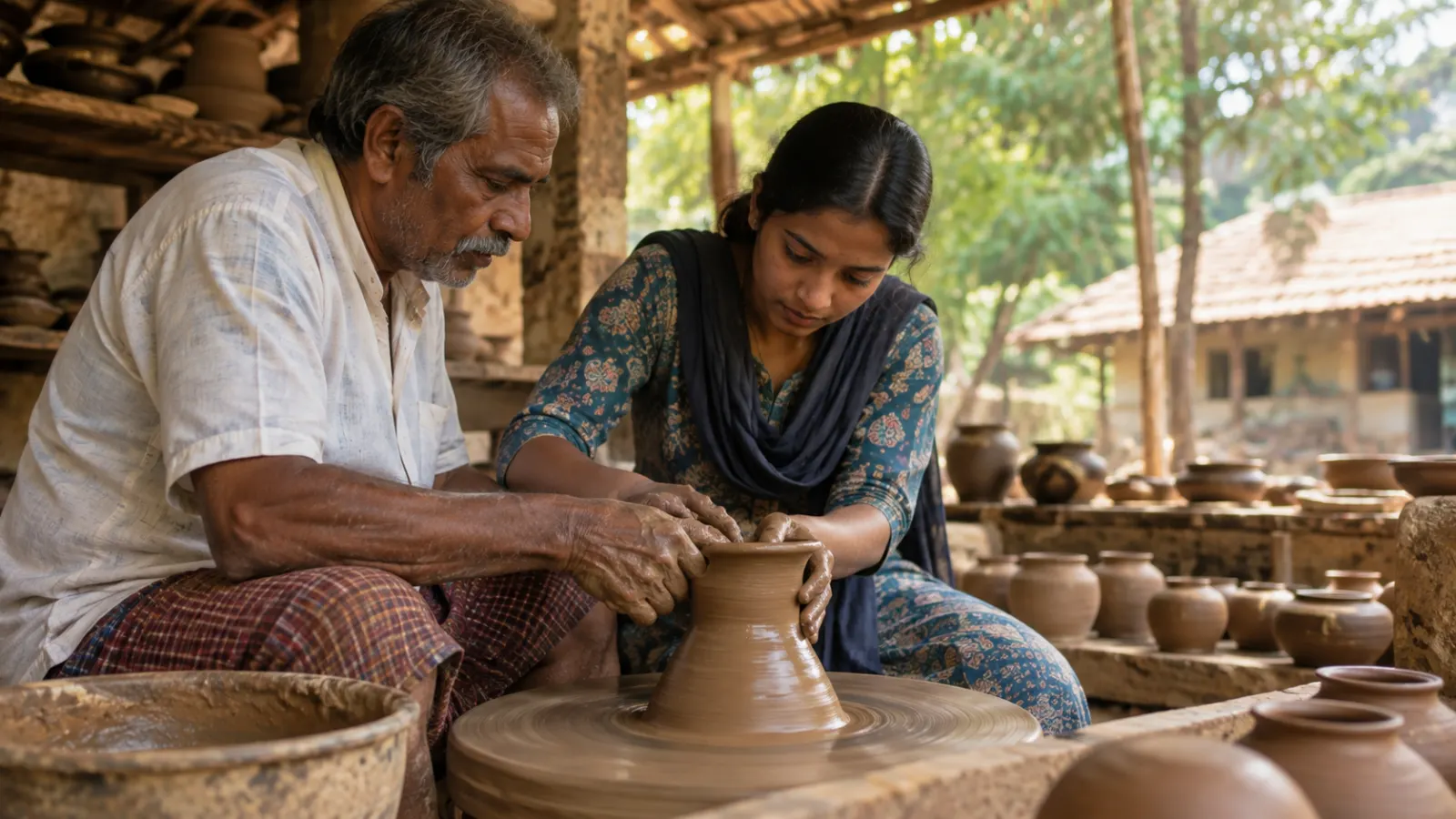
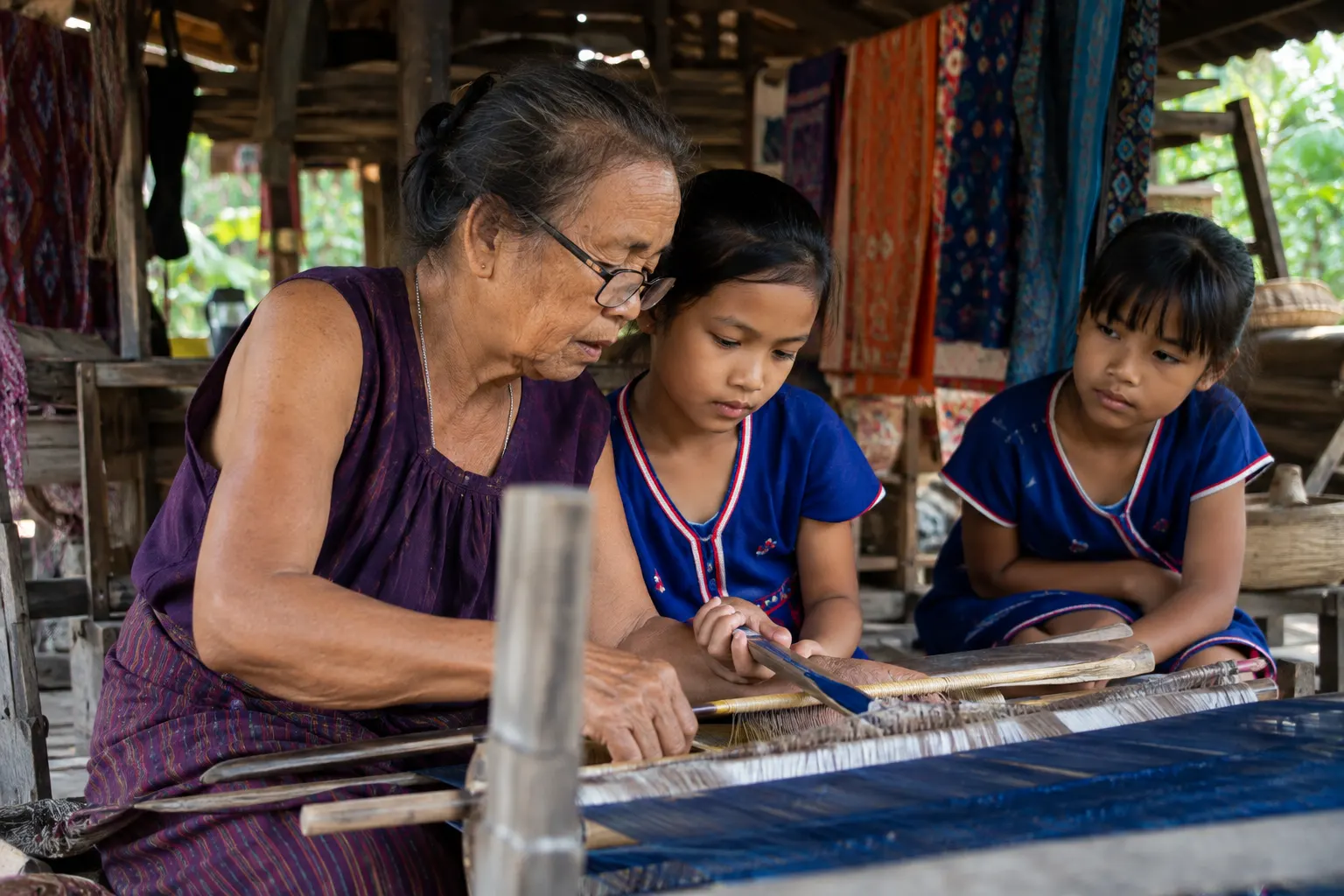
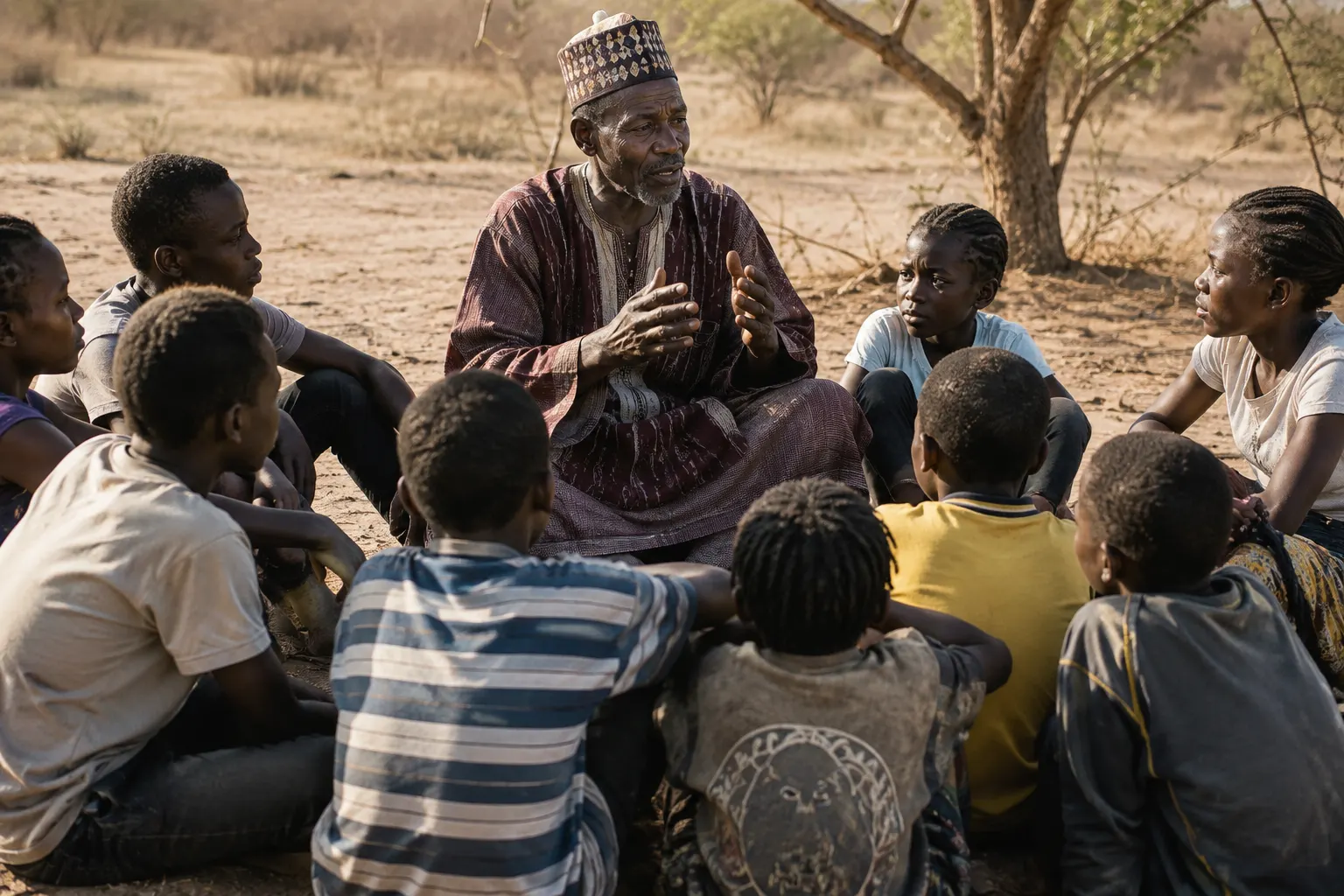
Local traditions disappear when the systems supporting transmission—teachers, livelihoods, language, spaces, materials and community participation—begin to break down.
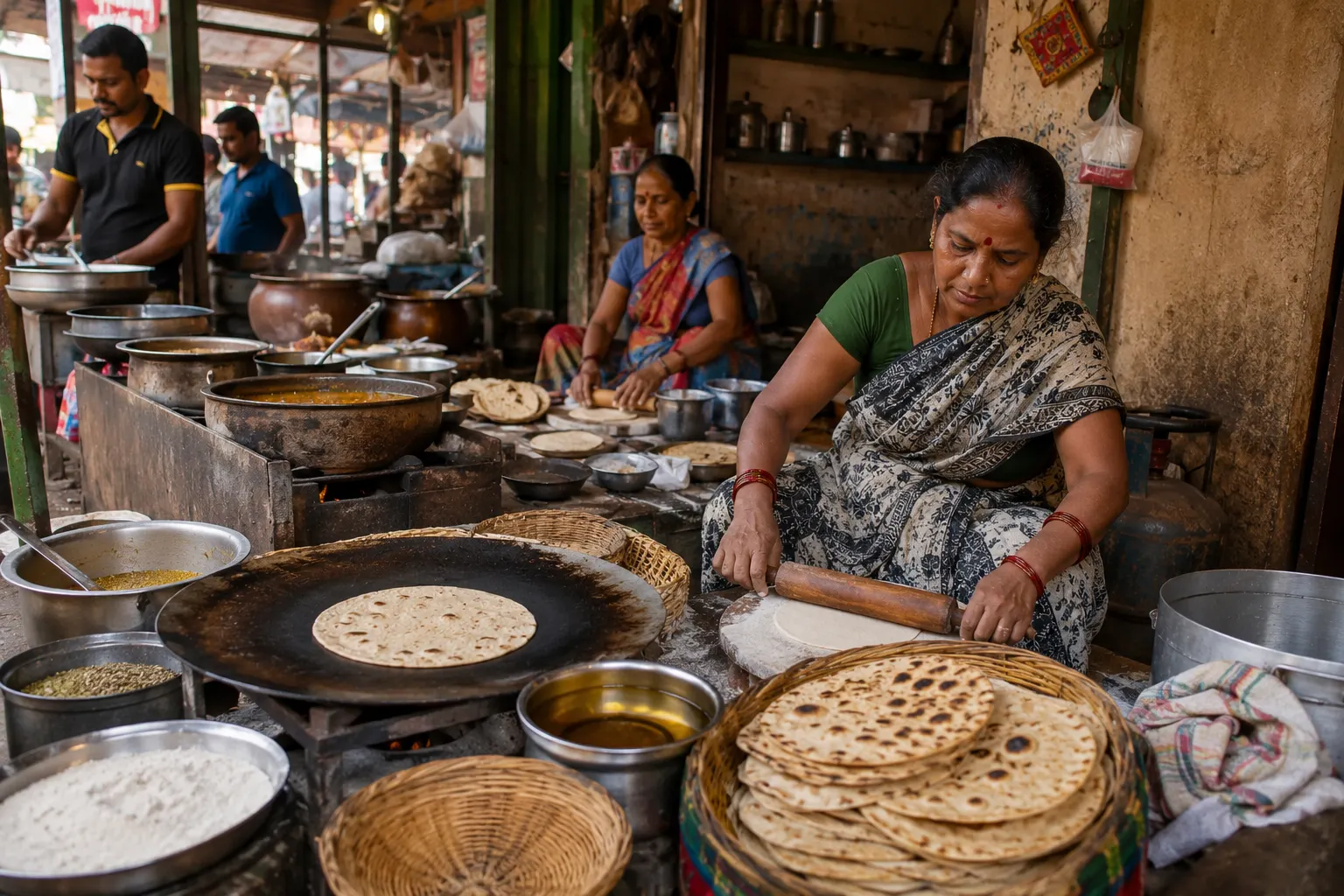
Age alone does not make a dish traditional. Foods become culturally meaningful when communities repeatedly cook, name, share, adapt and attach memories to them—often across genera…
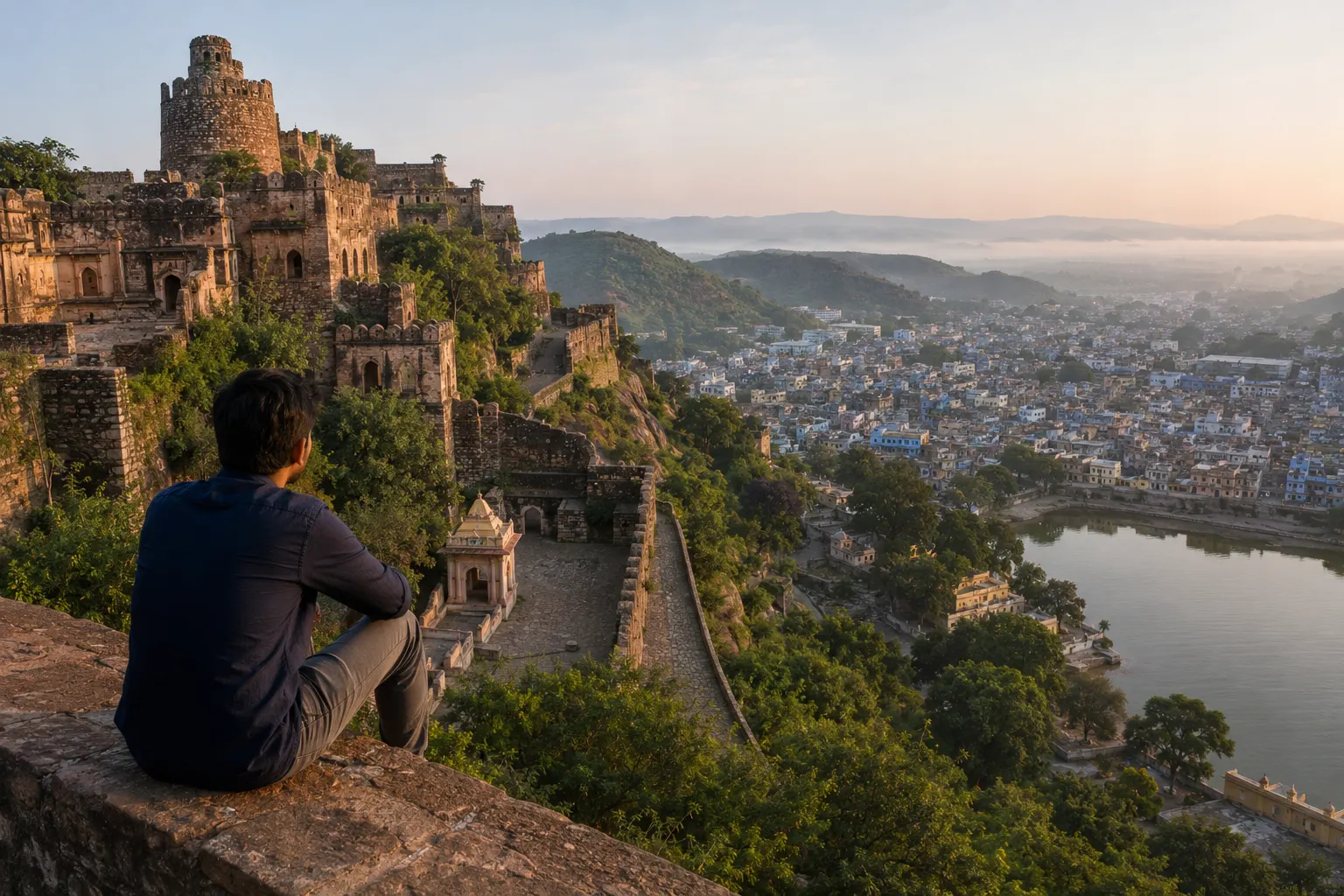
Legends survive because they do more than entertain. Attached to places, people and collective memories, they allow communities to argue about the past, explain the present and tr…
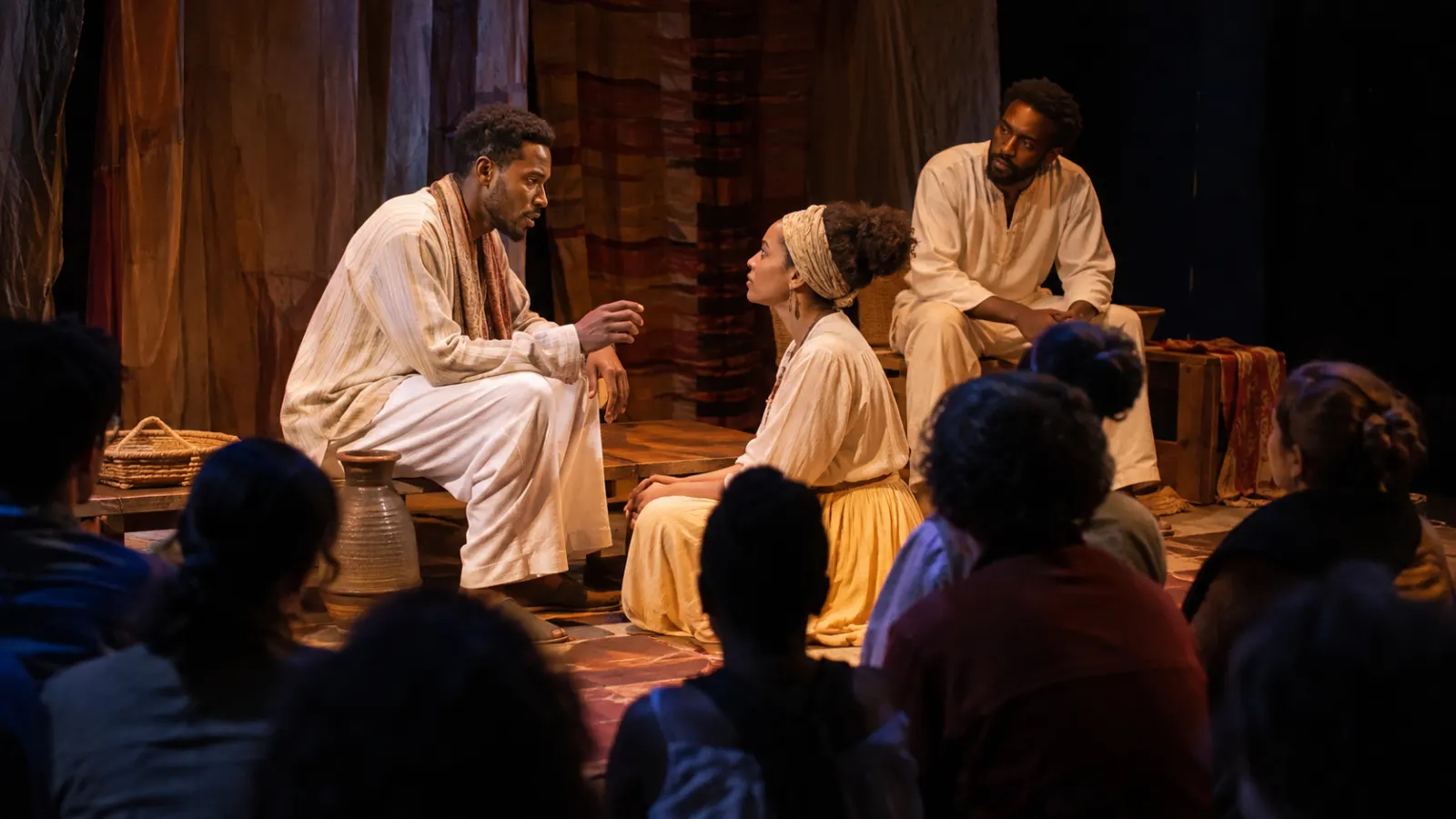
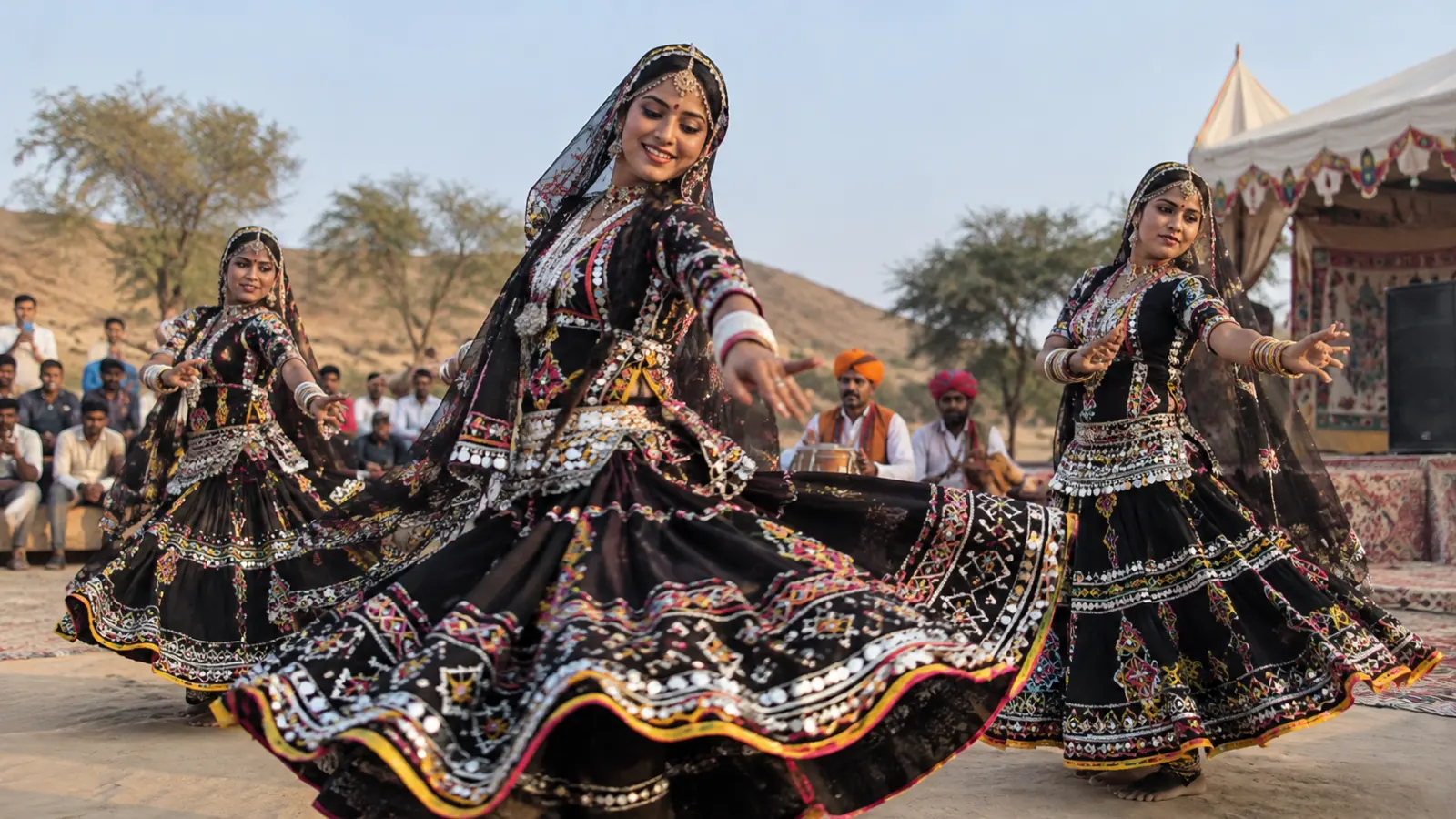
Oral traditions preserve stories, knowledge, memory and cultural values across generations through storytelling, performance and repeated community practice.
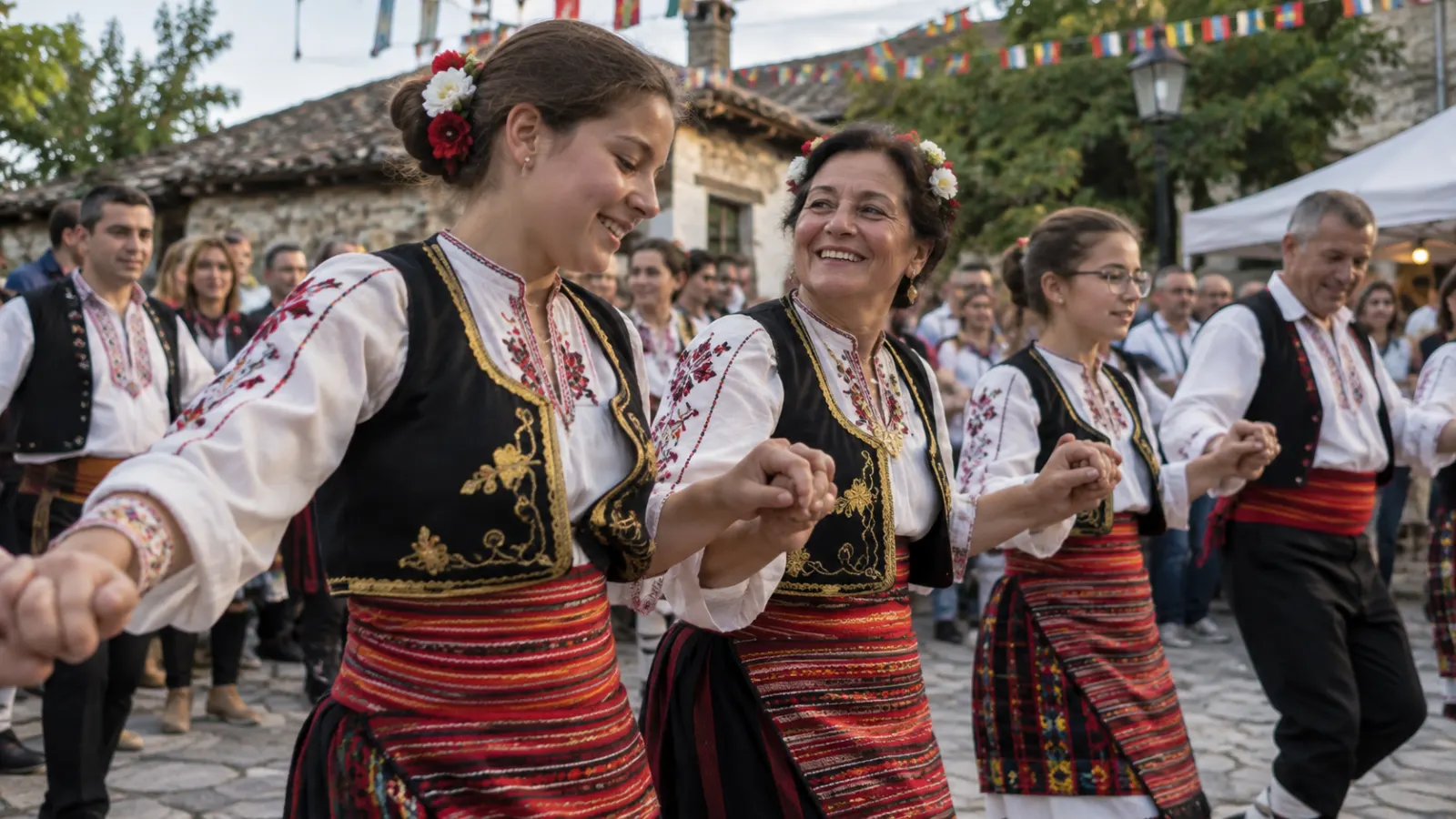
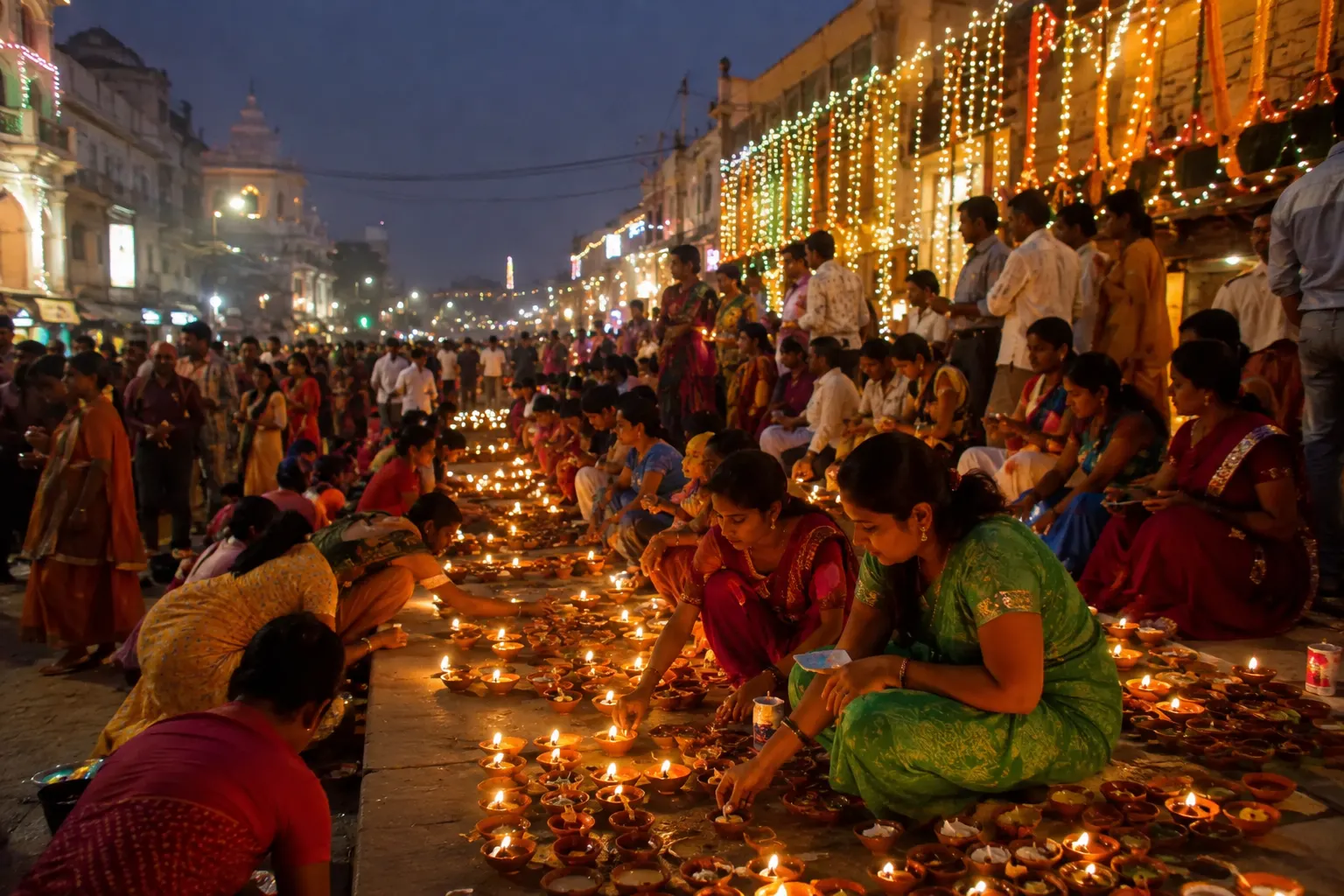
Festivals interrupt ordinary time. Through ritual, food, music, memory and public participation, they allow communities to express what they value—and reveal how traditions adapt…
Enjoying the reporting?
We noticed an ad blocker. Ads keep our journalism free — please consider allowing them, or subscribe to our newsletter instead.
We use cookies to keep you signed in and to understand how readers use the site. See our Privacy Policy.