
India
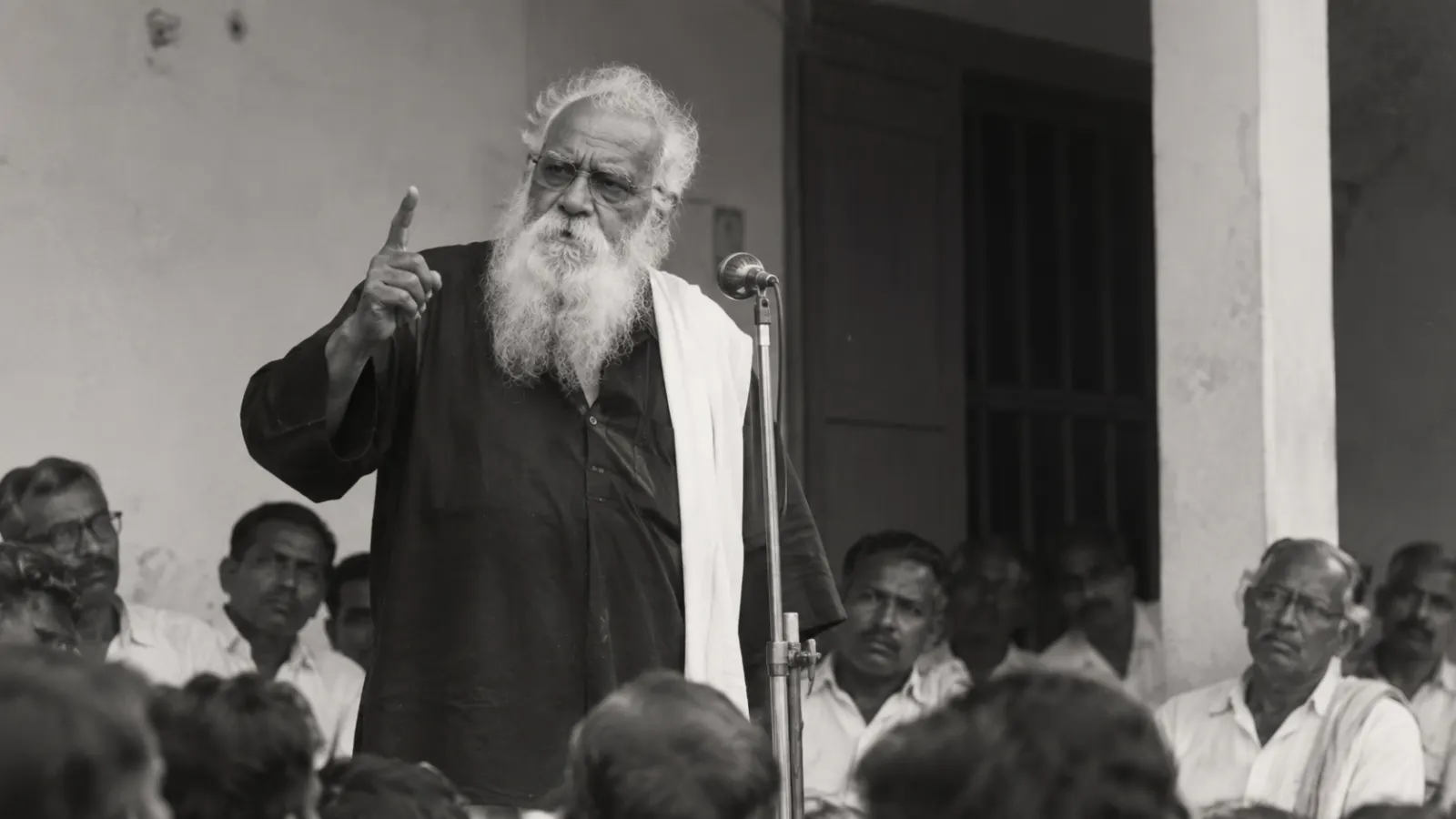
Periyar E. V. Ramasamy: Self-Respect, Caste and Dravidian Politics
Periyar transformed debates on caste, self-respect, women’s freedom and Dravidian politics. Explore E. V. Ramasamy’s life, ideas, movements and legacy.
Politics, policy, law, governance, education and society across India.
Periyar transformed debates on caste, self-respect, women’s freedom and Dravidian politics. Explore E. V. Ramasamy’s life, ideas, movements and legacy.
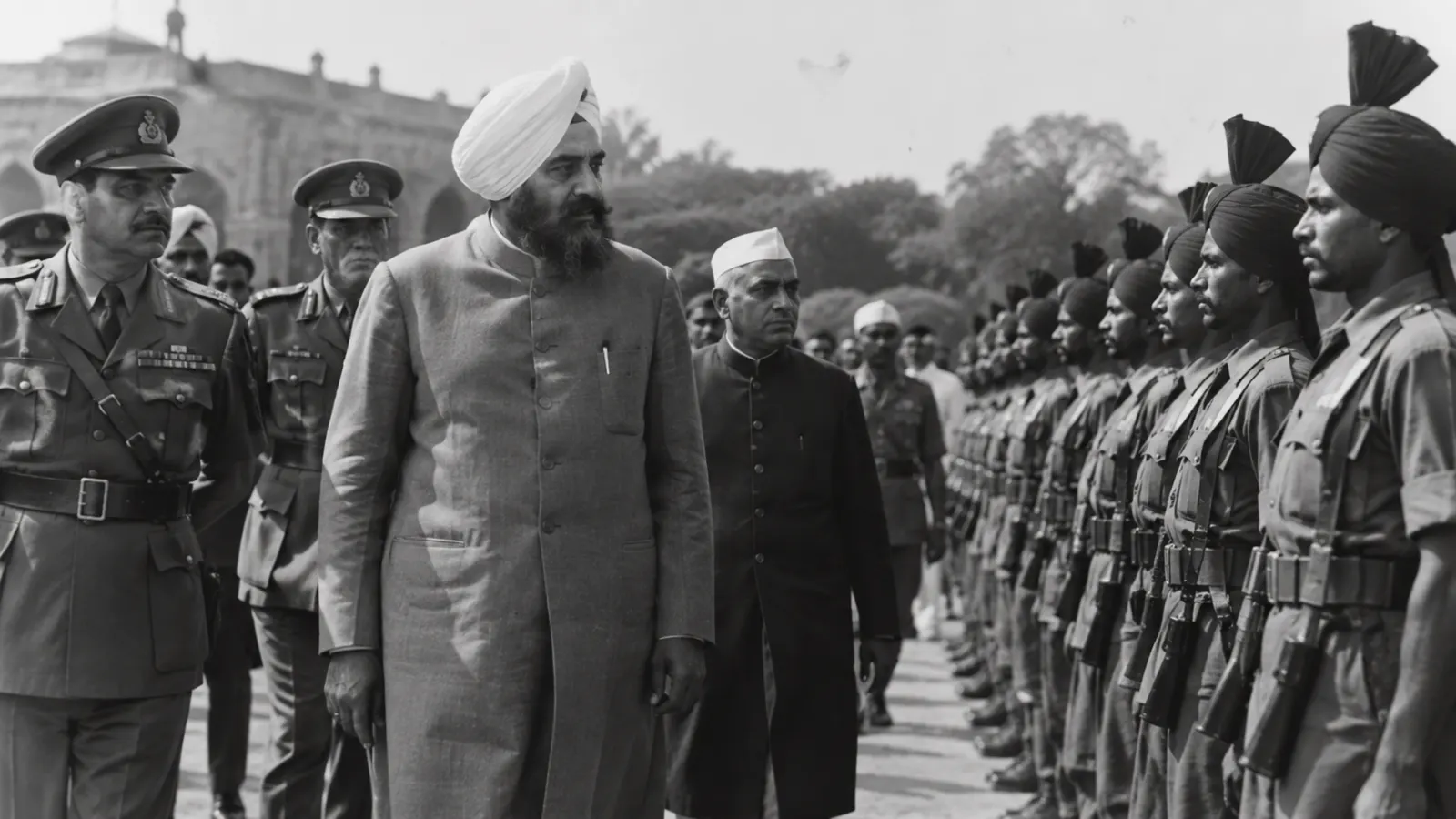
Sardar Baldev Singh became India’s first Defence Minister in 1947. Explore his role in Partition, Sikh politics, Kashmir and the new Indian military.
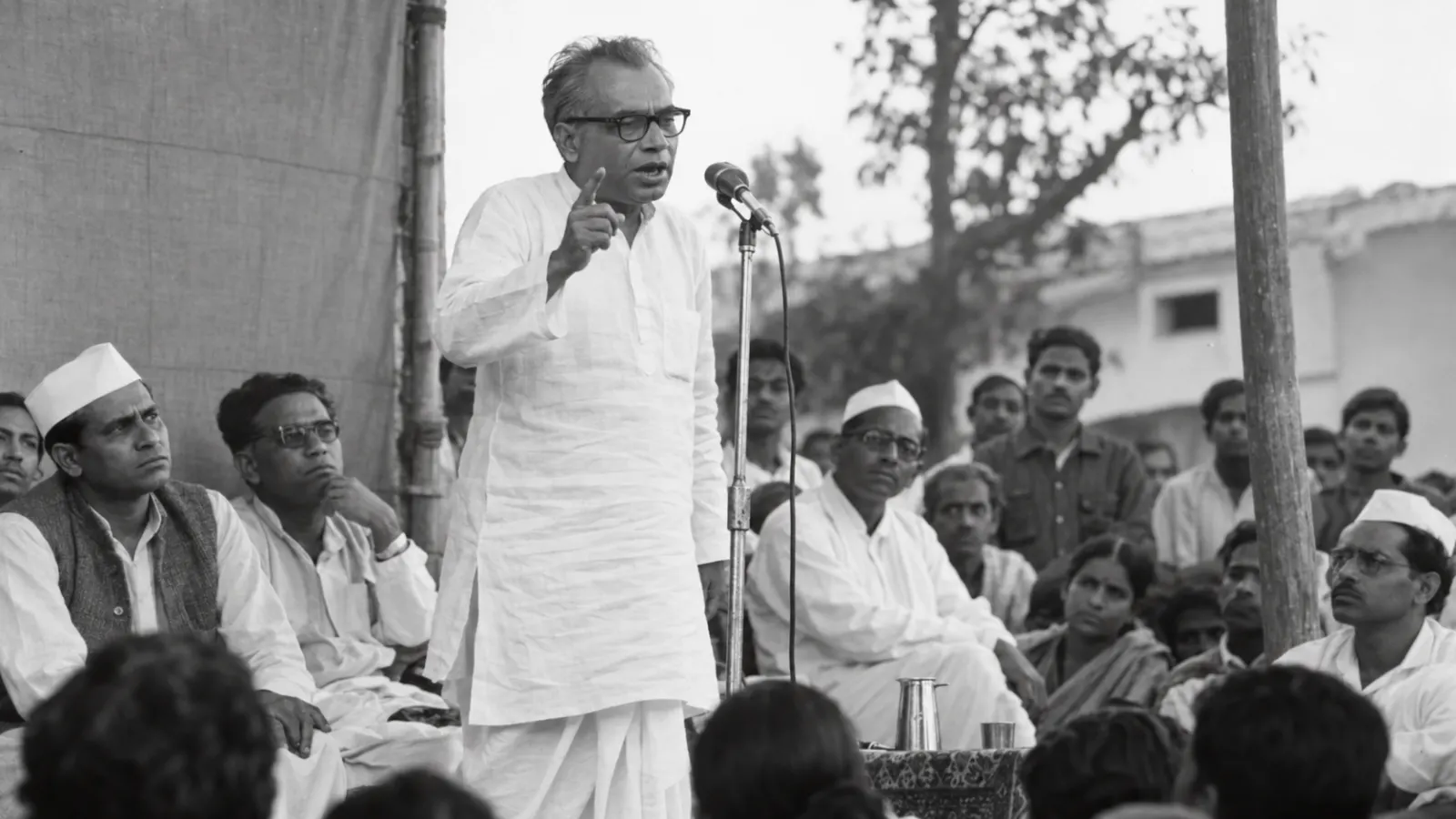
Ram Manohar Lohia challenged caste, inequality and concentrated power while developing a distinctive socialist vision for Indian democracy.
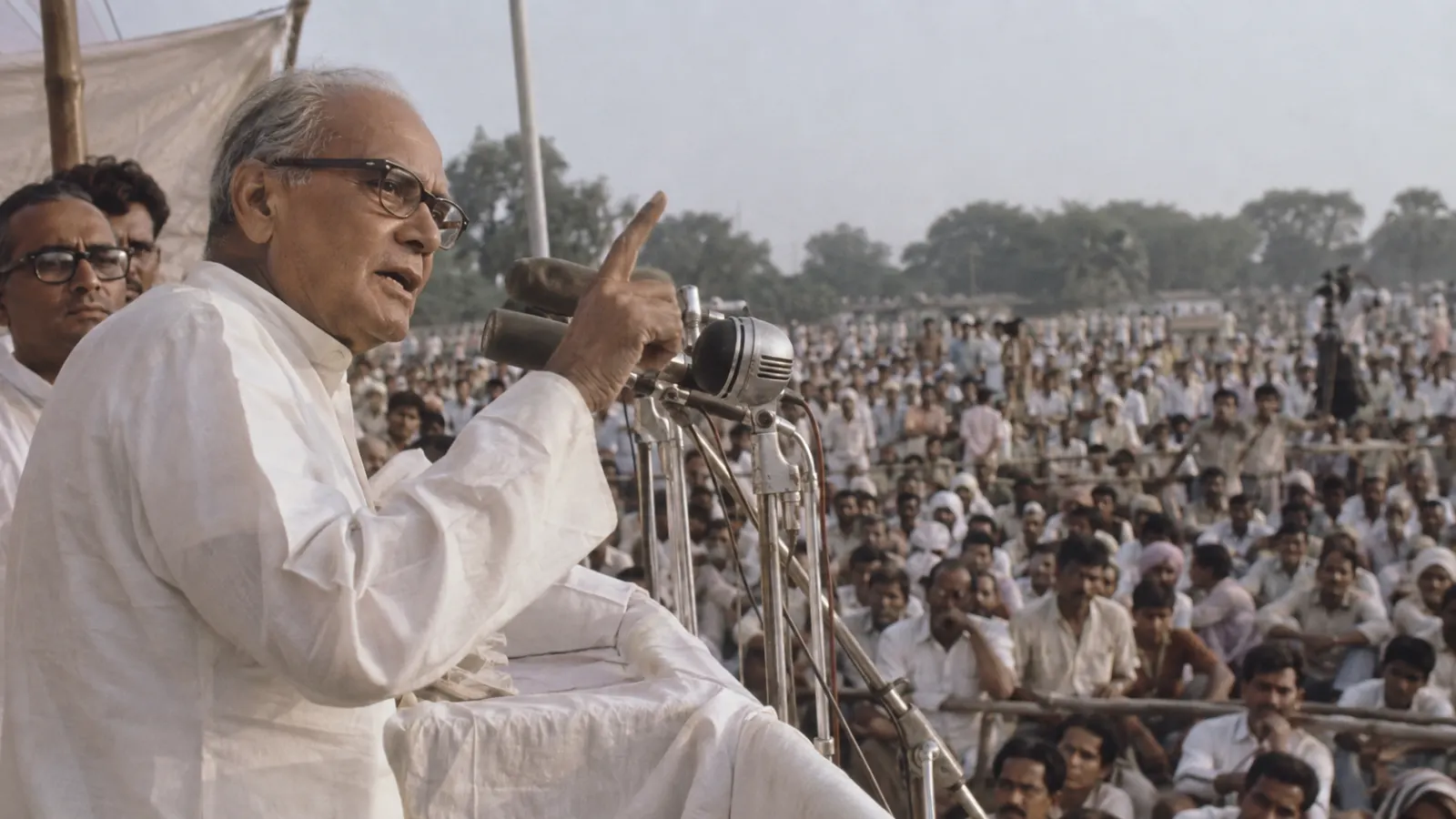
Jayaprakash Narayan moved from socialism to Sarvodaya and Total Revolution, becoming a defining voice against concentrated political power.
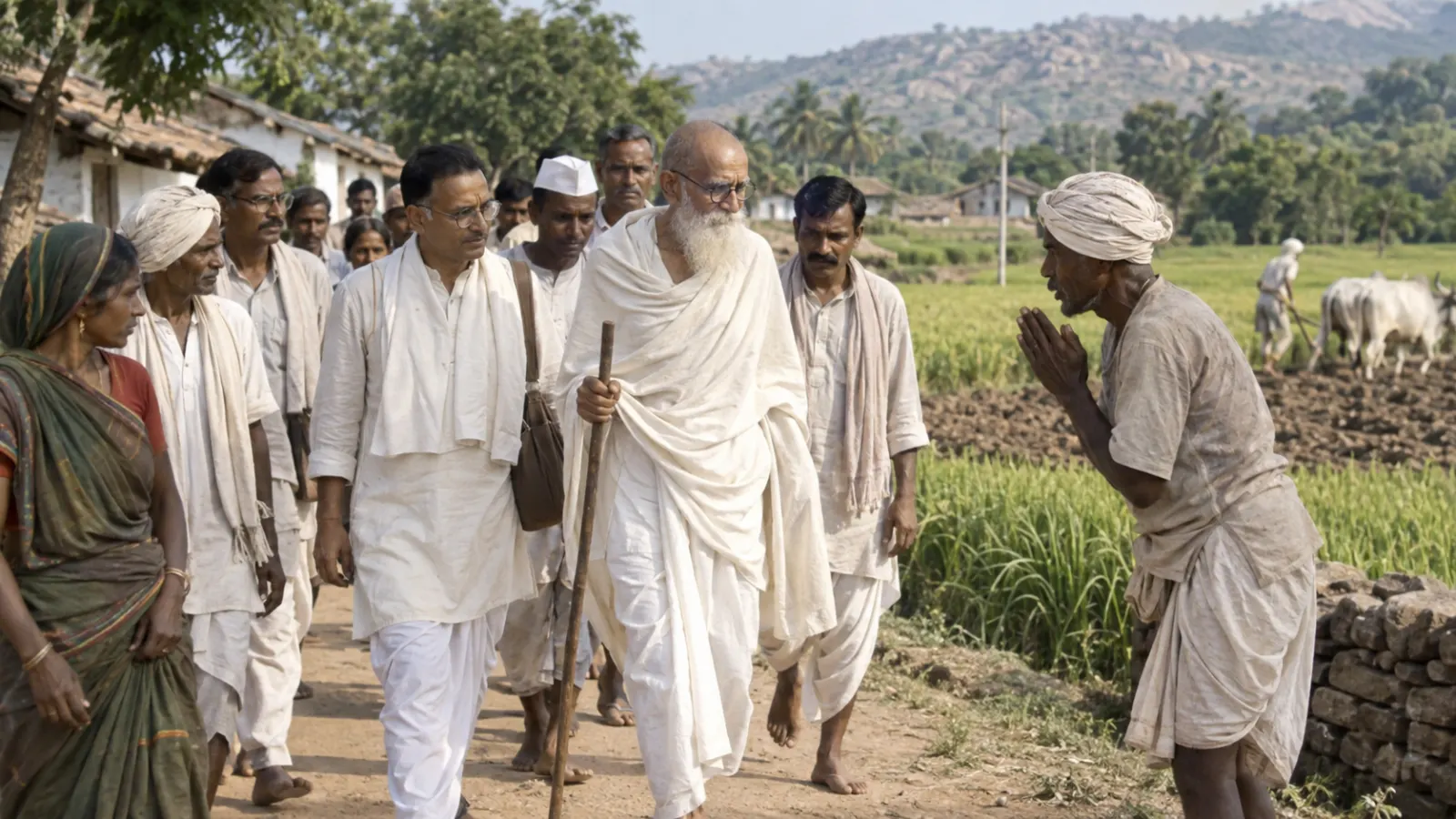
Vinoba Bhave led the Bhoodan movement and tested whether land reform, Sarvodaya and social equality could advance through non-violent persuasion.
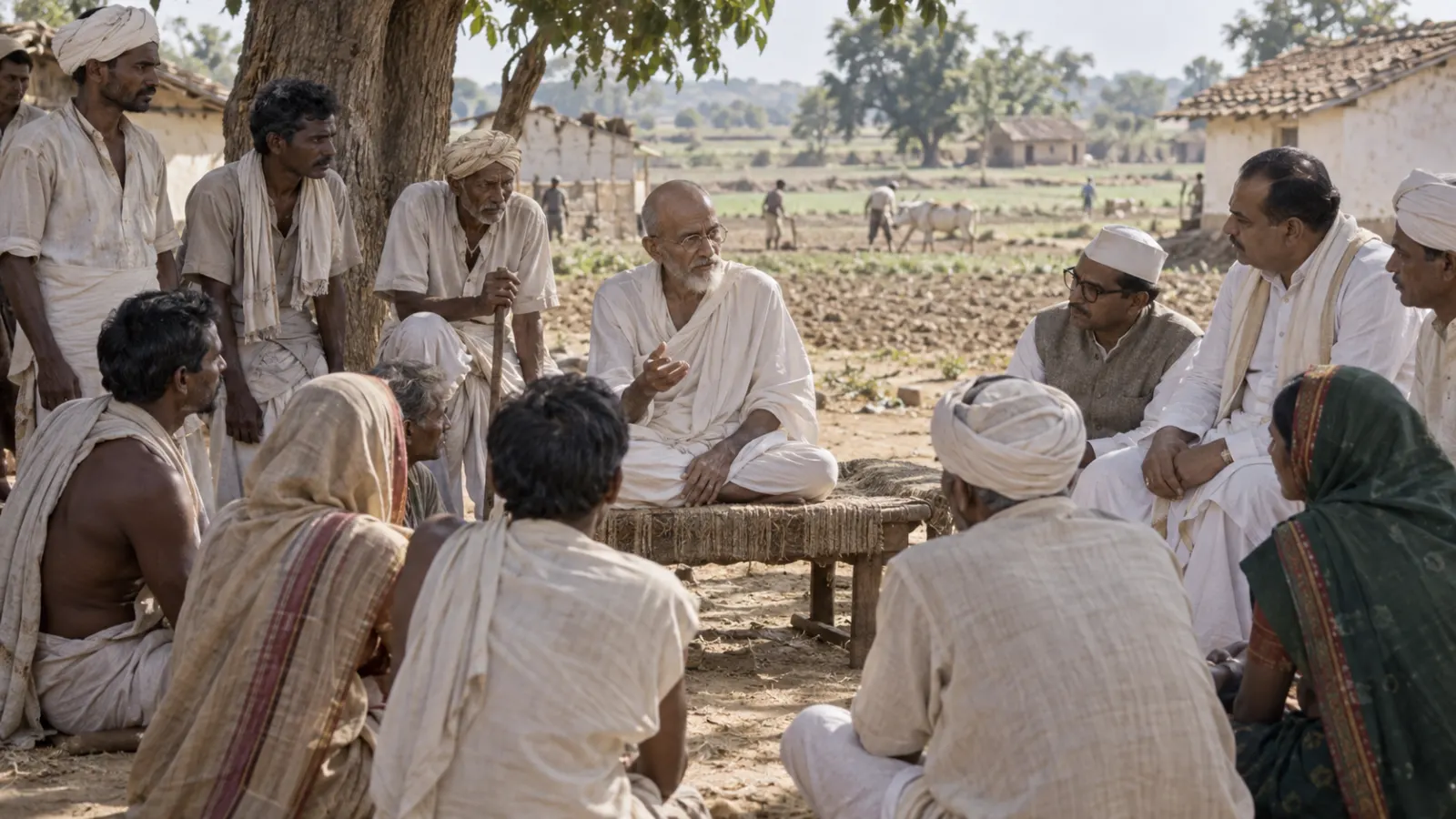
The Bhoodan movement used voluntary land gifts to address rural inequality, but turning pledges into secure land rights proved far more difficult.

R. K. Narayan created Malgudi and transformed ordinary Indian life into enduring fiction through humour, irony and understated storytelling.

Harivansh Rai Bachchan was the poet of Madhushala, a scholar, translator and public figure whose work shaped modern Hindi literary culture.

Rabindranath Tagore transformed Bengali short fiction through stories of freedom, inequality, childhood, women, migration and ordinary life.

Premchand reshaped Hindi-Urdu fiction through Godaan, short stories and social realism. Explore his life, bilingual writing and literary legacy.

Dadasaheb Phalke pioneered Indian filmmaking with Raja Harishchandra and helped turn cinema from an imported novelty into a local industry.

Mohammed Rafi transformed playback singing through versatility, diction, technique and an extraordinary ability to make his voice fit the character.