

India
Understanding How Memory Works
A clear explainer on how memory works through encoding, storage, retrieval, attention, sleep, cues and active recall.
Politics, policy, law, governance, education and society across India.
A clear explainer on how memory works through encoding, storage, retrieval, attention, sleep, cues and active recall.

A practical guide to improving concentration by reducing distractions, defining tasks, managing energy and using active study methods.
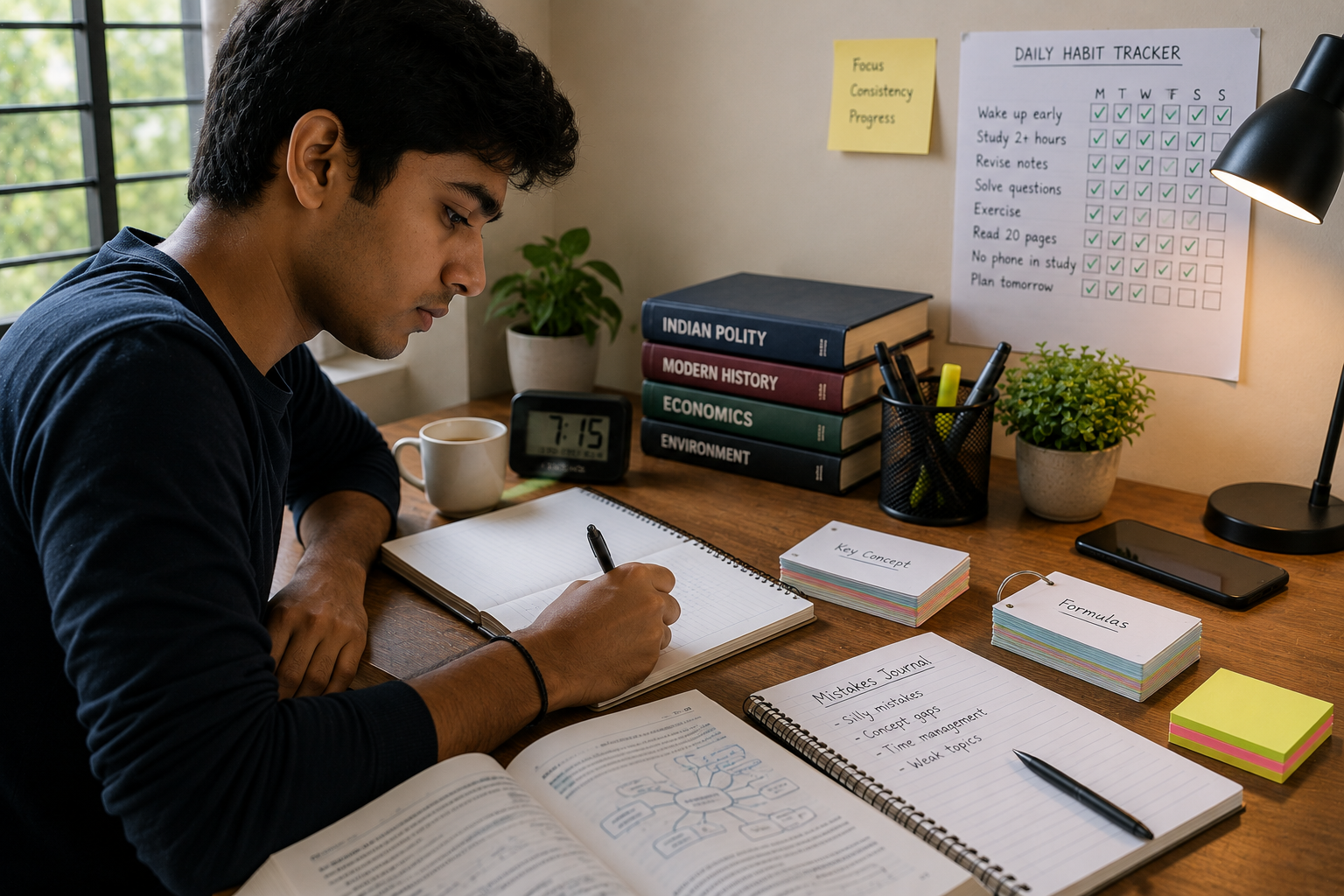
An evergreen explainer on habit formation for students, covering cues, routines, rewards, automaticity and practical study routines.
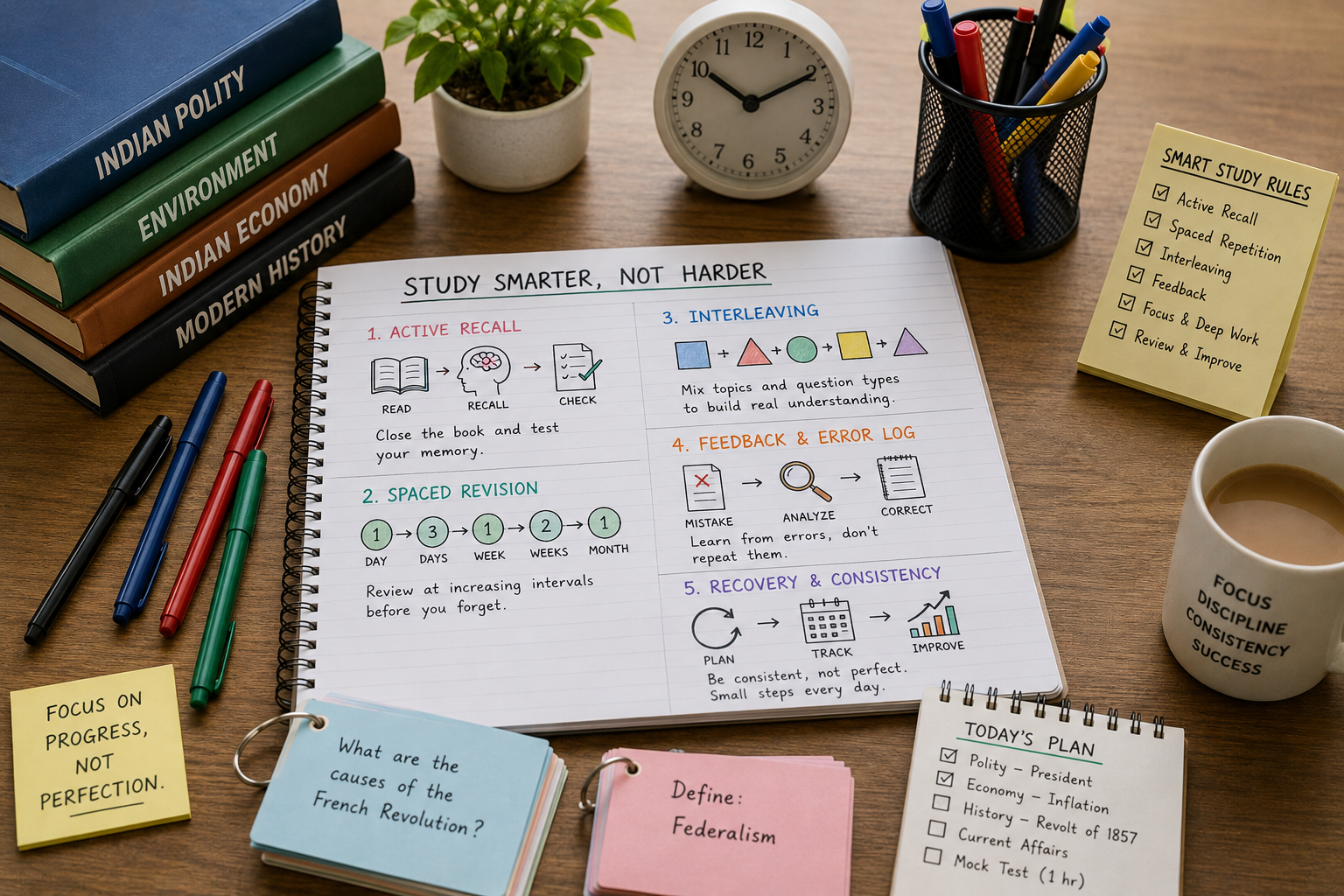
Studying smarter means turning effort into real learning through active recall, spaced revision, feedback, focused study and error correction.

The science of learning shows that students learn better through attention, active recall, spacing, feedback, sleep and application—not passive rereading alone.
The forgetting curve shows why students forget after one reading and how active recall, spaced revision, sleep and error review can strengthen memory.

Spaced repetition strengthens memory by reviewing topics at planned intervals, using active recall before forgetting becomes complete.
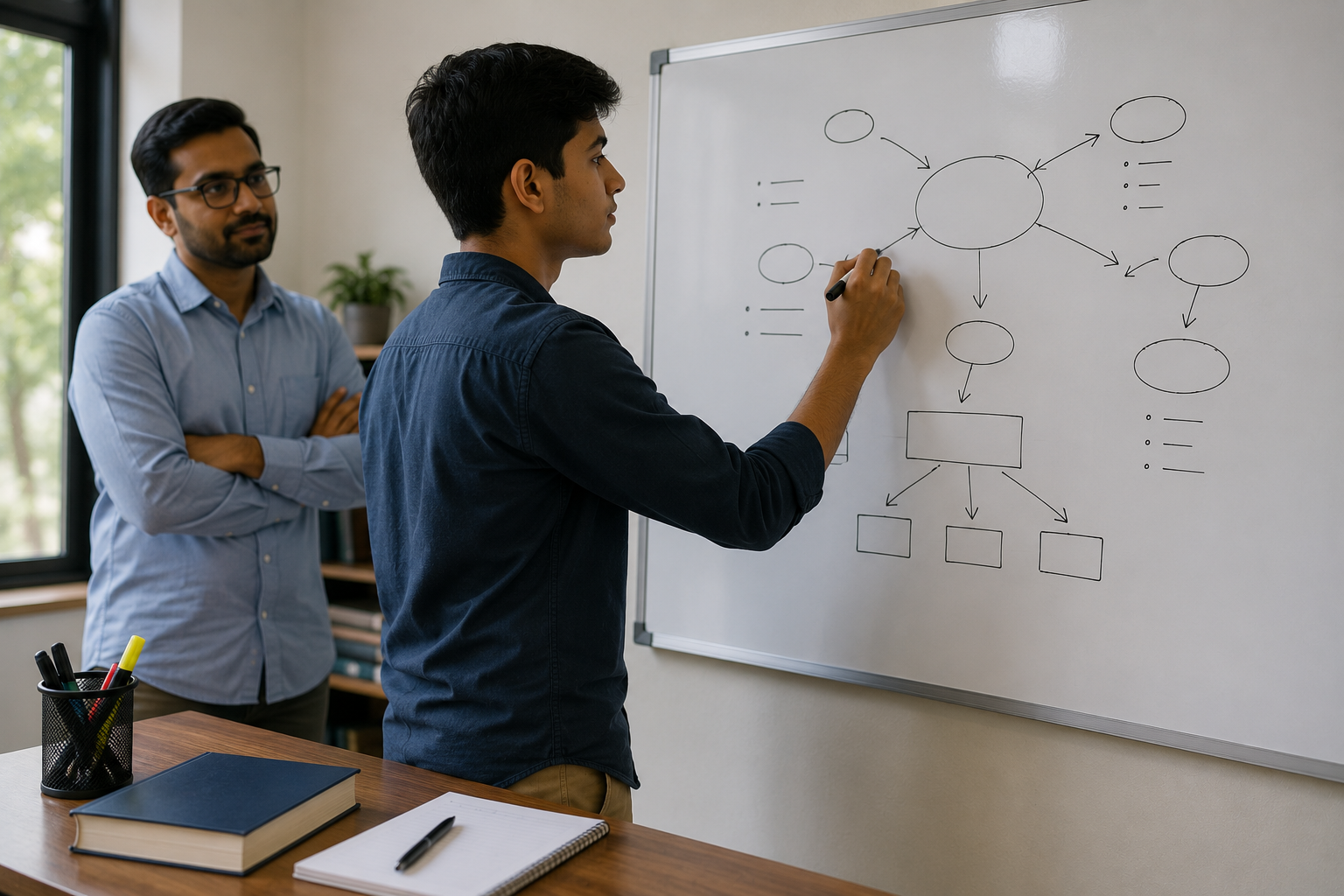
A clear, evergreen explainer on active recall for better memory, how it works, why it beats passive revision, and how students can use it daily.

A practical evidence-based explainer on why cramming feels productive but fails long-term memory, confidence, sleep and exam performance.

A practical guide to building a realistic study schedule that survives distractions, backlog, exams and low motivation.

A clear explainer on the Pomodoro Technique, how 25-minute focus blocks work, when to use them, their limits and how students can adapt them.
Understand President’s Rule under Article 356, its meaning, process, limits, judicial review and impact on federal democracy.