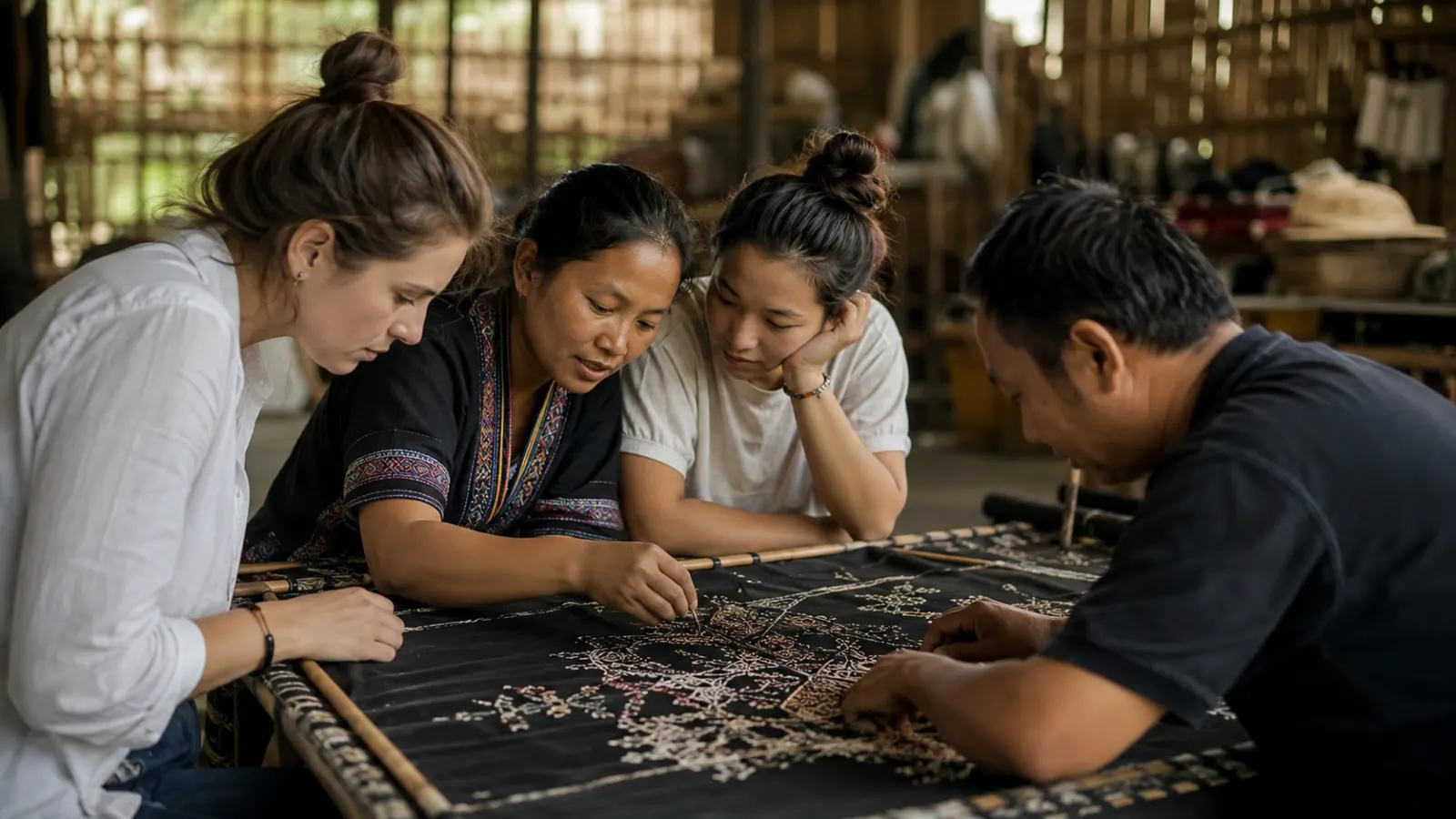
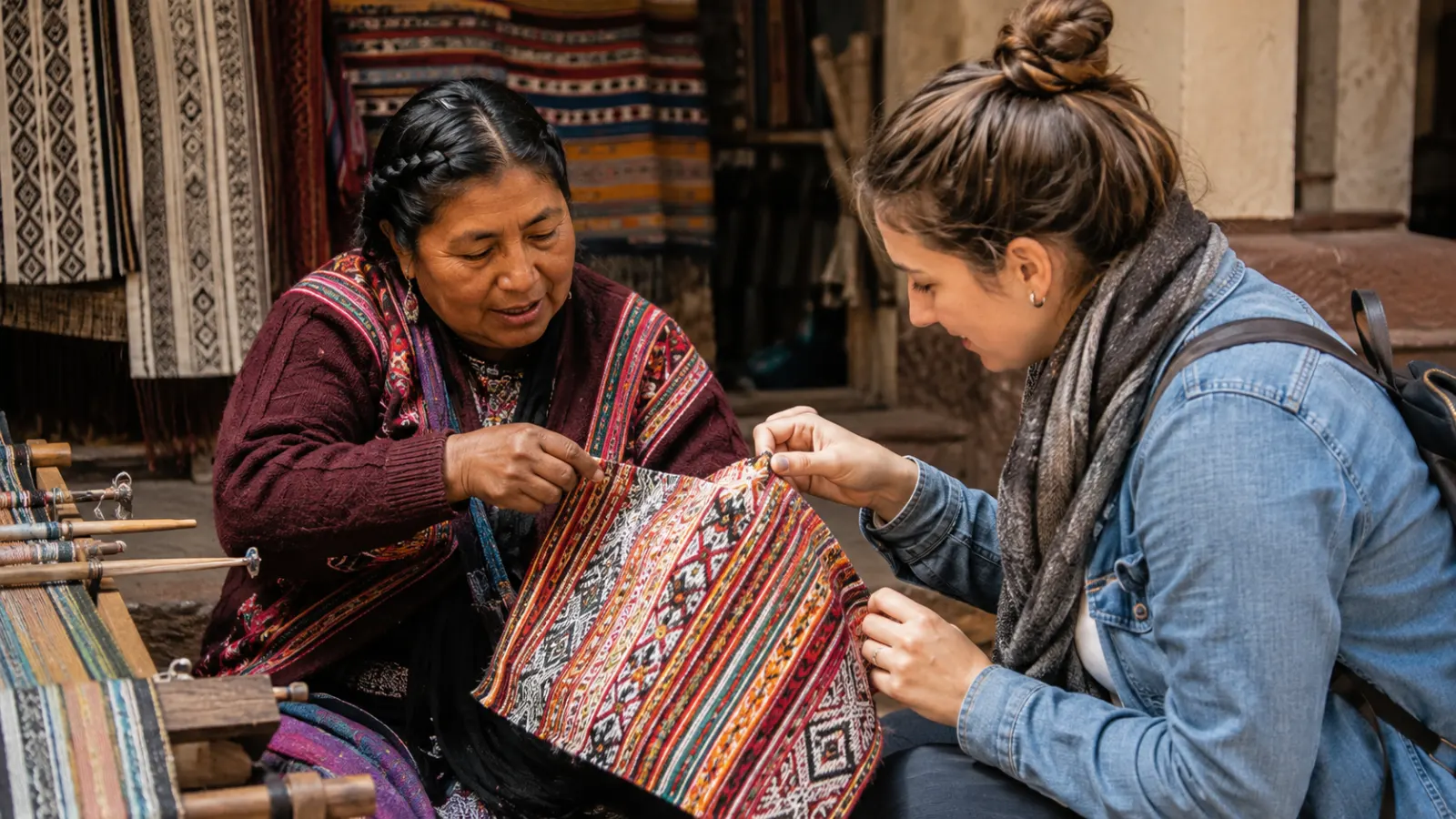
Cultural appreciation and appropriation are separated by context, respect, power and benefit. Here is a practical framework for telling the difference.
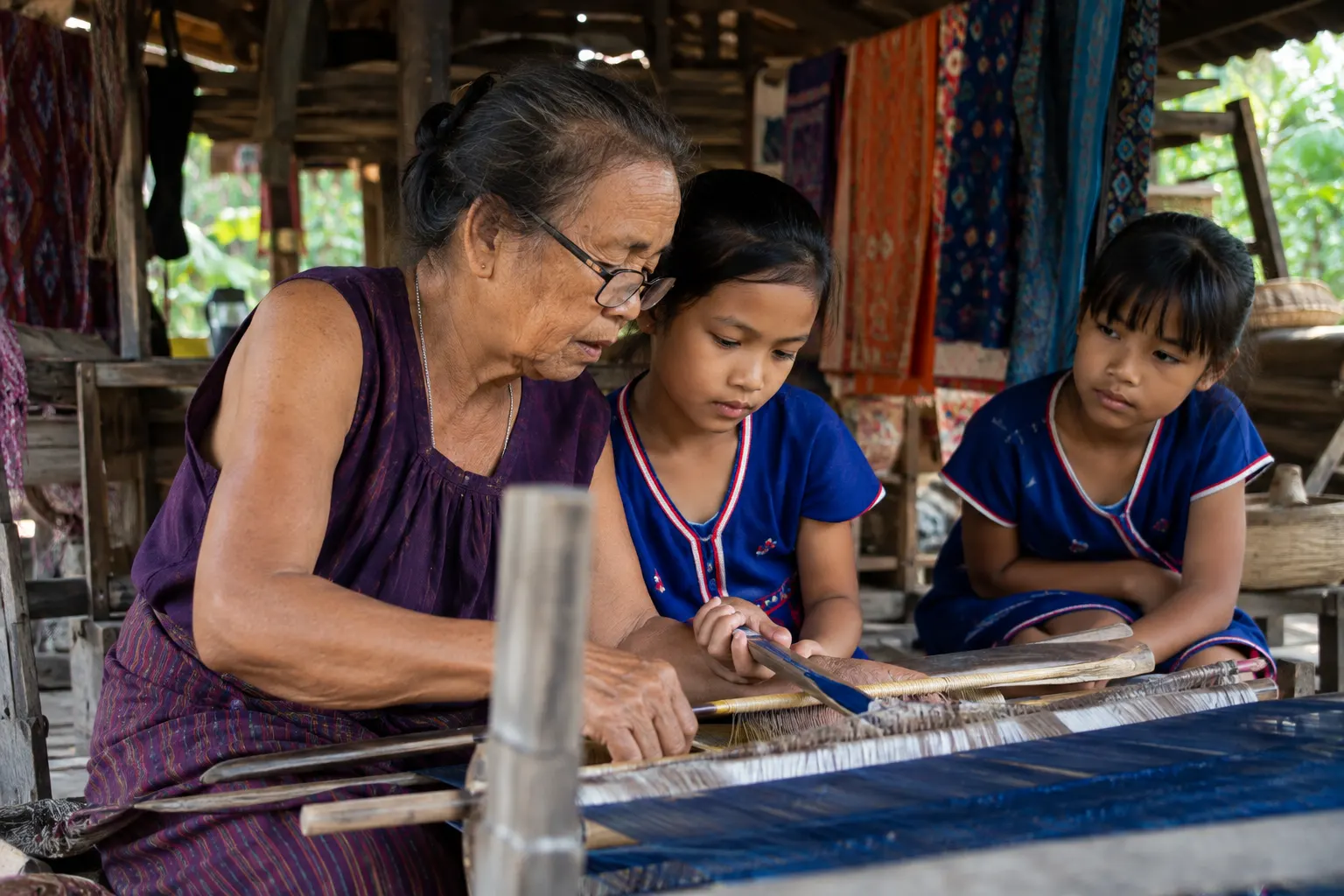
Local traditions disappear when the systems supporting transmission—teachers, livelihoods, language, spaces, materials and community participation—begin to break down.
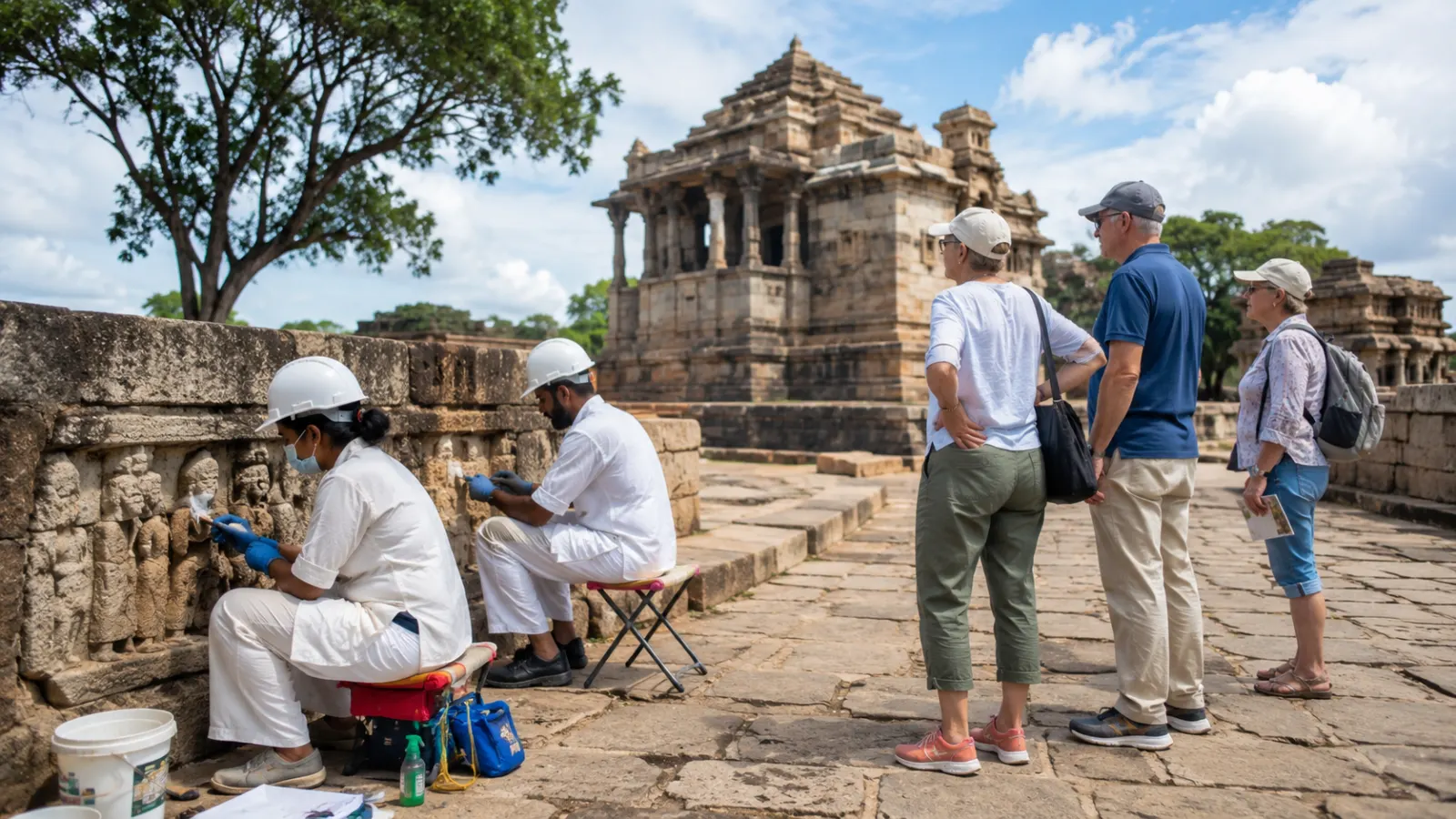
A UNESCO World Heritage Site is formally recognised for Outstanding Universal Value through a rigorous nomination, evaluation, protection and monitoring process.
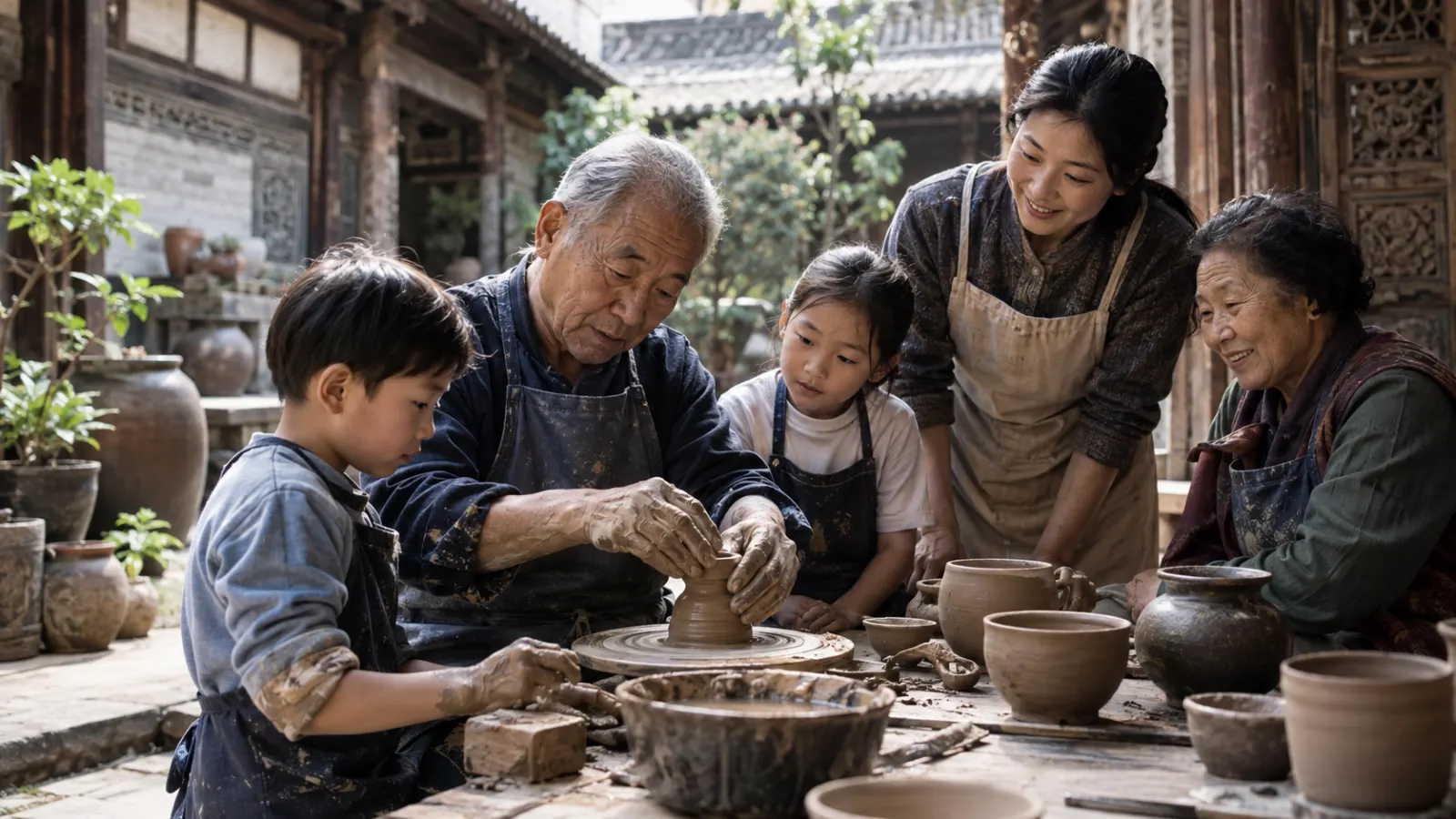
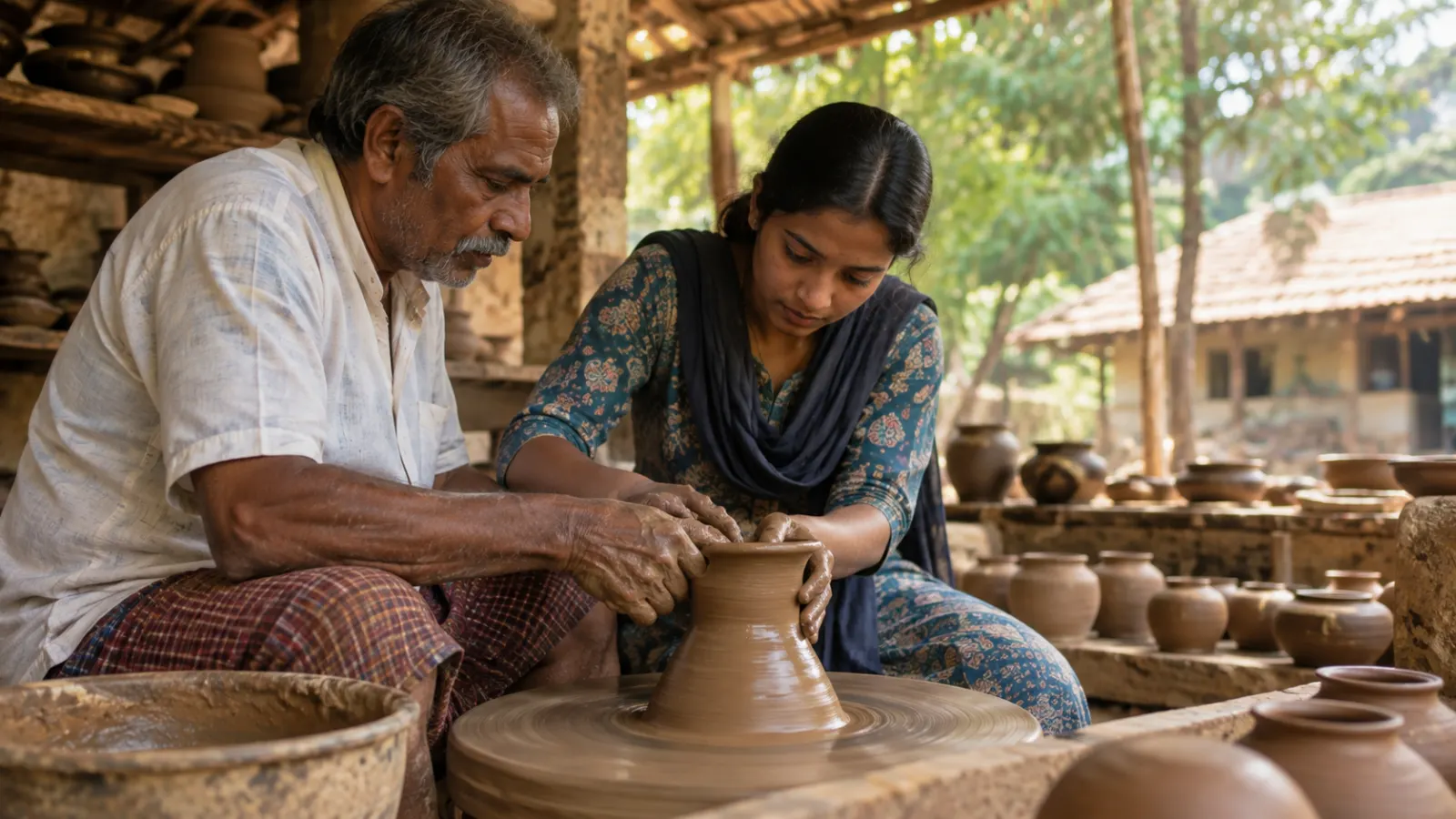
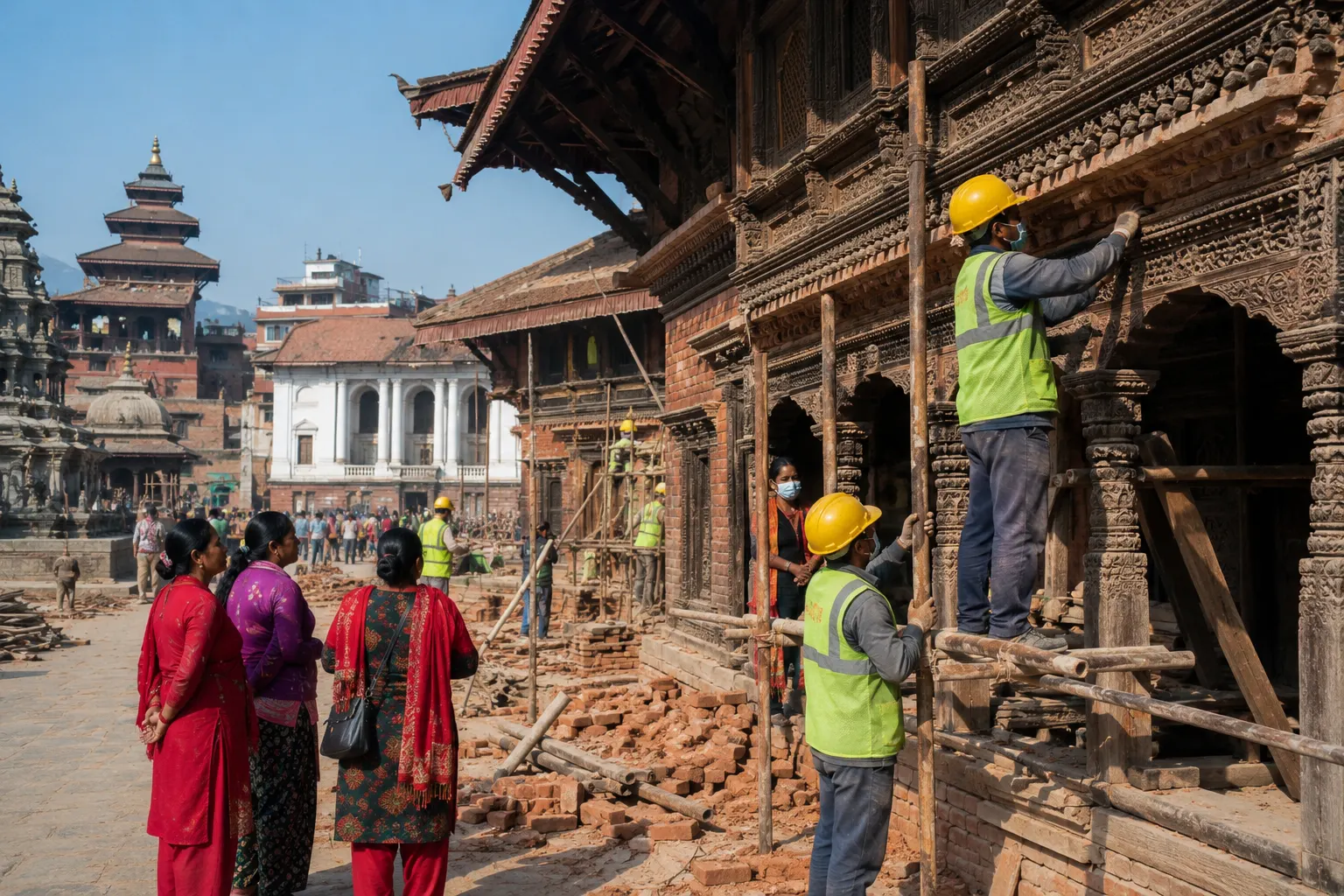
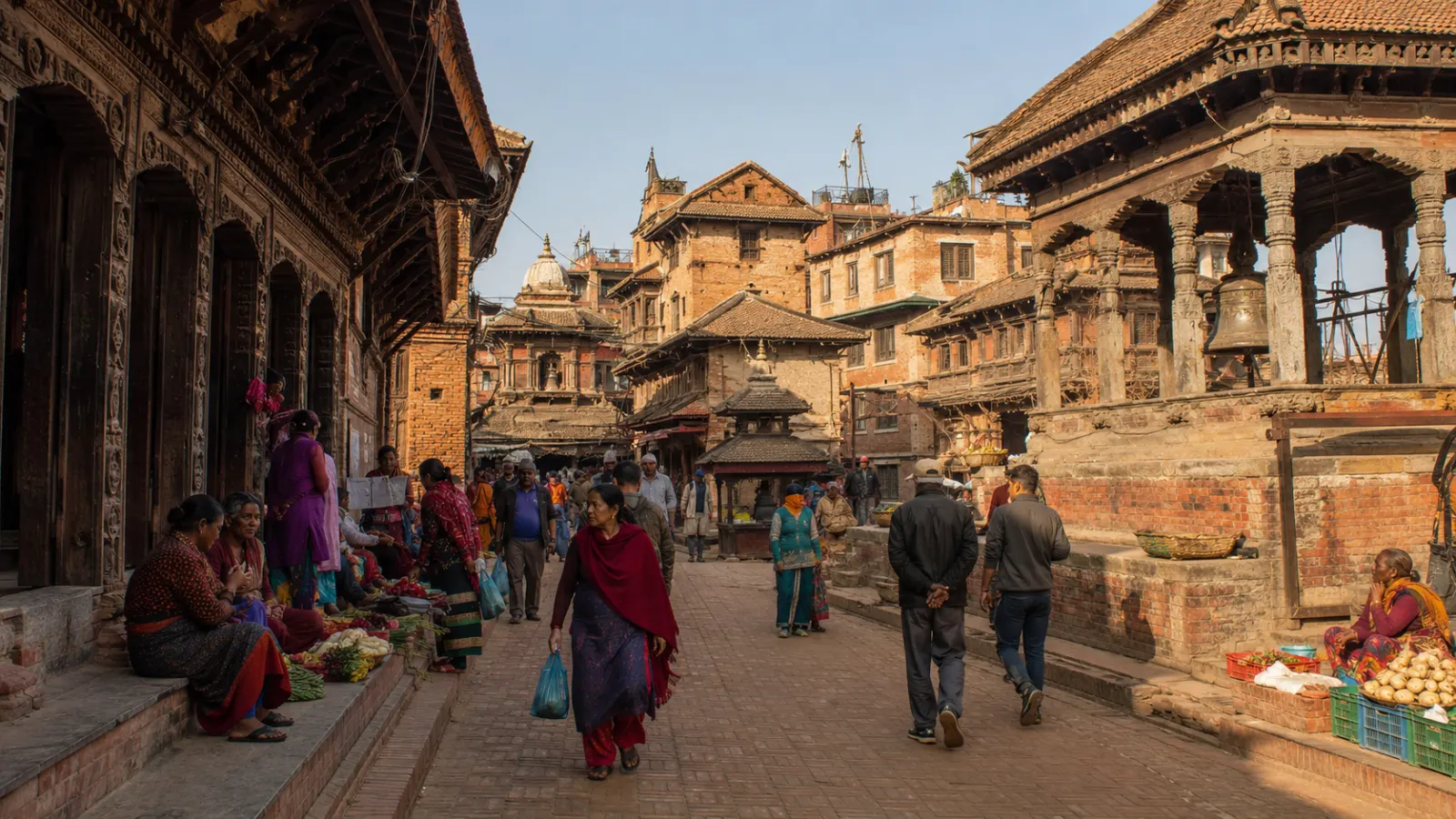
What is cultural heritage? It includes places, objects, traditions, knowledge and practices that people inherit, value and seek to preserve for future generations.
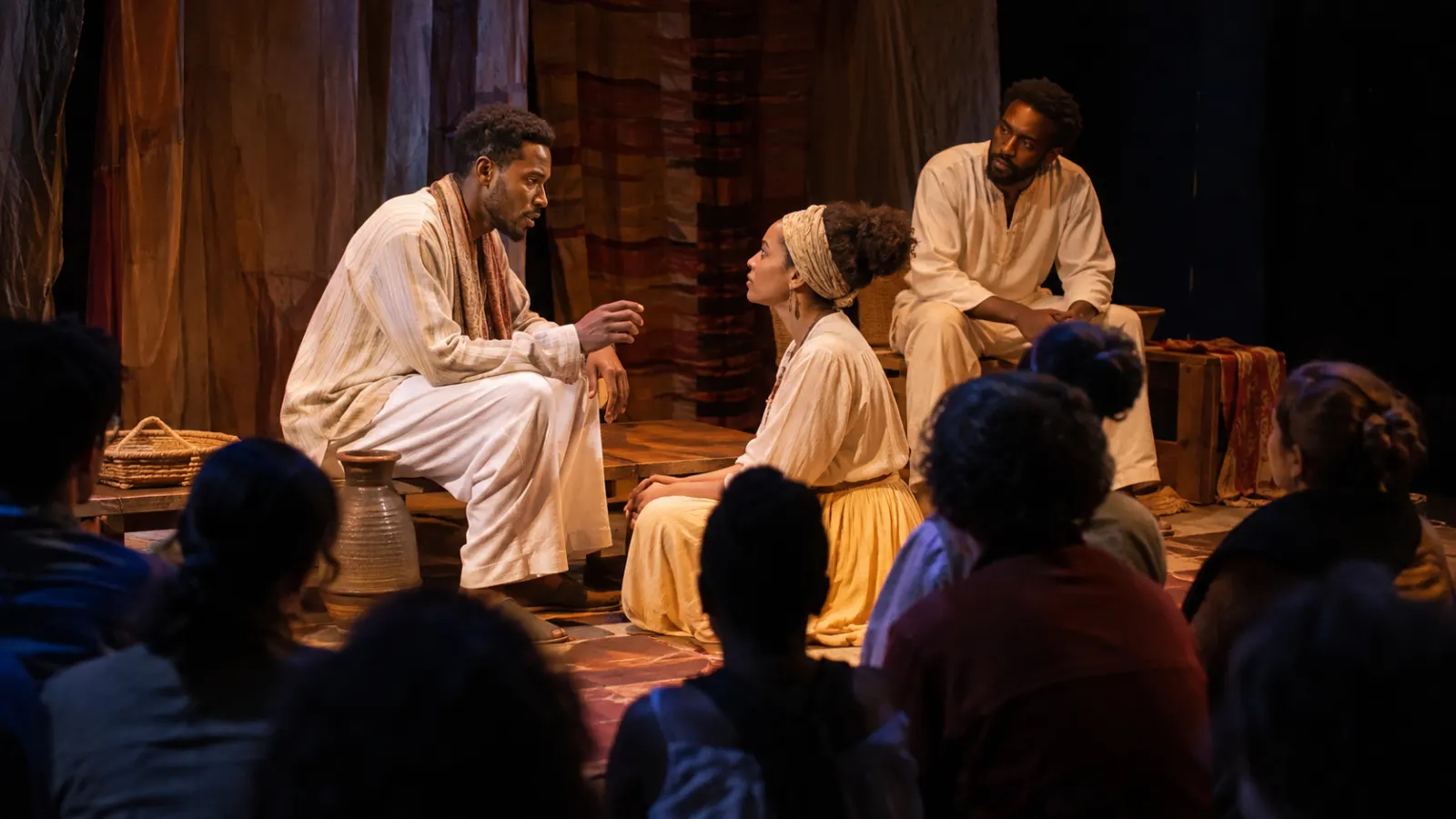
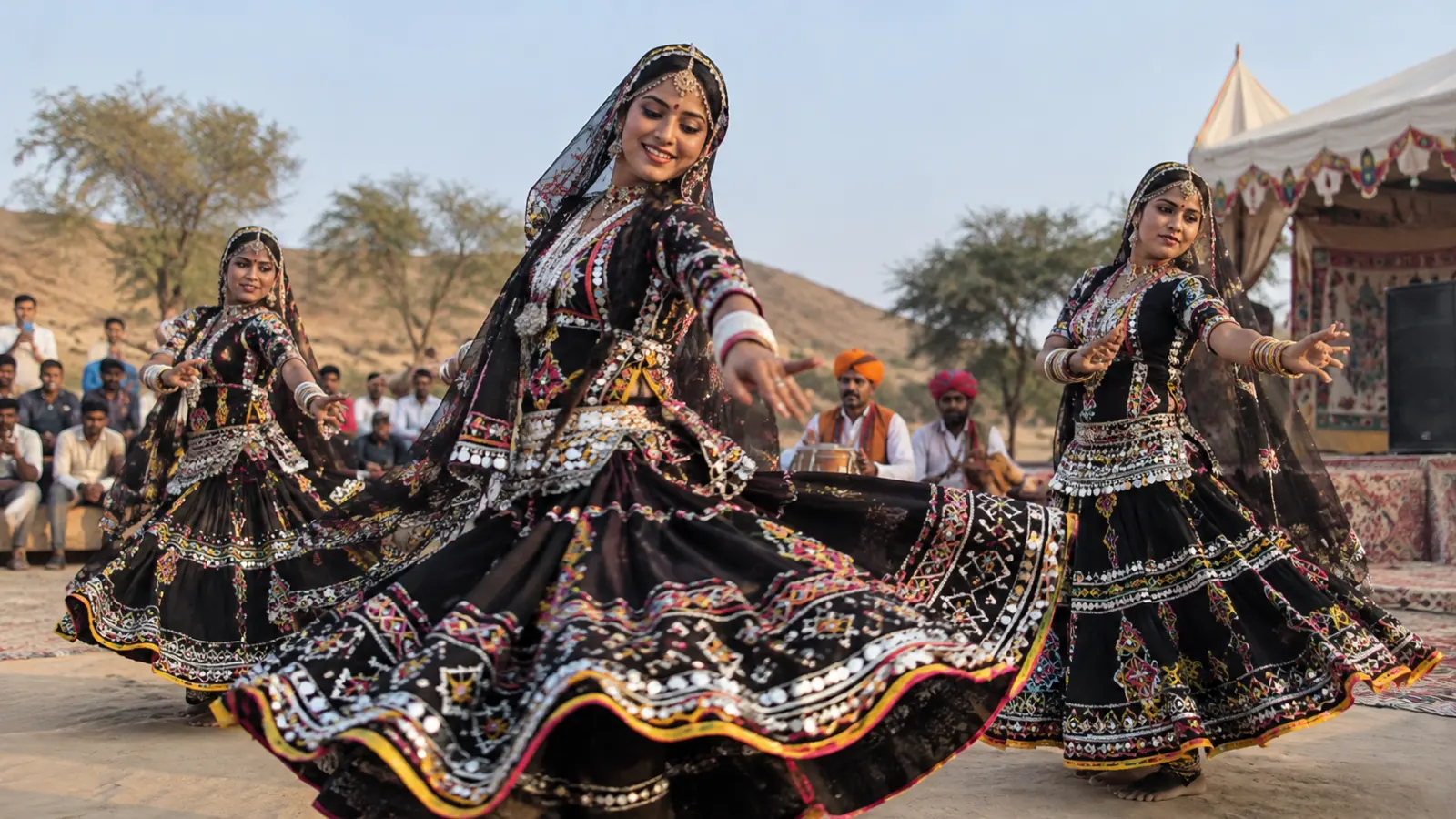
The cultural significance of folk dance lies in how it preserves identity, heritage, language, memory and community across generations.
Enjoying the reporting?
We noticed an ad blocker. Ads keep our journalism free — please consider allowing them, or subscribe to our newsletter instead.
We use cookies to keep you signed in and to understand how readers use the site. See our Privacy Policy.