Railway Employees to Get 78-Day Bonus; Up to ₹17,951 Each
The Union Cabinet has approved a productivity-linked bonus equivalent to 78 days’ wages for more than 11.4 lakh eligible Indian Railways employees, providing a festive-season payout to non-gazetted railway staff across the country.
The decision covers approximately 11,40,770 employees and carries a total financial outlay of about ₹2,009.61 crore. The maximum amount payable to an eligible employee will be ₹17,951.
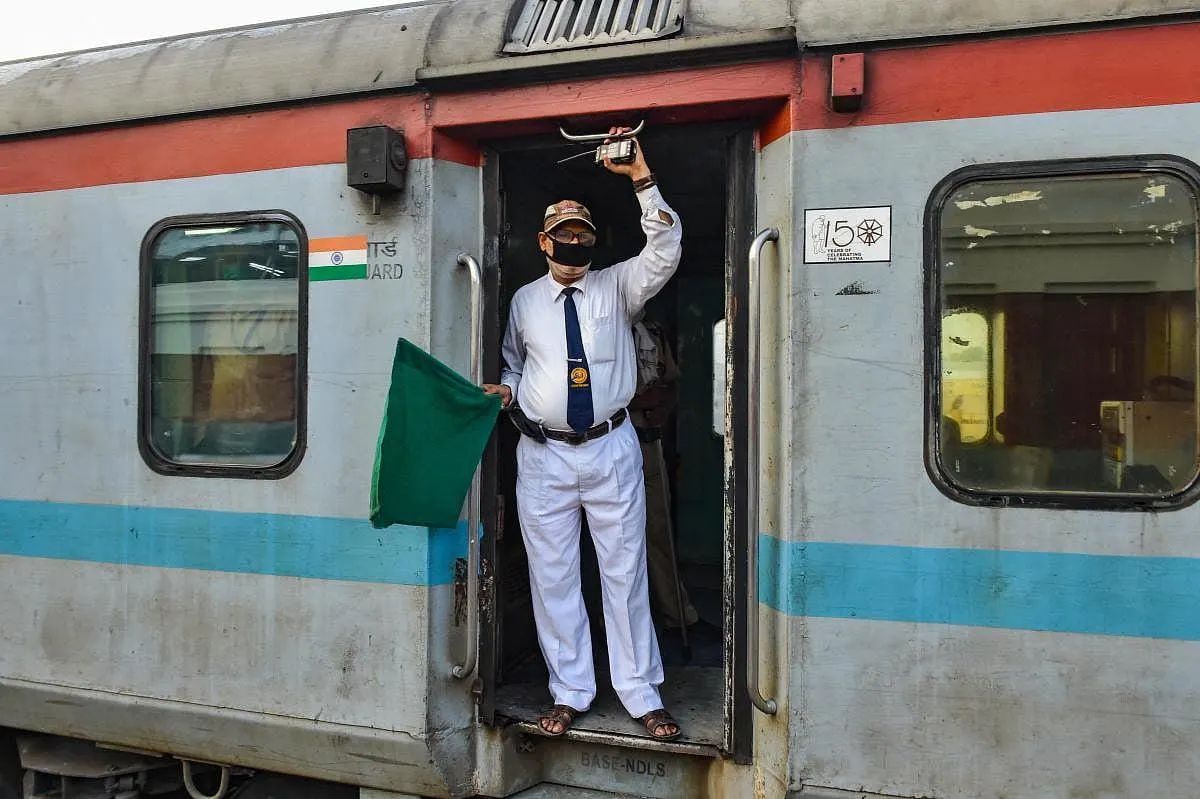
The bonus will benefit a wide range of railway workers, including loco pilots, station masters, train managers, track maintainers, supervisors, technicians, technician helpers, pointsmen, ministerial staff and other eligible Group C employees.
Who will receive the railway bonus?
The productivity-linked bonus is meant for eligible non-gazetted railway employees.
Unlike a universal salary increase, the payment is linked to railway performance and is traditionally announced ahead of the festive season. The scheme is intended both to recognise employees’ contribution and to provide an incentive for improving operational performance.
For the current payout, an eligible employee can receive up to ₹17,951 for the 78-day bonus period.
The actual payment is calculated according to the rules governing the productivity-linked bonus rather than simply multiplying an employee’s normal monthly salary by 78 days.
This distinction is important because some social-media posts and unofficial messages have circulated exaggerated bonus figures in the past. Employees should rely on official railway and government communications for their final entitlement.
Government cites record freight and passenger performance
The government has linked the bonus decision to Indian Railways’ performance during the 2025-26 financial year.
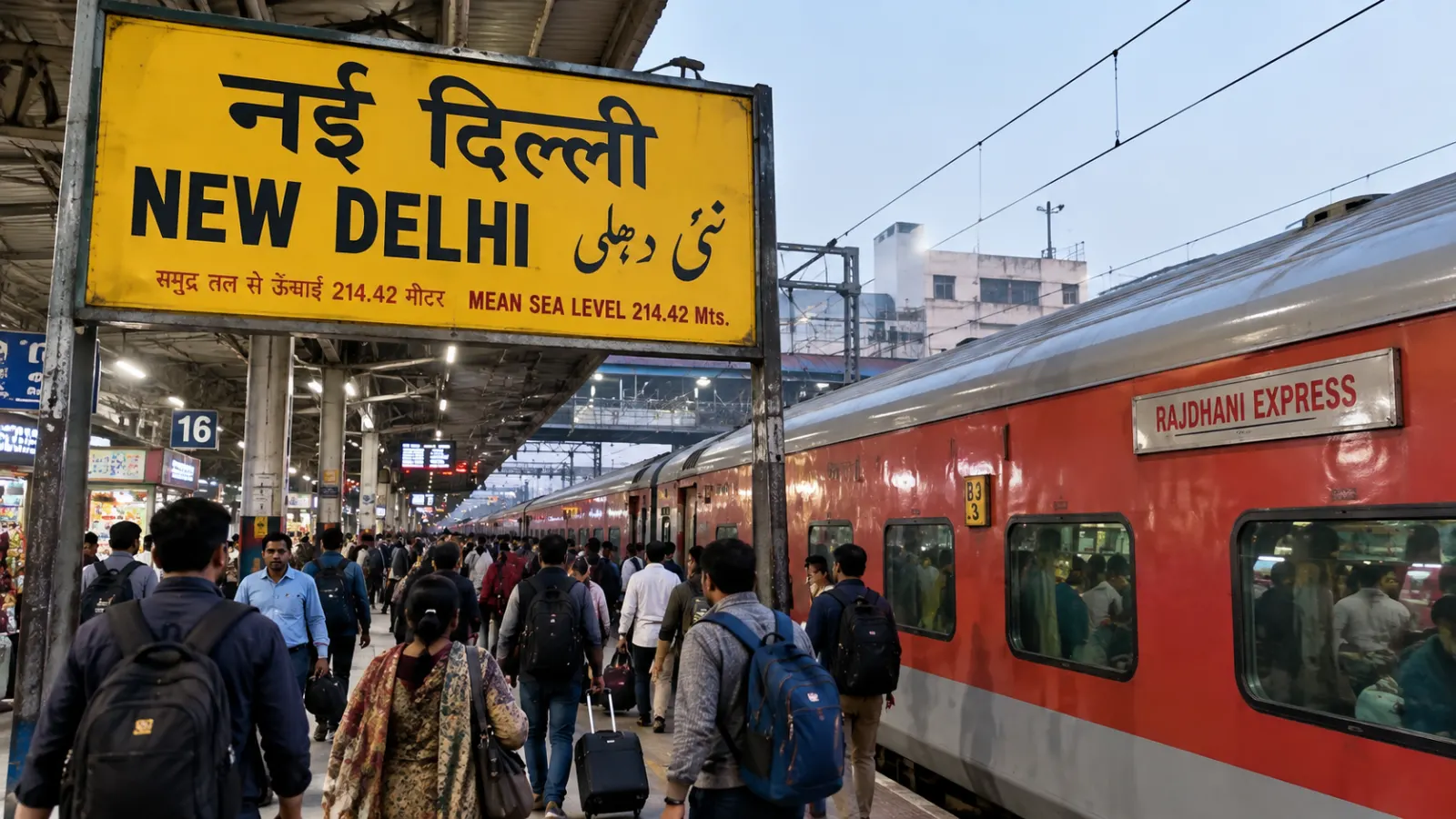
Railways handled a record freight volume of around 1,670 million tonnes during the year while carrying approximately 7.41 billion passengers.
Freight loading is a major source of revenue for Indian Railways, while passenger traffic remains one of the largest public-transport operations in the world.
The government says railway employees played an important role in maintaining operations, improving efficiency and handling rising volumes across the network.
The productivity-linked bonus is therefore presented not simply as a festive payment but as recognition of staff contribution to the system’s operational performance.
More than ₹2,000 crore approved for the payout
The total cost of the bonus is estimated at ₹2,009.61 crore.
Because more than 11 lakh employees are covered, even a relatively modest individual payment translates into a substantial government expenditure.
The scheme applies across a broad spectrum of railway operations, from employees directly involved in train movement to technical, maintenance and administrative staff.
The inclusion of loco pilots, station masters, track maintainers and technicians also highlights how widely distributed the workforce is across the railway network.
For many employees, the timing of the payment is likely to be particularly significant because it comes around the festive season, when household spending typically rises.
Why the 78-day figure does not mean 78 days of normal salary
One of the most common points of confusion surrounding the railway bonus is the phrase “78 days’ wages.”
It does not mean that every employee will receive 78 days of their full normal salary.
The productivity-linked bonus is calculated using a prescribed wage ceiling and formula. That is why the maximum payment is capped at ₹17,951 even though the normal salary of many railway employees would be substantially higher if calculated for 78 actual working days.
The figure therefore represents the number of days used within the bonus formula rather than a direct multiplication of the employee’s current monthly pay.
Employees should check the official railway payment order or their salary records when the bonus is credited to understand the exact amount applicable to them.
Festive-season bonus remains an annual railway practice
Indian Railways has traditionally paid productivity-linked bonuses to eligible employees before major festivals such as Durga Puja and Dussehra.
The practice is intended to reward staff while also linking part of the payment to organisational performance.
Because Indian Railways employs a large workforce across thousands of stations, depots, workshops and operational units, the annual announcement has significant financial impact across many households.
It can also provide a short-term consumption boost as employees receive additional income during one of the busiest spending periods of the year.
This year’s decision continues that pattern while expanding coverage to roughly 11.4 lakh employees.
Beware of exaggerated bonus claims online
Railway employees should also be cautious about unofficial messages circulating on social media or messaging platforms claiming much larger bonus amounts.
The government-approved maximum payment under the current 78-day productivity-linked bonus is ₹17,951 per eligible employee.
Any communication claiming substantially higher amounts should be verified against official Railway Board or government notifications before being treated as genuine.
For railway staff, the most important information is now straightforward: approximately 11.4 lakh eligible employees are covered, the government has approved more than ₹2,000 crore for the payout, and the maximum individual bonus is ₹17,951.
The next practical step will be the issuance and implementation of payment instructions across railway zones and units, followed by the actual credit of the bonus to eligible employees.