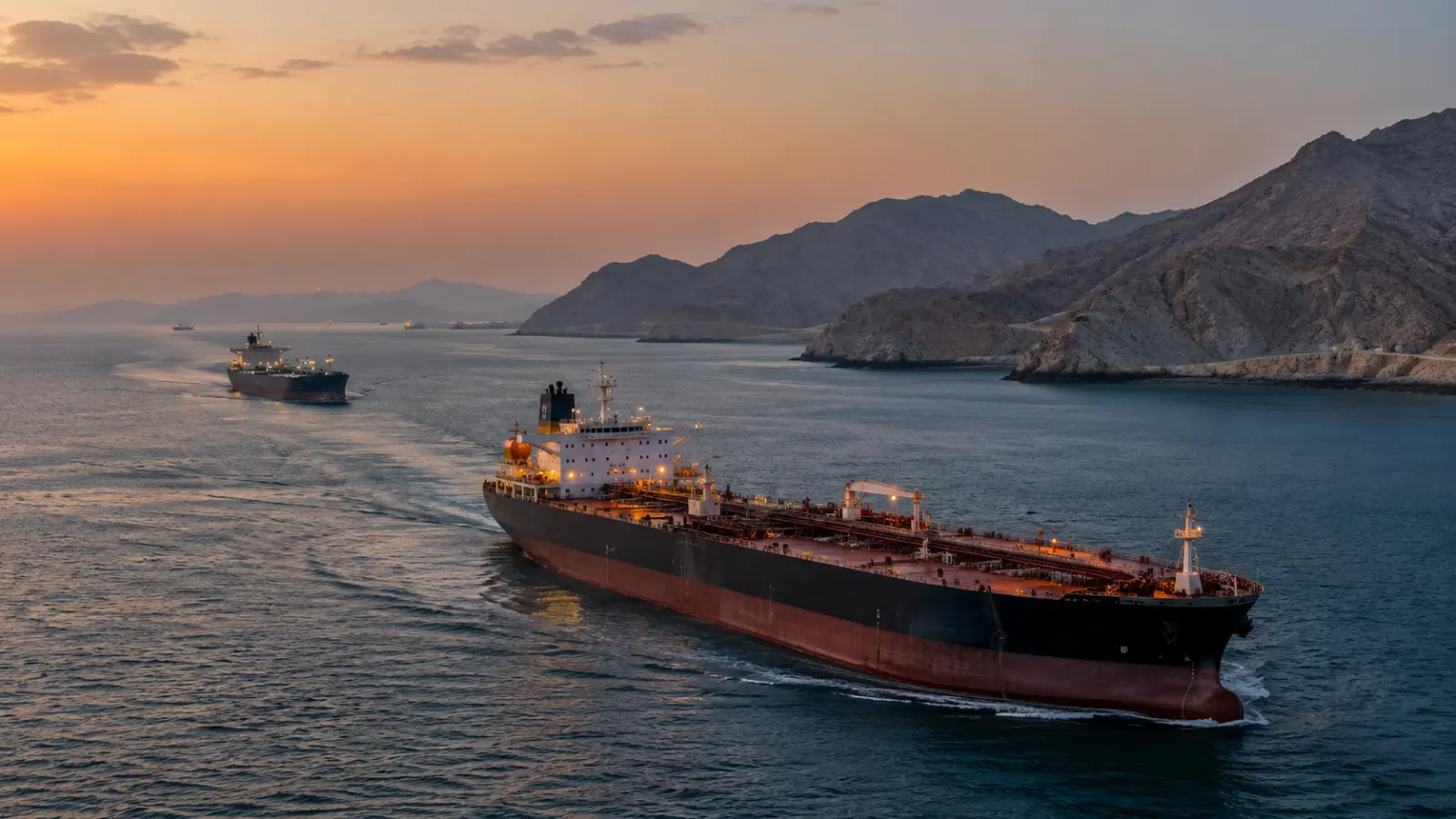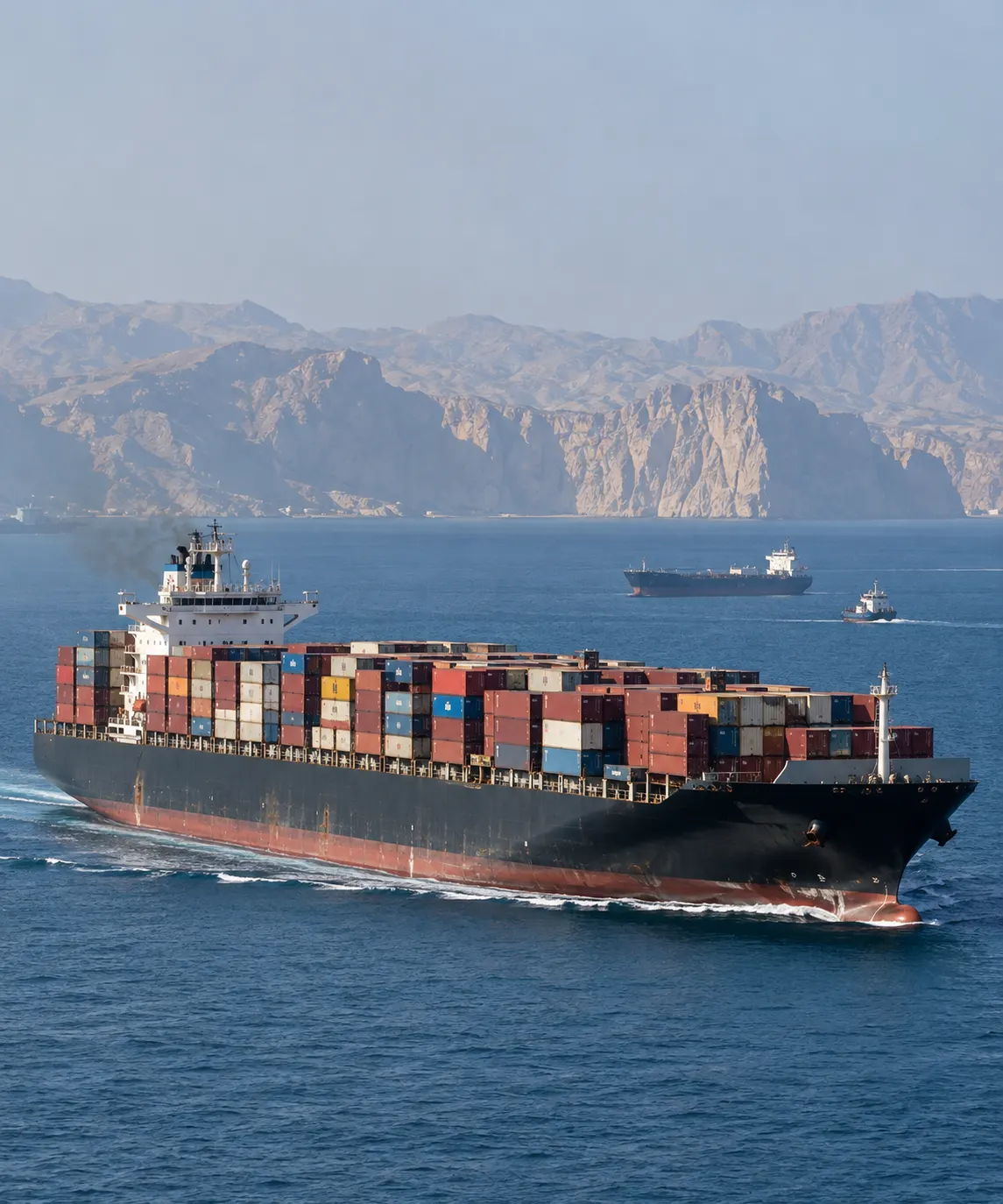
Container Ship Carrying 2,500 Containers Sinks Near Strait of Hormuz
A container ship carrying more than 2,500 containers has reportedly sunk in waters south of the Strait of Hormuz after striking a naval mine and catching fire, according to Iran’s Islamic Revolutionary Guard Corps Navy.
Iranian authorities said the vessel was attempting to transit what they described as an unauthorised and dangerous route through the strategic waterway when it hit the mine. The impact reportedly triggered an explosion and a major fire before the ship eventually sank.
The vessel has not yet been publicly identified, and there was no immediate confirmed information about the fate of its crew. Independent maritime monitors had also not immediately verified all details surrounding the incident.
The sinking is particularly significant because the Strait of Hormuz is one of the world’s most important shipping corridors and a critical route for global oil and gas exports.
Iran says vessel hit naval mine before sinking
According to the Iranian account, the container ship entered an area authorities considered unsafe before striking a naval mine. The IRGC Navy subsequently warned local vessels and fishermen to exercise caution because containers and other debris could be floating in surrounding waters.
The ship was reportedly carrying more than 2,500 containers when the incident occurred.
Iran has repeatedly warned commercial vessels against navigating parts of the Strait without following restrictions imposed by Tehran during the continuing regional conflict. US forces have meanwhile been assisting some commercial vessels travelling through alternative routes closer to Oman.
The incident appears to be the first time during the current conflict that Iranian authorities have reported a commercial vessel sinking after striking a naval mine.
However, several critical questions remain unanswered. Iranian officials have not publicly identified the ship, disclosed its flag or operator, or confirmed the number and nationality of crew members onboard.
There has also been no immediate independent confirmation of whether the mine was recently deployed, how the vessel entered the affected area or whether distress calls were issued before the ship sank.
Shipping risks around Hormuz are rising sharply
The reported sinking comes amid a significant increase in attacks and maritime security incidents around the Strait of Hormuz.
Commercial ships have faced missile, drone and other attacks in recent weeks as regional tensions have intensified. Maritime authorities have repeatedly warned shipowners to exercise extreme caution when approaching the Strait and surrounding Gulf waters.
The latest incident could further increase pressure on shipping companies already reconsidering whether to send vessels through the area.
Insurance premiums for ships operating near conflict zones typically rise sharply when the perceived risk of attack increases. Some operators may also choose longer alternative routes or delay journeys if the threat becomes severe enough.
That matters well beyond the immediate region because the Strait of Hormuz is a major artery for global energy trade and commercial shipping.
A disruption affecting even a relatively small number of vessels can increase freight costs, delay deliveries and contribute to higher energy prices.
Why the Strait of Hormuz matters globally
The Strait of Hormuz separates Iran from Oman and connects the Persian Gulf with the Gulf of Oman and the Arabian Sea.
A significant share of global oil and liquefied natural gas exports passes through the narrow waterway, including supplies from major Gulf producers.
That makes security in and around Hormuz closely watched by governments, energy companies, shipping firms and financial markets worldwide.
Any indication that naval mines are becoming a greater threat to commercial traffic could have consequences far beyond the loss of a single vessel.
Mine-related incidents are particularly concerning because they can make entire shipping corridors dangerous even when no active attack is taking place. Clearing mines can require specialised military equipment and may take considerable time.
A confirmed mine threat could therefore force vessels to avoid specific routes, wait for naval escorts or suspend transit altogether.
Crew status and vessel identity remain unknown
One of the most important unanswered questions is what happened to the people aboard the ship.
Iran’s initial announcement did not provide confirmed information about casualties, injuries or rescue operations.
It also did not identify the vessel, preventing immediate independent checks of its ownership, recent movements or crew manifest.
International maritime agencies and shipping databases are likely to be closely examined as authorities attempt to establish which vessel was involved and what happened in the hours before it sank.
Until those details emerge, Iran’s account remains the principal source of information about the incident.
Any independent confirmation from maritime monitoring agencies, the ship’s operator or another government would substantially clarify the circumstances of the sinking.
Incident could add pressure to global oil and freight markets
The maritime security implications may prove more significant than the immediate loss of the container vessel.
Oil prices have already been sensitive to reports of attacks on infrastructure and shipping throughout the region. Concerns that commercial vessels could face mines, drones or missiles near Hormuz add another layer of uncertainty.
Shipping companies must now weigh the commercial importance of the route against the growing security risks.
If more vessels are damaged or operators begin avoiding the Strait in larger numbers, transportation costs could climb rapidly and energy exports could face delays.
For now, the reported sinking represents another serious escalation in an increasingly dangerous maritime environment.
The next crucial developments will be confirmation of the vessel’s identity, information about the crew, independent verification of the mine strike and any further warnings affecting commercial traffic through the Strait of Hormuz.