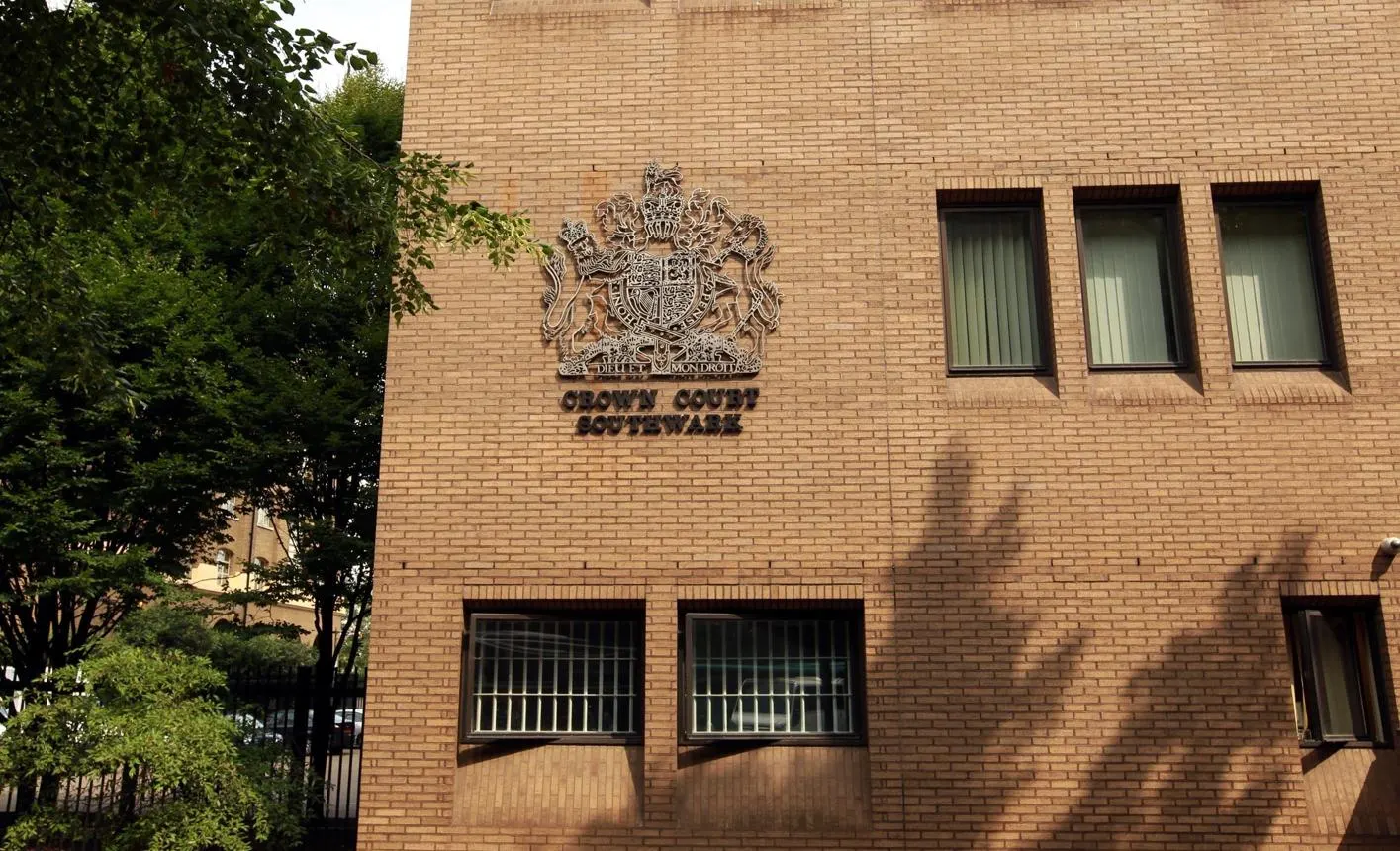
Abu Dhabi Royal Found Unconscious on London Street With Toddler Nearby
A 32-year-old member of Abu Dhabi’s ruling royal family through marriage has been sentenced in London after admitting child neglect following an incident in which she was found unconscious on a busy street while a barefoot three-year-old child in her care was left playing close to moving traffic.
Mahrah Al Nahyan was discovered slumped against railings in west London on June 13, with another unconscious man nearby. Members of the public found the toddler playing with a scooter and toy plane and intervened after the child moved dangerously close to the road.
The case has attracted international attention because of Al Nahyan’s links to the Abu Dhabi royal family, the circumstances surrounding the child’s safety and evidence presented in court about cocaine use in the days before the incident.
Bystanders stepped in as toddler wandered near traffic
The court heard that members of the public became concerned after noticing the three-year-old was barefoot and apparently unsupervised while two adults nearby were unconscious.
At one point, the child reportedly moved towards the road while chasing a piece of paper. A passer-by intervened before the toddler reached moving traffic.
Police were contacted at around 1.50pm, while members of the public remained with the child until officers arrived.
Al Nahyan reportedly remained unresponsive for approximately 30 minutes. When she regained consciousness, witnesses described her behaviour as erratic.
The prosecution argued that the toddler faced a serious risk of injury because the child could have entered the road, wandered away or been harmed while the adult responsible for their care was unable to supervise them.
The precise relationship between Al Nahyan and the child has not been publicly detailed.
Court hears about cocaine use before incident
During proceedings, the court was told that Al Nahyan had used cocaine in the days leading up to the June incident.
Police later found drug-related paraphernalia among her belongings, although no illegal drugs were recovered from her at the scene.
Her defence argued that she had not taken drugs on the day she was found unconscious. Instead, her lawyer said she was exhausted and experiencing the effects of cocaine use during the preceding period.
The defence acknowledged the seriousness of what happened and told the court that Al Nahyan recognised she had made a grave mistake.
Since July, she has reportedly been undergoing addiction treatment at a rehabilitation facility in Surrey and intends to continue receiving support after completing an intensive treatment programme.
The court was also told that she plans to continue attending rehabilitation sessions and Narcotics Anonymous meetings as part of her recovery.
Royal admits child neglect and receives community sentence
Al Nahyan admitted one count of child neglect.
The court imposed a two-year community order requiring rehabilitation rather than an immediate prison sentence. She was also fined £5,000 and ordered to pay £1,000 in prosecution costs.
During sentencing, the judge emphasised that the child could have suffered serious harm if members of the public had not intervened.
The toddler could have entered the road, become lost or been harmed by another person while Al Nahyan remained unconscious.
The sentence reflects both the seriousness of the risk to the child and the rehabilitation efforts Al Nahyan has undertaken since the incident.
Her guilty plea means there was no trial over whether the neglect offence occurred, although some details surrounding the circumstances of her collapse and drug use were presented through competing prosecution and defence accounts.
Royal connection draws wider attention
Al Nahyan is associated with Abu Dhabi’s ruling Al Nahyan family through marriage.
The ruling dynasty is one of the most influential royal families in the United Arab Emirates and includes senior figures in the country’s government.
Her royal connection has turned what would otherwise have been a local child-neglect case into an international story.
The court reportedly heard that Al Nahyan receives a monthly allowance of approximately £8,000, although details of her marriage and precise relationship within the royal household have not been publicly disclosed.
The case has also generated attention because images and video connected with the incident have circulated online, showing the unusual circumstances in which members of the public encountered the group.
However, the central issue before the court was not Al Nahyan’s wealth or royal status but the danger faced by the child while she was incapable of providing adequate supervision.
Judge highlights role of strangers in protecting child
One of the most significant elements of the case was the intervention of people who happened to be nearby.
Rather than ignoring the situation, bystanders stayed with the toddler, prevented the child from moving further towards traffic and contacted emergency services.
The court highlighted that intervention when considering how serious the consequences could otherwise have been.
Child-neglect cases generally focus not only on whether physical harm actually occurred but also on whether a responsible adult exposed a child to a foreseeable and significant risk.
In this case, no serious physical injury was reported.
Nevertheless, the child’s proximity to traffic while barefoot and unsupervised formed a central part of the prosecution’s case.
Al Nahyan will now be required to comply with the conditions of her community order and continue rehabilitation.
The case has concluded with a criminal sentence, but its unusual combination of royal connections, drug addiction, public intervention and the potential danger to a young child has ensured that it continues to attract attention well beyond the London courtroom.