

Explained
Why Poetry Has Power: How Verse Shapes Memory and Culture
Poetry gives language unusual power through rhythm, metaphor, memory and performance, allowing a few words to travel across generations.
Poetry gives language unusual power through rhythm, metaphor, memory and performance, allowing a few words to travel across generations.
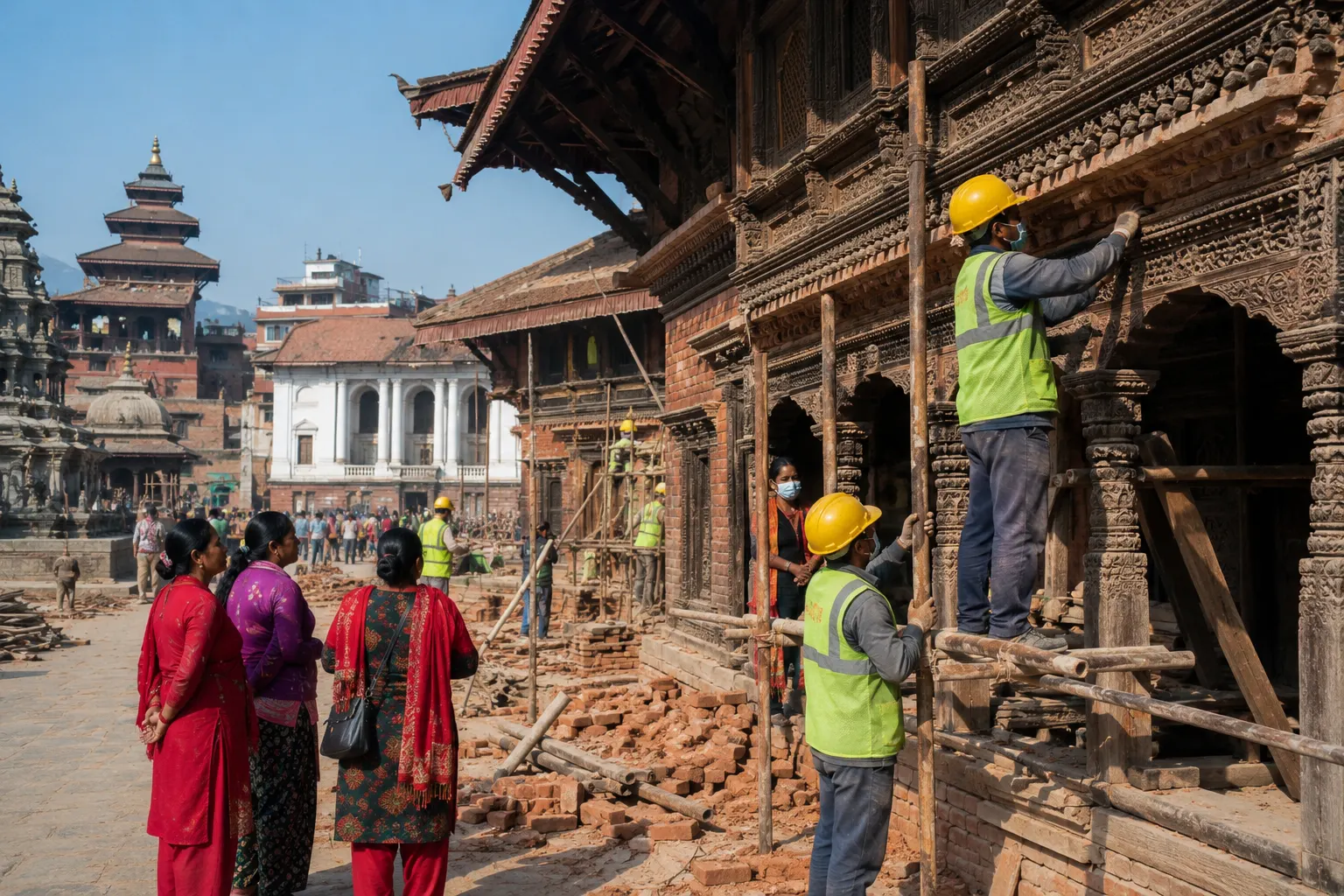
Preservation protects irreplaceable evidence, cultural memory and future choice while allowing societies to change rather than freezing the past.
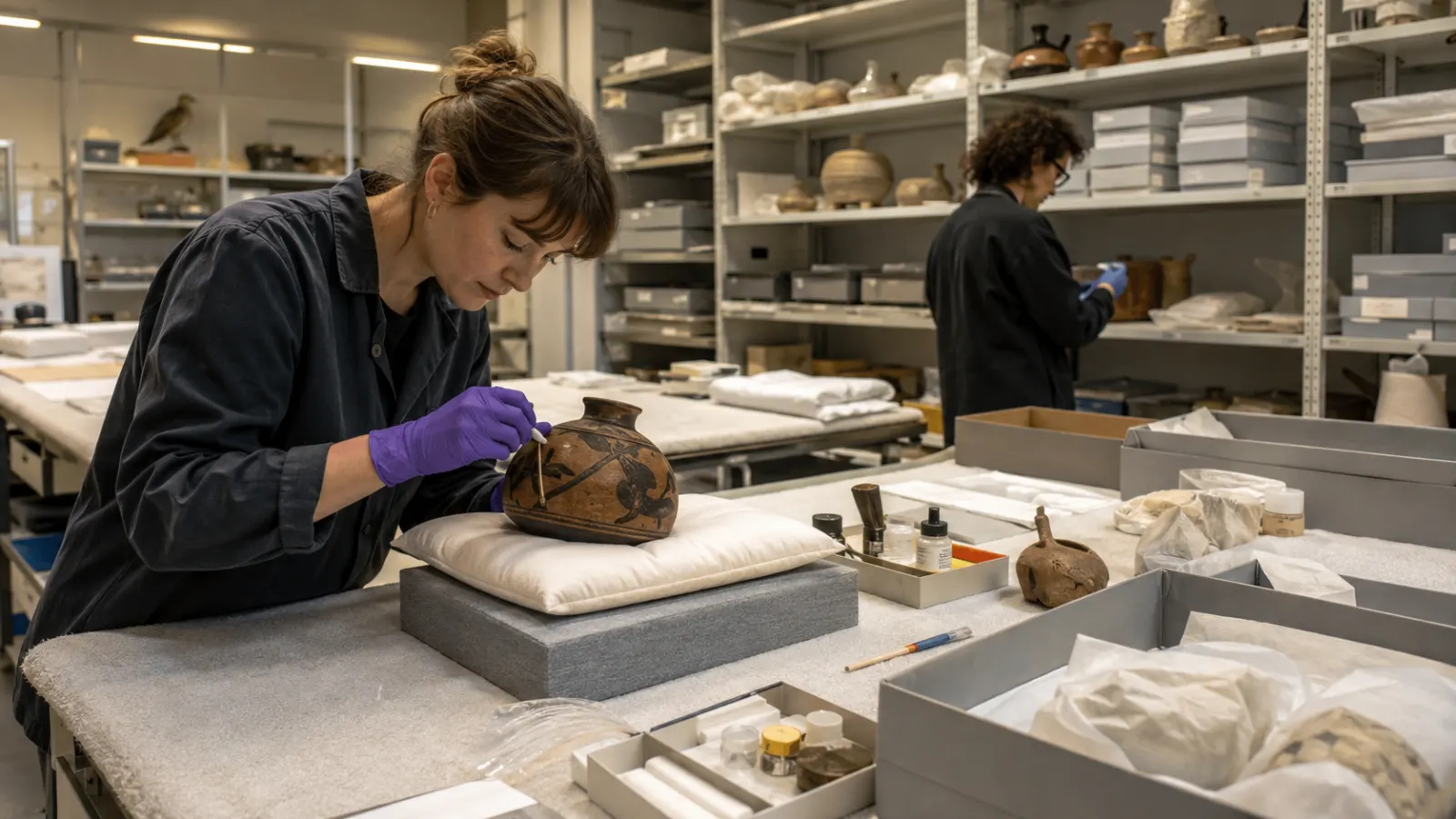
Museums preserve more than old objects. Learn how selection, provenance, documentation, conservation, research and interpretation turn collections into cultural memory.
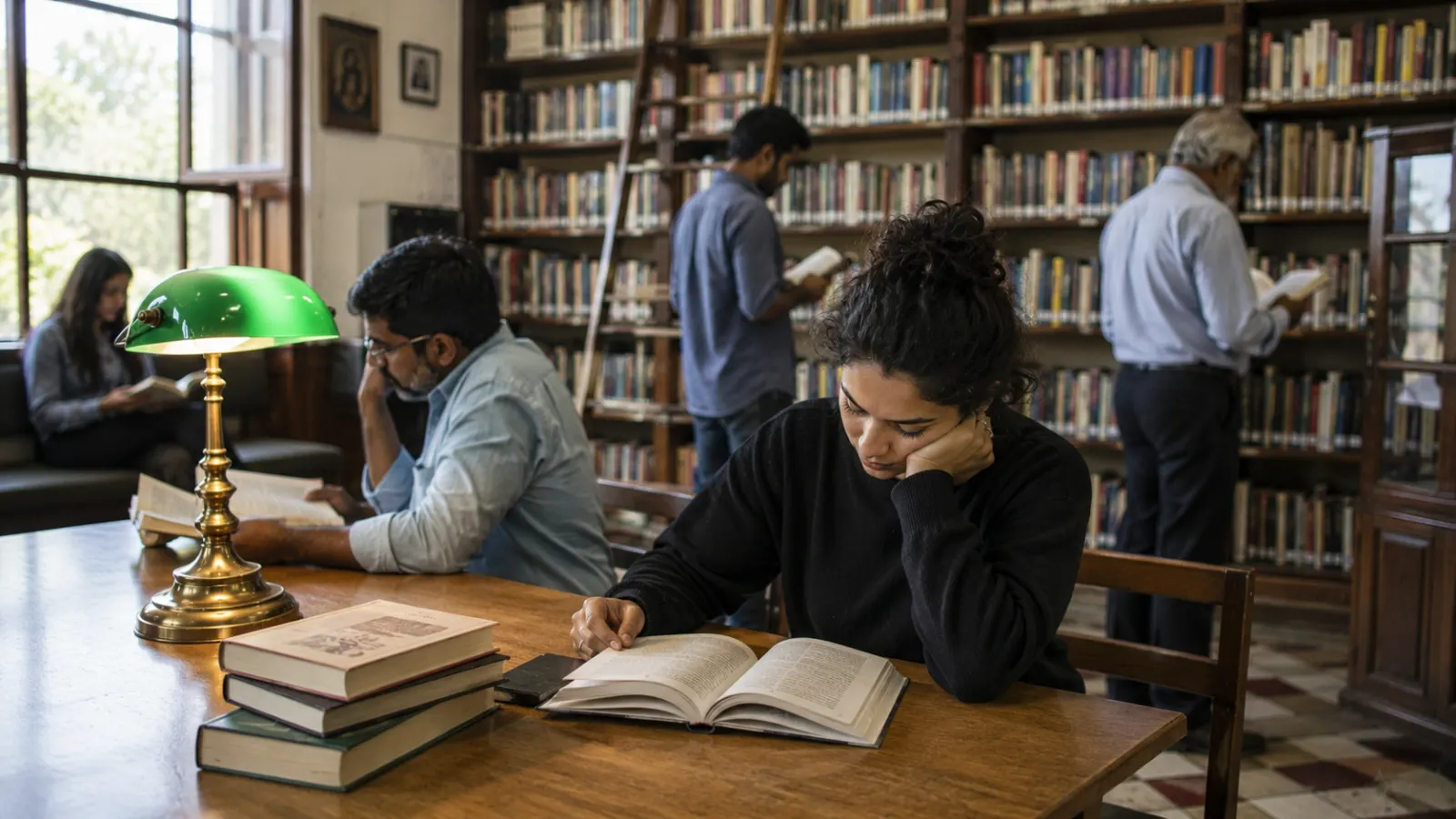
Literature preserves language and memory, carries experiences across cultures and gives societies a space to question identity, power and possible futures.
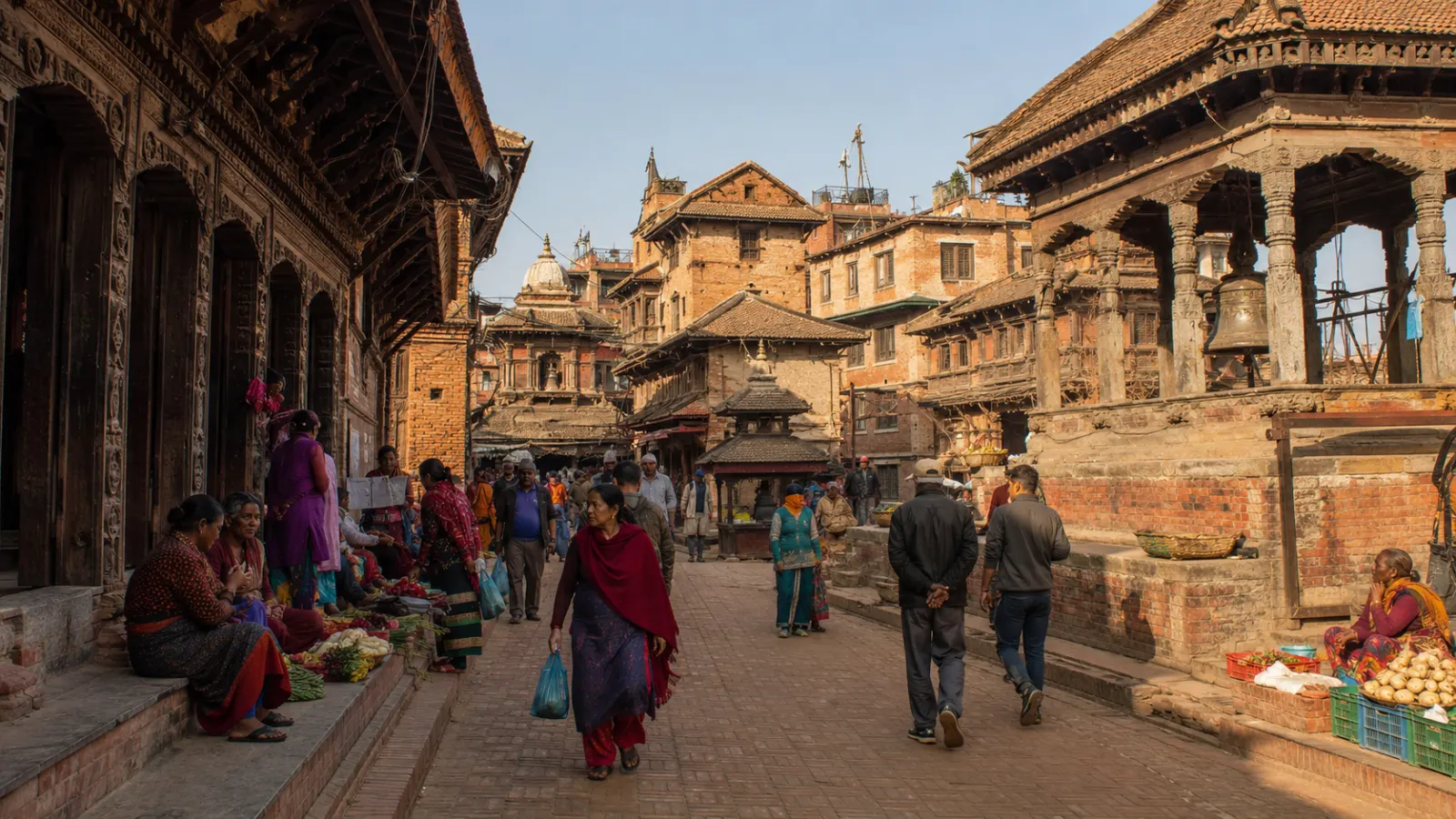
What is cultural heritage? It includes places, objects, traditions, knowledge and practices that people inherit, value and seek to preserve for future generations.
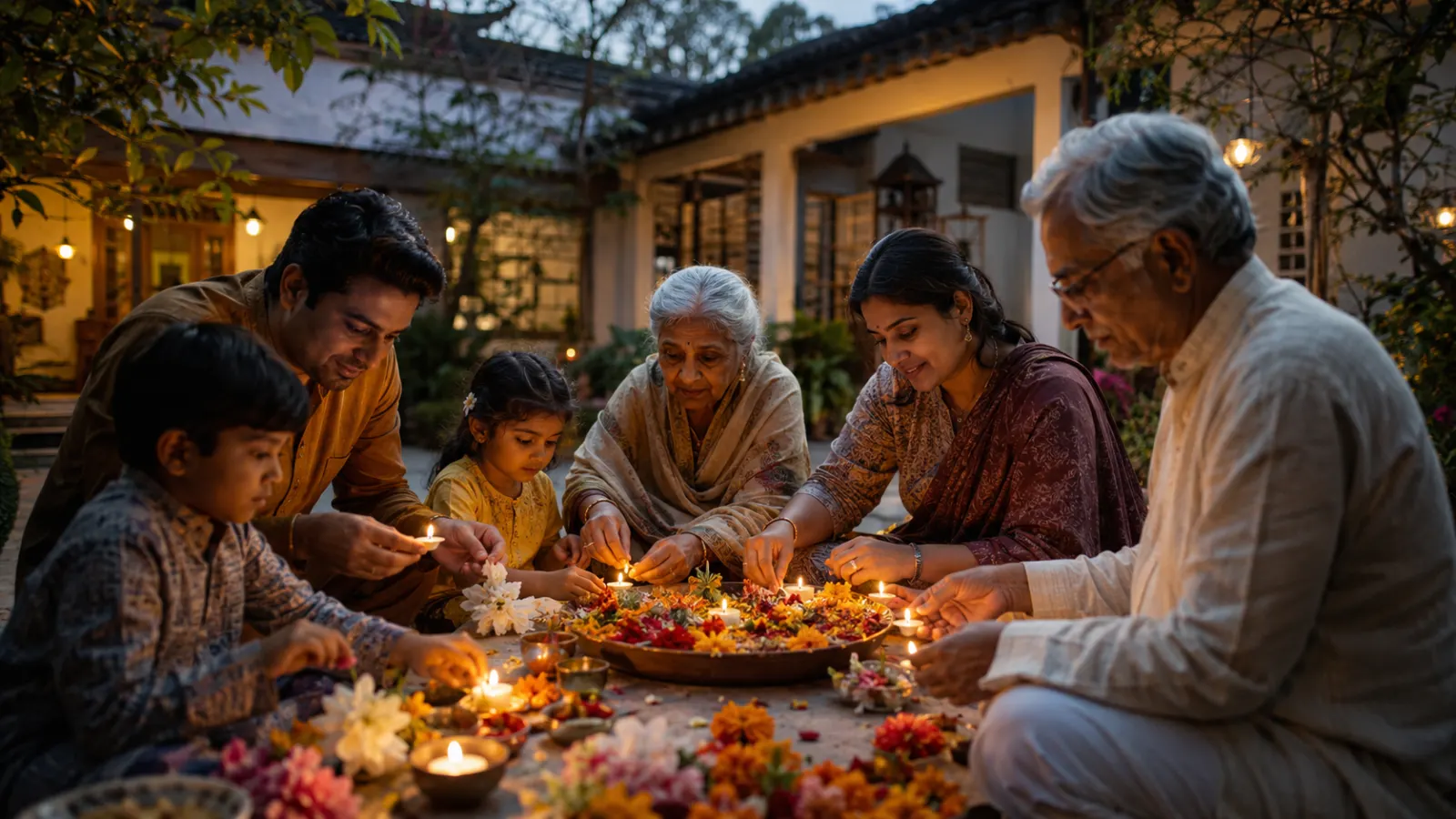
Why rituals matter: they mark transitions, preserve memory, create belonging, manage uncertainty and turn shared values into meaningful action.
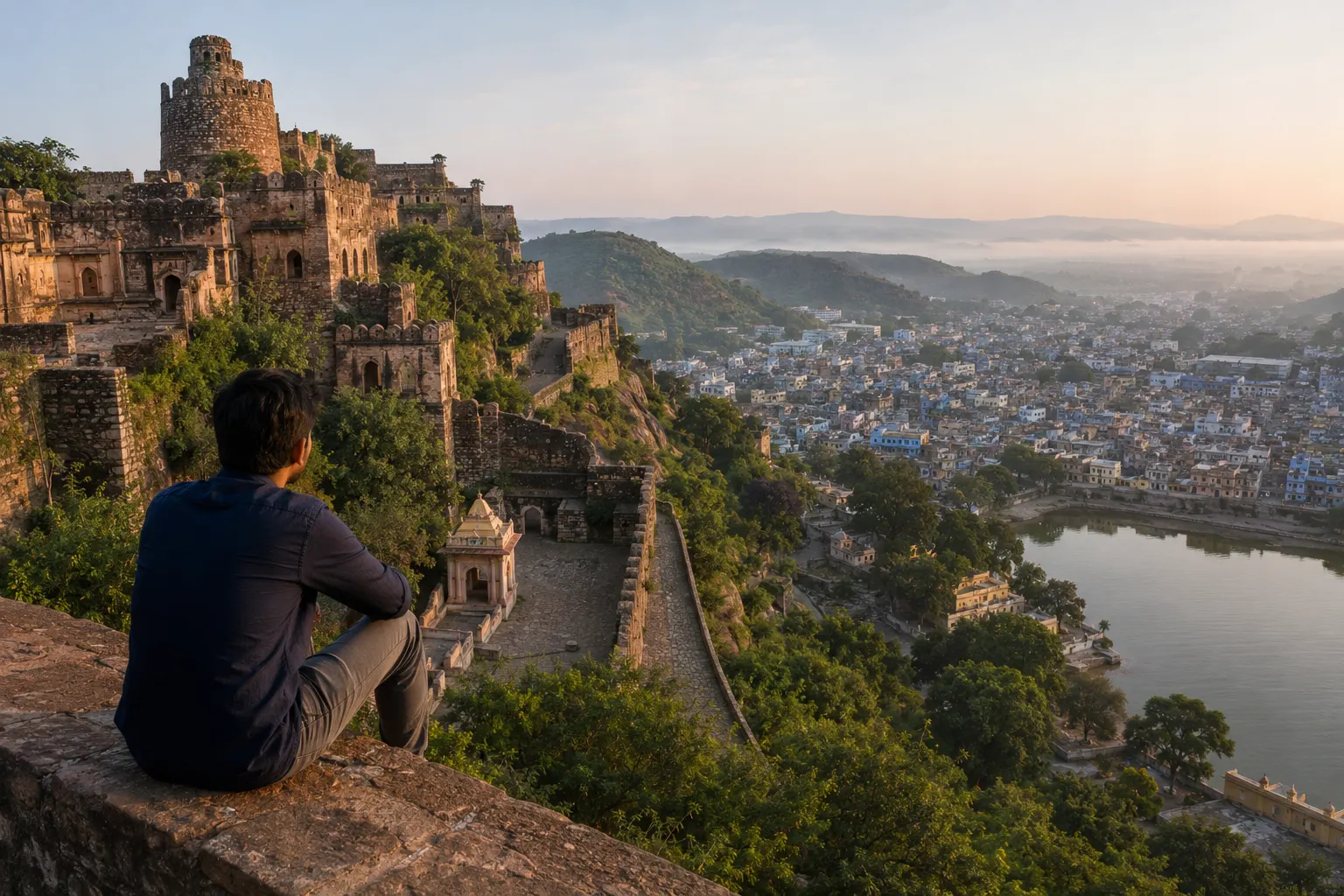
Legends survive because they do more than entertain. Attached to places, people and collective memories, they allow communities to argue about the past, explain the present and tr…
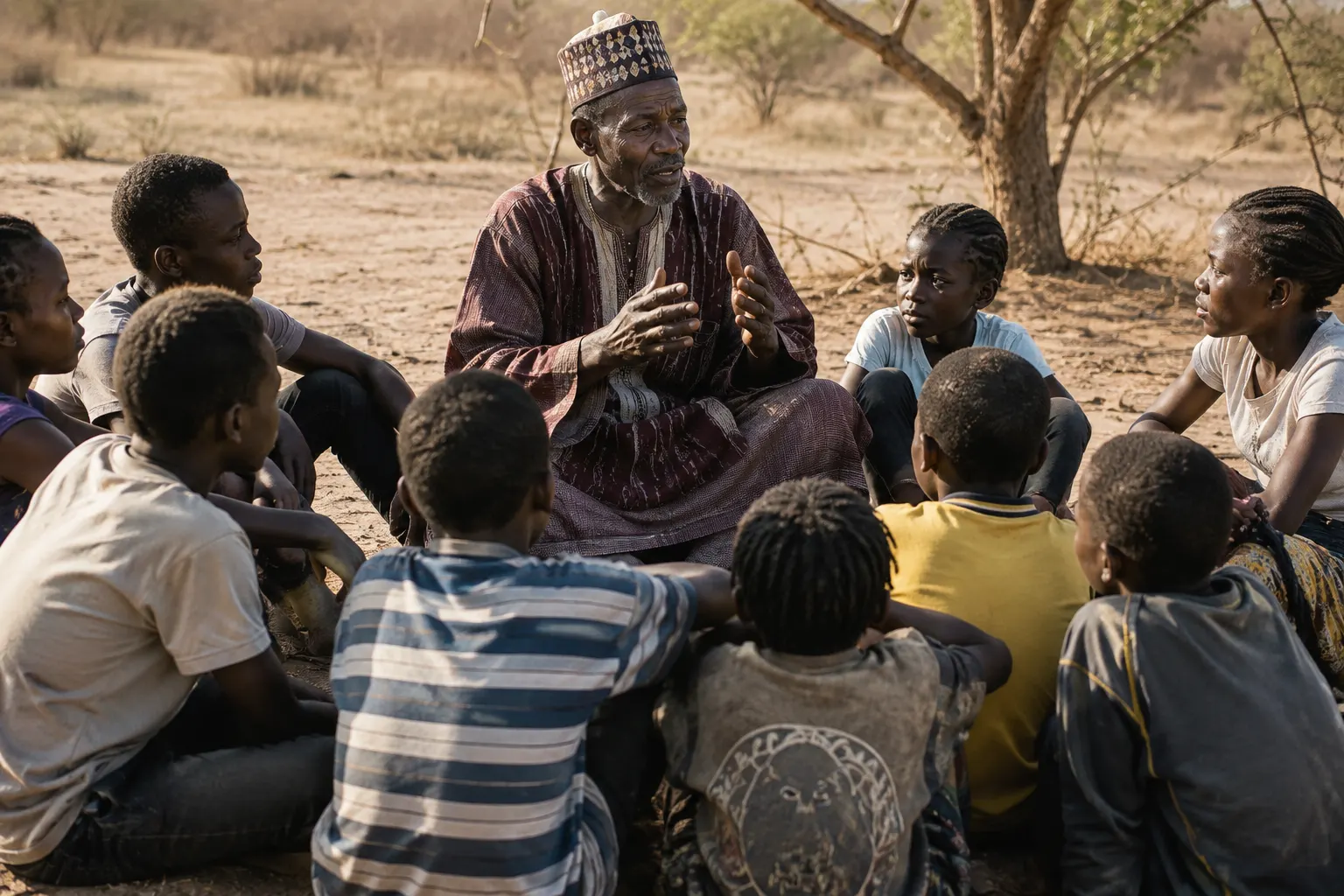
Oral traditions preserve stories, knowledge, memory and cultural values across generations through storytelling, performance and repeated community practice.
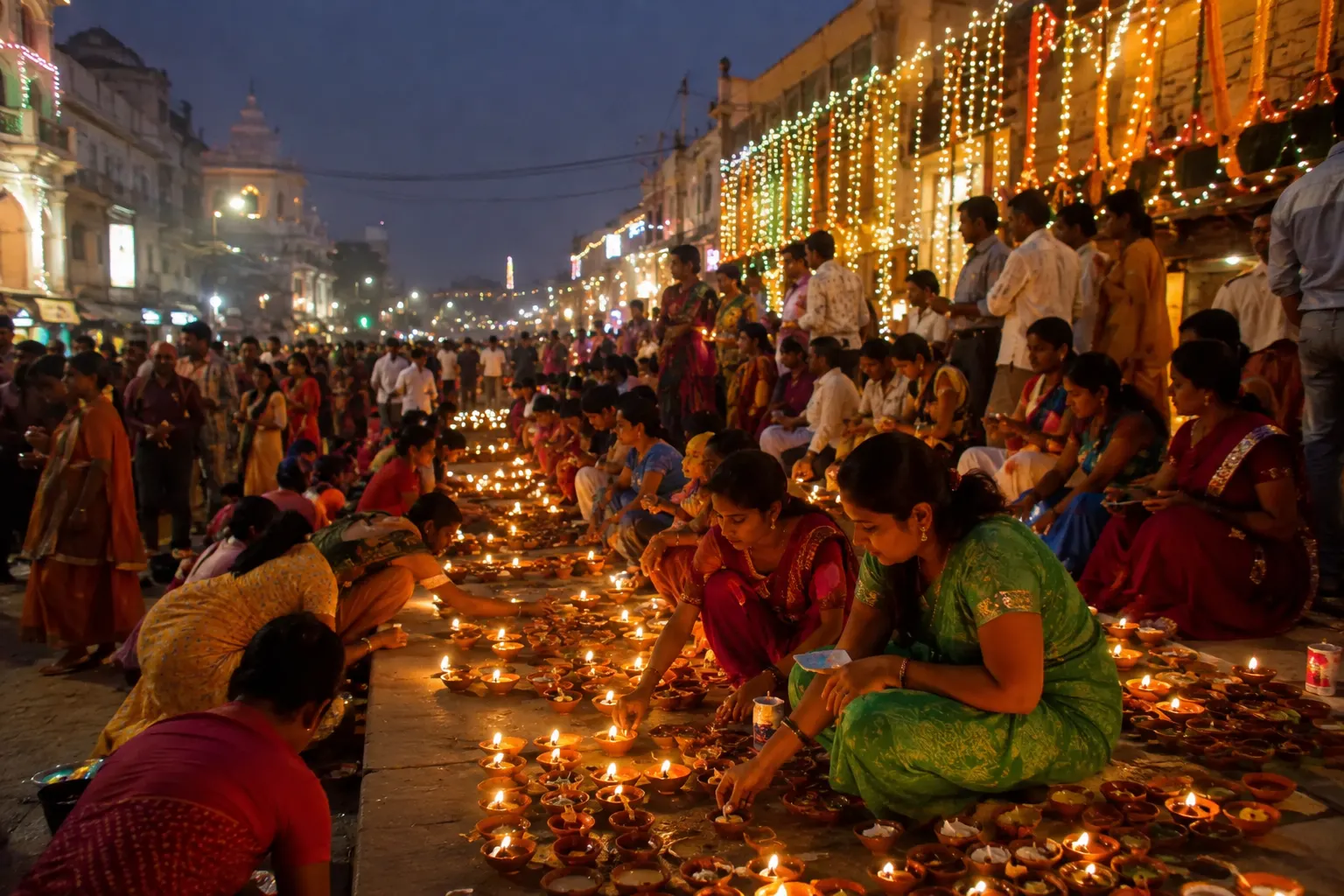
Festivals interrupt ordinary time. Through ritual, food, music, memory and public participation, they allow communities to express what they value—and reveal how traditions adapt…