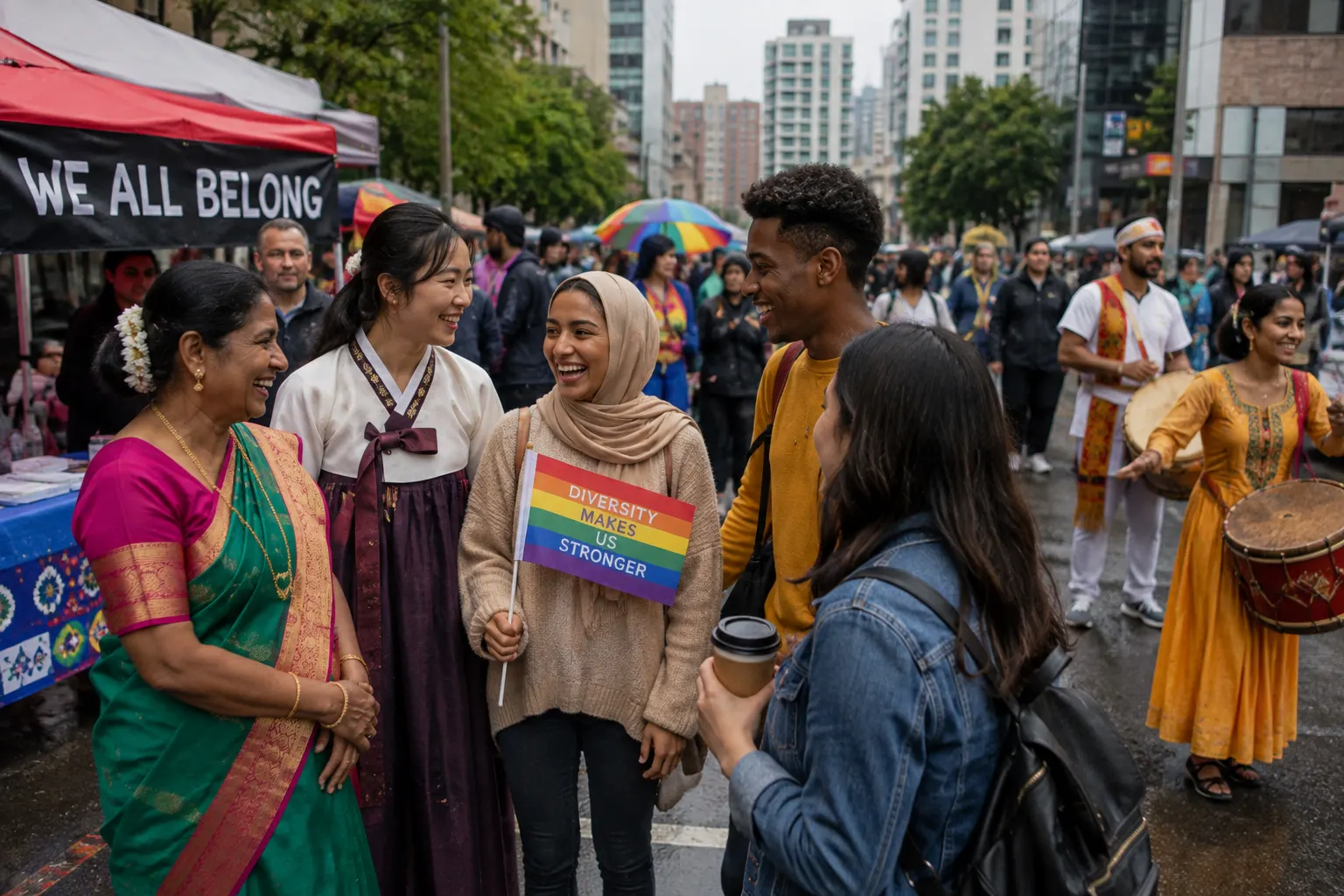
Identity feels personal, yet much of it is built socially. Communities give people categories, stories, symbols and recognition through which they answer not only “Who am I?” but…
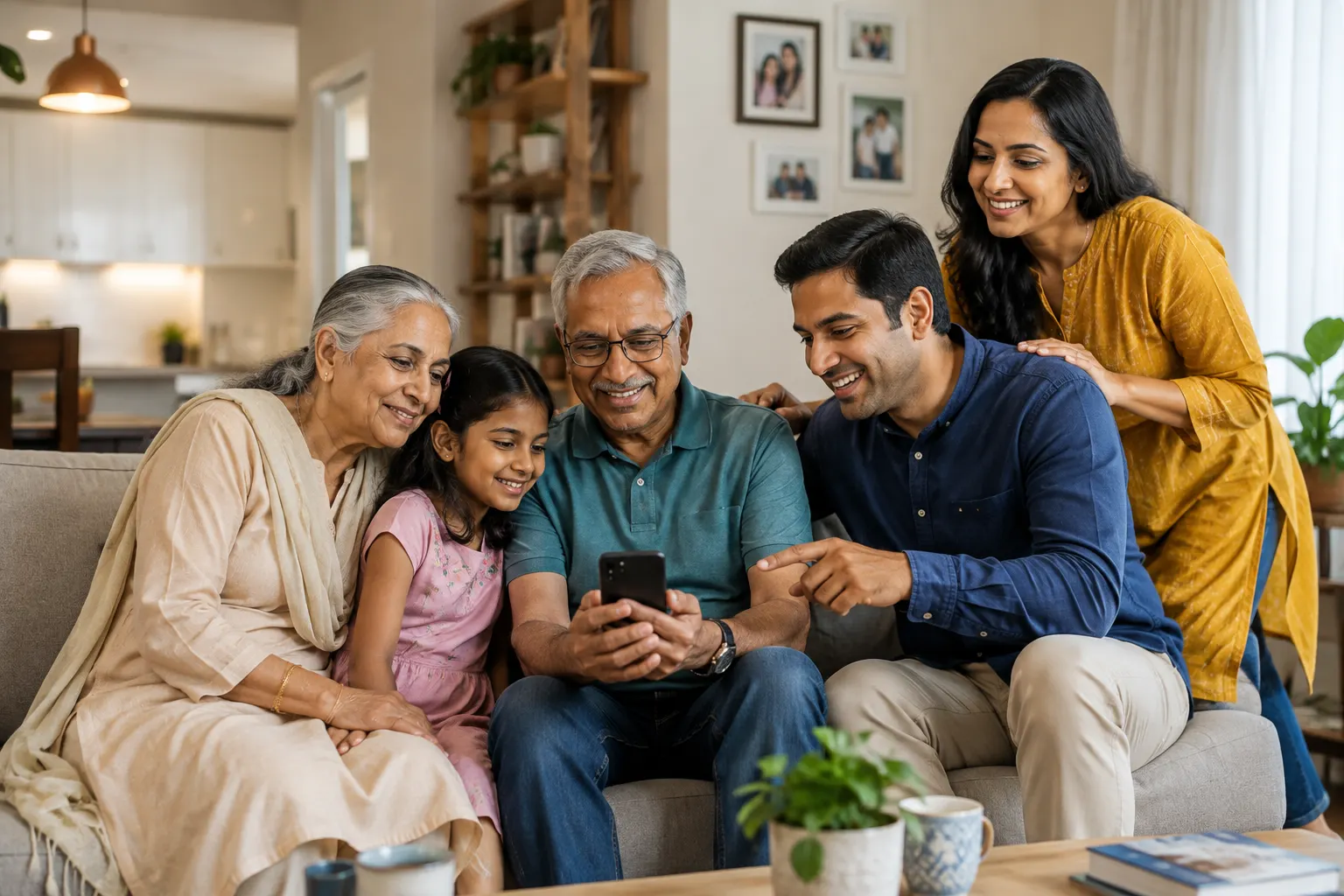
Family structures are changing across societies as smaller households, ageing, migration, technology and shifting care roles reshape how families live.
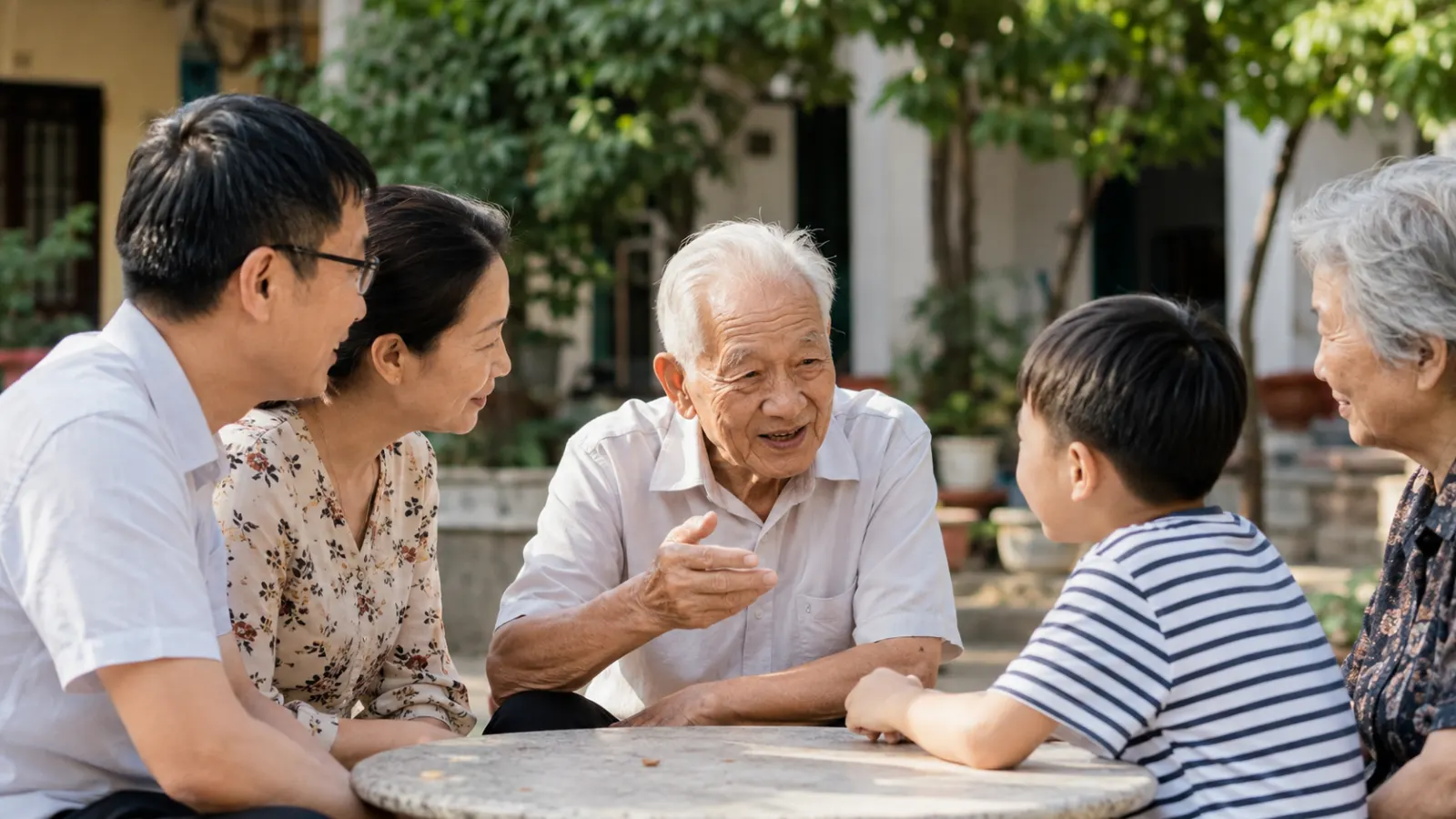
Older people are often described either as dependants or as repositories of wisdom. Both stereotypes miss the reality: elders can be workers, carers, mentors, volunteers, memory-k…
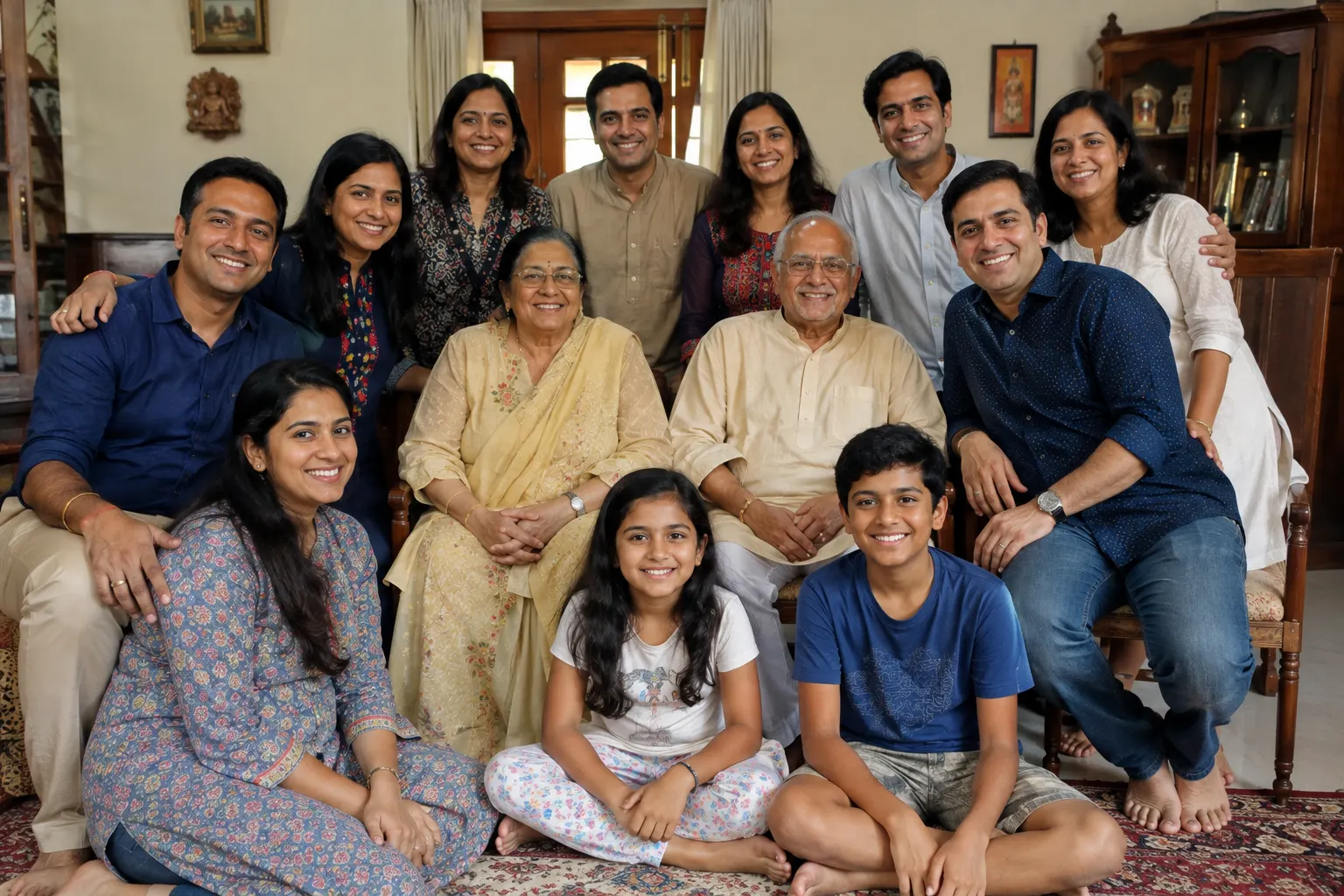
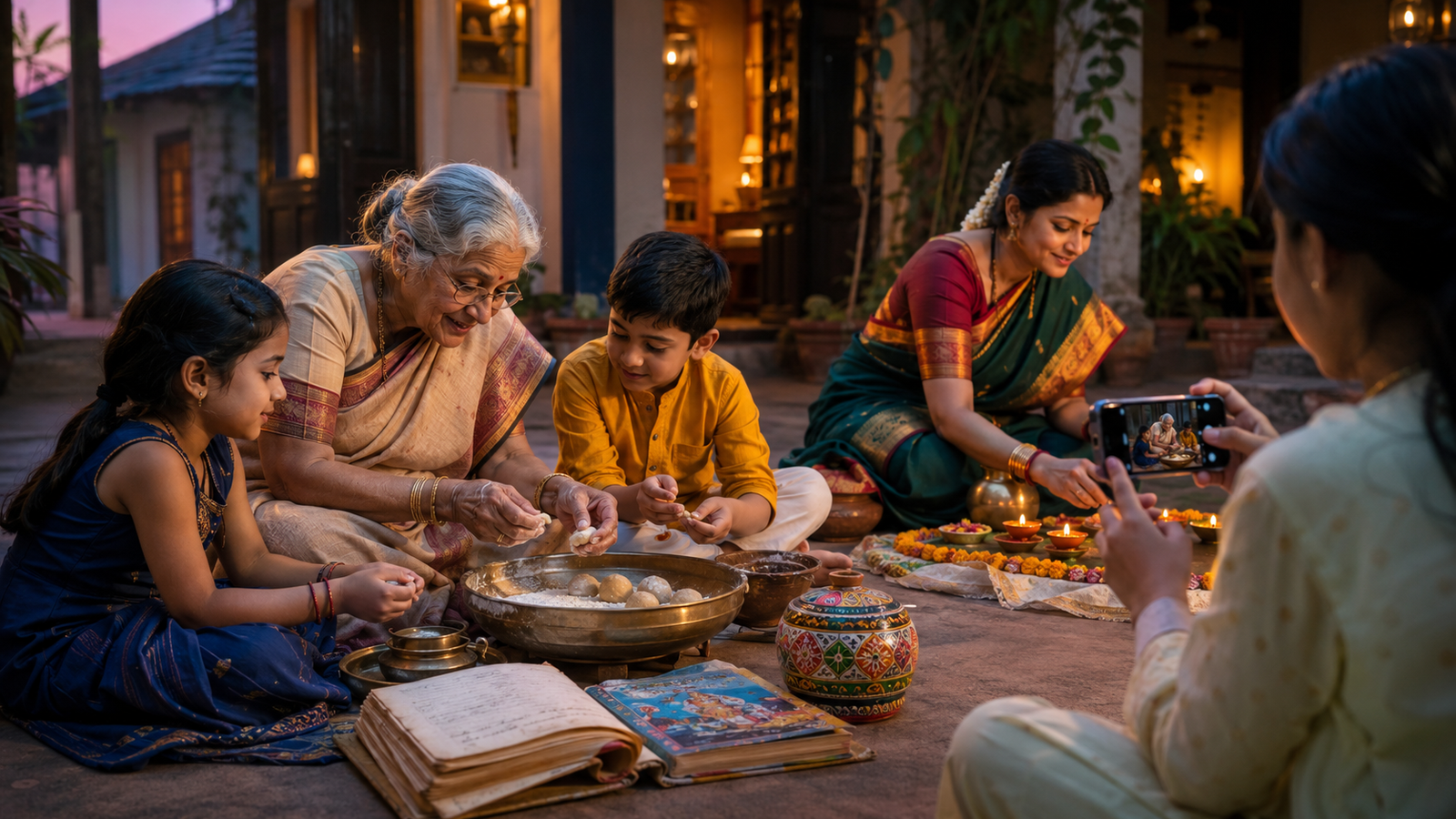
The joint family is often described as several generations living together, but co-residence is only part of the institution. Shared property, caregiving, authority and mutual obl…
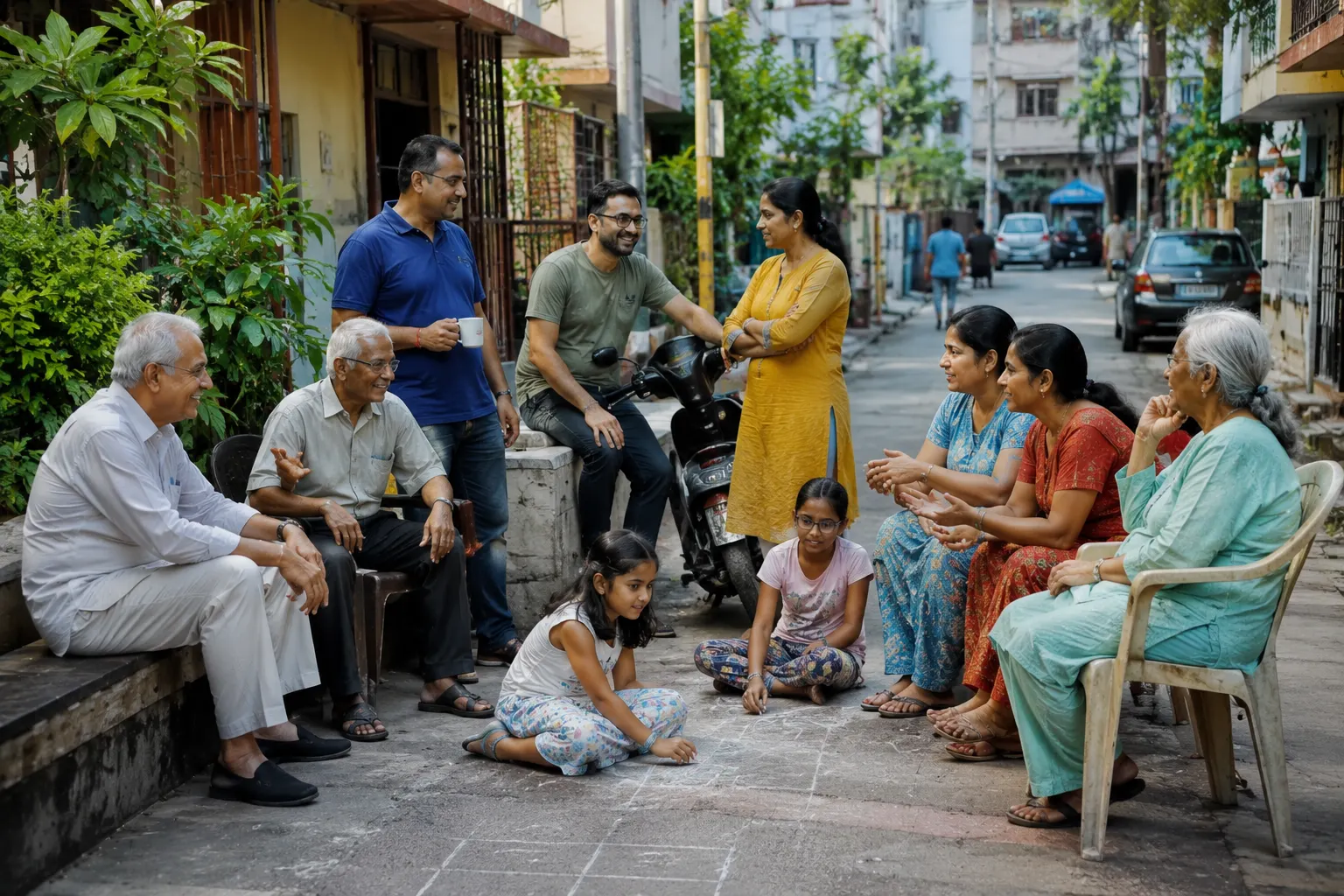
Community becomes most visible when ordinary systems fail: neighbours share information, relatives organise care, volunteers mobilise and informal networks fill gaps. But communit…
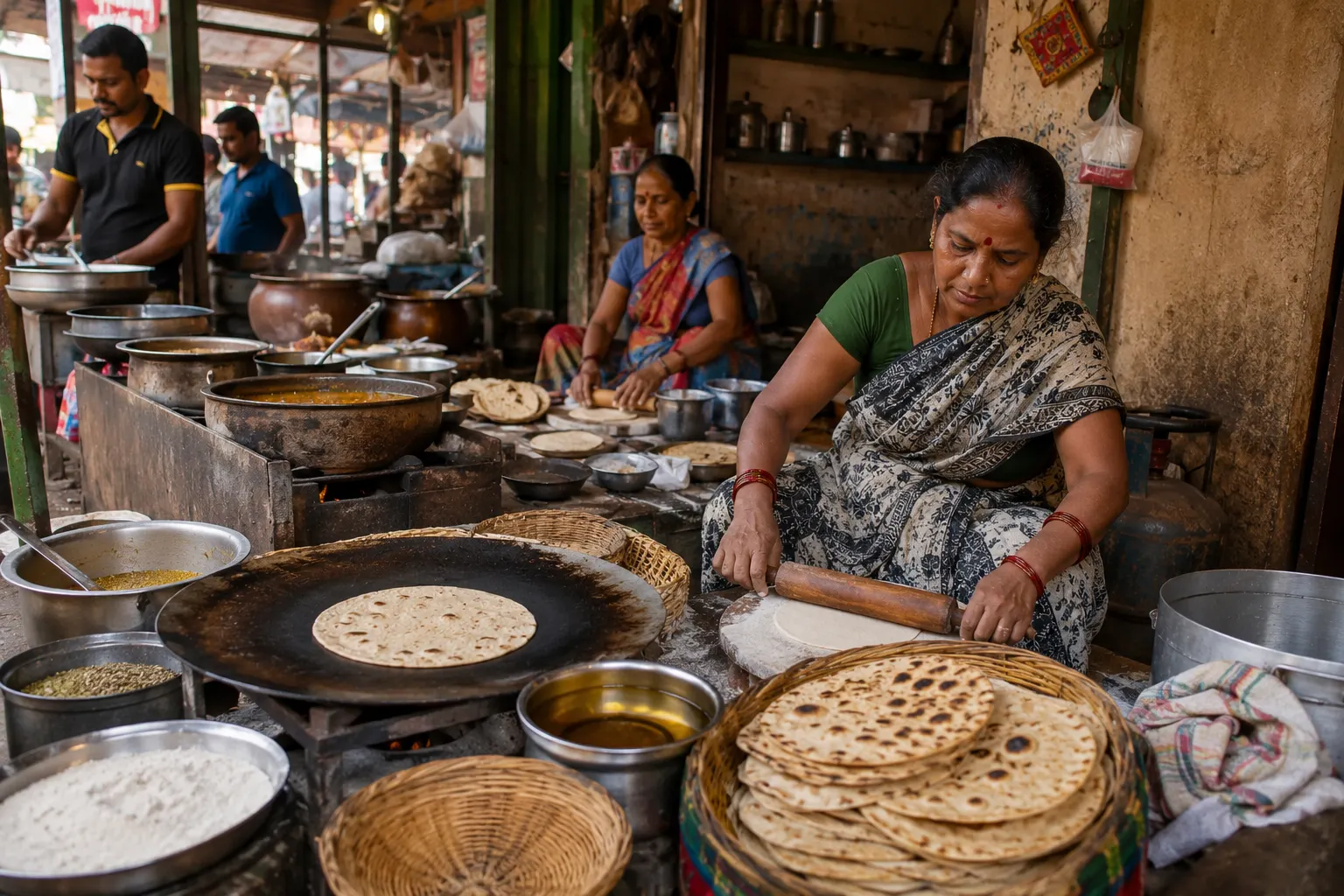
Age alone does not make a dish traditional. Foods become culturally meaningful when communities repeatedly cook, name, share, adapt and attach memories to them—often across genera…
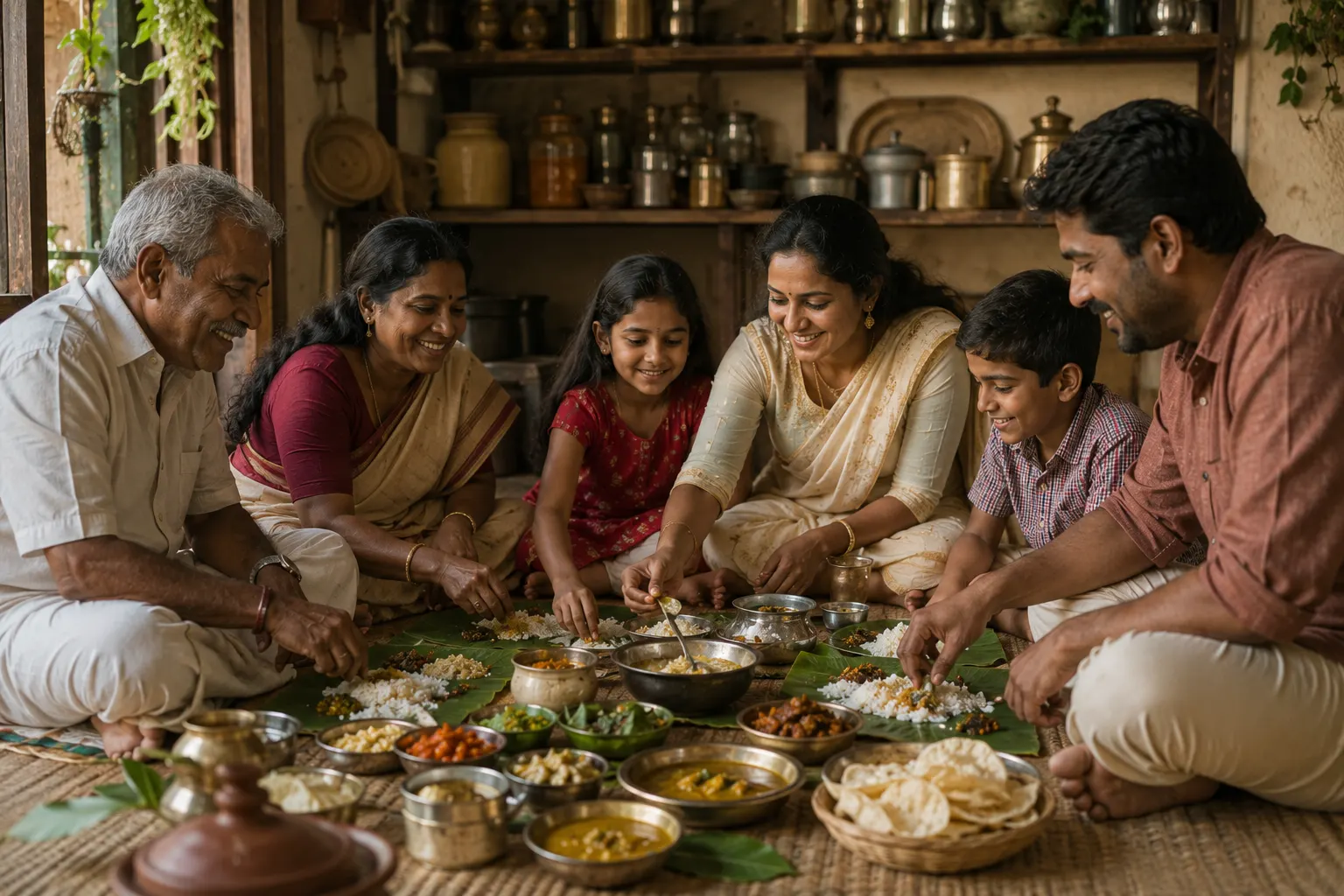
A meal contains more than nutrients. What people grow, avoid, prepare, share and celebrate can express geography, religion, family, status and memory—making food one of culture's…
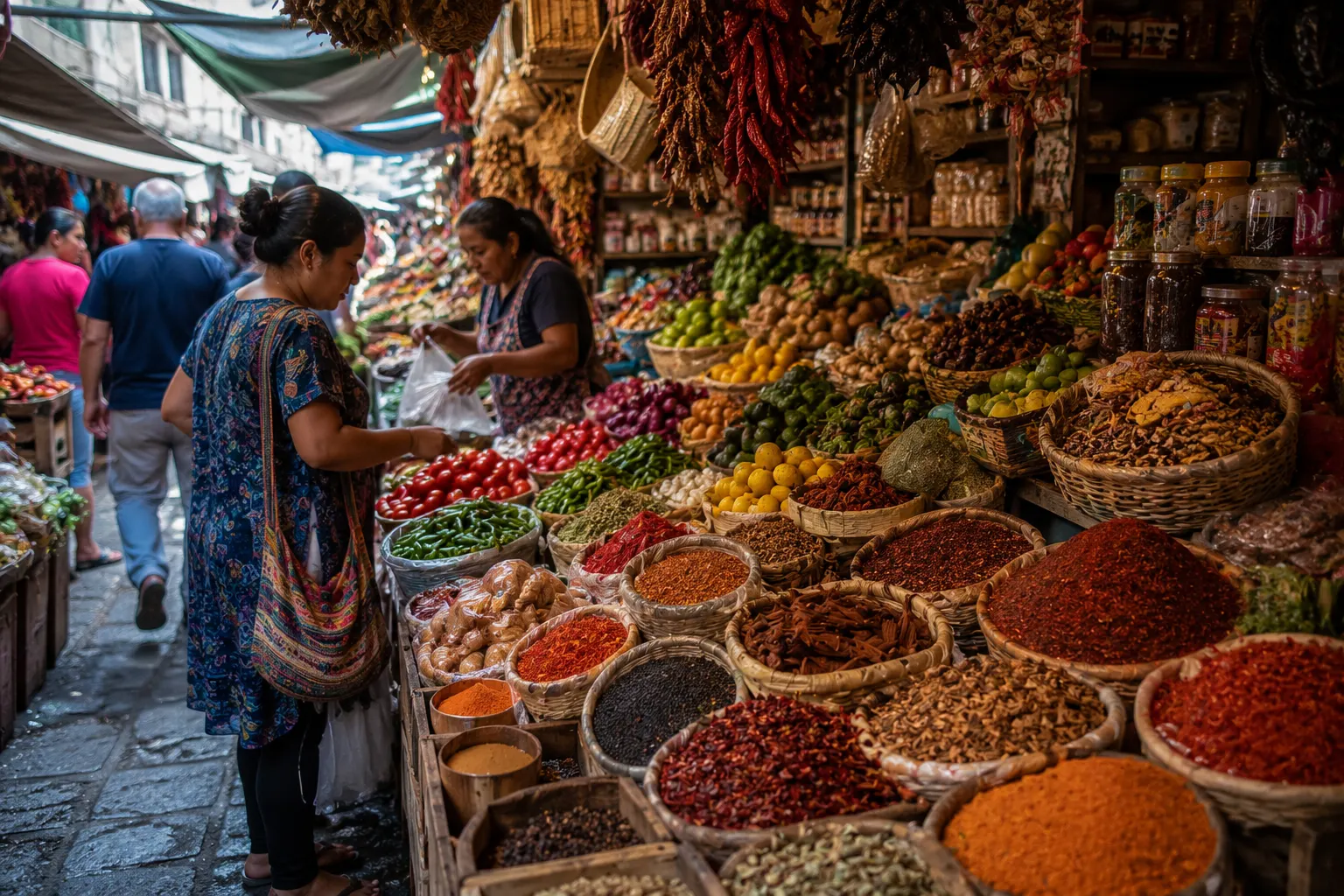
Foods travel with merchants, migrants, armies, empires and corporations. Yet they rarely arrive unchanged: local ingredients, tastes and identities reshape them until imported foo…
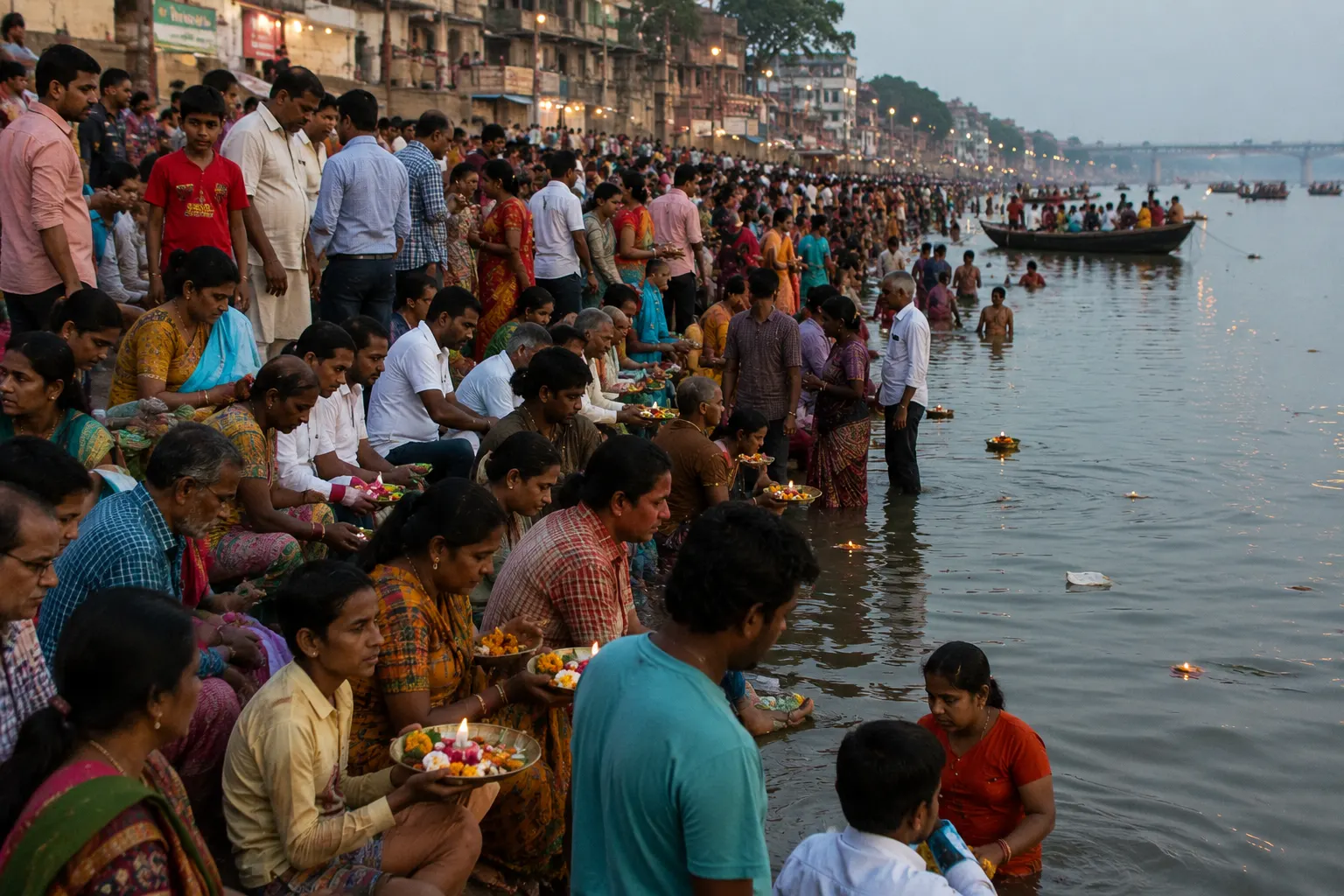
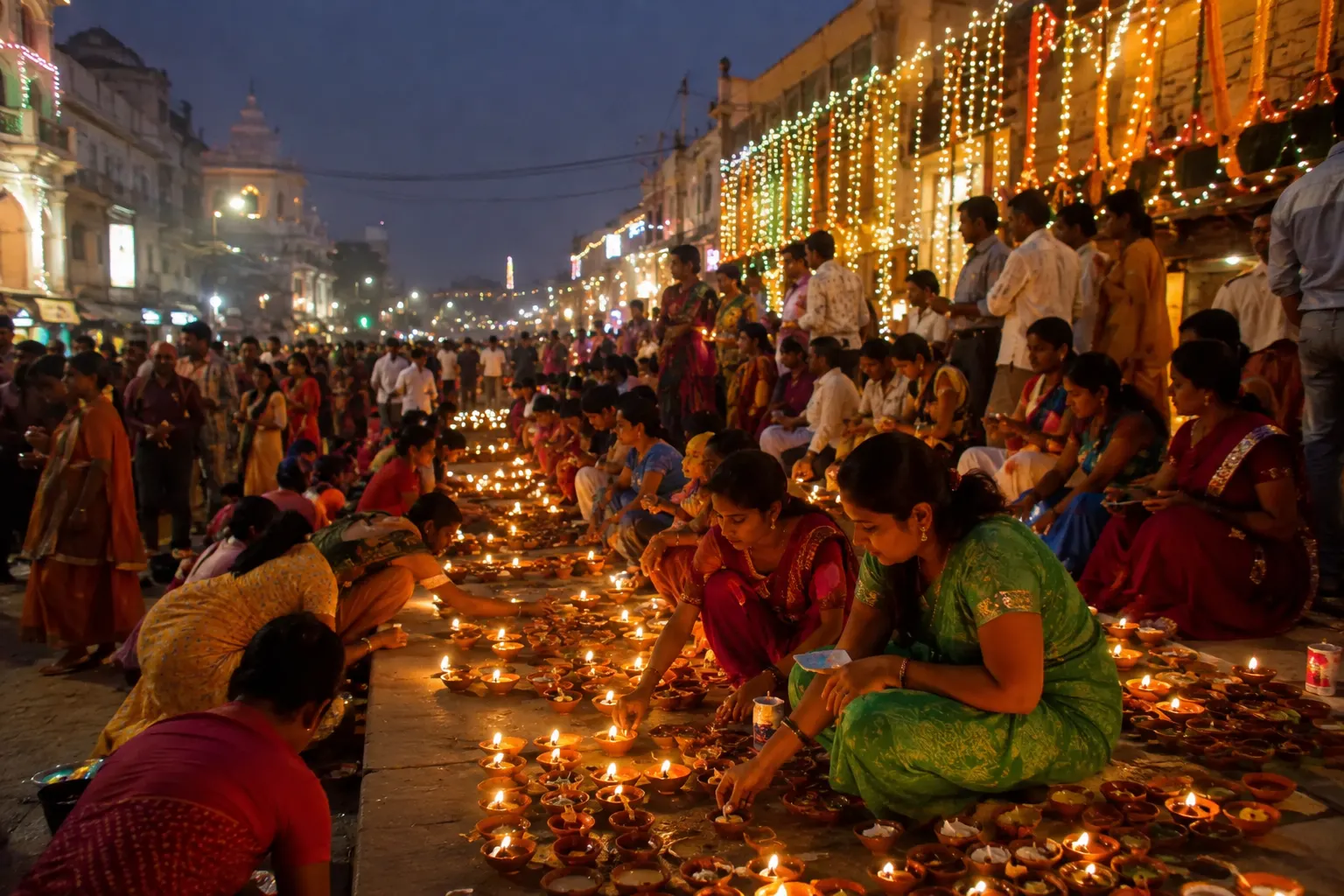
A festival does something unusual: it places large numbers of people in the same time, space and emotional rhythm. Research on collective rituals helps explain why these experienc…
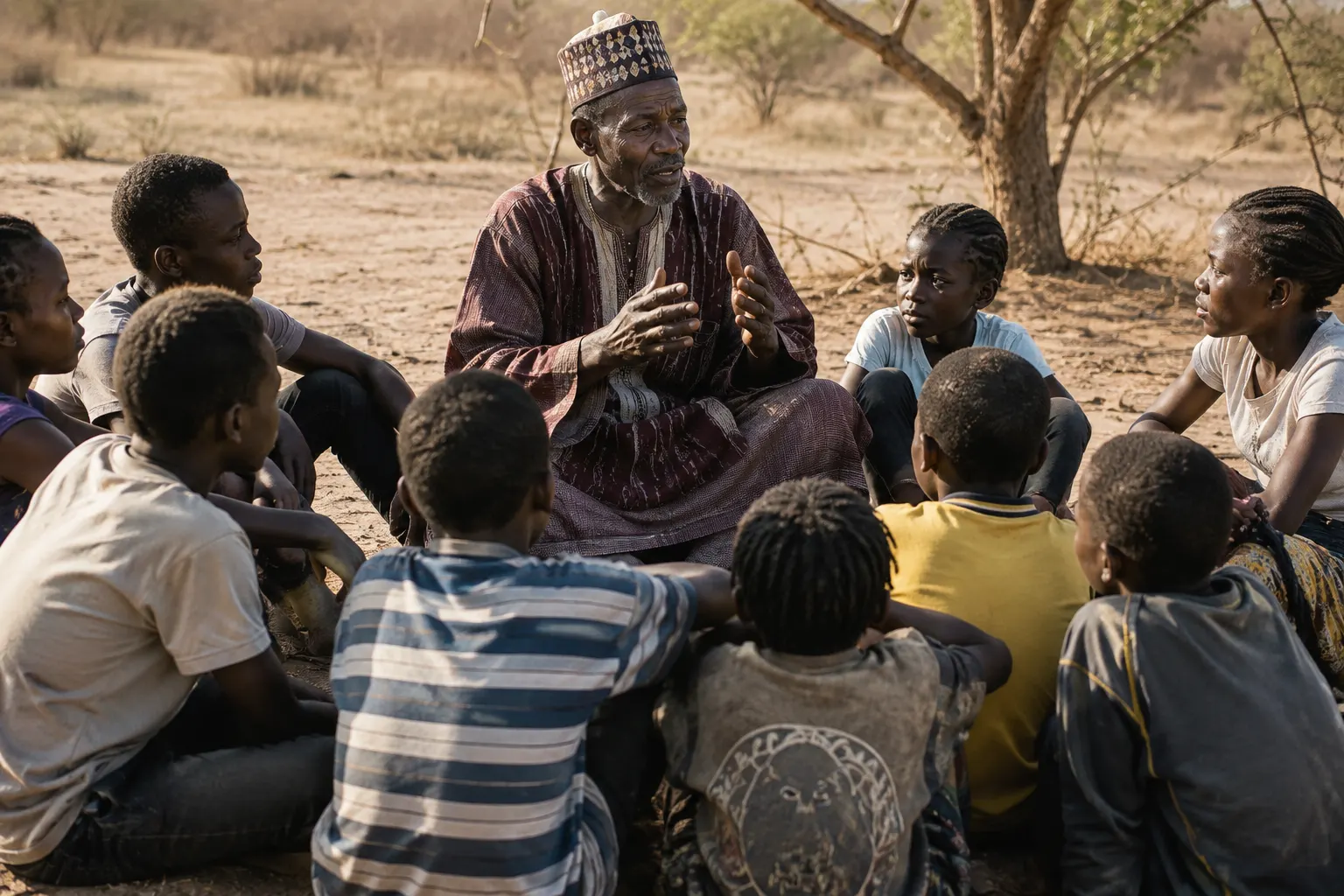
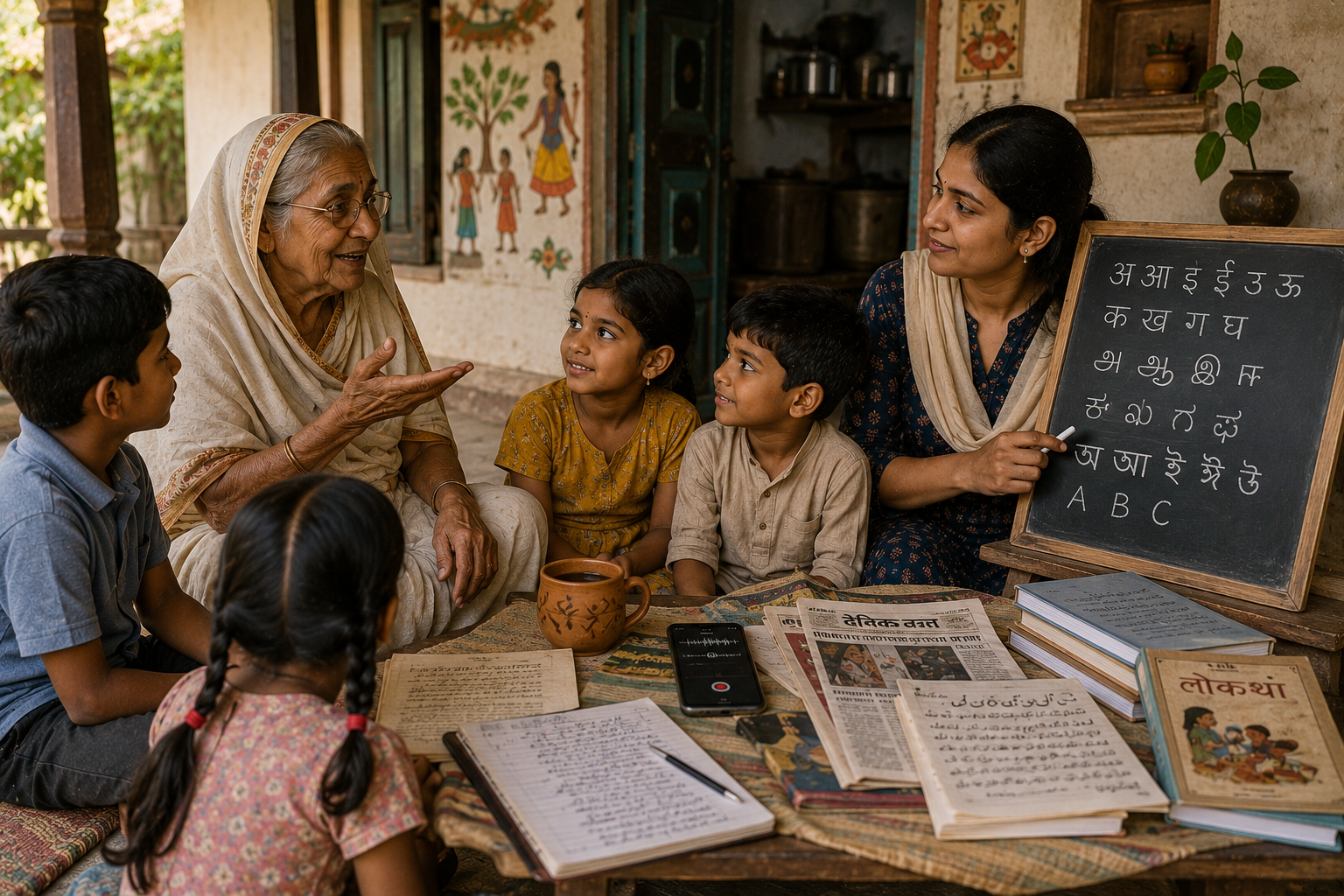
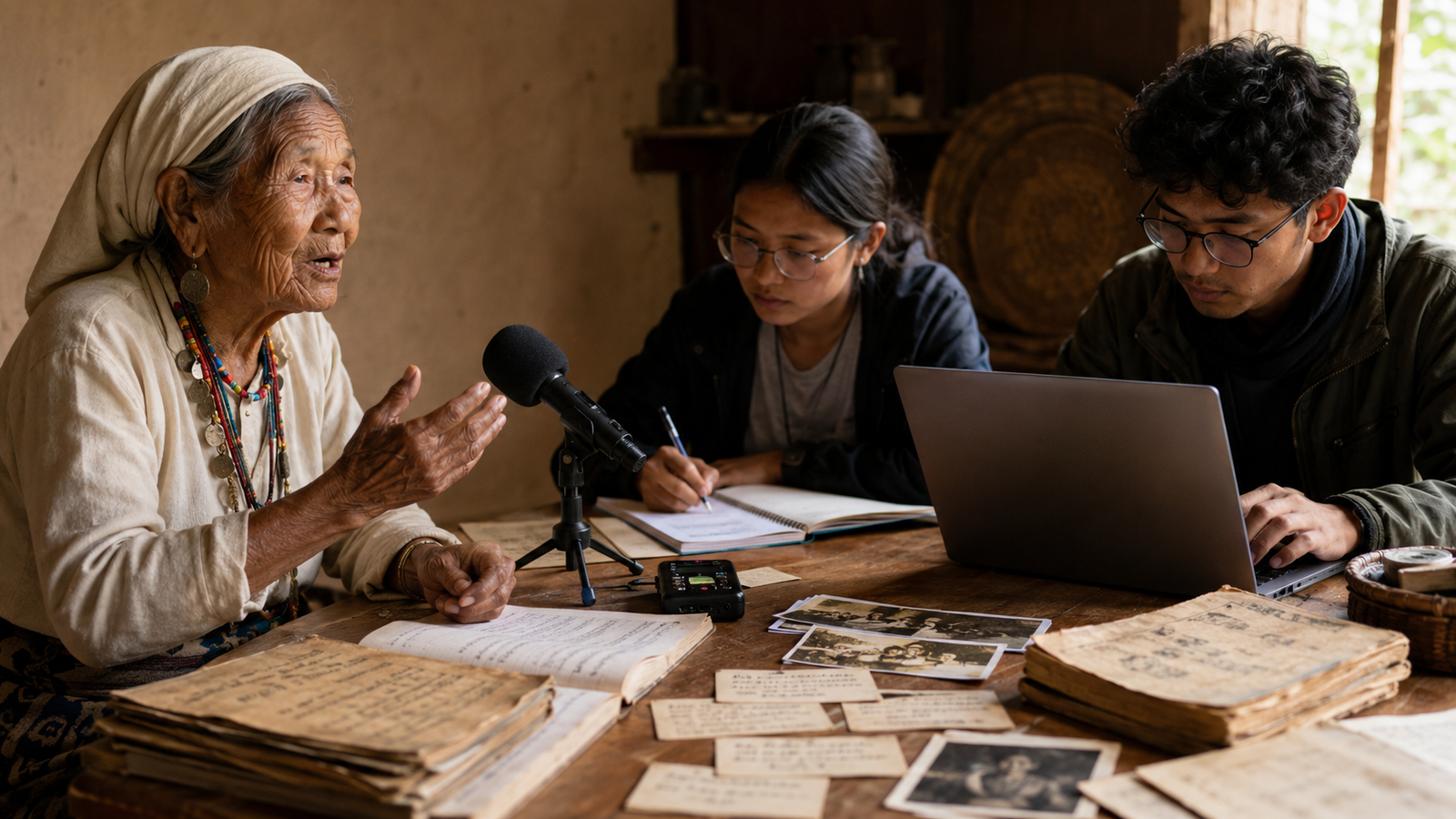
Oral traditions preserve stories, knowledge, memory and cultural values across generations through storytelling, performance and repeated community practice.
Festivals interrupt ordinary time. Through ritual, food, music, memory and public participation, they allow communities to express what they value—and reveal how traditions adapt…
Culture is not only festivals, monuments or traditions; it is the shared meaning system that shapes identity, behaviour, values and everyday social life.
Language is more than communication; it carries memory, identity, education, power and belonging, shaping how communities preserve culture across generations.
A clear evergreen explainer on linguistic diversity: what it means, why it matters, how languages shape culture, and why multilingual societies need protection.
Storytelling is more than entertainment; it carries memory, values, identity and shared meaning, helping cultures teach, adapt and survive across generations.
Enjoying the reporting?
We noticed an ad blocker. Ads keep our journalism free — please consider allowing them, or subscribe to our newsletter instead.
We use cookies to keep you signed in and to understand how readers use the site. See our Privacy Policy.